
Singapore
Southeast Asia's oldest British school pairs IB with A-Levels, then sends every Year 9 to the Australian bush for five weeks.
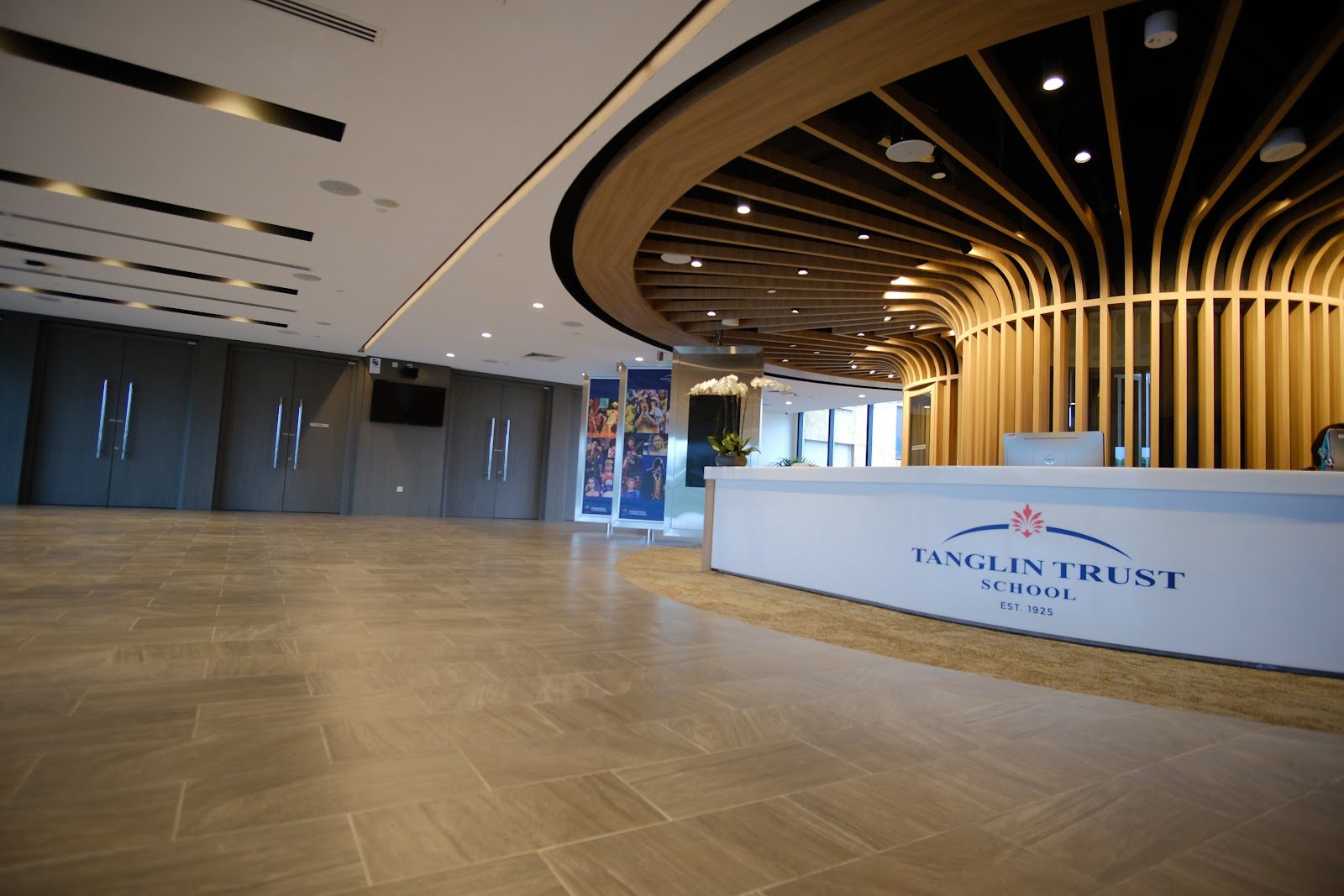
Photo © Tanglin Trust School via Google Maps
Type
Day
Ages
3–18
Curriculum
IB · British
Qualifications
IGCSE · A-Level · IB Diploma
Ratio
10:1
The Verdict
Editor's commitment
Right for
Families wanting a serious British school with real sixth-form choice: IGCSE, then A-Levels or the IB Diploma, under CIS and IBO accreditation.
Wrong for
Anyone balking at SGD 45,000 average annual fees, or wanting a small school: Tanglin has about 2,800 pupils despite an 18-strong average class.
Watch out for
This is Singapore's oldest British school, founded in 1925; prestige is established, but recent destinations listed here are ordinary, led by Arts University Bournemouth.
Ranking breakdown
Tanglin Trust School · #189 of 1591
Composite score 75.6. 8 weighted criteria.
By criterion
Academic Outcomes
Weight 20%
#208
of 1529 scored
University Placement
Weight 16%
#305
of 1529 scored
Prestige & Heritage
Weight 12%
#273
of 1529 scored
Alumni Network
Weight 12%
#306
of 1529 scored
Facilities
Weight 12%
#83
of 1529 scored
Transparency & Communications
Weight 8%
#92
of 1529 scored
Peer & Industry Review
Weight 10%
#255
of 1529 scored
Admissions Selectivity & Demand
Weight 8%
#489
of 1529 scored
Score history
Tanglin Trust School · 2026
Movement across 2024–2026. Peer average overlaid.
Overall — 2024–2026
75.6/ 100
▲ +14.1 vs 2025
year on year
Peer & Industry Review
How Tanglin Trust School is regarded in the sector
92
Top-tier · high confidence
Tanglin Trust School is widely regarded as the pre-eminent British international school in Singapore, a standing built on a century of history as the region's oldest such institution. WhichSchoolAdvisor's review describes an "impressive reputation for its strong academics, well-rounded, confident students, and unique choice of UK and IB pathways at post-16," noting Tanglin as the only Singapore school inspected under the British Schools Overseas scheme and rated "Outstanding" across every category. The Good Schools Guide independently corroborates this, calling it a school with a "well-deserved, longstanding reputation as a truly excellent international school." Industry recognition extends further still: Tanglin was named International School of the Year 2023 by ISC Research from nearly 300 global entrants, and features prominently in Tatler Asia and the Spear's 500 Schools Index. This breadth of independent editorial, inspection and sector-award endorsement places it firmly among Singapore's most benchmarked schools.
Editors' overview
Tanglin does something few schools in Singapore can match: it keeps a full British academic spine through IGCSE, then gives sixth formers a real choice between A-Levels and the IB Diploma. That matters. Families do not need to commit to one post-16 route when their child is 11. The school’s age and scale also count. Founded in 1925, it is Southeast Asia’s oldest British school, and with about 2,800 pupils split across infant, junior, senior and sixth form sections on one campus, it has the depth to run a serious, fully developed programme rather than a thin imitation of an English independent school abroad.
This is a non-profit school, and that still carries weight in a market crowded with polished corporate operators. Tanglin’s average annual day fee is 45,000 SGD, which is expensive, but the proposition is substantial: a 10:1 student-teacher ratio, average class size of 18, and dual accreditation from the IBO and CIS. The structure is clear and demanding. Pupils get British-based learning with an international perspective, then in the sixth form a genuine fork in the road between two strong qualifications. That combination makes Tanglin academically flexible in a way many rivals are not. Parents who want a school that keeps options open for university systems in the UK and beyond will put that high on the list.
What makes Tanglin distinctive is not glossy novelty but institutional confidence. It has been doing this for a long time, at scale, and with enough enrolment to sustain breadth. The school’s own character sits closer to a traditional British day school than to a boutique international start-up. That will suit children who thrive in orderly, well-established environments and families who value continuity from age 3 to 18. It will also suit pupils who are bright but not yet fixed on a single academic route at 16. The school does not publish a broad sweep of destinations here; we have only a small recent sample that includes Arts University Bournemouth, Aston University and Bath Spa University. That is too narrow a list for sweeping claims, but it does confirm movement into UK higher education.
Tanglin belongs on a shortlist for parents who want substance over theatre: a large, mature British school in Singapore, a clear academic framework, and a sixth form with more than one credible endgame. It is less suited to families chasing a niche educational philosophy or a deliberately small, intimate setting. This is a big school with a settled identity and high expectations. The right student for Tanglin is engaged, adaptable and comfortable in a structured environment that prizes both academic range and long-term stability.
Academic Performance
Tanglin’s academic proposition is stronger than the average all-through international school because it preserves two serious exit routes instead of funnelling everyone into one. That matters only if results hold up. Here, the public picture is incomplete: the school does not publish aggregate A-Level or IB Diploma outcomes in the sources we have seen, so any claim of top-tier exam performance would be editorially careless. What can be said with confidence is structural. A school of this scale, with a full senior phase and separate sixth form, has the depth to field a credible subject range and sustain the staffing needed for both post-16 pathways. In Singapore, that already places it above smaller operators that advertise breadth but cannot truly deliver it.
Relative to peers, Tanglin sits in the serious mainstream of academically ambitious British international schools rather than in the exam-obsessed bracket that trades heavily on published score tables. Parents who rank transparent outcomes above all else will notice that absence. Parents who value flexibility will read it differently: the school offers a genuinely useful choice at sixth form without forcing an early commitment. The available university destinations are too thin to serve as a proxy for academic strength. The safer judgement is this: Tanglin has the institutional shape of a strong performer, but it does not disclose the exam data that would prove where it stands among Singapore’s most results-driven competitors.
Facilities
Tanglin’s facilities benefit from scale and from a campus organised by age, with separate buildings for infant, junior, senior and sixth form pupils rather than one undifferentiated complex. That matters in daily school life. Younger children do not get swallowed by older ones, and older students get spaces that fit the demands of specialist teaching and independent study. The standout feature is not a single flashy building but the fact that the school has enough physical depth to support distinct phases properly. In a market where some all-through schools compress everyone into a shared footprint, Tanglin feels fully built out and institutionally mature. With about 2,800 pupils on site, anything less would show quickly.
Against Singapore peers, that places Tanglin in the serious upper tier for practical provision, even if it does not trade on architectural spectacle. Large enrolment creates pressure on sports areas, circulation and shared spaces, so parents should ask hard questions about scheduling, access and how much time pupils actually get in premium facilities. Still, schools that sustain both a broad senior offer and a sizeable sixth form need laboratories, subject rooms, performance space and athletics provision that work at scale; Tanglin clears that bar. The five-week Year 9 expedition to the Australian bush also points to a school that uses facilities as part of a wider educational infrastructure rather than as showroom decoration. This is a substantial, hard-working campus, not a boutique environment or a vanity project.
What makes Tanglin distinctive is not glossy novelty but institutional confidence
Prestige
Tanglin carries real prestige in Singapore’s international-school market, and not the flimsy kind built on branding alone. Its standing rests on age, continuity and the fact that it operates at full scale as a non-profit rather than as a franchise outpost. That combination matters to parents who read schools closely. It signals permanence, institutional memory and a level of confidence that newer competitors cannot manufacture. The school also benefits from a large and established community: about 2,800 pupils across infant, junior, senior and sixth form creates social and academic critical mass, and the split into distinct sections gives it the feel of a proper institution rather than a catch-all all-through school trying to do everything in one block.
The prestige here is earned rather than theatrical. Tanglin’s name carries weight with internationally mobile British and anglophone families because it has been part of the Singapore landscape for generations and has produced an alumni base that extends into public life, sport and the arts. That does not place it in the same category as the most socially exclusive British boarding schools; its reputation is more civic than aristocratic. But within the local day-school market, it sits in the top tier of recognition. The price reinforces that status: an average annual day fee of 45,000 SGD places Tanglin firmly in the premium bracket, and parents paying that sum are buying into a school with deep-rooted credibility, not a fashionable experiment.
Parents who value flexibility will read it differently: the school offers a genuinely useful choice at sixth form without forcing an early commitment
Communications
Tanglin has the scale and complexity that force a school to communicate well. Parents are not dealing with a single small cohort in one building; they are dealing with multiple phases, distinct routines and a large community under one institutional umbrella. In that context, vague messaging would create friction fast. The school’s public-facing communication is orderly, institutionally fluent and tuned to the needs of a big day school: it explains the structure clearly, makes the separate sections legible and gives parents a firm sense of how the place is organised. That matters because schools with this many moving parts can drift into internal jargon and fragmented updates. Tanglin’s external presentation does not. It reads like a school that knows exactly what it is doing.
The stronger point is coherence. The British academic spine, the dual sixth-form pathways and the outdoor programme sit together in a way that feels deliberate rather than bolted on for effect. Parents can see the educational logic. What is missing is harder performance disclosure. The school does not publish aggregate A-Level or IB outcomes in the public domain, and that weakens communication at the point where many fee-paying families want hard proof, not narrative. At an average annual fee of 45,000 SGD, that omission stands out. So the verdict is mixed but clear: Tanglin communicates confidently on structure, values and day-to-day identity, but it is less transparent on results than the most forthright schools in its bracket.
Uniqueness
Tanglin’s clearest point of difference is not a slogan or a specialist gimmick. It is breadth with continuity. Few schools in Singapore keep children on one campus from nursery to university entry while sustaining a full British route through the middle years and then offering a genuine fork at sixth form. That structure gives families rare room to manoeuvre. A child can mature within one institution, then choose the qualification that fits their strengths instead of being pushed into the school’s single preferred outcome. The result is a model that feels deliberate rather than improvised: a large, established school using scale to preserve options, not to dilute them.
Then there is the Year 9 expedition. Sending an entire cohort to the Australian bush for five weeks is not a token outdoor week dressed up as character education. It is a serious institutional statement about what the school values beyond classroom performance: stamina, self-management, group responsibility and the ability to function away from comfort. For students, that brings more than adventure. It interrupts the polished routines of high-performing Singapore life and tests independence in a setting that does not reward polish alone. Combined with a community of about 2,800 pupils, Tanglin offers something unusually hard to replicate: a traditional, large-scale British day school abroad that still builds in a demanding rite of passage, rather than treating education as a smooth conveyor belt from early years to exam hall.
But within the local day-school market, it sits in the top tier of recognition
Student Profile
The pupils who fit Tanglin best are the ones who can handle scale without getting lost in it. This is a large, established community, split into distinct sections, with enough moving parts to reward children who are organised, socially capable and comfortable finding their place in a busy institution. It suits families who want continuity and a clear mainstream path rather than experimentation. The student body itself is substantial — about 2,800 pupils — so no child can rely on being endlessly shepherded or indulged. The right student is steady, self-managing and happy to work within a school culture that is structured, high-expectation and not built around hand-holding.
It also suits students with range. The school makes room for children who are academically serious but not fixed in one mould too early, and for those who can cope with a demanding mix of classroom study, co-curricular commitment and communal life. The Year 9 expedition is the clearest test of fit: five weeks away in the Australian bush will appeal to pupils with resilience and a measure of grit, and it will repel those who want comfort at every turn. Tanglin is a good match for grounded, adaptable children who can thrive in a confidently traditional environment without needing a boutique level of individual attention. It is a weaker fit for fragile joiners, chronic last-minute strugglers, or families chasing a soft-edged pastoral cocoon.
Families do not need to commit to one post-16 route when their child is 11
Co-curricular strengths
Arts & sport, on a separate axis
Overall 9.28/10
Scored 0-10 from the school's own published evidence. This axis is editorial-only — it does not feed the main WTS ranking.
Sports
9.3/10
Multiple sports venues, competitive sport, and extracurricular teams in swimming, football, netball, rugby and tennis, while external evidence adds several notable sport alumni including a professional footballer, rugby captain and tennis player.
Drama
9.5/10
Dedicated spaces for drama and named Drama Productions, and external evidence adds several notable acting alumni including Romola Garai, Blair McDonough, Mimi Slinger and Finn Elliot.
Dance
9/10
Music
9.6/10
Dedicated spaces for music, ensemble music, School Orchestra and Choir, and external evidence references a Tanglin School Concert.
Visual Arts
9/10
Art studios, indicating a solid visual arts provision, but gives no stronger evidence such as named departments, specialist staff, exhibitions or awards.
Editor-verified · 8/6/2026
Outcomes & destinations
Where students go next
Class of 2021
Top destinations
137 placements
- Arts University Bournemouth· 1
- Aston University· 1
- Bath Spa University· 1
- Birmingham City University· 1
- Bournemouth University· 1
- University of the West of England, Bristol· 1
- Brunel University London· 1
- Canterbury Christ Church University· 1
- Cardiff University· 1
- City, University of London· 1
- De Montfort University· 1
- Durham University· 1
- Imperial College London· 1
- Keele University· 1
- King's College London· 1
- Kingston University· 1
- Lancaster University· 1
- Leeds Arts University· 1
- Leeds Beckett University· 1
- London Metropolitan University· 1
- London School of Economics and Political Science· 1
- Loughborough University· 1
- Manchester Metropolitan University· 1
- Newcastle University· 1
- Northumbria University· 1
- Norwich University of the Arts· 1
- Nottingham Trent University· 1
- Oxford Brookes University· 1
- Queen Mary University of London· 1
- Ravensbourne University London· 1
- Rose Bruford College· 1
- Royal Central School of Speech and Drama· 1
- Royal Holloway, University of London· 1
- Royal Veterinary College· 1
- Sheffield Hallam University· 1
- St Mary's University, Twickenham· 1
- Swansea University· 1
- The Courtauld Institute of Art· 1
- The University of Law· 1
- University College London· 1
- University of Aberdeen· 1
- University of Bath· 1
- University of Birmingham· 1
- University of Brighton· 1
- University of Bristol· 1
- University of Cambridge· 1
- University of Chester· 1
- University of Chichester· 1
- University of Dundee· 1
- University of East Anglia· 1
- University of Edinburgh· 1
- University of Essex· 1
- University of Exeter· 1
- University of Glasgow· 1
- University of Gloucestershire· 1
- University of Hertfordshire· 1
- University of Kent· 1
- University of Leeds· 1
- University of Leicester· 1
- University of Liverpool· 1
- University of Manchester· 1
- University of Northampton· 1
- University of Nottingham· 1
- University of Oxford· 1
- University of Reading· 1
- University of Roehampton· 1
- University of Sheffield· 1
- University of Southampton· 1
- University of St Andrews· 1
- University of Stirling· 1
- University of Surrey· 1
- University of Sussex· 1
- University of the Creative Arts· 1
- University of Warwick· 1
- University of Westminster· 1
- University of York· 1
- McMaster University· 1
- Queen's University· 1
- Ryerson University· 1
- University of British Columbia· 1
- University of Ottawa· 1
- University of Toronto· 1
- University of Waterloo· 1
- Western University· 1
- Wilfrid Laurier University· 1
- York University· 1
- American University· 1
- Barnard College· 1
- Boston University· 1
- Brandeis University· 1
- Bryn Mawr College· 1
- California State University, Los Angeles· 1
- Carnegie Mellon University· 1
- Chapman University· 1
- Colorado State University· 1
- Cornell University· 1
- Georgia Institute of Technology· 1
- Hawaii Pacific University· 1
- Indiana University Bloomington· 1
- Loyola Marymount University· 1
- New York University· 1
- Northeastern University· 1
- Northwestern University· 1
- Pomona College· 1
- Santa Clara University· 1
- The New School· 1
- Tufts University· 1
- University of California, Berkeley· 1
- University of California, Davis· 1
- University of California, Irvine· 1
- University of California, Los Angeles· 1
- University of California, Riverside· 1
- University of California, San Diego· 1
- University of California, Santa Barbara· 1
- University of California, Santa Cruz· 1
- University of Chicago· 1
- University of Connecticut· 1
- University of Michigan-Ann Arbor· 1
- University of San Francisco· 1
- University of Southern California· 1
- University of Utah· 1
- University of Virginia· 1
- University of Washington Seattle Campus· 1
- Wellesley College· 1
- Yale University· 1
- École Polytechnique· 1
- Dún Laoghaire Institute of Art, Design and Technology· 1
- Trinity College Dublin· 1
- University College Dublin· 1
- Erasmus University Rotterdam· 1
- Leiden University· 1
- Tillburg University· 1
- University of Amsterdam· 1
- Utrecht University· 1
- IE University· 1
- Yale-NUS· 1
- EHL· 1
Reported by the school. Confirm with admissions.
Notable alumni · Wikidata
9notable alumni
0 historic (born pre-1930) · 9 modern (born post-1970)wikidata:2026-07-28 How we source this
WTS 300 badge
2025/26 editionTanglin Trust School is one of the World's Top 300 Schools for 2025/26. Claim your listing to add it to your site →
Strengths
- +Established in 1925
- +Offers both A-Level and IB Diploma
- +Non-profit international school
- +10:1 student-teacher ratio
Considerations
- −Annual day fees: 45,000 SGD
- −Day school only, no boarding
- −English-only instruction
Availability
Primary entry gate & tests
Academic Record (Expat Priority)
Gallery
Photo © Tanglin Trust School via Google Maps
Photo © Ming via Google Maps
Photo © C SK via Google Maps
Photo © C SK via Google Maps
Photo © siang hang lim via Google Maps
Photo © Surya Seelam via Google Maps
Photo © TTS Communications via Google Maps
Photo © Tanglin Trust School via Google Maps
Photo © Tanglin Trust School via Google Maps
Recommended reading
Independent write-ups of this school from editorial outlets we trust.
- Tanglin Trust School — review on WhichSchoolAdvisorWhichSchoolAdvisor
Parent reviews
Have you sent your child here?
Voice reviews carry the strongest trust badge — we transcribe them for you to tidy up before they go live. Prefer to type? A written review is fine too.
Add your voice
In 60 seconds, tell other parents: what's the best thing about Tanglin Trust School, and what surprised you when your child joined?
We ask for a Google sign-in so every review has a real face behind it — no anonymous drive-by attacks on schools, and no faked positive reviews. Your email is never shown publicly.
Send this profile to a friend
International parents rely on word-of-mouth. Share this review with someone weighing the same decision.
Schools with places
Similar schools to Tanglin Trust School with places available now.
Singapore American School
Singapore · Singapore
- 2026-27
- WAITPOOLGrade-specific / Waitpools
- 2027-28
- PLACES OPENRolling
Overseas Family School
Singapore · Singapore
- 2026-27
- WAITPOOLSpace-dependent
- 2027-28
- PLACES OPENRolling
Chatsworth International School
Singapore · Singapore
- 2026-27
- WAITPOOLSpace-dependent
- 2027-28
- FUTURE CYCLERolling claim not independently verified for 2027/28
Availability first, then country, area, curriculum, price, co-curricular
Consider also
Also worth looking at alongside Tanglin Trust School.
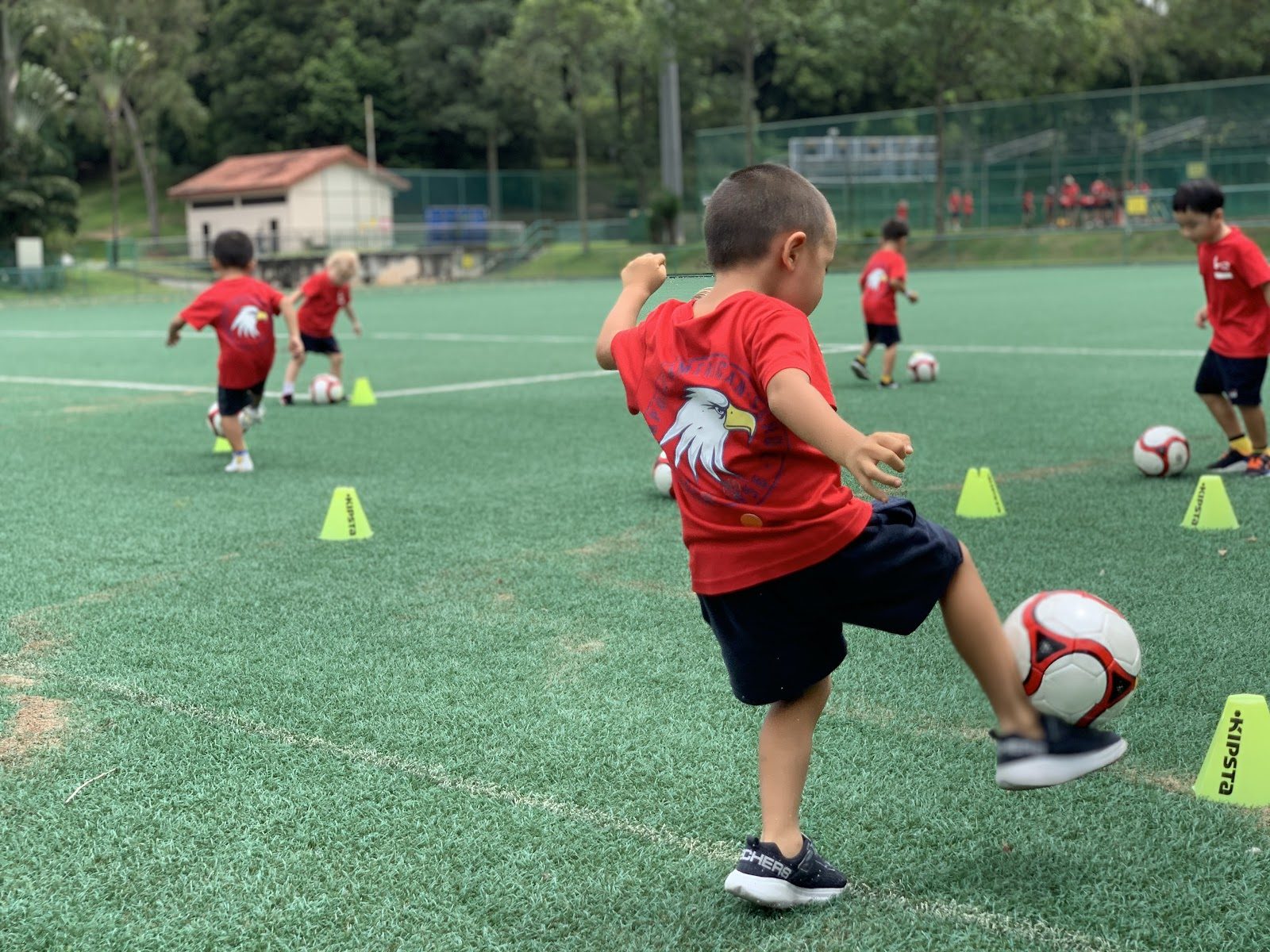
Singapore American School
Singapore · Singapore
A 36-acre Woodlands campus with a rainforest classroom and AP breadth, run on an American blueprint with IB rigor at the edges
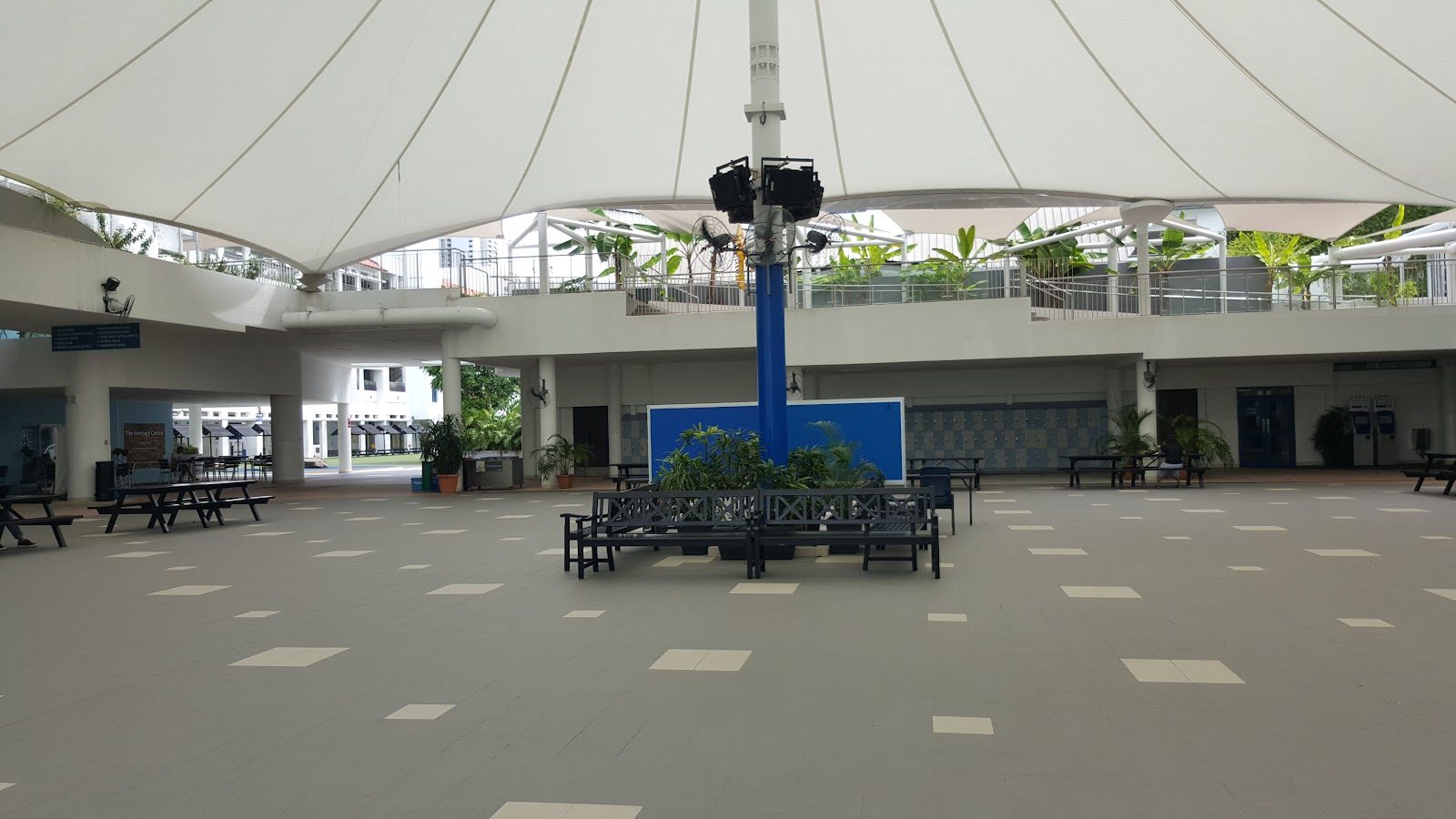
United World College of South East Asia
Singapore · Singapore
Across two Singapore campuses, service learning anchors an IB path capped by a rare Systems Transformation course for change leadership.
Anglo-Chinese School (Independent)
Singapore · Singapore
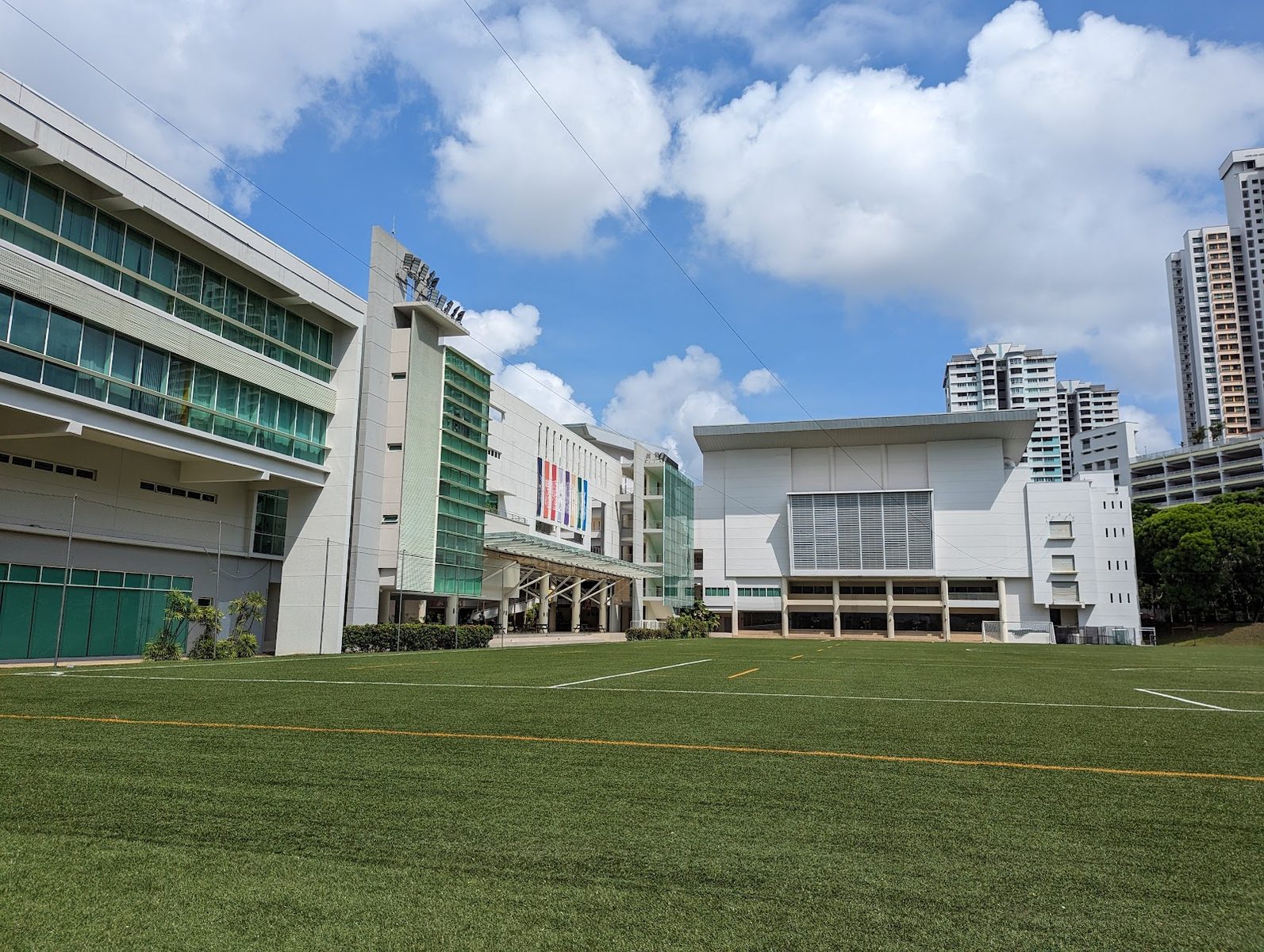
Singapore's first IB Diploma school, this Methodist boys' campus on Dover Road has ranked among the world's top three IB scorers for years.
Hwa Chong Institution
Singapore · Singapore
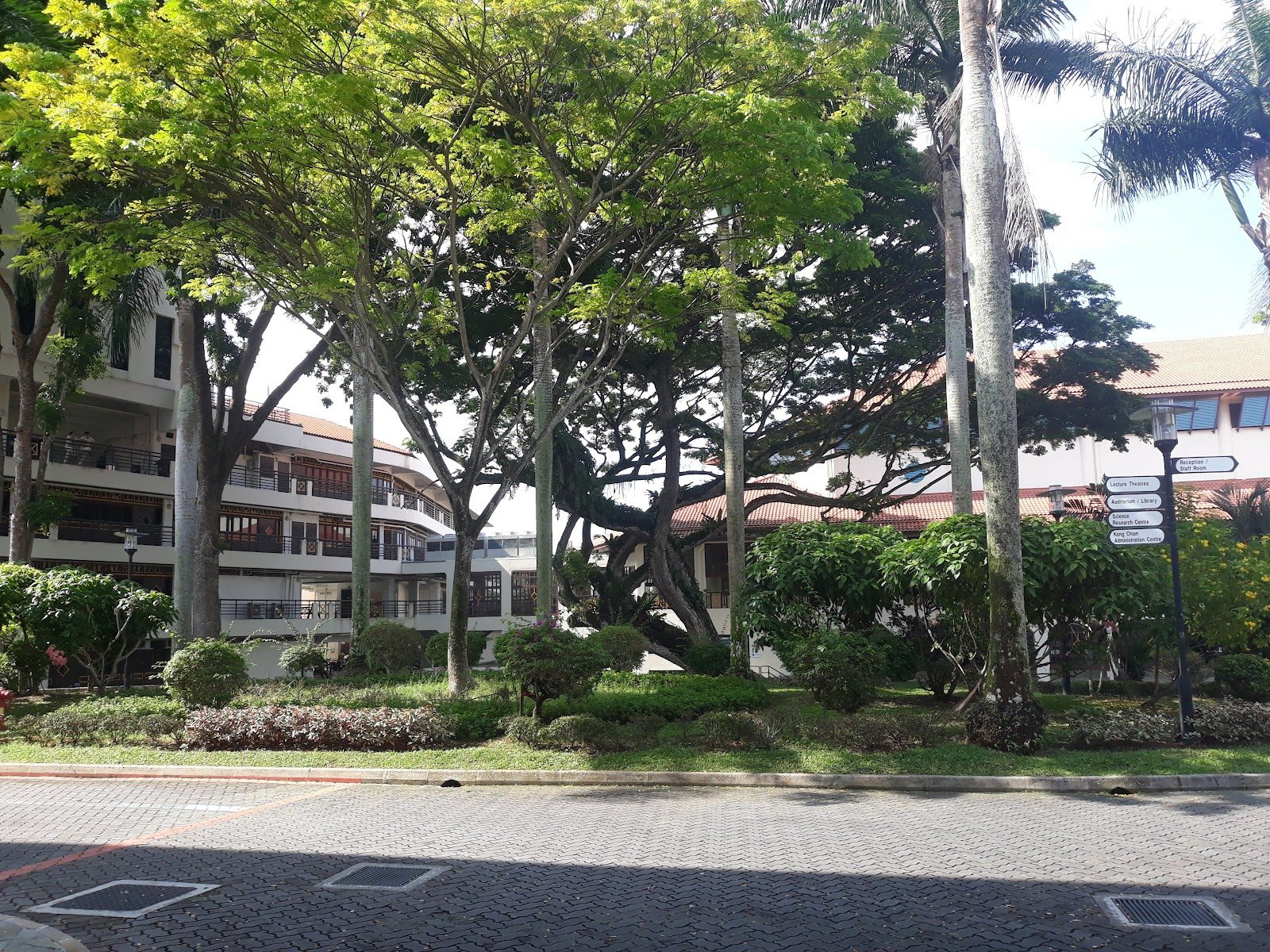
Singapore's storied merged independent school, pairing its Integrated Programme with an IB track at its Bukit Timah campus.
Same country and curriculum — closest matches within ±10 points either way