
British Columbia
West Point Grey Academy
low confidence· 5/6 cats · 1.12 avg sourcesOn an 18-acre Jericho Lands campus above English Bay, a compulsory third language meets a student-run Model UN conference.
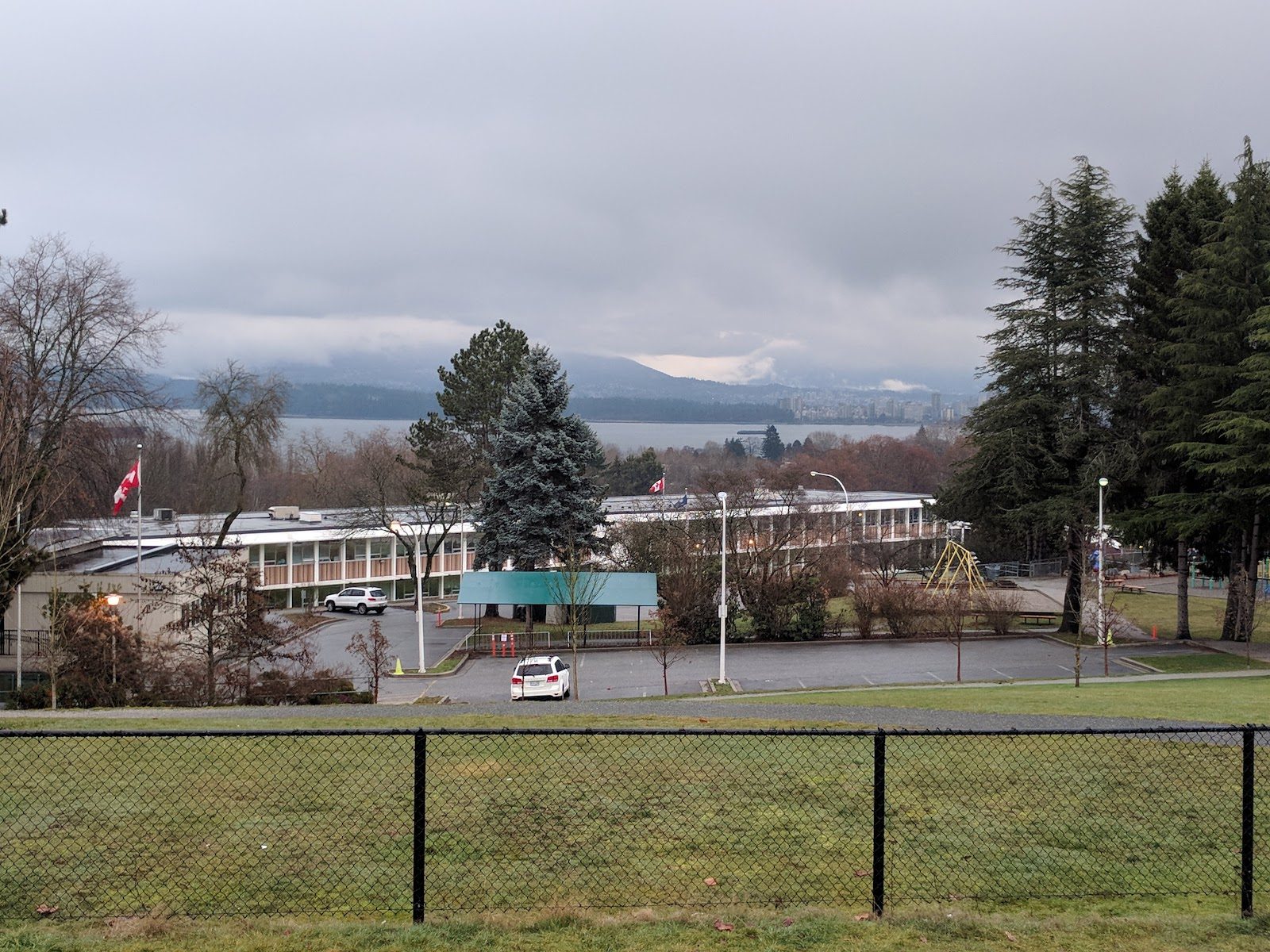
Photo © Charles Li via Google Maps
Type
Day
Ages
3–18
Curriculum
Canadian · IB · American
Qualifications
AP
Ratio
—
The Verdict
Editor's commitment
Right for
Families wanting a Vancouver day school with IBO and CIS accreditation, ages 3–18, on an 18-acre Jericho Lands campus.
Wrong for
Parents chasing published destination depth beyond single admits to Bishop’s, BCIT and Brock, or a faith-based school; WPGA is non-religious.
Watch out for
The average annual day fee is CAD 31,710, and the school’s Canadian, IB and American mix needs close scrutiny by phase.
Ranking breakdown
West Point Grey Academy · #917 of 1591
Composite score 63.4. 8 weighted criteria.
By criterion
Academic Outcomes
Weight 20%
#334
of 1529 scored
University Placement
Weight 16%
#354
of 1529 scored
Prestige & Heritage
Weight 12%
#446
of 1571 scored
Alumni Network
Weight 12%
#1516
of 1530 scored
Facilities
Weight 12%
#489
of 1533 scored
Transparency & Communications
Weight 8%
#456
of 1532 scored
Peer & Industry Review
Weight 10%
#533
of 1548 scored
Admissions Selectivity & Demand
Weight 8%
#282
of 1529 scored
Score history
West Point Grey Academy · 2026
Movement across 2024–2026. Peer average overlaid.
Overall — 2024–2026
63.4/ 100
▲ +11.0 vs 2025
year on year
Peer & Industry Review
How West Point Grey Academy is regarded in the sector
62
Respected · medium confidence
West Point Grey Academy is consistently cited in independent Canadian news coverage as one of Vancouver's top private schools, most notably in numerous mainstream press profiles (CBC, Maclean's, and international biography pieces) referencing Justin Trudeau's tenure teaching there before entering politics. It also regularly appears in Fraser Institute's BC independent school report card rankings, generally placing among the higher-performing private schools in the province, and is grouped alongside peers like St. George's and York House in local 'best private schools' commentary. However, it lacks the international benchmarking (Tatler, Good Schools Guide, Sunday Times) seen in globally top-tier institutions.
Evidence sources
- Justin Trudeau — Prime Minister of Canada, Politics
- Kai Nagata — Journalist, Media
Editors' overview
An 18-acre Jericho Lands campus above English Bay gives West Point Grey Academy a physical presence that few Vancouver day schools can match, but the more telling point is how the school uses it. This is a JK–12 co-educational day school, founded in 1996, with an academic offer the school frames across Canadian, IB and American strands rather than a single-track identity. That breadth matters. Parents looking for a rigid, tradition-bound model will find a school that puts equal weight on design and engineering, outdoor education, athletics, visual and performing arts, global learning and student wellbeing. The compulsory third language and student-run Model UN conference sharpen that picture: this is a place for students who want their education to extend beyond the timetable and into outward-facing, organised, articulate activity.
The school’s market position sits in the premium Vancouver independent bracket. At an average annual day fee of CAD 31,710, it is expensive, and it knows the families it is serving. The value proposition rests less on raw exclusivity than on range: junior kindergarten to Grade 12 on one campus, university and career counselling, academic support services, personal counselling, Indigenous education, climate and sustainability work, and a first responders programme that gives the school a point of difference from standard university-preparatory rivals. Accreditation from the IBO and CIS adds external credibility. Recent destinations listed here — Bishop’s University, the British Columbia Institute of Technology and Brock University — are modest and sparse, so parents hunting for a published conveyor belt to ultra-selective universities will not get that reassurance from the school’s public record. Outcome transparency is thin.
What puts WPGA on a shortlist is the combination of scale, programme breadth and a culture that reads as deliberately modern rather than merely fashionable. The school talks about character, social justice, environmental sustainability and emotional wellbeing, and those themes are backed by named structures rather than vague rhetoric. This suits students who are bright, busy and comfortable moving between academics, service, arts, sport and leadership. It also suits families who want a full-spectrum independent school without boarding and without a religious frame. It is less well suited to children who thrive in a narrowly exam-drilled environment or who want a school with a publicly documented record of elite admissions outcomes. West Point Grey Academy is strongest for engaged, socially confident students who will use the campus, the co-curricular menu and the school’s global outlook hard.
Academic Performance
WPGA does not publish aggregate external exam results. There is no public IB Diploma average, no subject score profile, no AP summary and no year-on-year destination table with enough depth to judge academic traction against Vancouver’s strongest independent peers. That is a real weakness. In this market, schools charging at the premium end need to show hard outcomes. WPGA gives parents plenty about programmes, support and enrichment; it gives them thin academic proof. The lone destination snapshot listed here contains 3 named universities with 1 student each. That is not a serious outcomes picture.
That does not mean weak academics; it means opaque academics. The school has the structures ambitious families expect — university and career counselling, academic support, a senior school framework and an internationally minded academic identity — but the public record stops short of the numbers that let parents compare it cleanly with St George’s, Crofton House, York House or Vancouver College. Relative to peers, WPGA sits in a hard-to-rank middle ground: clearly academic, clearly well resourced, but unwilling to publish the data that would confirm whether it is quietly excellent or simply competent across a broad programme. Parents who prioritise measurable academic performance need to press for recent graduating-cohort results, diploma averages, top-score distribution and multi-year university destinations before treating WPGA as a proven exam-results school.
Facilities
The campus is the main physical asset. Set on 18 acres above the water, it gives WPGA something many urban day schools cannot offer: room for proper outdoor education, full athletics provision, and co-curricular life that does not feel squeezed into leftover corners. The school names dedicated strands in junior and senior visual and performing arts, design and engineering, athletics, outdoor education, personal counselling, academic support and a university and career counselling centre. That points to a campus built for full-spectrum schooling rather than a narrow classroom model. The Jericho Lands setting also adds a rare sense of space in a city where independent schools often operate on tighter, more fragmented sites. Against Vancouver peers, that matters: WPGA has more physical breathing room than many well-regarded day schools, even if it lacks the old-estate grandeur or legacy sporting infrastructure of the city’s most entrenched names.
What is less clear is the fine grain. The school does not publish the kind of detailed facilities inventory that lets parents judge theatre scale, lab capacity, specialist art spaces, strength and conditioning provision, or indoor sports depth with precision. That limits confidence. There is enough here to say the campus supports a broad, well-resourced student experience, with distinctive extras such as the first responders programme and climate and sustainability work. There is not enough to place WPGA at the absolute top of the market for bricks-and-mortar ambition. Strong, expansive and versatile, yes; category-leading is harder to defend.
West Point Grey Academy carries real local cachet, but not top-tier national or international prestige
Prestige
West Point Grey Academy carries real local cachet, but not top-tier national or international prestige. In Vancouver’s independent-school market, it has the ingredients that signal status to families: selective-fee pricing, a substantial campus, co-educational continuity from the early years through graduation, and a co-curricular menu broad enough to read as seriously resourced rather than improvised. The school also benefits from a polished institutional identity. Parents can see named provision in areas that many rivals treat as add-ons: design and engineering, outdoor education, personal counselling, Indigenous education, climate and sustainability, and a first responders programme. That gives WPGA a modern, affluent confidence. The average annual fee of CAD 31,710 reinforces that position. This is not a marginal player.
The ceiling on prestige is straightforward: elite schools earn their reputations twice, once through environment and once through hard outcomes. WPGA clears the first test and falls short on the second. Its public-facing profile is rich in programme language and thin on published academic proof. The destinations snapshot is underpowered, and there is no public results data strong enough to turn social esteem into academic authority. That matters. A school can be popular, expensive and well connected without commanding the same respect as institutions that publish consistent leavers’ outcomes and examination performance. My rating, then, is high but not commanding: a school with strong standing in its city, but without the undeniable prestige that attaches to the most academically proven names.
There is not enough to place WPGA at the absolute top of the market for bricks-and-mortar ambition
Communications
WPGA communicates like a school that expects regular parent engagement and has built the plumbing to support it. The website is clear, current and well segmented: admissions, fees and scholarships, financial assistance, governance, strategic planning, calendar, contact details and a password-gated parent platform all sit in plain view rather than buried in a maze. That matters. Parents can see the school’s operating structure, not just its glossy front end. The presence of WolfNet points to a centralised channel for day-to-day information, and the navigation gives proper weight to academic support, counselling, global learning and community life as well as admissions. This is organised communication, not a patchwork of announcements. The school also leans hard into institutional voice — vision, values, strategic plan, fundraising and community traditions all have dedicated space — which creates a coherent, if carefully managed, picture of school life.
The weak spot is depth, not visibility. WPGA tells parents what exists; it is less strong on hard public reporting about outcomes, impact and comparative performance. That shortfall affects communications as much as academics. A school charging an average annual fee of CAD 31,710 needs to do more than keep families informed; it needs to justify confidence with evidence. On practical communication, WPGA looks competent and polished. On disclosure, it is selective. For current parents, that still works if WolfNet and direct school channels are prompt and detailed. For prospective parents, the public message is well controlled but incomplete.
Uniqueness
What sets WPGA apart is not a single flagship programme but the way the school binds together strands that many rivals keep separate. The clearest example is the coexistence of a compulsory third language, Indigenous education, climate and sustainability work, personal counselling, academic support, design and engineering, and a first responders programme. That mix is unusually deliberate. It pushes students beyond the standard independent-school formula of academics, sport and a few clubs, and into a model that treats civic awareness, practical competence and emotional literacy as core business. The student-run Model UN conference matters for the same reason: it signals a school that wants pupils to organise, speak, negotiate and lead, not just perform well in class. On an 18-acre site, that breadth has room to function rather than sit in a prospectus untouched.
For students, the gain is a broad-gauge education with more than one route to distinction. The strong all-through structure helps here: younger children enter a school with visible older role models, and older students inherit a culture built around participation rather than narrow specialisation. That suits energetic, outward-facing children who want to move between service, debate, engineering, outdoor activity and the arts without choosing a single identity too early. It is less distinctive for families chasing a results-first hothouse. WPGA’s uniqueness lies in producing students with range, confidence and social fluency, and in giving that ambition enough institutional structure to feel real rather than decorative.
Strong, expansive and versatile, yes; category-leading is harder to defend
Student Profile
The students who fit best here are busy, articulate and comfortable being known. This is not a place for the child who wants to disappear into the back row and do the minimum. The school’s menu points in the opposite direction: clubs, service, outdoor education, athletics, visual and performing arts, design and engineering, counselling, global learning and a student-run conference culture all reward pupils who participate with real energy. The campus gives that range room to function, and the all-through structure means younger pupils grow up watching older ones lead. Social confidence counts. So does willingness to try more than one lane at once. Children who enjoy switching between the classroom, the stage, the sports field, a service project and a debate chamber will find a full-spectrum peer group rather than a narrow tribe.
The right family for WPGA values breadth, structure and polish over a results-first hothouse. Students who thrive here will be organised enough to handle a lot, open enough to engage with civic and global themes, and steady enough to work within a community that puts weight on character and emotional wellbeing as well as achievement. That does not require extroversion in the loudest sense, but it does require engagement. A highly specialised academic purist, or a child who wants a hard-edged exam factory, will find the culture too expansive and too invested in the whole child. At an average annual fee of CAD 31,710, the social mix also skews affluent; families need to be comfortable with that world and clear-eyed about it.
What sets WPGA apart is not a single flagship programme but the way the school binds together strands that many rivals keep separate
Co-curricular strengths
Arts & sport, on a separate axis
Overall 8.28/10
Scored 0-10 from the school's own published evidence. This axis is editorial-only — it does not feed the main WTS ranking.
Sports
8.7/10
WPGA has substantial dedicated athletic facilities (gymnasium, pool, fitness centre, tennis courts, multi-sport fields, running trail) and sustained competitive success including BC provincial championship titles, which clears the 8 band.
Drama
8.6/10
Drama is supported by a dedicated Arts Wing with a drama room and the school has mounted annual large-scale productions since 1997, including a named production at Richmond Gateway Theatre, giving both facility and recurring productions.
Dance
6.5/10
Music
8.6/10
Music is housed in a dedicated Arts Wing with band room, choir room and recording studio, and the school has recurring musicals, community performances and an international band trip, which supports a 7.
Visual Arts
9/10
Visual arts has dedicated specialist provision in the Arts Wing including several visual arts studios and a ceramics room, plus an annual week-long Arts Week celebration, indicating both facility and recurring programme visibility.
Editor first-pass · editor-reviewable · 7/27/2026
Outcomes & destinations
Where students go next
Class of 2023
Top destinations
81 placements
- Bishop’s University· 1
- British Columbia Institute of Technology· 1
- Brock University· 1
- Capilano University· 1
- Carleton University· 1
- Concordia University· 1
- Corpus Christi College· 1
- Dalhousie University· 1
- Emily Carr University of Art + Design· 1
- Huron University College· 1
- Kwantlen Polytechnic University· 1
- McGill University· 1
- Mount Allison University· 1
- Okanagan College· 1
- Queen’s University· 1
- Simon Fraser University· 1
- Toronto Metropolitan University· 1
- University of Alberta· 1
- University of British Columbia· 1
- University of Calgary· 1
- University of Guelph· 1
- University of Ottawa· 1
- University of Saskatchewan· 1
- University of Toronto· 1
- University of Victoria· 1
- University of Waterloo· 1
- Western University· 1
- York University· 1
- Boston University· 1
- Bowdoin College· 1
- Brown University· 1
- Carnegie Mellon University· 1
- Chapman University· 1
- Columbia University· 1
- Cornell University· 1
- Duke University· 1
- Emory University· 1
- Georgetown University· 1
- Harvard University· 1
- Harvey Mudd College· 1
- Loyola Marymount University· 1
- Maryland Institute College of Art· 1
- Nazareth University· 1
- New York University· 1
- Northwestern University· 1
- Ohlone College· 1
- Pennsylvania State University· 1
- Pitzer College· 1
- Pratt Institute· 1
- Princeton University· 1
- Rice University· 1
- Savannah College of Art and Design· 1
- Swarthmore College· 1
- The New School· 1
- Tufts University· 1
- Tulane University· 1
- University of California, Berkeley· 1
- University of California, Irvine· 1
- University of California, Los Angeles· 1
- University of California, San Diego· 1
- University of California, Santa Cruz· 1
- University of Chicago· 1
- University of Michigan· 1
- University of Notre Dame· 1
- University of Pennsylvania· 1
- University of Southern California· 1
- University of Washington· 1
- Wesleyan University· 1
- Westminster College· 1
- American University of Paris· 1
- King's College London· 1
- Liverpool Institute for Performing Arts· 1
- Neuchatel Junior College· 1
- Royal Holloway University of London· 1
- University College London· 1
- University of Bath· 1
- University of Bristol· 1
- University of Nicosia· 1
- University of St Andrews· 1
- University of Sydney· 1
- University of Warwick· 1
Reported by the school. Confirm with admissions.
Strengths
- +Independent, coeducational JK-12 day school founded in 1996 on an 18-acre campus on Vancouver's Jericho Lands, offering a full continuum from early years to graduation.
- +Delivers the British Columbia curriculum enriched with 20 Advanced Placement courses, with 95 percent of AP exam scores at 3 or higher.
- +Maintains a relatively low average class size of around 22 students, supported by 4 personal counsellors and 3 dedicated university/career counsellors on staff.
- +Broad co-curricular offering including 10 competitive sports and more than 60 clubs and service initiatives, from Model UN to robotics and community outreach.
- +Notable historical link to public life: Justin Trudeau taught French and math at the school before entering politics, a fact documented in national media coverage.
Considerations
- −Tuition is substantial at CAD 33,300 for 2026-27, with a further CAD 4,500 annual surcharge for non-BC residents plus a one-time CAD 3,500 entrance fee.
- −Day school only, with no boarding option, which can complicate logistics for relocating expat families without an existing local base or guardian arrangement.
- −Single campus confined to Vancouver's west side means families must live locally; the school does not offer a residential or multi-city footprint.
- −Admissions run to firm annual deadlines and popular entry grades close early, requiring families to plan applications well in advance rather than enrolling on short notice.
Availability
Primary entry gate & tests
SSAT + Internal Assessment
Gallery
Photo © C. Albert Thompson via Google Maps
Photo © C. Albert Thompson via Google Maps
Photo © C. Albert Thompson via Google Maps
Parent reviews
Have you sent your child here?
Voice reviews carry the strongest trust badge — we transcribe them for you to tidy up before they go live. Prefer to type? A written review is fine too.
Add your voice
In 60 seconds, tell other parents: what's the best thing about West Point Grey Academy, and what surprised you when your child joined?
We ask for a Google sign-in so every review has a real face behind it — no anonymous drive-by attacks on schools, and no faked positive reviews. Your email is never shown publicly.
Send this profile to a friend
International parents rely on word-of-mouth. Share this review with someone weighing the same decision.
Schools with places
Similar schools to West Point Grey Academy with places available now.
Shawnigan Lake School
Shawnigan Lake · Canada
- 2026-27
- CLOSEDRegular cycle closed
- 2027-28
- PLACES OPENActive now
Crofton House School
Vancouver · Canada
- 2026-27
- CLOSEDRegular cycle closed
- 2027-28
- OPENS SOONOpens Sept '26
St Michaels University School
Victoria · Canada
- 2026-27
- CLOSEDRegular cycle closed
- 2027-28
- PLACES OPEN2027/28 open; priority 1 Dec '26
St. George's School
Vancouver · Canada
- 2026-27
- CLOSEDRegular cycle
- 2027-28
- OPENS SOONOpens Sept '26
Availability first, then country, area, curriculum, price, co-curricular
Consider also
Also worth looking at alongside West Point Grey Academy.
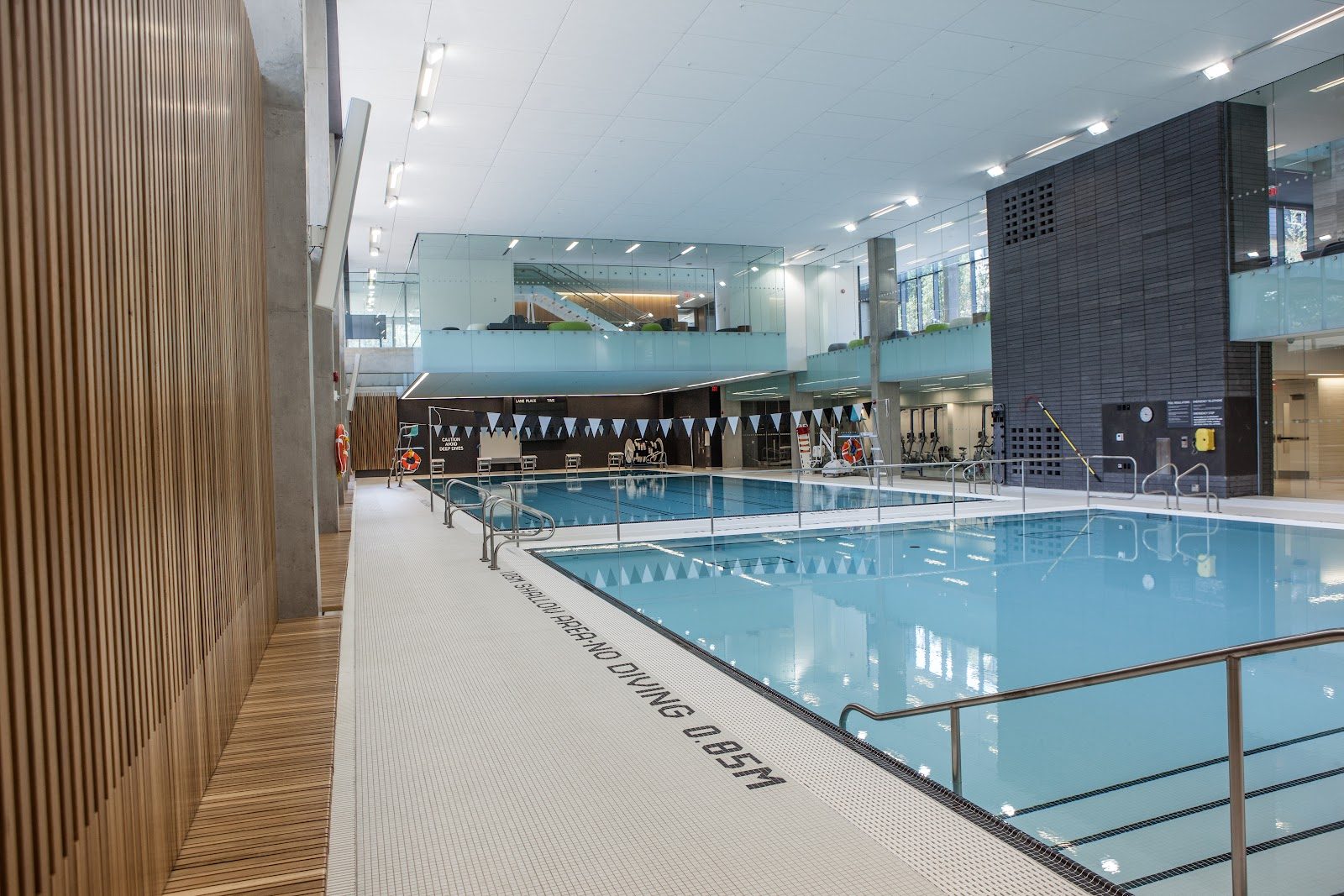
Branksome Hall
Toronto · Canada
Toronto's only all-years IB girls' school, spanning PYP to Diploma with a sister campus on South Korea's Jeju Island.
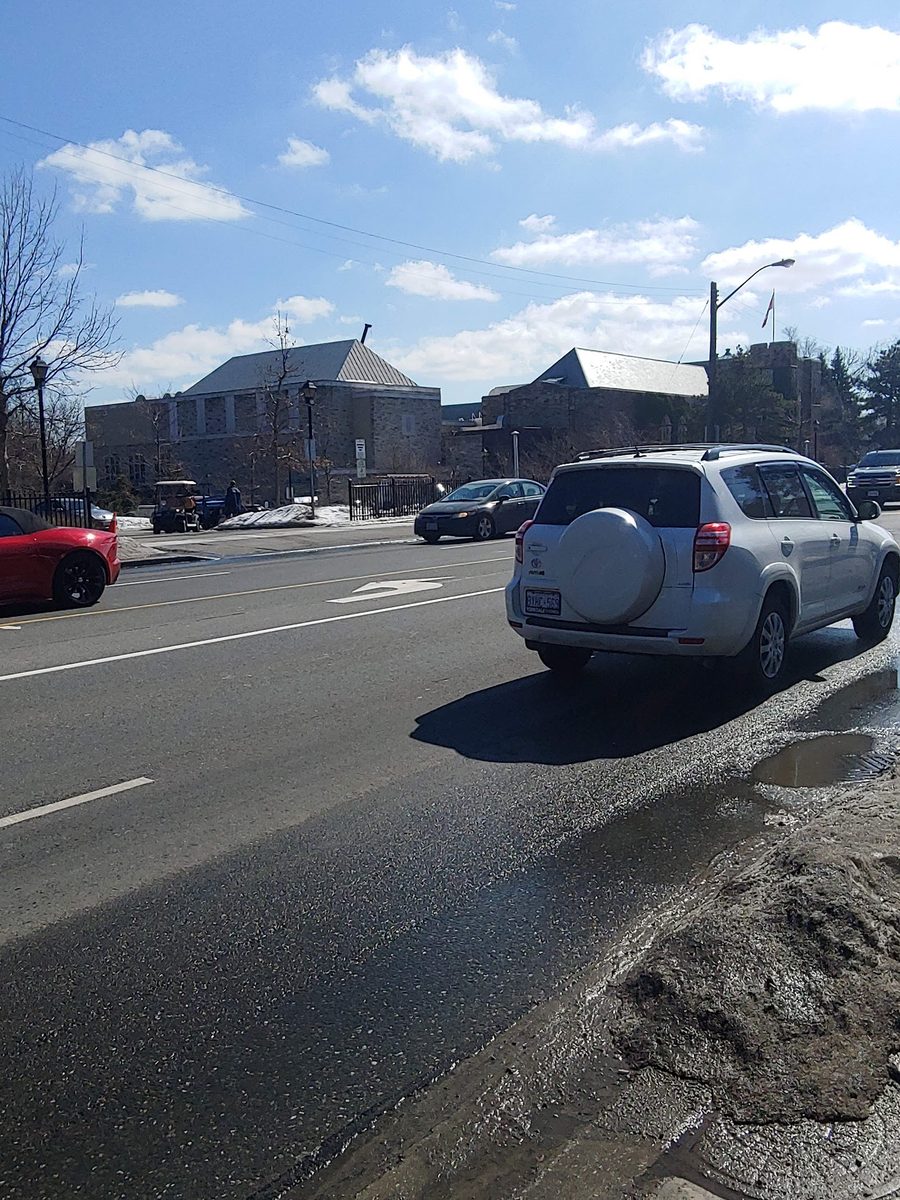
Havergal College
Toronto · Canada
A 22-acre Anglican foundation since 1894, where ten storied houses anchor a rigorous, wellbeing-driven liberal arts curriculum for girls in midtown Toronto.
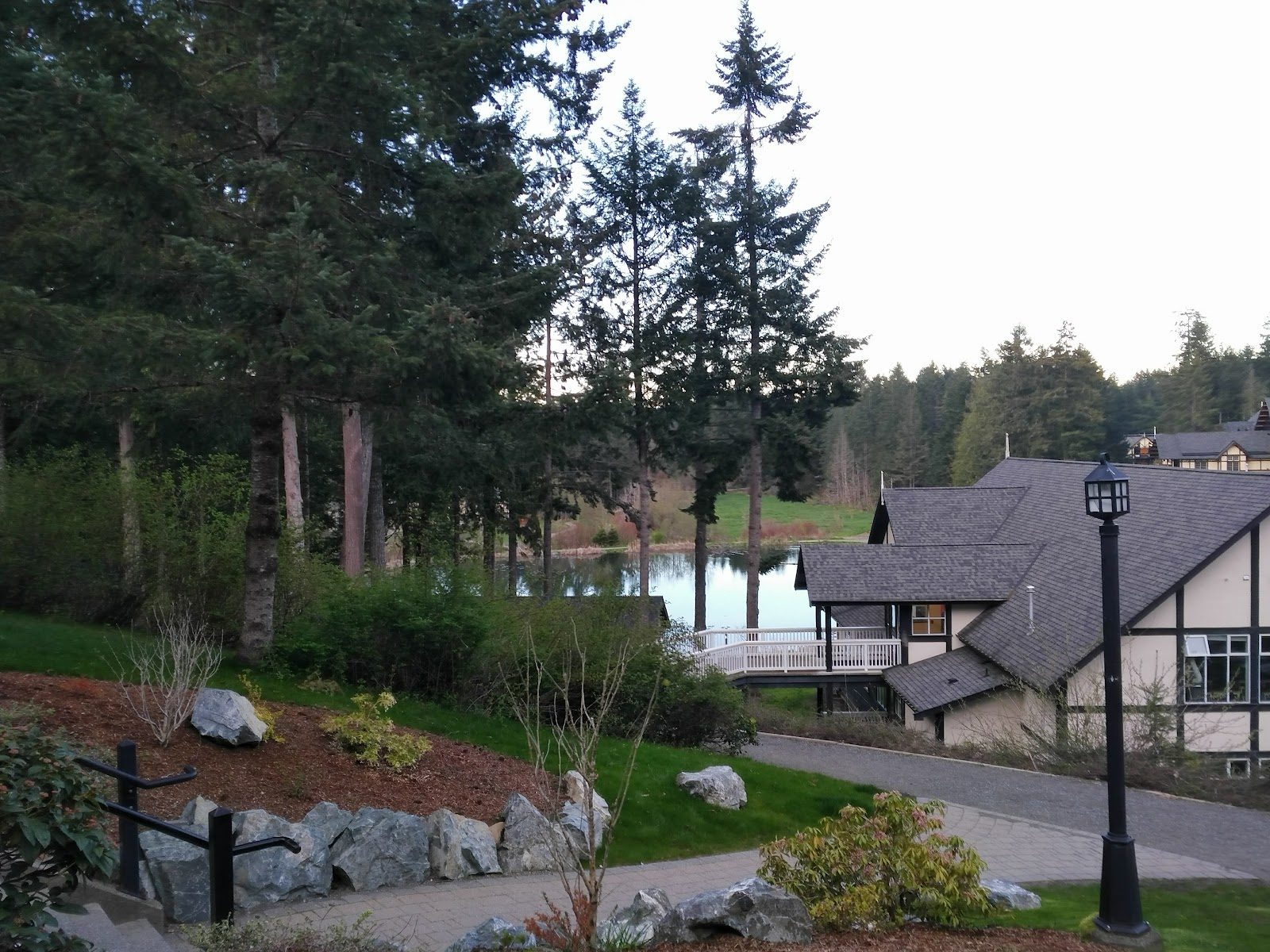
Shawnigan Lake School
Shawnigan Lake · Canada
On a 270-acre Vancouver Island campus, ten boarding houses hold Canada's largest full-time boarding community, a tradition since 1916.
Ashbury College
Ottawa · Canada
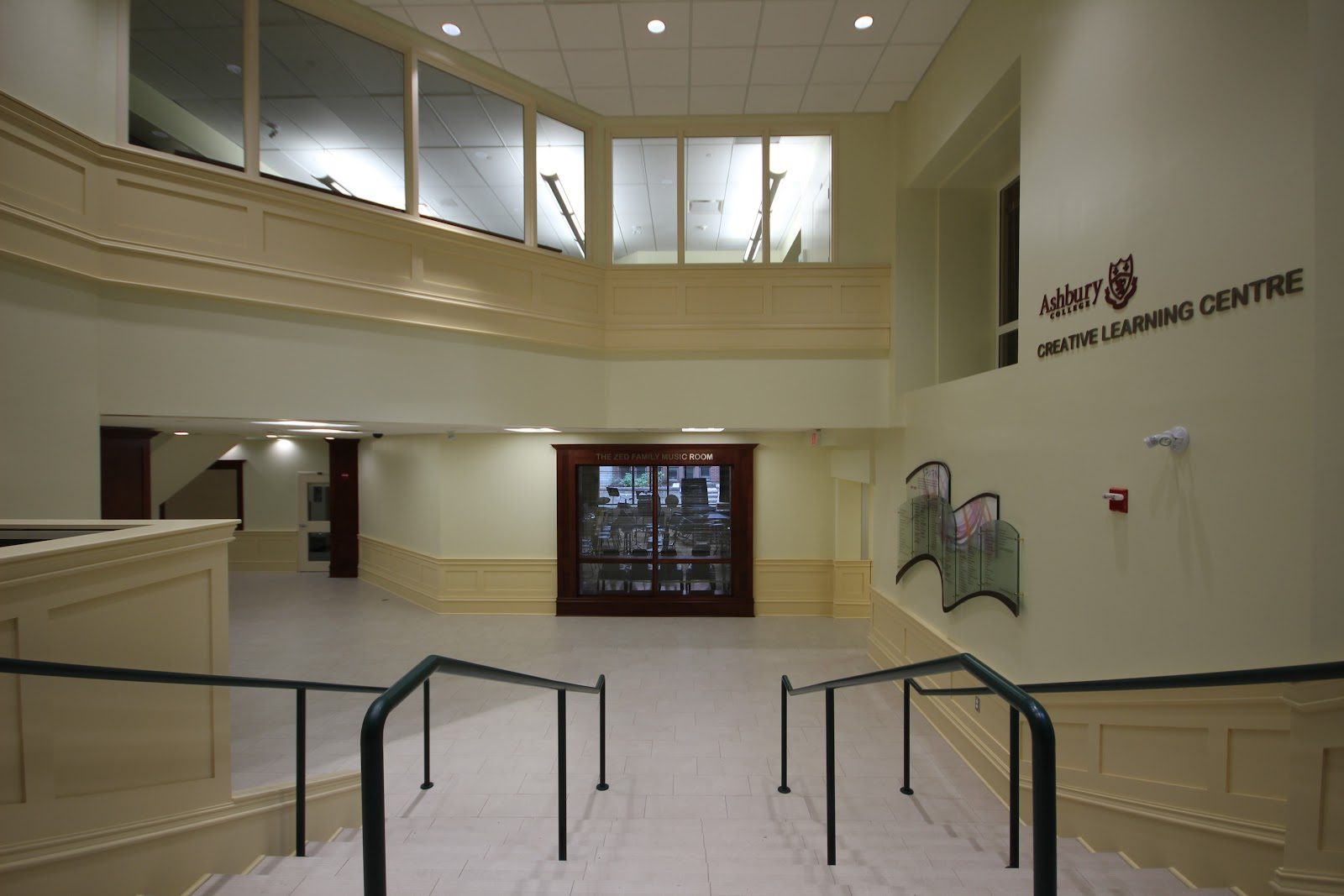
Tucked among Rockcliffe Park's embassy residences, this century-old IB pioneer turns diplomatic proximity into a genuine global classroom.
Same country and curriculum — closest matches within ±10 points either way