
Quebec
Collège Jean-de-Brébeuf
low confidence· 4/6 cats · 1 avg sourcesOnce a Jesuit seminary, now a secular Francophone college spanning secondary school and CEGEP, IB-authorized since 1982.
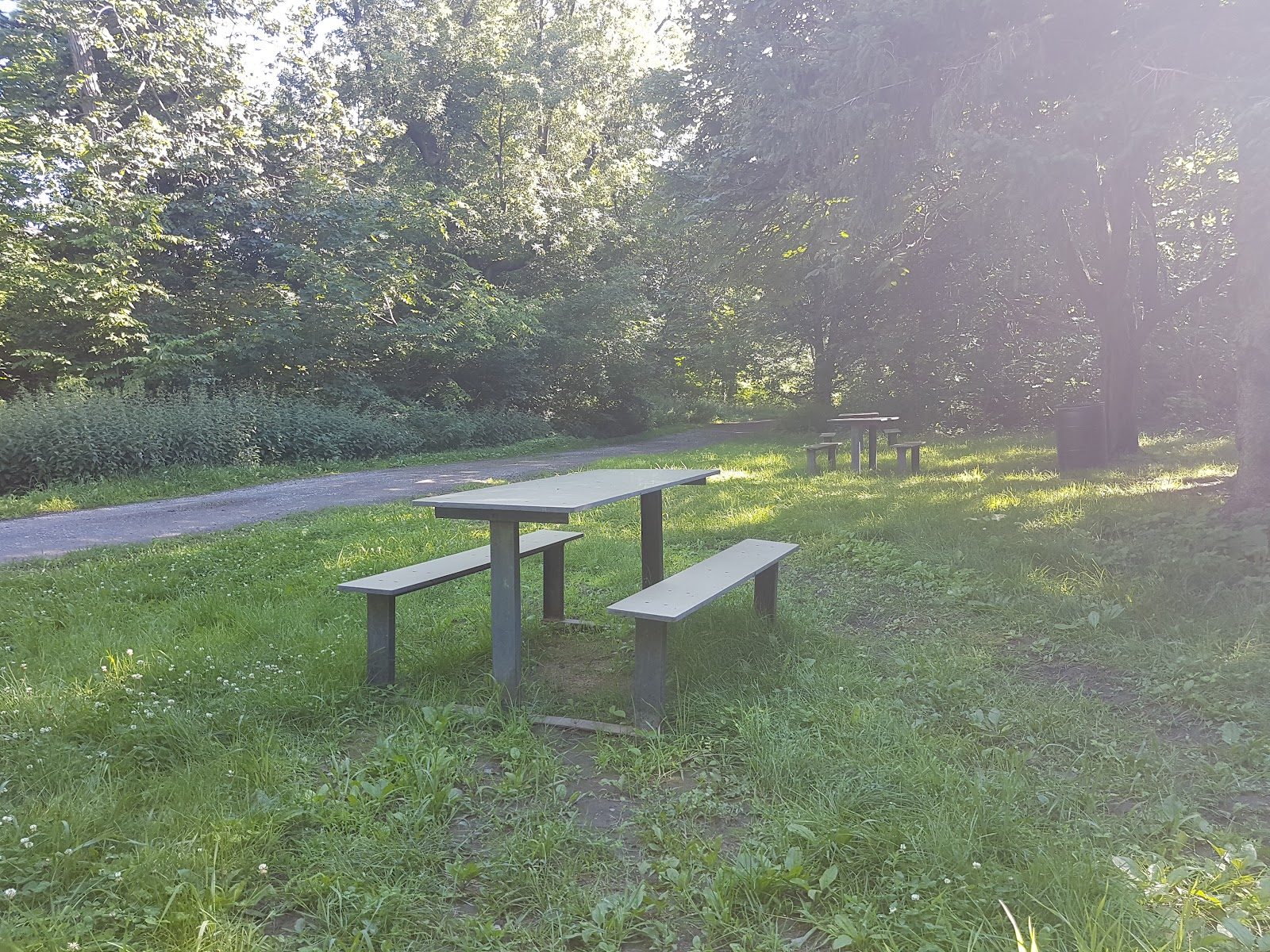
Photo © tonino brocollini via Google Maps
Type
Day
Ages
3–18
Curriculum
Canadian · IB
Ratio
—
The Verdict
Editor's commitment
Right for
Francophone families who want one institution from age 3 to 18, with IB authorisation since 1982 and a serious secondary-to-collegial ladder.
Wrong for
Parents wanting English-medium teaching, boarding, or a broad Canadian school culture: instruction is French, the school is day-only, and Catholic-rooted.
Watch out for
At CAD 7,776 average annual day fees, Brébeuf is not priced like Montreal's flashiest independents; the trade-off is a demanding, unapologetically academic culture.
Ranking breakdown
Collège Jean-de-Brébeuf · #350 of 1591
Composite score 72.4. 8 weighted criteria.
By criterion
Academic Outcomes
Weight 20%
#333
of 1529 scored
University Placement
Weight 16%
#516
of 1529 scored
Prestige & Heritage
Weight 12%
#307
of 1529 scored
Alumni Network
Weight 12%
#306
of 1529 scored
Facilities
Weight 12%
#676
of 1529 scored
Transparency & Communications
Weight 8%
#388
of 1529 scored
Peer & Industry Review
Weight 10%
#479
of 1529 scored
Admissions Selectivity & Demand
Weight 8%
#229
of 1529 scored
Score history
Collège Jean-de-Brébeuf · 2026
Movement across 2024–2026. Peer average overlaid.
Overall — 2024–2026
72.4/ 100
▲ +30.2 vs 2025
year on year
Peer & Industry Review
How Collège Jean-de-Brébeuf is regarded in the sector
68
Respected · medium confidence
Collège Jean-de-Brébeuf is consistently cited in Québec media and Maclean's-style rankings as one of the province's premier private secondary schools, and its Jesuit pedigree is reinforced by a well-documented alumni network including Justin Trudeau, Pierre Trudeau's family, and numerous Québec political and business figures (covered in La Presse, Le Devoir, and CBC profiles). It is a respected regional institution with recurring press mentions, though it lacks the consistent international 'best schools in Canada' benchmarking seen with top Ontario boarding schools.
Evidence sources
- Pierre Elliott Trudeau — Prime Minister of Canada, Politics
- Robert Bourassa — Premier of Quebec, Politics
- Denys Arcand — Filmmaker, Arts
Editors' overview
Once a Jesuit seminary, Collège Jean-de-Brébeuf now occupies a distinct niche in Montreal: a secular French-language day school that combines secondary education with a collégial track and has held IB authorisation since 1982. That combination matters. Few schools offer a continuous Brébeuf pathway across the school years and into pre-university study while keeping French as the language of instruction and maintaining a Catholic institutional inheritance. The result is a school with a strong local identity rather than an international-school gloss. Parents looking for an anglophone environment, a soft academic culture, or broad promotional claims about global citizenship should look elsewhere.
What puts Brébeuf on a shortlist is the seriousness of the offer. The school’s own programme structure is expansive: Latin et monde, Espagnol et monde, Sport et monde, an in-house music school, community engagement, cultural activities, and a long sports list that runs from fencing and rugby to elite boys’ and girls’ volleyball, hockey, lacrosse and basketball. At collégial level, the menu extends to IB programmes in sciences and humanities, alongside DEC routes in arts, humanities, science and a double DEC with music. This is not a narrow exam factory. It is a high-expectation, high-participation institution with multiple ways for able students to stretch themselves inside a firmly structured French-speaking culture. The average annual day fee across the school is CAD 7,776, which places Brébeuf in an unusually accessible bracket for a private school with this level of institutional depth.
The type of student who thrives here is clear. Brébeuf suits academically ambitious Francophone or fully French-fluent students who want intellectual structure, strong co-curricular buy-in and a campus culture with real ballast. It suits families who value continuity from school into collégial study, and who want substance over branding. It does not suit children who need a loose atmosphere, heavy pastoral hand-holding, or an English-medium route. The alumni record adds weight: Wikidata alone captures 79 notable alumni, including 20 politicians and statespersons, plus writers, scholars, business figures and artists. That points to a school with serious cultural reach and a habit of producing graduates who enter public life. Brébeuf is for students who are ready to work, compete and commit; it is not for the faint-hearted.
Academic Performance
Brébeuf’s academic proposition is clear even without a published block of headline exam data: this is a school built around selective intellectual stretch, a heavy pre-university orientation and a culture that prizes rigour over reassurance. The secondary offer feeds into a collégial structure with IB routes in sciences and humanities alongside demanding DEC pathways. That matters when judging performance. Brébeuf sits closer to Montreal’s high-pressure academic establishments than to broad-church private schools that balance mixed attainment with softer positioning. The programme architecture, the emphasis on languages, analysis and judgement, and the school’s own insistence on excellence all point in the same direction: this is a place that expects students to handle a serious workload and convert it into strong external outcomes.
The limitation is transparency. The school does not publish a simple set of aggregate results that would let parents benchmark IB scores or other leaving outcomes against top independent peers in Canada or against data-rich international schools. That weakens external scrutiny. Still, institutions with this level of academic ambition and this depth of pre-university provision do not trade on casual standards. In peer terms, Brébeuf belongs in the conversation with academically exacting French-language and university-bound schools, not with mid-market private schools selling ambience first and results second. Parents who need clean comparative metrics will find the disclosure frustrating; parents who value an intellectually hard-edged culture will read the structure of the school itself as the main evidence.
Facilities
Brébeuf’s facilities matter because the school runs as more than a classroom operation. The most important assets are the sports infrastructure, the in-house music provision, the libraries, and the student residence attached to the collégial side. The sports offer is extensive rather than tokenistic: fencing, hockey, rugby, basketball, volleyball, tennis, lacrosse, cross-country, training facilities and participatory sport all sit inside the school’s everyday life, with teams operating across both secondary and college levels. Against peer schools, that breadth is serious competitive hardware. Many private schools can field teams; fewer sustain this many codes with elite strands and treat physical training as part of the educational core rather than an after-school extra. The current centenary building project also signals a campus still investing rather than coasting.
The arts provision has more substance than the standard “music room plus annual concert” model. Brébeuf runs its own music school and pairs that with a collégial arts, letters and communication route that has held a visible place on campus for decades. That gives creative students a credible institutional base, not a decorative add-on. The residence also sets Brébeuf apart from most day schools, even if it serves the older cohort rather than the full age range. What the school does not advertise is the kind of showpiece campus spectacle international schools use to justify higher fees: no glossy theatre complex, no innovation-lab fetish, no resort-style framing. In peer terms, Brébeuf wins on range, seriousness and functional depth, not on architectural theatre.
At an average of CAD 7,776 a year, Brébeuf offers an unusually weighty academic and co-curricular platform at a price that undercuts much of the private market
Prestige
Brébeuf carries real prestige in Quebec because it sits at the intersection of selectivity, intellectual seriousness and public visibility. This is not prestige built on glossy international branding or imported cachet. It rests on a long-entrenched place in Montreal’s educated professional class, a durable Jesuit inheritance and a record of sending graduates into politics, scholarship, journalism, business and the arts. The alumni footprint alone is substantial: 79 notable alumni are already catalogued on Wikidata, including 20 politicians and statespersons. For parents, that matters less as a brag sheet than as proof of network density and cultural reach. Brébeuf has produced people who enter institutions, shape debate and hold authority. That is old-school prestige: elite without theatrics, socially legible, and tied to serious academic formation rather than lifestyle signalling.
The school’s standing also comes from scarcity. Few private schools in the province combine a high-status secondary pathway with a collégial route under one roof, and fewer still do it with this level of academic gravity and co-curricular expectation. Sport is not ornamental here; nor are music, community engagement or the humanist frame. That breadth strengthens the brand because it signals a school that expects students to perform in more than one register. The trade-off is clear. Brébeuf’s prestige is demanding rather than charming. It rewards disciplined, able students and families who value institutional reputation inside Quebec’s professional and intellectual circles. It holds less value for families chasing an international-school sheen or a softer, more consumer-friendly culture.
The result is a school with a strong local identity rather than an international-school gloss
Communications
Brébeuf’s parent communication runs through a dense, institutional website rather than a polished admissions funnel, and that tells you a lot about the school. The navigation is extensive: admissions and fees, calendars, timetables, parent meetings, policies, regulations, student services, insurance, food, digital platforms, anti-bullying guidance, and separate academic and student-life pages for secondary and collégial levels. That breadth is useful. Parents can find operational detail without much spin. The trade-off is clarity. The site carries a crowded, administrative feel, with long menu structures and a heavy volume of internal categories. Families who want brisk, consumer-grade signposting will find it laborious. Families who value substance over packaging will find enough to work with.
The stronger point is seriousness. Brébeuf publishes practical information that schools with a more theatrical communications style often bury: how the school runs, what rules govern it, which support services exist, and how student life is organised. References to parent meetings, calendars and student-support services point to a school that treats communication as part of institutional management, not a marketing exercise. News coverage also has a clear internal logic: appointments, building works, academic projects and competitive sport. That produces a disciplined, low-gloss communications profile. What is missing is the level of public performance data and plain-English synthesis that would make life easier for busy parents. The school communicates a lot; it does not always communicate cleanly.
Uniqueness
Brébeuf’s real distinction is structural. It is not just a secondary school with a strong senior phase; it also runs its own collégial track, which changes the tempo of the place. Students grow up inside an institution that treats pre-university study as part of the natural arc, not a separate world reached at the end of school. That creates a long-view academic culture: older students are visible, advanced study is normalised, and ambition carries less social friction than it does in softer schools. Add the school’s humanist inheritance, its insistence on judgement and intellectual discipline, and the result is a rare Quebec hybrid — private, French-speaking, academically exacting, and built for continuity rather than churn.
That structure brings concrete advantages. Pupils do not need to reinvent themselves at the first major transition point; they can deepen subjects, activities and institutional relationships inside the same ecosystem. The options also widen early: languages, sport, music, community engagement and pre-university pathways sit inside one coherent offer rather than a patchwork of extras. For the right student, that is powerful educational compounding. The fee level adds another layer of distinctiveness. At an average of CAD 7,776 a year, Brébeuf offers an unusually weighty academic and co-curricular platform at a price that undercuts much of the private market. The trade-off is clear: this is a high-demand environment with a strong internal culture, not a place built around flexibility or indulgence.
Parents looking for an anglophone environment, a soft academic culture, or broad promotional claims about global citizenship should look elsewhere
Student Profile
Brébeuf suits students who are comfortable in a high-pressure, rule-bound setting where academic ambition is public, not disguised. The school’s structure tells you who fits: pupils ready to commit to a defined pathway, choose serious options, and treat sport, music, cultural activity or community involvement as part of the job rather than decoration. Children who like intellectual competition, clear standards and a strong institutional identity will find peers here. The sporting culture also matters. This is a place for students who want organised teams, training and selection to carry weight in daily school life, not sit at the margins. Families should also recognise the social profile that follows from that model: Brébeuf attracts driven students from homes that value education, discipline and long-term achievement.
The weaker fit is just as clear. Pupils who need a loose atmosphere, constant reassurance or broad tolerance for drift will struggle. So will students who want to keep every option casual until the last minute. The school asks for buy-in, stamina and self-command. It also asks for full fluency in the classroom language; partial competence will not carry a child through a demanding timetable and a culture built on verbal precision. For the right student, that produces a serious peer group and a strong sense of purpose. For the wrong one, it produces friction very quickly. The alumni footprint — 79 notable figures already catalogued — reinforces the point: this is a school for students who want to join an exacting, high-output culture, not escape one.
What puts Brébeuf on a shortlist is the seriousness of the offer
Co-curricular strengths
Arts & sport, on a separate axis
Overall 8.56/10
Scored 0-10 from the school's own published evidence. This axis is editorial-only — it does not feed the main WTS ranking.
Sports
9/10
Sport as a major strength with extensive competitive teams and a training room, plus multiple provincial titles, repeated lacrosse championships and Olympic-level fencing alumni.
Drama
8.8/10
Wikipedia explicitly names Theatre as an extracurricular club, but no productions, specialist staff, facilities or wider programme detail are provided.
Dance
8/10
Music
8.5/10
An on-site music school, plus a musique-études pathway allowing high-level instrumentalists to pursue collegiate study alongside a DEC in Music, evidencing dedicated specialist provision.
Visual Arts
8.5/10
Art is taught in the secondary school curriculum, but there is no further evidence of extracurricular visual arts provision, specialist facilities or exhibitions.
Editor first-pass · editor-reviewable · 7/28/2026
Notable alumni · Wikidata
79notable alumni
14 historic (born pre-1930) · 18 modern (born post-1970)wikidata:2026-07-28 How we source this
Strengths
- +Founded by the Jesuits in 1928 and now secular since 1986, giving the school nearly a century of continuous academic tradition in Montreal.
- +Authorised as an IB World School since 1982, offering the IB Diploma alongside Quebec's own Sciences, Lettres et Arts, and Sciences Humaines pre-university tracks.
- +Alumni include two Canadian prime ministers, Pierre Trudeau and Justin Trudeau, along with Quebec premiers Robert Bourassa and Pierre-Marc Johnson.
- +Ranked highly in Quebec's Fraser Institute school rankings, placing seventh as of 2020 among the province's secondary schools.
- +Offers optional boarding for CEGEP-level (college) students from Monday to Friday and on weekends, a rare option among Quebec day schools.
Considerations
- −Instruction is entirely in French, which is a significant barrier for expat families without strong existing French-language proficiency.
- −The school only became fully coeducational in 2014, having operated as a boys-only institution for most of its history since 1928.
- −The secondary-plus-CEGEP structure is specific to Quebec's education system, requiring relocating families to learn an unfamiliar two-stage model rather than a standard K-12 pathway.
- −Public information in English on current admissions criteria, fee schedules and day-to-day school life is limited, making remote research harder for international parents.
Availability
Primary entry gate & tests
French Private Entrance Assessment
Gallery
Photo © Louis Ethier via Google Maps
Photo © ella cipro-seidman via Google Maps
Photo © Colin via Google Maps
Photo © David Beaulac via Google Maps
Photo © Hans Villarpando via Google Maps
Photo © Hans Villarpando via Google Maps
Photo © Hans Villarpando via Google Maps
Photo © XC Wg via Google Maps
Photo © Collège Jean-de-Brébeuf via Google Maps
Parent reviews
Have you sent your child here?
Voice reviews carry the strongest trust badge — we transcribe them for you to tidy up before they go live. Prefer to type? A written review is fine too.
Add your voice
In 60 seconds, tell other parents: what's the best thing about Collège Jean-de-Brébeuf, and what surprised you when your child joined?
We ask for a Google sign-in so every review has a real face behind it — no anonymous drive-by attacks on schools, and no faked positive reviews. Your email is never shown publicly.
Send this profile to a friend
International parents rely on word-of-mouth. Share this review with someone weighing the same decision.
Schools with places
Similar schools to Collège Jean-de-Brébeuf with places available now.
Ridley College
St Catharines · Canada
- 2026-27
- WAITPOOLLimited Lower/Middle day
- 2027-28
- PLACES OPENActive now
Upper Canada College
Toronto · Canada
- 2026-27
- PLACES OPENBoarding open; Day closed
- 2027-28
- OPENS SOONOpens Sept '26
Availability first, then country, area, curriculum, price, co-curricular
Consider also
Also worth looking at alongside Collège Jean-de-Brébeuf.
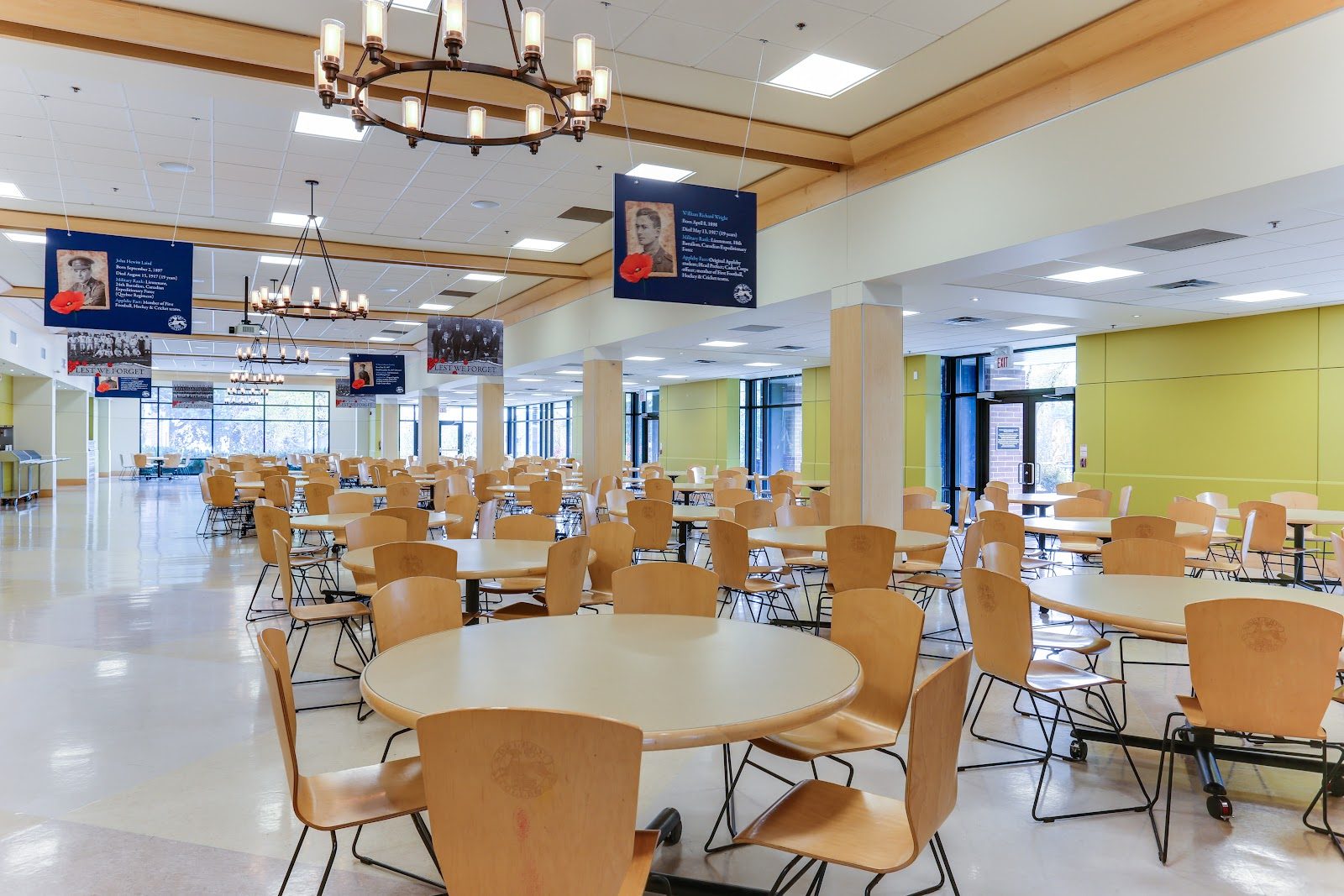
Appleby College
Oakville · Canada
A lakeside Oakville campus where every senior boards by tradition, and leadership training unfolds on a private island in Temagami.

West Point Grey Academy
Vancouver · Canada
On an 18-acre Jericho Lands campus above English Bay, a compulsory third language meets a student-run Model UN conference.
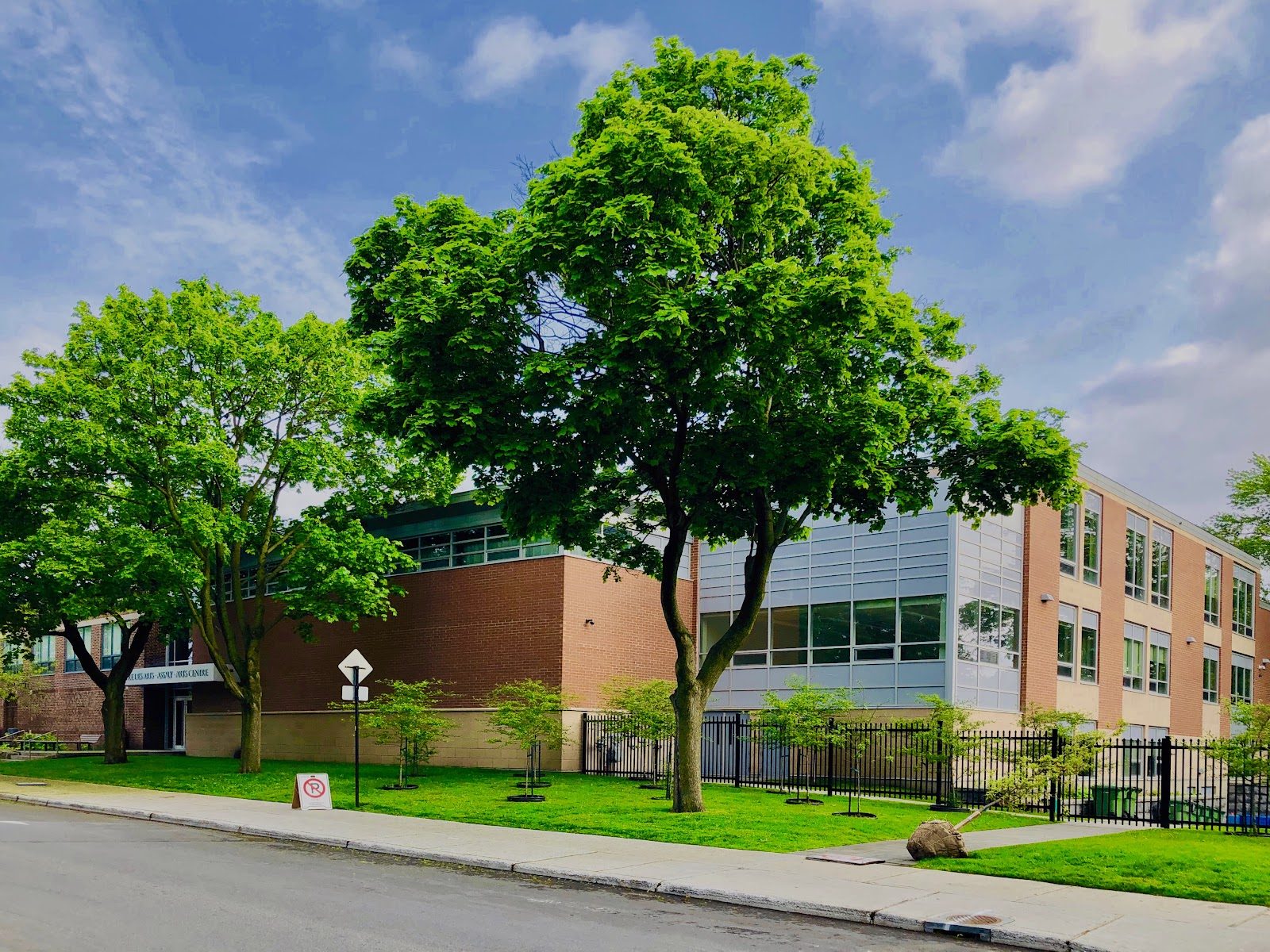
Lower Canada College
Montreal · Canada
Rooted in an 1861 boarding-school lineage, the only English-language Quebec school running both IB Middle Years and Diploma Programmes side by side
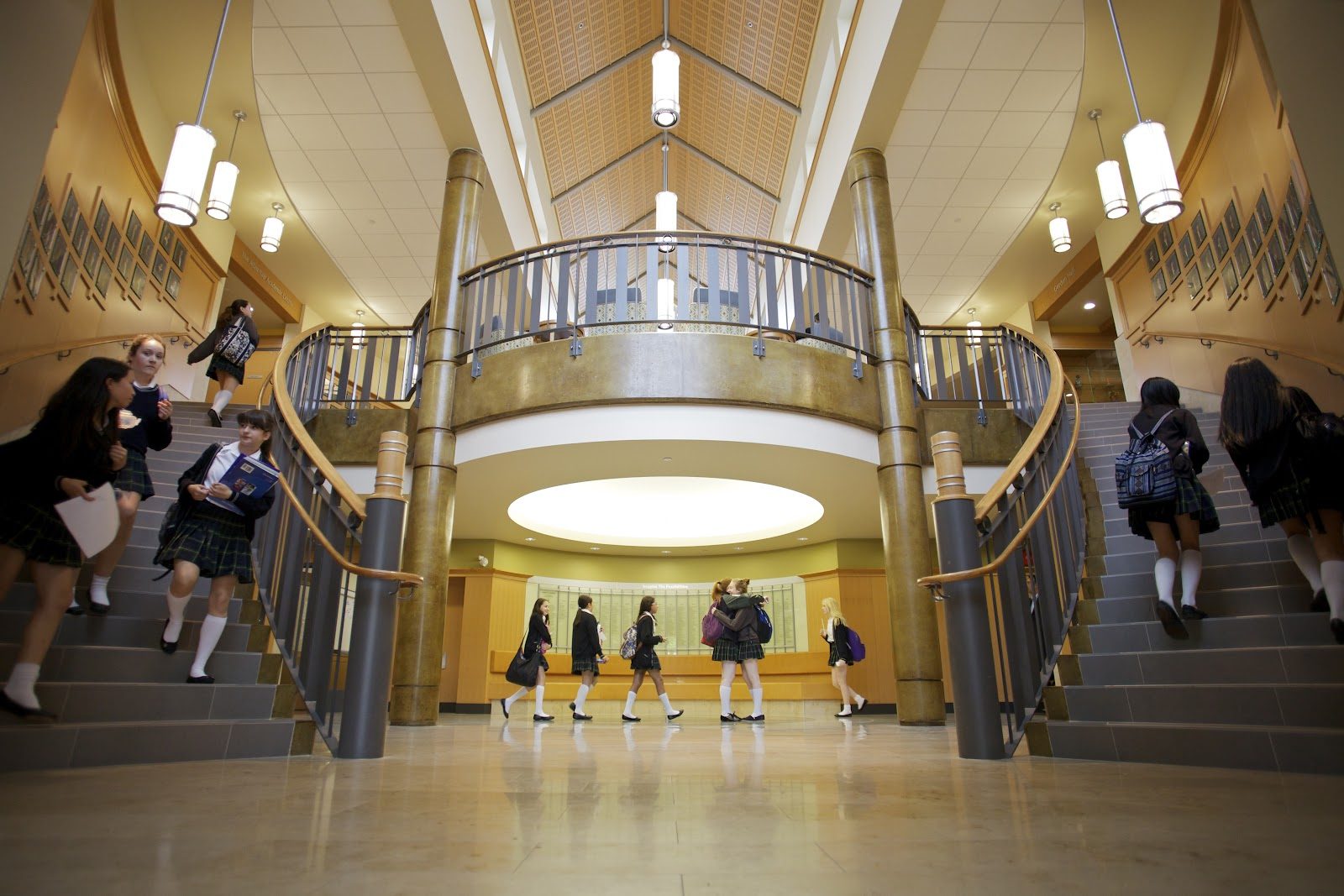
Crofton House School
Vancouver · Canada
West of Toronto's oldest independent school, a Kerrisdale campus builds IB scholars through its four-quadrant Ivy Compass program.
Same country and curriculum — closest matches within ±10 points either way