Taichung
Morrison Academy
medium confidence· 4/6 cats · 3.29 avg sourcesBorn in a 1952 bamboo hut for missionary kids, this Taichung campus now pairs AP rigor with home-style boarding halls.
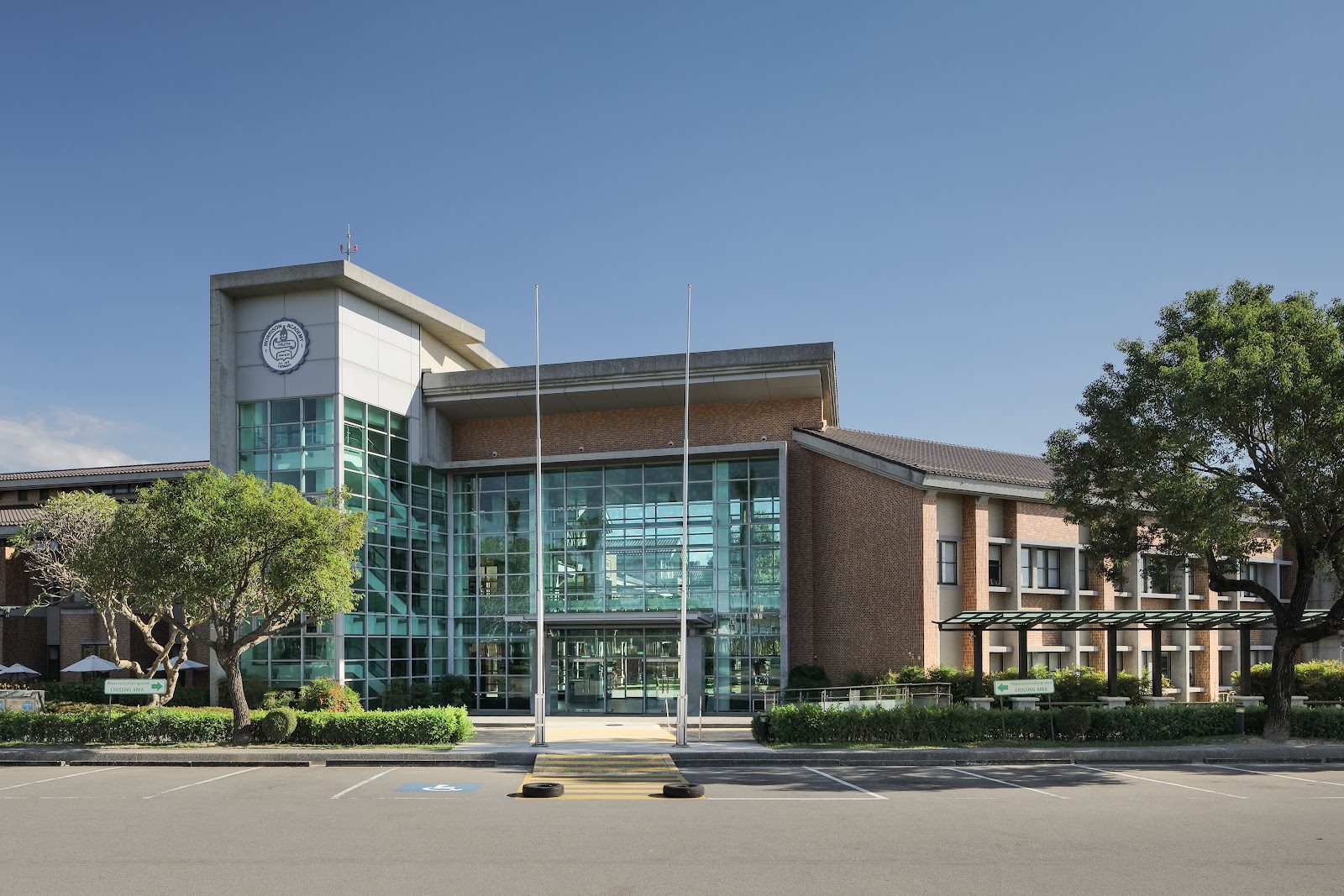
Photo © 賴建作 via Google Maps
Type
Day + Boarding
Ages
11–18
Curriculum
American · AP
Ratio
—
The Verdict
Editor's commitment
Right for
Families who want a Christian American secondary in Taichung, founded in 1952, with AP courses and WASC plus ACSI accreditation.
Wrong for
Parents after secular schooling, wider curriculum choice, or younger entry; Morrison Taichung runs 11–18 and serves a missionary-rooted community.
Watch out for
Boarding matters here, but the school publishes no public boarding detail beyond day plus boarding; recent destinations listed are thin: Baylor, Asbury, Academy of Art.
Ranking breakdown
Morrison Academy · #789 of 1591
Composite score 65.3. 8 weighted criteria.
By criterion
Academic Outcomes
Weight 20%
#857
of 1529 scored
University Placement
Weight 16%
#848
of 1529 scored
Prestige & Heritage
Weight 12%
#854
of 1571 scored
Alumni Network
Weight 12%
#544
of 1530 scored
Facilities
Weight 12%
#857
of 1533 scored
Transparency & Communications
Weight 8%
#905
of 1532 scored
Peer & Industry Review
Weight 10%
#793
of 1548 scored
Admissions Selectivity & Demand
Weight 8%
#647
of 1529 scored
Score history
Morrison Academy · 2026
Movement across 2024–2026. Peer average overlaid.
Overall — 2024–2026
65.3/ 100
▲ +14.4 vs 2025
year on year
Peer & Industry Review
How Morrison Academy is regarded in the sector
58
Credible · low confidence
Morrison Academy is consistently cited in expat-parent forums (e.g., Forumosa Taiwan international schools threads) as the leading international school option in Taichung, with long-standing WASC accreditation and a multi-decade history since 1952. However, it receives little to no coverage in flagship rankings like Tatler, Good Schools Guide, or Sunday Times School of the Year, and peer/alumni network visibility appears limited mainly to the Taichung expat community rather than broader Taiwan or international education press.
Evidence sources
Editors' overview
Morrison Academy started in 1952 in Taichung to educate missionaries’ children, and that origin still matters. This is not a generic international school built for transient corporate families; it is a Christian school with a long institutional memory, a clear sense of purpose and a campus culture shaped by service, duty and close adult oversight. For parents who want a secular, socially loose or status-driven environment, that will count against it. For families who want a school where values are explicit rather than decorative, it is a serious proposition. The Taichung campus also carries a rarity in Taiwan’s international market: boarding. That gives it reach beyond central Taiwan and makes it relevant for families who need a stable residential option rather than a day-school commute.
Academically, Morrison runs an American curriculum with AP, taught in English, with Mandarin in the language mix, and it is jointly accredited by WASC and ACSI. Those are concrete markers of structure and external oversight, not branding gloss. The school states that its programme is college preparatory, and the recent destinations listed include Academy of Art University, Asbury University and Baylor University. That is a thin public destinations list, so parents looking for a hard, data-heavy university outcomes story will find the disclosure too opaque. This is a school that sells ethos and continuity more than headline-grabbing placement statistics. Its strength lies in a coherent educational model: American-style preparation, Christian formation and a campus network across Taipei, Taichung and Kaohsiung.
What puts Morrison on a shortlist is not glamour but fit. It serves students aged 11–18, offers day and boarding, and works best for children who thrive in a close-stitched, values-led community where adults take character formation as seriously as academic progress. The student who will do well here is academically capable, comfortable with clear rules, and open to a distinctly Christian environment that does not hide its convictions. The student who wants anonymity, a huge sixth-form social scene or a broad public record of elite university placements will find stronger options elsewhere. Morrison’s appeal is *specific and old-fashioned in the best sense*: pastoral steadiness, moral clarity and an established American college-prep route in Taiwan.
Academic Performance
Morrison does not publish aggregate AP results, SAT averages or a full university-destinations profile. That leaves parents without the hard comparative data that strong college-prep schools now put into the public domain as routine. The public evidence on outcomes is thin: the school frames itself around preparation for university and lists a recent destinations sample led by 1 place each at Academy of Art University, Asbury University and Baylor University. That is not a serious results dashboard; it is a minimal disclosure standard. Against academically aggressive regional peers, this counts as a weakness. A school asking families to trust its academic rigour needs to show the numbers.
That does not make Morrison academically weak; it makes Morrison academically opaque. The age range narrows the lens to secondary education, and the long-standing missionary-family base points to a school built for continuity and fit rather than league-table theatre. In that market position, Morrison sits as a credible but data-light option: stronger on structure, adult oversight and a defined educational culture than on public proof of top-end academic yield. Parents who prize a clear statistical outcomes story will rank it below rivals that publish AP distributions, score averages and broad destination lists. Parents who value consistency and a tightly run school community may accept the trade.
Facilities
The facility that matters most here is the one few Taiwan competitors can match: boarding on the Taichung campus. For families outside the immediate catchment, that changes the school from a local day option into a usable secondary base. The editorial tagline’s reference to “home-style boarding halls” points to a residential offer built around supervision and routine rather than luxury real estate. That fits the school’s old-school pastoral identity. Parents looking for hotel-grade residences, glossy sixth-form common rooms or the architectural theatre that higher-fee regional boarding schools trade on will not find that here. Morrison’s edge lies in practical liveability and adult oversight, not spectacle. In peer terms, that gives it a genuinely distinctive place in Taiwan’s market, where boarding remains scarce.
Beyond boarding, the public picture on specialist facilities is thin, and that matters. The school does not put major labs, theatres, design suites, sports complexes or maker spaces front and centre in its public case. Strong schools with standout campuses publish those assets clearly because parents use them to judge breadth. Morrison does not. That does not prove a weak campus, but it does leave the physical offer under-evidenced. The school’s multi-campus structure and college-preparatory focus point to a functional secondary environment rather than a destination campus built to impress on tour day. Against premium international peers, the facilities story reads serviceable rather than lavish. Against mission-driven Christian schools, the boarding provision remains the real differentiator.
Morrison Academy started in 1952 in Taichung to educate missionaries’ children, and that origin still matters
Prestige
Morrison carries real niche prestige, not broad-market cachet. Within Taiwan’s missionary and Christian international-school circles, its name has weight because of longevity, continuity and a clear institutional purpose. That counts for more than glossy university brag sheets in the community it serves. The multi-campus footprint adds reach, and the Taichung site remains the symbolic centre of gravity. Publicly catalogued alumni are thin at 4, which limits any claim to a high-profile graduate network in the usual international-school sense. This is not the school families pick to signal wealth, social climbing or access to a glittering alumni club. It trades in trust, not glamour.
That leaves Morrison with a specific kind of standing: respected by families who want a disciplined Christian education and unconvinced by schools built around branding theatre. The school’s prestige rests on seriousness, not scarcity; on adult oversight, not polish; on community confidence, not public hype. That makes it credible rather than glittering. For some parents, that is a strength: the badge carries meaning in the circles that matter to them. For others, it does not travel far. In the wider Asia-Pacific market for elite international schools, Morrison sits below the headline names because its outcomes disclosure is thin and its public profile is modest. Its reputation is earned, contained and value-bound.
In peer terms, that gives it a genuinely distinctive place in Taiwan’s market, where boarding remains scarce
Communications
Morrison communicates like a school that values order over performance. The public-facing site is clean, easy to navigate and plainly structured around its campuses, admissions, values and employment. That matters: parents can find the school’s basic proposition quickly without wading through slogan-heavy clutter. The tone is plain-spoken, controlled and institution-first. It does not overshare, and it does not build much of a public case with hard evidence either. Testimonials from parents sit prominently on the homepage, which tells you something about the school’s instincts: it leans on trust and community endorsement more than data. For a close-knit Christian school, that fits. For analytical parents, it leaves a real gap.
The same pattern shapes parent communication more broadly. A school built around distinct values, strong adult oversight and a clearly bounded community needs communication that is regular, direct and unambiguous. Morrison’s public messaging clears that bar on ethos and basic orientation. Where it falls short is transparency. The school does not publish the kind of academic outcome data, destination depth or facilities detail that serious parent researchers now expect as standard. That makes its communications reassuring for insiders and thin for sceptics. Families already aligned with the school’s culture will read the tone as steady and trustworthy. Families comparing several secondary options will find the external communications too guarded and too reliant on belief in the institution rather than proof.
Uniqueness
What makes Morrison distinctive is not novelty but inheritance. The school grew out of one clear task: educating missionaries’ children. That origin still gives it a rarely diluted sense of who the school is for and what adult authority is meant to do. Many international schools bolt values language onto a standard college-prep model; Morrison was built around that values framework from the start. For students, that brings a tight moral architecture: clearer behavioural expectations, closer staff oversight and a community where faith, conduct and study are treated as parts of the same education. Children who want freedom without much supervision will chafe. Children who work best in a close-guarded, duty-minded environment gain consistency and security.
Its other point of difference sits in the combination of secondary-only schooling, residential provision and a multi-campus identity within one institution. In Taiwan, that is a narrow niche and Morrison occupies it with unusual clarity. The result for students is practical as well as cultural: access to a stable school base without requiring a local family home, and entry into a community shaped less by transient expatriate fashion than by long-term institutional habits. The publicly verified alumni footprint sits at 4, which underlines the point: this is not a fame factory. It is a mission-rooted school with a home-style seriousness that will fit a specific child extremely well and leave others cold.
What makes Morrison distinctive is not novelty but inheritance
Student Profile
The right student for Morrison is one who does not need constant reinvention, social flash or permissive boundaries. This school suits children who value routine, respond well to adult authority and can live comfortably inside a community where faith is not background wallpaper but part of daily life. Its roots in serving missionary families still shape the intake logic: a child from a service-minded, internationally mobile or Christian family will find the culture easier to read than a student chasing a big-brand expatriate social scene. With only 4 publicly catalogued notable alumni, there is no celebrity aura here; the draw is steadiness, moral structure and a close-guarded school community.
Academically, Morrison fits students who want a serious route to university without the theatre of a hyper-competitive, prestige-obsessed campus. The best match is self-disciplined, respectful and comfortable being known well by adults. This is a good school for pupils who benefit from clear rules, high supervision and a peer group shaped more by shared values than by status display. It is a weak fit for teenagers who want anonymity, a loose social culture or a broad buffet of identities with minimal institutional judgement. Families choosing Morrison need to want the package whole. A child who resists explicit Christian framing or chafes at tight community expectations will feel confined. A child who wants order, belonging and purpose will settle well.
For parents who want a secular, socially loose or status-driven environment, that will count against it
Co-curricular strengths
Arts & sport, on a separate axis
Overall 6.9/10
Scored 0-10 from the school's own published evidence. This axis is editorial-only — it does not feed the main WTS ranking.
Sports
7.5/10
Multiple sports—volleyball, basketball, soccer, track and field, and cross-country—showing a solid multi-sport extracurricular offering, but gives no facilities, specialist staff, or competitive results.
Drama
7/10
'Drama productions', which goes beyond a bare mention of drama by indicating recurring staged activity, but provides no dedicated theatre, department, or production detail.
Dance
5.5/10
Music
7.5/10
Concert band and choir, indicating structured ensemble music participation, but there is no evidence here of dedicated facilities, specialist staff, major productions, or competition pedigree.
Visual Arts
7/10
Editor first-pass · editor-reviewable · 7/28/2026
Outcomes & destinations
Where students go next
Class of 2023
Top destinations
77 placements
- Academy of Art University· 1
- Asbury University· 1
- Baylor University· 1
- Biola University· 1
- Boise State University· 1
- Boston University· 1
- Brock University· 1
- California Baptist University· 1
- California College of the Arts· 1
- Carnegie Mellon University· 1
- Case Western Reserve University· 1
- Católica Lisbon School of Business & Economics· 1
- DePauw University· 1
- Durham University· 1
- Elon University· 1
- Emory University· 1
- Fashion Institute of Design and Merchandising· 1
- Fordham University· 1
- George Mason University· 1
- Harding University· 1
- Hult International Business School· 1
- Indiana University· 1
- John Brown University· 1
- Liberty University· 1
- New Jersey Institute of Technology· 1
- New York University· 1
- Northeastern University· 1
- Northern Kentucky University Highland· 1
- Oregon State University· 1
- Otis College of Art and Design· 1
- Parsons School of Design· 1
- Penn State University· 1
- Pepperdine University· 1
- Pittsburg State University· 1
- Purdue University· 1
- Rice University· 1
- Rutgers University· 1
- Savannah College of Art and Design· 1
- South Dakota School of Mines & Technology· 1
- Southeastern University· 1
- Stony Brook University· 1
- Syracuse University· 1
- Temple University· 1
- Texas A&M University· 1
- Toronto Metropolitan University· 1
- Tufts University· 1
- Wake Forest University· 1
- Wheaton College· 1
- University of Alberta· 1
- University of British Columbia· 1
- University of California, Davis· 1
- University of California, Irvine· 1
- University of California, Los Angeles· 1
- University of California, Riverside· 1
- University of California, Santa Barbara· 1
- University of California, Santa Clara· 1
- University of Central Missouri· 1
- University of Guelph· 1
- University of Illinois Chicago· 1
- University of Illinois Urbana-Champaign· 1
- University of Michigan· 1
- University of Notre Dame· 1
- University of Oregon· 1
- University of Pittsburgh· 1
- University of San Francisco· 1
- University of Sussex· 1
- University of Texas at Austin· 1
- University of Toronto· 1
- University of Victoria· 1
- University of Washington - Seattle· 1
- University of Washington - Tacoma· 1
- University of Waterloo· 1
- University of Wisconsin–Madison· 1
- Washington State University· 1
- Western University· 1
- Winona State University· 1
- York University· 1
Reported by the school. Confirm with admissions.
Strengths
- +American curriculum with AP option
- +Instruction in English throughout
- +Jointly accredited by WASC and ACSI
- +Taichung campus within Taiwan-wide three-campus network
Considerations
- −Distinctively Christian environment may not suit all families
- −College preparatory focus may feel narrow
- −Primarily serves missionaries' children, affecting peer mix
Availability
Primary entry gate & tests
Academic Record
Gallery
Photo © wolk via Google Maps
Photo © Syi WU via Google Maps
Photo © Syi WU via Google Maps
Photo © wolk via Google Maps
Photo © 陈天行 via Google Maps
Photo © 算命的說我是位旅人大吃貨 via Google Maps
Photo © D H via Google Maps
Photo © David Guenther via Google Maps
Photo © Te Wei Chung via Google Maps
Parent reviews
Have you sent your child here?
Voice reviews carry the strongest trust badge — we transcribe them for you to tidy up before they go live. Prefer to type? A written review is fine too.
Add your voice
In 60 seconds, tell other parents: what's the best thing about Morrison Academy, and what surprised you when your child joined?
We ask for a Google sign-in so every review has a real face behind it — no anonymous drive-by attacks on schools, and no faked positive reviews. Your email is never shown publicly.
Send this profile to a friend
International parents rely on word-of-mouth. Share this review with someone weighing the same decision.
Schools with places
Similar schools to Morrison Academy with places available now.
Availability first, then country, area, curriculum, price, co-curricular
Consider also
Also worth looking at alongside Morrison Academy.
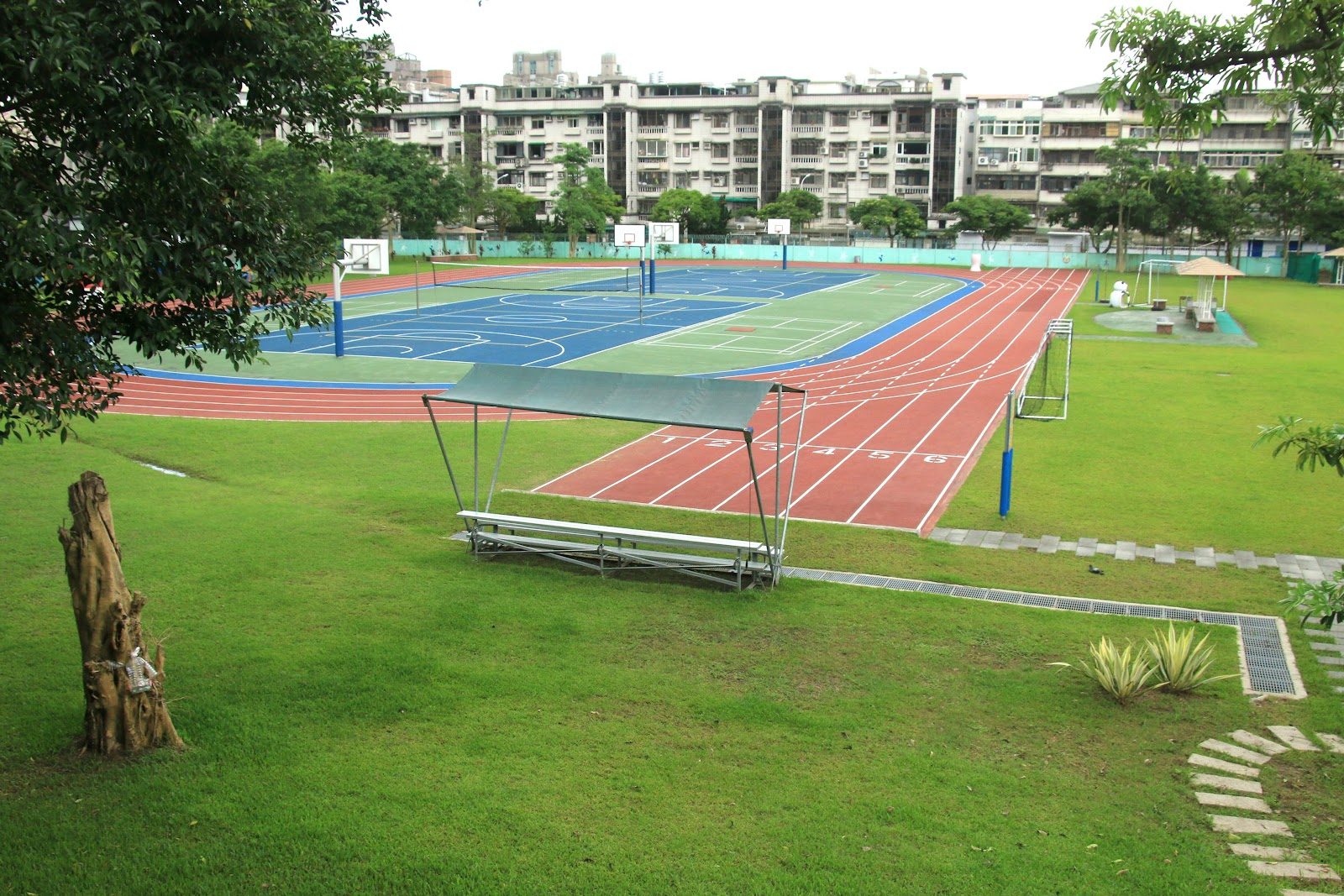
Dominican International School
Taipei · Taiwan
A former US military school turned Catholic-run American curriculum campus, offering 18 AP courses in Taipei's Zhongshan district.
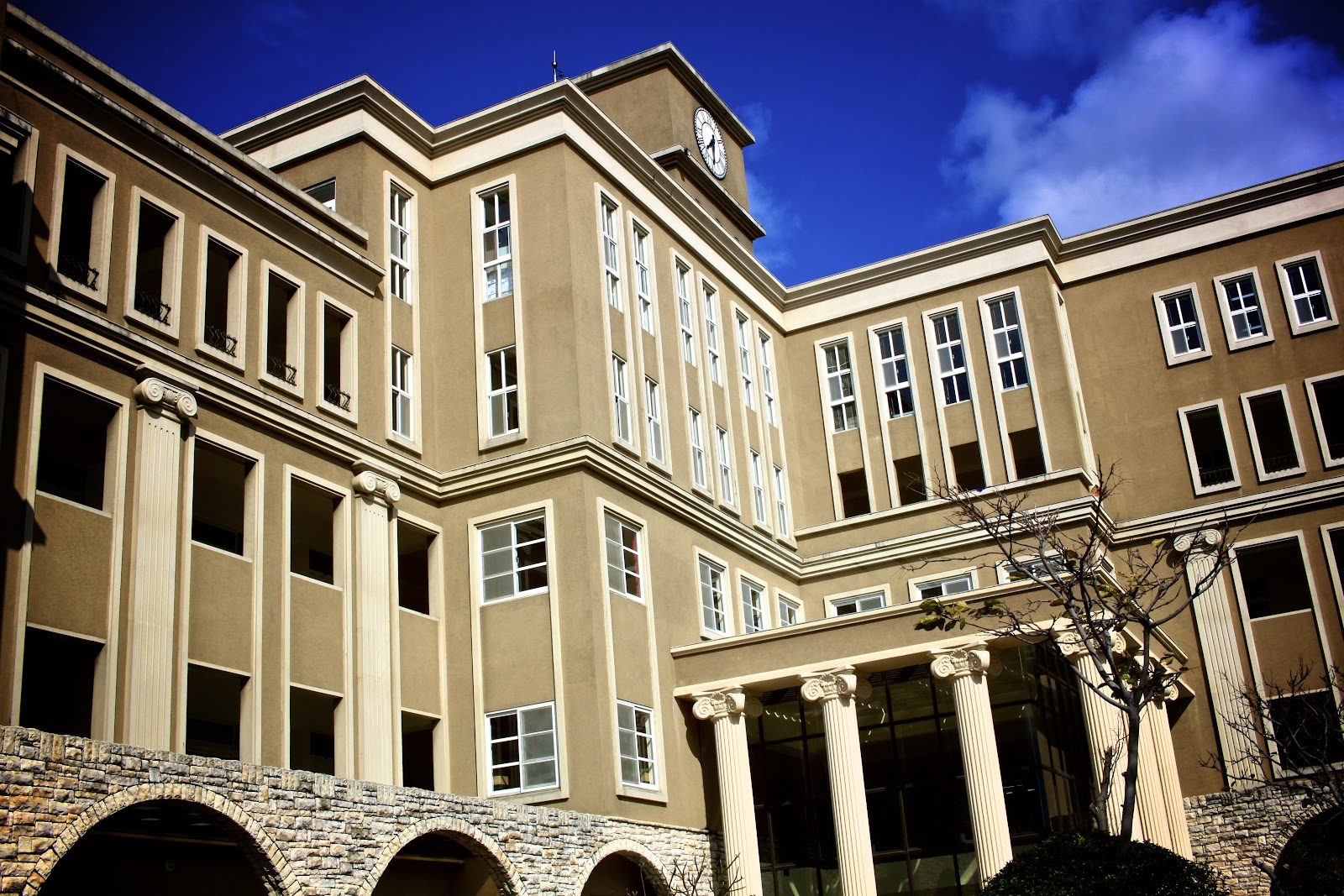
Hsinchu International School
Hsinchu · Taiwan
An American-curriculum day school in Xiangshan District, built to prep Taiwan's Silicon Valley kids for AP-track college admissions.
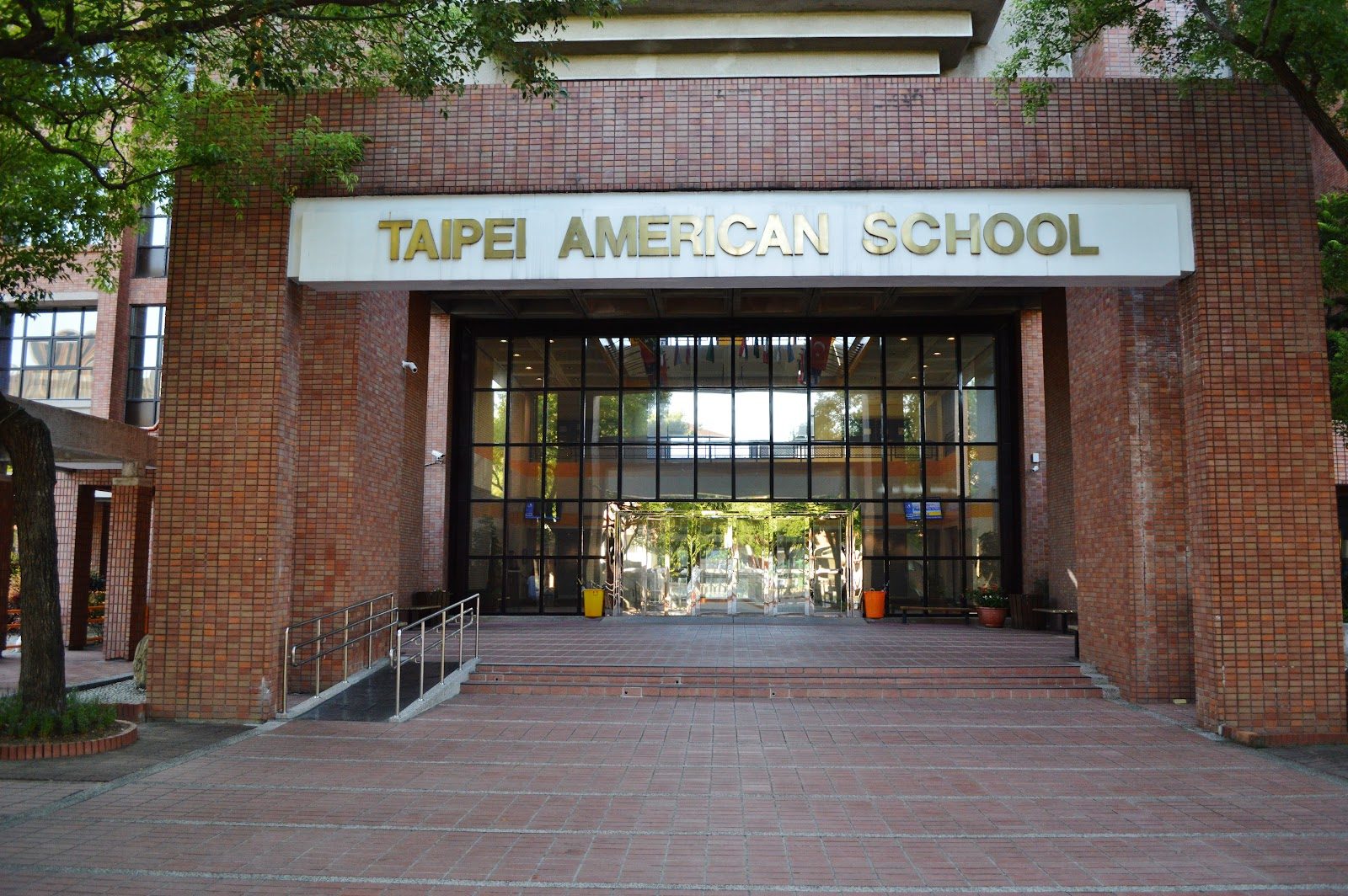
Taipei American School
Taipei · Taiwan
A former Cold War defense-department school in Tianmu, now offering both AP rigor and the full IB Diploma to Taiwan's global families.
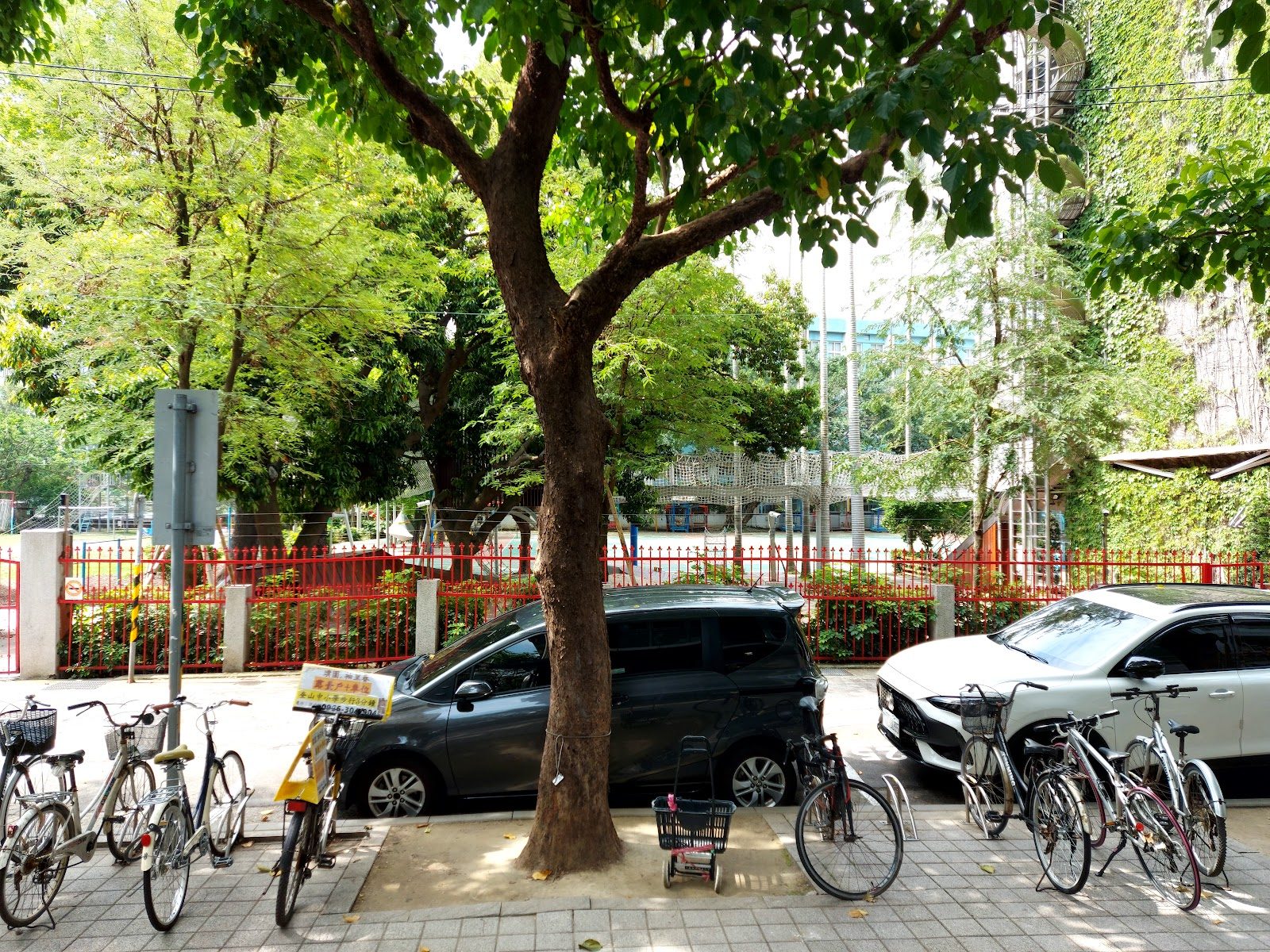
Taipei Kuei Shan School
Taipei · Taiwan
Born in 1963 as a small-class experiment in the Yangmingshan foothills, now a full IB continuum school blending Taiwanese rigor with global perspective
Same country and curriculum — closest matches within ±10 points either way