Taipei
A former Cold War defense-department school in Tianmu, now offering both AP rigor and the full IB Diploma to Taiwan's global families.
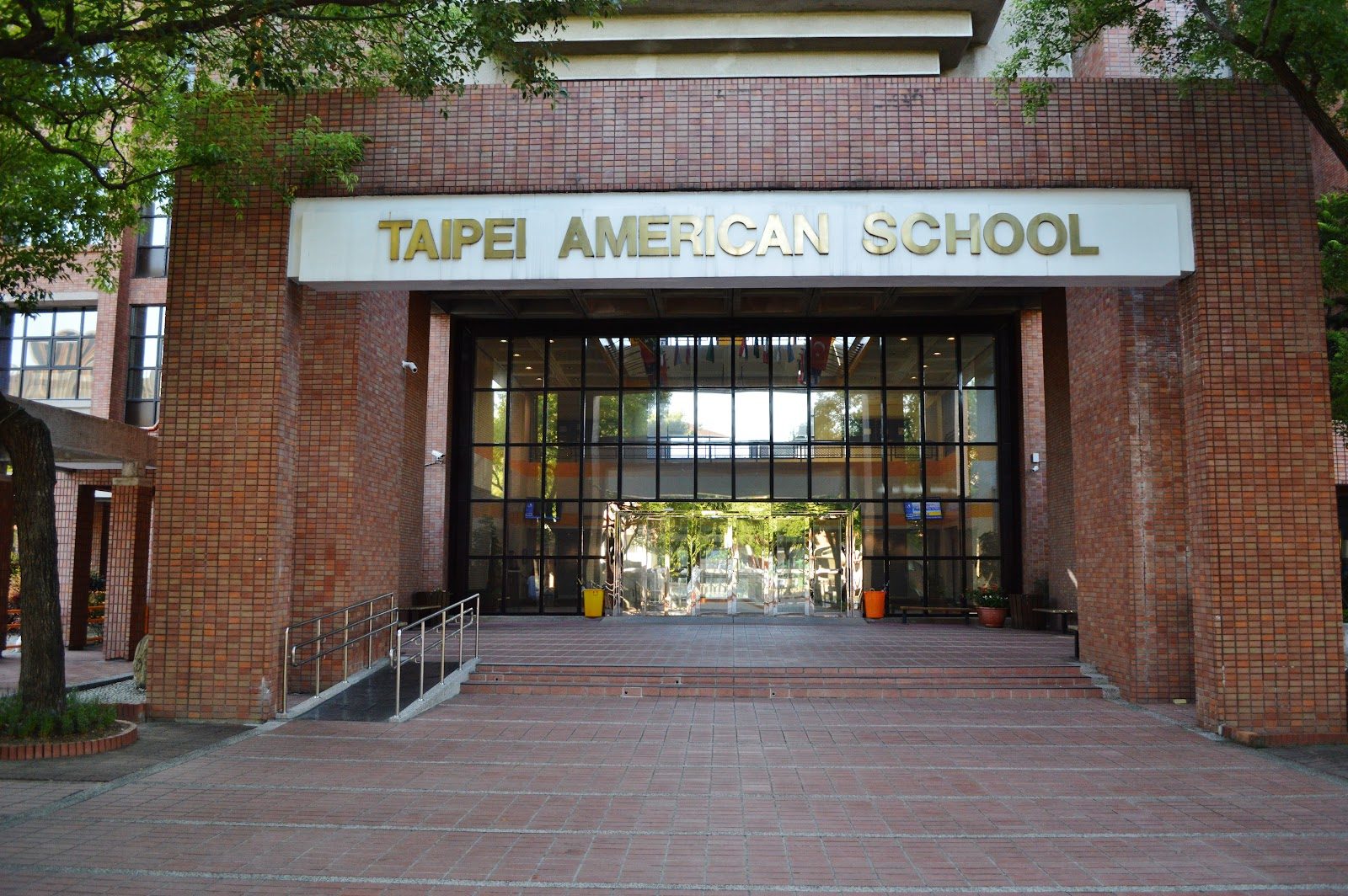
Photo © Taipei American School via Google Maps
Type
Day
Ages
3–18
Curriculum
American · AP
Ratio
1:8
The Verdict
Editor's commitment
Right for
Globally mobile families wanting American schooling without surrendering rigour: TAS runs AP, offers the full IB Diploma, and keeps a 1:8 ratio.
Wrong for
Parents after bargain pricing, boarding or local-language schooling; TAS is a day school, teaches in English and Mandarin, and averages 1,005,937 NTD a year.
Watch out for
This is an expatriate-rooted 1949 Tianmu institution with WASC and CIS, but destinations listed here run only to single admits at Babson, Barnard and Berklee.
Ranking breakdown
Taipei American School · #195 of 1591
Composite score 74.4. 8 weighted criteria.
By criterion
Academic Outcomes
Weight 20%
#386
of 1529 scored
University Placement
Weight 16%
#263
of 1529 scored
Prestige & Heritage
Weight 12%
#377
of 1571 scored
Alumni Network
Weight 12%
#293
of 1530 scored
Facilities
Weight 12%
#22
of 1533 scored
Transparency & Communications
Weight 8%
#22
of 1532 scored
Peer & Industry Review
Weight 10%
#250
of 1548 scored
Admissions Selectivity & Demand
Weight 8%
#1156
of 1529 scored
Score history
Taipei American School · 2026
Movement across 2024–2026. Peer average overlaid.
Overall — 2024–2026
74.4/ 100
▲ +11.6 vs 2025
year on year
Peer & Industry Review
How Taipei American School is regarded in the sector
90
Top-tier · high confidence
Taipei American School is consistently cited as the top international/American school in Taiwan across expat forums (InterNations, ExpatFocus), education directories, and press coverage of Taiwan's education landscape, with a large, notable alumni network including business and political figures. It is widely referenced as the benchmark institution for American-curriculum education in Taiwan, with extensive university placement records to top-tier US institutions frequently cited in college counseling reports and rankings aggregators. Its long operating history since 1949 and accreditation by WASC further reinforce its top-tier standing among peer international schools in Asia.
Evidence sources
Editors' overview
Taipei American School sits in a rare position in Asia: an American school old enough to have institutional weight, but broad enough academically to offer both AP and the full IB Diploma. Founded in 1949, it began as a Cold War-era school for the US expatriate community and still carries that American spine, yet its market now is far wider: internationally minded families in Taipei who want English-medium education without giving up global university options. The academic proposition is unusually expansive. Families get an American-based education, AP is part of the stated curriculum, and the IB Diploma adds a second serious senior-pathway. That matters. In a market where many schools ask families to choose between US-style flexibility and IB breadth, TAS gives both under one roof.
The fundamentals are strong and easy to quantify. It is a day school for ages 3 to 18, accredited by WASC and CIS, with a 1:8 student-teacher ratio that points to real adult attention rather than inflated pastoral rhetoric. English is the main language of instruction, with Mandarin also in the mix, which fits Taipei rather than pretending it does not exist. Fees are expensive: the average annual day fee across the full ladder is NTD 1,005,937. That places TAS firmly in the premium tier, so parents are entitled to expect depth in teaching, university counselling and co-curricular range. The school’s published destinations in this set are sparse rather than sweeping — Babson College, Barnard College and Berklee College of Music each appear with one recent entrant — so anyone hunting for a glossy roll-call of Ivy and Oxbridge admits will find the public picture more opaque than it should be. Even so, the verified alumni floor is substantial, with 19 notable alumni catalogued in Wikidata, including figures in business, film and music. That points to a school with genuine cultural reach.
Why should it be on a shortlist? Because it offers a high-cost, high-option education in a city where that mix is hard to replicate. TAS suits students who are academically ambitious but do not want to be boxed into a single examination identity at 16. It will appeal to internationally mobile families, returnee Taiwanese families, and students who want a serious American-school experience with stronger global signalling than a standard AP-only model. It also suits children who thrive in a large, established institution with clear values, substantial history and the confidence that comes from decades of operation. It is *not for families chasing simplicity or thrift*. TAS is for students who want range, pace and polished pathways to universities worldwide — and for parents prepared to pay for that breadth.
Academic Performance
TAS offers more than one senior exam route, which broadens choice but complicates clean comparison. The school confirms AP in its programme, and the high school also runs courses that feed into the full IB Diploma. That dual structure is academically serious and strategically useful for families weighing US, UK and wider international admissions. The problem is disclosure. TAS does not publish aggregate AP scores, AP participation rates, average IB points, IB pass rates, or a full destinations profile in the public domain. For a school at this price point, that is a material weakness. Parents cannot benchmark outcomes against the strongest American and IB schools in Asia because the school withholds the numbers that make such benchmarking possible.
So where does that leave it relative to peers? In institutional terms, TAS sits in the top tier of ambition: a long-established American school with enough academic breadth to support both advanced course-taking and the full diploma route. The low staffing ratio — 1:8 — strengthens the case that students get real academic support. But elite positioning is not the same as proven exam transparency. The best comparator schools publish hard outcomes and let parents judge performance directly. TAS asks families to trust the model more than the data. That does not erase academic strength; it does leave performance *less transparent than a leading school should be*.
Facilities
TAS’s strongest facilities asset is not a single showpiece block but the institutional capacity that comes with a large, established campus in Tianmu. The school itself points families to its “people, places, and programmes”, which is revealing: this is a campus built to support a full pre-kindergarten-to-Grade-12 operation rather than a compact city school squeezed into one tower. For parents, that matters in practical terms. Schools running both advanced American courses and the full IB Diploma need serious specialist space: science labs that can carry upper-school experimental work, arts rooms that do more than decorative enrichment, performance provision with proper rehearsal capacity, and sports infrastructure that can absorb heavy daily use across age groups. TAS sits in that full-service, high-functioning bracket. Against peer schools in Taipei, that puts it ahead of smaller operators with tighter footprints and less room for specialist teaching.
The catch is transparency. TAS talks confidently about community and values, but it does not publish a sharply itemised public account of facilities in the way some premium competitors now do, with floorplans, venue lists and technical specifications. That leaves parents with a clear impression of scale and maturity, but not a precise inventory. Even so, the school’s age range, academic breadth and premium fee level place it in the serious-campus category, not the improvised one. In peer terms, this is substantial, well-established provision rather than boutique charm. Families paying around NTD 1m a year are right to expect exactly that.
That does not erase academic strength; it does leave performance less transparent than a leading school should be
Prestige
TAS carries genuine prestige in the international-schools market, and not the flimsy kind built on glossy university lists and social media polish. Its standing rests on institutional durability, selectivity of audience, and a reputation that extends well beyond one intake cycle. A US Department of State assisted school with decades of history in Taipei, it occupies a rarefied bracket: the sort of school families know by name before they start serious applications. The notable-alumni floor helps here. 19 verified figures across business, film and music is not a trivial footprint for a single school, and it signals long-term cultural reach rather than a short burst of marketing noise. The fee level reinforces the point. At an average of NTD 1,005,937 a year, TAS sits in an expensive, high-expectation segment where prestige is tied to access, networks and the assumption of strong adult support.
That said, prestige here is stronger than public proof of outcomes. TAS has brand weight, legacy and a social position in Taipei that many competitors cannot match, but it does not publish the hard academic aggregates that would turn reputation into cleanly evidenced academic dominance. That matters. The school’s cachet is real, but it is not beyond scrutiny. I rate it highly because families buy into more than classroom delivery: they buy into peer group, institutional memory, and a name that carries internationally. I stop short of the very top rank because true elite status demands transparency as well as esteem.
I stop short of the very top rank because true elite status demands transparency as well as esteem
Communications
TAS communicates with the confidence of an institution that has done this for decades. The public-facing site is organised, current and easy to navigate, with clear routes into mission, values, academics, calendar and news. That matters more than glossy branding. Parents need a school to tell them where to click, what the school stands for, and what daily life looks like; TAS does that cleanly. The values framework is also spelled out in unusual depth, down to working definitions of learning, wellbeing and service. That gives families a concrete sense of the school’s moral vocabulary rather than the bland uplift many schools settle for. News flow is active, which signals a school that updates regularly rather than leaving stale pages to rot.
The limitation is not day-to-day readability but disclosure. TAS communicates culture better than outcomes. It explains beliefs, community and educational intent with real institutional fluency, yet leaves major academic proof points unpublished. For parents, that creates an imbalance: the school is articulate about who it is, less forthcoming about what students achieve in aggregate. In a premium market, that is a serious communications gap. Strong parent communication is not only warm tone and frequent updates; it is also hard data, clear accountability and a willingness to publish results without flannel. TAS gets high marks for clarity of message and site maintenance. It scores lower for transparency, and that distinction matters at this fee level and with full-diploma academic claims in the senior years.
Uniqueness
What makes TAS unusual is the combination of institutional heft and academic optionality inside one established American school. In many international markets, families face a binary choice: a US-style school with broad course choice and AP, or an IB-first school with a different academic culture and a narrower sense of identity. TAS breaks that split. Its high school runs honours, AP and IB courses, with a route to the full diploma, which gives students more room to match programme to temperament rather than contort themselves to fit one model. That brings a concrete advantage. A student targeting US universities can keep the flexibility of an American transcript; another can take the diploma’s structured breadth; both stay inside the same school community. For ambitious teenagers, that is strategically valuable and hard to replicate.
Its distinctiveness also rests on social history. This is not a school invented for the current admissions cycle; it began as a US State Department-assisted institution for an expatriate community and still carries that deep-rooted American spine. In Taipei, that creates a rare mix: strong local relevance without becoming a local cram-school variant, and international reach without the rootless feel that plagues newer premium schools. The verified alumni floor — 19 notable figures across business, film and music — adds weight. For students, the benefit is not glamour. It is exposure to a confident, globally literate peer culture with enough maturity to support different ambitions, from finance to the arts, without forcing everyone into one narrow definition of success.
Taipei American School sits in a rare position in Asia: an American school old enough to have institutional weight, but broad enough academically to offer both AP and the full IB Diploma
Student Profile
The best fit here is a student who wants options without chaos. TAS suits children who are self-directed, comfortable in a large peer group, and ready to use the school’s breadth rather than drift through it. The values language is explicit, and the school puts real weight on honesty, respect, courage, responsibility and kindness, so this is not a place for students who want anonymity without accountability. It will work well for internationally mobile families, returnee Taiwanese families and ambitious local-global households that want an American school environment with stronger range in the upper years. The low adult-to-student balance — 1:8 — also points to a setting where teachers know students properly, which benefits engaged learners and those who need steady structure as much as the natural high-flyers.
Socially, the student body fits children who can handle a high-expectation, cosmopolitan environment without needing relentless hand-holding. Pupils with real interests beyond grades — music, arts, service, leadership, entrepreneurship — have room to build an identity here, and the verified notable-alumni floor of 19 reinforces that this is not a school producing one narrow type of success. The weaker fit is just as clear. Families looking for a small, intimate school, a stripped-back academic model, or a lower-pressure social setting will find TAS too expansive, too expensive, and too conscious of performance. This is a school for students who want range, pace and a serious peer culture.
Families get an American-based education, AP is part of the stated curriculum, and the IB Diploma adds a second serious senior-pathway
Co-curricular strengths
Arts & sport, on a separate axis
Overall 9.5/10
Scored 0-10 from the school's own published evidence. This axis is editorial-only — it does not feed the main WTS ranking.
Sports
9.5/10
The extracurriculars explicitly list multiple varsity and competitive sports—basketball, soccer, track and field, swimming, and baseball—showing solid structured participation across several sports but no named athletics facility, specialist staff, or competitive results.
Drama
9.5/10
'Theater productions,' and recurring named productions are enough to clear the notable-strength band even though no dedicated theatre facility or department is described.
Dance
9.5/10
Music
9.5/10
The extracurriculars explicitly list 'Choir,' which is a clear named music activity.
Visual Arts
9.5/10
Editor first-pass · editor-reviewable · 7/28/2026
Outcomes & destinations
Where students go next
Class of 2022
Top destinations
176 placements
- Babson College· 1
- Barnard College· 1
- Berklee College of Music· 1
- Boston Conservatory· 1
- Boston University· 1
- Brandeis University· 1
- Brigham Young University· 1
- Brown University· 1
- California College of the Arts· 1
- California Institute of Technology· 1
- California Lutheran University· 1
- California Polytechnic State University, San Luis Obispo· 1
- California State University, Northridge· 1
- California State University-Long Beach· 1
- Carleton College· 1
- Carnegie Mellon University· 1
- Case Western Reserve University· 1
- Chapman University· 1
- Colgate University· 1
- College of Atlantic· 1
- Columbia International University· 1
- Columbia University· 1
- Connecticut College· 1
- Cornell University· 1
- De Anza College· 1
- Denison University· 1
- DePaul University· 1
- Drexel University· 1
- Duke University· 1
- Eastman School of Music of the University of Rochester· 1
- Eckerd College· 1
- Emerson College· 1
- Emory University· 1
- Fashion Institute of Technology· 1
- Fordham University· 1
- Franklin & Marshall College· 1
- Georgetown University· 1
- Georgia Institute of Technology· 1
- Goucher College· 1
- Harvard University· 1
- Harvey Mudd College· 1
- Haverford College· 1
- Hult International Business School· 1
- Indiana University at Bloomington· 1
- James Madison University· 1
- Johns Hopkins University· 1
- Keene State College· 1
- Kennesaw State University· 1
- Lafayette College· 1
- Loyola Marymount University· 1
- Maryland Institute College of Art· 1
- Massachusetts Institute of Technology· 1
- Michigan State University· 1
- New York University· 1
- Northeastern University· 1
- Northern Arizona University· 1
- Northwest Vista College· 1
- Northwestern University· 1
- Occidental College· 1
- Pepperdine University· 1
- Pitzer College· 1
- Pomona College· 1
- Pratt Institute· 1
- Princeton University· 1
- Purdue University· 1
- Quinnipiac University· 1
- Reed College· 1
- Rhode Island School of Design· 1
- Rice University· 1
- Santa Clara University· 1
- Savannah College of Art and Design· 1
- School of the Art Institute of Chicago· 1
- Seattle University· 1
- Southern New Hampshire University· 1
- Stanford University· 1
- Stevens Institute of Technology· 1
- Stony Brook University· 1
- Syracuse University· 1
- Temple University· 1
- The George Washington University· 1
- The New School· 1
- Tufts University· 1
- University of Alabama· 1
- University of Arizona· 1
- University of California, Berkeley· 1
- University of California, Davis· 1
- University of California, Irvine· 1
- University of California, Los Angeles· 1
- University of California, Riverside· 1
- University of California, San Diego· 1
- University of California, Santa Barbara· 1
- University of California, Santa Cruz· 1
- University of Chicago· 1
- University of Colorado Boulder· 1
- University of Illinois at Urbana-Champaign· 1
- University of Maryland, College Park· 1
- University of Michigan· 1
- University of Notre Dame· 1
- University of Oregon· 1
- University of Pennsylvania· 1
- University of Pittsburgh· 1
- University of Puget Sound· 1
- University of Rochester· 1
- University of San Francisco· 1
- University of Southern California· 1
- University of Texas at Dallas· 1
- University of Texas, Austin· 1
- University of Virginia· 1
- University of Washington· 1
- University of Wisconsin, Madison· 1
- Utah State University· 1
- Vanderbilt University· 1
- Vassar College· 1
- Villanova University· 1
- Virginia Commonwealth University· 1
- Washington University in St. Louis· 1
- Wellesley College· 1
- Wesleyan University· 1
- Yale University· 1
- Chinese University of Hong Kong· 1
- City University of Hong Kong· 1
- Hosei University· 1
- International Christian University· 1
- KAIST - Korea Advanced Institute of Science & Technology· 1
- Keio University· 1
- Korea University· 1
- National Tsing Hua University· 1
- National University of Singapore· 1
- Seoul National University· 1
- Sophia University· 1
- Tamkang University· 1
- University of Hong Kong· 1
- Waseda University· 1
- Yonsei University· 1
- Amsterdam University of Applied Sciences· 1
- Ecole Hoteliere de Lausanne· 1
- Erasmus University Rotterdam· 1
- King's College London· 1
- Leiden University· 1
- Les Roches· 1
- Lund University· 1
- Maastricht University· 1
- Radboud University· 1
- London School of Economics· 1
- University College Dublin· 1
- University College London· 1
- University College Utrecht· 1
- University of Amsterdam· 1
- University of Cambridge· 1
- University of East Anglia· 1
- University of Edinburgh· 1
- University of Loughbrough· 1
- University of Manchester· 1
- University of Oxford· 1
- Utrecht University· 1
- Griffith University· 1
- University of Adelaide· 1
- University of Canterbury· 1
- University of New South Wales· 1
- University of Otago· 1
- University of Sydney· 1
- University of Western Australia· 1
- Carleton University· 1
- McMaster University· 1
- Nova Scotia College of Art & Design· 1
- Queen's University· 1
- Sheridan College· 1
- Simon Fraser University· 1
- Toronto Metropolitan University· 1
- University of British Columbia· 1
- University of Calgary· 1
- University of Ontario Institute of Technology· 1
- University of Toronto· 1
- University of Windsor· 1
- Western University· 1
- York University· 1
Reported by the school. Confirm with admissions.
Notable alumni · Wikidata
19notable alumni
0 historic (born pre-1930) · 13 modern (born post-1970)wikidata:2026-07-28 How we source this
WTS 300 badge
2025/26 editionTaipei American School is one of the World's Top 300 Schools for 2025/26. Claim your listing to add it to your site →
Strengths
- +Founded in 1949 as an independent, coeducational day school, making TAS one of the longest-established American-curriculum schools in Asia and fully accredited by WASC (Western Association of Schools and Colleges) since 1972.
- +TAS is a member of the Interscholastic Association of Southeast Asian Schools (IASAS), alongside International School Bangkok, ISKL, International School Manila, Jakarta Intercultural School, and Singapore American School, giving students a competitive regional sports and arts circuit.
- +Students may choose from standard level, honors, Advanced Placement (AP), and International Baccalaureate (IB) individual classes or full diploma, with the program accredited by WASC and leading to an American high school diploma, giving genuine dual-pathway flexibility.
- +The 15-acre campus has approximately 250 classrooms including many science and robotics labs, plus a four-story library/IT/media complex, music and art facilities, three dance studios, and three theaters.
- +The campus is wireless to service IT needs as a one-to-one laptop school in grades 3-12, and the school offers deep college counselling with strong placement into US Ivies, T20s, Oxbridge, and competitive Canadian and Australian universities.
Considerations
- −To be eligible for admission, a child must hold foreign (non-ROC) nationality and reside in Greater Taipei with at least one parent or guardian, ruling out families without a qualifying foreign passport.
- −There are no discounts for siblings, and tuition and fees are due in full per student attending, an added cost consideration for larger families.
- −Each year the school receives more applications than space is available, and families are strongly encouraged to apply as early as possible or check on space availability, meaning waitlists are common, particularly at entry-level grades.
- −As a large campus serving an enrollment of roughly 2,369 students, the school lacks the intimacy of Taipei's smaller boutique international schools, even though efforts are made to keep students engaged in the community.
Availability
Primary entry gate & tests
Academic Record (Passport req.)
Gallery
Photo © 翁淵嵐 via Google Maps
Photo © simon h via Google Maps
Photo © Terry Leu via Google Maps
Photo © Ku via Google Maps
Photo © Terry Leu via Google Maps
Photo © Ron Lederer via Google Maps
Photo © Frank Lee via Google Maps
Photo © CN H via Google Maps
Photo © CN H via Google Maps
Parent reviews
Have you sent your child here?
Voice reviews carry the strongest trust badge — we transcribe them for you to tidy up before they go live. Prefer to type? A written review is fine too.
Add your voice
In 60 seconds, tell other parents: what's the best thing about Taipei American School, and what surprised you when your child joined?
We ask for a Google sign-in so every review has a real face behind it — no anonymous drive-by attacks on schools, and no faked positive reviews. Your email is never shown publicly.
Send this profile to a friend
International parents rely on word-of-mouth. Share this review with someone weighing the same decision.
Schools with places
Similar schools to Taipei American School with places available now.
Taipei European School
Taipei · Taiwan
- 2026-27
- WAITPOOLSpace-dependent
- 2027-28
- PLACES OPENRolling
Taipei Kuei Shan School
Taipei · Taiwan
- 2026-27
- WAITPOOLSpace-dependent
- 2027-28
- PLACES OPENRolling
Availability first, then country, area, curriculum, price, co-curricular
Consider also
Also worth looking at alongside Taipei American School.
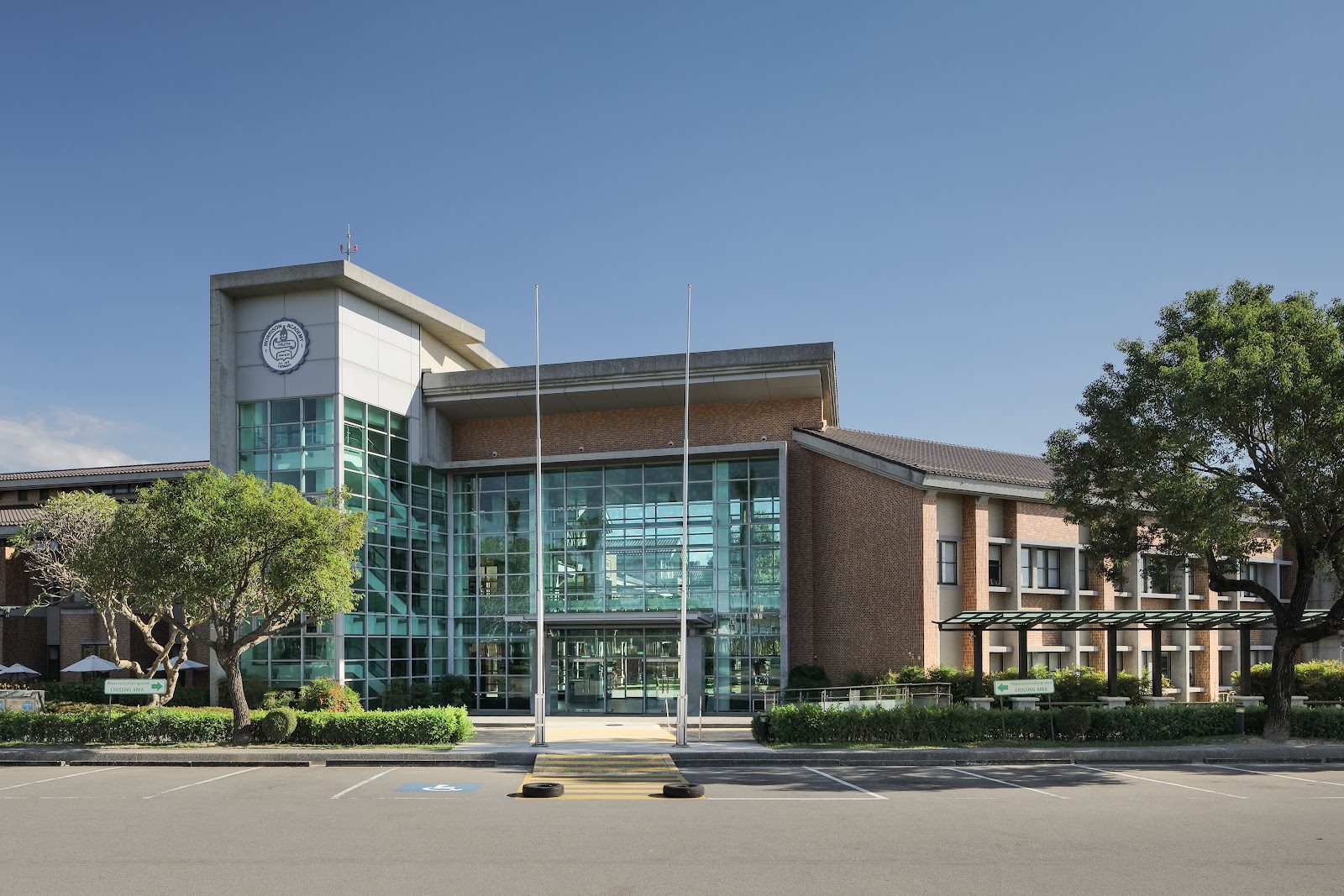
Morrison Academy
Taichung · Taiwan
Born in a 1952 bamboo hut for missionary kids, this Taichung campus now pairs AP rigor with home-style boarding halls.
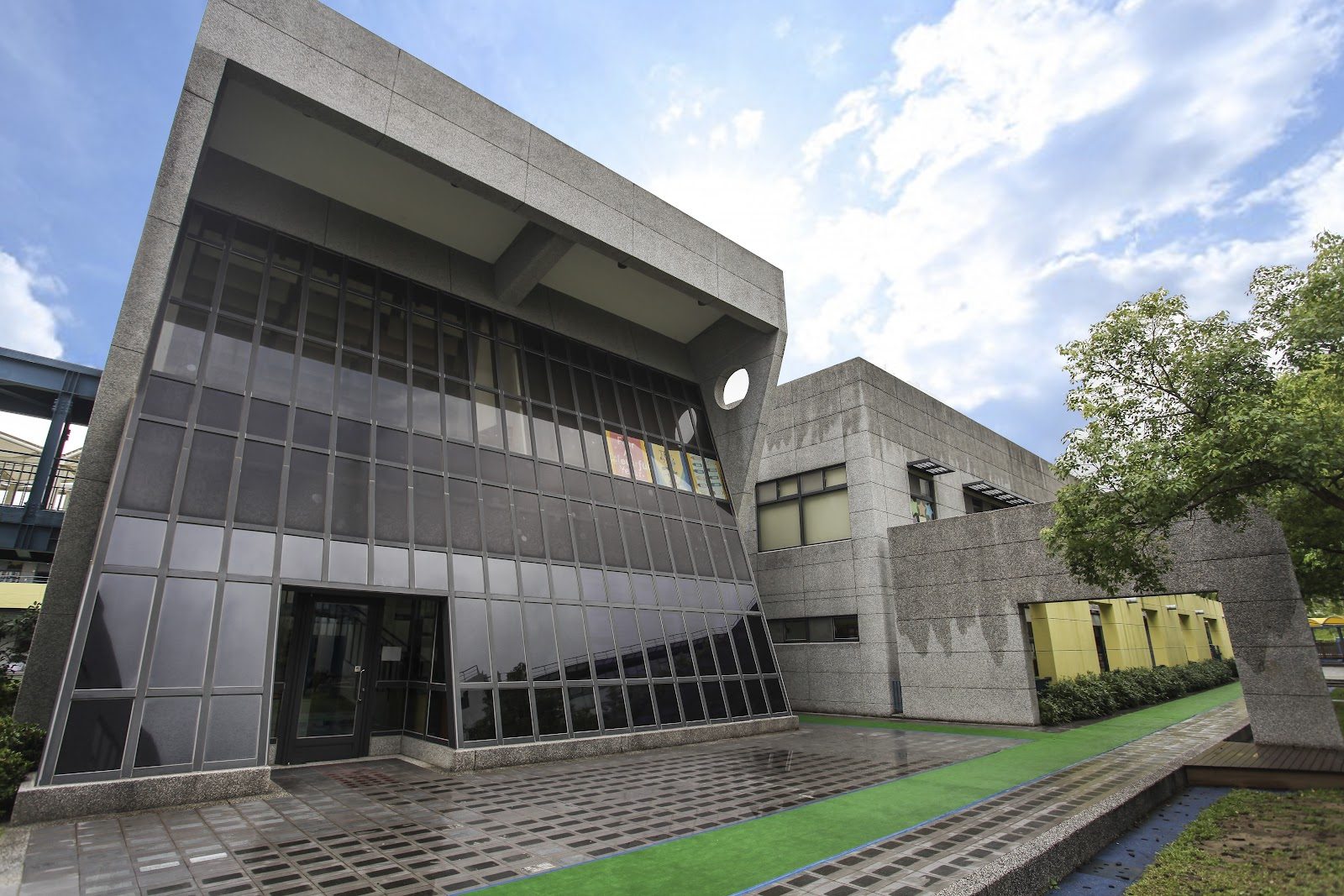
Taipei European School
Taipei · Taiwan
British, French and German national curricula run in parallel here, converging on Yangmingshan into one shared IB Diploma.
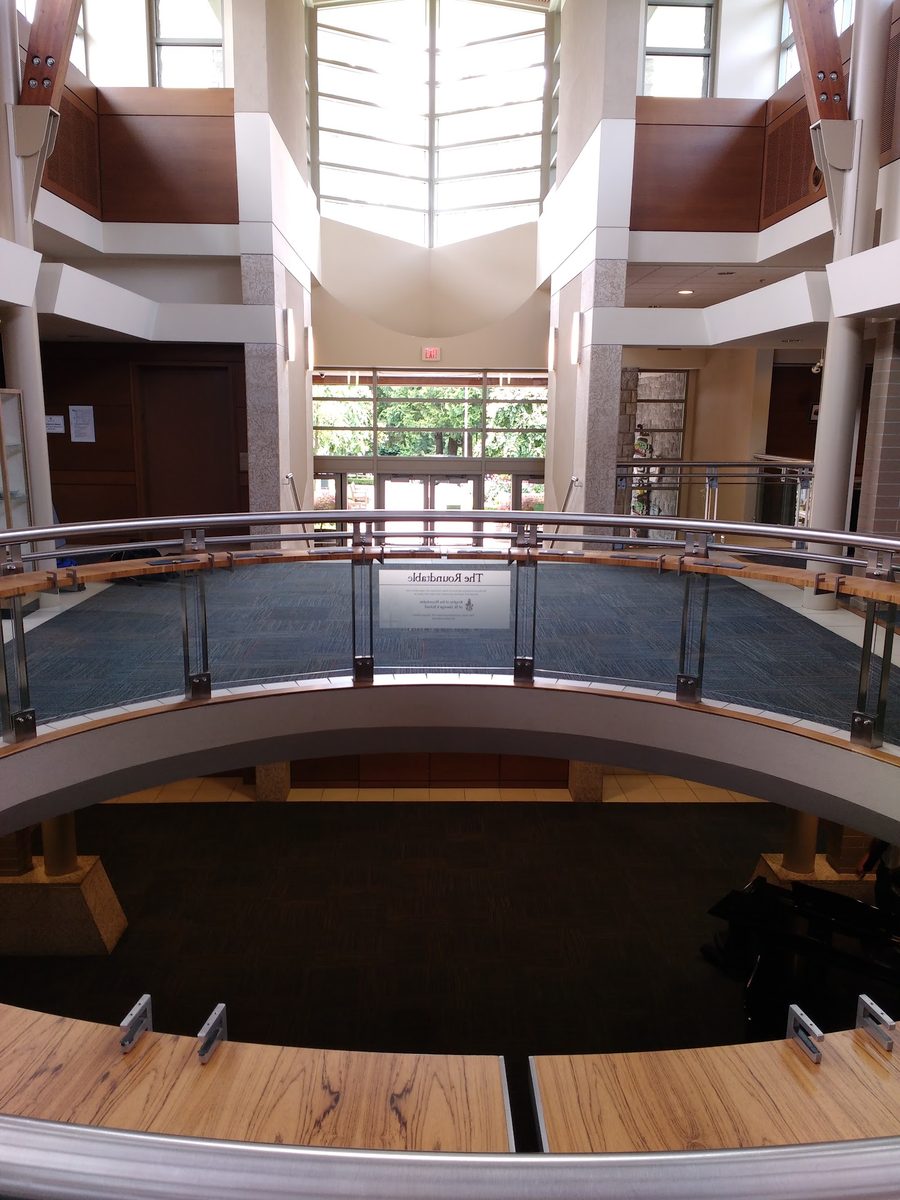
St. George's School
Vancouver · Canada
Vancouver's only boys' boarding house pairs BC's diploma with IB and AP courses, then swaps desks for weeks in the backcountry.
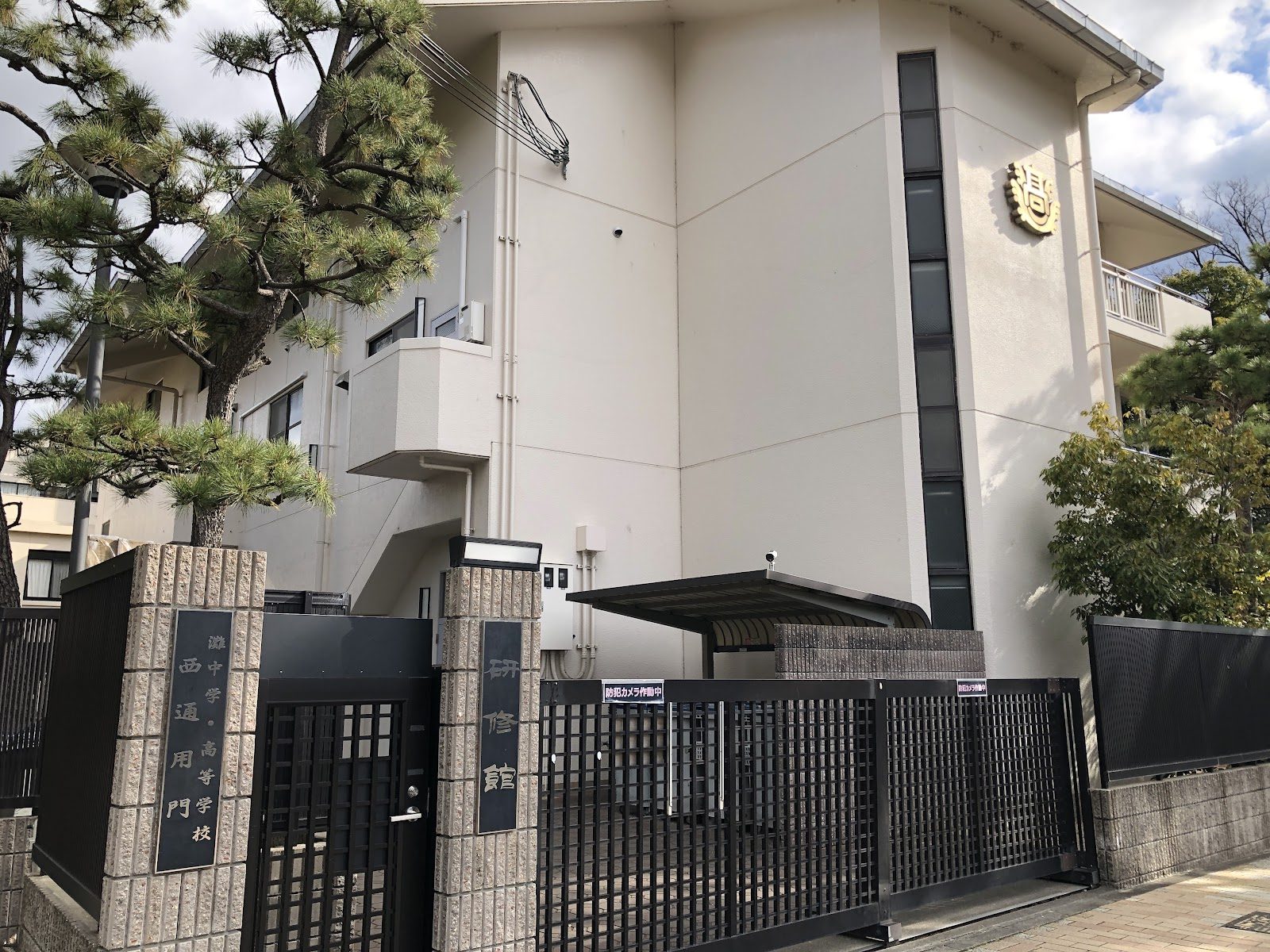
Nada High School
Kobe · Japan
Founded by Kobe sake brewers with judo's creator as an advisor, this uniform-free campus channels students straight into Tokyo and Kyoto University.
Same country and curriculum — closest matches within ±10 points either way