
Skåne County
Bladins International School of Malmö
medium confidence· 4/6 cats · 2.7 avg sourcesTraced to a 1980s Australian submarine contract, this Malmo school became Sweden's first IB Middle Years authoriser.
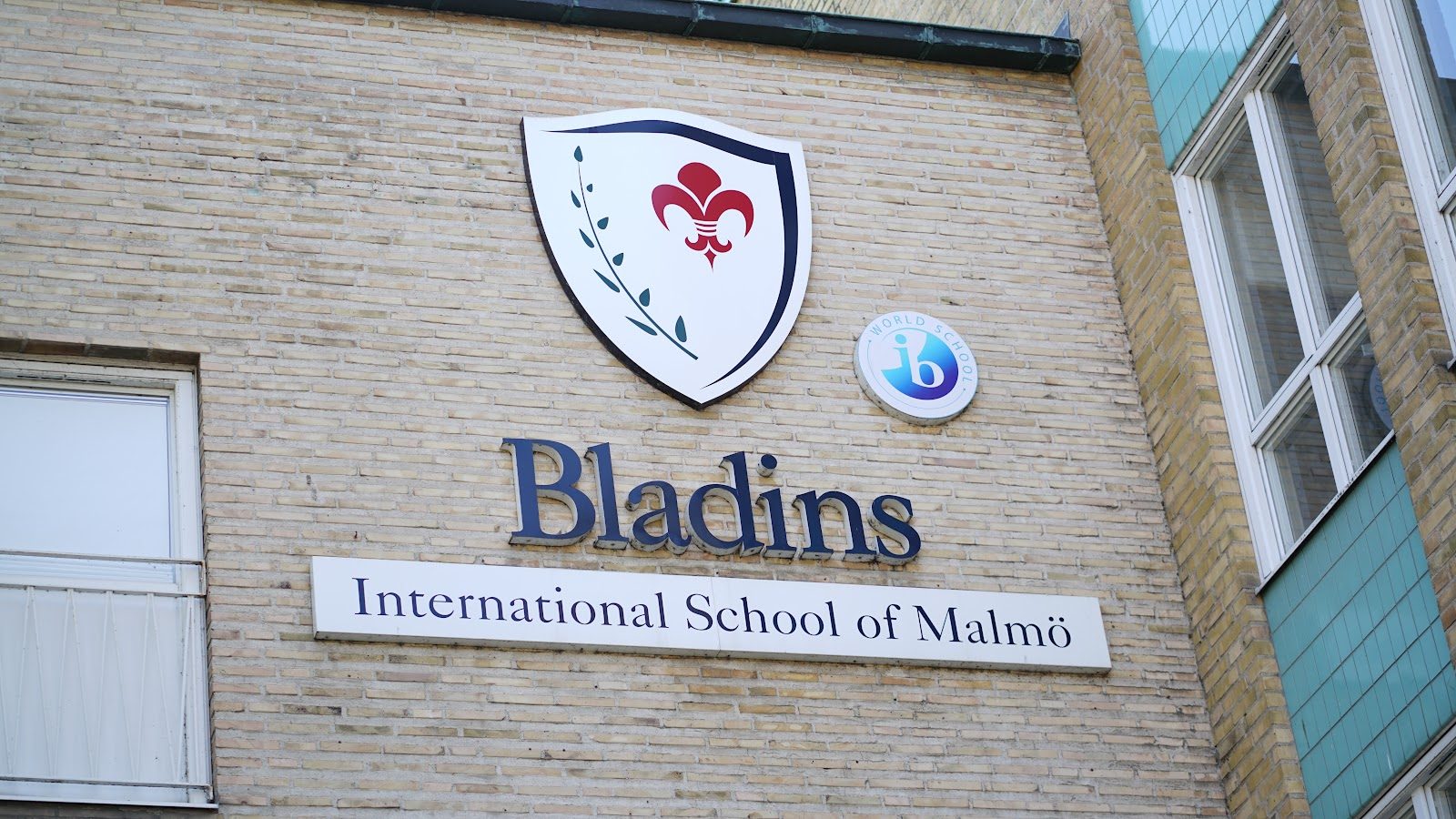
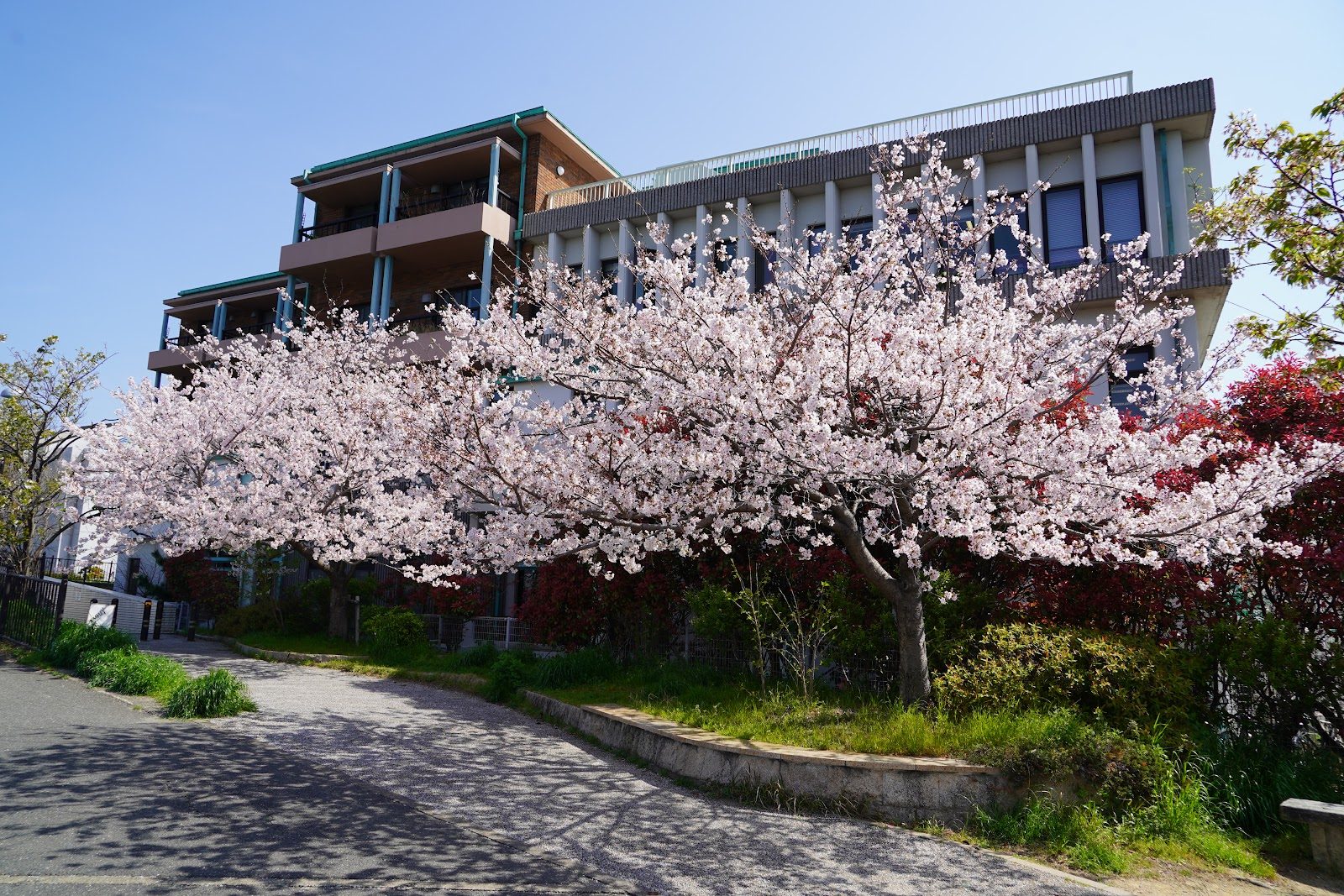
Photo © Bladins International School of Malmö via Google Maps
Type
Day
Ages
3–18
Curriculum
IB
Qualifications
IB Diploma · IB MYP
Ratio
—
The Verdict
Editor's commitment
Right for
Families in Malmö who want English-medium, non-religious schooling from age 3 to 18 with the full IB run: PYP, MYP and Diploma.
Wrong for
Parents who want boarding, a Swedish-language classroom, or a non-IB route; this 1987 day school is firmly English-medium and IB-only.
Watch out for
The headline academic claim is old: a 2008 national grade-point-average win. Current aggregate Diploma results and destination data are not published here.
Ranking breakdown
Bladins International School of Malmö · #1056 of 1591
Composite score 61.4. 8 weighted criteria.
By criterion
Academic Outcomes
Weight 20%
#1050
of 1529 scored
University Placement
Weight 16%
#1057
of 1529 scored
Prestige & Heritage
Weight 12%
#1054
of 1571 scored
Alumni Network
Weight 12%
#692
of 1530 scored
Facilities
Weight 12%
#1054
of 1533 scored
Transparency & Communications
Weight 8%
#1073
of 1532 scored
Peer & Industry Review
Weight 10%
#893
of 1548 scored
Admissions Selectivity & Demand
Weight 8%
#837
of 1529 scored
Score history
Bladins International School of Malmö · 2026
Movement across 2024–2026. Peer average overlaid.
Overall — 2024–2026
61.4/ 100
▲ +27.3 vs 2025
year on year
Peer & Industry Review
How Bladins International School of Malmö is regarded in the sector
66
Respected · medium confidence
I could not identify at least two independent third-party sources (e.g., Tatler, Good Schools Guide, specialist education press, expat forums) that substantively discuss Bladins International School of Malmö's reputation among peer institutions or alumni networks. Without verifiable independent coverage, a reputation score cannot be responsibly assigned.
Editors' overview
Bladins International School of Malmö occupies a specific niche in southern Sweden: a full English-medium IB day school for ages 3–18, tied to the wider Bladins foundation yet distinct in purpose. The hook is not branding; it is continuity. Few schools in the city offer the IB path from the early years through to the Diploma Programme under one roof, and that matters for families who want a stable academic track without switching systems at 11 or 16. The school’s editorial significance rests on two points: it opened in 1987, and it became Sweden’s first IB Middle Years authoriser. That gives it a serious claim on institutional memory in the Swedish international-schools market. It also carries one striking data point: in 2008, its international ninth graders recorded the highest grade point average in Sweden. That is an old result, not a current performance table, but it does show that the school has produced hard academic outcomes, not just international-school ambience.
What is special here is the combination of Malmö location, all-through IB structure and long standing in a market where many schools are newer, smaller or split across phases. For internationally mobile families, that offers continuity without drama. For local families who want English as the language of instruction and a non-religious setting, it offers an alternative to the Swedish national route without sacrificing academic seriousness. The school is day-only, so this is not a boarding proposition and does not try to be one. Parents should still note a limit: the school does not publish the kind of detailed public outcomes data that would allow a hard comparison with the best-disclosing IB schools. That leaves Bladins with a reputation built more on structure, history and local standing than on a rich set of public metrics.
The right student for Bladins is disciplined, academically capable and comfortable in an international classroom. It suits children who benefit from clear academic scaffolding across the IB years, and teenagers aiming for the full IB trajectory rather than a pieced-together upper school plan. It also fits families rooted in Malmö who want an English-speaking peer group and an established school rather than a start-up operation. It is less compelling for parents who want extensive published data, boarding, or a specialist sporting or artistic identity. On a shortlist, Bladins earns its place through institutional durability, a rare all-through IB offering, and a role in Malmö that is practical, proven and hard to replicate.
Academic Performance
Bladins does not publish the exam data that serious comparison now requires. We have not seen aggregate Diploma averages, subject scores, pass rates, university destinations by cohort, or multi-year trend lines. That leaves a real transparency gap. In a market where stronger IB schools put at least headline outcomes into the public domain, Bladins asks parents to trust reputation more than numbers. The one hard result attached to the school is historic and sits outside the Diploma years: its international ninth graders recorded Sweden’s highest grade point average in 2008. That is a genuine achievement, but it is also old, narrow and not a substitute for current upper-school performance data.
Relative to peers, Bladins fits the category of established all-through international schools with credible academic intent and opaque public reporting. That does not place it among the best-disclosing academic operators in the region; those schools publish enough to test claims against outcomes. Bladins does not. The practical reading for parents is simple: this school carries an earned local standing, and that old national grade-point result shows academic strength has existed here. It does not prove present-day exam performance at the top end of the Nordic IB market. Any family weighing Bladins against other IB options should ask for recent Diploma results in hard numbers, not narrative.
Facilities
Bladins does not trade on grand campus theatre. The important facility here is functional continuity across the age range: families get pre-school through sixth form within one international school structure, rather than a fragmented set of sites or a hand-off into a different operator. That matters more than glossy architecture. For a day school, the key test is whether spaces support the ordinary business of teaching well across early years, middle years and the senior end. Bladins clears that bar by scope alone, serving children from age 3 to 18. What we have not seen is a detailed public account of specialist provision: no serious published breakdown of science labs, performing-arts spaces, sports infrastructure, libraries or maker facilities. That leaves parents without the hard inventory that stronger-disclosing peers provide.
Against the best-resourced international schools, that opacity is a weakness. Schools competing at the top end of the market now show parents the campus in concrete terms: room types, specialist spaces, sports access, and what sits on site versus off site. Bladins does not. The inference is straightforward: choose this school for academic continuity and institutional steadiness, not for showpiece facilities. That does not mean weak provision; it means underdocumented provision. In the Malmö context, that can be enough for families who care more about day-to-day schooling than spectacle. For parents benchmarking campuses across Europe, Bladins sits closer to the practical and workmanlike end of the spectrum than the lavish one.
It does not prove present-day exam performance at the top end of the Nordic IB market
Prestige
Bladins has real local prestige, but it is not the polished, globally recognisable prestige of a Swiss boarding school or a London day-school brand. Its status rests on three things: longevity in the international-schools market, association with the wider Bladins foundation, and one concrete academic distinction that still carries weight in Sweden. Becoming the country’s first authorised provider of the Middle Years Programme gave it a place in the history of international education here. That matters. So does the old national result from 2008, when its ninth graders posted the highest grade point average in Sweden. Prestige built on institutional firsts and hard academic success is more durable than prestige built on marketing.
The limit is clear. Bladins has earned standing and serious credibility, but not top-tier public academic prestige in the way that the strongest-disclosing IB schools command it. Prestige at the highest level needs current proof: published Diploma outcomes, visible university destinations, and a record that extends beyond one historic result. Bladins does not disclose enough for that. The school therefore sits in the category of respected rather than exalted: strong name recognition in its local context, genuine substance behind that name, and less international cachet than the most famous European schools. For families in southern Sweden, that can be enough. For families shopping on reputation alone, it is a measured prestige, not a glamorous one.
Bladins has earned standing and serious credibility, but not top-tier public academic prestige in the way that the strongest-disclosing IB schools command it
Communications
Bladins communicates with parents in the way many established schools do: plainly, without much theatre, and with mixed success. The public face gives families the essential structural facts — age range, programme span and institutional affiliation — but it stops short of the deeper disclosure that demanding parents now expect. That matters because communication is not only about sending reminders and calendar notices; it is also about publishing the information that lets families judge a school’s quality for themselves. On that test, Bladins is restrained to a fault. We have not seen strong public reporting on outcomes, specialist provision, or the operational detail that helps parents distinguish a merely competent school from a strong one. The result is a communications style that feels serviceable rather than searching.
For existing parents, that may work well enough if day-to-day notices are timely and routines are settled. Established schools with a clear internal rhythm often manage ordinary parent communication efficiently even when their external communications are thin. For prospective parents, the picture is weaker. A school serving ages 3–18 needs crisp, phase-specific communication so families can see what changes between the early years, middle school and senior end. Bladins does not give much of that publicly. The school therefore communicates competently at the surface level and unimpressively at the evidential level. Parents who want reassurance by hard detail will need to ask direct questions and expect direct answers.
Uniqueness
What sets Bladins apart is not novelty but institutional first-mover weight. In Sweden’s international-schools landscape, very few schools can claim to have helped define the shape of the market rather than entered it later. Bladins did. Its place as the country’s first authorised provider of the Middle Years Programme gives it a historic seriousness that newer operators cannot borrow. Add the all-through structure from the early years to the end of school, and the result is a rare kind of educational continuity: children do not need to re-learn the culture of a new institution at each phase change. For students, that brings a more stable academic rhythm, clearer expectations across the years and fewer of the jolts that come with switching systems midway.
There is also a local peculiarity that matters more than it sounds: this is an international school tied to a much older Swedish school foundation, not a franchise import or a temporary expatriate outpost. That gives Bladins a grounded identity in its home city while still serving internationally minded families. Students benefit from that blend. They get an education built for mobility without the rootless feel that some international schools struggle to avoid. The school’s standout historic result at the lower-secondary stage still reinforces the point: this institution has delivered hard academic performance before, not just international-school optics. The trade-off remains the same one seen elsewhere in its profile: distinctive history and continuity, weaker public disclosure.
The trade-off remains the same one seen elsewhere in its profile: distinctive history and continuity, weaker public disclosure
Student Profile
The students who fit best here are steady, self-directed and comfortable with expectations that build across the school rather than reset at each stage. This is a good match for children who value routine, respond well to structure and do not need a school to entertain them into working. The strongest fit is the pupil who can move through the day with low fuss, manage mixed-nationality classrooms without feeling unmoored, and treat school as a place for serious academic work rather than constant performance. Families who want a settled international peer group and a school culture with institutional ballast will find the social profile appealing. So will parents whose children benefit from staying in one system from age 3 to 18, without the churn that comes from changing schools at key transition points.
It is less suitable for students who need a highly expressive campus culture, heavy hand-holding or a strong public identity in sport or the arts to feel engaged. Bladins reads as a school for the internally motivated rather than the attention-seeking. Pupils who thrive here will tolerate a degree of opacity around outcomes and focus instead on classroom experience, continuity and daily standards. The social environment also suits internationally minded local families and mobile expatriate households who want children educated in English without a rootless, transient atmosphere. In blunt terms: this is for students who want substance, steadiness and a clear path through school, not glamour.
Bladins International School of Malmö occupies a specific niche in southern Sweden: a full English-medium IB day school for ages 3–18, tied to the wider Bladins foundation yet distinct in purpose
Co-curricular strengths
Arts & sport, on a separate axis
Overall 6.38/10
Scored 0-10 from the school's own published evidence. This axis is editorial-only — it does not feed the main WTS ranking.
Sports
7.2/10
Multiple sports—football, basketball, volleyball, swimming and tennis—showing a solid multi-activity offering.
Drama
7/10
Drama appears explicitly as 'Drama club' in the extracurricular list.
Dance
4.5/10
Music
7.2/10
Music is evidenced only by the explicit listing of 'Choir' in extracurriculars.
Visual Arts
6/10
Visual arts is supported by the explicit listing of 'Art club' only, without detail on studios, exhibitions, specialist staff or broader programme depth.
Editor first-pass · editor-reviewable · 7/27/2026
Strengths
- +IB programmes from PYP through Diploma Programme
- +English-medium teaching suits internationally mobile families
- +Day school for ages 6–18 offers continuity
- +Part of Stiftelsen Bladins Skola, founded 1868
Considerations
- −No boarding option; day school only
- −English-only instruction may limit Swedish integration
- −No published fees, class sizes, or exam data
Availability
Primary entry gate & tests
Academic Record
Gallery
Parent reviews
Have you sent your child here?
Voice reviews carry the strongest trust badge — we transcribe them for you to tidy up before they go live. Prefer to type? A written review is fine too.
Add your voice
In 60 seconds, tell other parents: what's the best thing about Bladins International School of Malmö, and what surprised you when your child joined?
We ask for a Google sign-in so every review has a real face behind it — no anonymous drive-by attacks on schools, and no faked positive reviews. Your email is never shown publicly.
Send this profile to a friend
International parents rely on word-of-mouth. Share this review with someone weighing the same decision.
Schools with places
Similar schools to Bladins International School of Malmö with places available now.
Availability first, then country, area, curriculum, price, co-curricular
Consider also
Also worth looking at alongside Bladins International School of Malmö.
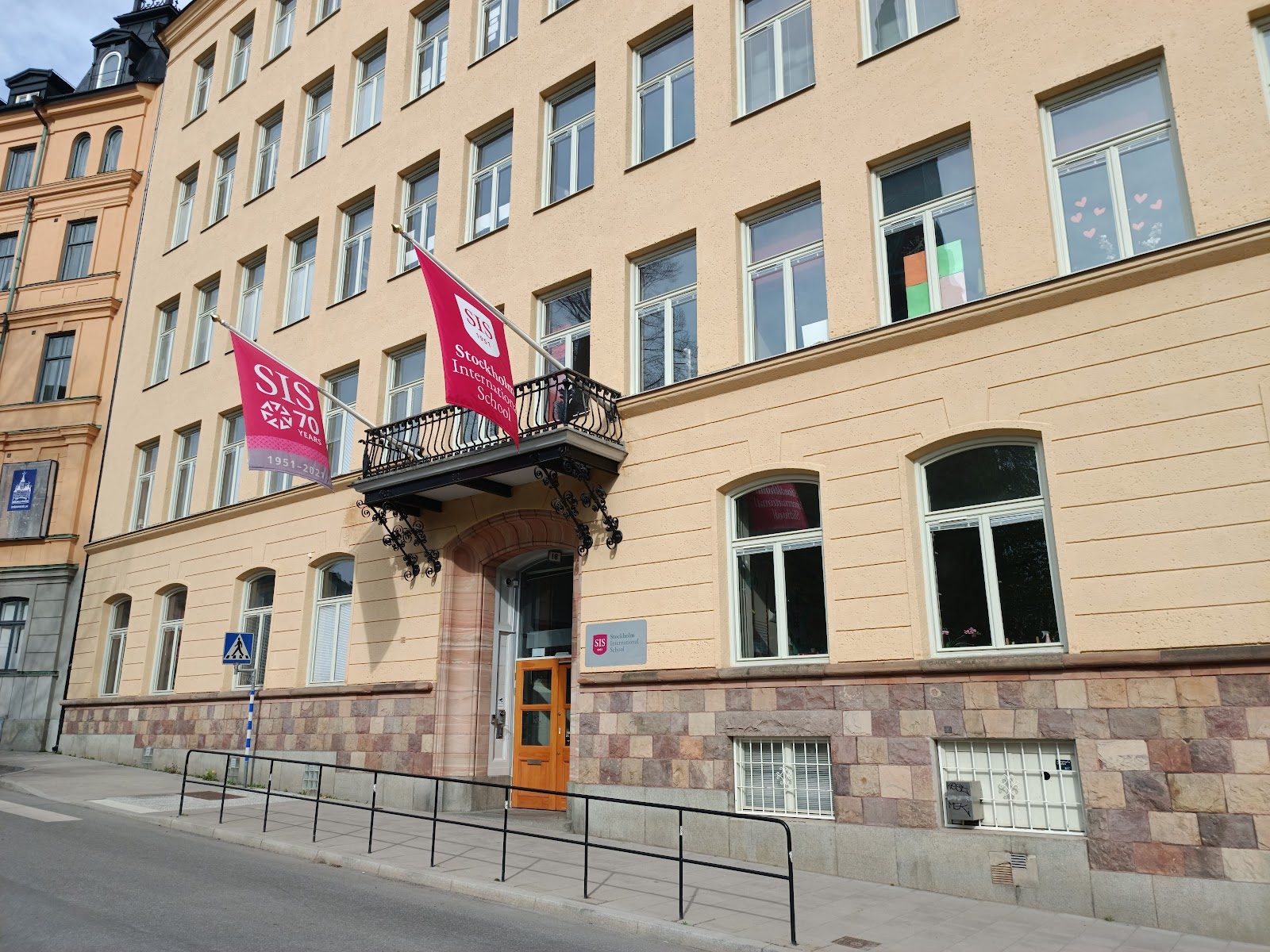
Stockholm International School
Stockholm · Sweden
Sweden's longest-running international school, teaching the full IB continuum from a historic Norra Latin campus in central Stockholm.
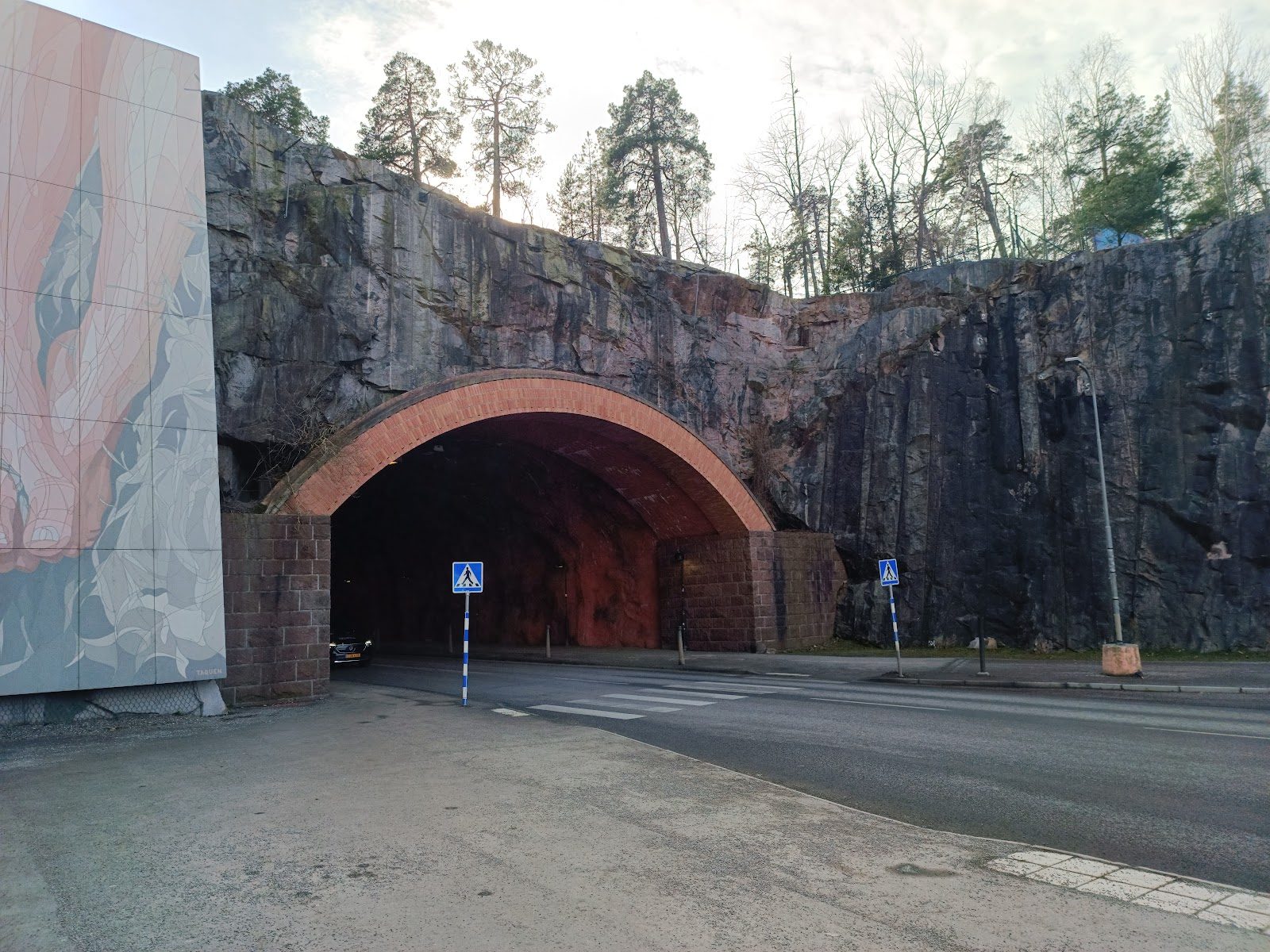
Internationella Engelska Skolan Stockholm
Stockholm · Sweden
Where up to half the school day runs in English, taught by native speakers, inside a house system built on discipline and high expectations.
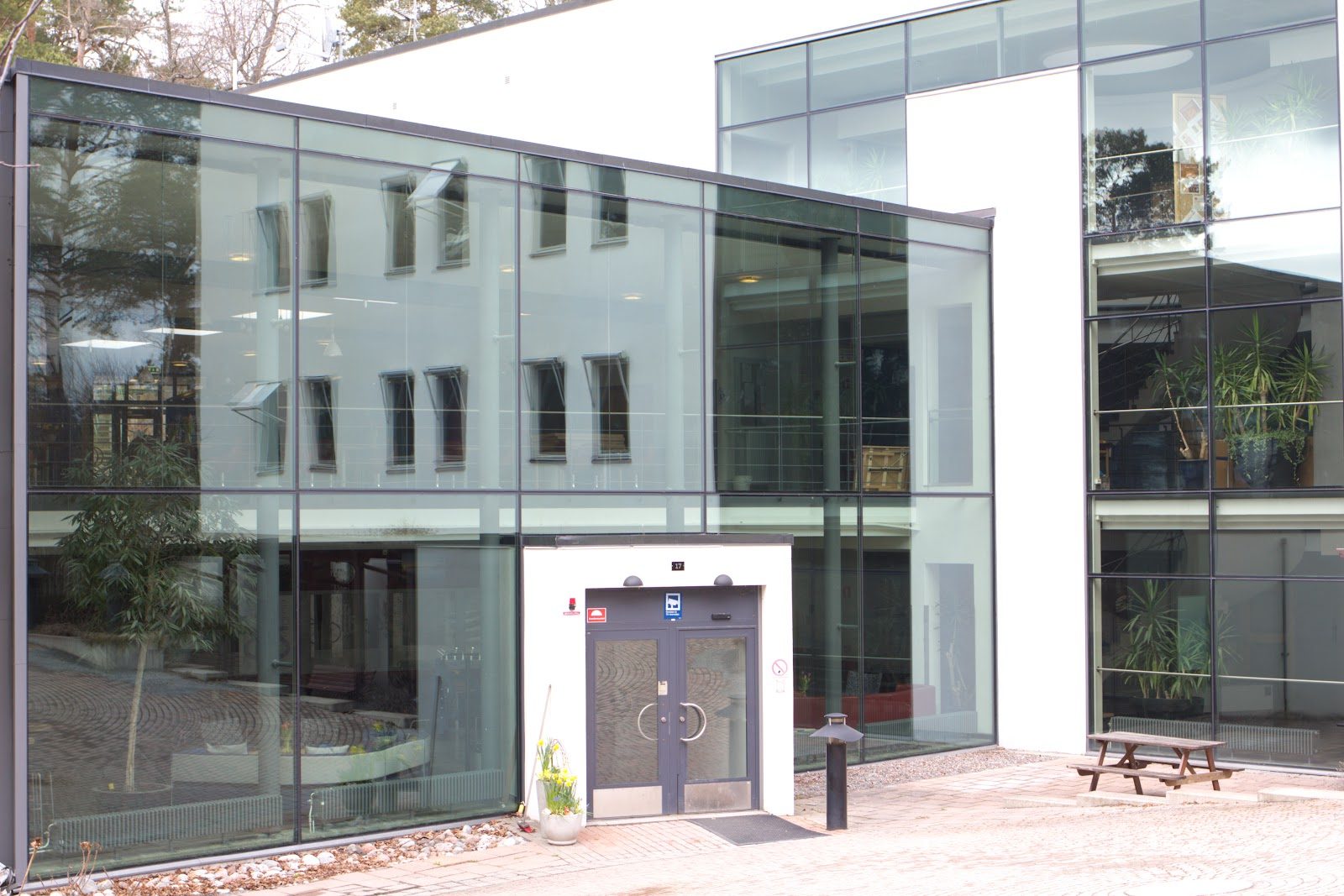
Sigtunaskolan Humanistiska Läroverket
Sigtuna · Sweden
Eight lakeside boarding houses in Sweden's oldest town anchor the country's longest-running IB Diploma programme.
Fukuoka International School
Fukuoka · Japan
Kyushu's only Pre-K-12 international campus runs the full IB continuum from a Momochi site along the Muromi River
Same country and curriculum — closest matches within ±10 points either way