
Fukuoka Prefecture
Fukuoka International School
medium confidence· 4/6 cats · 3 avg sourcesKyushu's only Pre-K-12 international campus runs the full IB continuum from a Momochi site along the Muromi River
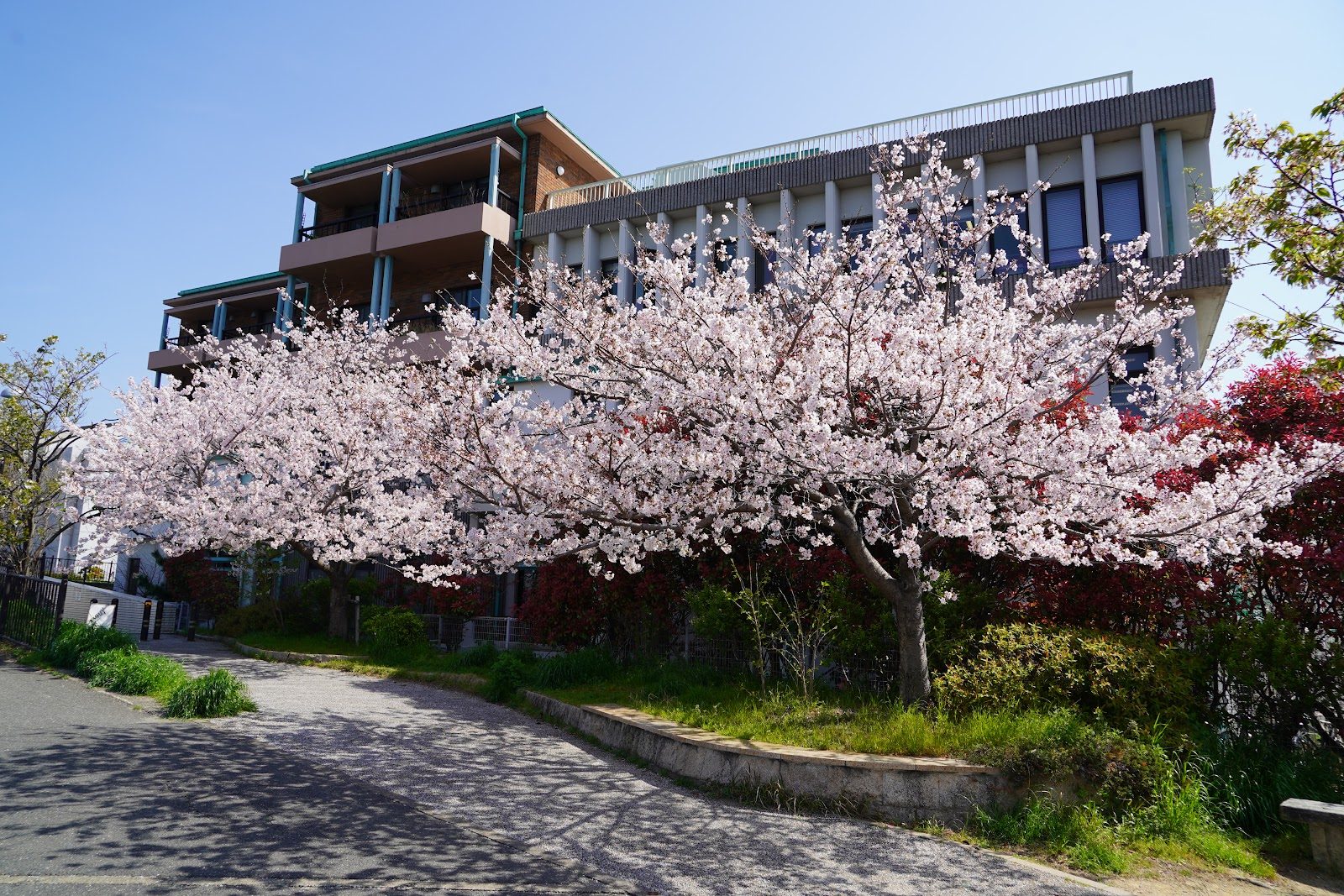
Photo © Fukuoka International School via Google Maps
Type
Day
Ages
3–18
Curriculum
IB
Ratio
7:1
The Verdict
Editor's commitment
Right for
Families in Fukuoka who want a single 3–18 English-medium campus with the full IB continuum and a 7:1 student-teacher ratio.
Wrong for
Parents who want boarding, Japanese-medium teaching, or a bigger school: FIS is day-only, secular, and has just over 400 students.
Watch out for
The average annual fee is JPY 2,054,200; for a 1972-founded school with WASC and CIS accreditation, that is a serious premium in Kyushu.
Ranking breakdown
Fukuoka International School · #1079 of 1591
Composite score 61.4. 8 weighted criteria.
By criterion
Academic Outcomes
Weight 20%
#1049
of 1529 scored
University Placement
Weight 16%
#1057
of 1529 scored
Prestige & Heritage
Weight 12%
#1070
of 1571 scored
Alumni Network
Weight 12%
#846
of 1530 scored
Facilities
Weight 12%
#1065
of 1533 scored
Transparency & Communications
Weight 8%
#1075
of 1532 scored
Peer & Industry Review
Weight 10%
#893
of 1548 scored
Admissions Selectivity & Demand
Weight 8%
#837
of 1529 scored
Score history
Fukuoka International School · 2026
Movement across 2024–2026. Peer average overlaid.
Overall — 2024–2026
61.4/ 100
▲ +26.5 vs 2025
year on year
Peer & Industry Review
How Fukuoka International School is regarded in the sector
66
Respected · medium confidence
I was unable to identify at least two independent third-party sources (e.g., Tatler, Good Schools Guide, specialist education press, or established expat forums) that substantively discuss Fukuoka International School's reputation. It is a long-standing, accredited international school in Fukuoka serving the expat community, but public third-party commentary on its standing relative to peer institutions is too sparse to support a confident score.
Editors' overview
Kyushu does not offer many genuine all-through international options, and Fukuoka International School’s first advantage is structural: it takes children from age 3 to 18 on one campus and runs the full IB continuum in English. For families in Fukuoka who want continuity without a mid-school curriculum switch, that matters. The school has operated since 1972, sits in Sawara-ku, and enrols over 400 students, which makes it substantial enough to offer a real peer group without losing the intimacy of a small school. The 7:1 student-teacher ratio is a strong signal here. This is a campus where individual attention is not a slogan but a practical feature of the model.
Its second strength is the community it can sustain in a city with a thinner international-school market than Tokyo or Yokohama. FIS states that it has more than 80 international and local educators and staff, and that blend fits the school’s role: international in language and outlook, but rooted in Fukuoka rather than operating as an expatriate bubble. WASC and CIS accreditation add external quality control, and the IB framework gives the academic offer coherence from the early years onward. The school leans hard into inquiry-based, student-led learning, which suits children who are engaged, articulate and willing to take ownership of their work. Parents looking for a tightly structured, exam-drilled culture should look elsewhere; this is a more self-directed and whole-child proposition.
The average annual day fee is JPY 2,054,200 across the full age range, which places FIS in serious-fee territory for Fukuoka, though not at the level of the most expensive flagship internationals in larger Asian capitals. What puts it on a shortlist is not grandeur or scale, but scarcity and fit: it is a distinctive option in a city with limited direct competitors, and it covers the entire school journey under one roof. The right student for FIS is internationally minded, comfortable in a diverse community, and responsive to a pastorally attentive environment with room for academic, cultural, social and sporting participation. Children who need constant external pressure to perform, or who thrive on a very large-school buzz, will find it too contained. Families who value continuity, close adult attention and a credible IB pathway in Fukuoka will not.
Academic Performance
Academic performance is hard to judge from published evidence because the school does not disclose aggregate IB Diploma results, average point scores, pass rates, subject breakdowns or university destination data. That is a real weakness in a market where strong IB schools publish headline outcomes every year and let parents test claims against numbers. FIS talks confidently about challenge, inquiry and global university destinations, but without public results those claims do not carry the weight that transparent schools command. For a school with over 400 students across the age range, that level of opacity is conspicuous. Parents comparing FIS with better-documented international schools in Japan or elsewhere in Asia will have less to work with here than they should.
That does not mean weak outcomes; it means unverified outcomes. The school’s all-through structure, small-community scale and low staffing ratio create conditions that can support solid attainment, especially for students who do well in discussion-led classrooms and sustained teacher contact. But in editorial terms, FIS sits in the opaque middle ground: credible framework, credible scale, weak public proof. Relative to peers, it is not in the results-driven top tier of schools that publish hard academic data and use it to demonstrate consistency. Families who prize clean accountability should ask for recent Diploma score distributions, pass rates over multiple years, and destination lists before treating academic strength as established fact.
Facilities
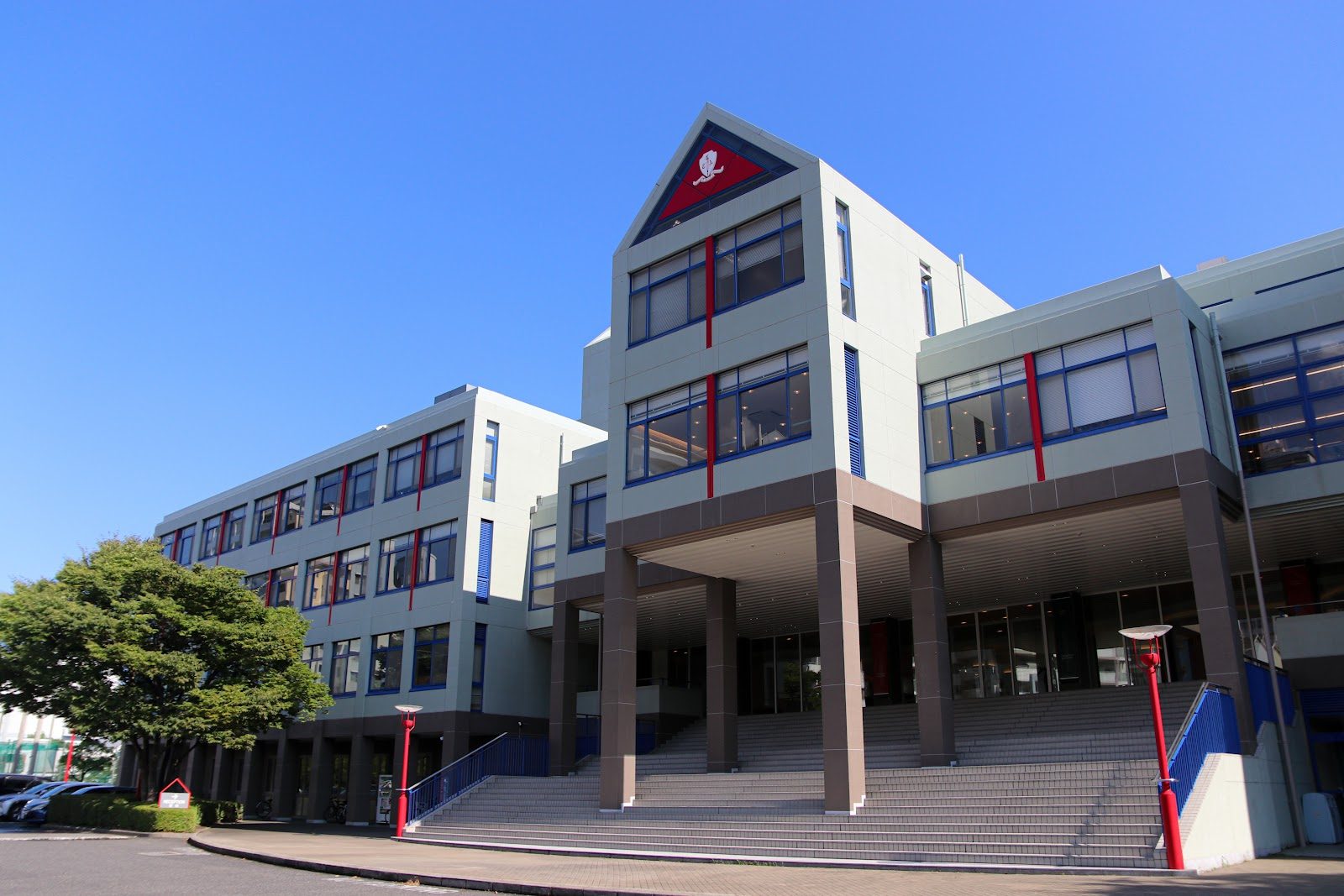
FIS does not trade on grand hardware, and parents should not expect the sprawling sports villages, black-box theatres or specialist design centres that bigger capital-city internationals use to advertise scale. The school’s site advantage is coherence: one campus for the full age range, with room to support daily school life rather than spectacle. Its most important facility is the campus itself in Momochi, along the Muromi River, because it anchors continuity and gives younger and older students a shared institutional home instead of a fragmented, split-site arrangement. In a regional market, that matters more than architectural drama. Against peer schools in Tokyo, Yokohama or Singapore, the physical plant reads as functional rather than lavish; against thinner local competition, it is a serious all-through setup.
What the school does advertise points less to marquee buildings than to provision around student life: academic spaces built for inquiry-led teaching, plus organised access to cultural, social and sporting activity, with a visible emphasis on wellbeing. That package suits families who value daily usability over polished showpieces. The constraint is obvious. A school with just over 400 students will not match the facility breadth of much larger regional flagships, and FIS does not publish the sort of detailed campus inventory that would let parents assess labs, arts rooms or indoor athletics provision in depth. That lack of specificity leaves the facilities picture less transparent than it should be. The verdict: competent, coherent, and modest in scale rather than destination-level.
Fukuoka International School carries real local weight and limited wider cachet
Prestige
Fukuoka International School carries real local weight and limited wider cachet. In Kyushu, that matters: there are few all-through international schools, fewer still with the institutional depth to serve families from the early years to graduation on one site. That scarcity gives FIS standing in its own market. The school’s long tenure, established parent community and staff base of over 80 adults give it substance beyond the fragile, start-up feel that marks weaker international offerings in secondary cities. A community of more than 400 students also matters for prestige: not because size alone confers status, but because it signals permanence, breadth and enough demand to sustain a serious operation.
Beyond Fukuoka, the name does not carry the automatic international clout of the best-known schools in Tokyo, Singapore or Hong Kong, and the school has not published the kind of headline results data that turns regional respect into hard-edged academic prestige. That keeps FIS in the category of a credible, established regional school rather than a destination brand. Its prestige rests on fit, continuity and local reputation, not on elite selectivity, famous alumni or public exam dominance. For families committed to western Japan, that is enough to make it a strong practical choice. For families shopping across Asia’s top-tier international market, it lacks the pull of a marquee name.
What marks Fukuoka International School out is not glamour but market position
Communications
Parent communication reads as direct, community-scale and more personal than polished. The school’s own language puts weight on wellbeing, individual differences and a broad mix of academic, cultural, social and sports opportunities; that matters because schools that promise close adult knowledge of children need communication to match. Here, the small-community structure and low staffing ratio of 7:1 support that case. Parents are not dealing with a vast institution where messages disappear into layers of administration. They are dealing with a school of just over 400 students, and that scale tends to make day-to-day contact more immediate. For families who value access, that is a material strength. For families who want heavily systematised, data-rich reporting, the picture is less convincing.
The weakness is not tone but disclosure. Public communication does the broad narrative well — values, community, student experience — but the school publishes little hard performance evidence. No aggregate Diploma outcomes are in the public domain, and no detailed destination reporting is published either. That leaves communications warm but incomplete: strong on ethos, weaker on proof. In practice, FIS fits parents who want a close-quarters, pastorally attentive relationship with school staff and who are comfortable asking direct questions when they need detail. Parents who expect the institution itself to publish a forensic account of outcomes, benchmarking and school performance will find the communications model too light.
Uniqueness
What marks Fukuoka International School out is not glamour but market position. In western Japan, families do not have a deep bench of all-through international schools to choose from, and FIS occupies a scarce niche: one campus, one educational arc, one community from the first school years to graduation. That continuity changes the student experience in practical ways. Children avoid the churn of moving schools at key transition points; parents deal with one institution instead of rebuilding trust and routines twice; friendships, teacher knowledge and pastoral oversight can compound over time instead of resetting. In a city where the international-school scene is thinner than in Japan’s biggest metropolitan markets, that kind of continuity is genuinely distinctive.
The other point of difference is scale with reach. A community of over 400 students is big enough to avoid the isolating smallness that can plague regional international schools, yet still contained enough for adults to know children properly. The low 7:1 staffing ratio strengthens that advantage. For students, the benefit is direct: more individual attention, a better chance of being noticed before problems harden, and more room to participate across academic, cultural, social and sporting life rather than being lost in a crowd. That does not produce the high-pressure prestige machine some families want. It produces something rarer in this market: an international school with breadth, continuity and a close-quarters community that can carry a child all the way through.
In a city where the international-school scene is thinner than in Japan’s biggest metropolitan markets, that kind of continuity is genuinely distinctive
Student Profile
The best fit at FIS is a child who thrives in a close-quarters international community and does not need the social sprawl of a huge school to feel engaged. With just over 400 students across the full age range, the peer group is broad enough to avoid insularity but still small enough that visibility is part of daily life. That suits pupils who want to be known, and it exposes those who prefer to disappear into the background. The school’s emphasis on inquiry and student-led learning points to a student profile that is verbal, curious and comfortable taking initiative. Children who wait to be pushed, or who work best under a hard-edged, competitive culture, are a weaker match. This is not the natural home for families chasing a pressure-cooker atmosphere.
It fits internationally mobile families, mixed-background households and students who value diversity as a lived norm rather than a slogan. The low 7:1 ratio reinforces that personal scale and gives quieter or less settled children a better chance of finding adult support early. That said, intimacy cuts both ways: students who crave anonymity, relentless academic triage or the big-stage energy of a much larger institution will find the environment too contained. FIS works best for children who are socially adaptable, open to participation across school life, and responsive to a pastorally attentive setting where relationships carry real weight.
Relative to peers, it is not in the results-driven top tier of schools that publish hard academic data and use it to demonstrate consistency
Co-curricular strengths
Arts & sport, on a separate axis
Overall 7.92/10
Scored 0-10 from the school's own published evidence. This axis is editorial-only — it does not feed the main WTS ranking.
Sports
8.4/10
Basketball, Volleyball, Soccer and Swimming, showing a solid multi-sport extracurricular offering.
Drama
7.2/10
'Drama productions', which goes beyond a bare listing of drama by indicating recurring staged activity, but gives no facility, department or production detail.
Dance
7.5/10
Music
8.3/10
School band and Choir, indicating structured music participation through named ensembles.
Visual Arts
8.2/10
Art club.
Editor first-pass · editor-reviewable · 7/27/2026
Strengths
- +IB World School for ages 3 to 18+
- +Over 400 students; broad peer group
- +Inquiry-based, student-led learning throughout
- +Established in 1972; longstanding local presence
Considerations
- −School does not publish exam results here
- −No stated accreditations beyond IB World School
- −No boarding mentioned; likely day school only
Availability
Primary entry gate & tests
Academic Record
Gallery
Photo © Steven DiGiacomo via Google Maps
Photo © Marco Cheng via Google Maps
Photo © Marco Cheng via Google Maps
Photo © Marco Cheng via Google Maps
Photo © Marco Cheng via Google Maps
Photo © Marco Cheng via Google Maps
Photo © Marco Cheng via Google Maps
Photo © Marco Cheng via Google Maps
Photo © Marco Cheng via Google Maps
Parent reviews
Have you sent your child here?
Voice reviews carry the strongest trust badge — we transcribe them for you to tidy up before they go live. Prefer to type? A written review is fine too.
Add your voice
In 60 seconds, tell other parents: what's the best thing about Fukuoka International School, and what surprised you when your child joined?
We ask for a Google sign-in so every review has a real face behind it — no anonymous drive-by attacks on schools, and no faked positive reviews. Your email is never shown publicly.
Send this profile to a friend
International parents rely on word-of-mouth. Share this review with someone weighing the same decision.
Schools with places
Similar schools to Fukuoka International School with places available now.
Aoba-Japan International School
Tokyo · Japan
- 2026-27
- WAITPOOLSpace-dependent
- 2027-28
- PLACES OPENRolling
Osaka International School of Kwansei Gakuin
Osaka · Japan
- 2026-27
- WAITPOOLSpace-dependent
- 2027-28
- PLACES OPENRolling
Seisen International School
Tokyo · Japan
- 2026-27
- WAITPOOLSpace-dependent
- 2027-28
- PLACES OPENRolling
Canadian Academy
Kobe · Japan
- 2026-27
- WAITPOOLSpace-dependent
- 2027-28
- OPENS SOONExpected ~Sept '26 (one-year-ahead policy)
Availability first, then country, area, curriculum, price, co-curricular
Consider also
Also worth looking at alongside Fukuoka International School.
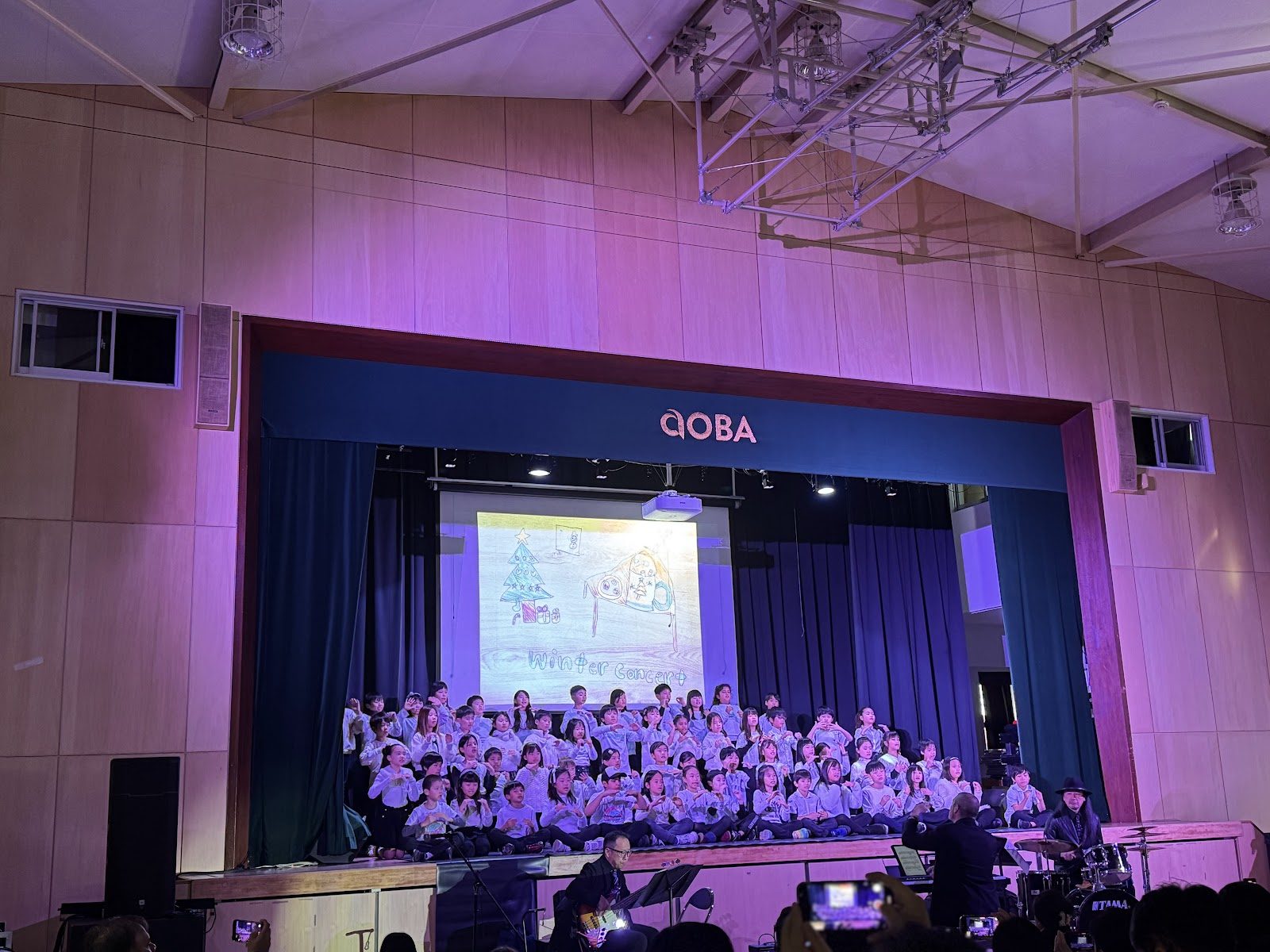
Aoba-Japan International School
Tokyo · Japan
Home to Asia's first online IB Diploma pilot, this Tokyo IB Continuum school pairs the DP with its own Global Leadership Diploma track.
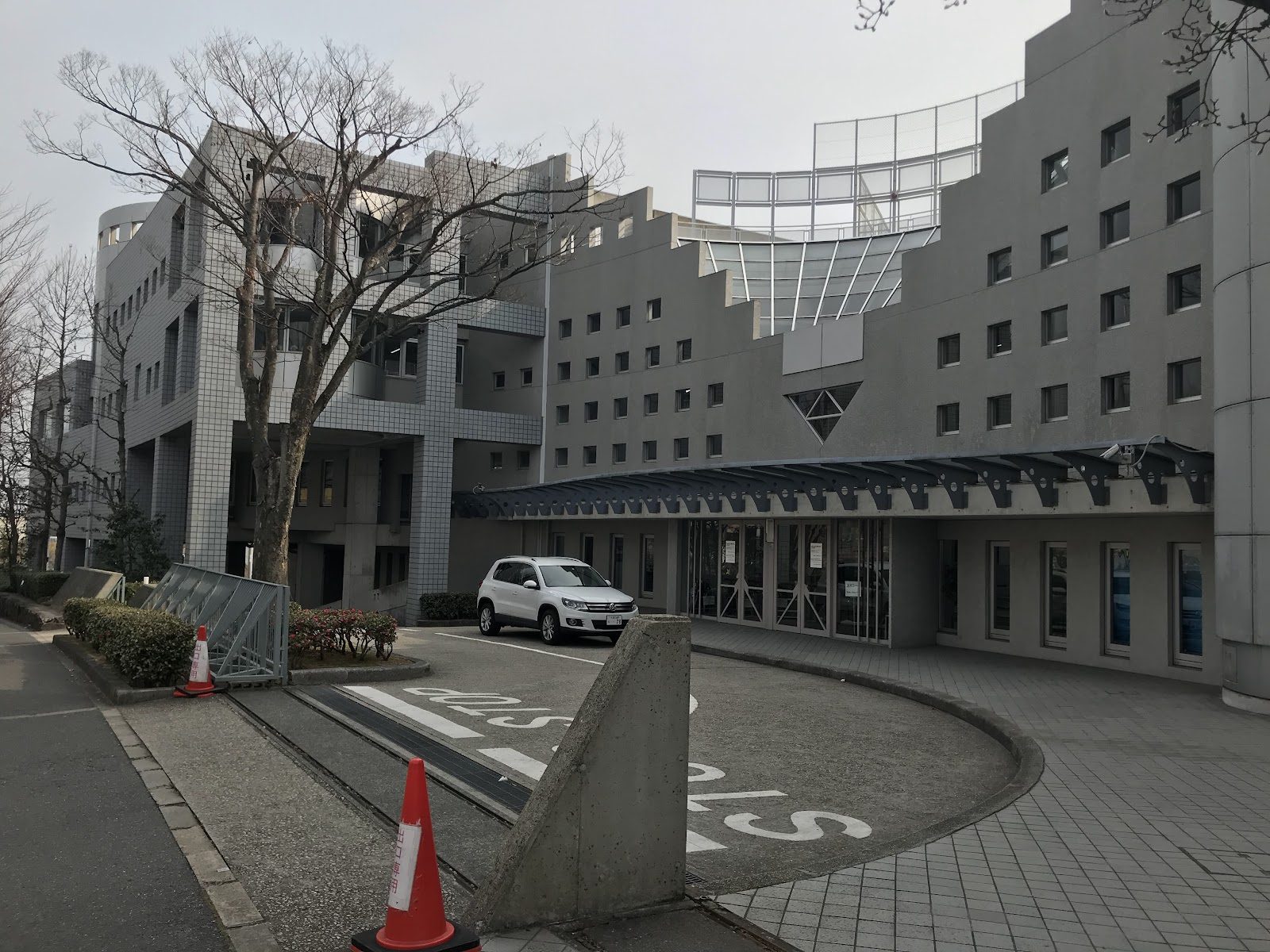
Osaka International School of Kwansei Gakuin
Osaka · Japan
Japan's first full IB continuum, taught alongside a Japanese sister school on one shared Minoh campus
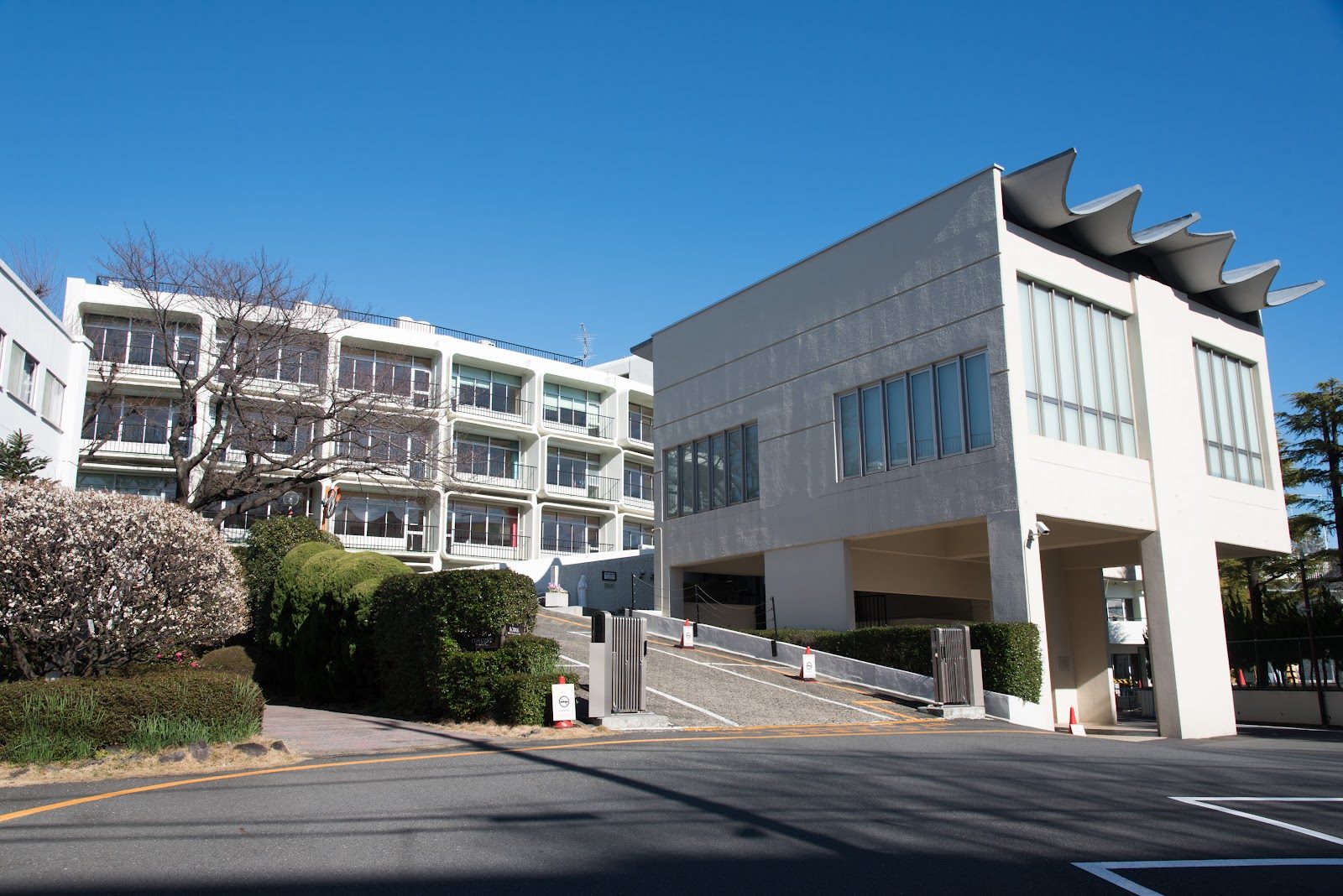
Seisen International School
Tokyo · Japan
An all-girls Catholic day school in Setagaya that became Japan's first to offer the IB Diploma, now a full IB continuum from K to 12.
Canadian Academy
Kobe · Japan
On a man-made island in Kobe, a century-old boarding tradition dating to 1929 anchors a full IB continuum since 1980.
Same country and curriculum — closest matches within ±10 points either way