
Osaka Prefecture
Osaka International School of Kwansei Gakuin
high confidence· 5/6 cats · 3 avg sourcesJapan's first full IB continuum, taught alongside a Japanese sister school on one shared Minoh campus
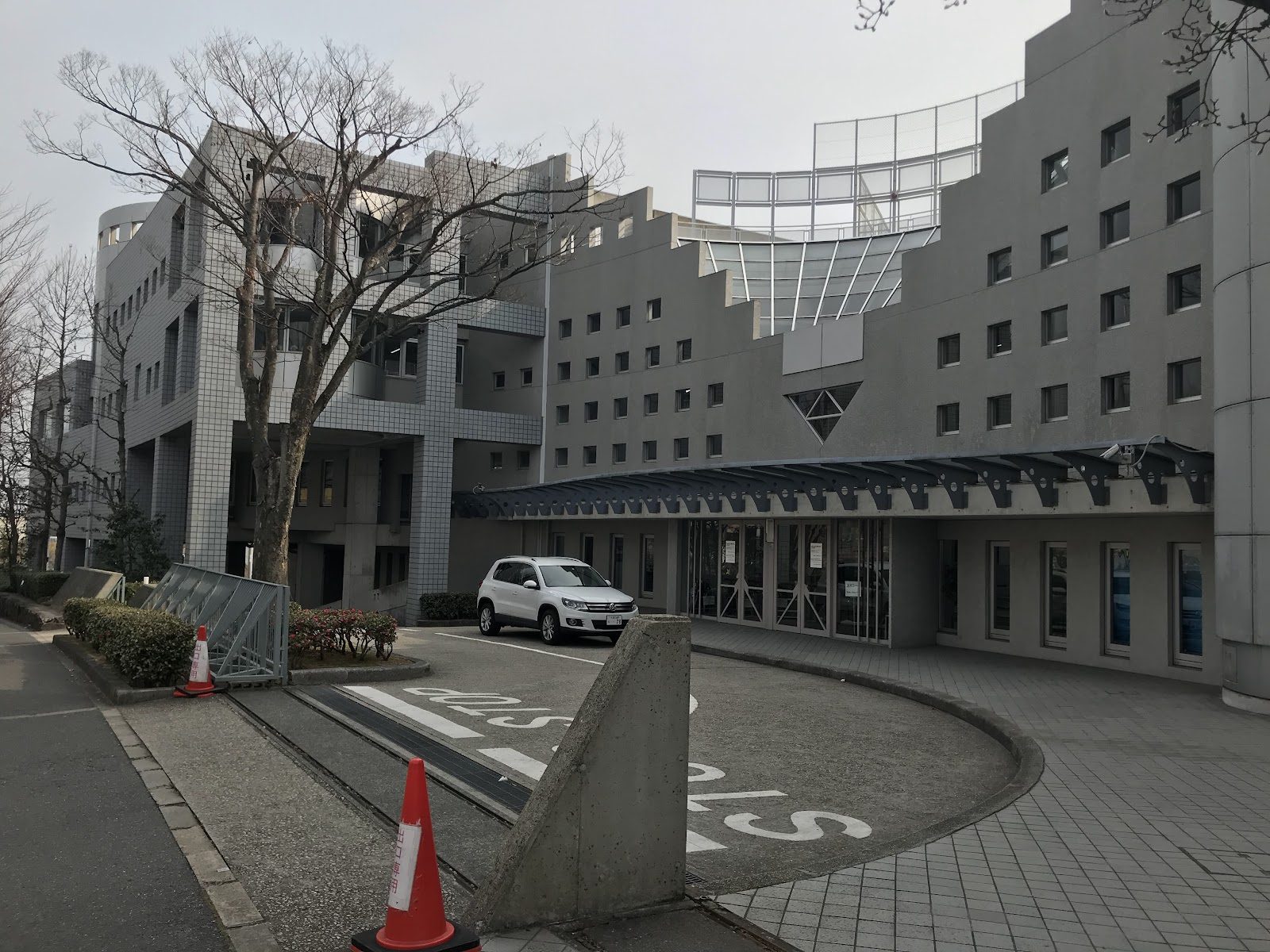
Photo © Nathan Gildart via Google Maps
Type
Day
Ages
3–18
Curriculum
IB
Ratio
—
The Verdict
Editor's commitment
Right for
Families set on English-medium IB from age 3 to 18 on one Minoh campus, with IB World School, CIS and WASC accreditation.
Wrong for
Parents wanting a Japanese curriculum, boarding, or lower fees than the 2,602,000 JPY average annual day fee across the school.
Watch out for
The sister-school model is distinctive: OIS shares the Minoh campus with Senri International School, while recent destinations include Cambridge, Oxford and Princeton.
Ranking breakdown
Osaka International School of Kwansei Gakuin · #752 of 1591
Composite score 67.3. 8 weighted criteria.
By criterion
Academic Outcomes
Weight 20%
#745
of 1529 scored
University Placement
Weight 16%
#736
of 1529 scored
Prestige & Heritage
Weight 12%
#757
of 1571 scored
Alumni Network
Weight 12%
#626
of 1530 scored
Facilities
Weight 12%
#744
of 1533 scored
Transparency & Communications
Weight 8%
#778
of 1532 scored
Peer & Industry Review
Weight 10%
#794
of 1548 scored
Admissions Selectivity & Demand
Weight 8%
#547
of 1529 scored
Score history
Osaka International School of Kwansei Gakuin · 2026
Movement across 2024–2026. Peer average overlaid.
Overall — 2024–2026
67.3/ 100
▲ +23.9 vs 2025
year on year
Peer & Industry Review
How Osaka International School of Kwansei Gakuin is regarded in the sector
67
Respected · medium confidence
I could not locate at least two independent third-party sources (e.g., Tatler, Good Schools Guide, specialist education press, expat forums) discussing Osaka International School of Kwansei Gakuin's reputation. Without verifiable independent evidence, I cannot responsibly assign a score on this axis.
Editors' overview
What distinguishes Osaka International School of Kwansei Gakuin is not branding or scale but structure: it runs the full IB continuum from ages 3 to 18 and does so on a shared Minoh campus with its Japanese sister school, Senri International School of Kwansei Gakuin. That arrangement gives OIS a sharper local footing than many expatriate schools in Japan. This is an English-medium day school, founded in 1991, with Christian affiliation, and it holds the accreditations serious international parents expect: IB World School, CIS and WASC. The average annual day fee across the full ladder is JPY 2,602,000, which places it in the expensive bracket for Osaka, but not without substance behind the bill.
The school’s real strength is clarity. OIS offers the IB Primary Years Programme, Middle Years Programme and Diploma Programme straight through, with no curriculum switch at 16 and no mixed model to decipher. For families who want an education that is coherent, internationally portable and academically disciplined, that matters. The shared campus with SIS also adds a dimension that many international schools cannot match: daily proximity to a Japanese diploma school approved by the national ministry. That does not turn OIS into a bilingual school — the language of instruction is English — but it does root the school in Japanese educational life rather than insulating it from it. Japan’s first full IB continuum remains a serious distinction, not a marketing footnote.
Parents should shortlist OIS if they want a school that is deliberate rather than flashy: established, accredited, and built for families who value continuity from kindergarten to Grade 12. Its published recent destinations include 1 place each at Cambridge, Oxford and Princeton, which tells you that top-end outcomes exist, even if the school does not publish broader university placement data here. The best fit is the student who thrives in a structured, concept-driven programme, wants the IB all the way through, and can cope with a school that is more purposeful than performative. This is not the obvious choice for families hunting vast facilities, multiple curricular exits or a softer, less demanding academic frame. It is the right choice for families who want an internationally recognised education with a stronger Japanese context than the standard expat bubble.
Academic Performance
OIS offers the full IB route, so the only external examination outcome that matters here is Diploma performance at the top end. That is also where the public record turns frustratingly thin. The school publishes headline examples of university destinations — 1 place each at Cambridge, Oxford and Princeton in the recent leavers’ cohort — and those are serious signals of individual strength. They do not, however, amount to a school-wide performance picture. OIS does not publish aggregate IB Diploma averages, subject scores, pass rates, bilingual diploma rates or score distributions in the public domain here. For parents comparing academically selective international schools, that is a real gap. Strong destination anecdotes are useful; transparent cohort data is better.
Relative to peers, this places OIS in a mixed category: academically credible, but not numerically transparent. The school’s long-running all-through structure and full IB pathway give it a coherent framework for strong outcomes, and the presence of elite university offers confirms that top students can convert that framework into first-rank admissions. But schools that disclose consistent Diploma averages in the high 30s or 40-plus range make a cleaner case. OIS asks parents to trust the model more than the numbers. For some families, that is enough. For hard-nosed comparison shoppers, it is a weakness, not a detail.
Facilities
The defining facility here is not a single building but the shared-campus arrangement with its Japanese sister school. That gives OIS access to a broader educational environment than many stand-alone international schools in Japan, and for families who want daily contact with the host country rather than an expat bubble, that matters. The school also states plainly that the two institutions share a campus, a purpose and a mission. That points to practical breadth beyond the footprint of one small international division on its own. Against larger premium peers, this is not a campus sold on spectacle. There is no published case here for vast performing arts centres, competition-grade sports complexes or architectural showmanship. Parents drawn to landmark facilities will find the public picture thin.
What the school does show is a K–12 setting built to deliver an all-through education on one site, which carries real advantages in continuity and day-to-day logistics. For families with children spanning multiple ages, that is genuinely useful. It also matters that the campus supports 2 distinct schools side by side: one international, one tied to the national system. Few peers can match that structural proximity. Still, OIS does not publish the level of facility detail that stronger competitors now provide as standard — no serious breakdown of labs, specialist arts spaces, libraries, sports provision or sixth-form study areas. That omission leaves the campus harder to benchmark with confidence. On facilities, OIS reads as functional and integrated rather than lavish.
OIS offers the full IB route, so the only external examination outcome that matters here is Diploma performance at the top end
Prestige
Prestige here rests on substance rather than theatre. This school does not trade on grand scale, famous alumni networks or a century of institutional mystique. Its standing comes from a tighter set of markers: it was the first in Japan to run the full IB sequence all the way through, it sits within the Kwansei Gakuin orbit, and it shares a campus with a Japanese sister school rather than operating as an isolated expatriate enclave. That combination gives it a serious local legitimacy that many international schools in Japan lack. Among internationally minded families in Kansai, that counts for more than glossy branding. The Christian affiliation adds institutional character, but not the kind of social cachet associated with elite British-style name schools.
The prestige level is therefore solid rather than rarefied. The public university destination examples at the very top end — 1 each to Cambridge, Oxford and Princeton — show that the school can produce students who compete at the sharpest level. What it does not offer is the wider aura that comes from publishing dominant cohort-wide outcomes, commanding a large global brand, or occupying the top tier of public visibility in Asia’s international-school market. That matters. OIS has earned respect, not glamour. For families who value credibility over cachet, that is a strength. For families shopping for a school with instant name recognition beyond Japan, its prestige has clear limits.
For families with children spanning multiple ages, that is genuinely useful
Communications
Communication here is clear but narrow. The school’s public-facing message is easy to grasp: there are 2 sister schools on one site, each with a distinct educational route, under a shared mission. That is the central fact parents need, and the school states it plainly. The navigation and homepage copy do the basic job without clutter or branding noise. That matters in a setting where families need to understand institutional structure quickly. The weakness is depth. We have not seen the kind of parent-information architecture that stronger competitors now treat as standard: detailed academic reporting pages, wider performance data, fuller breakdowns of school life, or a richer picture of how day-to-day communication works once a child is enrolled. The result is disciplined, but also thin.
That thinness affects trust. OIS communicates its identity with admirable economy, but economy is not the same as transparency. Parents can understand what the school is; they get less help understanding how it operates in practice, how candidly it reports outcomes, and how much routine information it shares beyond the top line. In a school charging an average of JPY 2,602,000 a year, that is a real test. The public message is coherent and adult, which is better than glossy overstatement, but it stops short of the fuller disclosure that hard-headed international parents now expect.
Uniqueness
What sets OIS apart is not a branded “global” formula but a rare institutional arrangement: 2 sister schools, one campus, one mission, and two educational systems operating side by side. The international school is not tucked away from its host country; it sits in daily proximity to a Japanese school that follows the national route. That creates a more grounded student experience than the standard expat model. Children grow up in an international setting without being sealed off from Japanese school life, rhythms and expectations. For internationally mobile families who still want real local context, that is a serious advantage. It gives the school a stronger civic and cultural foothold than many peers whose “Japan” consists only of geography.
There is also a structural distinctiveness in the age span: children can stay in one educational ecosystem from the early years to graduation, rather than facing handover points between separate schools or a late switch into an exam programme. That continuity matters in practice. It allows values, expectations and teaching culture to build over time, which suits students who do best in a coherent, demanding environment. The payoff is not glamour. It is steadiness, familiarity and a school identity that has real internal logic. Families looking for endless curricular choice or a looser atmosphere will find more flexible options elsewhere. Families who want one school with a clear spine and a sharper connection to its Japanese setting will find OIS unusually compelling.
Families who want one school with a clear spine and a sharper connection to its Japanese setting will find OIS unusually compelling
Student Profile
The best fit here is the student who values continuity, structure and intellectual seriousness over range for its own sake. A child who settles with clear expectations, grows through long relationships with teachers and peers, and is content inside one educational philosophy from the early years to graduation will do well. So will families who want an international education without the sealed-off expatriate feel that weaker schools cultivate. The shared setting with 2 sister schools gives this place a more grounded social texture than many rivals, and that suits pupils who are curious about the country they live in rather than merely passing through it. It does not suit children who need constant novelty, endless subject-model choice or a looser institutional culture.
Socially, this is a strong match for internationally minded families who still want daily contact with Japanese school life at the edges of the school day. It also suits ambitious students who are self-possessed, organised and ready for a school that asks for discipline rather than charm. Publicly disclosed top-end destinations show that a high-achieving pupil can convert that environment into elite admissions. The less natural fit is the child who needs a large, high-energy campus scene, heavy public celebration of sport or performance, or lots of visible hand-holding. This is a school for families who want substance, steadiness and a clear institutional spine; it is not for the faint-hearted if your child resists academic structure.
Publicly disclosed top-end destinations show that a high-achieving pupil can convert that environment into elite admissions
Co-curricular strengths
Arts & sport, on a separate axis
Overall 7.1/10
Scored 0-10 from the school's own published evidence. This axis is editorial-only — it does not feed the main WTS ranking.
Sports
7.5/10
Basketball, Soccer, Volleyball, and Track and Field, showing a solid multi-sport extracurricular offering.
Drama
7.2/10
Drama Production, which is more than a bare mention of drama because it indicates an active production-based programme.
Dance
5.5/10
Music
7.5/10
School Choir and Concert Band, indicating multiple structured music ensembles with visible participation, though no dedicated music facility, specialist staff, or awards are cited.
Visual Arts
7.8/10
Editor first-pass · editor-reviewable · 7/27/2026
Outcomes & destinations
Where students go next
Top destinations
10 placements
- University of Cambridge· 1
- University of Oxford· 1
- Princeton University· 1
- Yale University· 1
- Cornell University· 1
- Penn State University· 1
- University of California· 1
- Imperial College London· 1
- University College London· 1
- Seoul National University· 1
Reported by the school. Confirm with admissions.
Strengths
- +Full IB pathway: PYP, MYP and Diploma Programme.
- +K-12 international school on one campus.
- +Shared campus with Japanese-curriculum sister school.
- +WASC accreditation noted in source.
Considerations
- −Two-school shared campus may blur identities.
- −Japanese diploma belongs to sister school, not OIS.
- −Minoh location, not central Osaka.
Availability
Primary entry gate & tests
Academic Record
Gallery
Photo © Nathan Gildart via Google Maps
Photo © Nathan Gildart via Google Maps
Photo © Nathan Gildart via Google Maps
Photo © Nathan Gildart via Google Maps
Photo © Nathan Gildart via Google Maps
Photo © 関西学院大阪インターナショナルスクール via Google Maps
Photo © 関西学院大阪インターナショナルスクール via Google Maps
Photo © 関西学院大阪インターナショナルスクール via Google Maps
Photo © 関西学院大阪インターナショナルスクール via Google Maps
Parent reviews
Have you sent your child here?
Voice reviews carry the strongest trust badge — we transcribe them for you to tidy up before they go live. Prefer to type? A written review is fine too.
Add your voice
In 60 seconds, tell other parents: what's the best thing about Osaka International School of Kwansei Gakuin, and what surprised you when your child joined?
We ask for a Google sign-in so every review has a real face behind it — no anonymous drive-by attacks on schools, and no faked positive reviews. Your email is never shown publicly.
Send this profile to a friend
International parents rely on word-of-mouth. Share this review with someone weighing the same decision.
Schools with places
Similar schools to Osaka International School of Kwansei Gakuin with places available now.
Seisen International School
Tokyo · Japan
- 2026-27
- WAITPOOLSpace-dependent
- 2027-28
- PLACES OPENRolling
Canadian Academy
Kobe · Japan
- 2026-27
- WAITPOOLSpace-dependent
- 2027-28
- OPENS SOONExpected ~Sept '26 (one-year-ahead policy)
Aoba-Japan International School
Tokyo · Japan
- 2026-27
- WAITPOOLSpace-dependent
- 2027-28
- PLACES OPENRolling
Saint Maur International School
Yokohama · Japan
- 2026-27
- WAITPOOLSpace-dependent
- 2027-28
- PLACES OPENRolling
Availability first, then country, area, curriculum, price, co-curricular
Consider also
Also worth looking at alongside Osaka International School of Kwansei Gakuin.
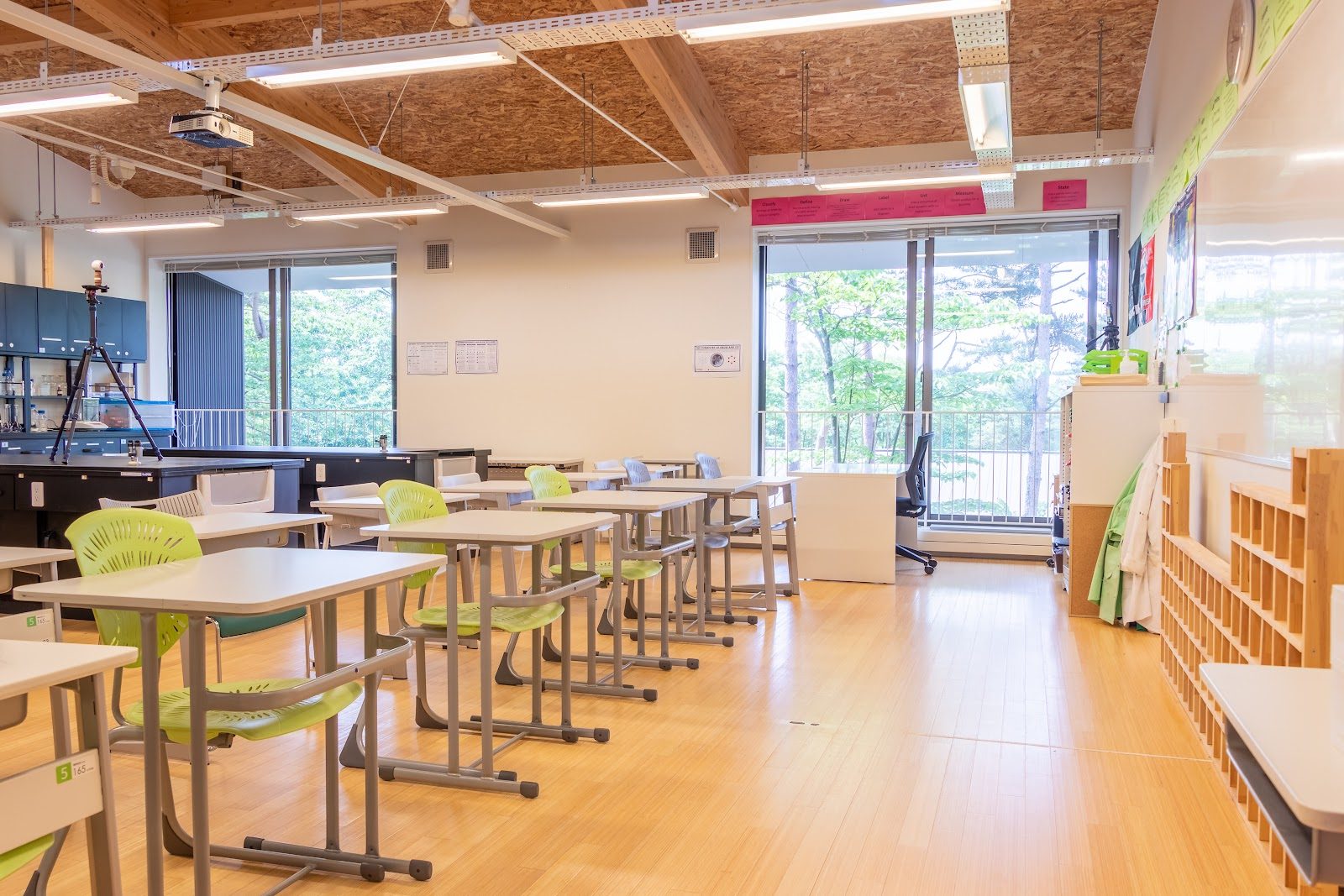
UWC ISAK Japan
Karuizawa · Japan
Japan's only UWC campus, tucked on Mount Asama, where seven in ten students study on need-based scholarship.
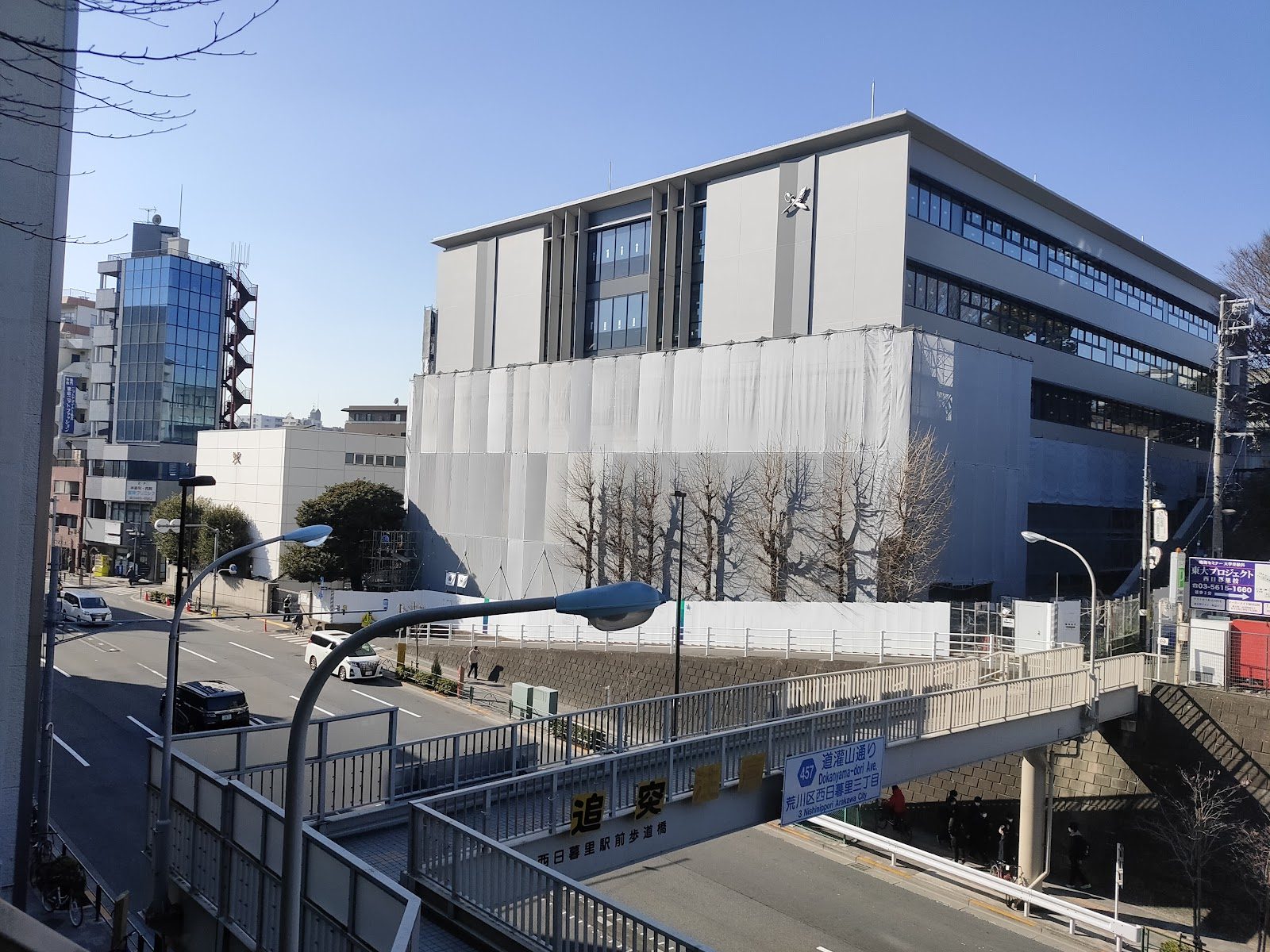
Kaisei Academy
Tokyo · Japan
An 1871 all-boys day school in one of Tokyo's densest wards, a perennial University of Tokyo feeder now adding IB and AP tracks abroad.
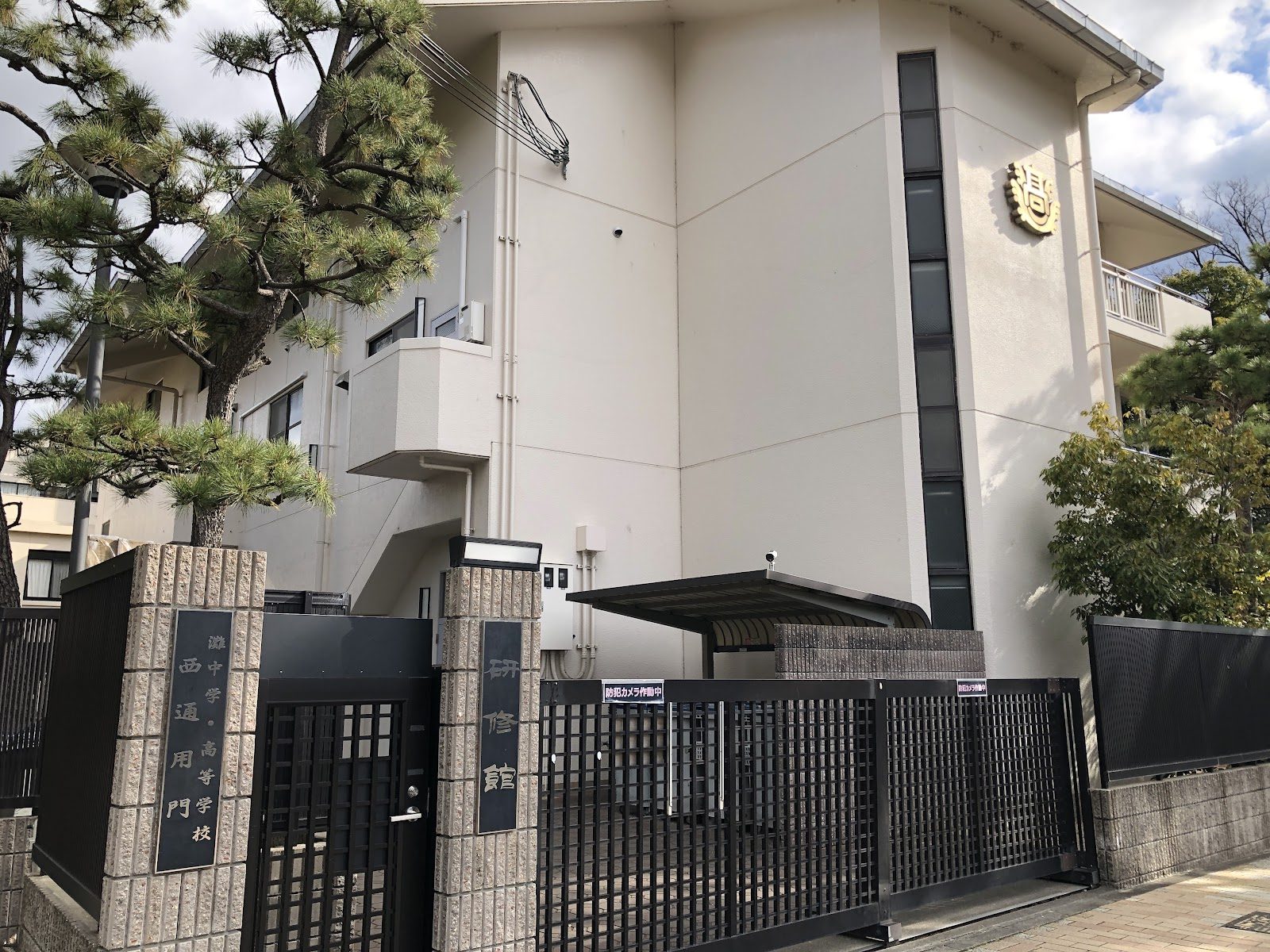
Nada High School
Kobe · Japan
Founded by Kobe sake brewers with judo's creator as an advisor, this uniform-free campus channels students straight into Tokyo and Kyoto University.
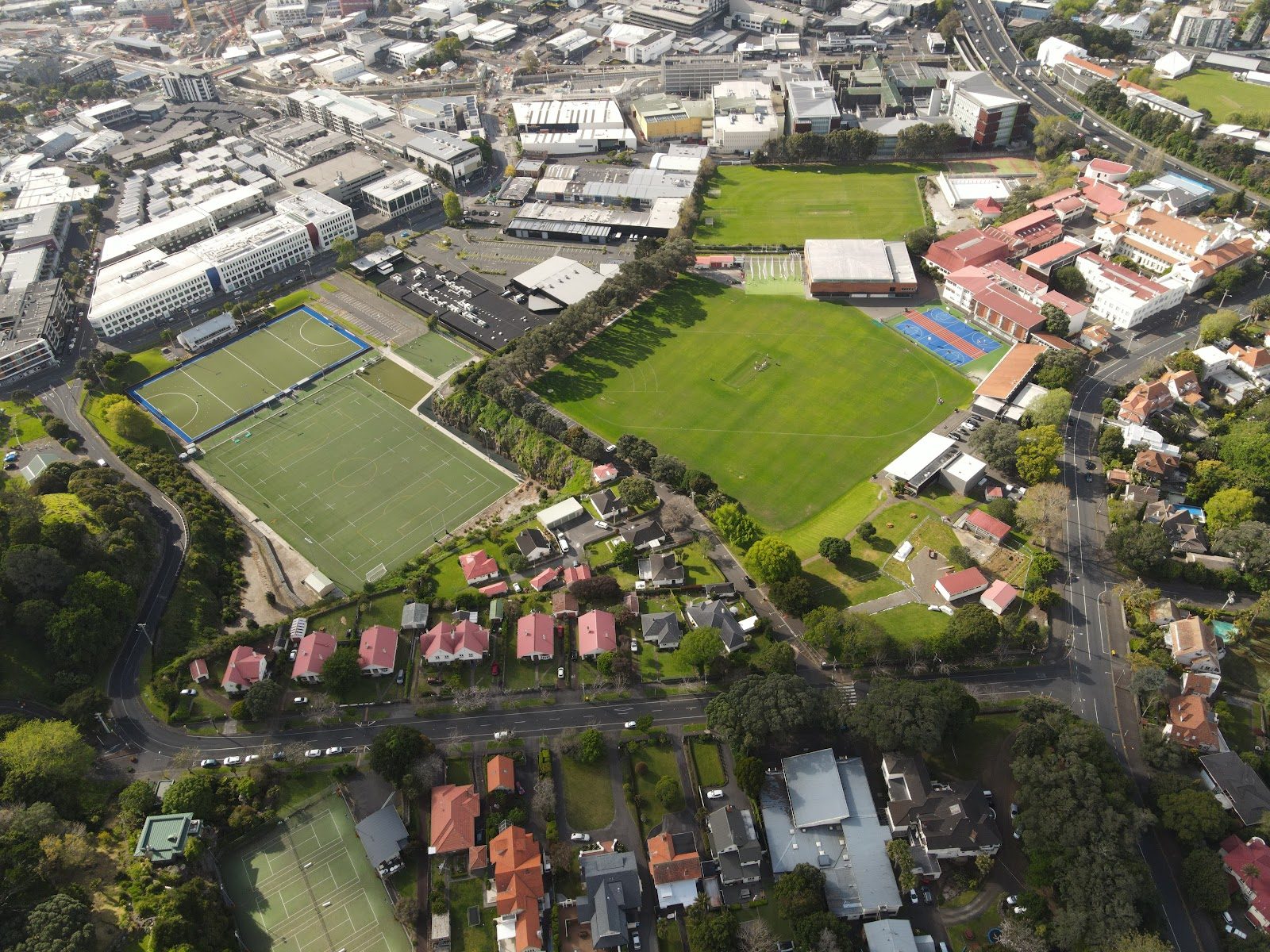
Auckland Grammar School
Auckland · New Zealand
New Zealand's largest boys' school, where a fiercely guarded Epsom enrolment zone and a long Rhodes Scholar lineage shape the Grammar way.
Same country and curriculum — closest matches within ±10 points either way