
Illinois
North Shore Country Day School
Born from the 1919 country day movement, this Winnetka campus runs JK-12 with no honors track and no class rank.

Photo © North Shore Country Day via Google Maps
Type
Day
Ages
3–18
Curriculum
American
Qualifications
AP
Ratio
7:1
The Verdict
Editor's commitment
Right for
Families wanting a JK-12 American day school with a 7:1 ratio, 15-pupil classes and mandatory co-curricular participation.
Wrong for
Students who want honours tracks, class rank or a narrow academic lane; this 1919 Winnetka school pushes breadth over stratification.
Watch out for
The average annual fee is $38,991, and NAIS and ISACS accreditation do not soften a culture where participation is required.
Ranking breakdown
North Shore Country Day School · #1078 of 1591
Composite score 61.4. 8 weighted criteria.
By criterion
Academic Outcomes
Weight 20%
#791
of 1529 scored
University Placement
Weight 16%
#848
of 1529 scored
Prestige & Heritage
Weight 12%
#1164
of 1571 scored
Alumni Network
Weight 12%
#1106
of 1530 scored
Facilities
Weight 12%
#1121
of 1533 scored
Transparency & Communications
Weight 8%
#938
of 1532 scored
Peer & Industry Review
Weight 10%
#1373
of 1548 scored
Admissions Selectivity & Demand
Weight 8%
#686
of 1529 scored
Peer & Industry Review
How North Shore Country Day School is regarded in the sector
60
Respected · medium confidence
North Shore Country Day School is regarded within the Chicago North Shore independent school corridor as a small, academically serious peer of institutions like Latin School of Chicago and Lake Forest Academy, though it lacks their national brand recognition. Its NCAA-eligible college counseling office reports consistent matriculation to selective liberal arts colleges and Big Ten flagships, with admissions officers from schools such as Kenyon, Denison, and University of Chicago having historically visited campus as part of regional counselor circuits, reflecting confidence in its transcript rigor. NSCDS holds membership in the Independent Schools Association of the Central States (ISACS) and the National Association of Independent Schools (NAIS), signaling accreditation-level peer respect rather than tier-one prestige. Independent education press coverage is thin compared to Chicago's largest day schools; it does not consistently appear in Chicago Tribune private-school rankings or WhichSchoolAdvisor's most-reviewed lists, suggesting a reputation built on local word-of-mouth and alumni networks rather than national media visibility or peer-reviewed benchmarking.
- Charles H. Percy — US Senator, former CEO of Bell & Howell
- Bruce Dern — Actor
- Melissa Mathison — Screenwriter, E.T. the Extra-Terrestrial
Editors' overview
North Shore Country Day School occupies a distinct corner of the Chicago-area independent market: a 1919 country day school that still takes the movement’s original idea seriously. This is a JK–12 American school with one campus, no boarding, a published student-teacher ratio of 1:8, and an average class size of 15. The headline difference is not scale or prestige theatre; it is structure. North Shore rejects the sorting habits that dominate many high-performing US schools. No honours track. No class rank. Required participation across academics, arts, athletics and service. That creates a culture with high expectations, low tolerance for spectatorship and a clear preference for breadth before specialisation.
What is special here is the school’s insistence that education is not a menu of optional enhancements. North Shore states that participation is required and that co-curricular life is core, not extra. That matters. In practice, this school is built for students who will do the play, the team, the project, the discussion and the service commitment, not just collect top marks and retreat into a narrow academic lane. Its academic language is also worth noting: critical thinking, communication, reflection, intercultural competence, collaboration. Parents looking for an old-fashioned rank-driven hothouse will find a poor fit. Parents looking for serious teaching, deliberate breadth and a strong all-through community will find a school with a coherent point of view.
North Shore belongs on a shortlist because it offers a rare combination: a close-knit educational setting from age 3 to 18, strong adult-student contact, and a philosophy that treats intellectual, artistic and civic growth as one enterprise. The best match is the student who wants to be known well, challenged directly and kept fully engaged. The child who thrives here is curious, game, resilient and willing to stretch into unfamiliar territory — the pupil who gains from full participation rather than from constant comparison. For ambitious families who want academic challenge without the machinery of ranking and over-specialisation, North Shore is a confident, clear-eyed option.
Academic Performance
North Shore’s public case for academic strength rests on programme design, not on published examination data. The school talks in detail about critical thinking, communication, reflection, project-based learning and intercultural competence; it does not publish the external metrics that let parents test those claims against peers. We have not seen aggregate SAT or ACT results, AP participation or score distributions, National Merit figures, grade distributions, or a college matriculation list in the sources here. That makes academic performance hard to verify in the round. In a market where many independent schools trade heavily on score tables and university destinations, that opacity is a real weakness.
That does not place North Shore outside the serious academic bracket. A school with small classes, intensive teacher contact and an explicitly challenging curriculum sits in the territory of high-expectation independents, not lightweight progressive schooling. The absence of honours tracks and class rank also tells you something important: North Shore does not organise academic life around internal sorting, and that will appeal to families who value depth of teaching over scoreboard culture. Relative to direct peers, then, this is not the school for parents who want a barrage of public performance indicators. It is the school for parents willing to accept less data, more trust in exchange for a broader educational model. Whether that trade-off feels intelligent or evasive depends on your tolerance for unpublished outcomes.
Facilities
North Shore’s facilities matter less as a display of capital expenditure than as infrastructure for its core demand: every pupil participates. The school divides itself into lower, middle and upper divisions, and the public case it makes for space centres on what those spaces must support — academic discussion, project work, arts, athletics and service, all treated as part of one programme. That points to a campus built for constant use rather than for glossy under-occupation. The low staffing ratio of 1:8 and average class size of 15 also imply rooms scaled for seminar teaching and close teacher oversight, not lecture-hall schooling. Against peer independents, that is a strength. Families choosing between this and larger suburban rivals should expect more intimacy, less spectacle.
What the school does not do is publish a detailed facilities inventory in the sources we have seen. There is no clear public rundown here of specialist science provision, theatre specification, studio space, athletic plant or standout capital projects. That is a gap. At schools competing for the same families, those details are standard because parents want to know whether breadth is backed by hard assets or by timetable rhetoric. North Shore still reads as a place with serious all-round provision because its whole model depends on it, but the public-facing picture is less transparent than it should be. In peer terms, the school clears the bar on educational intent; it does not clear it on facilities disclosure.
No honours track, no class rank, and compulsory participation across school life form a distinctive institutional identity, not a diluted one
Prestige
North Shore carries real local prestige and a more restrained national profile. In the Chicago independent-school market, the name has weight because the school is old, academically serious, and structurally confident enough to reject some of the status signals competitors use to advertise excellence. No honours track, no class rank, and compulsory participation across school life form a distinctive institutional identity, not a diluted one. The published 1:8 staffing ratio and average class size of 15 reinforce that impression: this is an intimate, well-resourced school that can afford close adult attention and expects students to use it. Prestige here rests less on spectacle than on institutional self-possession.
That said, this is not prestige built on public proof of elite outcomes. The school does not publish the headline academic indicators that let outsiders measure how often its ideals convert into top-end results, and that limits its standing beyond families who already know the market. For some parents, that restraint reads as principle; for others, it reads as opacity. The fairest rating is high-status but not omnipotent: strong reputation, clear social and educational capital in its region, and a model that educated families will recognise as deliberately anti-hothouse. It has cachet, but not the chest-thumping kind, and it asks parents to value character, breadth and seriousness over raw public scoreboarding.
North Shore’s uniqueness lies in its refusal to treat school life as a hierarchy of winners, specialists and spectators
Communications
North Shore communicates with parents in the same way it runs the school: with a clear institutional line and little appetite for gimmickry. The public-facing message is consistent across pages — challenge, participation, collaboration, service, and the insistence that there are “no spectators”. That coherence matters. Parents do not have to decode mixed signals from an admissions gloss on one page and an academic hard sell on another. The school tells families, plainly, that children will be expected to join in widely and take risks, and that teachers are meant to know pupils well. For a JK–12 school, that kind of philosophical consistency is a real operational strength, because it sets expectations early and keeps them stable as children move through divisions.
The weakness is detail. North Shore communicates its values better than its evidence. We do not see much public granularity on parent logistics, divisional communication rhythms, reporting formats, leadership access, or the hard information many families want when judging institutional transparency. The same pattern holds elsewhere: strong statement of purpose, thinner disclosure on proof and process. That does not make communication poor; it makes it selective. Families aligned with the school’s outlook will read that as disciplined and confident. More sceptical parents will read it as over-curated. The low staffing ratio of 1:8 supports the idea of direct parent-teacher contact, but the school’s published communication style still leaves practical questions unanswered.
Uniqueness
North Shore’s uniqueness lies in its refusal to treat school life as a hierarchy of winners, specialists and spectators. The public language is blunt: participation is required, co-curricular life is core, and students are pushed to stretch, stumble and grow across a range of activities. That is more than a pastoral slogan. It creates a school where the play, the team, the service commitment and the group project carry institutional weight alongside classroom work. Add the absence of honours tracks and class rank, and you get a model that is deliberately anti-tribal: less internal sorting, less status gaming, more pressure to contribute in public. For the right child, that is liberating and formative. For the child who wants to disappear into one narrow strength, it is a poor fit.
The other distinguishing feature is the all-through community and the level of adult attention implied by a 1:8 staffing ratio and average classes of 15. North Shore talks repeatedly about “knowing” students, and the structure supports that claim. In practice, this brings strong teacher oversight, more accountability, and a better chance that a pupil’s habits, confidence and blind spots get addressed before they harden. Its emphasis on collaboration, intercultural competence and late specialisation also gives students a broader developmental runway than schools that reward early polishing in one lane. The result is serious breadth, close scrutiny and a culture that expects children to become useful, articulate members of a community, not just high scorers.
North Shore Country Day School occupies a distinct corner of the Chicago-area independent market: a 1919 country day school that still takes the movement’s original idea seriously
Student Profile
The best fit at North Shore is the child who wants to be known closely and expects adults to notice effort, habits and contribution, not just polished output. This is not a school for passive high-achievers who want to optimise transcripts while ducking the communal parts of school life. The pupil who thrives here is willing to speak, collaborate, perform, compete, serve and recover from the occasional public stumble. The school’s own language matters: there are “no spectators”, group work is central, and breadth of participation is non-negotiable. In practical terms, that points to students who are engaged rather than aloof, resilient rather than brittle, and open to being stretched outside their comfort zone.
Socially, North Shore suits families who value a serious, full-spectrum education over pecking-order culture. The absence of internal ranking theatre changes the student mix: this is a better environment for intellectually able children who dislike status games, and a worse one for those who draw energy from relentless comparison. The low staffing ratio of 1:8 supports a student experience with more scrutiny and less room to hide. That will feel constructive and steadying to some children and claustrophobic to others. The strongest candidates for this school are curious generalists, committed joiners and thoughtful contributors — students who can handle challenge without needing every incentive packaged as competition.
This is a JK–12 American school with one campus, no boarding, a published student-teacher ratio of 1:8, and an average class size of 15
Co-curricular strengths
Arts & sport, on a separate axis
Overall 8.22/10
Scored 0-10 from the school's own published evidence. This axis is editorial-only — it does not feed the main WTS ranking.
Sports
8.5/10
Drama
8.2/10
Dance
7.5/10
Music
8.5/10
Visual Arts
8.4/10
Strengths
- +Founded in 1893 as the Rugby School, becoming a fully coeducational institution in 1919, giving it over a century of continuous operation on Chicago's North Shore.
- +Small overall scale, with an enrollment of 540 students across JK-12 and a student-teacher ratio reported as low as 6:1 by U.S. News.
- +In 2026 Niche ranked the school 2nd best K-12 school in the state of Illinois (of 68) and 58th best in the country (of 3,055).
- +Historic academic outcomes are strong: the school typically has a 100% success rate in university and college placement, and the Class of 2016's middle 50% ACT range was 29-33.
- +Nonsectarian and independently accredited, holding membership in the National Association of Independent Schools (NAIS), Independent Schools Association of the Central States (ISACS) and a regional independent-schools body.
Considerations
- −Small class sizes in the upper school translate into a narrower elective and course catalogue than larger day schools; one long-term parent reviewer noted 'limited class selection in the upper school are true, but like a small college the trade off is ok with smaller classes'.
- −Day tuition rises steeply by grade band, reaching $41,425 (2024-25 for 9-12th), a meaningful commitment for relocating families without employer subsidy.
- −It is a day school only, with no boarding option, situated in the affluent Winnetka suburb rather than central Chicago, meaning families must arrange local housing and a daily commute.
- −The small overall community size (roughly 540 students JK-12) can, per parent commentary, make the 'small total class size...challenging socially' for some students despite academic benefits.
Availability
Primary entry gate & tests
ISEE/SSAT + Interview
Gallery
Photo © North Shore Country Day via Google Maps
Photo © Artiom Necrasov via Google Maps
Photo © Artiom Necrasov via Google Maps
Photo © North Shore Country Day via Google Maps
Photo © North Shore Country Day via Google Maps
Photo © North Shore Country Day via Google Maps
Photo © North Shore Country Day via Google Maps
Parent reviews
Have you sent your child here?
Voice reviews carry the strongest trust badge — we transcribe them for you to tidy up before they go live. Prefer to type? A written review is fine too.
Add your voice
In 60 seconds, tell other parents: what's the best thing about North Shore Country Day School, and what surprised you when your child joined?
We ask for a Google sign-in so every review has a real face behind it — no anonymous drive-by attacks on schools, and no faked positive reviews. Your email is never shown publicly.
Send this profile to a friend
International parents rely on word-of-mouth. Share this review with someone weighing the same decision.
Schools with places
Similar schools to North Shore Country Day School with places available now.
Availability first, then country, area, curriculum, price, co-curricular
Consider also
Also worth looking at alongside North Shore Country Day School.
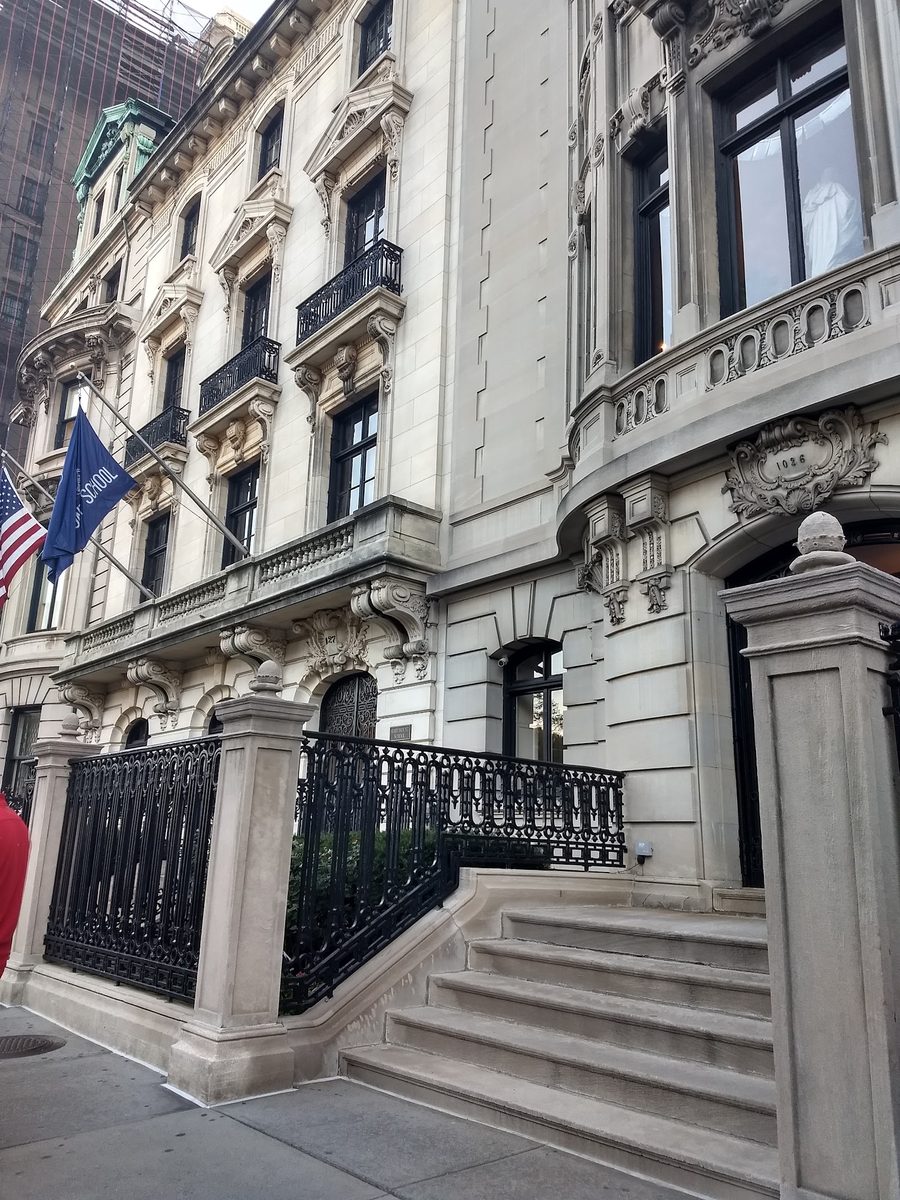
Marymount School of New York
New York City · United States
On Fifth Avenue, landmark mansions give way to Bloomberg terminals and classrooms inside the Met.
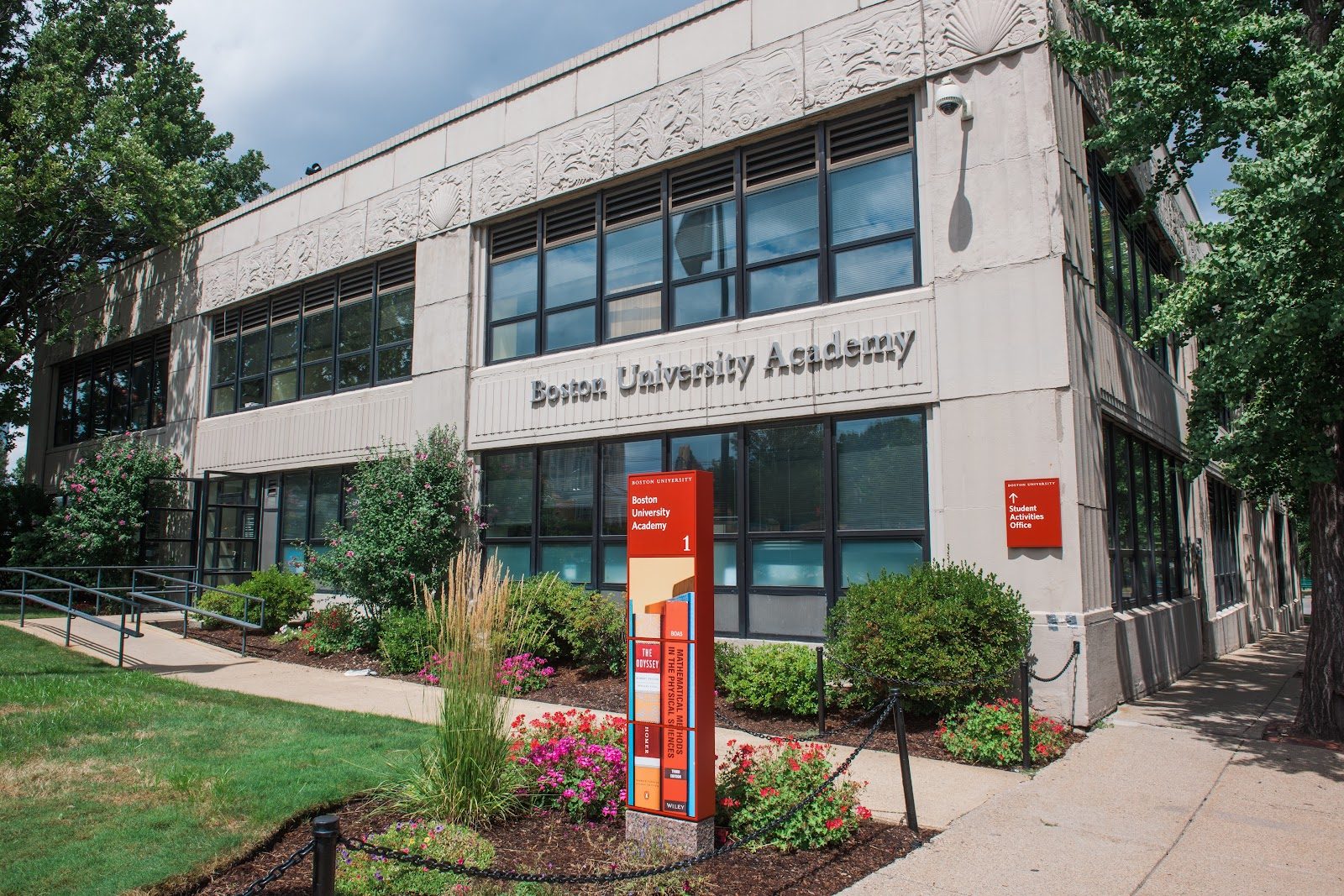
Boston University Academy
Boston · United States
Upperclassmen trade study halls for Boston University lecture halls, banking college credit before graduation.
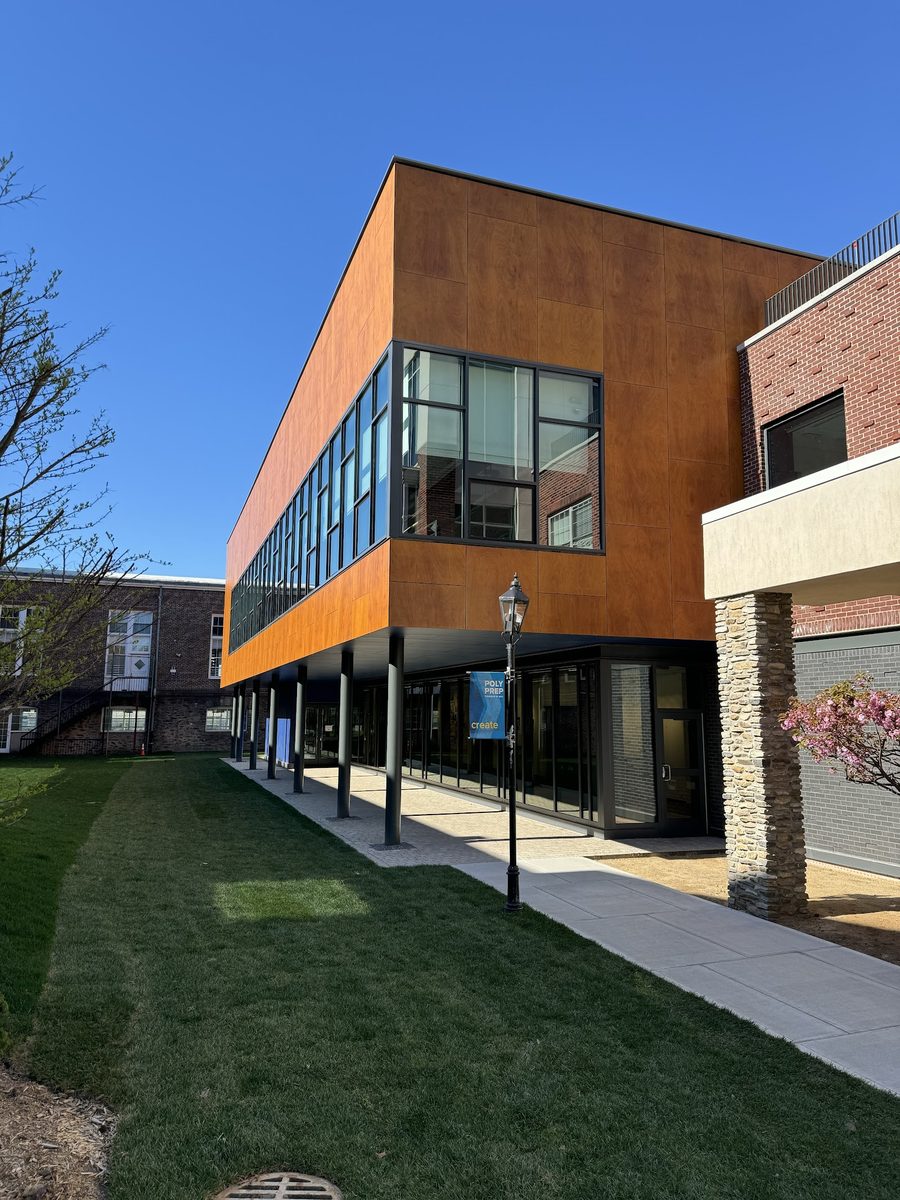
Poly Prep Country Day School
Brooklyn · United States
Founded in 1854 as Brooklyn's first boys' school, this day school pairs a Prospect Park mansion with a 25-acre Dyker Heights campus.

Germantown Friends School
Philadelphia · United States
Rooted in an 1845 Quaker meeting in historic Germantown, where juniors design a month-long independent study of their own.
Same country and curriculum — closest matches within ±10 points either way