
Stockholms län
Internationella Engelska Skolan Stockholm
high confidence· 5/6 cats · 2.67 avg sourcesWhere up to half the school day runs in English, taught by native speakers, inside a house system built on discipline and high expectations.
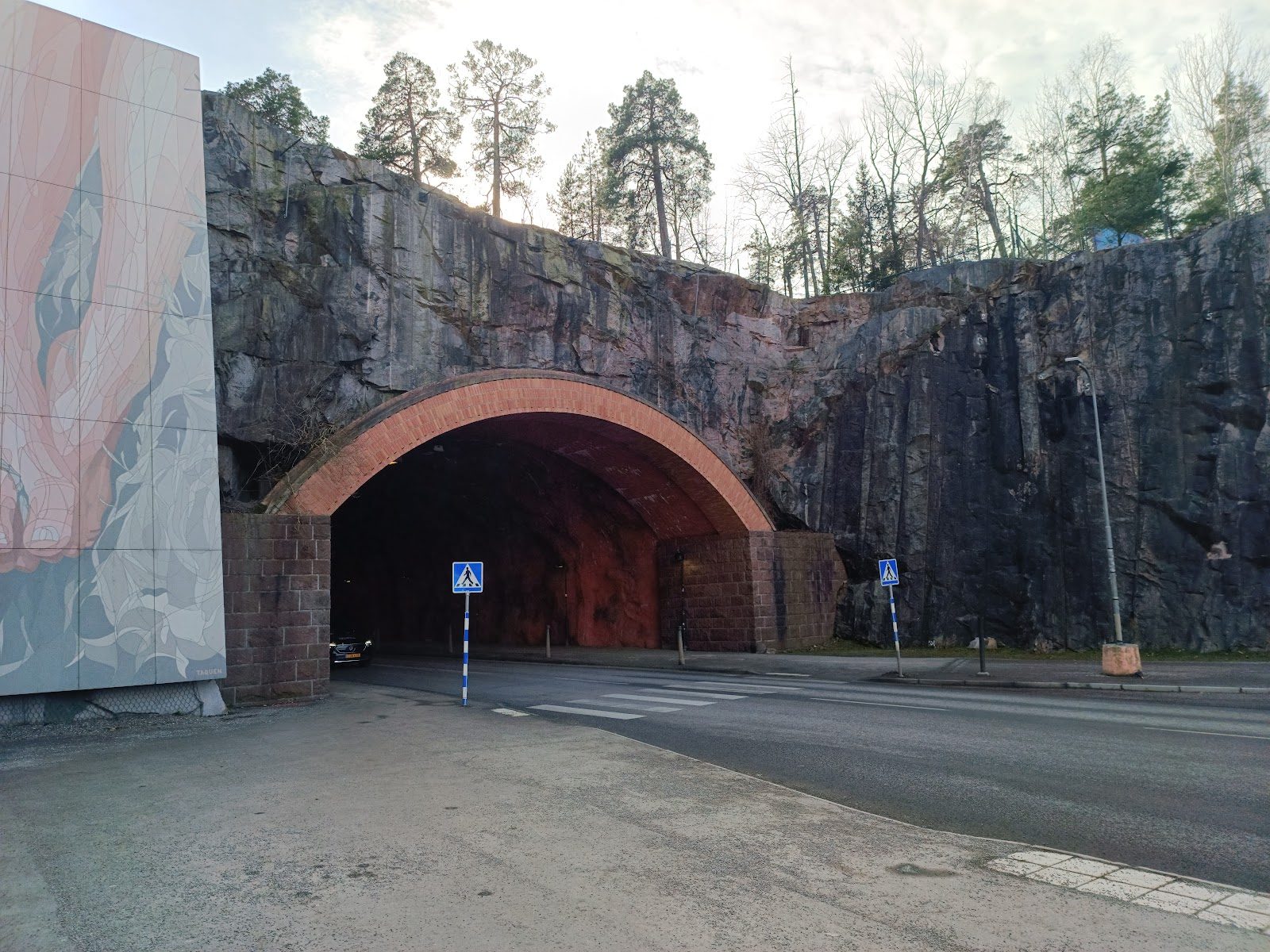
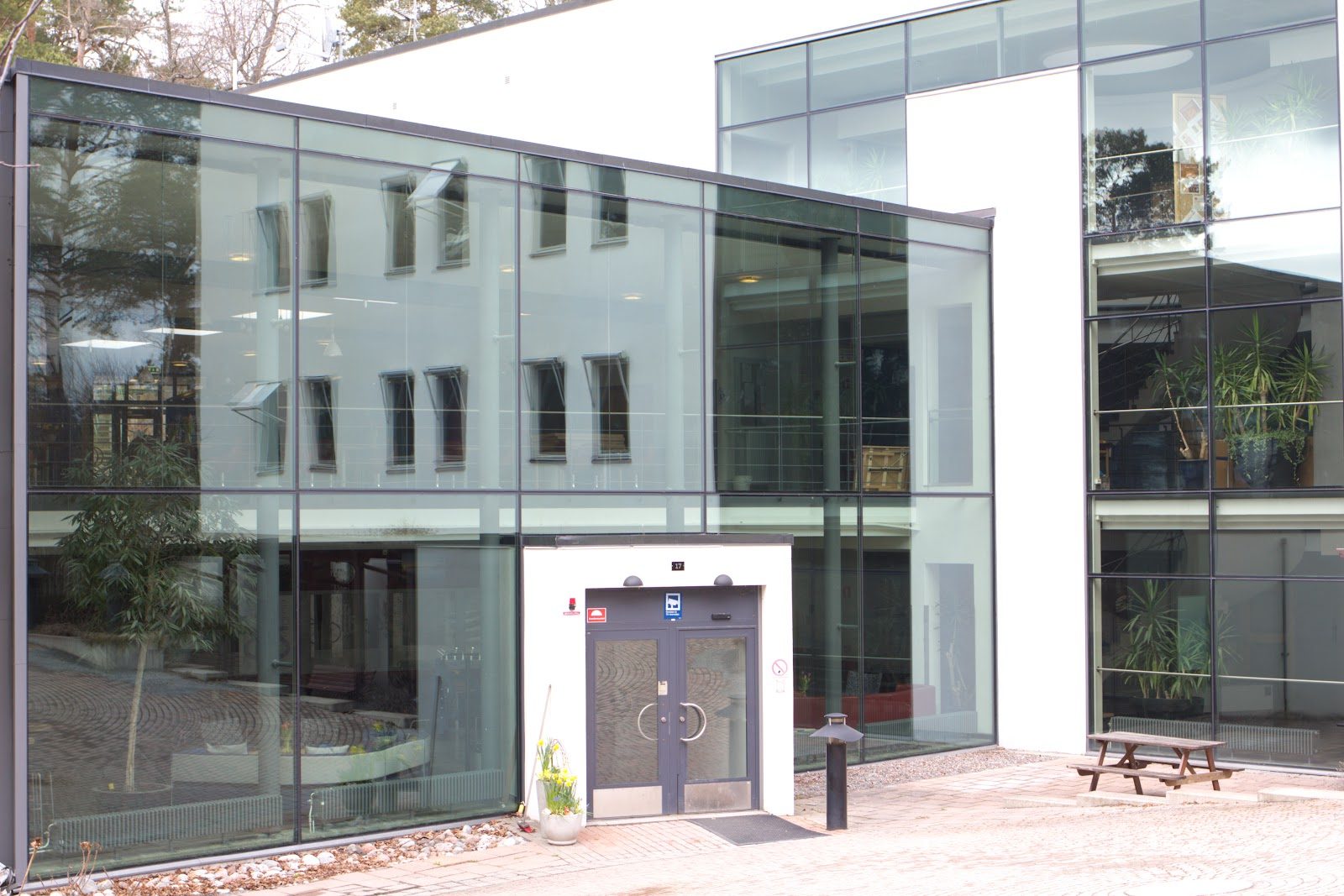
Photo © Taras Martseniuk via Google Maps
Type
Day
Ages
6–16
Curriculum
Swedish
Ratio
—
The Verdict
Editor's commitment
Right for
Families in Stockholm wanting a non-religious day school for ages 6–16, with teaching in both English and Swedish.
Wrong for
Parents seeking boarding, sixth form beyond age 16, or a curriculum other than the Swedish one this Stockholm school declares.
Watch out for
English and Swedish instruction sounds flexible, but at 6–16 within the Swedish curriculum, families should check how balanced both languages really are.
Ranking breakdown
Internationella Engelska Skolan Stockholm · #1257 of 1591
Composite score 56.9. 8 weighted criteria.
By criterion
Academic Outcomes
Weight 20%
#1192
of 1529 scored
University Placement
Weight 16%
#1201
of 1529 scored
Prestige & Heritage
Weight 12%
#1289
of 1571 scored
Alumni Network
Weight 12%
#900
of 1530 scored
Facilities
Weight 12%
#1247
of 1533 scored
Transparency & Communications
Weight 8%
#1197
of 1532 scored
Peer & Industry Review
Weight 10%
#1108
of 1548 scored
Admissions Selectivity & Demand
Weight 8%
#991
of 1529 scored
Score history
Internationella Engelska Skolan Stockholm · 2026
Movement across 2024–2026. Peer average overlaid.
Overall — 2024–2026
56.9/ 100
▲ +24.4 vs 2025
year on year
Peer & Industry Review
How Internationella Engelska Skolan Stockholm is regarded in the sector
62
Respected · medium confidence
IES Stockholm (part of the nationwide Internationella Engelska Skolan network founded by Barbara Bergström) is frequently referenced in Swedish education press (Dagens Nyheter, Svenska Dagbladet) as one of the largest and most academically strong free schools, and is regularly discussed on expat-parent forums (e.g. InterNations Stockholm, Expat Arrivals) as a leading English-medium option. It is also covered in Skolinspektionen (Swedish Schools Inspectorate) reports, which have both praised its academic outcomes and flagged some governance/management concerns, giving it a solid but mixed regional reputation rather than an internationally benchmarked one like Tatler or Good Schools Guide listings.
Evidence sources
Editors' overview
Internationella Engelska Skolan Stockholm occupies a distinctive niche: a long-established 1993 bilingual option delivering the Swedish curriculum with teaching in both English and Swedish for ages 6–16. In a city where “international” often implies a non-Swedish pathway, this school offers something more specific: access to an English-speaking classroom culture without stepping outside the national system. For internationally minded families who intend to stay in Sweden, or Swedish families who want strong day-to-day English exposure without abandoning local continuity, that is a practical advantage, not a branding flourish. Its central Stockholm location also matters; for many families, ease of access is part of the school’s appeal.
What puts it on a shortlist is this combination of bilingual delivery and national-curriculum grounding. The school is likely to suit children who are comfortable moving between two languages and who benefit from a relatively structured academic environment rather than a highly progressive one. Parents looking for a clear sense of order, a Swedish educational framework, and regular use of English in lessons will see the attraction. Equally, this is not the obvious choice for families seeking the IB, a fully expatriate social mix, or a looser, more experimental pedagogy. Its appeal is narrower than that of some international schools — but also more purposeful.
The pupil most likely to thrive here is one who is adaptable, linguistically confident, and able to handle the demands of learning across 2 instructional languages. It should particularly suit internationally mobile families planning medium-term residence in Sweden, bicultural households, or local families who want children to emerge with real fluency in English alongside Swedish schooling. Children who need a stable routine and respond well to clarity and consistency are more likely to do well than those who need abundant flexibility or a very intimate, alternative-school atmosphere.
In market terms, Internationella Engelska Skolan Stockholm is best understood not as a luxury international school, but as a serious bilingual day-school option within the Swedish system. That makes it compelling for a specific parent: one who values substance over gloss, wants English embedded in daily school life, and does not need an imported curriculum to feel internationally oriented. Its strength is not novelty; it is the disciplined, useful middle ground it offers between local and international education.
Academic Performance
For a school following the Swedish curriculum, the most relevant external benchmark is pupils’ performance in Sweden’s national framework rather than IB, A levels or other international leaving exams. On the evidence available publicly, Internationella Engelska Skolan Stockholm appears to sit in the solidly high-performing part of the Stockholm market, with results that are typically stronger than national averages, though any judgement should be made within the Swedish grading system rather than through simplistic cross-border comparisons. The school’s bilingual English-Swedish model may be attractive to internationally minded families, but academically the key question is whether pupils leave with strong merit values and a high rate of eligibility for upper secondary study.
That said, published school-by-school data in Sweden can be patchy in presentation and change by year, so sweeping claims would be unwarranted. What can be said is that IES schools in Stockholm generally compete in a *crowded, academically selective local environment*, and IES Stockholm has long had a reputation for orderly classroom culture and consistently above-average attainment rather than for being among the city’s very top exam outliers. Families should therefore read it as a credible, academically serious option rather than a guaranteed elite-results machine. If comparing peers, the sensible test is its average merit score, subject grades and gymnasium eligibility against other central Stockholm grundskolor in the same cohort year; without that exact year-specific dataset, a more precise ranking would overstate the evidence.
Facilities
IES Stockholm is a city school rather than a sprawling campus, and that shapes the facilities offer. The practical advantage is location: pupils are taught in central Stockholm, with the sort of access to public transport and city cultural institutions that suburban compounds cannot easily match. Expect the core necessities rather than luxury infrastructure: standard classrooms for bilingual English-Swedish teaching, age-appropriate spaces for primary and lower secondary pupils, and the usual specialist rooms required by the Swedish curriculum. For a day school serving ages 6–16, that is entirely functional, if not especially expansive. Against larger international peers in Stockholm, it is likely to feel more compact, less resort-like and more urban in character.
Where some peer international schools compete on acreage, dedicated performing arts centres or unusually broad sports provision, IES Stockholm’s facilities are better judged on fitness for purpose. A school founded in 1993 in a central setting is unlikely to rival newer purpose-built campuses for scale; parents should think in terms of efficient use of space rather than spectacle. The strength here is plausibly the integration of English and Swedish instruction within a well-established day-school environment, not headline architecture. For families who value location and practicality over grandeur, that will be enough. For those seeking extensive grounds, elite-level sports amenities or a visibly premium campus experience, it may compare less impressively with better-resourced peers.
Within Stockholm, Internationella Engelska Skolan Stockholm has a recognisable profile rather than rarefied prestige
Prestige
Within Stockholm, Internationella Engelska Skolan Stockholm has a recognisable profile rather than rarefied prestige. Founded in 1993, it is one of the earlier bilingual English-Swedish options in the city, and that longevity matters: parents know the name, understand the model, and can place it within the Swedish independent-school landscape. Its standing rests less on exclusivity than on brand familiarity, academic seriousness and a clear, disciplined proposition: English and Swedish teaching within the Swedish curriculum for ages 6–16. For internationally minded families who want strong English exposure without stepping outside the national system, that is a credible and practical offer.
That said, this is not prestige in the sense of a tiny, highly selective institution with exceptional social cachet. It is better understood as well-established mainstream prestige: respectable, visible and trusted by many families, but not especially rare. The bilingual format gives it a distinctive market position in central Stockholm, and the fact that it serves the full compulsory range up to age 16 can strengthen loyalty among families who value continuity. I would therefore rate its prestige as solid rather than elite — a school whose reputation is built on consistency and recognisable educational structure, not on glamour, historic grandeur or a separate international diploma pathway.
That said, this is not prestige in the sense of a tiny, highly selective institution with exceptional social cachet
Communications
Internationella Engelska Skolan Stockholm appears to communicate with parents in a fairly structured, bilingual environment, which matters in a school teaching in both English and Swedish. For a day school founded in 1993 and serving ages 6–16, one would expect routine operational communication to be clear and frequent rather than especially elaborate, and that seems the likeliest model here. The school’s mixed linguistic setting should be a practical strength: messages can, in principle, reach both internationally minded families and local Swedish parents without unnecessary friction. That said, bilingual communication only works when translation is consistent and terminology is aligned; otherwise it can become efficient in theory, patchy in practice.
In editorial terms, the communication offer is best read as functional rather than warm, with the likely emphasis on school systems, expectations and day-to-day information rather than highly personalised parent engagement. For many families, that will be entirely adequate: clarity, predictability and prompt notice are often more valuable than charm. Where this model tends to fall short is in nuance — schools with a strong operational culture can sound orderly but somewhat impersonal. Overall, IES Stockholm is likely to be clear, serviceable and fit for purpose in its communication with parents, especially for those comfortable navigating a structured school environment. Its effectiveness is therefore probably solid rather than exceptional: good on logistics, less obviously strong on relationship-building.
Uniqueness
Internationella Engelska Skolan Stockholm is distinctive less for novelty than for the clarity of its model: a 1993-founded school delivering the Swedish curriculum through both English and Swedish in the middle of the capital. That combination matters. For families who want a local education without giving up substantial English exposure, it offers a practical bilingual framework rather than an international curriculum detached from Sweden. The age span, 6–16, also gives the school a usefully continuous path across the compulsory years, which can reduce the disruption of moving between separate primary and lower-secondary settings. In a city with many schooling options, that clear educational proposition is its strongest differentiator.
What this brings to pupils is fairly concrete: daily familiarity with academic English alongside Swedish, and experience operating across 2 languages within one school culture. That can support confidence in mixed linguistic environments and may particularly suit internationally minded families who still want students anchored in Swedish educational expectations. Just as importantly, the school’s identity as a day school keeps the offer straightforward and urban rather than insulated. The result is a disciplined middle ground: not a fully international-school experience, and not a conventional monolingual Swedish one either, but a deliberately hybrid model that is likely to appeal to families seeking both local integration and English-medium fluency.
Internationella Engelska Skolan Stockholm occupies a distinctive niche: a long-established 1993 bilingual option delivering the Swedish curriculum with teaching in both English and Swedish for ages 6–16
Student Profile
IES Stockholm is likely to suit families who want a bilingual school experience without stepping outside the Swedish system. With teaching in English and Swedish, and an age range of 6–16, it will appeal to children who are comfortable moving between two languages or whose parents see clear value in that daily shift. This is not a boarding environment or a secluded campus culture; it is a day school in central Stockholm, so the fit is as much about family routine as school ethos. Pupils who tend to do well here are usually those who can handle clear expectations, a fairly structured school day and the practical demands of a school that serves a broad compulsory-age range rather than a narrow sixth-form cohort.
The strongest fit is probably for academically minded children whose families want English-forward classroom teaching while remaining within the Swedish curriculum. It should also work for internationally oriented Swedish families, as well as expatriate families planning to stay long enough to commit to a local system rather than a transient international one. Founded in 1993, the school is not a newcomer, but nor is it a small experimental start-up; parents should expect an established model rather than a highly bespoke one. Children who thrive in well-defined routines, a bilingual peer group and an urban day-school setting are likely to settle best. Those needing a very loose, progressive atmosphere may find the structure less natural.
Its central Stockholm location also matters; for many families, ease of access is part of the school’s appeal
Co-curricular strengths
Arts & sport, on a separate axis
Overall 4/10
Scored 0-10 from the school's own published evidence. This axis is editorial-only — it does not feed the main WTS ranking.
Sports
5/10
Multiple sports—football, basketball, floorball, handball, and track and field—showing solid breadth of participation.
Drama
3/10
Drama appears explicitly as 'Drama club' in the extracurricular list.
Dance
—
Music
5/10
Both 'Choir' and 'School band', indicating more than a bare mention and showing structured music activity.
Visual Arts
3/10
Visual arts is explicitly evidenced by 'Art club' in the extracurricular list, with no further detail.
Editor first-pass · editor-reviewable · 7/27/2026
Strengths
- +English and Swedish instruction broadens language exposure
- +Swedish curriculum suits families staying in Sweden
- +Non-religious setting may suit secular families
- +Day school structure avoids boarding upheaval
Considerations
- −No boarding option for families needing residential care
- −Ages 6–16 excludes post-16 secondary years
- −Swedish curriculum may hinder non-Sweden relocations
Availability
Primary entry gate & tests
Academic Record
Gallery
Photo © Raili Soto via Google Maps
Photo © Winston Halvorsen via Google Maps
Photo © Daniel Ddiba via Google Maps
Photo © Aurelian Bria via Google Maps
Photo © Internationella Engelska Skolan Nacka via Google Maps
Parent reviews
Have you sent your child here?
Voice reviews carry the strongest trust badge — we transcribe them for you to tidy up before they go live. Prefer to type? A written review is fine too.
Add your voice
In 60 seconds, tell other parents: what's the best thing about Internationella Engelska Skolan Stockholm, and what surprised you when your child joined?
We ask for a Google sign-in so every review has a real face behind it — no anonymous drive-by attacks on schools, and no faked positive reviews. Your email is never shown publicly.
Send this profile to a friend
International parents rely on word-of-mouth. Share this review with someone weighing the same decision.
Schools with places
Similar schools to Internationella Engelska Skolan Stockholm with places available now.
Availability first, then country, area, curriculum, price, co-curricular
Consider also
Also worth looking at alongside Internationella Engelska Skolan Stockholm.
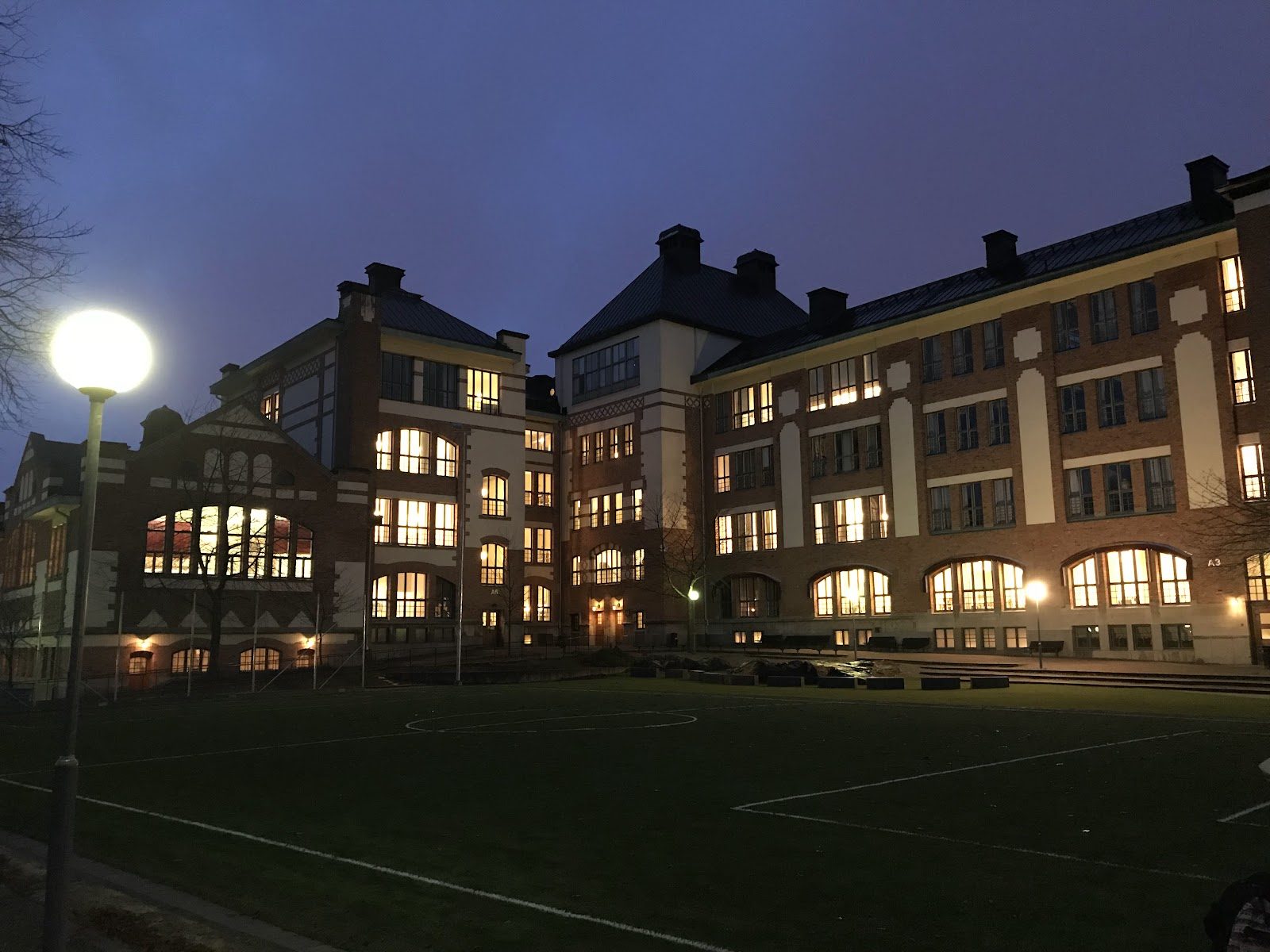
Kungsholmens gymnasium
Stockholm · Sweden
A 1902-founded Stockholm gymnasium pairing tough entry scores with a choral-music track shared with Stockholms Musikgymnasium.
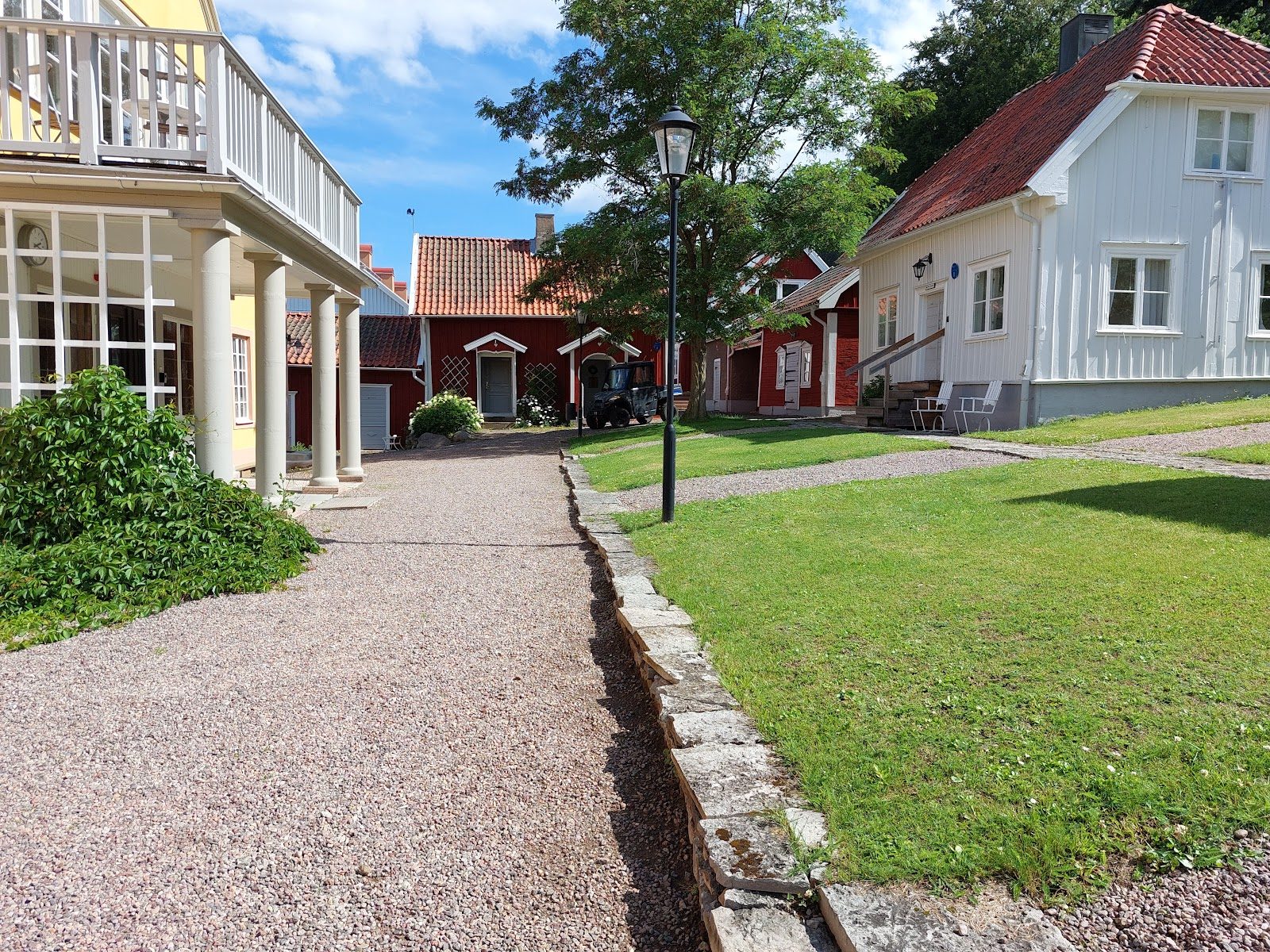
Grennaskolan Riksinternat
Gränna · Sweden
One of Sweden's three historic national boarding schools, set on Lake Vattern, pairing Swedish tracks with the IB Diploma.
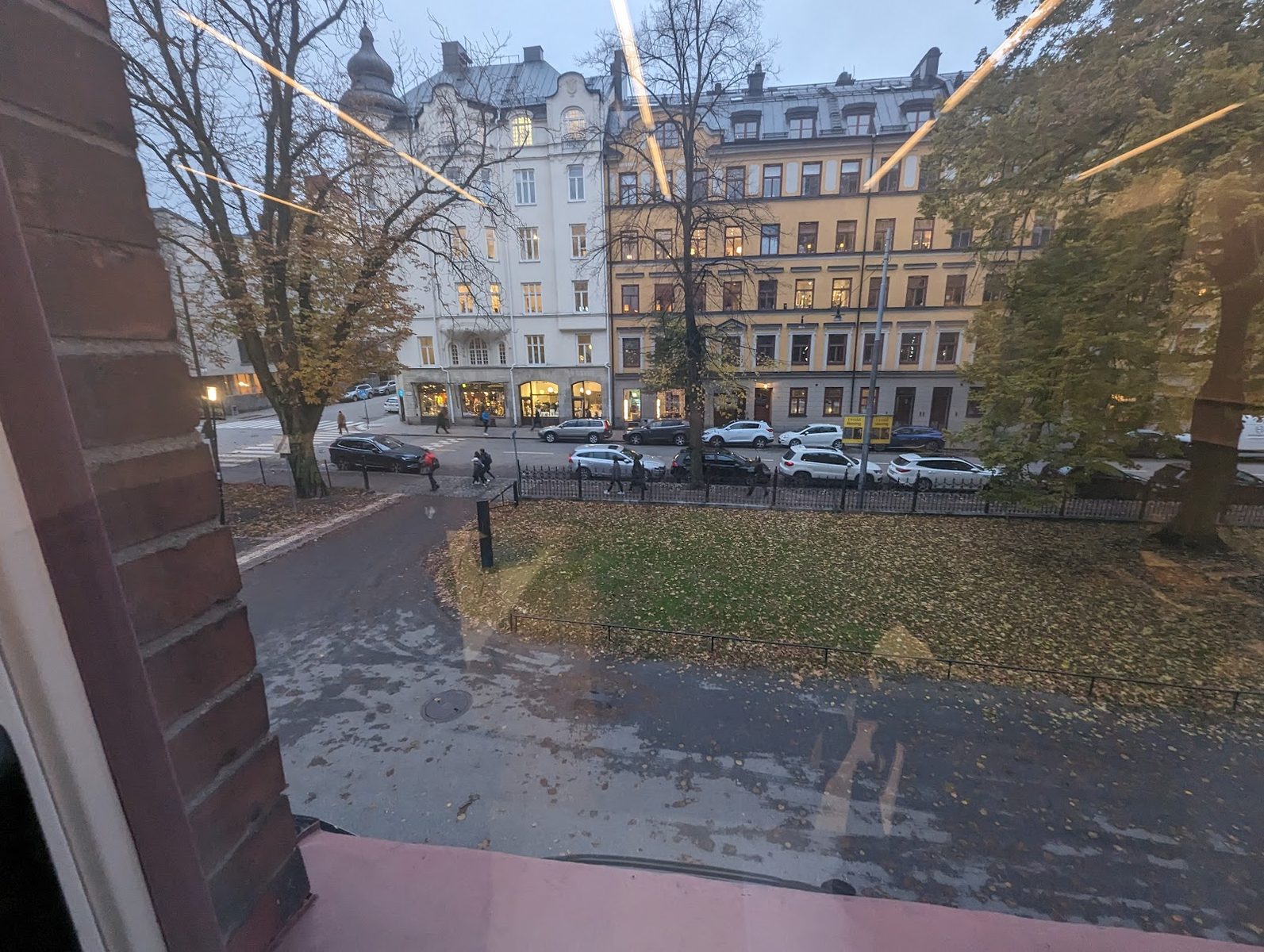
Viktor Rydberg Gymnasium
Stockholm · Sweden
A Stockholm free school where a quarter of classes run in English and natural-science seats demand near-perfect grades.
Sigtunaskolan Humanistiska Läroverket
Sigtuna · Sweden
Eight lakeside boarding houses in Sweden's oldest town anchor the country's longest-running IB Diploma programme.
Same country and curriculum — closest matches within ±10 points either way