
Tortuguitas
St. Catherine's Moorlands School
medium confidence· 4/6 cats · 1.5 avg sourcesArgentina's IB pioneer since 1973, pairing a British-rooted curriculum with a storied Buenos Aires hockey tradition
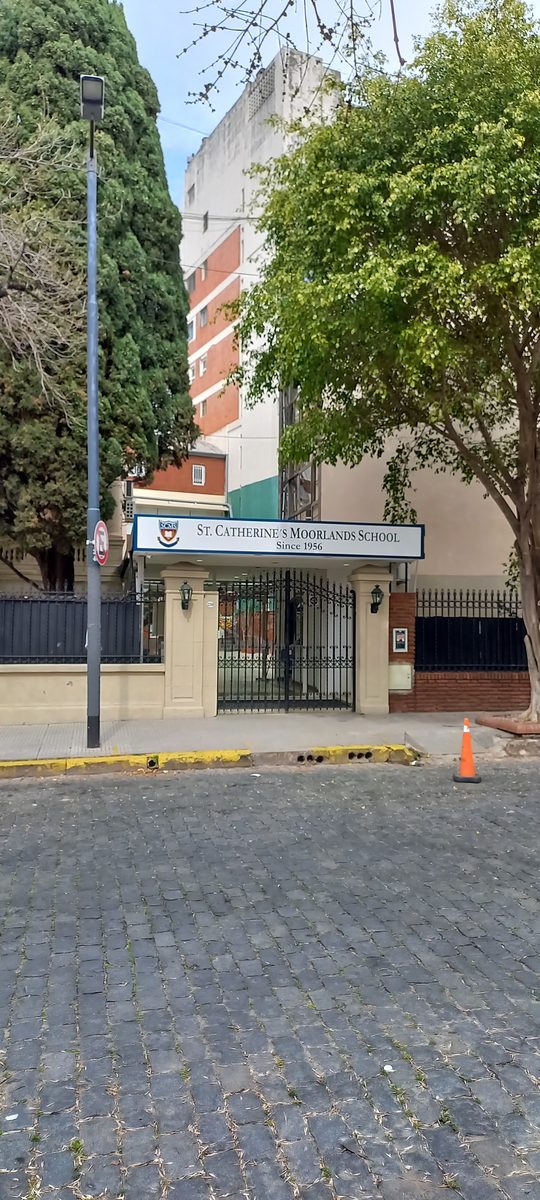
Photo © Fiona Hardy Hulme via Google Maps
Type
Day
Ages
2–18
Curriculum
IB · British
Qualifications
IGCSE · IB Diploma
Ratio
—
The Verdict
Editor's commitment
Right for
Families wanting a Buenos Aires day school with Anglican roots, British plus IB curriculum, and bilingual Spanish-English teaching from ages 2–18.
Wrong for
Parents who want boarding, a secular setting, or a single-curriculum school; this is Anglican, day-only, and explicitly British plus IB.
Watch out for
The average annual day fee is ARS 12,344,347, and HMC plus IB World School status signal ambition as much as reassurance.
Ranking breakdown
St. Catherine's Moorlands School · #1239 of 1591
Composite score 56.9. 8 weighted criteria.
By criterion
Academic Outcomes
Weight 20%
#1219
of 1529 scored
University Placement
Weight 16%
#1227
of 1529 scored
Prestige & Heritage
Weight 12%
#1200
of 1571 scored
Alumni Network
Weight 12%
#791
of 1530 scored
Facilities
Weight 12%
#1238
of 1534 scored
Transparency & Communications
Weight 8%
#1224
of 1532 scored
Peer & Industry Review
Weight 10%
#1108
of 1548 scored
Admissions Selectivity & Demand
Weight 8%
#1077
of 1529 scored
Peer & Industry Review
How St. Catherine's Moorlands School is regarded in the sector
64
Respected · medium confidence
I could not locate at least two independent third-party sources (e.g., Tatler, Good Schools Guide, specialist education press, alumni-network coverage, or expat-parent forums) that substantively assess St. Catherine's Moorlands School's reputation. Without verifiable external corroboration beyond the school's own materials, no reliable score can be assigned.
Editors' overview
St. Catherine's Moorlands occupies a distinct corner of the Buenos Aires market: an Anglican day school founded in 1897, teaching in both Spanish and English, with a British-rooted curriculum that now runs through the IB. That combination matters. In a city with strong local schools and a separate set of international options, St. Catherine’s offers a rare bilingual dual-identity: not an imported international school detached from Argentina, and not a local school with a thin English overlay. Its claim to being Argentina’s IB pioneer since 1973 gives it genuine historical weight in this segment, and its membership of HMC and status as an IB World School place it inside serious school networks rather than lifestyle branding.
The attraction for parents is clear. This is a 2–18 day school with a full educational ladder, so families do not need to trade continuity for international credentials. The school’s Anglican foundation adds tradition and cultural definition, but the stronger signal is academic architecture: British plus IB, delivered in two languages, in a market where many schools do one of those things well and few do all of them together. The average annual day fee of 12,344,347 ARS places it in the premium bracket. That price buys heritage, curricular breadth and a long-entrenched reputation, not boarding, not a sprawling all-through resort campus, and not a mass-market proposition.
What makes St. Catherine’s shortlist-worthy is its old-guard seriousness. Parents looking for a school with institutional memory, a clear cultural frame and an education that keeps one foot in British tradition and the other in international qualification routes will find a coherent offering here. The hockey tradition in Buenos Aires school culture also matters more than outsiders assume; at St. Catherine’s it forms part of the school’s identity, not an extracurricular afterthought. This suits students who thrive in schools with defined expectations, visible tradition and a strong sense of belonging. It suits less well those who want a loose, highly progressive atmosphere or a school built around constant reinvention. For bilingual, academically purposeful children — and for families who value continuity from age 2 to 18 inside a storied, culturally anchored institution — St. Catherine’s has a strong case.
Academic Performance
Public exam data are frustratingly opaque. St. Catherine’s does not publish a clean run of aggregate IB Diploma outcomes, no subject-level breakdowns, and no year-on-year table that lets parents judge academic consistency against Buenos Aires rivals or the stronger IB schools elsewhere in Latin America. That matters. In the premium bracket, families deserve more than anecdote and general claims of success. Without a published average score, pass rate, or proportion of bilingual diplomas, there is no hard basis for placing the school in the top academic tier, the solid middle, or below that. The absence of transparent numbers is the central fact here.
That does not mean weak outcomes; it means unverified outcomes. The school’s long-standing connection to the IB carries weight, and schools with that depth of experience rarely treat sixth-form academics casually. Even so, heritage is not a substitute for disclosure. The strongest comparator schools in this market publish at least some headline measures — cohort averages, point ranges, university destinations, or distinctions by subject. St. Catherine’s leaves parents to infer too much. The verdict, then, is respectful but unsparing: this is a school with academic credibility and institutional heft, but not one that offers the exam transparency required for a confident ranking against peer schools.
Facilities
St. Catherine’s strongest facility asset is not scale but specialist identity. The campus offer is built around the needs of a full through-school and, above all, around sport. In Buenos Aires school culture, hockey facilities can be a real differentiator; here they form part of the school’s public character rather than a decorative extra. For families who care about competitive girls’ sport, that matters. Against peer schools, that gives St. Catherine’s a clear edge in sporting tradition, even if it does not trade on the kind of vast, multi-zone campus imagery used by larger international brands. The school covers ages 2–18, so parents can expect the core practical infrastructure of an all-through day school rather than a senior-only academic site or a junior campus with limited specialist provision.
Where the school is less convincing is in the public presentation of its facilities. There is no strong sense of landmark architecture, research-grade science infrastructure, or the glossy performing-arts complexes that some premium competitors use to justify high fees. That does not make the campus weak; it makes it less visibly lavish. Parents choosing between top-end Buenos Aires schools will need to inspect classrooms, science spaces, indoor sport provision and arts rooms in person, because St. Catherine’s does not win this category on published spectacle. The verdict is solid rather than showy: facilities that support the school’s culture well, with sport carrying the strongest signal, but without the arms-race glamour of richer or newer rivals.
For bilingual, academically purposeful children — and for families who value continuity from age 2 to 18 inside a storied, culturally anchored institution — St
Prestige
St. Catherine’s carries real social and educational cachet in its market, but its prestige rests more on permanence, network and cultural standing than on published academic dominance. The school sits in that old-established bracket of Buenos Aires education where family familiarity, intergenerational loyalty and sporting tradition matter. For many parents, that counts. An Anglican heritage, a full through-school structure and long membership of serious educational circles give it a profile that is patrician rather than fashionable. The average annual fee of 12,344,347 ARS reinforces that status: this is an expensive school, and the price places it firmly among the city’s premium choices.
That said, prestige here has limits. The name carries weight, but weight is not the same thing as untouchable elite status on every measure. The school does not publish the hard academic data that top-tier institutions use to prove superiority, and that weakens its claim to sit at the absolute summit. Its reputation is strongest with families who value continuity, tradition, bilingual fluency and the school’s storied hockey culture; it is less compelling for parents who want cold, comparative evidence of exam performance or a more aggressively international brand. The verdict: high-prestige, but not unimpeachable — a school with standing, history and social confidence, yet without the public academic transparency that would lift it into the fully proven top rank.
The school does not publish the hard academic data that top-tier institutions use to prove superiority, and that weakens its claim to sit at the absolute summit
Communications
St. Catherine’s communication carries the marks of an old-school institution: formal, controlled and more reassuring for existing families than persuasive for outsiders. The essentials are in place — contact routes, admissions information, core school identity — but the school does not use communication as a tool of radical transparency. That pattern matches the wider picture. Parents looking for crisp public reporting on outcomes, detailed programme breakdowns or a rich flow of operational detail will find the external communication tighter than generous. For some families, that restraint reads as confidence and institutional discipline. For others, it reads as opacity. At an average annual fee of 12,344,347 ARS, that distinction matters.
Effectiveness, then, depends on the audience. Families already comfortable with traditional independent-school culture will recognise the code: measured tone, strong internal identity, no urge to overshare. That can work well when the relationship is established and trust is already in place. Newcomers, expatriate parents and detail-driven applicants need more. They need clearer evidence of day-to-day life, stronger academic disclosure and a sharper sense of how the school explains itself beyond reputation. On that front, St. Catherine’s is competent but not exemplary. It communicates enough to sustain interest and reinforce its standing, but not enough to count as best-in-class parent communication. The overall impression is deliberate, restrained and guarded.
Uniqueness
What separates St. Catherine’s Moorlands is not novelty but continuity with definition. Plenty of schools offer English, plenty offer an international qualification, and plenty trade on heritage. Few bind those elements into a single institutional culture that has held its shape across the full age range from 2 to 18. The Anglican frame, the bilingual teaching, the British-rooted habits of school life and the long association with the IB create a school that is culturally specific, not interchangeable. That brings a practical benefit for students: fewer abrupt shifts in ethos as they move up the school, and a stronger sense that assemblies, sport, classroom expectations and academic ambition all belong to the same place. For children who do well with ritual, belonging and clear standards, that coherence is a serious asset.
Its other point of difference sits in sport, and more precisely in hockey. In Buenos Aires, that carries social and school-cultural meaning beyond fixture lists, and at St. Catherine’s it forms part of a deep-rooted identity rather than an add-on for brochures. Students gain more than exercise: they enter a community with shared codes, visible loyalties and a strong inter-year culture. That can be formative and binding for the right child. The trade-off is just as clear. Families looking for a school defined by experimentation, looser structures or a neutral global style will find St. Catherine’s more tradition-bound than expansive.
In a city with strong local schools and a separate set of international options, St
Student Profile
The students who fit best here are the ones who value structure, team identity and a school culture with clear social codes. This is not a place for children who want to drift anonymously through the day or reinvent themselves every term. Pupils who enjoy belonging to a house-style community, respect adult authority and are comfortable with visible expectations tend to do well. The all-through age span from 2 to 18 also shapes the social atmosphere: continuity matters, long memory matters, and families who buy into the school early often stay. That can be grounding for steady, community-minded children. It can feel constricting for teenagers who want a looser, more experimental environment.
Sporting commitment, especially in the school’s signature games culture, carries real weight in the student profile, and that has social consequences. Competitive, energetic students who like fixtures, training and shared rituals will find a strong fit; children who dislike organised sport or resist institutional tradition will feel more out of step. The school also suits families who are comfortable with old-guard formality and do not need constant hand-holding from the institution. This is a strong match for pupils who are self-possessed, socially literate and ready to work within an established culture. It is a weaker match for children who need a highly individualised, openly progressive setting or a school that wears flexibility as its defining virtue.
This is a 2–18 day school with a full educational ladder, so families do not need to trade continuity for international credentials
Co-curricular strengths
Arts & sport, on a separate axis
Overall 7.76/10
Scored 0-10 from the school's own published evidence. This axis is editorial-only — it does not feed the main WTS ranking.
Sports
8/10
Drama
7.8/10
Dance
7/10
Music
8/10
Visual Arts
8/10
Editor first-pass · editor-reviewable · 7/30/2026
Strengths
- +Offers a continuous pathway from early years through to the IB Diploma Programme, giving families curriculum continuity without needing to change schools.
- +Combines a British curriculum framework with the International Baccalaureate Diploma, keeping university options open across UK, US, and Latin American systems.
- +Operates as a day school in Buenos Aires, avoiding the added cost and logistics of boarding for relocating families based in the city.
- +Bilingual Spanish-English instruction model helps expatriate children integrate into Argentine society and the local job market long-term.
- +Located within Argentina's established network of British-style private schools, giving access to a familiar pastoral and academic model for anglophone families.
Considerations
- −Limited international name recognition outside Argentina, reflected in a modest position on global school-ranking indices.
- −As a day school only, there is no boarding option for families who may need residential provision during relocation transitions.
- −Publicly available English-language data on fees, IB results, and inspection outcomes is sparse compared with larger international school groups.
- −University placement statistics and alumni outcomes are not readily documented in independent sources, making comparison difficult for incoming families.
Availability
Primary entry gate & tests
Academic Record
Gallery
Photo © Fiona Hardy Hulme via Google Maps
Photo © Fiona Hardy Hulme via Google Maps
Photo © cristina tania Fridman via Google Maps
Photo © cristina tania Fridman via Google Maps
Parent reviews
Have you sent your child here?
Voice reviews carry the strongest trust badge — we transcribe them for you to tidy up before they go live. Prefer to type? A written review is fine too.
Add your voice
In 60 seconds, tell other parents: what's the best thing about St. Catherine's Moorlands School, and what surprised you when your child joined?
We ask for a Google sign-in so every review has a real face behind it — no anonymous drive-by attacks on schools, and no faked positive reviews. Your email is never shown publicly.
Send this profile to a friend
International parents rely on word-of-mouth. Share this review with someone weighing the same decision.
Schools with places
Similar schools to St. Catherine's Moorlands School with places available now.
Belgrano Day School
Buenos Aires · Argentina
- 2026-27
- CLOSEDStandard route closed
- 2027-28
- PLACES OPEN
Asociación Escuelas Lincoln
Buenos Aires · Argentina
- 2026-27
- WAITPOOLSpace-dependent
- 2027-28
- PLACES OPENRolling
St Andrew's Scots School (Colegio San Andrés)
Buenos Aires · Argentina
- 2026-27
- CLOSEDStandard route
- 2027-28
- WAITPOOL2027/28 enquiries underway
Availability first, then country, area, curriculum, price, co-curricular
Consider also
Also worth looking at alongside St. Catherine's Moorlands School.
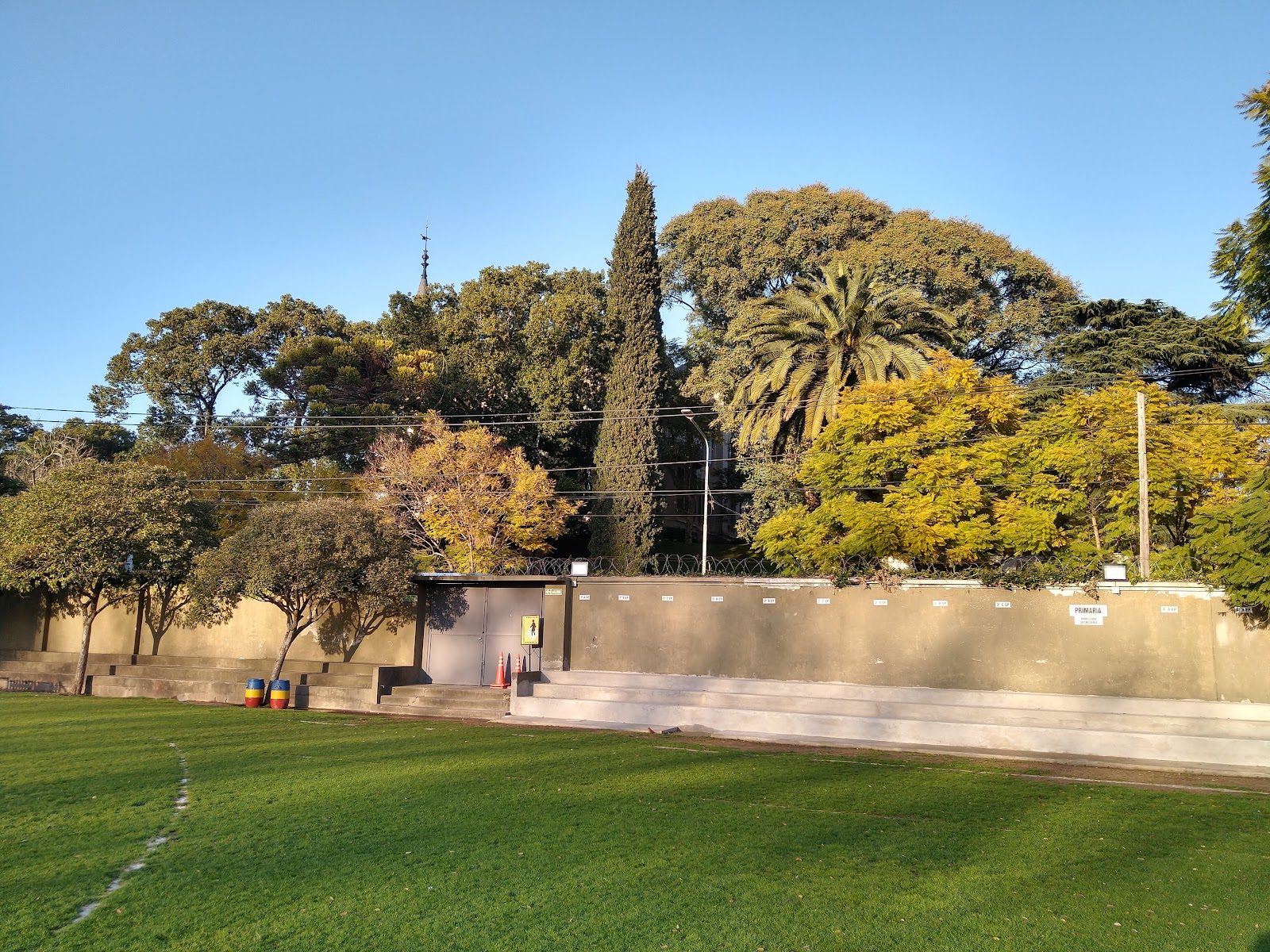
Colegio Michael Ham
Buenos Aires · Argentina
Inside a neo-Gothic castle on the Vicente Lopez barranca, nearly a century of girls-only schooling has just given way to coeducation.
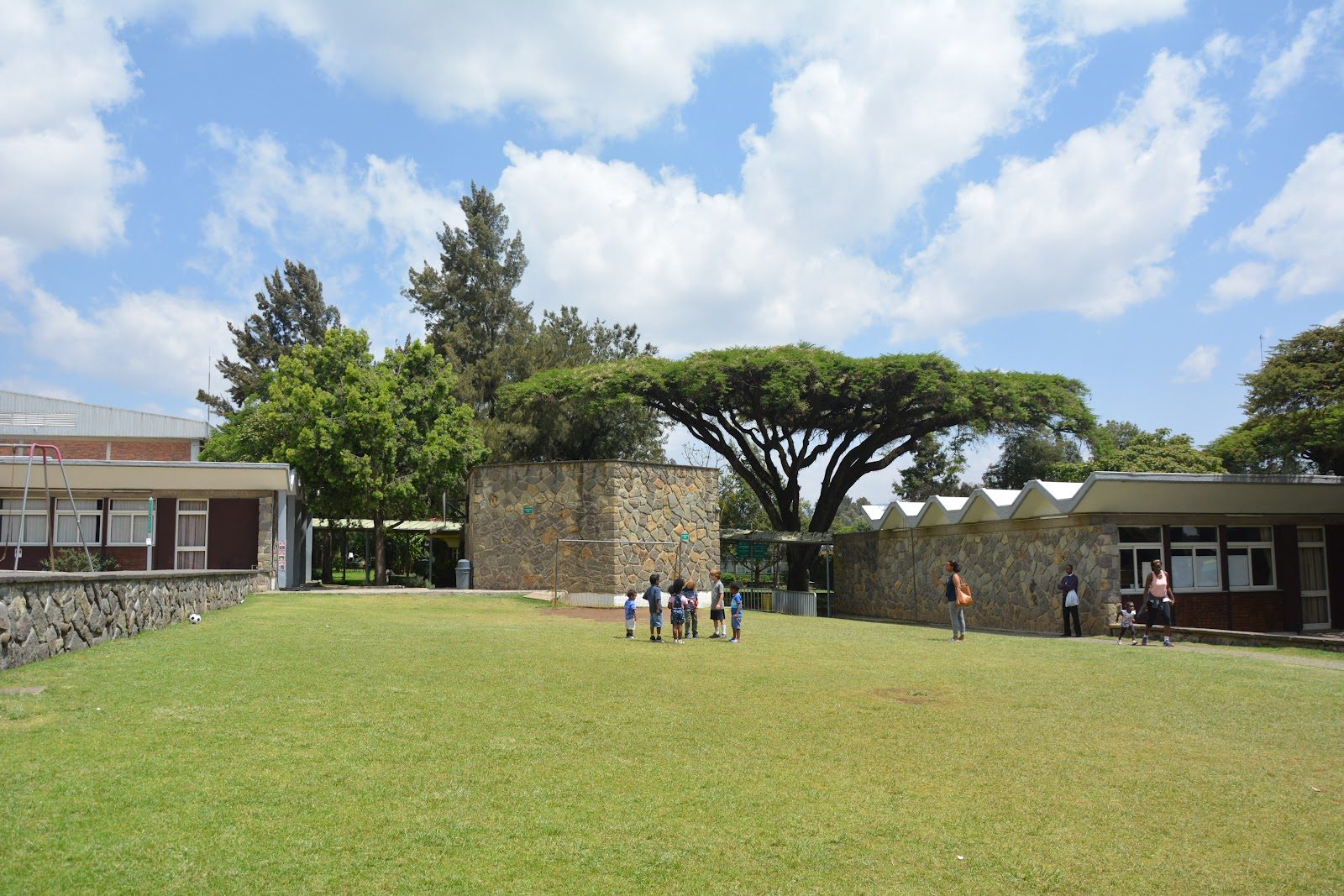
International Community School of Addis Ababa
Addis Ababa · Ethiopia
On land gifted by an emperor in Africa's diplomatic capital, its running track bears the name of Haile Gebrselassie
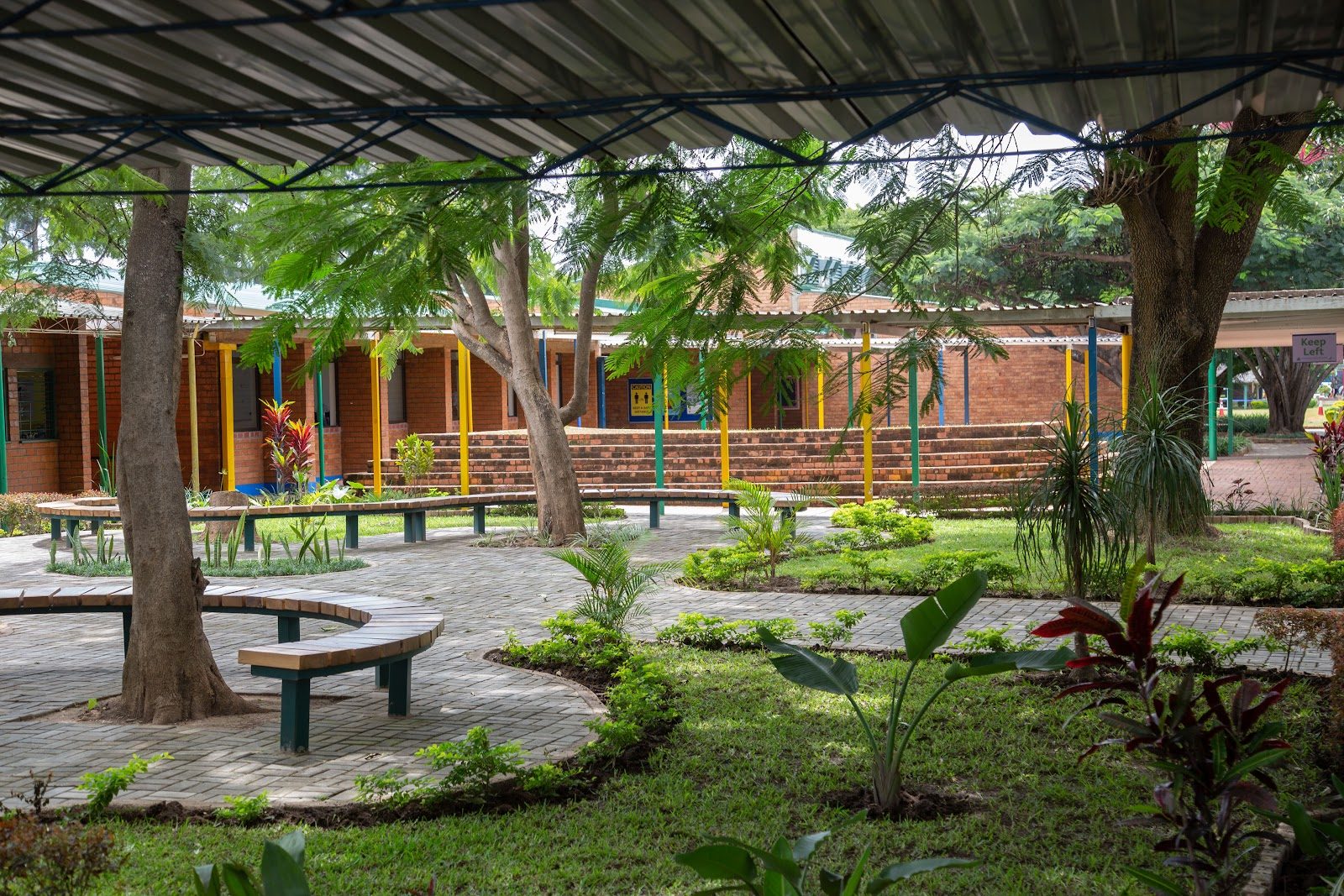
International School of Lusaka
Lusaka · Zambia
One of Africa's oldest international schools, running the full IB continuum with houses named for Zambia's rivers.
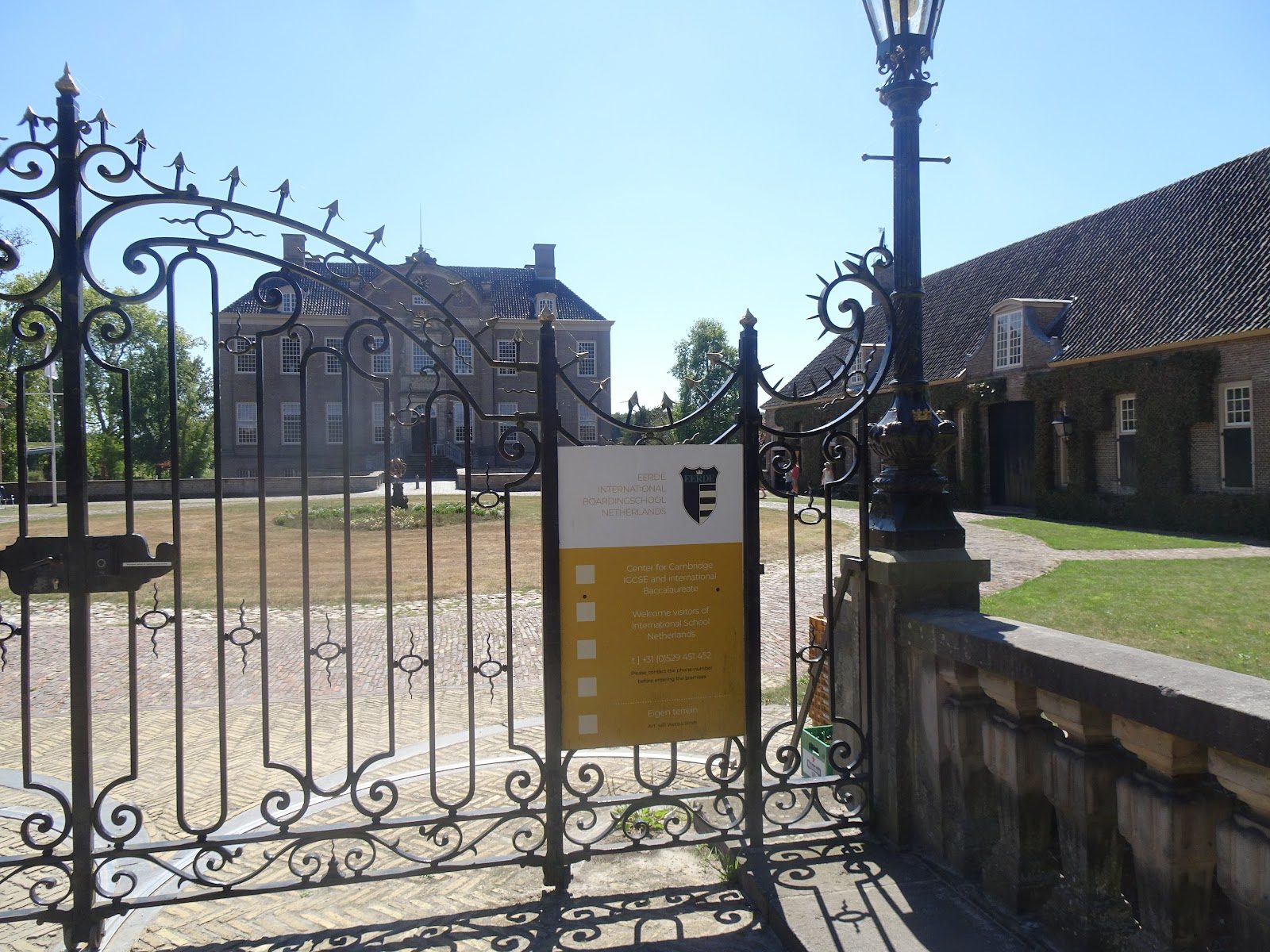
International School Eerde
Ommen · Netherlands
A moated 1715 castle that once sheltered Jewish refugee children now anchors an IB boarding community of 25-plus nationalities.
Same country and curriculum — closest matches within ±10 points either way