
Maryland
Bullis School
low confidence· 1/6 cats · 2.5 avg sourcesOn a 102-acre Potomac campus with its own accredited arboretum, entrepreneurship and STEM classrooms sit beside 32 varsity sports.
Type
Day
Ages
5–18
Curriculum
American
Qualifications
AP
Ratio
1:8
The Verdict
Editor's commitment
Right for
Families wanting a K–12 American day school on 102 acres, where STEM and entrepreneurship share billing with 32 varsity sports.
Wrong for
Anyone seeking boarding, religious formation or a niche specialist school; Bullis runs 5–18, non-religious, English-medium and unapologetically broad.
Watch out for
At an average $55,123 a year, Bullis charges premium-school money; NAIS membership is clear, but public academic outcomes are not.
Ranking breakdown
Bullis School · #1188 of 1591
Composite score 56.8. 8 weighted criteria.
By criterion
Academic Outcomes
Weight 20%
#900
of 1529 scored
University Placement
Weight 16%
#848
of 1529 scored
Prestige & Heritage
Weight 12%
#845
of 1571 scored
Alumni Network
Weight 12%
#1492
of 1530 scored
Facilities
Weight 12%
#799
of 1534 scored
Transparency & Communications
Weight 8%
#844
of 1532 scored
Peer & Industry Review
Weight 10%
#998
of 1548 scored
Admissions Selectivity & Demand
Weight 8%
#837
of 1529 scored
Peer & Industry Review
How Bullis School is regarded in the sector
65
Respected · medium confidence
Among Washington's cluster of elite day schools, Bullis is generally regarded by rival heads as a well-capitalised challenger rather than a peer of the oldest guard - Sidwell Friends, National Cathedral, St Albans and Georgetown Day continue to anchor most local 'top tier' conversations in regional outlets such as Washingtonian magazine's private-school coverage. University admissions officers and college coaches in the region know Bullis chiefly through athletic recruiting, especially basketball and lacrosse, where it has built a genuine Division I pipeline; this athletic profile features more prominently in coaching networks than in academic admissions discussions. Independent education press coverage is largely local rather than national, emphasising facilities investment and programme growth over academic distinction. Bullis does not yet feature in national or international league tables, and UK-oriented review platforms such as the Good Schools Guide or WhichSchoolAdvisor, which rarely cover US day schools, offer no assessment. Within NAIS and Beltway independent-school circles, it is discussed as an ambitious, resource-rich institution still building long-term academic reputation.
- Robert Ehrlich — Former Governor of Maryland, Politician
- Quinn Cook — NBA Player, Basketball
- Jerian Grant — NBA Player, Basketball
Editors' overview
Bullis has the sort of campus proposition that cuts through fast: 102 acres in Potomac, an accredited arboretum, and a programme that puts entrepreneurship and STEM rooms alongside 32 varsity sports. That combination matters. Plenty of American independents talk about whole-child education; Bullis gives it physical form. This is a K–12 day school, founded in 1930, with English as the language of instruction and a non-religious identity. Parents looking for a high-energy, broad-gauge American school, rather than a narrowly academic pressure cooker or a purely athletic machine, will understand the appeal at once.
What is special here is range with infrastructure behind it. The school’s own account stresses a demanding curriculum, supportive teachers, and a culture that expects students to question assumptions, take risks and learn from mistakes. That can read like boilerplate at weaker schools; at Bullis, the campus scale and the breadth of opportunity give it more weight. A child can move between academics, arts, athletics and service without feeling that one lane has swallowed the institution. The arboretum is not a decorative detail; it points to a school with room, resources and an interest in experiential learning beyond the classroom. The average annual day fee across the full K–12 ladder is $55,123, which places Bullis firmly in the expensive, top-tier day-school bracket for the Washington area.
Bullis belongs on a shortlist for families who want serious breadth and enough institutional confidence to let children try multiple identities before locking into one. It will suit students who are busy, curious and willing to participate, not children who want to drift anonymously through school. The athlete who also wants strong academics, the science-minded pupil who values performance or service, and the socially confident child who thrives in a connected day-school community all fit well here. It is less compelling for families who want a small, stripped-back academic enclave or a school with a single dominant specialism. Bullis sells abundance; for the right student, that abundance is the point.
Academic Performance
Bullis does not publish the core academic data a parent needs to judge external performance against peers: no school-wide SAT or ACT averages, no AP participation figures, no aggregate AP score profile, no matriculation breakdown by destination tier, and no comparative outcomes over time. That opacity matters. In the US independent-school market, strong college-prep schools that want academic results to carry weight publish at least some hard numbers. Bullis gives parents the language of challenge, growth and scholarly inquiry, but not the metrics that test those claims. That leaves its academic standing harder to place than it should be for a school charging an average of $55,123 a year. Relative to transparent Washington-area competitors, that is a clear weakness.
That does not make Bullis academically weak; it makes Bullis academically under-evidenced in public. The school’s own emphasis on a demanding curriculum, risk-taking and support points to a model that values engagement across the full programme rather than a results-obsessed exam culture. For some families, that is a strength. For others, especially those comparing selective day schools at the top end of the fee bracket, the absence of published external benchmarks is a material handicap. Bullis fits best in the peer group of broad, college-preparatory independents with substantial opportunities beyond the classroom, but on academic performance specifically, it does not give the market enough data to claim a front-rank position.
Facilities
Facilities are a genuine selling point here. The school has room to run an ambitious day-school programme without forcing every department to fight for scraps, and that matters. The standout assets are the specialist spaces for entrepreneurship and STEM, the arts-and-athletics infrastructure implied by the school’s breadth, and the campus landscape itself, which includes an accredited arboretum. That last detail is not cosmetic. Among American independent schools, plenty have handsome grounds; far fewer have outdoor space with enough identity and educational value to function as more than backdrop. The result is a campus that supports hands-on learning, high-participation school life and a busy, all-direction student experience in a way many urban or tighter suburban peers cannot match.
Against peer schools, Bullis sits in the well-resourced upper tier for physical plant. The headline count of 32 varsity sports points to a serious athletics setup, not an afterthought bolted onto academics, and schools that sustain that range need fields, training areas and scheduling capacity to back it up. Parents choosing between Washington-area independents will find stronger single-lane propositions elsewhere — schools with more overt academic gravitas, more theatrical polish, or a sharper sporting brand — but Bullis is harder to beat for sheer institutional range on one campus. The weakness is not the estate but the proof of how each facility is used at the highest level. The school advertises abundance clearly; it gives less hard public detail on output.
The school projects confidence and abundance, but it does not publish the hard academic outcome data that top-tier schools use to prove superiority
Prestige
Bullis carries real local prestige in the Washington-area independent-school market, but it does not sit in the tiny group of schools whose name alone settles the argument. Its reputation rests on breadth, visibility and resources rather than on a single overpowering academic or social signal. A campus of this scale, an accredited arboretum and 32 varsity sports create a school that many families will recognise fast: active, well-funded, high-participation, and built to offer a lot at once. That has status value. So does the price. An average annual fee of $55,123 places Bullis in the serious-money bracket, which narrows the field and shapes perception. For families who want an all-round American independent school with strong co-curricular muscle, Bullis has clear cachet.
The limit on that prestige is precision. The school projects confidence and abundance, but it does not publish the hard academic outcome data that top-tier schools use to prove superiority. That matters because prestige at this level splits in two: there is social and institutional standing, and there is academic authority. Bullis has the first in solid measure. It has not earned the second publicly with enough force. The result is a school with substantial market standing and genuine appeal, but not the automatic elite clout of the most academically transparent names. I rate its prestige as high, though not absolute: respected, desirable, and well known, without being unassailable.
Bullis is unique not because it is niche, but because it makes abundance coherent
Communications
Bullis communicates in the register many established American independents favour: warm, community-heavy, and relentlessly upbeat. The public-facing copy pushes connection, belonging, mentoring, challenge and opportunity with polished confidence. It gives parents a clear sense of the school’s culture and priorities, and it does that well. The message is consistent across the school’s own pages: this is a place that wants families to buy into an all-in, participatory model of school life, not a transactional academic service. For parents deciding on fit, that clarity helps. The school also makes practical outreach visible through its self-guided tour prompt, which signals a well-drilled admissions operation rather than a passive brochure site.
The weakness is substance. Bullis communicates ethos more effectively than evidence. Parents get plenty on values and student experience, but less on the hard operational and academic detail that supports expensive decision-making. We have not seen the kind of published benchmark data, performance breakdowns or sharply detailed outcomes that turn a confident narrative into a fully convincing one. That gap matters because strong communications at this fee level need two gears: emotional assurance and factual proof. Bullis has the first in abundance. The second is thinner than it should be for a school charging an average of $55,123 a year. Net result: slick, readable, reassuring communications, but not the most transparent.
Uniqueness
Bullis stands out for the way it combines scale, activity and permission to experiment. Many schools offer breadth as a slogan; Bullis builds it into daily life. A child here does not have to choose one identity early and defend it for the next decade. The school’s own language around questioning assumptions, taking risks and learning from mistakes points to a place that rewards movement between lanes rather than punishing it. That matters for students whose strengths are still forming. The draw is not only choice, but institutional licence to try things, fail in public, and return stronger. Add the accredited arboretum and the specialist spaces beyond standard classrooms, and Bullis has a distinctive practical streak: learning has room to leave the timetable grid.
The other point of difference is the school’s high-participation energy. With 32 varsity sports alongside arts, service and academic extension, Bullis caters well to students who want a full diary and enough adult support to keep that complexity manageable. That brings confidence, range and social fluency; it also produces a student body that has to engage rather than spectate. For the right child, that is liberating. For the wrong one, it is tiring. Bullis is unique not because it is niche, but because it makes abundance coherent. Students get more than polish: they get a school structure that treats curiosity, momentum and visible involvement as the main event.
Plenty of American independents talk about whole-child education; Bullis gives it physical form
Student Profile
Bullis suits the child who wants to do a lot, and be seen doing it. This is not a school for the quiet minimalist who wants to keep their head down, do the academic job and go home. The best fit is a student with visible appetite for school life: academically engaged, willing to join in, socially competent, and open to switching between different roles across the week. A sporty student will find plenty of oxygen here, but Bullis is not only for athletes. It also fits the pupil who wants science, performance, service and leadership all in one place, and who has the stamina to manage a full-throttle timetable. With 32 varsity sports in the mix, energy and participation carry real value.
Temperament matters as much as talent. Children who thrive in busy, high-contact communities will do well: those comfortable with adult attention, collaborative work and a culture that asks them to try, risk failure and try again. Bullis also works for late developers who do not want to lock into one identity too early. A child can be serious without being narrow here. The weaker fit is the student who needs anonymity, a hushed, scholarly enclave, or a school defined by one dominant tribe. Bullis rewards engagement, momentum and range. For the right child, that is freeing. For a more inward or low-participation student, it is hard work.
This is a K–12 day school, founded in 1930, with English as the language of instruction and a non-religious identity
Co-curricular strengths
Arts & sport, on a separate axis
Overall 9.28/10
Scored 0-10 from the school's own published evidence. This axis is editorial-only — it does not feed the main WTS ranking.
Sports
9.5/10
Absolute athletic powerhouse in the Southwest IAC league, utilizing state-of-the-art indoor pavilions, pools, and pristine turf layouts.
Drama
9.2/10
High-quality seasonal theater tracker staging complex, technically demanding productions inside the modern theater spaces.
Dance
9.2/10
Strong afternoon performance track providing core choreography assets for major collaborative musical theater shows.
Music
9.2/10
Robust private vocal and instrumental infrastructure feeding active jazz big bands and full symphonies.
Visual Arts
9.3/10
Studio-intensive fine arts focus housed within custom studio environments, prioritizing landscape painting and portfolio layout.
Strengths
- +Founded 1930; long-established independent school in Potomac.
- +American curriculum may suit US university preparation.
- +Non-religious setting suits secular international families.
- +School highlights athletics and STEAM programmes.
Considerations
- −Day school only; no boarding for overseas families.
- −English-only instruction may limit non-fluent applicants.
- −NAIS listed; no broader accreditation stated here.
Availability
Primary entry gate & tests
ISEE/SSAT + Interview
Parent reviews
Have you sent your child here?
Voice reviews carry the strongest trust badge — we transcribe them for you to tidy up before they go live. Prefer to type? A written review is fine too.
Add your voice
In 60 seconds, tell other parents: what's the best thing about Bullis School, and what surprised you when your child joined?
We ask for a Google sign-in so every review has a real face behind it — no anonymous drive-by attacks on schools, and no faked positive reviews. Your email is never shown publicly.
Send this profile to a friend
International parents rely on word-of-mouth. Share this review with someone weighing the same decision.
Schools with places
Similar schools to Bullis School with places available now.
Germantown Friends School
Philadelphia · United States
- 2026-27
- CLOSEDRegular cycle closed
- 2027-28
- OPENS SOONOpens Sept '26
Poly Prep Country Day School
Brooklyn · United States
- 2026-27
- CLOSEDRegular cycle closed
- 2027-28
- OPENS SOONOpens Sept '26
Marymount School of New York
New York City · United States
- 2026-27
- CLOSEDConfirmed full
- 2027-28
- PLACES OPENApplications opened 1 Aug '26
Boston University Academy
Boston · United States
- 2026-27
- CLOSEDRegular cycle closed
- 2027-28
- OPENS SOONOpens Sept '26
Availability first, then country, area, curriculum, price, co-curricular
Consider also
Also worth looking at alongside Bullis School.

Germantown Friends School
Philadelphia · United States
Rooted in an 1845 Quaker meeting in historic Germantown, where juniors design a month-long independent study of their own.
Poly Prep Country Day School
Brooklyn · United States
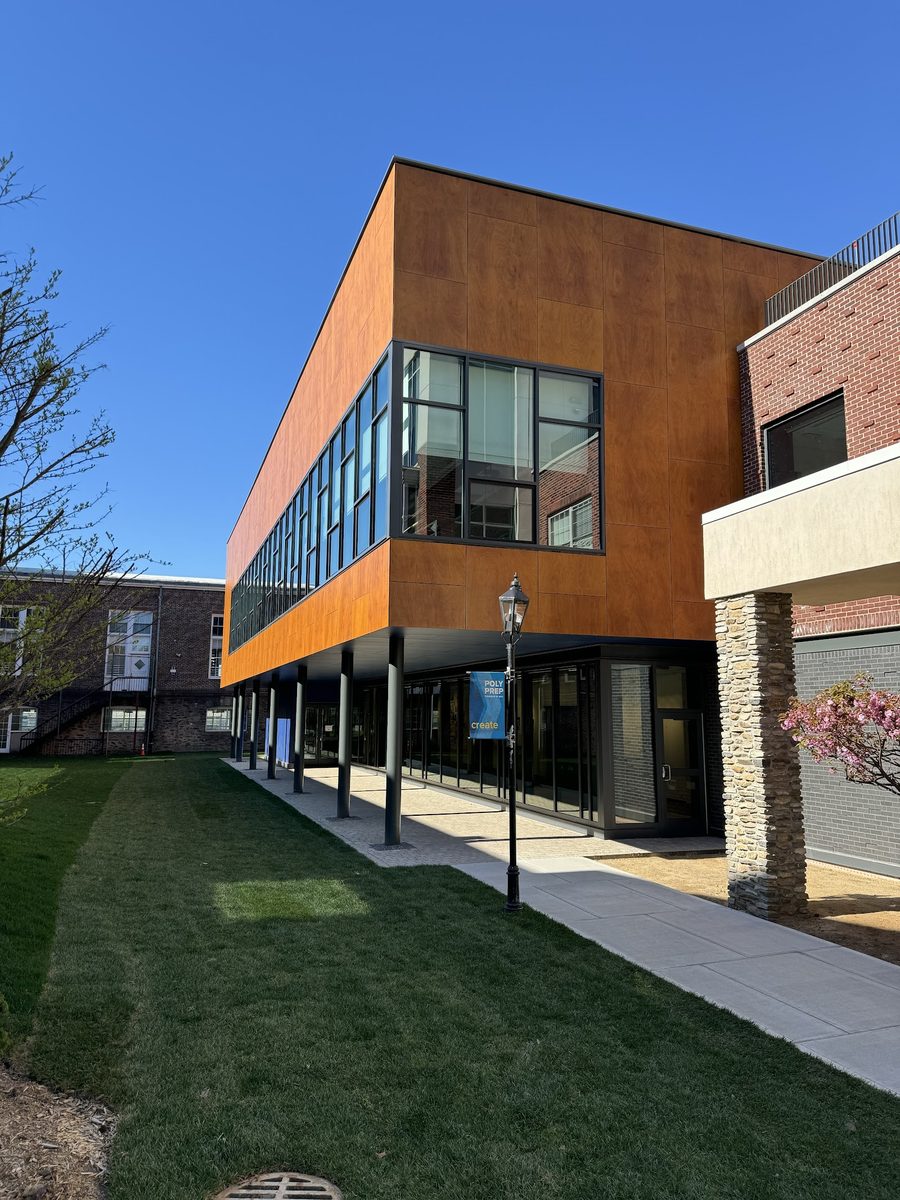
Founded in 1854 as Brooklyn's first boys' school, this day school pairs a Prospect Park mansion with a 25-acre Dyker Heights campus.
Marymount School of New York
New York City · United States
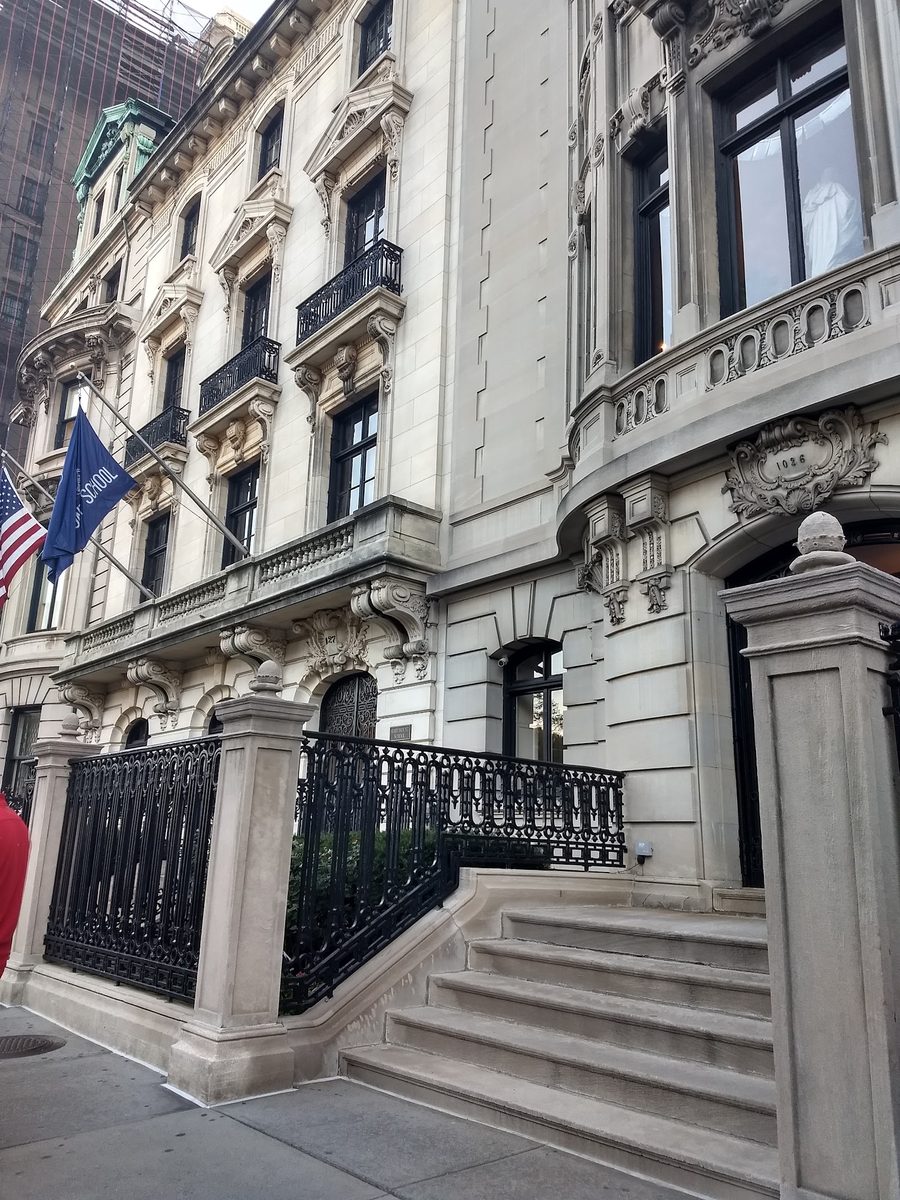
On Fifth Avenue, landmark mansions give way to Bloomberg terminals and classrooms inside the Met.
Boston University Academy
Boston · United States
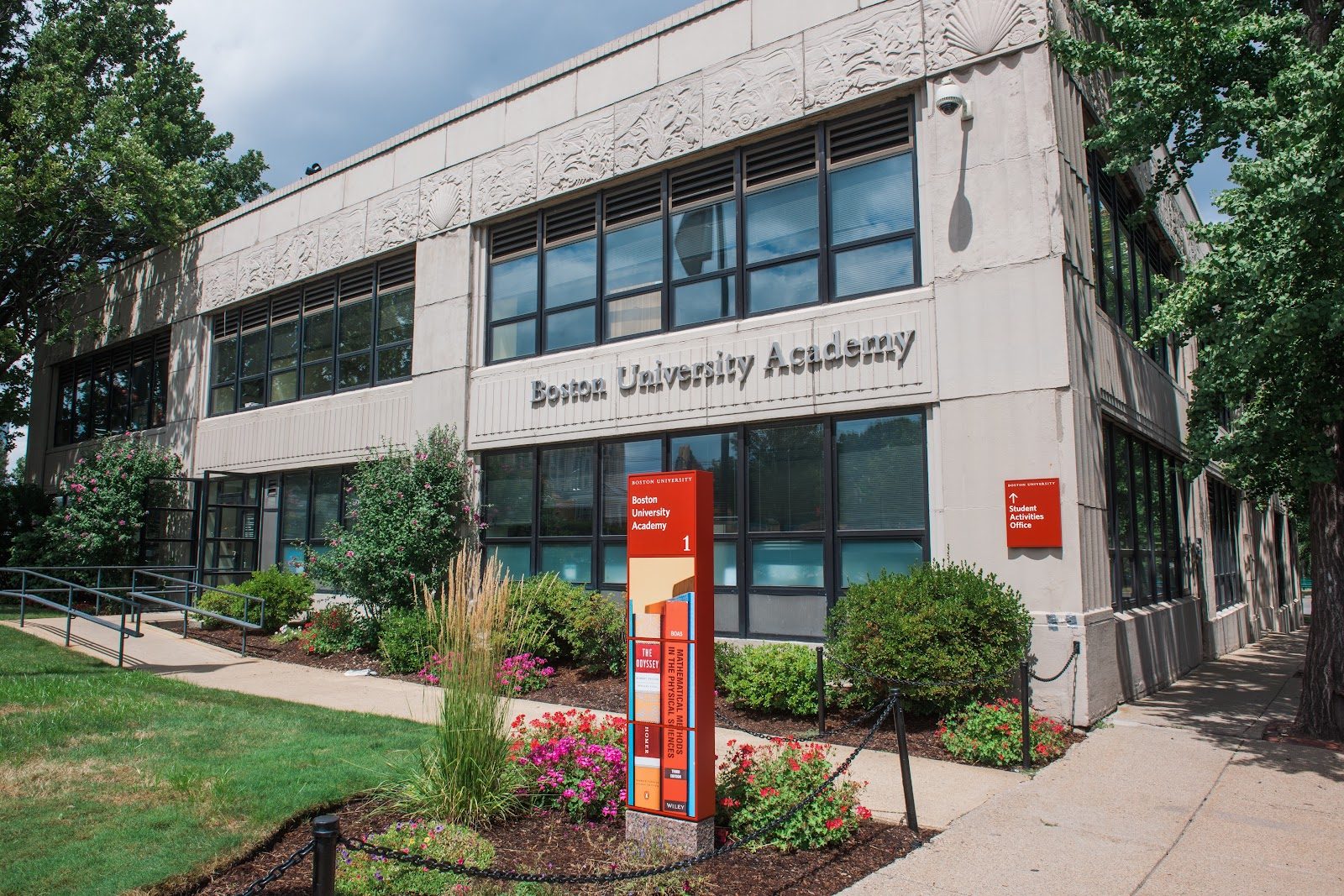
Upperclassmen trade study halls for Boston University lecture halls, banking college credit before graduation.
Same country and curriculum — closest matches within ±10 points either way