
California
Windward School
low confidence· 1/6 cats · 2 avg sourcesA teacher's pension birthed this Mar Vista campus, where a 7-to-1 ratio meets design-thinking rigor for college-bound Angelenos.
Type
Day
Ages
12–18
Curriculum
American
Qualifications
AP
Ratio
1:8
The Verdict
Editor's commitment
Right for
Los Angeles families wanting a non-religious, WASC-accredited day school, founded in 1971, with a 1:8 ratio and explicit college-prep intent.
Wrong for
Anyone needing boarding, religious formation, or a broad-through school: Windward is day-only, non-religious, American curriculum, and serves ages 12–18.
Watch out for
The 1:8 ratio and design-thinking rhetoric are attractive; the school does not publish exam outcomes here, so academic punch rests on trust.
Ranking breakdown
Windward School · #1241 of 1591
Composite score 56.8. 8 weighted criteria.
By criterion
Academic Outcomes
Weight 20%
#855
of 1529 scored
University Placement
Weight 16%
#848
of 1529 scored
Prestige & Heritage
Weight 12%
#904
of 1571 scored
Alumni Network
Weight 12%
#1497
of 1530 scored
Facilities
Weight 12%
#852
of 1534 scored
Transparency & Communications
Weight 8%
#842
of 1532 scored
Peer & Industry Review
Weight 10%
#998
of 1548 scored
Admissions Selectivity & Demand
Weight 8%
#760
of 1529 scored
Peer & Industry Review
How Windward School is regarded in the sector
65
Respected · medium confidence
Within Los Angeles's crowded independent-school market, Windward is increasingly mentioned in the same breath as Harvard-Westlake, Crossroads and Brentwood, though generally as the ascending challenger rather than the established leader -- a positioning reflected in local press round-ups such as Los Angeles Magazine's annual private-school coverage and consistently high Niche.com ratings. Its decision to drop AP coursework, taken alongside several elite California peers, has been read by admissions commentators as a marker of confidence rather than dilution, and its arts and music program draws specific note from families and counselors as a genuine differentiator. University admissions offices on the West Coast increasingly treat Windward transcripts as comparable in rigor to those of longer-established LA independents, though it has not yet accumulated the multi-generational alumni presence at Ivy League and elite liberal arts institutions that anchors its more famous rivals' reputations. Independent education press treats it as a serious, well-run school still building its national profile rather than a fixture of top-tier league tables.
- Jonah Hill — Actor, Film
- Nikki Reed — Actress, Film
- Zosia Mamet — Actress, Television
Editors' overview
Windward School occupies a strong niche in Los Angeles’ independent-school market: a non-religious, college-preparatory day school for ages 12–18 that pairs a small-scale classroom experience with an explicit emphasis on inquiry, communication and design thinking. Founded in 1971 by writer and teacher Shirley Windward, it now enrols around 650 students in Mar Vista and carries WASC accreditation. The operational draw is clear: a student–teacher ratio of 1:8 in a school of roughly 650 pupils offers access to adults without the social intensity of a tiny boutique school. This is a campus for families who want serious academic attention, high adult visibility and a culture that treats adolescence as a period for intellectual training, not just credential collection.
What distinguishes Windward is the precision of its stated graduate profile. The school does not hide behind vague talk of “whole child” development; it spells out the outcomes it wants: critical thinkers, effective communicators, resilient problem-solvers, inclusive leaders and ethical, culturally responsive citizens. The strongest thread is the repeated stress on questioning, research, iteration and original solutions. “Design thinkers” is not decorative language here; it signals a school that values process, revision and strategic problem-solving alongside conventional college-prep literacy. That gives Windward an edge for parents seeking disciplined curiosity, intellectual agility and a community where discussion, writing and collaborative work matter as much as test-ready content coverage.
It belongs on a shortlist because it offers a distinct blend that many schools claim and fewer execute: close teaching relationships, an inclusive ethos, and an academically ambitious framework without boarding-school theatrics or religious overlay. The school’s own language leans hard on wellness, empathy and cultural responsiveness, which tells parents that pastoral culture carries weight here. That matters in a city where some academically selective environments still trade too heavily on pressure and polish. Windward’s appeal rests in a more modern proposition: bright students pushed to think hard, speak clearly, work ethically and engage across difference.
The best fit is a student who wants to participate, not disappear. Windward suits articulate, reflective children who enjoy seminar discussion, sustained writing, collaborative projects and teachers who know them well. It will also suit students who respond to structure and feedback, then improve through revision. Families chasing old-school prestige signalling alone have stronger options elsewhere in Los Angeles. Families who want purposeful adolescence, thoughtful ambition and a school that takes both intellect and character seriously should pay attention.
Academic Performance
Windward does not publish the data that would let parents judge academic performance with confidence. We have not seen average SAT or ACT scores, AP participation or score distributions, matriculation breakdowns, or any year-on-year university outcomes beyond the broad college-preparatory claim. That absence matters. Among competitive independent schools in Los Angeles, serious academic operators disclose at least some hard measures: testing ranges, AP volumes, National Merit counts, or a college list with enough detail to show depth as well as brand-name wins. Windward leaves that record opaque. For a school selling intellectual rigour and close adult attention, the public-facing results picture is thinner than it should be.
That does not mean weak performance; it means undisclosed performance. The school’s published graduate profile points to strengths in research, writing, discussion, iteration and problem-solving, which fits families who value classroom substance over scoreboard theatre. Still, relative to peers, Windward sits in a less verifiable position because it asks parents to trust the programme without showing the external numbers. In editorial terms, that places it below the most transparent college-preparatory schools, and in a middle ground where reputation rests more on educational philosophy than published outcomes. For some families, that is acceptable. For parents who want clean comparative evidence before paying independent-school fees, it is a real weakness.
Facilities
Windward does not publish a detailed facilities inventory, floorplan, or specialist-space breakdown, and that limits hard comparison. What the school does make clear is its educational emphasis: discussion, research, writing, presentation, iteration and design thinking. That points to a campus built first for serious classroom work rather than spectacle. In market terms, that matters. Some Los Angeles independents advertise headline athletic complexes, theatres or sprawling grounds as a central part of the sell. Windward’s public case rests elsewhere: close teaching, intellectual exchange and a deliberately academic student experience. Parents looking for a campus that dazzles on acreage or grand infrastructure need sharper evidence before assuming Windward matches the best-equipped peers on physical plant alone.
Against direct competitors, then, the facilities proposition reads as functional rather than flashy. The small-school scale and low adult-to-student ratio — 1:8 — strengthen everyday access to classrooms, teachers and learning support, which many families value more than monumental buildings. But access is not the same thing as range. We have not seen published detail on laboratories, performing arts venues, maker spaces, sports provision or standout specialist centres, and that omission leaves Windward behind peers that document such assets clearly. The school’s educational model has intellectual coherence; its facilities story has less precision. For parents, the practical conclusion is simple: visit, inspect the teaching spaces closely, and test whether the campus feels fit for purpose rather than merely well-spoken for.
Windward holds real local standing in Los Angeles independent-school circles, but it does not sit in the city’s absolute top prestige tier
Prestige
Windward holds real local standing in Los Angeles independent-school circles, but it does not sit in the city’s absolute top prestige tier. Its reputation rests on educational seriousness, close teaching and a clear intellectual identity, not on inherited old-guard cachet, sporting mythology or a relentless parade of publicly advertised outcomes. That distinction matters. For families inside the market, Windward carries the signal of a thoughtful, academically credible school with a defined point of view. For families chasing the broadest name recognition, it has less social weight than the oldest and most publicly lionised competitors. Prestige here is *earned through programme design and culture*, not borrowed from legacy branding.
The school strengthens that standing through coherence. The graduate profile is unusually explicit: critical thinking, communication, resilience, leadership and ethical citizenship are treated as concrete expectations rather than decorative rhetoric. The low staffing ratio of 1:8 adds substance to that promise, because prestige in this segment comes from access to adults and serious classroom engagement, not scale for its own sake. Still, Windward weakens its case by withholding the hard academic data that top-tier schools use to prove their status. When a school does not publish testing profiles, score distributions or detailed university outcomes, its prestige stays qualified rather than commanding. The result is a school with solid professional esteem and a clear constituency, but not one with the undisputed market dominance of the city’s most elite names.
Still, Windward weakens its case by withholding the hard academic data that top-tier schools use to prove their status
Communications
Windward’s parent communications read as purposeful and values-led, but not richly evidenced. The school states its priorities with unusual clarity: intellectual challenge inside a nurturing, inclusive community, with graduates expected to think critically, communicate well, solve problems resiliently and act ethically across difference. That gives parents a strong sense of what the school wants their children to become. For many families, that kind of message discipline is reassuringly coherent. It also tells you that communications are not built around glossy prestige theatre; they are built around mission, culture and educational intent. The low adult-contact structure implied by the 1:8 ratio strengthens that case, because schools organised around close teacher knowledge tend to need regular, direct parent contact to function well.
Where Windward is weaker is in proof. The school communicates philosophy far better than it communicates outcomes, operational detail or measurable performance. We have not seen the level of published academic data, facilities detail or comparative evidence that would let parents test the school’s claims against results. That matters because effective communication is not just tone; it is disclosure. Windward handles the why of the school with striking precision. It handles the how well with less candour. For parents who value educational language, pastoral intent and a carefully articulated ethos, that works. For parents who want harder-edged transparency and regular public evidence of delivery, the communications model feels controlled, selective and more persuasive than informative.
Uniqueness
Windward’s distinctiveness lies in the way it defines success with unusual precision. Many schools talk about character, leadership and critical thinking in interchangeable slogans; Windward sets out a tightly drawn graduate profile that links intellectual habits to conduct. The language matters: students are expected to ask substantive questions, conduct research skilfully, communicate across different media, iterate through failed attempts, and act as “upstanders” against bias. That combination gives the school a clear educational spine. It is not selling polished confidence or generic “well-roundedness”; it is training adolescents to think, revise, discuss and take ethical responsibility seriously. For students, that brings a more exacting form of growth than schools where values language sits off to the side of academic life.
The second point of difference is structural. A low staffing ratio of 1:8 gives Windward the adult access needed to make that graduate profile more than rhetoric. A school that prizes discussion, revision, strategy and empathy needs teachers who know students closely enough to challenge weak thinking and support improvement. That matters for children who learn through feedback rather than performance theatre. It also suits students who thrive in classrooms where participation counts and intellectual passivity does not. The result is a deliberately high-contact, process-driven education: strong for reflective, articulate teenagers, less suited to those who want anonymity, looser expectations, or a school identity built on status display rather than daily academic craft.
Windward’s distinctiveness lies in the way it defines success with unusual precision
Student Profile
Windward suits students who want to be known, challenged and expected to contribute. The school’s own language points to a child who can handle discussion, questioning and revision without treating every setback as a crisis. This is a place for pupils who will speak up in class, listen closely, write with care and keep reworking an idea until it improves. The emphasis on critical thinking, research, communication and resilient problem-solving makes the best fit clear: intellectually engaged adolescents who do not want to coast. The low staffing ratio of 1:8 sharpens that further. In a school built around close adult attention, quiet disengagement is harder to hide. For the right student, that feels bracing, serious and deeply developmental.
Socially, Windward fits students who can function in an inclusive community where empathy, ethical conduct and cross-cultural awareness are treated as real expectations rather than decorative language. Children who enjoy collaborative work, thoughtful dialogue and a culture with moral vocabulary will do well. Students drawn to status performance, social anonymity or a narrow marks-first mentality will find the fit weaker. So will those who resist feedback or prefer schools where ambition is expressed through public swagger. Windward reads as strongest for reflective, articulate teenagers with good intellectual stamina, sound emotional ballast and a willingness to engage across difference, not just achieve beside it.
Founded in 1971 by writer and teacher Shirley Windward, it now enrols around 650 students in Mar Vista and carries WASC accreditation
Co-curricular strengths
Arts & sport, on a separate axis
Overall 9.22/10
Scored 0-10 from the school's own published evidence. This axis is editorial-only — it does not feed the main WTS ranking.
Sports
8.8/10
Highly competitive independent tracking, balancing intensive academic rigor with strong basketball, soccer, and tennis squads.
Drama
9.3/10
The state-of-the-art arts complexes anchor an ambitious dramatic tracking program, mounting complex classical and modern plays.
Dance
9.4/10
Highly dedicated formal dance curriculum running modern, jazz, and classical composition inside custom studios.
Music
9.3/10
Robust private vocal and instrumental infrastructure feeding active jazz big bands and chamber ensembles.
Visual Arts
9.3/10
Sun-drenched studio spaces running advanced design pipelines, ceramics, and photography to clear elite portfolios.
Strengths
- +American college-preparatory curriculum in English.
- +Ages 12–18 focus suits secondary-only families.
- +Progressive Los Angeles day school with arts emphasis.
- +NAIS accreditation offers recognised independent-school governance.
Considerations
- −Day-only format; no boarding for international families.
- −Non-religious ethos may not suit faith-based preferences.
- −Secondary-only school; no provision below age 12.
Availability
Primary entry gate & tests
ISEE/SSAT + Interview
Parent reviews
Have you sent your child here?
Voice reviews carry the strongest trust badge — we transcribe them for you to tidy up before they go live. Prefer to type? A written review is fine too.
Add your voice
In 60 seconds, tell other parents: what's the best thing about Windward School, and what surprised you when your child joined?
We ask for a Google sign-in so every review has a real face behind it — no anonymous drive-by attacks on schools, and no faked positive reviews. Your email is never shown publicly.
Send this profile to a friend
International parents rely on word-of-mouth. Share this review with someone weighing the same decision.
Schools with places
Similar schools to Windward School with places available now.
Head-Royce School
Oakland · United States
- 2026-27
- CLOSEDRegular cycle
- 2027-28
- OPENS SOONOpens Sept '26
The Webb Schools
Claremont · United States
- 2026-27
- CLOSEDRegular cycle closed
- 2027-28
- PLACES OPENPortal live
The Branson School
Ross · United States
- 2026-27
- CLOSEDRegular cycle
- 2027-28
- OPENS SOONOpens Sept '26
Crystal Springs Uplands School
Hillsborough · United States
- 2026-27
- CLOSEDRegular cycle
- 2027-28
- OPENS SOONOpens Sept '26
Availability first, then country, area, curriculum, price, co-curricular
Consider also
Also worth looking at alongside Windward School.

Germantown Friends School
Philadelphia · United States
Rooted in an 1845 Quaker meeting in historic Germantown, where juniors design a month-long independent study of their own.
Poly Prep Country Day School
Brooklyn · United States
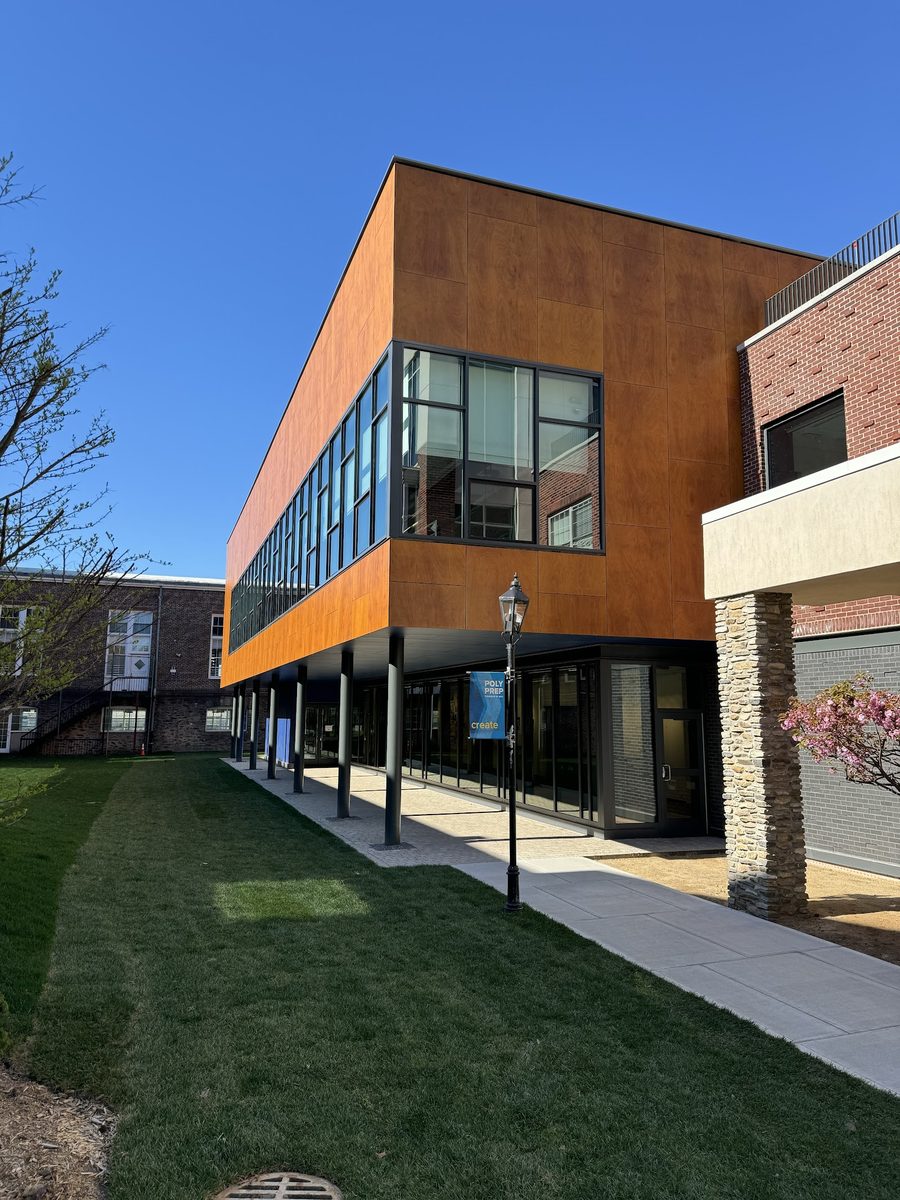
Founded in 1854 as Brooklyn's first boys' school, this day school pairs a Prospect Park mansion with a 25-acre Dyker Heights campus.
Marymount School of New York
New York City · United States
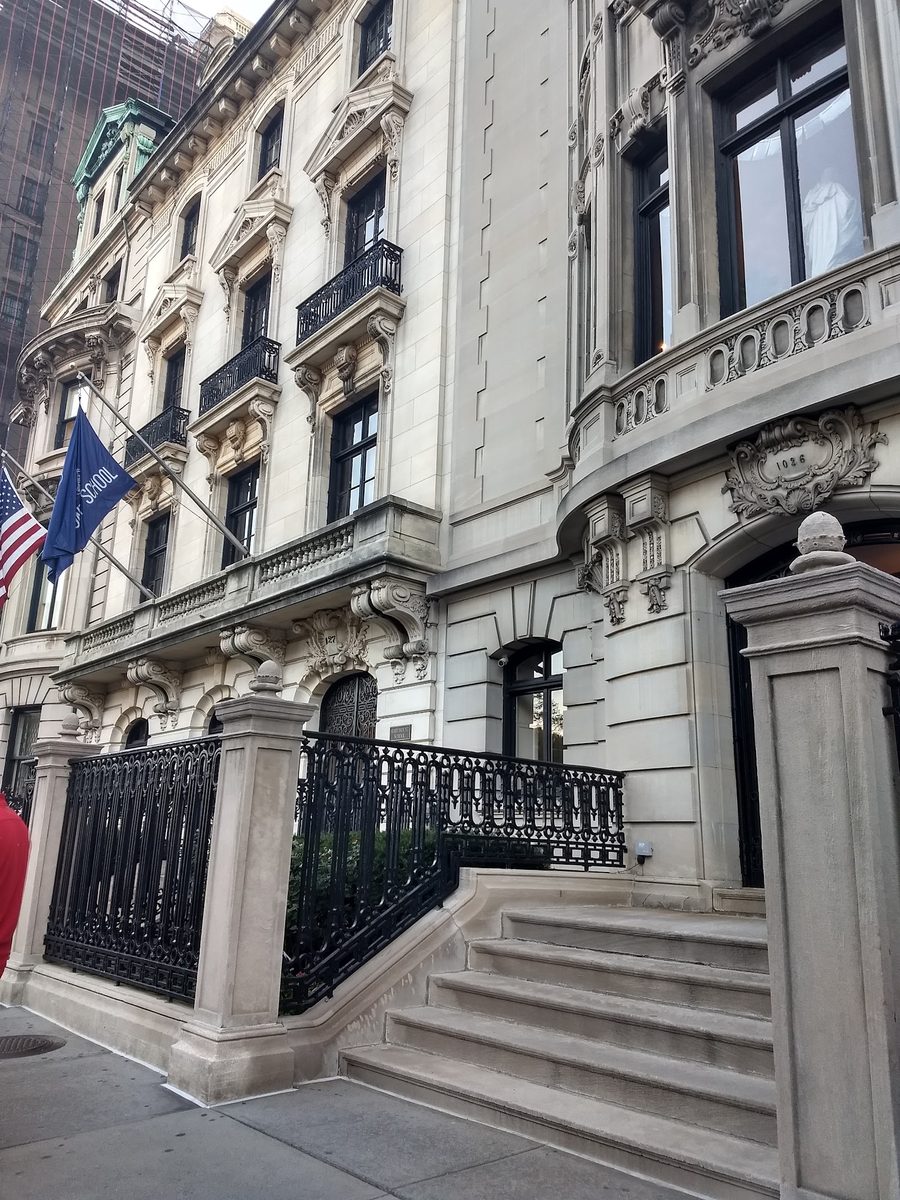
On Fifth Avenue, landmark mansions give way to Bloomberg terminals and classrooms inside the Met.
Boston University Academy
Boston · United States
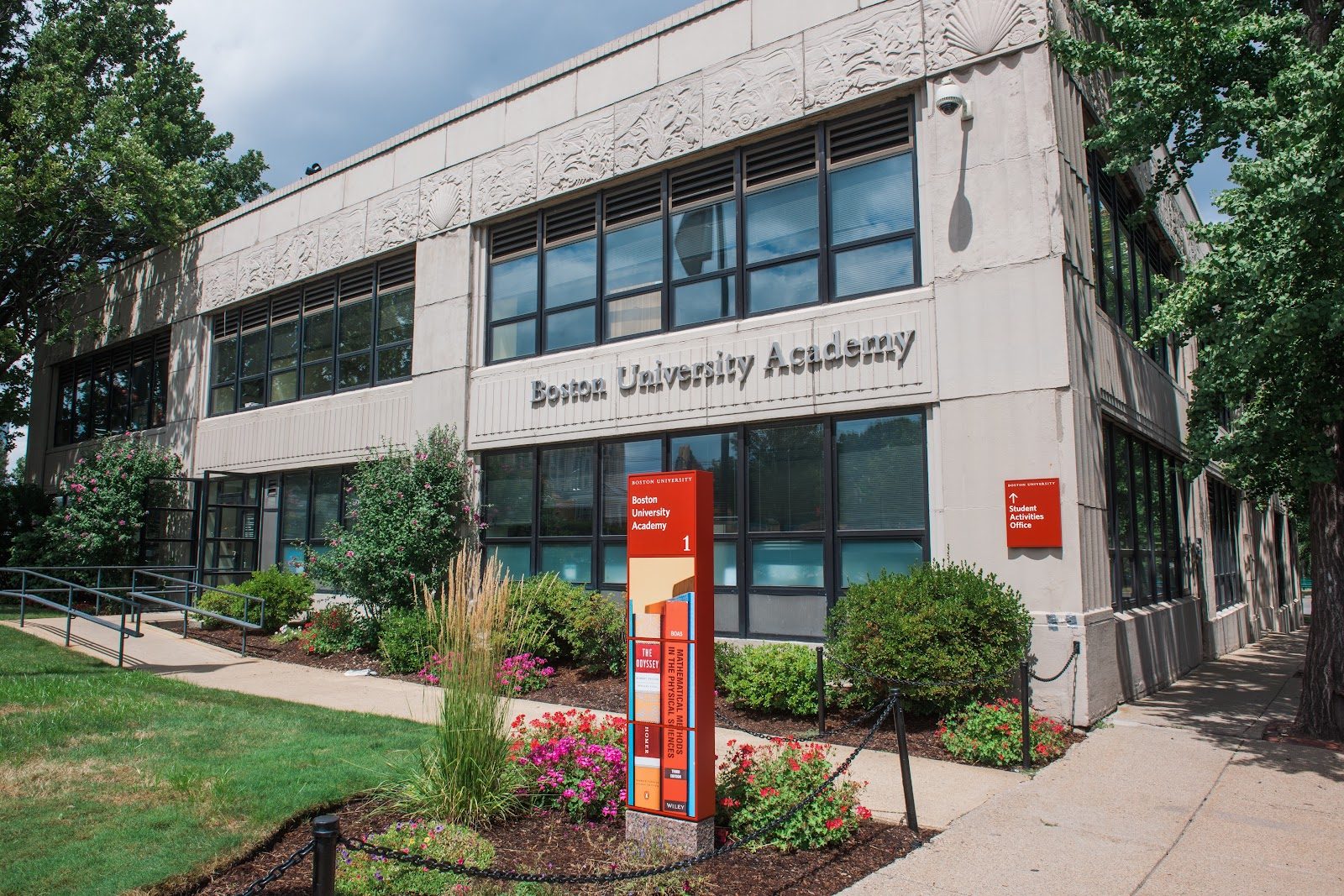
Upperclassmen trade study halls for Boston University lecture halls, banking college credit before graduation.
Same country and curriculum — closest matches within ±10 points either way