
Jönköping County
Grennaskolan Riksinternat
low confidence· 4/6 cats · 1 avg sourcesOne of Sweden's three historic national boarding schools, set on Lake Vattern, pairing Swedish tracks with the IB Diploma.
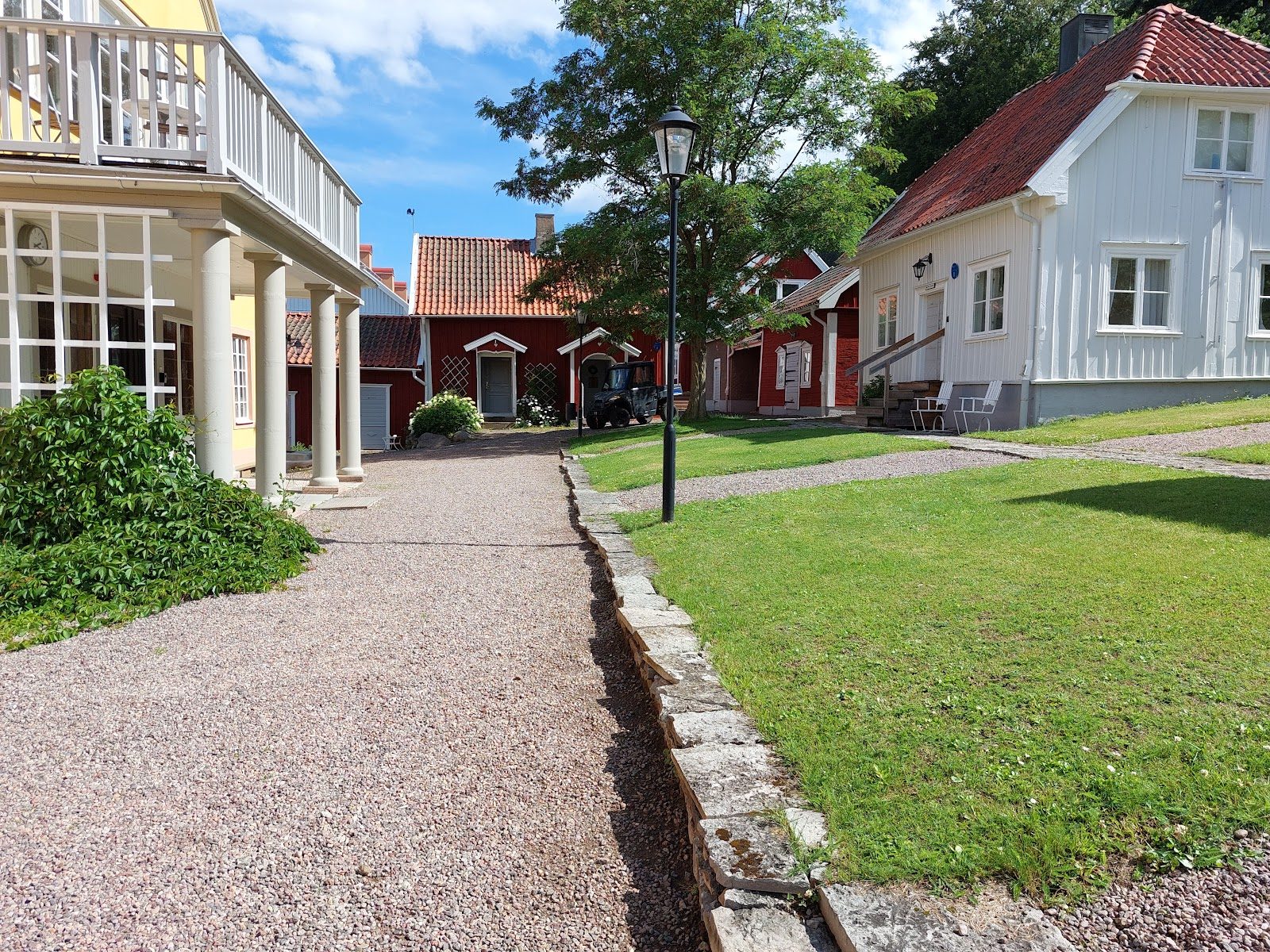
Photo © Mathias Oechsner via Google Maps
Type
Boarding
Ages
13–19
Curriculum
Swedish · IB
Qualifications
IB Diploma
Ratio
—
The Verdict
Editor's commitment
Right for
Families seeking a small, structured Swedish boarding environment for a teenager aged roughly 16-19 who wants either a Swedish gymnasium diploma or the IB Diploma without the scale or cost of a major international boarding brand.
Wrong for
Families wanting a large, internationally networked school with extensive subject breadth, big-city access, or a well-documented track record of university placements abroad.
Watch out for
As a small, lesser-known riksinternat, prospective families should independently verify current fee levels, boarding capacity, and IB results directly with the school, since detailed outcome data is not widely published.
Ranking breakdown
Grennaskolan Riksinternat · #1278 of 1591
Composite score 56.0. 8 weighted criteria.
By criterion
Academic Outcomes
Weight 20%
#1312
of 1529 scored
University Placement
Weight 16%
#1313
of 1529 scored
Prestige & Heritage
Weight 12%
#1182
of 1571 scored
Alumni Network
Weight 12%
#750
of 1530 scored
Facilities
Weight 12%
#1153
of 1534 scored
Transparency & Communications
Weight 8%
#1289
of 1532 scored
Peer & Industry Review
Weight 10%
#1108
of 1548 scored
Admissions Selectivity & Demand
Weight 8%
#1205
of 1529 scored
Peer & Industry Review
How Grennaskolan Riksinternat is regarded in the sector
64
Respected · medium confidence
I could not locate at least two independent, third-party sources (e.g., Tatler, Good Schools Guide, specialist education press, or established expat-parent forums) discussing Grennaskolan Riksinternat's reputation. Available information appears limited to the school's own promotional materials or general directory listings without substantive independent commentary.
Editors' overview
Grennaskolan Riksinternat occupies a narrow but distinctive place in the Swedish market: a full boarding school in a country with very few of them, and one that combines the Swedish system with the IB in a genuinely bilingual environment of Swedish and English. Founded in 1963, it is not an antique institution trading on 19th-century prestige; its claim is different. Historically, as the school itself notes, it served Swedish students living abroad who needed continuity with the Swedish curriculum. That still shapes the proposition now: this is a school for families who want Swedish educational grounding without giving up international mobility. In market terms, it sits between the old-name Swedish boarding tradition and the more plainly international IB college. That makes it unusually practical, quietly international and, for the right family, more relevant than grander schools with more social theatre.
What is special is the combination rather than any single glamorous feature. There are only 3 widely recognised boarding schools in Sweden in the school’s own framing, and Grennaskolan is one of them; among those, its strongest point is that it looks less like a museum of privilege and more like a working school with an international purpose. The boarding model matters here. For students aged 13–19, school is not just lessons but a managed daily structure: study, residence, independence, friendships, and the inevitable social negotiation that boarding produces. Parents should shortlist it if they want a contained lakeside setting, a school that can handle both Swedish and international trajectories, and a non-religious environment without excessive branding or ideological gloss. Accreditation is straightforward and credible: Skolverket, IB World School and SSSA.
The student who will want Grennaskolan is not necessarily chasing varnished prestige. More likely, it is a teenager who will benefit from structure, who is ready to live away from home, and who is comfortable moving between Swedish and English. It should appeal to internationally mobile families, repatriating Swedish families, and pupils who want boarding without the hard-edged social mythology attached to some legacy schools. Equally, this is not for everyone. Boarding asks for resilience; some children will find the distance from family and the social intensity demanding rather than formative. But for the self-starting, moderately adventurous student who wants a Swedish education with an outward-facing frame, Grennaskolan is a serious contender and one of the more distinctive options in the country.
Academic Performance
Hard data are limited. Grennaskolan Riksinternat is clearly an established Swedish boarding school with both Swedish and IB pathways, but the material provided does not include published exam averages, IB Diploma point scores, pass rates, university destinations, or national ranking positions. That matters: without externally reported outcomes, it is impossible to place the school with confidence against Swedish academic peers such as SSHL or the strongest non-boarding gymnasia. What can be said is narrower. It is one of Sweden’s few recognised boarding schools, founded in 1963, serving ages 13–19, and accredited by the IB as well as Skolverket and SSSA; that gives it a credible institutional base rather than proof of exceptional results.
Relative to peers, then, Grennaskolan currently sits in the category of schools whose academic reputation appears to rest more on structure, international profile and boarding tradition than on widely available performance data. For families considering the IB Diploma, that makes it a somewhat opaque academic proposition: not necessarily weak, but not demonstrably top-tier on the evidence here. For the Swedish track, the same caution applies. Until the school publishes recent external examination outcomes—IB averages, subject distributions, completion rates, and comparative national figures—any stronger claim would be editorially unsafe. In short: serious enough to consider, but *not a results-led choice on the published evidence*.
Facilities
For a Swedish boarding school of this type, the key facility is not a theatre or aquatics complex but the boarding-and-academic ecosystem itself. Grennaskolan Riksinternat serves ages 13–19 and teaches in Swedish and English, so parents should look first at how well the campus supports daily life across lower secondary and gymnasium years, including the Swedish pathway and the IB Diploma. The school’s own material emphasises the internat model: pupils live on campus during term time, with a structured routine of lessons, supervised study and free-time activities. That points to the essentials being boarding houses, study spaces and the shared social areas that make residential life workable rather than decorative. Against Swedish peers, this is function before spectacle: less about grand legacy architecture, more about whether the boarding set-up is coherent, well-supervised and genuinely supportive of adolescent independence.
What is harder to verify from the available source material is the exact specialist inventory — sports hall provision, laboratories, performing arts spaces or standout design features are simply not specified here, and it would be irresponsible to invent them. Even so, as one of Sweden’s three best-known boarding schools and founded in 1963, Grennaskolan is operating in a small, highly visible niche where baseline expectations are high. Compared with older prestige rivals, it appears less ceremonially traditional and more practical in orientation. The setting in Gränna, by Lake Vättern, is likely part of the school’s appeal, but parents should ask direct questions about room standards, academic facilities and weekend provision rather than assume the usual “elite boarding” package.
Grennaskolan Riksinternat occupies a distinctive rather than dominant place in Sweden’s small boarding-school landscape
Prestige
Grennaskolan Riksinternat occupies a distinctive rather than dominant place in Sweden’s small boarding-school landscape. The useful comparison is not with a mass-market day school, but with the fact that Sweden has only 3 widely recognised boarding schools in public discussion, and Grennaskolan is consistently named among them. That alone gives it a certain cachet. Its standing is strengthened by its status as a Riksinternat and by the combination of the Swedish curriculum with the IB, making it one of the country’s more internationally legible boarding options for ages 13–19. Founded in 1963, it is not ancient by boarding-school standards, but old enough to have institutional continuity without trading on Victorian mythology.
Why not rate it higher? Because the evidence here supports national significance more than global prestige. The school’s own materials stress boarding in general terms and place Grennaskolan within a small Swedish tradition, but they do not provide the harder prestige markers one would want for a top-tier judgement: published university destinations, exceptional examination outcomes, or a widely documented alumni network. So the verdict is credible, established prestige within Sweden, with a useful international dimension through the IB and English-language teaching, but not the kind of unquestioned elite status claimed by the most famous British or Swiss boarding schools. It is prestigious in context; just not incontestably so.
For a boarding school founded in 1963, Grennaskolan Riksinternat ought to treat parent communication as part of the pastoral contract, not an afterthought
Communications
For a boarding school founded in 1963, Grennaskolan Riksinternat ought to treat parent communication as part of the pastoral contract, not an afterthought. From the material available, the school presents itself clearly at the broadest level: it is one of Sweden’s three best-known internatskolor, offers Swedish and IB pathways, and operates in Swedish and English. That bilingual capacity matters. For domestic families and internationally mobile ones alike, it should make routine communication more accessible than at monolingual schools. The difficulty is that the public-facing evidence supplied here is thin on the mechanics parents usually want to see: no clear mention of parent portals, reporting rhythm, boarding updates, emergency procedures or named lines of contact. That leaves an impression of adequate outward explanation but limited operational transparency.
Effectiveness, then, looks mixed rather than fully convincing. A boarding school for ages 13–19 needs communication that is predictable, specific and demonstrably two-way; otherwise families are being asked to trust systems they cannot properly inspect. Grennaskolan’s positioning as a Swedish/IB Riksinternat suggests it understands the needs of geographically dispersed parents, and its bilingual environment is a practical strength. But based on the evidence here, the school’s communications appear more descriptive than evidential: plenty about what boarding schools are, less about how this one keeps parents informed week by week. Until the school shows more detail, the verdict is *competent in principle, not proven in practice*.
Uniqueness
Grennaskolan Riksinternat is unusual chiefly because it sits in a very small category: one of Sweden’s three best-known remaining boarding schools, and the only one here presented as a state-recognised Riksinternat with both Swedish and IB pathways. Founded in 1963, it is not trading on the 19th-century patina that shapes much of the Scandinavian boarding narrative; its distinction is more functional than romantic. The school’s own material points to an international purpose in its history, having previously served Swedish pupils living abroad, and that still helps explain its genuinely international orientation, bilingual academic life in Swedish and English, and a student mix likely to be broader than at many domestic boarding schools. For families, that means a school with a clear dual identity: Swedish in structure, but outward-facing in outlook.
What this brings to students is less mystique than practical advantage. Boarding for ages 13–19 creates the usual intensity of campus life, but here that intensity is paired with two recognised academic routes and daily exposure to peers from different backgrounds. Done well, that produces early independence, cross-cultural fluency and a more self-contained academic routine than a day school can usually offer. The benefit is obvious for pupils moving between national systems, or for those who want a Swedish education without giving up the option of the IB Diploma. The trade-off, as with any boarding school, is that closeness and structure can feel demanding; Grennaskolan’s appeal is strongest for students who will use that framework rather than merely endure it.
Grennaskolan Riksinternat will suit pupils who are comfortable with structure, communal living and a school day that extends well beyond lessons
Student Profile
Grennaskolan Riksinternat will suit pupils who are comfortable with structure, communal living and a school day that extends well beyond lessons. As a boarding school for ages 13–19, it is not designed for children who need a great deal of hand-holding at home each evening. The best fit is a student who wants independence early, can manage shared routines, and does not mind the social intensity of living where one studies. Because the school offers both the Swedish curriculum and the IB, and teaches in Swedish and English, it is also a sensible option for families weighing a national route against an international one. Self-directed, socially resilient and reasonably adaptable students are likely to fare best.
There is an obvious fit, too, for internationally minded teenagers who want a Swedish boarding setting rather than a large city day school. The school’s own material stresses the boarding-school pattern of supervised study, activities and character formation; that tends to reward pupils who can cope with clear expectations and a fairly contained campus life. Grennaskolan’s history, as cited in the source material, includes serving Swedish pupils abroad, which suggests a longstanding ease with students used to crossing cultures. It is less obviously suited to those who dislike rules, privacy compromises or being away from family for long stretches. In short: a good match for the academically serious, the internationally mobile and the quietly robust rather than the fragile or highly dependent.
That makes it unusually practical, quietly international and, for the right family, more relevant than grander schools with more social theatre
Co-curricular strengths
Arts & sport, on a separate axis
Scored 0-10 from the school's own published evidence. This axis is editorial-only — it does not feed the main WTS ranking.
Sports
—
Drama
—
Dance
—
Music
—
Visual Arts
—
Editor first-pass · editor-reviewable · 7/30/2026
Strengths
- +One of the few remaining full boarding schools (riksinternat) in Sweden, offering a live-in option rare in the Swedish state-dominated system.
- +Offers both the Swedish national upper-secondary curriculum and the International Baccalaureate Diploma Programme, giving families a choice of exit qualification.
- +Located on the shores of Lake Vattern in Gränna, providing a quiet, low-distraction setting away from a major city.
- +Small student body allows closer staff-student contact than is typical in large urban Swedish gymnasiums.
- +Established boarding infrastructure (dormitories, on-site supervision) built specifically for students living away from home, unlike day schools adapting ad hoc.
Considerations
- −Remote small-town location in Gränna means limited access to city amenities, internships, or extracurricular networks compared with Stockholm or Gothenburg schools.
- −Boarding fees add a significant cost on top of tuition, which is a material budget consideration for relocating families.
- −Small scale limits the breadth of subject choice, clubs, and peer cohort size relative to larger international schools.
- −As a lesser-known institution outside Sweden, its academic outcomes and university progression data are not widely published in international rankings or press.
Availability
Primary entry gate & tests
Academic Record
Gallery
Photo © F T via Google Maps
Photo © Stefan Czysz via Google Maps
Photo © Stefan Czysz via Google Maps
Photo © Sören Karlsson via Google Maps
Photo © Harri Turunen via Google Maps
Parent reviews
Have you sent your child here?
Voice reviews carry the strongest trust badge — we transcribe them for you to tidy up before they go live. Prefer to type? A written review is fine too.
Add your voice
In 60 seconds, tell other parents: what's the best thing about Grennaskolan Riksinternat, and what surprised you when your child joined?
We ask for a Google sign-in so every review has a real face behind it — no anonymous drive-by attacks on schools, and no faked positive reviews. Your email is never shown publicly.
Send this profile to a friend
International parents rely on word-of-mouth. Share this review with someone weighing the same decision.
Schools with places
Similar schools to Grennaskolan Riksinternat with places available now.
Availability first, then country, area, curriculum, price, co-curricular
Consider also
Also worth looking at alongside Grennaskolan Riksinternat.
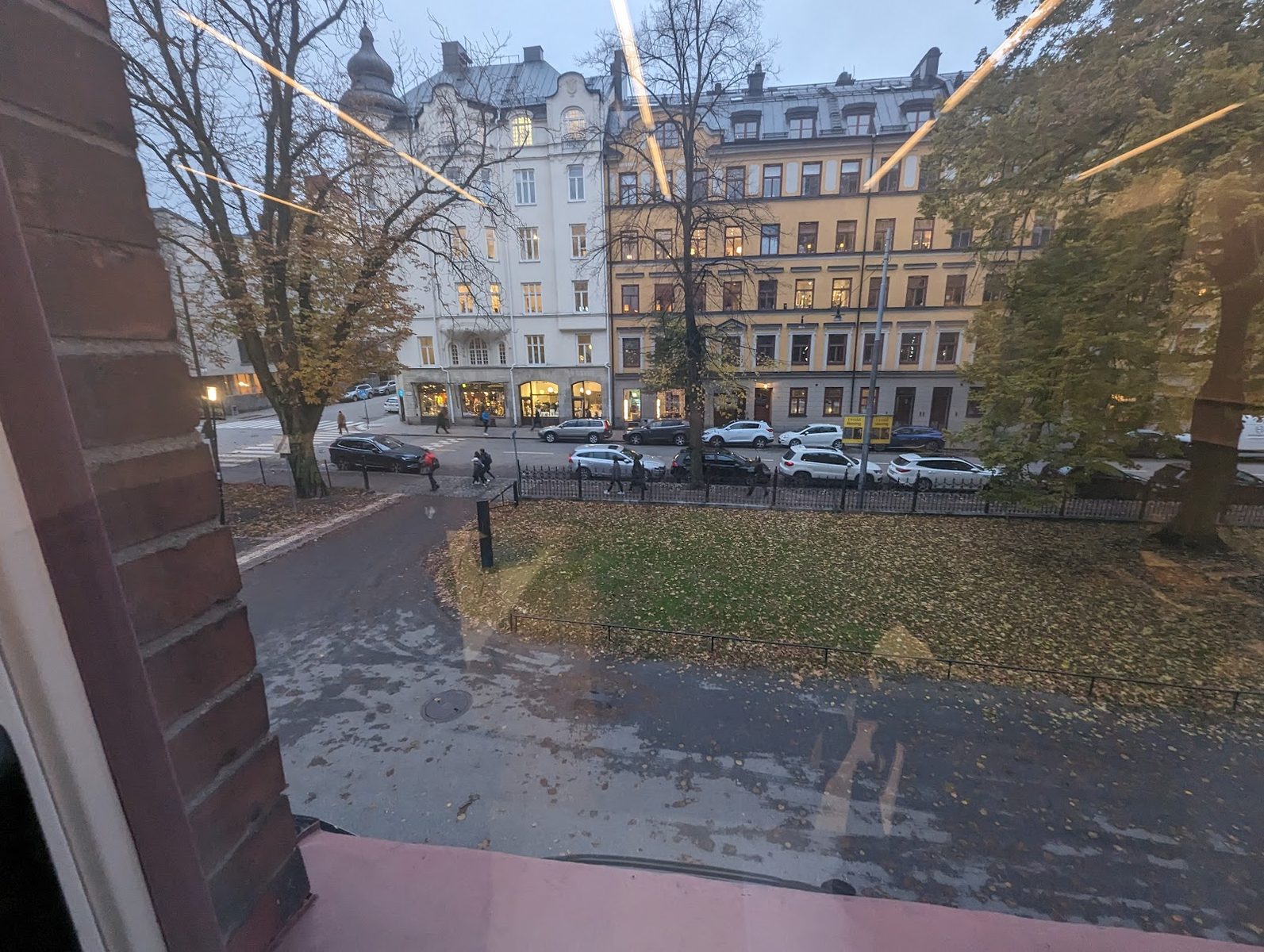
Viktor Rydberg Gymnasium
Stockholm · Sweden
A Stockholm free school where a quarter of classes run in English and natural-science seats demand near-perfect grades.
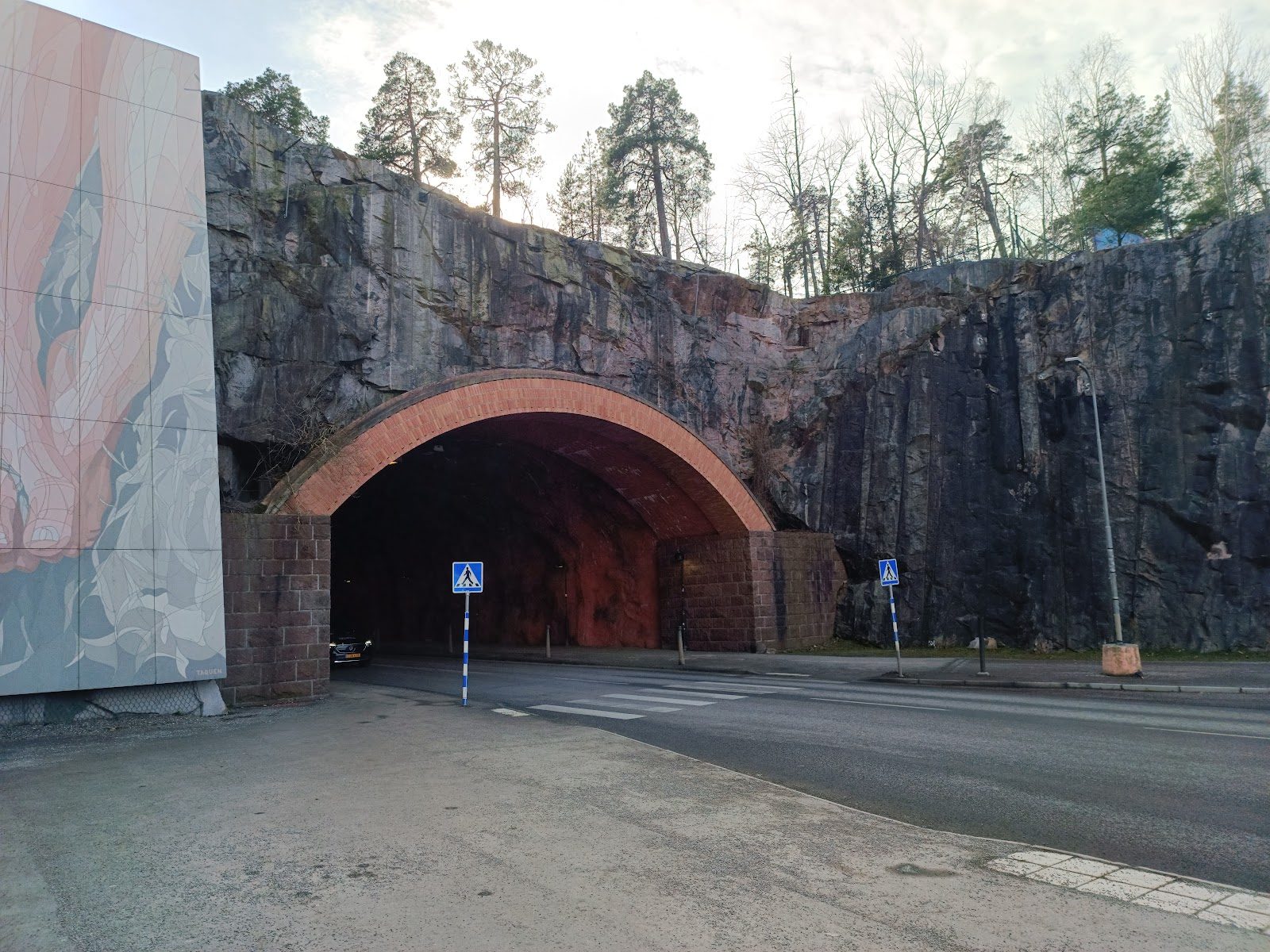
Internationella Engelska Skolan Stockholm
Stockholm · Sweden
Where up to half the school day runs in English, taught by native speakers, inside a house system built on discipline and high expectations.
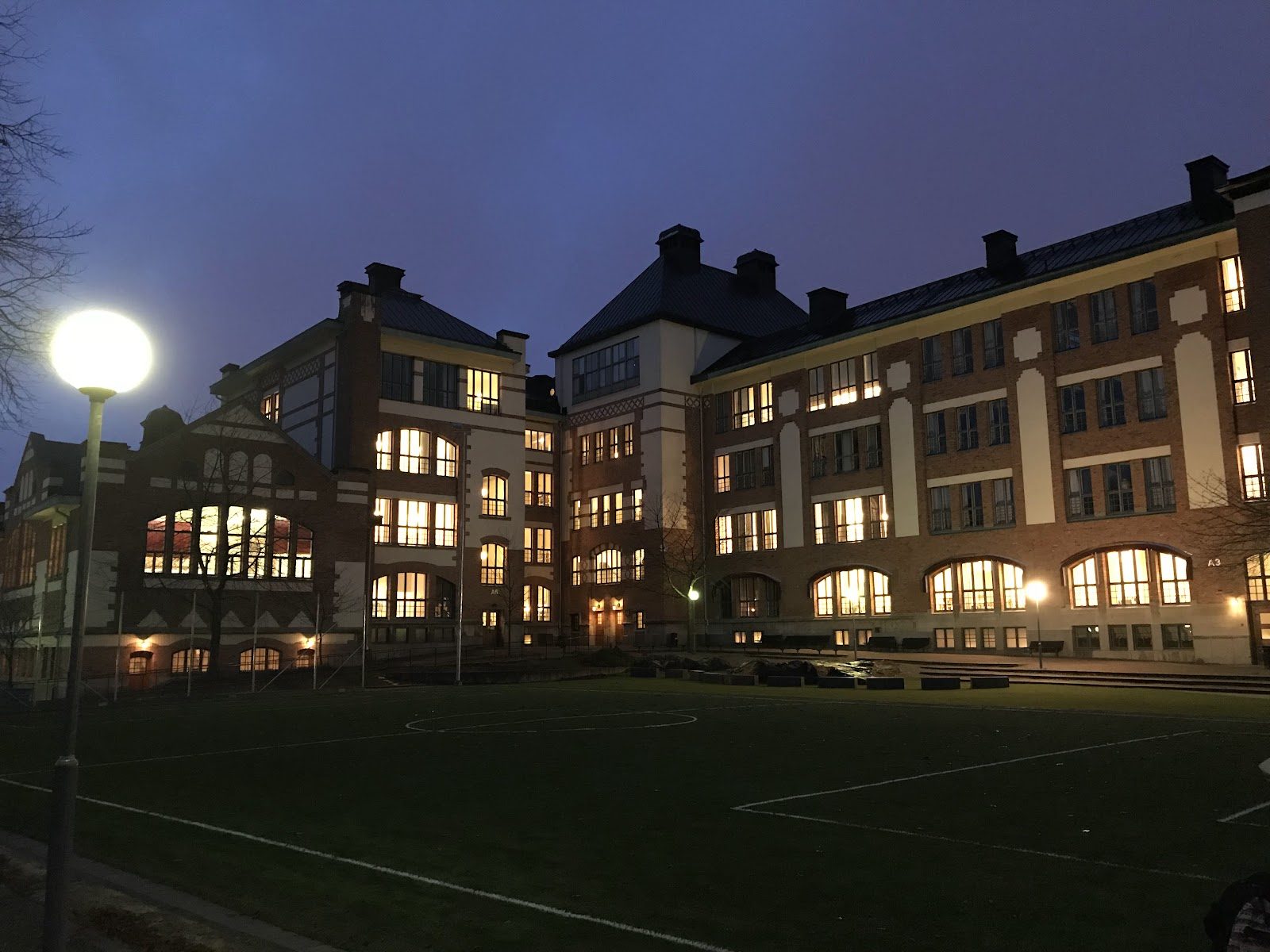
Kungsholmens gymnasium
Stockholm · Sweden
A 1902-founded Stockholm gymnasium pairing tough entry scores with a choral-music track shared with Stockholms Musikgymnasium.
Bladins International School of Malmö
Malmö · Sweden
Traced to a 1980s Australian submarine contract, this Malmo school became Sweden's first IB Middle Years authoriser.
Same country and curriculum — closest matches within ±10 points either way