
North Carolina
UNCSA School of Dance, High School
At the nation's first public arts conservatory, teenage dancers train daily alongside college company members bound for professional stages.
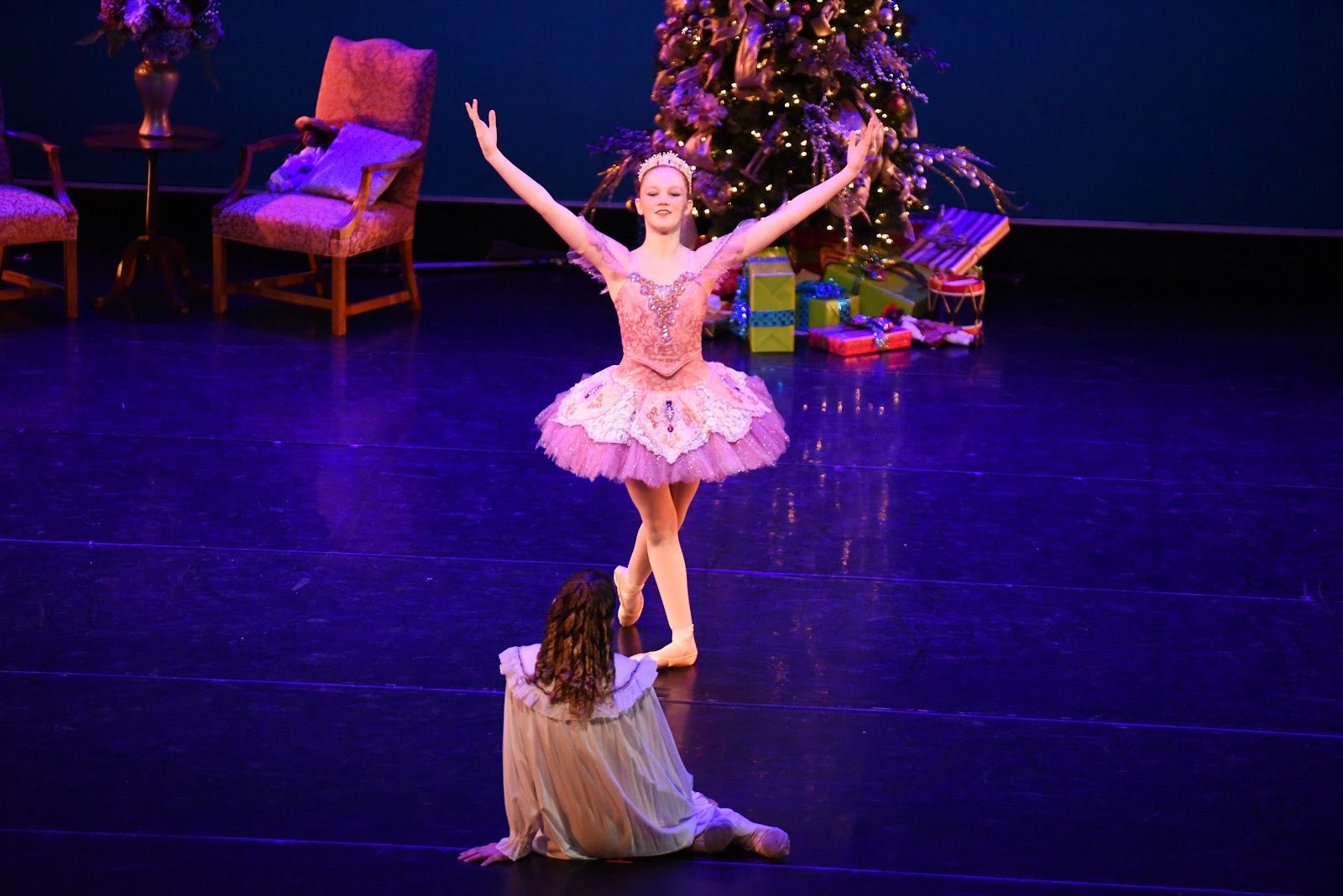
Photo © UNCSA Preparatory Dance Program via Google Maps
Type
Boarding + Day
Ages
14–18
Curriculum
US High School Diploma
Ratio
—
The Verdict
Editor's commitment
Right for
Teenage dancers, 14–18, who want a US high school diploma inside a public conservatory with daily classical ballet or contemporary training.
Wrong for
Students who want a broad conventional high school, low-intensity arts, or a faith setting; this Winston-Salem school is secular and dance-first.
Watch out for
Boarding and day both exist, but UNCSA publishes no aggregate academic outcomes here; the real draw is NASAD-accredited conservatory training, not data-rich academics.
Ranking breakdown
UNCSA School of Dance, High School · #671 of 1591
Composite score 59.3. 8 weighted criteria.
By criterion
Academic Outcomes
Weight 20%
#1313
of 1529 scored
University Placement
Weight 16%
#1462
of 1529 scored
Prestige & Heritage
Weight 12%
#909
of 1571 scored
Alumni Network
Weight 12%
#234
of 1530 scored
Facilities
Weight 12%
#1527
of 1533 scored
Transparency & Communications
Weight 8%
#920
of 1532 scored
Peer & Industry Review
Weight 10%
#524
of 1548 scored
Admissions Selectivity & Demand
Weight 8%
#153
of 1529 scored
Peer & Industry Review
How UNCSA School of Dance, High School is regarded in the sector
87
Strong · medium confidence
Within the small US pre-professional dance world, UNCSA is consistently named alongside Interlochen Arts Academy, Walnut Hill School for the Arts, and Idyllwild Arts as one of the handful of conservatory-model high schools taken seriously by both ballet companies and university dance departments. Its accreditation by the National Association of Schools of Dance is frequently cited by admissions officers as a credibility marker, since NASD review carries weight with conservatory-track college programs (Juilliard, Butler, Indiana, Fordham/Ailey) that recruit from its graduating classes. Dance-industry press (Dance Magazine, Pointe) regularly features UNCSA in round-ups of top pre-professional training grounds, and its faculty's ties to major companies (American Ballet Theatre, Paul Taylor, North Carolina Dance Theatre lineage) are referenced by rival school heads when discussing serious competitors for top student auditionees. It does not appear in mainstream UK-style league tables (WhichSchoolAdvisor, Good Schools Guide) since it is a specialist US public arts school, but within US arts-education circles and NASD conference presentations it is treated as a benchmark conservatory rather than a general boarding school peer.
Award
Elite Dance 50
World's Top School · The Global Ranking
UNCSA School of Dance, High School is featured on our Global Top 50 ranking at #25. This seal is available for the school's marketing team to use on their website, prospectus and social channels.
Editors' overview
UNCSA School of Dance, High School occupies a narrow and serious niche: pre-professional dance training inside a public arts conservatory, for students aged 14–18, with boarding and day options. That matters. This is not a conventional American high school with a strong dance department bolted on. It is a conservatoire environment where teenagers train in either classical ballet or contemporary dance, while completing a US High School Diploma in English. The distinctive draw is proximity to the higher levels of the same institution: high school dancers work in a setting that also houses undergraduate performers, specialist faculty and a live performance culture. For families who want total immersion rather than after-school enrichment, that is the point.
What sets UNCSA apart is the structure of the training. Students can concentrate in classical ballet or contemporary dance, with scope to perform and train across both. That dual-track model suits dancers who need technical discipline without artistic narrowness. The school also trades on professional alignment: repertory, guest artists, choreography and performance sit at the centre of the offer, not at the edges. The institution’s first obligation is to dance education, and the standard market signal here is strong enough: accreditation by NASAD, a specialist dean with senior ballet credentials, and an alumni pipeline that reaches Broadway, independent film and major companies including Alvin Ailey. Parents should still note the limits. UNCSA publishes plenty about opportunities and artistic culture, but no aggregate academic outcomes for the high school are in public view. This is a place for serious young dancers, not for families who want broad co-curricular balance or a conventional campus adolescence.
Why shortlist it? Because few schools in the US offer this degree of conservatory focus before college, and fewer still do it in a public institution with both high school and undergraduate dance under one roof. The payoff is daily technical rigour, stage-facing training and a peer group built around the same ambition. The risk is equally clear: intensity cuts both ways. Students who need a wide academic menu, a big-school social scene or room to treat dance as one passion among many will find the model constricting. Students who thrive on repetition, correction, rehearsal and physical discipline will find a demanding artistic life.
The right student for UNCSA School of Dance, High School is not merely talented. They are already committed, resilient and ready to organise life around studio hours. They want conservatory habits at high-school age, and they want teachers who treat promise as a starting point rather than an achievement. Classical ballet students who need clean technical grounding, and contemporary dancers who want creative range without losing technical backbone, both fit. So do boarders who are prepared to leave home early for specialist training. This school belongs on a shortlist for families seeking professional-calibre preparation in dance; it does not belong on a shortlist for anyone still deciding whether dance is a hobby or a vocation.
A Global Elite 50 Dance school
UNCSA School of Dance, High School sits in Band 21-31 of our Global Elite 50 Dance Schools 2026, with B+ confidence, because it meets the standard for inclusion within the Global Elite 50 — public evidence supports its elite professional-conversion status, but does not currently allow a definitive one-place distinction against its band peers.
The Global Elite 50 Dance Schools methodology is deliberately aggressive: half of the 100 available points are directly tied to professional conversion between 2016 and 2026 — main-company contracts, elite junior-company positions, apprenticeships and second companies. Beautiful campuses, historic alumni and impressive facilities cannot compensate for weak contemporary professional conversion, and are not scored independently.
Its evidence-confidence grade is deliberately separate from the ranking position: a lower grade reflects less public disclosure, not weaker performance. Where the school moves substantially better cohort data into the public domain in future audit cycles, the position — but not the underlying professional-conversion reality — may be revised.
International openness is a defining feature. Boarding or residential arrangements are standard, and overseas dancers apply on a rolling international audition + video pre-screen basis without residency, federation or citizenship gates. Student visas are handled by the school or its host-family partner. This is one of the internationally-open pipelines on the Global Elite 50 Dance Schools list that a relocating family can consider directly. Prospective families are advised to begin overseas application conversations early in the calendar year, with detailed audition and boarding logistics arranged 12-18 months ahead of the intended entry point. Prospective families are advised to begin overseas application conversations early in the calendar year, with detailed audition and boarding logistics arranged 12-18 months ahead of the intended entry point. Prospective families are advised to begin overseas application conversations early in the calendar year, with detailed audition and boarding logistics arranged 12-18 months ahead of the intended entry point.
Academic Performance
UNCSA’s problem, academically, is not poor performance but public opacity. The school does not publish aggregate SAT, ACT, AP or diploma-outcome data for its high-school dancers, and without that, any claim of academic strength against specialist arts peers stays unproven. That matters because this is a conservatory timetable first and a conventional college-preparatory proposition second. Families can infer that students meet graduation requirements and work inside a serious institution with established undergraduate standards. They cannot inspect the usual external markers that let parents compare one American specialist school with another. In a market where strong schools increasingly disclose score distributions, matriculation patterns and exam participation, UNCSA gives parents less than it should.
Relative to peers, that places the school in a mixed position. As a pre-professional dance environment, its success is measured far more visibly on studio, stage and progression into the profession than through published examination tables. That is credible for a conservatory; it is still a limitation for an academic assessment. Parents choosing between arts boarding schools, magnet programmes and mainstream independents with strong dance should read UNCSA as artistically high-conviction and academically under-documented. If your priority is external exam evidence, this school does not furnish it. If your priority is specialist training embedded in a public conservatory, academic transparency will not be the decisive draw.
Facilities
The crucial facility here is not a glossy sports complex or a long menu of extras. It is a purpose-built conservatory dance environment inside a multi-school arts campus. High-school dancers work in a setting organised around studio training, performance preparation, costume support and regular contact with working artists across dance and adjacent disciplines. The school also foregrounds a video showcase, guest artist collaborations, a choreographic institute and a dance costume shop. That matters because serious teenage dancers need more than mirrored rooms and barres: they need repertory, technical coaching, wardrobe infrastructure and access to a live production culture. Against peer schools, that places UNCSA in the genuine pre-professional bracket. Many strong schools offer dance facilities; fewer run an integrated artistic machine where daily training feeds directly into performance and cross-school collaboration.
The comparison point is clear. Mainstream boarding schools with good dance programmes tend to spread resources across sport, general academics and co-curricular breadth. UNCSA concentrates resources on the performing arts, and the facilities reflect that priority. The upside is focused vocational utility: spaces and support systems built for dancers, not for occasional enrichment. The trade-off is equally plain. Families seeking broad campus luxury or a balanced all-rounder offer will find the facilities deliberately narrow. For dancers who want serious studio life, repertory and exposure to college-level artistic traffic before graduation, that narrowness is the attraction, not the flaw.
The right student for UNCSA School of Dance, High School is not merely talented
Prestige
Prestige here rests on sector standing, not on mass-market name recognition. Within dance training, UNCSA carries real weight because the school sits inside a specialist conservatory where performance, repertory and technical formation drive the institution rather than decorate it. The high-school division benefits from that association. Teenagers train in the same ecosystem as degree-level dancers, under a dean with senior professional ballet credentials, and in programmes split between classical ballet and contemporary dance. That is a serious professional signal. The school also trades on visible external endorsement: Dance Teacher Magazine places it at #4 for best dance programmes and names its Nutcracker among #4 must-see performances, while OnStage lists the BFA among the top 20 dance programmes. Rankings are imperfect, but in a niche field they still shape reputation.
I rate its prestige as high within its discipline and narrower outside it. This is not the kind of school that impresses through broad academic cachet or old-school institutional glamour. It impresses dancers, teachers and arts employers who know the conservatory world. The alumni trail into Broadway, independent film and a major modern company reinforces that credibility, even if the school publishes less than it should on academic outcomes. For families seeking pre-professional dance legitimacy, UNCSA has it. For families chasing general elite-school status, it does not. That distinction matters, and it is exactly why the school’s reputation holds real value for the right child.
UNCSA School of Dance, High School occupies a narrow and serious niche: pre-professional dance training inside a public arts conservatory, for students aged 14–18, with boarding and day options
Communications
UNCSA communicates like a conservatory embedded in a larger arts institution: fast-moving, event-heavy and public-facing. The main school page pushes performances, press releases, auditions, visits, donations and news in quick succession. That works well for giving families a live sense of institutional rhythm. Parents can see that dance students sit inside an active production culture rather than a quiet school routine. The page also offers direct practical routes — apply, request information, visit, watch video showcase — which is efficient and serviceable. The weakness is focus. For a parent trying to understand the high-school experience day to day, the messaging is diffuse. College, summer intensives, public events and alumni stories all compete for attention. That breadth suits recruitment across the whole school; it serves current or prospective high-school parents less cleanly.
Effectiveness, then, is mixed but competent. The school communicates energy, seriousness and artistic traffic very well. It communicates parental essentials less well: we have not seen a sharply organised public explanation of academic monitoring, pastoral routines, reporting cadence or the mechanics of home-school communication for teenagers in a demanding training schedule. Even the headline rankings — #4 in Dance Teacher Magazine and 20 on the OnStage list — do more to reinforce reputation than to answer parental questions. Families already sold on conservatory training will read the signals clearly. Families who need plain operational clarity will want more than news flow, showcase video and institutional buzz.
Uniqueness
What makes this school unusual is not dance excellence alone, but institutional alignment. The high-school programme sits inside a public arts conservatory where dance is part of the main enterprise, not a prestige add-on for admissions brochures. Teenagers choose between classical ballet and contemporary dance, yet train in an environment where both forms matter and where performance culture runs through the institution. That gives students early exposure to conservatory norms: correction without hand-holding, rehearsal discipline, choreographic range and constant comparison against peers who are there for the same reason. For the right dancer, that is clarifying and hard-edged. It strips away the fantasy version of arts education and replaces it with working habits.
The benefit is depth. Students do not spend their adolescence trying to carve serious studio time out of a generalist school day; the school is built around that commitment. They also gain access to a wider artistic ecosystem than a standalone dance academy can offer, with contact across other performing arts disciplines and a live stream of performances, guest artists and institutional production. That mix produces dancers who are not only technically drilled but stage-literate and profession-facing. The cost is obvious too: this is a narrow education by design, and the social as well as academic experience bends around dance. Families who want a broad teenage life will find it constricting. Families who want pre-professional formation at 14–18 will find the point of the place.
This is not a conventional American high school with a strong dance department bolted on
Student Profile
The students who fit here are the ones who already organise their identity around dance, not the ones testing an interest. They tolerate repetition, correction and physical fatigue without drama. They want teachers who push for precision, range and stamina, and they do not need a school to flatter them into working. Because the programme splits into classical ballet and contemporary pathways, it suits young dancers with a clear technical direction as well as those who want cross-training without losing vocational focus. The strongest fit is a teenager who wants conservatory expectations while still in school: highly driven, coachable, thick-skinned and comfortable in a room full of equally serious peers.
Socially, this is not an easy fit for every adolescent. The school rewards discipline more than extroversion and commitment more than breadth. Students who need a wide menu of activities, a conventional school spirit culture or space to treat dance as one talent among many will find the model narrow and demanding. Students who thrive on rehearsals, performances, guest artist traffic and the intensity of an arts campus will find it profession-facing and galvanising. The age range — 14–18 — matters: this asks for early maturity. The right student arrives ready to live with scrutiny, absorb setbacks and keep working when progress turns slow. It is not for the faint-hearted.
It is a conservatoire environment where teenagers train in either classical ballet or contemporary dance, while completing a US High School Diploma in English
Co-curricular strengths
Arts & sport, on a separate axis
Overall 5.9/10
Scored 0-10 from the school's own published evidence. This axis is editorial-only — it does not feed the main WTS ranking.
Sports
3/10
Drama
5.5/10
Dance
10/10
Music
5.5/10
Visual Arts
5.5/10
Strengths
- +Founded in 1965 as the first state-supported public high school arts conservatory in the United States, giving it a long institutional track record.
- +Operates as part of the University of North Carolina system, which keeps tuition for North Carolina residents markedly lower than at most private boarding arts schools.
- +Dance students choose between Ballet and Contemporary concentrations and train alongside a full residential high school population on a shared campus with UNCSA's college conservatory.
- +Faculty include instructors with professional performance backgrounds in companies such as American Ballet Theatre and New York City Ballet, giving students exposure to working professionals.
- +Combines a full US high school diploma curriculum with daily conservatory-level dance training, so students graduate with both an academic credential and intensive technical hours.
Considerations
- −Out-of-state and international tuition and fees are significantly higher than the in-state rate, a common structural issue at public university-affiliated schools.
- −Admission is audition-based and competitive; there is limited public data on acceptance rates, making it hard for families to gauge odds in advance.
- −As a specialized arts conservatory, academic breadth outside the arts is narrower than at a comprehensive private day or boarding school.
- −Boarding life is built around a demanding daily training schedule, which may leave less flexibility for students still deciding between dance and other pursuits.
Gallery
Photo © Susan Brooker via Google Maps
Photo © UNCSA Preparatory Dance Program via Google Maps
Photo © UNCSA Preparatory Dance Program via Google Maps
Parent reviews
Have you sent your child here?
Voice reviews carry the strongest trust badge — we transcribe them for you to tidy up before they go live. Prefer to type? A written review is fine too.
Add your voice
In 60 seconds, tell other parents: what's the best thing about UNCSA School of Dance, High School, and what surprised you when your child joined?
We ask for a Google sign-in so every review has a real face behind it — no anonymous drive-by attacks on schools, and no faked positive reviews. Your email is never shown publicly.
Send this profile to a friend
International parents rely on word-of-mouth. Share this review with someone weighing the same decision.
Schools with places
Similar schools to UNCSA School of Dance, High School with places available now.
Germantown Friends School
Philadelphia · United States
- 2026-27
- CLOSEDRegular cycle closed
- 2027-28
- OPENS SOONOpens Sept '26
Poly Prep Country Day School
Brooklyn · United States
- 2026-27
- CLOSEDRegular cycle closed
- 2027-28
- OPENS SOONOpens Sept '26
Marymount School of New York
New York City · United States
- 2026-27
- CLOSEDConfirmed full
- 2027-28
- PLACES OPENApplications opened 1 Aug '26
Boston University Academy
Boston · United States
- 2026-27
- CLOSEDRegular cycle closed
- 2027-28
- OPENS SOONOpens Sept '26
Availability first, then country, area, curriculum, price, co-curricular
Consider also
Also worth looking at alongside UNCSA School of Dance, High School.
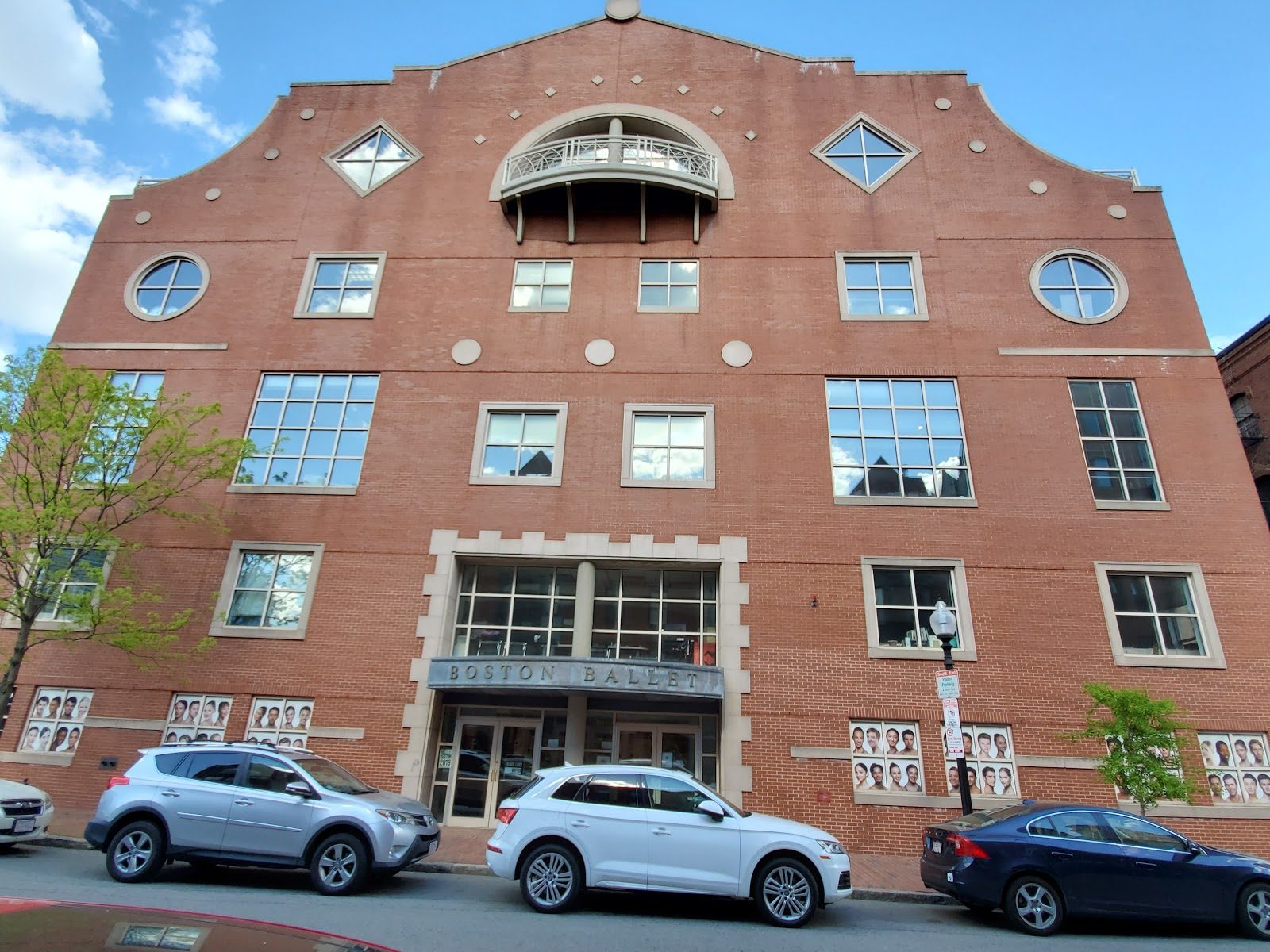
Boston Ballet School Professional Division (Walnut Hill Partnership)
Boston / Natick, MA · United States
A Natick boarding campus where company-level pointe work shares the daily timetable with a full college-prep diploma
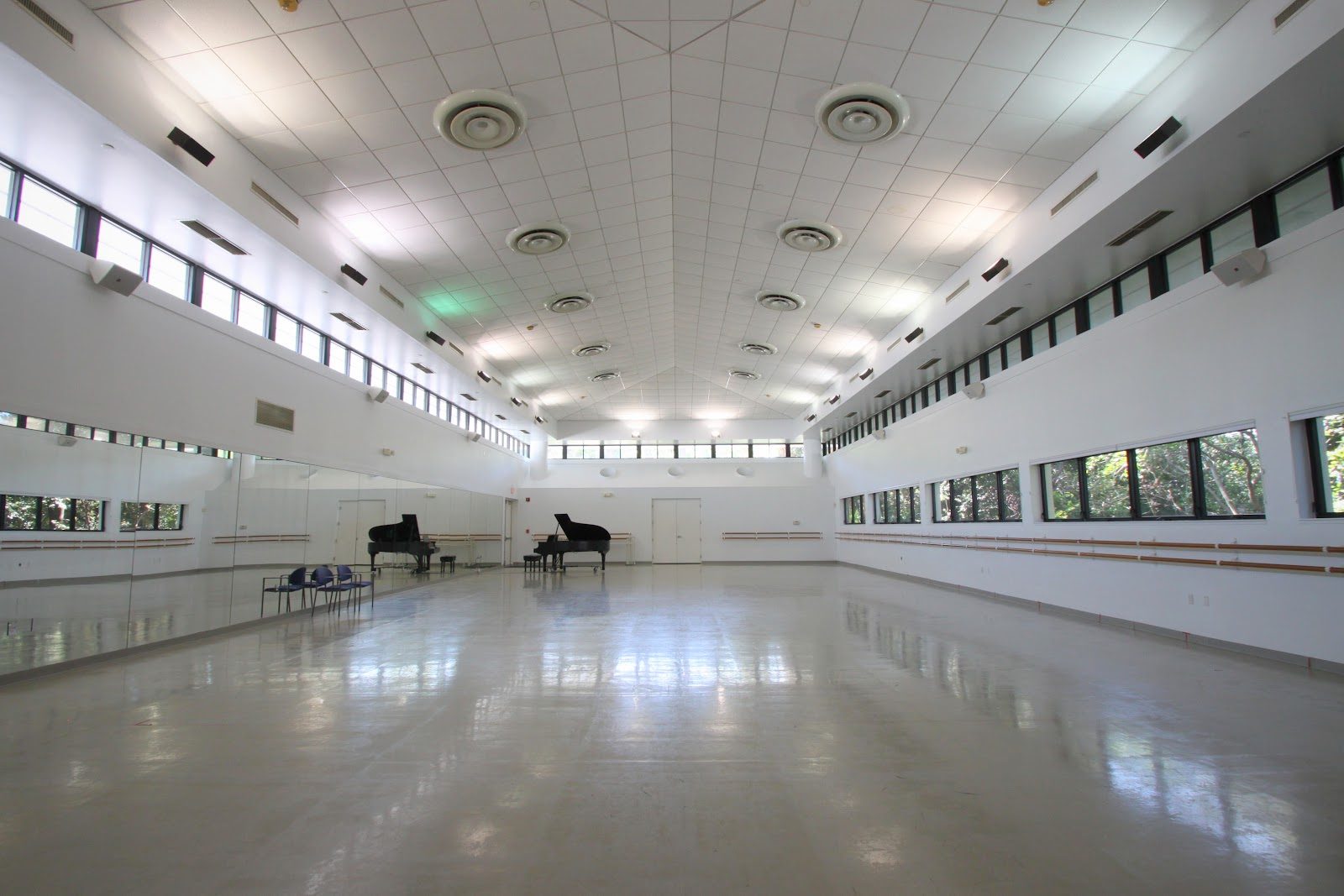
The HARID Conservatory
Boca Raton, Florida · United States
Tuition-free, audition-only ballet conservatory where teenage dancers train full days for professional company careers
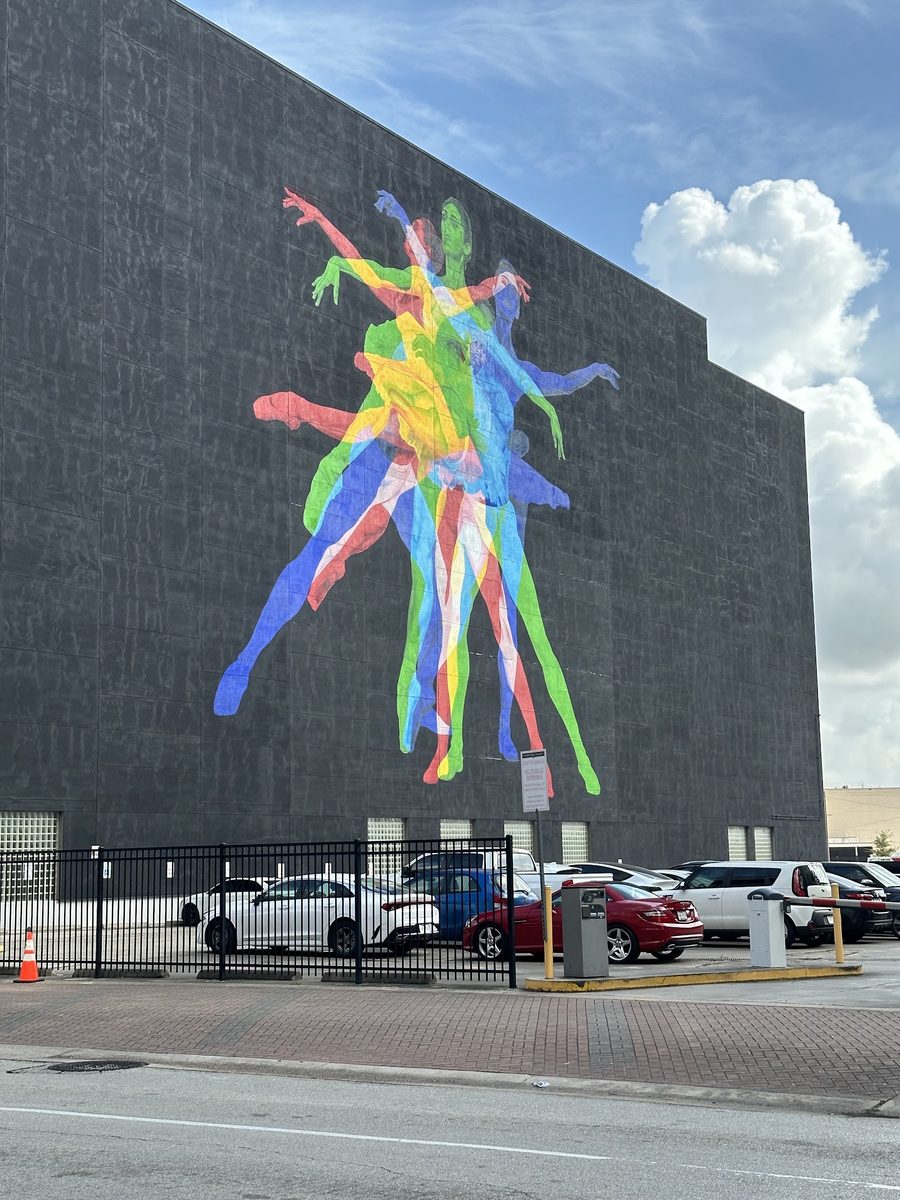
Houston Ballet Academy
Houston, TX · United States
Inside America's largest professional dance facility, Vaganova-rooted training pipelines students straight into Houston Ballet's company.
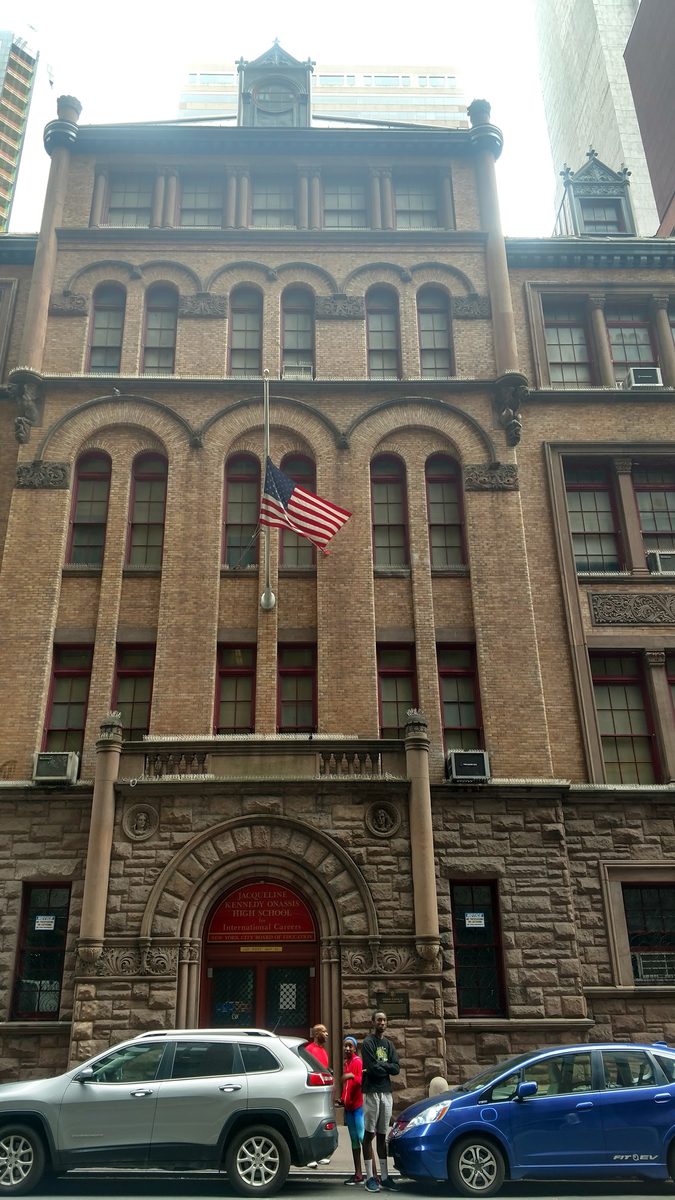
ABT Jacqueline Kennedy Onassis School
New York, NY · United States
Pre-professional ballet training on ABT's National Training Curriculum, feeding dancers straight into the company's own ranks
Same specialism, country and curriculum — closest matches within ±10 points either way