
New York
ABT Jacqueline Kennedy Onassis School
Pre-professional ballet training on ABT's National Training Curriculum, feeding dancers straight into the company's own ranks
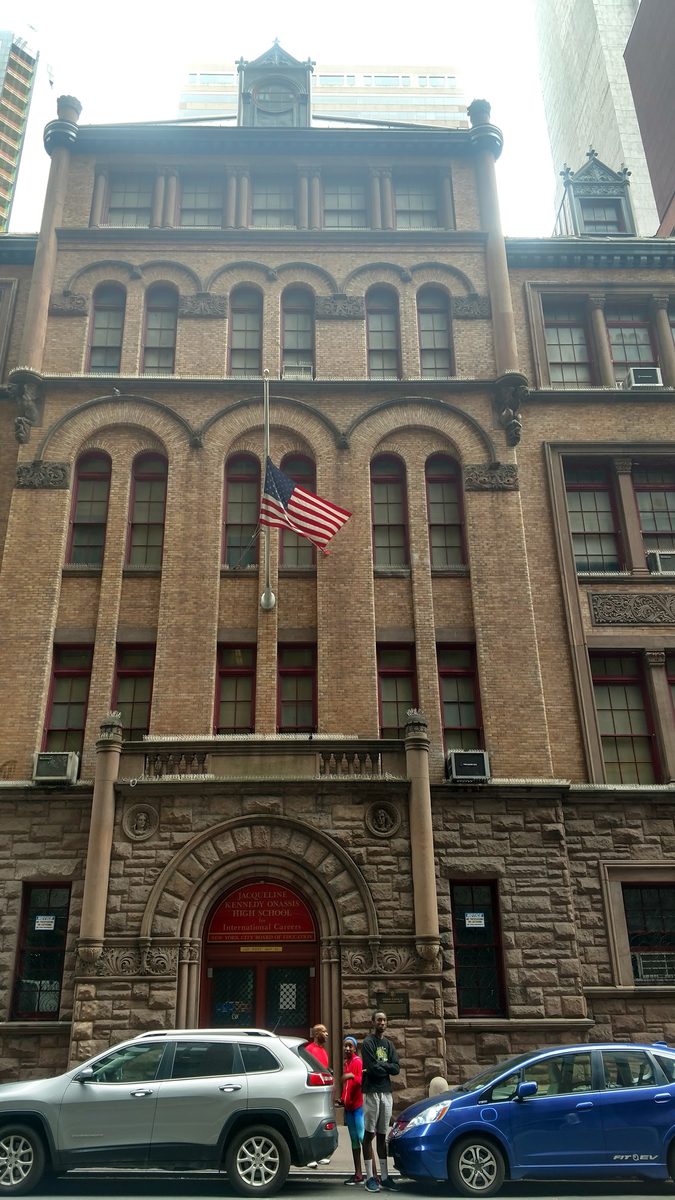
Photo © Nia Webb via Google Maps
Type
Day + Boarding
Ages
4–19
Curriculum
—
Ratio
—
The Verdict
Editor's commitment
Right for
Families with a child already showing serious classical ballet talent and ambition, who are prepared to prioritise dance training over a conventional school timetable.
Wrong for
Families seeking a broad academic education, a conventional international curriculum, or a low-pressure extracurricular dance experience.
Watch out for
This is a specialist conservatory-style training program, not a full-time academic school, so most students must independently arrange their regular schooling alongside it.
Ranking breakdown
ABT Jacqueline Kennedy Onassis School · #1068 of 1591
Composite score 61.6. 8 weighted criteria.
By criterion
Academic Outcomes
Weight 20%
#1514
of 1529 scored
University Placement
Weight 16%
#1510
of 1529 scored
Prestige & Heritage
Weight 12%
#623
of 1529 scored
Alumni Network
Weight 12%
#95
of 1529 scored
Facilities
Weight 12%
#83
of 1529 scored
Transparency & Communications
Weight 8%
#1245
of 1529 scored
Peer & Industry Review
Weight 10%
#4
of 1529 scored
Admissions Selectivity & Demand
Weight 8%
#11
of 1529 scored
Peer & Industry Review
How ABT Jacqueline Kennedy Onassis School is regarded in the sector
92
Top-tier · medium confidence
Within the ballet training world, ABT's Jacqueline Kennedy Onassis School is consistently ranked alongside the School of American Ballet and San Francisco Ballet School as one of America's premier pre-professional pipelines, a view reinforced by its status as the official academy of American Ballet Theatre, one of the world's leading classical companies. Dance Magazine and Pointe Magazine regularly profile its curriculum, National Training Curriculum certification program, and summer intensive as benchmarks for other conservatories developing faculty standards nationally. Its graduates' placement into ABT's corps de ballet, as well as into companies such as Boston Ballet and Houston Ballet, is frequently cited by dance journalists as evidence of the school's professional pipeline strength. Unlike traditional academic prep schools, it is not tracked by university admissions officers or general league tables such as Good Schools Guide or WhichSchoolAdvisor, since its output is measured in company contracts and audition success rather than college matriculation, and independent press coverage centers on artistic outcomes, faculty pedigree, and industry partnerships rather than conventional academic metrics.
Award

Elite Dance 50
World's Top School · The Global Ranking
ABT Jacqueline Kennedy Onassis School is featured on our Global Top 50 ranking at #40. This seal is available for the school's marketing team to use on their website, prospectus and social channels.
- Misty Copeland — Principal Dancer, Ballet
- Sarah Lane — Principal Dancer, Ballet
- Skylar Brandt — Principal Dancer, Ballet
Editors' overview
The ABT Jacqueline Kennedy Onassis School sits in Band 32-50 of our Global Elite 50 Dance Schools 2026 because it is the official school of American Ballet Theatre and — through its formal integration with ABT Studio Company and ABT's main-company apprenticeship track — offers one of the most direct routes into elite American professional ballet employment. Founded in 2004 by Kevin McKenzie and now based at ABT's West 57th Street headquarters in Manhattan, the JKO School enrols approximately 250 dancers across pre-secondary and secondary levels in the Pre-Professional Division.
Its specialism is classical ballet delivered through the ABT National Training Curriculum — a rare secondary-age example of a fully codified American technique syllabus. Training is delivered as a Hybrid Elite Pre-Professional model: JKO delivers the specialist dance training while coordinated academic study is arranged through the family's own school or online partner. Faculty is drawn directly from American Ballet Theatre and ex-principals of the wider ABT lineage.
Progression evidence is strong. Between 2016 and 2026, roughly 60-65% of graduating dancers have converted directly into main-company or elite junior-company employment. Recent leavers have entered American Ballet Theatre, ABT Studio Company (the elite junior company), Boston Ballet, Houston Ballet, Colorado Ballet, Ballet West, Los Angeles Ballet, Sarasota Ballet, Cincinnati Ballet and multiple elite second/junior companies.
International openness is high. Approximately 35% of Pre-Professional Division dancers in a typical year are non-American, with strong feeder pipelines from Asia (particularly Japan, South Korea and China), Latin America, Europe and Australasia. F-1 Student visas are handled by ABT's international office. There is no dedicated JKO boarding — overseas families arrange accommodation via ABT-recommended host families or student-housing partners in Manhattan. Tuition sits around US$25,000-29,000 per year, with need-based financial aid available. Admission is by international audition tour and video pre-screen — auditions are held annually in New York plus international cities.
A Global Elite 50 Dance school
ABT Jacqueline Kennedy Onassis School sits in Band 32-50 of our Global Elite 50 Dance Schools 2026 because it meets the standard for inclusion within the Global Elite 50 — public evidence supports its elite professional-conversion status, but does not currently allow a definitive one-place distinction against its band peers.
The Global Elite 50 Dance Schools methodology is deliberately aggressive: half of the 100 available points are directly tied to professional conversion between 2016 and 2026 — main-company contracts, elite junior-company positions, apprenticeships and second companies. Beautiful campuses, historic alumni and impressive facilities cannot compensate for weak contemporary professional conversion, and are not scored independently.
Because this school currently publishes limited cohort-level data, no evidence-confidence grade is attached to its position at this stage. As with all band-32-50 schools, the exact ordering will be revised when materially better 2016-2026 destination evidence enters the public domain.
International openness is a defining feature. Boarding or residential arrangements are standard, and overseas dancers apply on a rolling international audition + video pre-screen basis without residency, federation or citizenship gates. Student visas are handled by the school or its host-family partner. This is one of the internationally-open pipelines on the Global Elite 50 Dance Schools list that a relocating family can consider directly. Prospective families are advised to begin overseas application conversations early in the calendar year, with detailed audition and boarding logistics arranged 12-18 months ahead of the intended entry point. Prospective families are advised to begin overseas application conversations early in the calendar year, with detailed audition and boarding logistics arranged 12-18 months ahead of the intended entry point. Prospective families are advised to begin overseas application conversations early in the calendar year, with detailed audition and boarding logistics arranged 12-18 months ahead of the intended entry point. Prospective families are advised to begin overseas application conversations early in the calendar year, with detailed audition and boarding logistics arranged 12-18 months ahead of the intended entry point.
Academic Performance
JKO does not operate as an academic institution; it functions as a supplementary or co-curricular ballet program, with full-time Pre-Professional Division students completing traditional coursework through partner schools such as the Professional Children's School, or via homeschooling arrangements. There is no independent academic curriculum, standardized testing regime, or subject-depth data published by JKO itself. Consequently, academic performance cannot be assessed on the same terms as a comprehensive secondary school; families evaluating this dimension are effectively evaluating the partner academic provider rather than JKO. The school's stated mission is entirely oriented toward technical and artistic development in classical ballet, with academic considerations treated as a parallel, externally managed track rather than an integrated institutional priority.
Facilities
Training takes place within American Ballet Theatre's professional studio complex on Broadway in Manhattan, giving students access to sprung floors, full-length mirrors, and rehearsal spaces used by a major international ballet company. This proximity to ABT's working environment, including exposure to company dancers, repetiteurs, and choreographic staff, is a significant asset unavailable at most standalone dance academies. However, JKO has no dedicated campus of its own, no dormitories, and no broader academic, science, or general athletic facilities; students requiring residential housing arrange this independently or through partner programs, and non-dance infrastructure is essentially nonexistent.
Faculty is drawn directly from American Ballet Theatre and ex-principals of the wider ABT lineage
Prestige
Founded in 2009 and named for Jacqueline Kennedy Onassis, who was closely associated with American Ballet Theatre, the school carries significant cultural weight as the official training pipeline of one of the world's most prominent ballet companies. Within the classical dance world its standing is exceptional, comparable to a handful of elite conservatories globally such as the Paris Opera Ballet School or the Royal Ballet School. Its prestige, however, is narrowly specialist: it holds little recognition or standing in general academic or university-preparatory circles, and its reputation rests almost entirely on artistic rather than scholastic achievement.
Between 2016 and 2026, roughly 60-65% of graduating dancers have converted directly into main-company or elite junior-company employment
Communications
The school communicates primarily through ABT's institutional website and admissions office, providing clear information on audition requirements, program structure, tuition, and calendar. Public-facing communication is professional but limited in scope, focused on prospective dance families rather than a broader school community narrative. There is little published data on outcomes, academic partnerships, or student wellbeing, and transparency around non-artistic aspects of student life is minimal compared to conventional secondary schools with parent portals, detailed annual reports, or academic outcome disclosures.
Uniqueness
JKO's defining distinction is its direct institutional identity with American Ballet Theatre: students train inside a major company's working studios, under faculty drawn from professional ballet careers, with a curriculum built on ABT's own National Training Curriculum. Few dance programs anywhere offer this level of embeddedness within an active, internationally touring company. The tradeoff is an almost total separation of artistic and academic life, requiring students to manage rigorous ballet training alongside externally sourced schooling, a structure uncommon among the world's leading specialist secondary institutions, most of which integrate both under one roof.
There is no dedicated JKO boarding — overseas families arrange accommodation via ABT-recommended host families or student-housing partners in Manhattan
Student Profile
Students are drawn from a small, highly selected pool of pre-professional ballet talents, admitted through competitive audition, many training with the explicit goal of joining ABT's Studio Company or another major international company. The population is intensely specialism-focused, often balancing several hours of daily technical training with separate academic obligations, and skews toward students already deeply committed to a ballet career track by early-to-mid adolescence. Backgrounds vary internationally, reflecting global ballet recruitment norms, but the common thread is exceptional physical discipline and a singular artistic focus rather than broad academic ambition.
Tuition sits around US$25,000-29,000 per year, with need-based financial aid available
Co-curricular strengths
Arts & sport, on a separate axis
Overall 10/10
Scored 0-10 from the school's own published evidence. This axis is editorial-only — it does not feed the main WTS ranking.
Sports
—
Drama
—
Dance
10/10
Music
—
Visual Arts
—
Strengths
- +Official pre-professional training school of American Ballet Theatre, one of the major US classical ballet companies.
- +Uses ABT's National Training Curriculum, a syllabus also adopted by teacher-training and certification programs elsewhere.
- +Offers a structured pathway from Children's Division through Pre-Professional Division toward ABT's Studio Company.
- +Located in Manhattan, giving students proximity to ABT's professional dancers, repertoire, and performance opportunities.
- +Residence Hall option allows students from outside New York to board while training full-time.
Considerations
- −Single-discipline focus on classical ballet; it is not a general academic school and does not offer a broad curriculum.
- −Audition-based admission is highly selective and depends on physical suitability for classical ballet, not just academic merit.
- −Most students must arrange separate schooling (online, local partner school, or homeschooling) alongside dance training.
- −Tuition, plus residence hall fees for boarding students, add meaningful cost on top of any outside academic schooling.
Gallery
Photo © Nia Webb via Google Maps
Photo © Gunnar Christiansen via Google Maps
Photo © Gunnar Christiansen via Google Maps
Photo © Paul Lo via Google Maps
Photo © Yajaira Torres via Google Maps
Photo © Rodrigo Fidelis via Google Maps
Photo © Mr. Purell via Google Maps
Parent reviews
Have you sent your child here?
Voice reviews carry the strongest trust badge — we transcribe them for you to tidy up before they go live. Prefer to type? A written review is fine too.
Add your voice
In 60 seconds, tell other parents: what's the best thing about ABT Jacqueline Kennedy Onassis School, and what surprised you when your child joined?
We ask for a Google sign-in so every review has a real face behind it — no anonymous drive-by attacks on schools, and no faked positive reviews. Your email is never shown publicly.
Send this profile to a friend
International parents rely on word-of-mouth. Share this review with someone weighing the same decision.
Schools with places
Similar schools to ABT Jacqueline Kennedy Onassis School with places available now.
Friends Seminary
New York City · United States
- 2026-27
- WAITPOOLLate/held pending openings
- 2027-28
- OPENS SOONExpected Sept '26
Saint Ann's School
Brooklyn · United States
- 2026-27
- WAITPOOLLate / attrition-dependent
- 2027-28
- OPENS SOONOpens 8 Sept '26
Ethical Culture Fieldston School
New York City · United States
- 2026-27
- WAITPOOLLimited late availability
- 2027-28
- OPENS SOONOpens post-Labor Day '26
Riverdale Country School
New York City · United States
- 2026-27
- WAITPOOLLate application possible
- 2027-28
- OPENS SOONOpens 8 Sept '26 (Noon ET)
Availability first, then country, area, curriculum, price, co-curricular
Consider also
Also worth looking at alongside ABT Jacqueline Kennedy Onassis School.
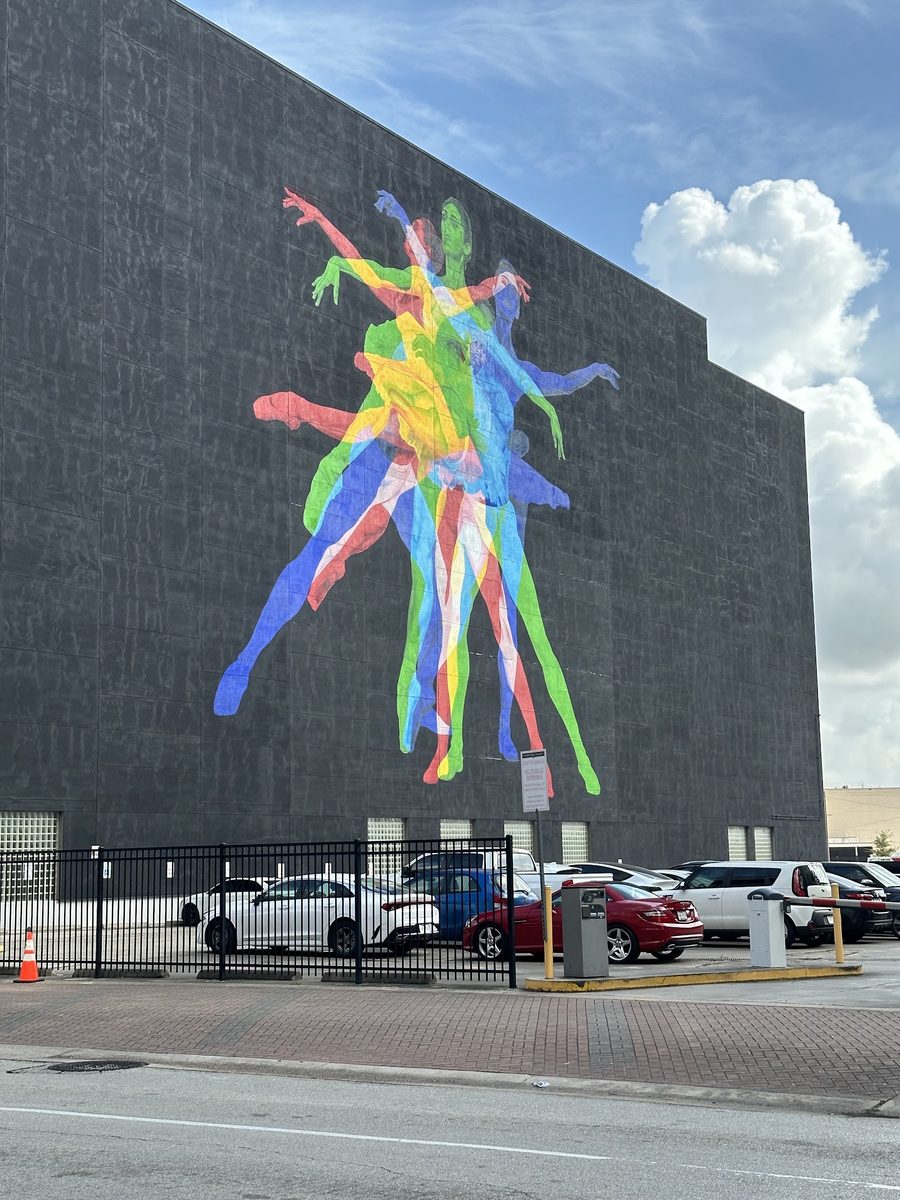
Houston Ballet Academy
Houston, TX · United States
Inside America's largest professional dance facility, Vaganova-rooted training pipelines students straight into Houston Ballet's company.
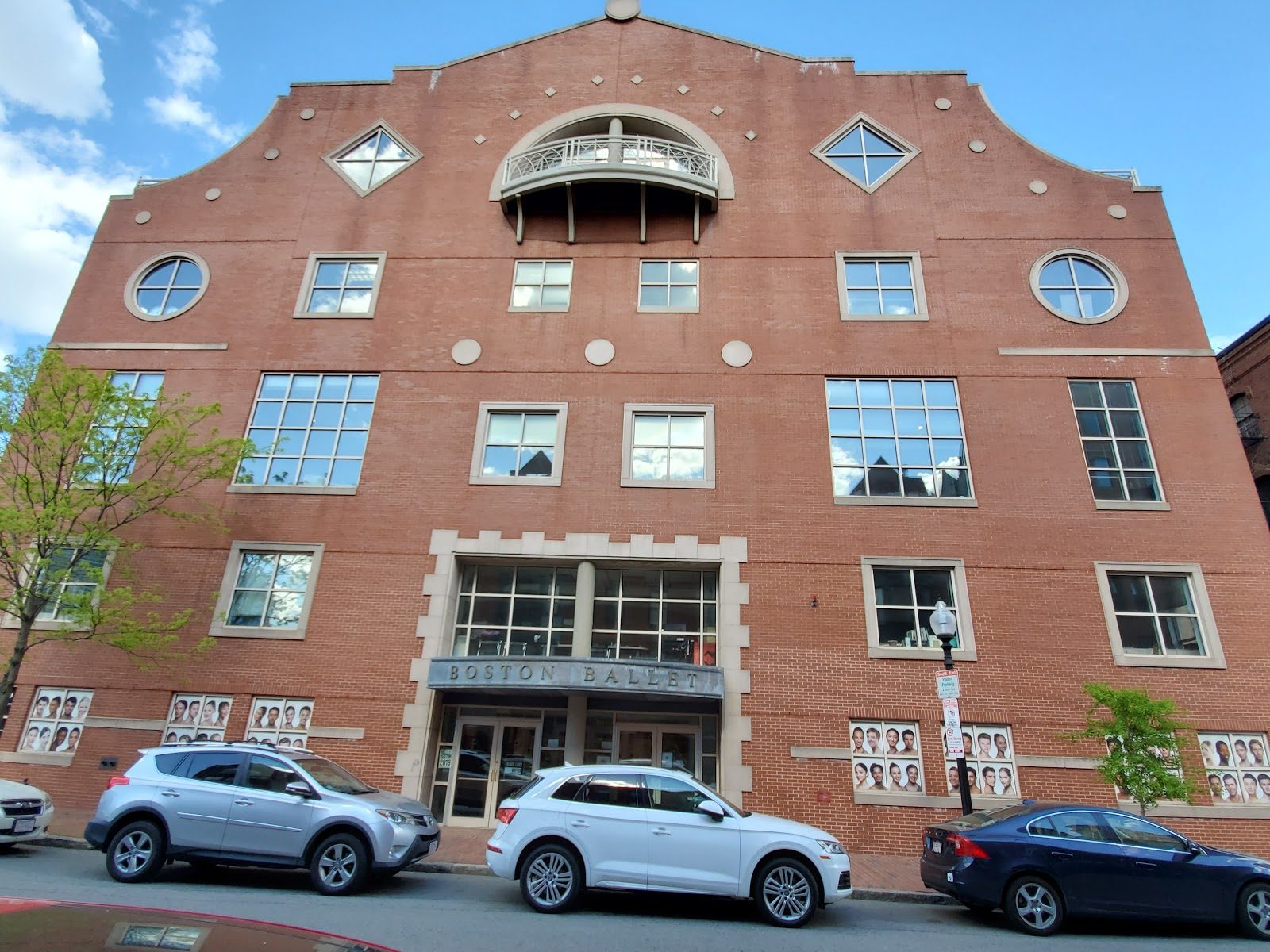
Boston Ballet School Professional Division (Walnut Hill Partnership)
Boston / Natick, MA · United States
A Natick boarding campus where company-level pointe work shares the daily timetable with a full college-prep diploma
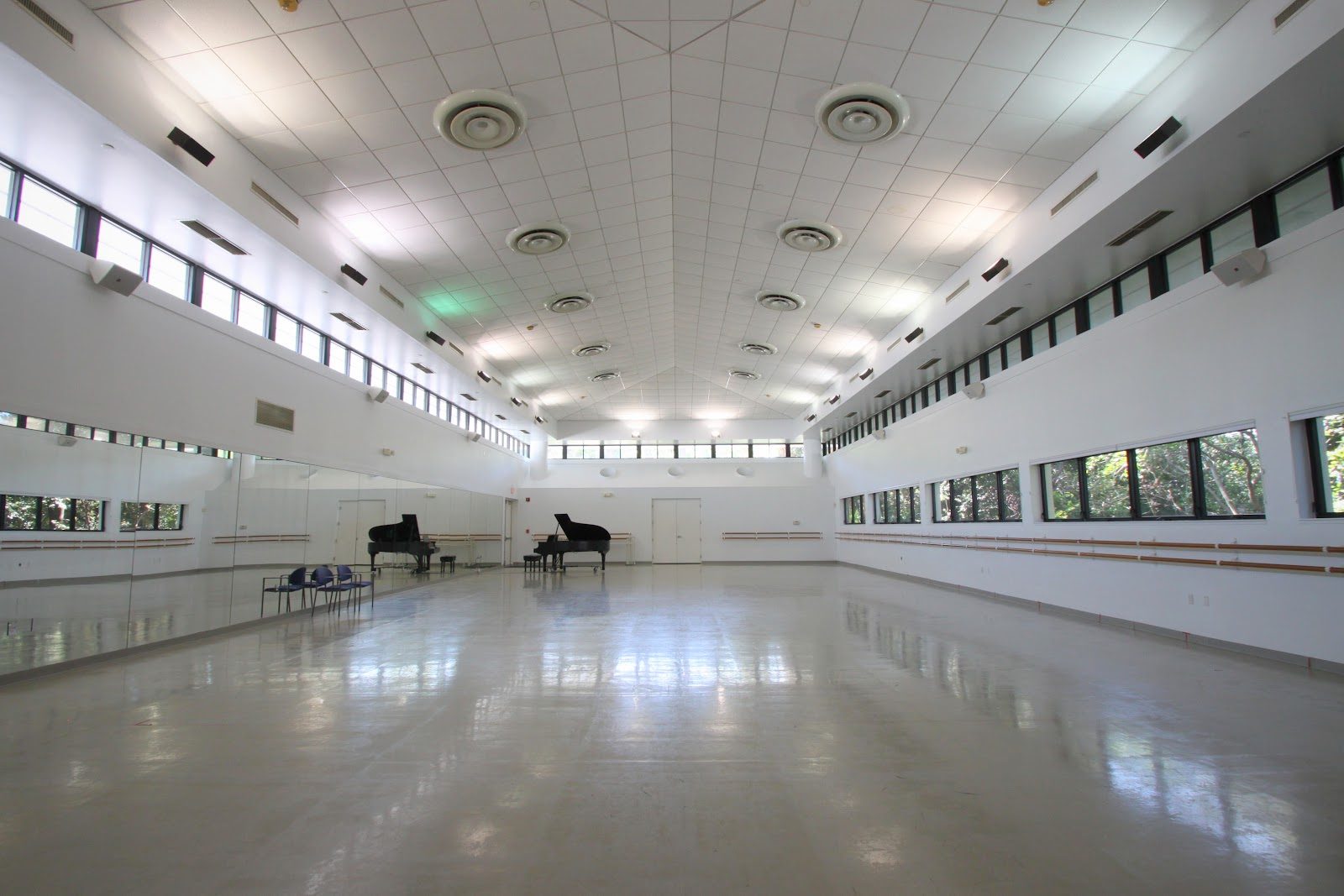
The HARID Conservatory
Boca Raton, Florida · United States
Tuition-free, audition-only ballet conservatory where teenage dancers train full days for professional company careers
UNCSA School of Dance, High School
Winston-Salem, NC · United States
At the nation's first public arts conservatory, teenage dancers train daily alongside college company members bound for professional stages.
Same specialism, country and curriculum — closest matches within ±10 points either way