
New South Wales
The McDonald College
Where ballet barres and tennis courts share the timetable with the HSC, in the only K-12 day school of its kind in Australia.
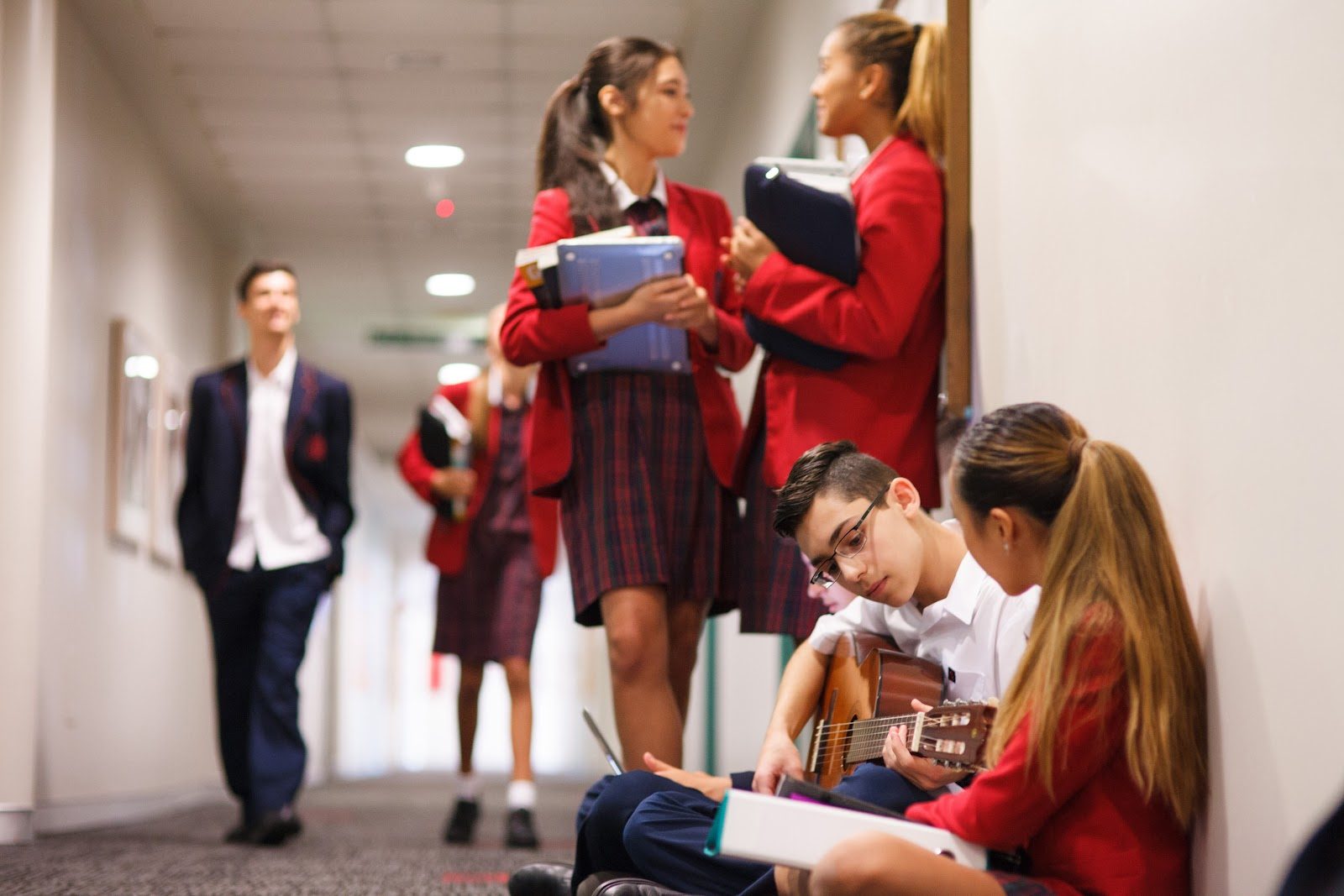
Photo © The McDonald College via Google Maps
Type
Day
Ages
5–18
Curriculum
HSC
Ratio
—
The Verdict
Editor's commitment
Right for
Families wanting a K-12 day school in North Strathfield where HSC academics sit alongside performing arts or elite tennis.
Wrong for
Children aged 5–18 who want a conventional Sydney school without specialist training, or families wanting boarding beyond this non-denominational day model.
Watch out for
At AUD 21,000 a year, this AISNSW member and NESA-registered school sells a niche model; published academic data here centres on HSC arts nominations.
Ranking breakdown
The McDonald College · #1067 of 1591
Composite score 61.7. 8 weighted criteria.
By criterion
Academic Outcomes
Weight 20%
#1223
of 1529 scored
University Placement
Weight 16%
#1332
of 1529 scored
Prestige & Heritage
Weight 12%
#1018
of 1529 scored
Alumni Network
Weight 12%
#1202
of 1529 scored
Facilities
Weight 12%
#582
of 1529 scored
Transparency & Communications
Weight 8%
#861
of 1529 scored
Peer & Industry Review
Weight 10%
#52
of 1529 scored
Admissions Selectivity & Demand
Weight 8%
#647
of 1529 scored
Peer & Industry Review
How The McDonald College is regarded in the sector
82
Strong · medium confidence
The McDonald College occupies a specialist niche rather than competing head-to-head with Sydney's academically selective independent schools such as Sydney Grammar or SCEGGS in mainstream HSC league tables published by the Sydney Morning Herald; it rarely appears among top all-round academic performers there. Its standing instead rests on recognition within the performing-arts training pipeline: heads of specialist arts programs and full-time tertiary conservatoires, including WAAPA, the Australian Ballet School and NIDA-adjacent pathways, treat it as a credible K-12 feeder that blends AMEB/dance-grade progression with the HSC. Independent-education commentary in Australia (Good Schools Guide-style profiles and myschool.edu.au data) frames it consistently as a specialist rather than general-excellence institution, noting strong arts outcomes alongside modest academic ATAR distribution compared with elite selective and grammar schools. It has limited visible presence at mainstream headmasters' conferences (AHISA) discourse beyond arts-education panels. Overall, industry regard is respectful within performing-arts circles and university arts-admissions contexts, but the school is not positioned by peers or press as a top-tier all-round academic competitor nationally.
Award
Elite Dance 50
World's Top School · The Global Ranking
The McDonald College is featured on our Global Top 50 ranking at #40. This seal is available for the school's marketing team to use on their website, prospectus and social channels.
Award
Elite Drama 50
World's Top School · The Global Ranking
The McDonald College is featured on our Global Top 50 ranking at #31. This seal is available for the school's marketing team to use on their website, prospectus and social channels.
- Anthony Callea — singer, Australian Idol runner-up
- Bridie Carter — actress, McLeod's Daughters
- Rachael Beck — actress/singer
Editors' overview
The McDonald College occupies a narrow and valuable niche: a K–12 day school built for children whose working week already includes the studio, rehearsal room or tennis court. In Australia, that proposition is rare enough to matter. The school’s own claim to be the first of its kind in the country, founded in 1984, gives it a long runway in balancing specialist training with the HSC. This is not a conventional independent school with a few extra arts electives bolted on. It is a performance-centred school in which ballet, dance, music, drama, technical production and elite tennis sit inside the core offer, not at the margins. For the right child, that creates a serious sense of purpose.
That distinctiveness is also the reason it belongs on a shortlist. Families do not choose The McDonald College for sprawling acreage, inherited prestige or a broad church model of schooling. They choose it because the timetable recognises a fact many schools resist: gifted young performers and athletes need structured time for training without surrendering academic ambition. The school states that it gives equal weight to academic rigour and its specialist streams, and the public record does show concrete HSC performance markers in the arts, including OnSTAGE, CALLBACK and ENCORE nominations and selections. That matters. It signals that the performing arts side is not decorative; it feeds into recognised senior outcomes. At A$21,000 a year, it also undercuts much of Sydney’s independent-school market, which makes this specialist model more accessible than many parents will expect. That price point is striking.
The right student for The McDonald College is not the child who wants a huge menu of extracurriculars and years to decide what matters. It suits the child who already knows. The ballet student who needs discipline, repetition and correction. The young actor or musician who wants peers with the same appetite for rehearsal. The junior tennis player whose training load already shapes family life. These children do not need a school to “discover” their passion; they need a school that can accommodate it without treating academics as an afterthought. They also need enough self-management to cope with a demanding, dual-track education. *This is a school for commitment, not dabbling.*
Parents should also read the proposition plainly. Specialisation brings focus, but it narrows the social and educational experience. A child who wants the full traditional school ecology of mass sport, endless subject breadth and a large, mixed student culture may find this model too concentrated and too exacting. A child energised by talented peers, specialist teachers and a campus culture built around performance will find something far more unusual: a school that takes ambition seriously from age 5–18. That is The McDonald College’s market position in one line: a specialist day school for young performers and elite tennis players who want the HSC without putting their main pursuit on hold.
A Global Elite 50 Dance school
The McDonald College sits in Band 32-50 of our Global Elite 50 Dance Schools 2026 because it meets the standard for inclusion within the Global Elite 50 — public evidence supports its elite professional-conversion status, but does not currently allow a definitive one-place distinction against its band peers.
The Global Elite 50 Dance Schools methodology is deliberately aggressive: half of the 100 available points are directly tied to professional conversion between 2016 and 2026 — main-company contracts, elite junior-company positions, apprenticeships and second companies. Beautiful campuses, historic alumni and impressive facilities cannot compensate for weak contemporary professional conversion, and are not scored independently.
Because this school currently publishes limited cohort-level data, no evidence-confidence grade is attached to its position at this stage. As with all band-32-50 schools, the exact ordering will be revised when materially better 2016-2026 destination evidence enters the public domain.
International openness is a defining feature. Boarding or residential arrangements are standard, and overseas dancers apply on a rolling international audition + video pre-screen basis without residency, federation or citizenship gates. Student visas are handled by the school or its host-family partner. This is one of the internationally-open pipelines on the Global Elite 50 Dance Schools list that a relocating family can consider directly. Prospective families are advised to begin overseas application conversations early in the calendar year, with detailed audition and boarding logistics arranged 12-18 months ahead of the intended entry point. Prospective families are advised to begin overseas application conversations early in the calendar year, with detailed audition and boarding logistics arranged 12-18 months ahead of the intended entry point. Prospective families are advised to begin overseas application conversations early in the calendar year, with detailed audition and boarding logistics arranged 12-18 months ahead of the intended entry point. Prospective families are advised to begin overseas application conversations early in the calendar year, with detailed audition and boarding logistics arranged 12-18 months ahead of the intended entry point.
A Global Elite 50 Drama & Acting school
The McDonald College (Acting) sits at #31 on our Global Elite 50 Drama & Acting Schools 2026, with a 69 Elite Score and B- evidence-confidence grade, because on the 100-point Elite Acting Progression Model it demonstrates the weighted elite conservatoire progression, faculty pedigree, screen-and-stage training breadth and industry integration that separate a true tier institution from a strong regional feeder.
Its operating model is best described as Integrated K-12 Specialist: a structure that shapes both the daily balance of academic and specialist study, and the professional trajectory of graduating actors as they move into major drama-school BA degrees or direct casting.
The Global Elite 50 Drama & Acting Schools methodology is deliberately aggressive: 30 of the 100 available points are directly tied to weighted elite conservatoire and professional programme conversion between 2016 and 2026 — RADA, Guildhall, LAMDA, Juilliard, NYU Tisch, Yale, WAAPA, NIDA and their peers — with a further 15 points on faculty and industry pedigree and 20 points on training intensity and industry integration. Beautiful campuses, historic alumni and impressive facilities cannot compensate for weak contemporary professional conversion, and are not scored independently.
The evidence-confidence grade is deliberately separate from the ranking position: a lower grade reflects less public disclosure, not weaker performance. Where the school moves substantially better cohort data into the public domain in future audit cycles, the position — but not the underlying professional-conversion reality — may be revised.
International openness is a defining feature. Boarding or residential arrangements are standard where the school operates them, and overseas actors apply on a rolling international audition + video pre-screen basis without residency, federation or citizenship gates. Student visas are handled by the school or its host-family partner. This is one of the internationally-open pipelines on the Global Elite 50 Drama & Acting Schools list that a relocating family can consider directly.
Academic Performance
The McDonald College does not publish the kind of whole-school examination data that allows a clean comparison with Sydney’s stronger independent academic schools. There is no aggregate HSC score profile in the public domain, no median ATAR, no subject-by-subject table, and no university destinations breakdown. That opacity matters. Parents can see selected outcome markers, but not the full academic distribution. The clearest published evidence sits in the performing arts end of the senior school: 27 HSC Drama OnSTAGE nominations, 24 HSC Dance CALLBACK nominations with selections, and music recognition through ENCORE. Those are serious public indicators in disciplines where external recognition carries weight. They show a school with real traction in specialist subjects, not a school trading on aspiration alone.
The harder question is where it fits relative to peers overall. On academics in the narrow league-table sense, it does not compete publicly with the city’s results-driven HSC powerhouses because it does not disclose the data needed for that contest. On performance-linked outcomes, it sits in a distinctive lane of its own: a school built for students whose strongest external results may land in drama, dance and music as much as in raw ATAR metrics. That makes it a specialist rather than universal proposition. Families who want transparent whole-cohort academic numbers will find the public record thin. Families who value visible senior recognition in the performing arts will find stronger evidence here than at many mainstream schools.
Facilities
The crucial facilities here are the specialist ones, not the generic independent-school checklist. The school’s identity rests on studios, rehearsal spaces and performance infrastructure that support daily training in ballet, dance, drama, music and technical production, alongside courts for its elite tennis stream. That mix is rare in one campus model. At mainstream K–12 schools, performing arts facilities often serve concerts and annual productions; here they underpin the working week. That is a material difference. A child training seriously needs spaces built for repetition, correction and extended hours, not a hall borrowed between assemblies. The inclusion of technical production also matters: it points to provision beyond on-stage talent alone and gives the school a more professionally minded edge than many arts-focused rivals.
Against peer schools, The McDonald College wins on specialist fit rather than scale. It does not trade on vast grounds, monumental architecture or the sports infrastructure of Sydney’s big all-rounder independents. Parents after aquatic centres, multiple ovals and a grand campus ecology will find stronger provision elsewhere. Parents after a school where the physical plant is organised around young performers and tennis players will find this offer sharper and more purposeful. The weakness is clear too: the school does not publish a detailed public inventory of its facilities, so families need to inspect carefully and test whether the studios, courts and production spaces match the intensity of their child’s programme. In this category, site visit trumps brochure language every time.
Families do not choose The McDonald College for sprawling acreage, inherited prestige or a broad church model of schooling
Prestige
The McDonald College has niche prestige, not the broad social capital of Sydney’s old-name independents. Its standing rests on specialist credibility: serious families in dance, musical theatre, drama, music and elite junior tennis know what it is for. That matters more than crest value when a child’s week already revolves around training. The school has built a public identity around pre-professional preparation, and the published outcomes in the arts give that claim substance: 27 OnSTAGE nominations in drama, 24 CALLBACK nominations in dance, plus ENCORE recognition in music. In this market, those are hard currency. They carry more weight than polished slogans because they connect the school to external judgement in fields where performance is visible and competition is intense.
That said, prestige here is specialist, not universal. The McDonald College does not confer the instant social recognition attached to the most established selective or high-fee independent schools, and it does not publish the whole-cohort academic data that underpins conventional academic prestige. Parents buying this education are not buying old-boy networks, sprawling status culture or a famous all-rounder brand. They are buying access to a rare institutional model: a school organised around young performers and athletes whose main pursuit cannot sit politely after school. For the right child, that is serious educational legitimacy. For families chasing mainstream academic cachet, it is a narrower proposition.
The right student for The McDonald College is not the child who wants a huge menu of extracurriculars and years to decide what matters
Communications
The McDonald College communicates in the style of a school with a clear niche and no interest in disguising it. The website leads hard with its core proposition: performance-centred schooling, specialist streams, open days, enrolment points and public outcome markers in drama, dance, music and tennis. That is commercially sharp and useful. Parents can grasp the school’s purpose quickly, and the front page does not bury the lead under vague mission language. News items also help. They show current activity rather than a frozen prospectus, and they give a sense of staff involvement and student opportunity across the school. For busy parents trying to judge whether a specialist school is alive and organised, that matters.
The weakness is depth. The public-facing communication is stronger on identity than on disclosure. There is a heavy use of testimonials and celebratory fragments, but less hard operational detail than exacting parents will want: no serious public academic data set, no clear whole-school outcomes picture, and no detailed facilities inventory in one obvious place. Even the headline arts recognitions — 27 OnSTAGE nominations, 24 CALLBACK nominations — function more as proof of specialist success than as a rounded explanation of school performance. That does not make the communication poor; it makes it selective. For families already sold on the model, it will feel confident and purposeful. For families comparing schools line by line, it leaves important gaps that need filling in person.
Uniqueness
What sets The McDonald College apart is not arts branding but timetable design. Most schools ask talented dancers, actors, musicians or athletes to squeeze serious training around the edges of the day. This school builds the day around it. That alters the texture of school life: specialist practice is not an extracurricular add-on but part of the institutional logic. The combination is unusually focused: performing arts streams, technical production and elite tennis inside one K–12 setting, with academics kept in view rather than abandoned. In Australia, the school’s claim to be the only one of its kind is central to its identity, and the proposition is genuinely narrow in the best sense. It knows exactly which families it serves.
For students, that brings three clear gains. First, peer culture: a child training seriously spends the week among other children who understand repetition, correction, auditions, setbacks and long practice hours. That matters more than glossy aspiration. Second, time: the structure reduces the constant friction between school attendance and high-level external training. Third, professional realism: technical production sits alongside on-stage disciplines, which gives the school a less sentimental, more industry-literate view of performance work. The same applies to tennis. The trade-off is obvious. This is not a broad church school. Students who thrive here want intensity, specialism and a cohort with the same appetite for work. Those students get something rare and hard to replicate elsewhere.
Against peer schools, The McDonald College wins on specialist fit rather than scale
Student Profile
The students who fit here are the ones with a main pursuit already shaping family life. Dancers used to correction, repetition and long practice hours. Young actors and musicians who want peers who take rehearsal seriously. Tennis players whose training schedule already dictates the week. This is a school for children who draw energy from high-focus environments and do not need coaxing into commitment. It also suits students who like being around other specialised children, rather than disappearing into a large generalist cohort. The age span of 5–18 matters here: children can enter early and grow up inside a culture where artistic and sporting ambition is normal, not treated as an inconvenience.
The less suitable student is just as clear. A child who wants to sample everything, drift between interests or build identity through mainstream school sport and a broad extracurricular menu will find this model too narrow and too exacting. So will students who shrink in talented company. The culture rewards self-discipline, resilience and the ability to absorb feedback without melodrama. Public parent and student comments point to strong pastoral warmth, but that does not cancel the demands of the setting. This is not a soft-edged school. It works for children who already know what they care about and want classmates who feel the same. For the right family, that focus is liberating. For the wrong one, it is constricting.
The McDonald College has niche prestige, not the broad social capital of Sydney’s old-name independents
Co-curricular strengths
Arts & sport, on a separate axis
Overall 9.22/10
Scored 0-10 from the school's own published evidence. This axis is editorial-only — it does not feed the main WTS ranking.
Sports
8/10
Drama
9.8/10
Dance
10/10
Music
9.8/10
Visual Arts
8.5/10
Strengths
- +Purpose-built specialist school combining full HSC academic study with structured daily training in dance, drama and music.
- +Small cohort sizes across the school allow closer staff attention than at large comprehensive high schools.
- +Dedicated performing arts facilities, including theatre and dance studio spaces, integrated into the campus.
- +Located in North Strathfield with convenient rail access, suiting Sydney inner-west and northern suburbs commuting families.
- +Established specialist reputation in the performing arts sector among independent Sydney schools.
Considerations
- −Small overall enrolment means a narrower subject and elective range than large comprehensive secondary schools.
- −Entry to the performing arts stream requires audition, which may exclude academically strong students without arts aptitude.
- −Day-only campus with no boarding option, so it does not suit relocating families needing residential care.
- −Facilities and campus footprint are modest compared with larger, more heavily endowed Sydney independent schools.
Gallery
Photo © The McDonald College via Google Maps
Photo © The McDonald College via Google Maps
Photo © The McDonald College via Google Maps
Photo © Jue Wang via Google Maps
Photo © The McDonald College via Google Maps
Photo © The McDonald College via Google Maps
Photo © The McDonald College via Google Maps
Parent reviews
Have you sent your child here?
Voice reviews carry the strongest trust badge — we transcribe them for you to tidy up before they go live. Prefer to type? A written review is fine too.
Add your voice
In 60 seconds, tell other parents: what's the best thing about The McDonald College, and what surprised you when your child joined?
We ask for a Google sign-in so every review has a real face behind it — no anonymous drive-by attacks on schools, and no faked positive reviews. Your email is never shown publicly.
Send this profile to a friend
International parents rely on word-of-mouth. Share this review with someone weighing the same decision.
Schools with places
Similar schools to The McDonald College with places available now.
The King's School (Parramatta)
Parramatta · Australia
- 2026-27
- WAITPOOLVacancy-dependent
- 2027-28
- PLACES OPEN
Pymble Ladies' College
Sydney · Australia
- 2026-27
- WAITPOOLVacancy-dependent
- 2027-28
- PLACES OPEN
Ascham School
Sydney · Australia
- 2026-27
- WAITPOOLVacancy-dependent
- 2027-28
- PLACES OPEN
Sydney Grammar School
Sydney · Australia
- 2026-27
- WAITPOOLYr 7 closed; Yrs 8-11 enquire
- 2027-28
- WAITPOOLYr 7 closed; Yrs 8-11 enquire
Availability first, then country, area, curriculum, price, co-curricular
Consider also
Also worth looking at alongside The McDonald College.
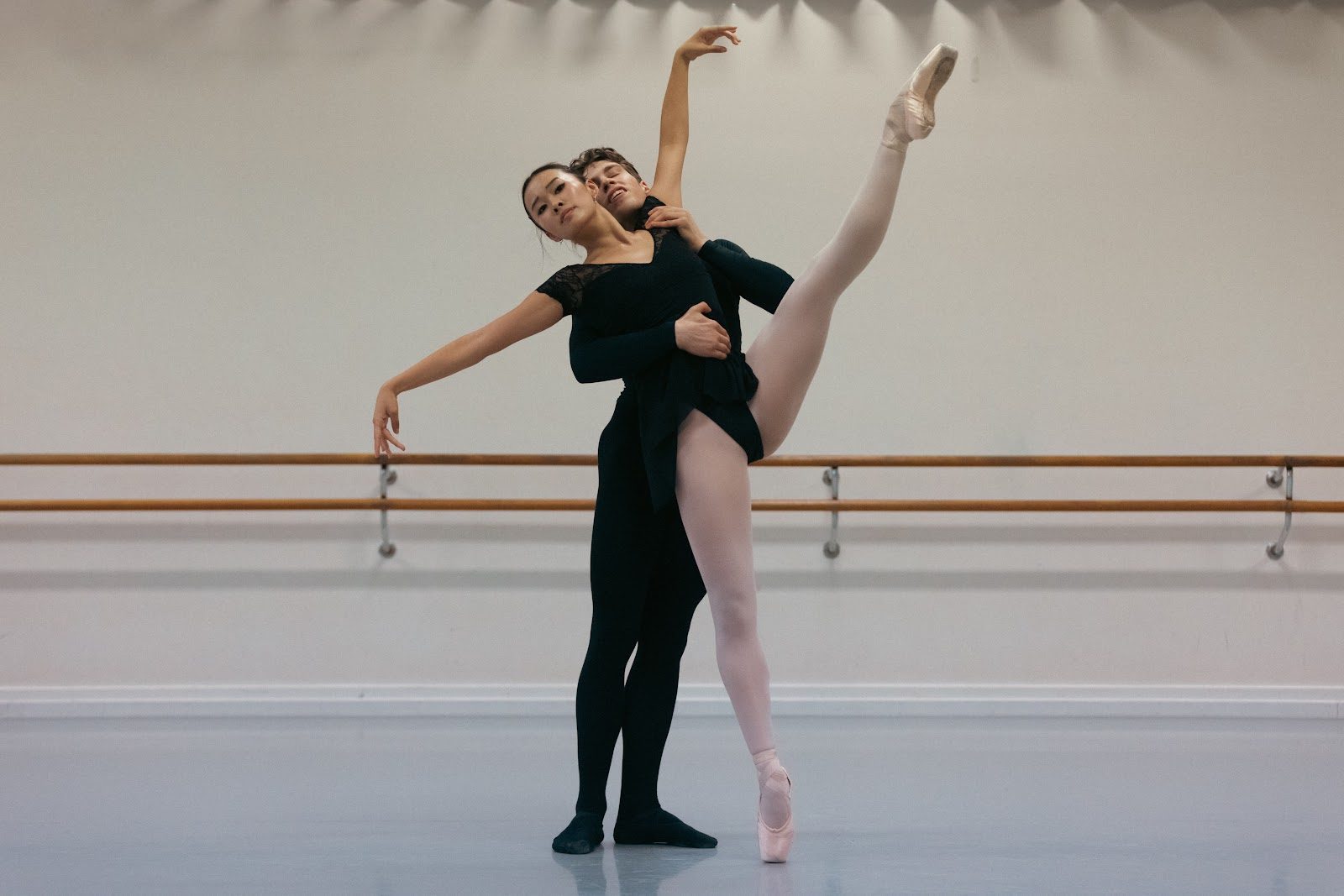
The Australian Ballet School
Southbank, Melbourne · Australia
Founded in 1964 as the national training ground for The Australian Ballet, pairing VCE study with daily classical technique in Southbank.
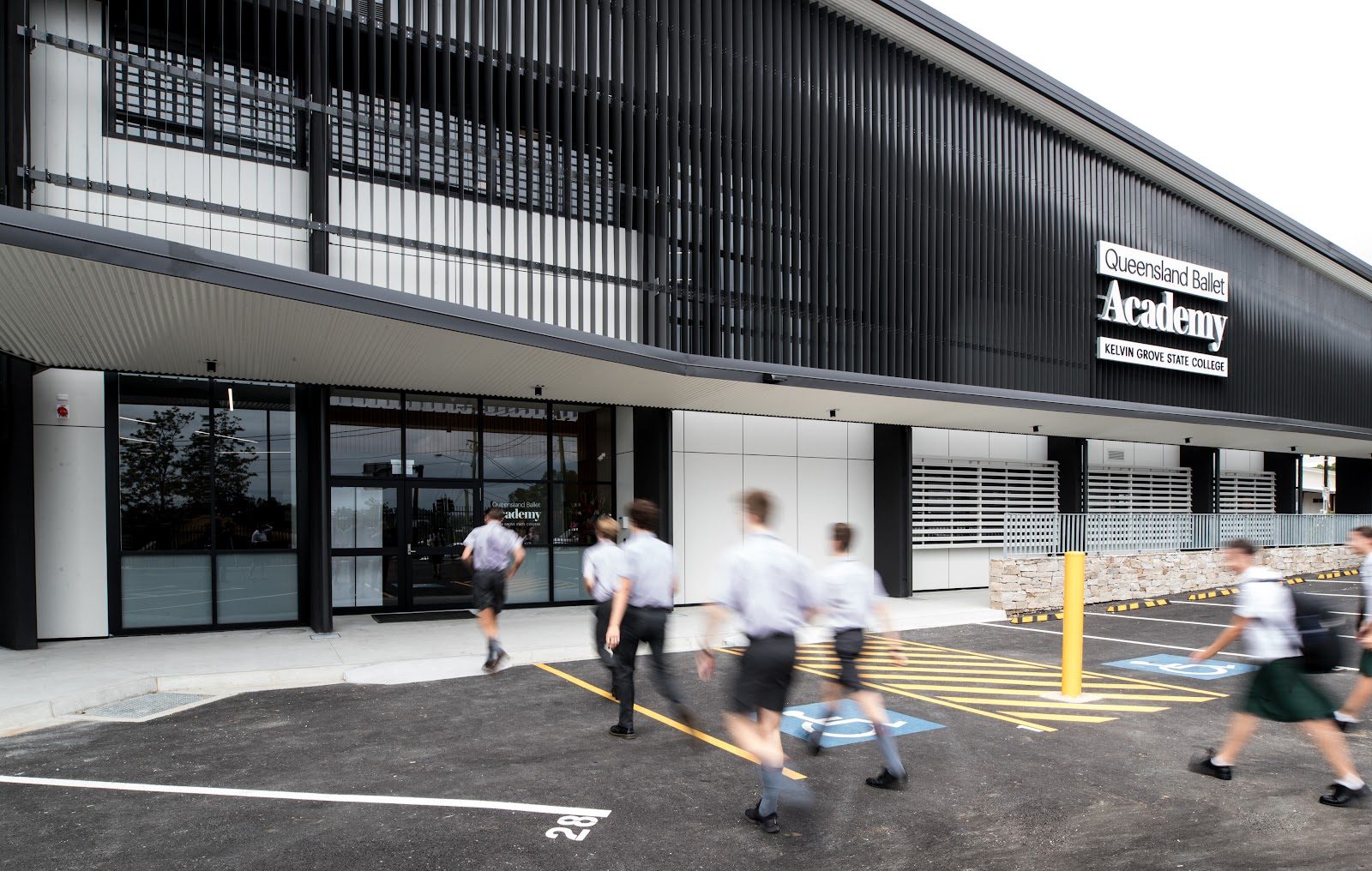
Academy of Queensland Ballet
Brisbane · Australia
Pointe work and QCE credits share a timetable, as Kelvin Grove State College classrooms feed straight into Queensland Ballet's own studios
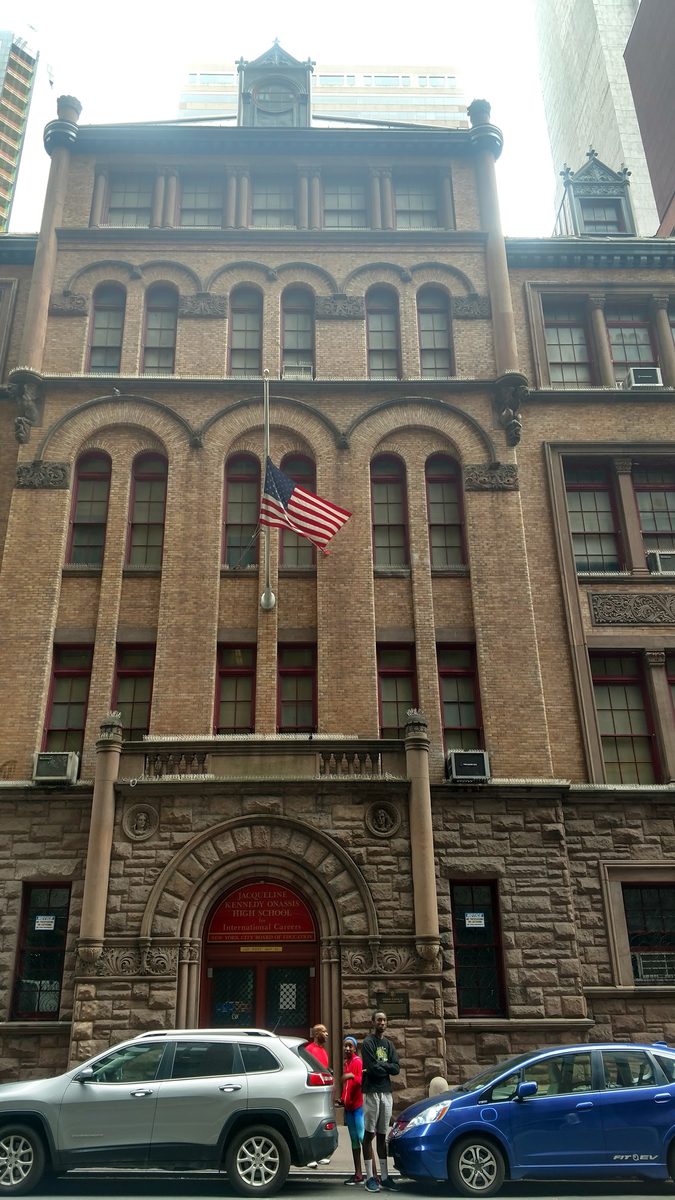
ABT Jacqueline Kennedy Onassis School
New York, NY · United States
Pre-professional ballet training on ABT's National Training Curriculum, feeding dancers straight into the company's own ranks

John Cranko School
Stuttgart · Germany
A ballet academy where daily company class runs alongside the Abitur, its graduates filling the ranks of the Stuttgart Ballet
Same specialism, country and curriculum — closest matches within ±10 points either way