
Innlandet
Built into Lillehammer's 1994 Olympic ski halls, pairing the Norwegian curriculum with elite biathlon, cross-country and ski jump training.
Type
Day
Ages
16–19
Curriculum
Norwegian National Curriculum
Ratio
—
The Verdict
Editor's commitment
Right for
Sixth-form athletes aged 16–19 who want the Norwegian National Curriculum in Norwegian, with daily training in Lillehammer.
Wrong for
Families wanting boarding, English-medium teaching or a broad sixth-form sports menu beyond biathlon, cross-country and ski jumping.
Watch out for
This is a private day school in Lillehammer; the school charges fees, and public exam outcomes are not published.
Ranking breakdown
NTG Lillehammer · #951 of 1591
Composite score 65.1. 8 weighted criteria.
By criterion
Academic Outcomes
Weight 20%
#1312
of 1529 scored
University Placement
Weight 16%
#1371
of 1529 scored
Prestige & Heritage
Weight 12%
#1355
of 1571 scored
Alumni Network
Weight 12%
#623
of 1530 scored
Facilities
Weight 12%
#22
of 1534 scored
Transparency & Communications
Weight 8%
#943
of 1532 scored
Peer & Industry Review
Weight 10%
#463
of 1548 scored
Admissions Selectivity & Demand
Weight 8%
#888
of 1529 scored
Peer & Industry Review
How NTG Lillehammer is regarded in the sector
75
Strong · medium confidence
NTG Lillehammer is judged less against conventional academic peer schools and more within Norway's specialist elite-sport education network, since it is one of the NTG (Norges Toppidrettsgymnas) chain of gymnasiums built around combining upper-secondary studies with high-performance training. Within this niche, it is generally regarded as credible given Lillehammer's Olympic-era winter-sport infrastructure and its links to national federations and Olympiatoppen-aligned training programmes, which is the main currency of respect among sister NTG campuses (Oslo, Bergen, Tromso) and rival sport-gymnasium models such as the municipal 'toppidrett' lines. It does not feature in mainstream Norwegian academic league tables (Skoleporten, Aftenposten rankings) in the way traditional gymnasiums do, since its value proposition is athletic rather than purely academic, and it receives negligible coverage from international independent-schools press such as WhichSchoolAdvisor or the Good Schools Guide, which rarely assess Nordic sport-focused institutions. University-side regard is anecdotal rather than documented in public admissions commentary, tied to graduates' athletic federation pathways rather than formal feeder-school reputation. Overall standing is respectable but regionally bounded and sport-sector specific, not benchmarked against elite international academic norms.
Award

Elite Sport 80
World's Top School · The Global Ranking
NTG Lillehammer is featured on our Global Top 80 ranking at #7. This seal is available for the school's marketing team to use on their website, prospectus and social channels.
Editors' overview
NTG Lillehammer occupies a narrow, serious niche: a Norwegian upper-secondary day school for 16–19 year olds who want the Norwegian National Curriculum built around daily sport. The differentiator is not a vague “sports focus” but the setting and structure. This campus sits in Lillehammer’s Olympic infrastructure, with Håkonshall and Stampesletta next door, and the school states plainly that pupils get ordinary academic subjects, training every day, activity-led electives and supervised study time with a teacher so schoolwork is finished before they go home. That makes it a practical proposition for athletes whose week is already full. The pitch is high-performance routine, not pastoral theatre.
What puts it on a shortlist is the degree of integration between school and training. Parents looking at sport schools often find a bolt-on model: lessons first, training squeezed in around the edges. NTG Lillehammer offers the opposite. Training is built into the day, facilities are close, and the school promises individual follow-up and development. For a young skier, biathlete or other athlete who needs repetition, recovery and disciplined time management, that matters. The Lillehammer location adds real substance. This is Olympic-sport infrastructure in a town whose identity is tied to winter sport. The school also runs a selective admissions process with application deadlines and testing, including general assessments and sport-specific tests in some disciplines. This is selection with intent, not open-entry convenience.
The trade-off is clear. NTG Lillehammer is not for families who want a broad, conventional sixth-form experience with sport as an extra. It is for students who already train seriously, tolerate structure, and want school organised around that commitment. The language of instruction is Norwegian, which narrows the pool immediately. It is also a private school charging fees, with sibling discount but no public fee schedule in the excerpts we have seen, so parents need to ask direct questions on cost. Anyone seeking published aggregate academic outcomes, glossy claims about university destinations or a wide menu of co-curricular distractions will find the public case thinner than at some international competitors. What NTG Lillehammer offers instead is clarity of purpose, daily athletic immersion and a timetable designed for students who are already living like young performance athletes.
The student who will want NTG Lillehammer is disciplined, coachable and happy in a specialist environment. This is the right place for a teenager who wants the Norwegian curriculum without giving up serious sport, who values close daily structure over campus sprawl, and who is motivated by being around peers with the same priorities. It suits focused athletes, not dabblers; self-starters, not students who need constant novelty. If your child wants a standard academic school with strong sport, look elsewhere. If your child wants school to serve elite training rather than compete with it, NTG Lillehammer earns a place on the list.
An Elite Sport 80 school
NTG Lillehammer is one of a small chain of Norwegian private sports gymnasiums, but its Lillehammer campus stands out globally because it produces winter Olympians at a density that even Nordic peers cannot match. The International Olympic Committee has openly described Lillehammer as a "gold medal factory": across the past four Winter Games, athletes trained at NTG Lillehammer would rank around twelfth on the combined medal table if counted as their own country. That is why the school sits at rank seven on the Elite Sport 80.
The specialisms cover the full Norwegian winter portfolio: cross-country skiing, biathlon, alpine skiing, ski jumping, Nordic combined, freestyle, snowboard and speed skating. The school uses the 1994 Lillehammer Olympic infrastructure — bobsleigh track, ski-jump complex, cross-country trails, biathlon range and speed-skating hall — as its everyday training environment. Combined-training and dual-career scheduling are built into an accredited Norwegian upper-secondary curriculum.
Notable alumni include Marit Bjørgen (the most decorated Winter Olympian in history), Ole Einar Bjørndalen, Petter Northug, Therese Johaug, Jarl Magnus Riiber and a rolling cohort of current World Cup podium finishers. Any Norwegian medal at a Winter Games from the late-1990s onward has a strong probability of belonging to an NTG Lillehammer alumnus.
International openness is limited but not closed. Admission is primarily for Norwegian residents and requires functional Norwegian for tuition, but a small number of overseas athletes are admitted each year on a "selection" basis, usually via a partnership between the athlete's home federation and NTG. There is no F-1 style boarding pipeline for casual applicants; the practical route is federation-to-federation. Norwegian tuition is heavily subsidised, so out-of-pocket costs are modest by international standards, but the language and federation gates are real. For a family already inside a winter-sport federation, Lillehammer is one of the most efficient pathways to Olympic level in the world.
Academic Performance
NTG Lillehammer does not publish the data that matter most in an academic performance section. We have not seen aggregate examination results, grade distributions, completion rates, university destinations or any benchmark set against other Norwegian upper-secondary schools. That leaves parents without the basic evidence needed to judge academic strength in a hard-edged, comparative way. The school is explicit about structure — ordinary school subjects, daily training and supervised study time — but public proof of what that structure delivers in external results is thin. For a specialist sports school, that opacity is not unusual. It is still a weakness.
Relative to peers, NTG Lillehammer fits the category of performance-athlete schooling first and transparent academic operator second. That does not mean weak academics; it means the school asks families to trust the model more than the numbers. The timetable design and built-in study support point to a serious attempt to protect academic progress for students with heavy training loads. The counterpoint is simple: without published outcomes, there is no solid basis for placing the school above, below or alongside mainstream Norwegian academic sixth forms or other elite sports schools. Parents who care about exam performance need to ask direct questions and ask for hard figures from the last 3 years: final grades, subject-level outcomes, completion rates and destinations. Until then, the academic case remains opaque and unproven in public.
Facilities
The facilities story here is strong because it is functional, not decorative. NTG Lillehammer sits in Idrettens hus with modern classrooms and training spaces, and its nearest neighbours are Håkonshall and Stampesletta. For a school built around athlete routines, that matters more than grand architecture or sprawling grounds. Fast transitions between lessons, training and recovery make the day work. Peer schools in the sports-school market talk about integration; this campus has it in physical form. The result is a workmanlike high-performance set-up rather than a picturesque school experience. Families looking for theatres, design labs or a broad lifestyle campus are shopping in the wrong category. Families looking for serious daily sporting utility will read this differently.
Against specialist athletic peers, NTG Lillehammer’s edge lies in proximity to recognised competition and training venues, not in a published list of luxury extras. The school does not flood the public domain with square metres, equipment inventories or showcase builds, so there is less hard detail than one would want. Even so, the essentials are clear: dedicated teaching space, direct access to established sports infrastructure, and a timetable built around that access. That puts the school ahead of ordinary academic sixth forms with good sports halls but no integrated performance environment. It also leaves it exposed against top specialist rivals that publish fuller detail on strength and conditioning, medical support and athlete services. In facilities terms, this is purpose-built in practice, lean in presentation and strong where it counts: daily training convenience, elite-sport adjacency and a disciplined operational set-up.
NTG Lillehammer is not for families who want a broad, conventional sixth-form experience with sport as an extra
Prestige
NTG Lillehammer carries real prestige inside a narrow field and limited prestige outside it. In Norway’s youth-performance sport ecosystem, the NTG name has weight because it signals selection, routine and serious athletic intent. This campus strengthens that by operating beside Lillehammer’s Olympic-era facilities and by running admissions through staged testing rather than simple first-come entry. That gives the school a hard-edged specialist status. Among families targeting high-level winter sport, that matters more than generic school brand polish. Among families judging prestige through published academic results, university pipelines or broad social cachet, the case is weaker. The school does not publish the public proof that turns specialist respect into wider educational authority.
That is why the prestige rating sits in the specialist, not universal bracket. The school’s standing rests on identity, environment and peer group: students train daily, applicants face assessment, and the setting ties the school to a nationally resonant sports culture rather than to elite academic symbolism. The admissions structure alone — with application windows, meetings for parents, and test days split across general and sport-specific assessment — gives the operation a more selective feel than many ordinary fee-charging schools. The threshold for sport-specific testing, set at 6 applicants in a discipline, also shows a practical, unsentimental approach. In plain terms: this is credible prestige for committed athletes, not top-tier academic prestige in the broader independent-school market.
The student who will want NTG Lillehammer is disciplined, coachable and happy in a specialist environment
Communications
Parent communication is functional, date-driven and aimed at families who value process over polish. The school publishes a clear admissions timetable with an application opening and closing window, named information meetings for parents and new applicants, a general testing day, and follow-up sport-specific testing in selected disciplines. That matters because specialist schools lose trust fast when selection is vague; here, the sequence is set out plainly. The school also names a direct admissions contact rather than hiding behind a generic inbox, and it states that applicants who meet the deadline receive an invitation email for the testing day. Families then receive another email if they progress to sport-specific assessment. The threshold for running those extra tests — 6 applicants in a discipline — is also disclosed. That is usefully blunt, procedural communication.
The weakness is breadth. Public-facing communication tells parents how admissions works and sketches the school day, but it leaves gaps where serious families want more: no published fee figure in the excerpt, no richer explanation of academic monitoring, no hard public data on outcomes, and little sense of how the school communicates once a student is enrolled. There is enough here to judge the front end orderly and competent. There is not enough to call it deeply transparent. In plain terms, NTG Lillehammer communicates well when the message is operational — deadlines, tests, next steps — and less well when the subject is the fuller parent case for cost, academic proof and ongoing reporting.
Uniqueness
What marks NTG Lillehammer out is the extent to which school is built around an athlete’s working day rather than asking sport to fit around school. Daily training, supervised study time with a teacher, and a campus embedded in serious sporting infrastructure create a high-discipline rhythm that many schools promise and few deliver cleanly. The admissions process reinforces that identity. Entry runs through a fixed application window, a general testing day, and sport-specific assessment in selected disciplines, with those extra tests only running when there are at least 6 applicants in the sport. That is a selective specialist filter, not a casual enrichment model. The result is a peer group shaped by commitment, routine and tolerance for pressure.
For students, that brings practical advantages as much as symbolic ones. Time is used with ruthless efficiency: less commuting between sites, less dead space in the day, and more chance of leaving with academic work already done. That matters for teenagers balancing training load, recovery and school demands. The school’s own emphasis on varied training and individual follow-up also points to a set-up that treats development as a long game rather than a sprint for early results. The trade-off is just as clear. This is a narrow-track environment. Students who thrive on breadth, social looseness or a wider menu of school-life distractions will find it constraining. Students who want elite routine and a timetable built to serve performance will find its purpose unusually clear.
If your child wants school to serve elite training rather than compete with it, NTG Lillehammer earns a place on the list
Student Profile
The right student for NTG Lillehammer is already living with training as the organising fact of the week, not treating sport as a pleasant extra. This school suits teenagers who are punctual, resilient and happy with repetition: the sort who can move from class to training to supervised study without needing constant novelty or hand-holding. They need to be comfortable being assessed before entry and with joining a peer group shaped by selection rather than open access. The culture fits students who accept correction, cope with fatigue and keep going when the timetable is tight, demanding and unromantic. It also fits families who value routine over display. The school day is built to remove drift and wasted time; students who enjoy loose structure or a broad social sprawl will feel boxed in.
The best fit is a focused young athlete in one of the school’s established sporting lanes, or at least a student who wants that kind of disciplined environment around them. That matters because the admissions process includes general testing and, in some sports, a second stage that only runs when there are at least 6 applicants in that discipline. This is not a place for dabblers, late starters or teenagers still negotiating whether sport matters. It is a serious specialist track for students who want school to serve performance and who can live with a narrower adolescent experience in return. If your child wants breadth, softness and endless choice, this is not for the faint-hearted.
NTG Lillehammer does not publish the data that matter most in an academic performance section
Co-curricular strengths
Arts & sport, on a separate axis
Overall 5.16/10
Scored 0-10 from the school's own published evidence. This axis is editorial-only — it does not feed the main WTS ranking.
Drama
4/10
Dance
3.5/10
Music
4.5/10
Visual Arts
4/10
Strengths
- +Combines the standard Norwegian videregaende (upper secondary) curriculum with structured elite-sport training, letting students pursue a national diploma alongside competitive athletics.
- +Located in Lillehammer, host city of the 1994 Winter Olympics, giving access to established winter-sport infrastructure (ski jumps, bobsled/luge track, biathlon and cross-country facilities).
- +Part of the NTG (Norges Toppidrettsgymnas) network, a long-running chain of Norwegian sports gymnasiums with multiple campuses, giving continuity of coaching philosophy and sport-science approach.
- +Small, sport-focused cohort structure typical of NTG schools allows closer coach-to-student ratios than mainstream public videregaende schools.
- +Graduates receive the standard Norwegian vitnemal, keeping progression to Norwegian universities and further study straightforward.
Considerations
- −As a private specialist school, NTG Lillehammer charges tuition fees, unlike Norway's free public upper-secondary system.
- −The programme is built around elite-sport commitment, which narrows its appeal and daily schedule for students not pursuing competitive athletics.
- −Instruction follows the Norwegian curriculum in Norwegian, which can be a barrier for newly arrived expat teenagers without strong Norwegian-language skills.
- −Lillehammer is a small regional town, offering far less urban amenity, international community, or transport connectivity than Oslo-based alternatives.
Parent reviews
Have you sent your child here?
Voice reviews carry the strongest trust badge — we transcribe them for you to tidy up before they go live. Prefer to type? A written review is fine too.
Add your voice
In 60 seconds, tell other parents: what's the best thing about NTG Lillehammer, and what surprised you when your child joined?
We ask for a Google sign-in so every review has a real face behind it — no anonymous drive-by attacks on schools, and no faked positive reviews. Your email is never shown publicly.
Send this profile to a friend
International parents rely on word-of-mouth. Share this review with someone weighing the same decision.
Schools with places
Similar schools to NTG Lillehammer with places available now.
Availability first, then country, area, curriculum, price, co-curricular
Consider also
Also worth looking at alongside NTG Lillehammer.
Culver Academies
Culver, IN · United States
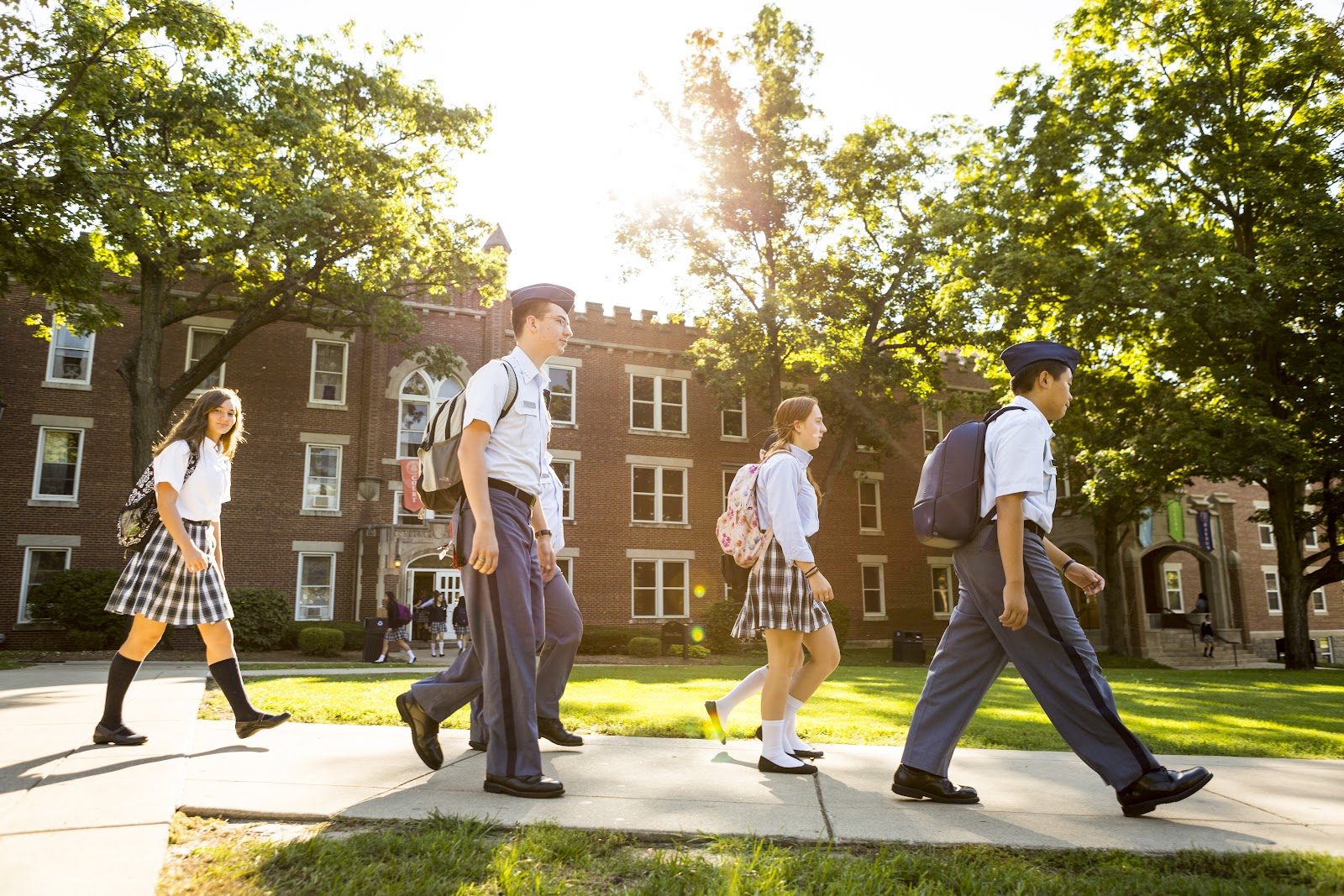
On the shores of Lake Maxinkuckee, cadets in the storied Black Horse Troop have ridden in presidential inaugural parades since 1913.
Glenwood High School
Durban · South Africa
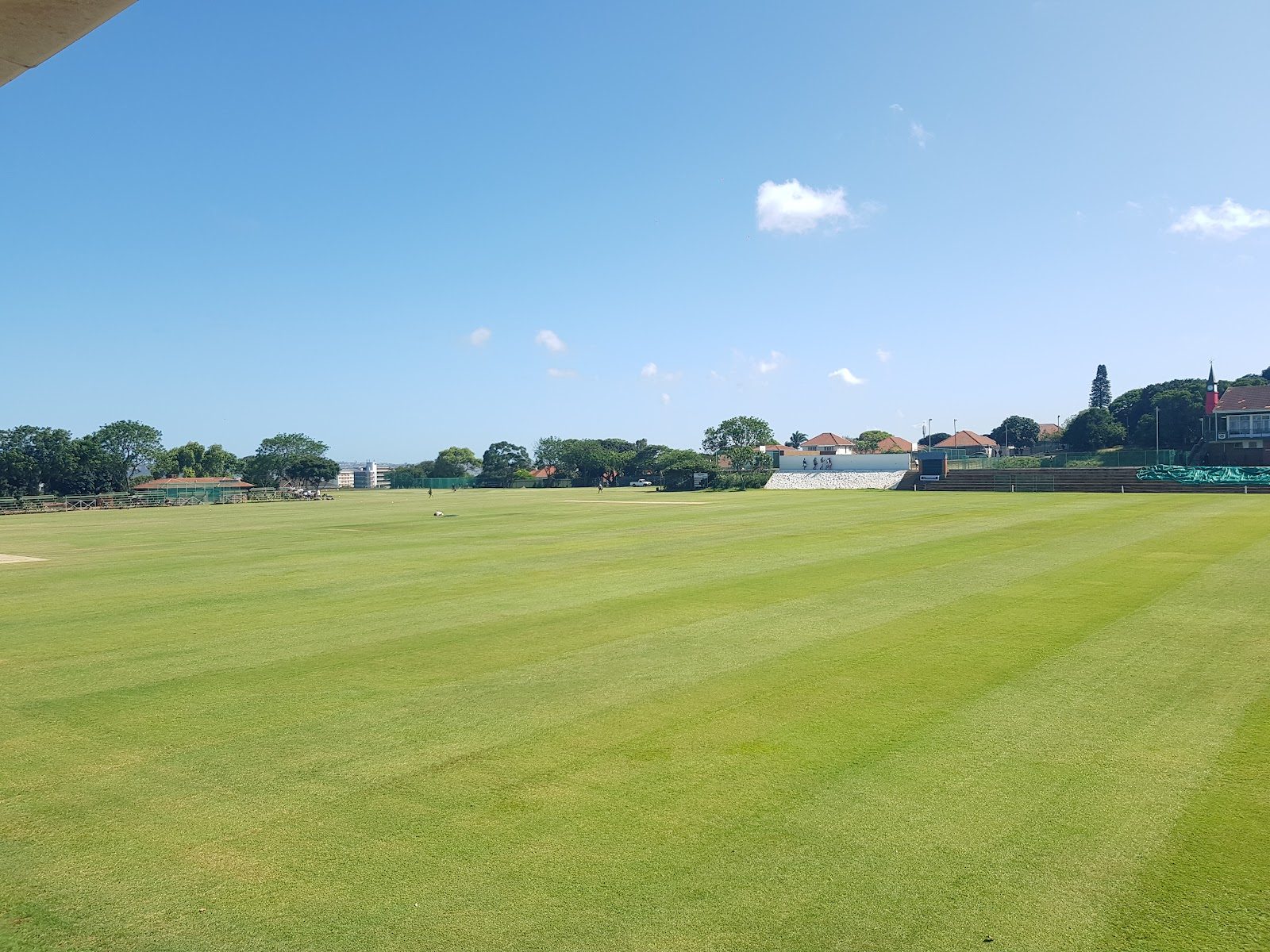
A century-old Durban boys' school where sport is prized as 'the other half' of an education, not an afterthought

South African College Schools (SACS)
Newlands, Cape Town · South Africa
Founded in 1829 beneath Devil's Peak, the Cape Town institution whose academic wing became the University of Cape Town.
St Peter's School Cambridge
Cambridge · New Zealand
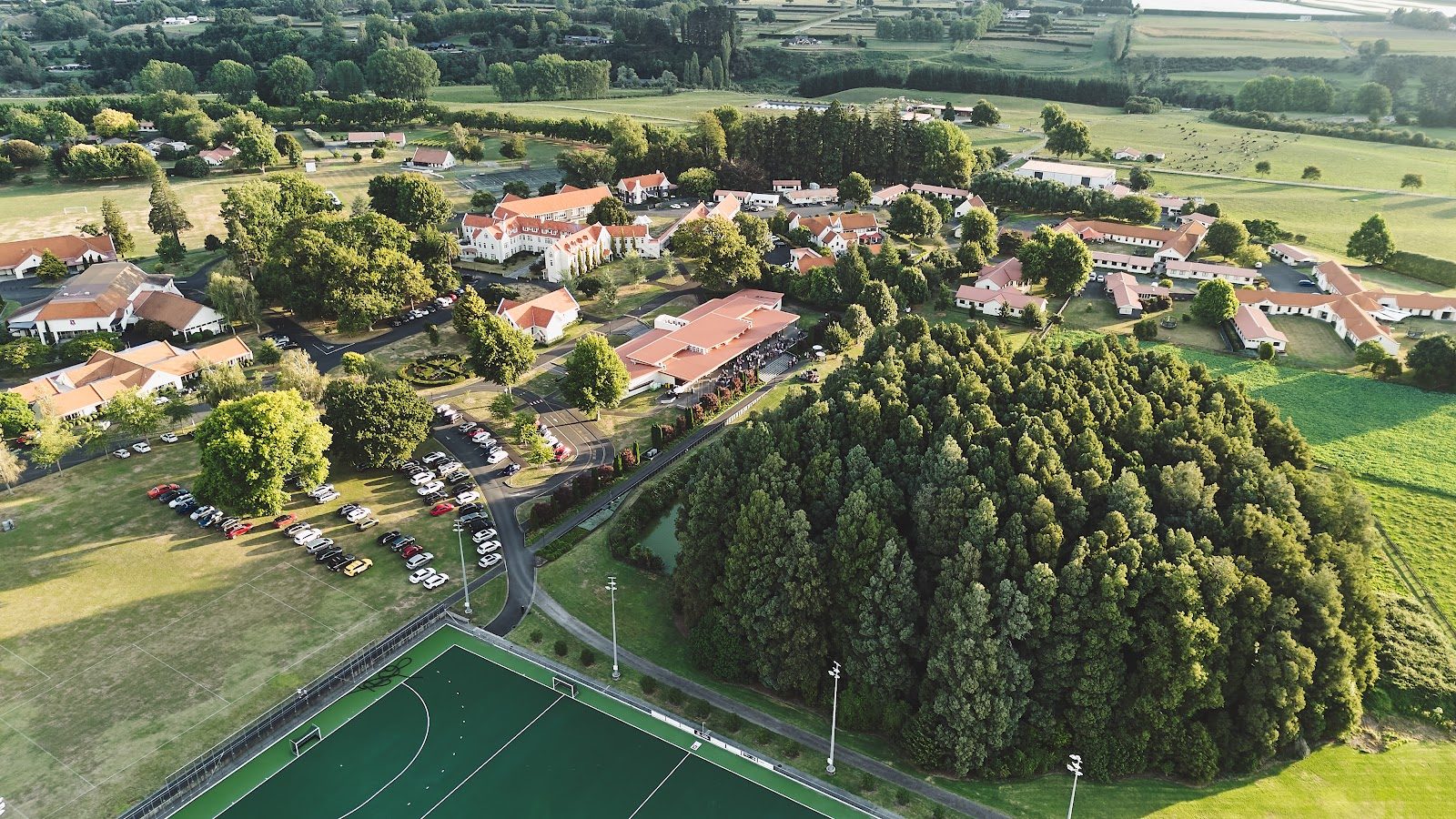
Home of Champions' Cambridge campus: the only Central North Island school offering the IB Diploma, complete with its own dairy farm.
Same specialism, country and curriculum — closest matches within ±10 points either way