
Victoria
The Australian Ballet School
Founded in 1964 as the national training ground for The Australian Ballet, pairing VCE study with daily classical technique in Southbank.
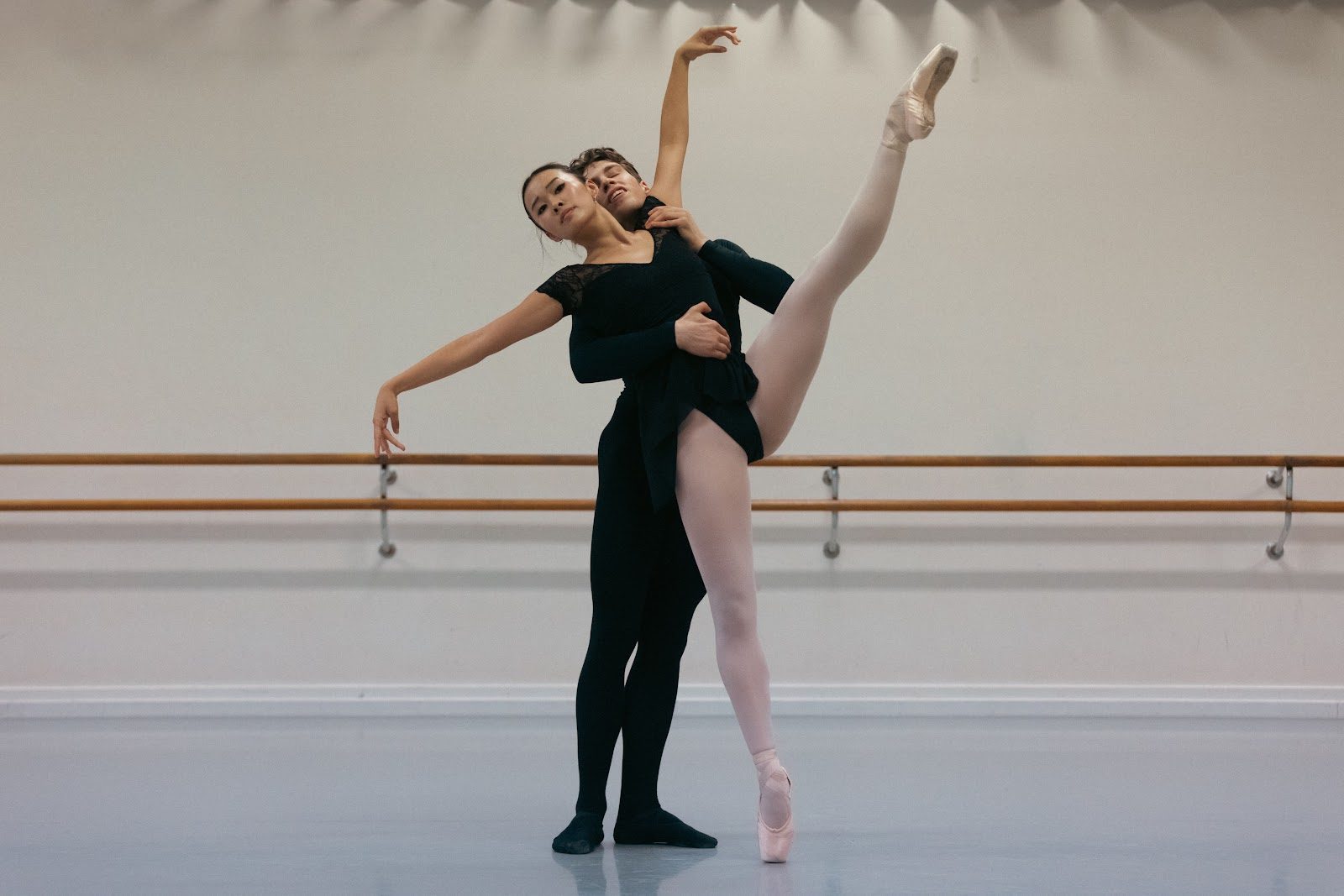
Photo © The Australian Ballet School via Google Maps
Type
Boarding + Day
Ages
12–18
Curriculum
VCE
Ratio
—
The Verdict
Editor's commitment
Right for
Serious dancers aged 12–18 who want VCE in Southbank alongside daily classical training at a school founded in 1964.
Wrong for
Students who want a conventional secondary school first and dance second; this boarding and day school is built around ballet.
Watch out for
Entry to the Full Time Program requires audition, and the school does not publish aggregate VCE results or university destinations.
Ranking breakdown
The Australian Ballet School · #908 of 1591
Composite score 63.6. 8 weighted criteria.
By criterion
Academic Outcomes
Weight 20%
#1496
of 1529 scored
University Placement
Weight 16%
#1521
of 1529 scored
Prestige & Heritage
Weight 12%
#53
of 1571 scored
Alumni Network
Weight 12%
#81
of 1530 scored
Facilities
Weight 12%
#125
of 1533 scored
Transparency & Communications
Weight 8%
#1019
of 1532 scored
Peer & Industry Review
Weight 10%
#2
of 1548 scored
Admissions Selectivity & Demand
Weight 8%
#11
of 1529 scored
Peer & Industry Review
How The Australian Ballet School is regarded in the sector
92
Top-tier · medium confidence
Within Australian elite arts education, The Australian Ballet School is treated as the benchmark vocational institution, its status underpinned by direct affiliation with The Australian Ballet company and a validated Bachelor of Fine Arts (Dance) delivered jointly with the University of Melbourne, giving it academic legitimacy alongside conservatoire training. National arts and education press (The Age, Sydney Morning Herald, Dance Australia) regularly cite its graduates' placements in major companies -- The Australian Ballet, Birmingham Royal Ballet, Stuttgart Ballet -- as evidence of its standing, though it sits outside mainstream academic league tables given its specialist mandate. Within the international ballet-school circuit it is consistently named alongside The Royal Ballet School and Paris Opera Ballet School as a serious training pipeline, with its artistic directors invited to international dance education forums. University partners value its rigorous, University of Melbourne-validated curriculum as evidence of academic seriousness rare among vocational dance schools. Coverage remains sector-specific rather than broad-market, reflecting its niche but internationally respected reputation among genuine peers in classical dance training.
Award
Elite Dance 50
World's Top School · The Global Ranking
The Australian Ballet School is featured on our Global Top 50 ranking at #8. This seal is available for the school's marketing team to use on their website, prospectus and social channels.
- David McAllister — Former Artistic Director, Australian Ballet
- Li Cunxin — Author/Former Principal Dancer, 'Mao's Last Dancer'
- Steven Heathcote — Principal Dancer, Australian Ballet
Editors' overview
The Australian Ballet School occupies a narrow, serious niche: pre-professional ballet training tied to a conventional senior secondary route. Founded in 1964, it has had six decades to define its role, and the role is clear. This is not a broad independent school with strong dance on the side; it is a specialist conservatoire-style school for students aged 12–18 who want daily classical training alongside the VCE. In market terms, that matters. Families are not buying a rounded all-purpose campus experience. They are buying professional formation, technical discipline and a direct line into the world of classical performance.
What puts it on a shortlist is that focus. The school exists to train dancers, not to decorate a mainstream education with studio hours. Its Southbank location places students in Melbourne’s main arts precinct, and the school’s public performance calendar gives training a public edge. The link in its founding purpose to The Australian Ballet also carries weight: this institution was set up as the national training ground for the company, and that heritage still defines its credibility. For the right student, that creates clear vocational intent, high-stakes artistic training and a peer group built around the same ambition. For the wrong student, it narrows life fast.
The ideal pupil is not a casual dance enthusiast. This school suits the young dancer who already works with intensity, accepts correction, and wants a timetable organised around ballet rather than around a conventional school identity. Boarders and day students both need resilience, physical durability and a tolerance for repetition. Parents also need a clear eye. Specialist schools ask for trade-offs: less breadth, more pressure, and a stronger sense that adolescence is being channelled into one discipline. If that discipline is the point, The Australian Ballet School earns attention. If a family wants academic breadth, broad co-curricular choice or a less exacting adolescence, this is the wrong shortlist.
A Global Elite 50 Dance school
The Australian Ballet School sits at #8 on our Global Elite 50 Dance Schools 2026, with A- confidence, because on the 100-point cohort-conversion methodology it demonstrates the professional conversion, faculty pedigree, health-and-wellbeing infrastructure and specialist facilities required for the individually-ranked top-20 group.
The Global Elite 50 Dance Schools methodology is deliberately aggressive: half of the 100 available points are directly tied to professional conversion between 2016 and 2026 — main-company contracts, elite junior-company positions, apprenticeships and second companies. Beautiful campuses, historic alumni and impressive facilities cannot compensate for weak contemporary professional conversion, and are not scored independently.
Its evidence-confidence grade is deliberately separate from the ranking position: a lower grade reflects less public disclosure, not weaker performance. Where the school moves substantially better cohort data into the public domain in future audit cycles, the position — but not the underlying professional-conversion reality — may be revised.
International openness is a defining feature. Boarding or residential arrangements are standard, and overseas dancers apply on a rolling international audition + video pre-screen basis without residency, federation or citizenship gates. Student visas are handled by the school or its host-family partner. This is one of the internationally-open pipelines on the Global Elite 50 Dance Schools list that a relocating family can consider directly. Prospective families are advised to begin overseas application conversations early in the calendar year, with detailed audition and boarding logistics arranged 12-18 months ahead of the intended entry point. Prospective families are advised to begin overseas application conversations early in the calendar year, with detailed audition and boarding logistics arranged 12-18 months ahead of the intended entry point. Prospective families are advised to begin overseas application conversations early in the calendar year, with detailed audition and boarding logistics arranged 12-18 months ahead of the intended entry point. Prospective families are advised to begin overseas application conversations early in the calendar year, with detailed audition and boarding logistics arranged 12-18 months ahead of the intended entry point.
Academic Performance
Academic performance is the opaque part of this proposition. The school offers the VCE, but it does not publish aggregate exam outcomes, median study scores, ATAR distribution, subject-by-subject results, or university destination data in the public domain. That leaves parents without the comparative markers they would expect from academically ambitious senior schools. In a specialist institution built around daily pre-professional training, that gap matters. It tells you the school wants scrutiny to fall on dance formation and performance opportunities, not on league-table style academic metrics. For families choosing between this and a mainstream independent school, that is a material omission, not a minor administrative detail.
Relative to peers, the school sits outside the usual academic comparison set. It competes less with selective VCE schools and more with specialist performing arts pathways where timetable design, injury management and studio demands shape the academic experience. That does not mean weak academics; it means academic transparency is thin and the school asks families to accept a vocationally skewed model without published external proof of where students land. If your child needs a school whose academic outcomes can be benchmarked cleanly against top academic competitors, this is a harder sell. If the primary objective is elite ballet training with a recognised senior secondary route alongside it, the trade-off is clear.
Facilities
Facilities here matter only if they serve one end: turning adolescents into stage-ready dancers. The school’s public-facing offer points to a working performance ecology rather than a decorative campus pitch — in-studio events, seasonal performances and secondments into professional productions. That tells you the important spaces are studios, rehearsal rooms and performance-facing training areas, not expansive playing fields or a broad suite of school amenities. Against mainstream independent schools, this is a deliberately narrow physical proposition. Against specialist dance schools, it is the right one. Families paying for this route need sprung floors, serious daily technical capacity and spaces that sustain repetition without turning training into a wear-and-tear factory. The school’s identity gives confidence on that front, even if it does not publish the kind of room-by-room facilities inventory that top fee-charging schools now treat as standard.
The Southbank setting also shifts the benchmark. Peer comparison here is not with schools selling acreage, boathouses or Olympic pools; it is with urban conservatoire-style institutions that trade breadth of campus for access to the performing arts infrastructure around them. That is a sensible bargain for committed ballet students and a poor one for families who want a conventional all-round campus life. The school’s facilities package reads as profession-first, student-life second. For the right child, that is exactly the point. For everyone else, the physical offer is thin outside the studio and there is no reason to pretend otherwise.
The Australian Ballet School occupies a narrow, serious niche: pre-professional ballet training tied to a conventional senior secondary route
Prestige
Prestige here is real, but narrow. In ballet circles, this is one of the country’s serious gatekeeping institutions: a specialist school with a direct identity built around producing professional dancers, not a general independent school that happens to run strong studios. The association with The Australian Ballet matters because it places training in a national professional frame from the outset, and the public performance schedule reinforces that students are being prepared for the stage, not for hobbyist accomplishment. The school’s claim of shaping ballet for over 60 years carries weight because the institution has had time to build a reputation, alumni network and internal standards that families in this field recognise. For a young dancer targeting a professional pathway, that delivers genuine cachet.
Outside dance, the prestige drops sharply. This is not the kind of school whose name carries broad social or academic status across every university, profession or expatriate parent circle. Its standing is specialist, exacting and conditional: powerful for ballet, limited beyond it. That is why the rating sits high within performing arts training and lower in the wider private-school hierarchy. Parents need to understand the distinction. If your child wants elite classical training, the badge means something. If your family wants all-round institutional prestige with visible academic clout and broad-name recognition, this school does not trade on that currency.
If that discipline is the point, The Australian Ballet School earns attention
Communications
Parent communication is functional, public-facing and heavily event-led. The website pushes performances, auditions, training options and news updates to the front; parents get a clear sense of the school calendar and the professional rhythm of student life. That matters in a specialist ballet setting, where logistics, performance dates and training pathways are not side issues but the structure of the year. The site also offers a straightforward subscription route for updates and clear signposts into admissions and public programmes. There is enough here to navigate the basics without friction. What is missing is the richer layer that strong parent communication now demands: named pastoral contacts, detailed academic information, boarding detail, sample timetables, or a transparent explanation of how the school handles the collision between study, training load and injury risk. For a school built around high-pressure specialism, that absence is a real weakness.
The tone is also institutional rather than intimate. News coverage celebrates performances, secondments and alumni stories, which fits the school’s mission, but it tells parents more about public outcomes than about day-to-day care. That creates a profession-first communications style: clear on aspiration, thinner on reassurance. Families already committed to elite ballet will tolerate that because they know what they are buying. Families new to this world will want more direct evidence of how the school communicates when things go wrong, not only when students step on stage. As a shop window, it is disciplined and credible. As a full parent-information system, it is too lean.
Uniqueness
What marks this school out is not dance provision but total institutional purpose. Most schools add ballet to a timetable; this one builds the timetable around ballet and then fits schooling around the training load. Entry to the full-time route is audition-based, public performances sit inside the school year, and older students can be seconded into professional productions. That creates a conservatoire rhythm in adolescence: correction is constant, progress is visible, and performance is not an annual extra but part of the job. The school also runs training options beyond the full-time programme, plus public classes for younger children, which gives it a wider pipeline into serious training than a standard independent school arts department. For a committed dancer, that is rare institutional clarity.
What students gain is focus, proximity to the profession and a peer group organised around the same ambition. They learn early that talent is only the starting point; stamina, repeatability and physical self-management decide who lasts. The upside is professional socialisation at a young age: students work in an environment that treats punctuality, rehearsal discipline and stage readiness as non-negotiable. The downside is just as clear. Breadth gives way to specialism, and adolescence narrows fast under a high-pressure vocational lens. For the right student, that intensity is the value. For anyone uncertain about a life in ballet, it is too narrow by design.
If your child needs a school whose academic outcomes can be benchmarked cleanly against top academic competitors, this is a harder sell
Student Profile
The students who fit here are the ones already living like young professionals. They do not need coaxing into practice, they do not wilt under correction, and they can tolerate a day built around repetition, scrutiny and incremental gains. Ballet at this level rewards self-command more than charm. A pupil who needs breadth, spontaneity or a loose adolescent social rhythm will feel hemmed in fast. A pupil who craves structure, clear hierarchies and visible standards will find a peer group that makes sense. The age span, 12–18, also matters: students enter young enough for habits to be reshaped and stay long enough for the school to demand serious technical discipline, physical resilience and a work-first mentality.
Temperament counts as much as talent. The right student handles pressure without melodrama, absorbs setbacks, and understands that progress in dance is uneven and public. Vanity gets exposed quickly in a training environment tied to auditions, performances and secondments; so does passivity. This school suits the teenager who wants to be measured against exacting expectations and accepts that academic life shares space with a single-minded vocational track. It also suits families who can back that choice without pretending it is balanced in the usual sense. This is a strong match for the driven, durable and unusually focused. It is not for the undecided, the casually artistic or the child who needs school to keep many doors open at once.
This is a strong match for the driven, durable and unusually focused
Co-curricular strengths
Arts & sport, on a separate axis
Overall 5.48/10
Scored 0-10 from the school's own published evidence. This axis is editorial-only — it does not feed the main WTS ranking.
Sports
3.5/10
Drama
4.5/10
Dance
9.9/10
Music
5/10
Visual Arts
4.5/10
Strengths
- +Official training school of The Australian Ballet, founded in 1964, giving top graduates a direct pathway to company contracts.
- +Located in Southbank's arts precinct adjacent to Arts Centre Melbourne, giving students proximity to professional theatres and the national company's studios.
- +Combines full-time classical ballet vocational training with the VCE academic curriculum, allowing students to complete secondary schooling alongside dance training.
- +Boarding facilities are available on-site, supporting interstate and international students who relocate for the program.
- +Long institutional history with alumni who have gone on to dance with The Australian Ballet and other international companies.
Considerations
- −Entry is via highly selective national and international auditions, with only a small number of places offered each year.
- −Curriculum is narrowly focused on classical ballet vocational training, leaving limited scope for broader academic subjects or extracurricular variety.
- −Full-time dance training is physically demanding and carries injury risk; not all enrolled students complete the program or progress to a company contract.
- −The vocational, single-discipline model is unsuitable for students or families wanting to keep a wide range of career options open.
Gallery
Photo © The Australian Ballet School via Google Maps
Photo © The Australian Ballet School via Google Maps
Photo © The Australian Ballet School via Google Maps
Photo © Development & Marketing via Google Maps
Photo © The Australian Ballet School via Google Maps
Photo © The Australian Ballet School via Google Maps
Photo © The Australian Ballet School via Google Maps
Parent reviews
Have you sent your child here?
Voice reviews carry the strongest trust badge — we transcribe them for you to tidy up before they go live. Prefer to type? A written review is fine too.
Add your voice
In 60 seconds, tell other parents: what's the best thing about The Australian Ballet School, and what surprised you when your child joined?
We ask for a Google sign-in so every review has a real face behind it — no anonymous drive-by attacks on schools, and no faked positive reviews. Your email is never shown publicly.
Send this profile to a friend
International parents rely on word-of-mouth. Share this review with someone weighing the same decision.
Schools with places
Similar schools to The Australian Ballet School with places available now.
Wesley College
Melbourne · Australia
- 2026-27
- WAITPOOLVacancy-dependent
- 2027-28
- PLACES OPEN
Methodist Ladies' College
Melbourne · Australia
- 2026-27
- WAITPOOLVacancy-dependent
- 2027-28
- PLACES OPEN
Geelong Grammar School
Corio, Victoria · Australia
- 2026-27
- WAITPOOLSpace-dependent
- 2027-28
- PLACES OPEN
Melbourne Grammar School
Melbourne · Australia
- 2026-27
- WAITPOOLVacancy-dependent
- 2027-28
- PLACES OPENBoarding open; Day waitpool
Availability first, then country, area, curriculum, price, co-curricular
Consider also
Also worth looking at alongside The Australian Ballet School.
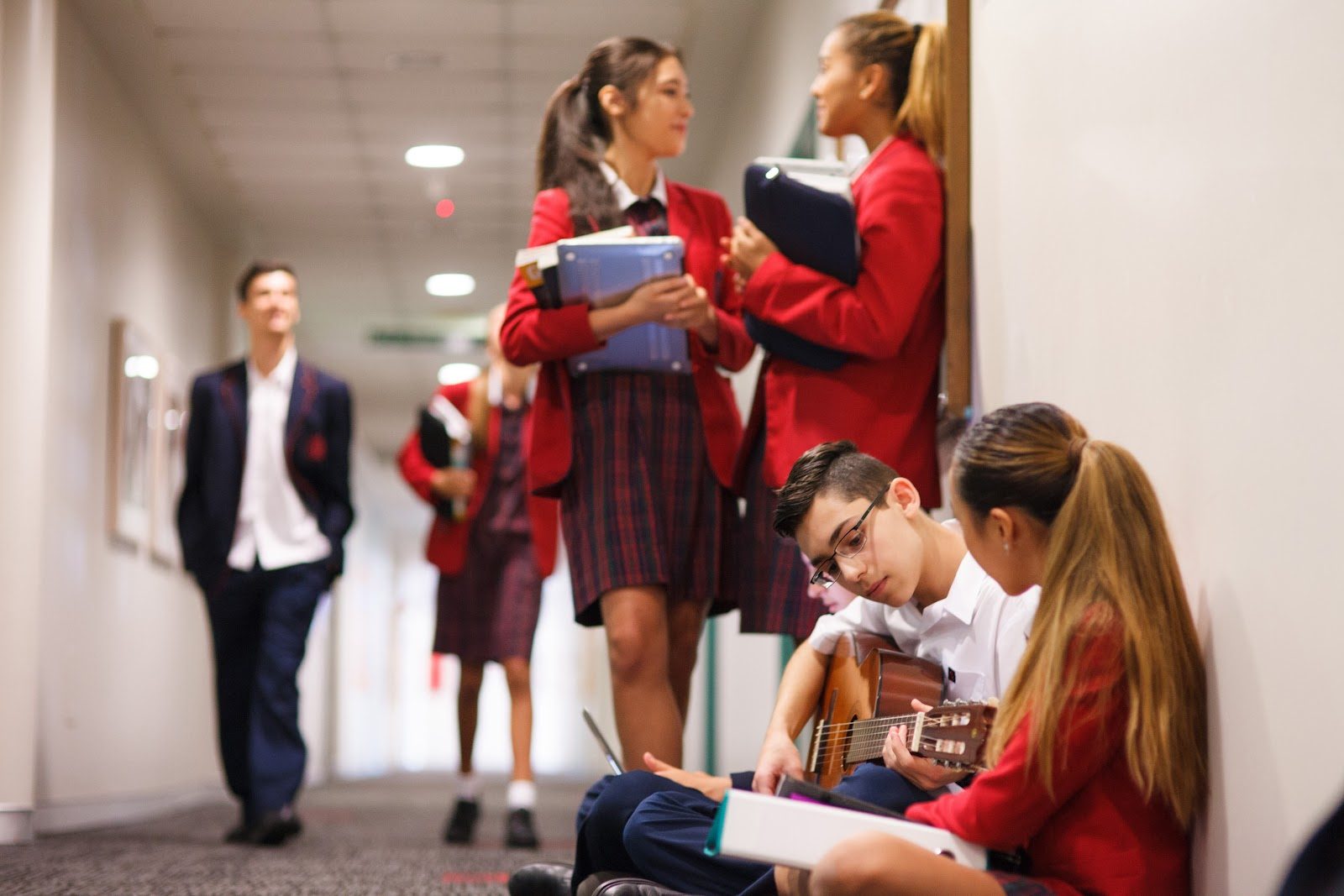
The McDonald College
North Strathfield, Sydney · Australia
Where ballet barres and tennis courts share the timetable with the HSC, in the only K-12 day school of its kind in Australia.
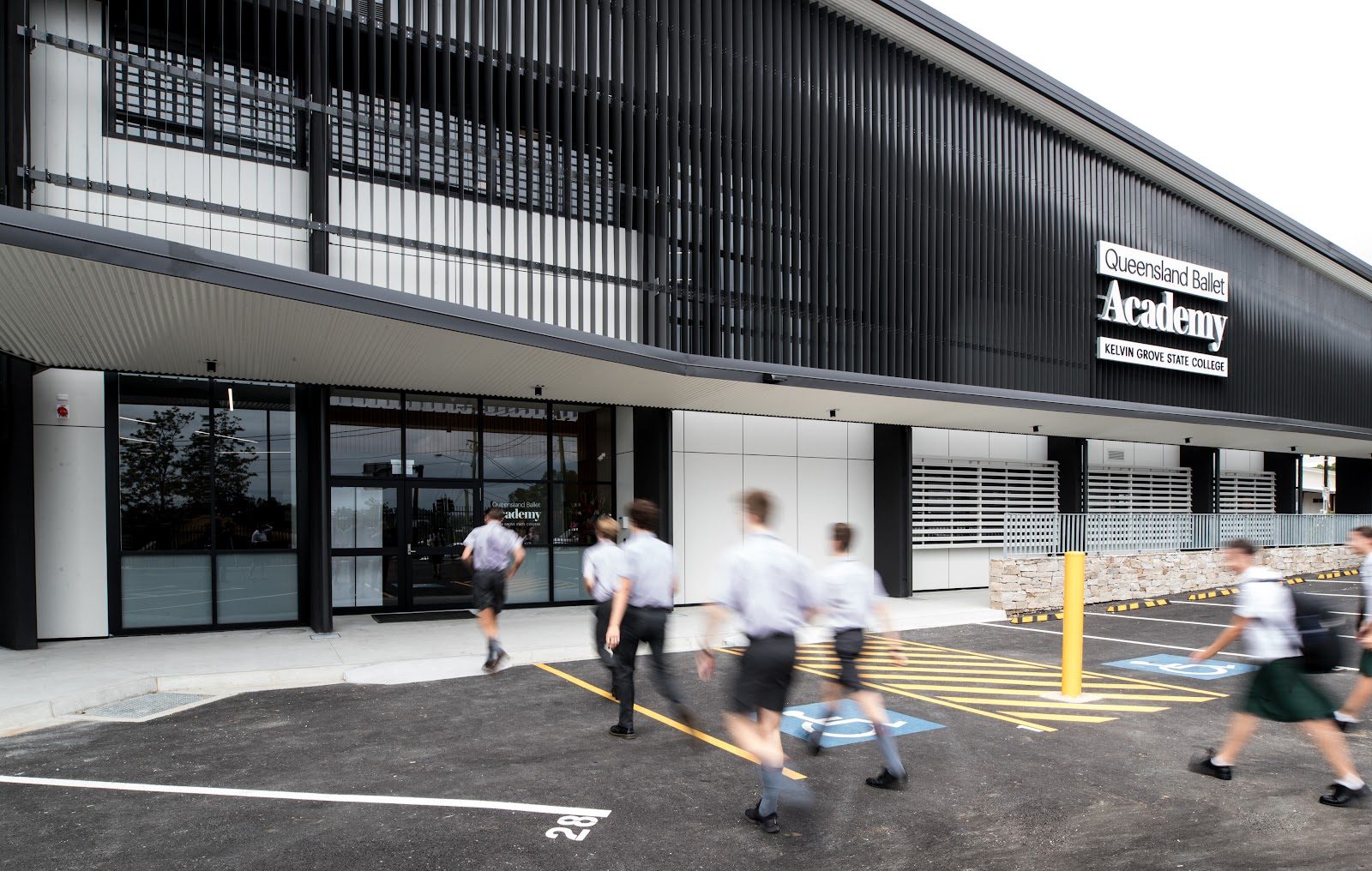
Academy of Queensland Ballet
Brisbane · Australia
Pointe work and QCE credits share a timetable, as Kelvin Grove State College classrooms feed straight into Queensland Ballet's own studios
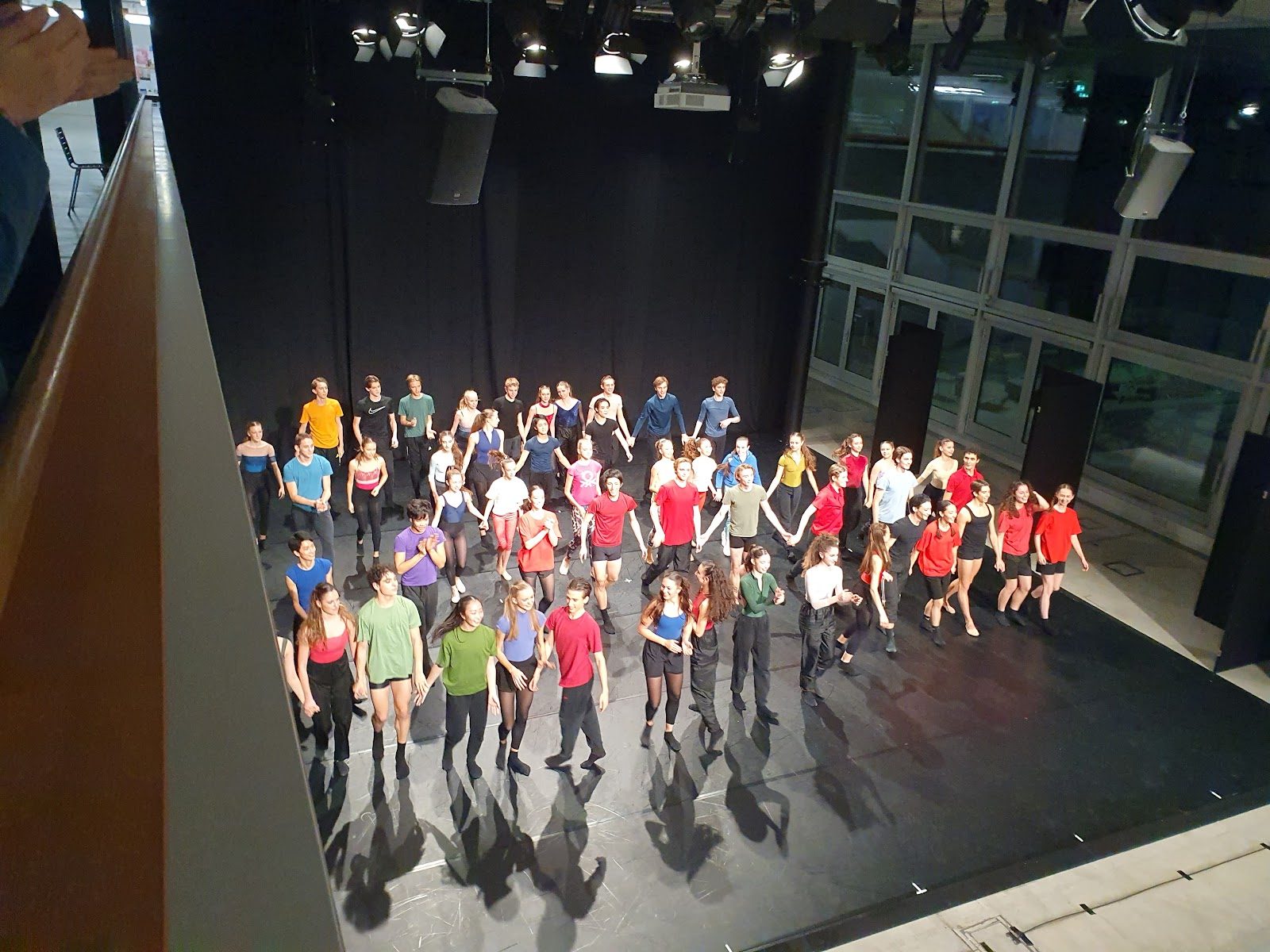
Zurich Dance Academy (Tanz Akademie Zürich)
Zurich · Switzerland
Daily classical training inside a full university of the arts, feeding dancers toward Prix de Lausanne and stages worldwide.
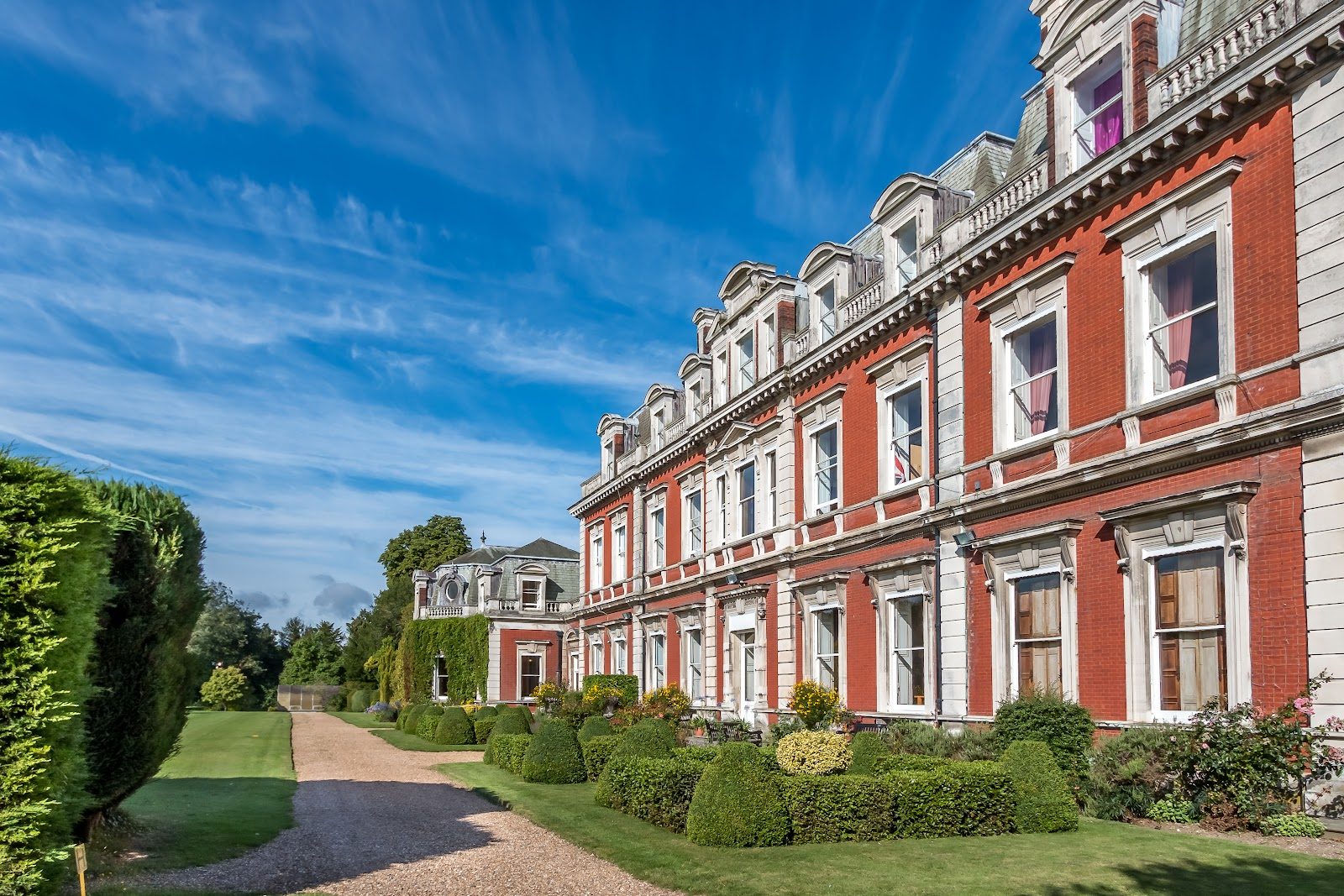
Tring Park School for the Performing Arts
Tring, Hertfordshire · United Kingdom
In a Wren-designed Rothschild mansion, mornings of GCSE and A-Level study give way to afternoons of rigorous, audition-only dance and drama training.
Same specialism, country and curriculum — closest matches within ±10 points either way