
Victoria
Runs the full IB continuum alongside VCE across three Melbourne campuses, reaching all the way to a studio school in the Kimberley outback.
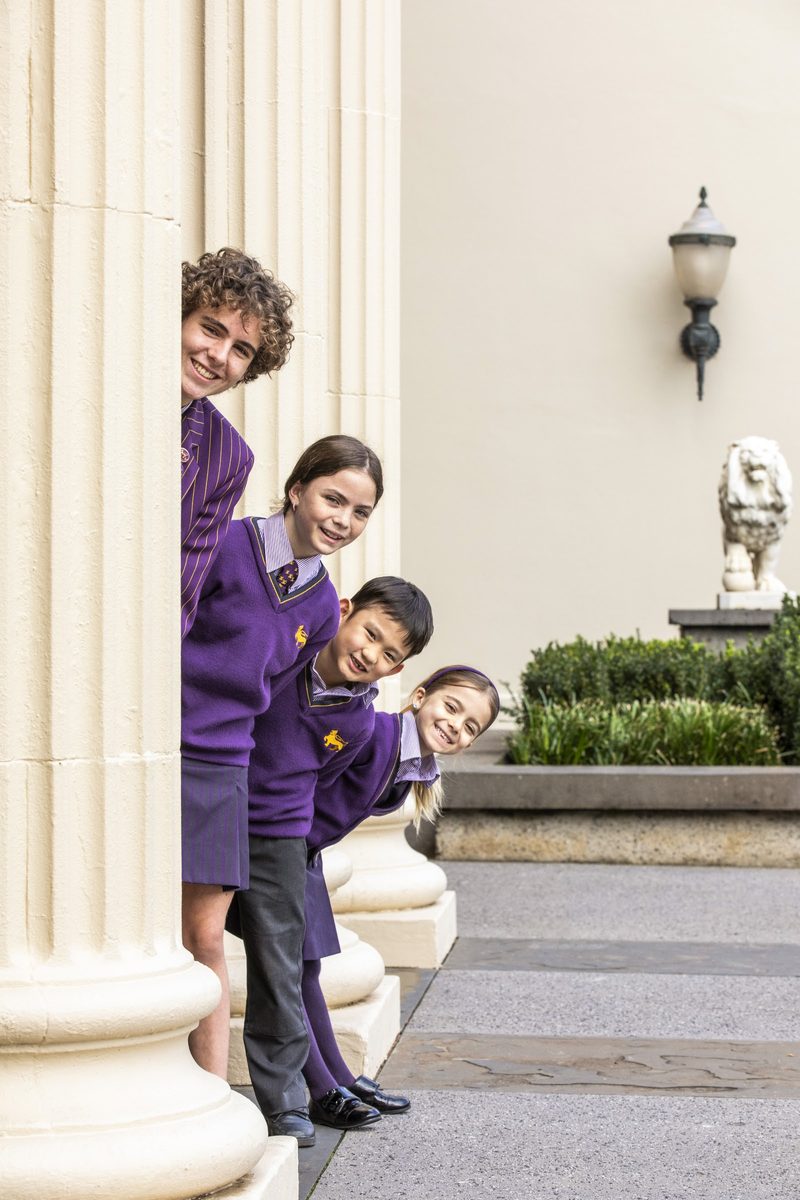
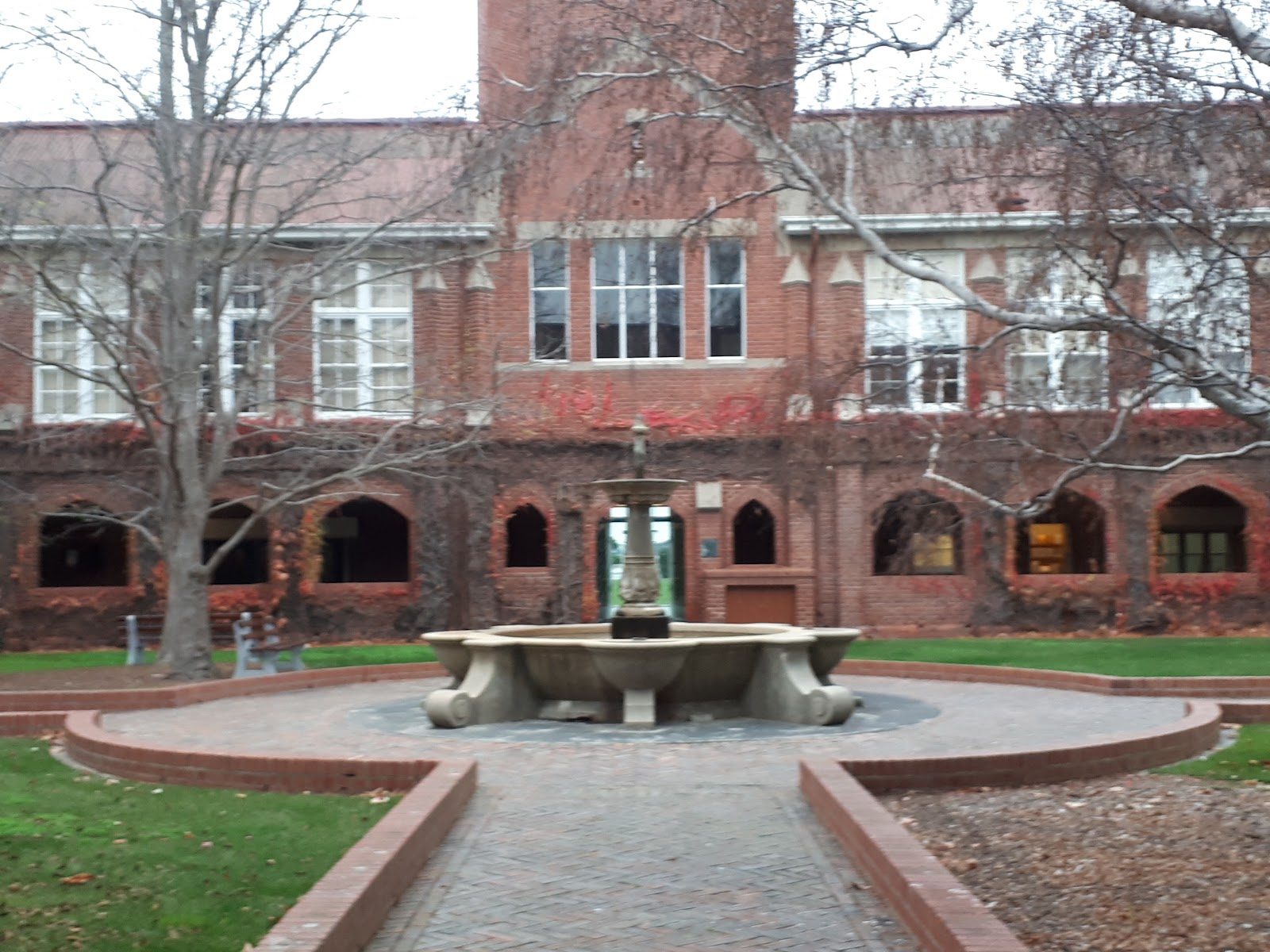
Photo © Wesley College via Google Maps
Type
Both
Ages
3–18
Curriculum
IB · VCE · Australian
Qualifications
HSC
Ratio
—
The Verdict
Editor's commitment
Right for
Families wanting scale and choice: Wesley runs IB and VCE across three Melbourne campuses, from age 3 to 18.
Wrong for
Anyone chasing a cheaper private school: average annual day fees hit AUD 41,689 and boarding averages AUD 75,939.
Watch out for
ICSEA 1175 with Year 9 Reading 620 and Numeracy 618 marks a high-attaining cohort; weaker self-managers get exposed fast.
Ranking breakdown
Wesley College · #261 of 1591
Composite score 72.9. 8 weighted criteria.
By criterion
Academic Outcomes
Weight 20%
#513
of 1533 scored
University Placement
Weight 16%
#516
of 1529 scored
Prestige & Heritage
Weight 12%
#211
of 1580 scored
Alumni Network
Weight 12%
#100
of 1530 scored
Facilities
Weight 12%
#104
of 1540 scored
Transparency & Communications
Weight 8%
#206
of 1547 scored
Peer & Industry Review
Weight 10%
#311
of 1564 scored
Admissions Selectivity & Demand
Weight 8%
#991
of 1529 scored
Score history
Wesley College · 2026
Movement across 2024–2026. Peer average overlaid.
Overall — 2024–2026
72.9/ 100
▲ +13.0 vs 2025
year on year
Peer & Industry Review
How Wesley College is regarded in the sector
78
Strong · medium confidence
Wesley College is consistently listed among Melbourne's major 'Big Four' or top-tier independent schools alongside Scotch College, Melbourne Grammar, and Geelong Grammar, frequently referenced in Australian media rankings (e.g., The Age, Herald Sun 'best private schools' coverage) and education-industry directories covering top ATAR performers. It has a large, well-documented alumni network including notable Australians in politics, business, and the arts, and is regularly benchmarked by peer schools due to its scale (multiple campuses) and academic results. However, it receives less specialist international press attention (Tatler, Good Schools Guide) compared to elite UK/US-style rankings, suggesting strong regional/national reputation rather than unanimous global top-tier status.
Evidence sources
Editors' overview
Wesley College is unusual in the Melbourne market because it does not ask families to choose between academic breadth and institutional scale. It runs the full IB continuum and the VCE across three Melbourne campuses, while also extending its footprint to a studio school in the Kimberley outback. That combination gives it a rare range: a child can move through an IB education from the early years to the Diploma, or take the state’s established senior credential instead. Few schools can offer that level of curricular optionality without feeling fragmented. Wesley’s Anglican foundation adds heritage, but the real point of difference is structural: this is a large, old school founded in 1866 that has kept expanding its academic architecture rather than narrowing it.
The academic signals are strong. Its MySchool 2023 profile records an ICSEA of 1175, with Year 9 Reading at 620 and Year 9 Numeracy at 618. Those are not decorative numbers; they place Wesley firmly in the upper tier of Australian non-government schools and tell parents that the intake is academically advantaged and the classroom pace will be brisk. The school also carries IBO accreditation, which matters here because Wesley is not merely borrowing IB language at the edges; IB sits at the centre of its offer alongside the VCE. For families who want genuine choice at sixth-form equivalent stage, that matters more than glossy rhetoric. The fees place Wesley squarely in the premium bracket: an average annual day fee of AUD 41,689 across ages 3 to 18, and an average annual boarding fee of AUD 75,939.
Why shortlist it? Because Wesley offers serious academic optionality inside a big, complex institution with the resources to serve very different kinds of student. It will suit ambitious, high-capacity children who want multiple routes open at 16 to 18, and who are comfortable in an environment where peers will also be aiming high. It will also appeal to families who want boarding, city campuses and a school large enough to avoid a one-track culture. This is not the right fit for parents seeking a small, intimate school with a single clear educational philosophy and a slower social tempo. Wesley is for students who thrive on choice, scale and challenge, and for families willing to pay for a school that operates at that expansive, high-pressure end of the market.
Academic Performance
Wesley’s external-results profile sits in the serious end of the independent-school market, but with a caveat: the school does not publish a clean, consolidated set of headline outcomes across its senior pathways in the way some rivals do. That matters, because a dual-track senior model can be a strength for students and a complication for parents trying to judge raw academic performance. The available public indicators still point in one direction. A school drawing an intake with an ICSEA of 1175 and posting Year 9 results at 620 for reading and 618 for numeracy operates in academically strong company. In plain terms, Wesley belongs in the upper tier of large Australian independents, not in the middle of the pack.
The more interesting question is where it fits relative to Melbourne’s most results-obsessed schools. Here, Wesley looks strong rather than singular. It offers breadth, scale and multiple academic exits, which can dilute the single-minded ATAR theatre that drives the reputations of narrower, exam-driven competitors. That does not weaken the academic proposition; it changes its character. Families choosing Wesley are buying a school with high-capacity students and credible senior outcomes, but not a place built around one public metric and one narrow definition of success. If you want a school that shouts every decimal point of exam performance from the rooftops, others do that more aggressively. If you want robust outcomes inside a broader, more complex academic model, Wesley holds its ground.
Facilities
Facilities are one of Wesley’s strongest practical arguments. Three metropolitan campuses give it a physical breadth that many single-site rivals cannot match, and the school uses that scale properly rather than treating it as a branding flourish. Sport is the obvious beneficiary: families can expect the kind of ovals, courts, pools and training spaces that support serious co-curricular participation rather than a token after-school programme. The arts also benefit from the school’s size. A college operating from age 3 to 18, with boarding in the mix, needs performance, rehearsal and exhibition spaces that function all day, not just for occasional showcase events. That places Wesley above smaller premium schools whose facilities photograph well but run tight on access and scheduling once students arrive in volume.
The more unusual asset is not a theatre or a sports field but range of setting. Wesley offers a wider physical canvas than most Melbourne peers, extending beyond city campuses to its Kimberley studio school. That gives the estate an uncommonly expansive character and broadens what “school facilities” means here: not just polished buildings, but access to outdoor, residential and off-campus learning environments with real educational purpose. The trade-off is clear. In a school of this scale, facilities can feel institutional rather than intimate, and parents looking for a compact campus where everything sits within easy walking distance will find stronger alternatives elsewhere. For families who want breadth, specialist spaces and room for serious extracurricular ambition, Wesley stands in the top tier.
Wesley College is unusual in the Melbourne market because it does not ask families to choose between academic breadth and institutional scale
Prestige
Wesley carries real social and educational weight in Australia’s independent-school market. Its prestige rests on more than old-school name recognition. This is a school with the confidence, scale and donor base to operate across multiple campuses, maintain boarding, and sustain a broad academic offer without looking improvised. That matters because prestige in this tier is not just about history or blazers; it is about institutional depth, stability and the ability to keep attracting ambitious families over generations. The average annual fees — AUD 41,689 for day students and AUD 75,939 for boarders — place it firmly in the expensive, high-status end of the market, and families paying at that level expect access to serious networks, polished operations and a peer group with strong cultural capital.
I rate Wesley as genuinely prestigious, but not in the narrow, intimidating way of a handful of ultra-selective academic brands. Its status is broader and more durable than that. The school has reach across different kinds of family — local professional, old established, internationally minded, boarding — and that mix gives it a commanding presence rather than a niche reputation. The Anglican foundation adds traditional cachet, but the stronger point is market position: Wesley sits in the top conversation for parents who want a big-name Melbourne school with substance behind the name. It does not trade on exclusivity alone. It trades on scale, continuity and long-settled confidence.
If you want a school that shouts every decimal point of exam performance from the rooftops, others do that more aggressively
Communications
Wesley’s parent communications benefit from the same thing that makes the school formidable and difficult in equal measure: scale. In a large, multi-site institution serving children from the nursery years through school-leaving, families need crisp operational information, fast updates and a clear sense of who is responsible for what. Wesley has every incentive to build that machinery well, and the public-facing communication style points to a school that understands process. The tone is professional, institutionally polished and administratively serious rather than warm or chatty. That suits many families in this bracket. Parents paying an average of AUD 41,689 for day places, or AUD 75,939 for boarding, expect competence before charm.
The question is whether that communication feels personal. Here the trade-off is plain. Big schools with complex structures rarely deliver the hand-held intimacy of a smaller college where one office knows every family’s business. Wesley’s communication is strongest when it is handling systems, logistics and the steady management of a large, high-functioning machine. It is less compelling for parents who want a close-textured relationship with school leaders or a culture of informal access. That does not make it weak; it makes it corporate in the old independent-school sense: orderly, confident and built to keep a substantial organisation moving. For organised families, that works well. For anxious parents who need frequent reassurance, the sheer size of the place will test patience.
Uniqueness
What marks Wesley out is not one prestige signal but the way it has been built to hold multiple school experiences inside one institution. A child can move through an academically ambitious pathway without being locked into a single temperament, campus rhythm or definition of success. That matters more here than at schools with one dominant identity. Wesley has the scale to cater for urban day families, boarders, arts-heavy students, high-level sports participants and those who want a more outward-facing education beyond the metropolitan bubble. The Kimberley studio school is the sharpest expression of that ambition. It gives the college a *reach beyond the usual private-school perimeter* and turns “experiential learning” from slogan into structure.
For students, the benefit is genuine latitude. They do not have to choose between a large, traditional institution and a school with contemporary academic options; Wesley combines both. They also gain access to a peer group wide enough to prevent the place feeling intellectually narrow or socially one-note. That breadth has value. In many top-end schools, the culture hardens around one model of achievement and one social script. Wesley is too large and too various for that. The result is a school that can stretch different kinds of able student, including those who want academic seriousness without living in a single-track exam factory. The trade-off is obvious: some children need a tighter, more intimate environment than a big, many-layered institution can provide.
For families who want breadth, specialist spaces and room for serious extracurricular ambition, Wesley stands in the top tier
Student Profile
Wesley suits students who want room to manoeuvre inside a large, high-expectation institution. The social mix is wider than at schools built around one narrow tribe, but the baseline remains clear: this is a school for children who can cope with pace, competition and a peer group drawn from privileged, high-performing families. The MySchool profile tells its own story. An ICSEA of 1175 points to a student body with strong educational advantage at home, and the Year 9 attainment figures place classroom discussion and academic expectations at a serious level. That does not mean every child needs to be a prize-winning scholar. It does mean they need intellectual stamina, sound organisation and enough self-possession to avoid being crowded out by more confident classmates.
The best fit is an able, busy student who wants options and has the appetite to use them: the musician who also wants strong academics, the sport-focused teenager who still needs a credible university pathway, the boarder who can handle independence, the outward-looking child who will relish the school’s expansive reach beyond a standard metropolitan routine. Wesley is less convincing for children who need a tight-knit, highly sheltered atmosphere or constant adult prompting. In a school this big, students who thrive are the ones who can step forward, join things, manage themselves and hold their own in a demanding, status-conscious environment.
I rate Wesley as genuinely prestigious, but not in the narrow, intimidating way of a handful of ultra-selective academic brands
Co-curricular strengths
Arts & sport, on a separate axis
Overall 9.06/10
Scored 0-10 from the school's own published evidence. This axis is editorial-only — it does not feed the main WTS ranking.
Sports
9.6/10
High-performance APS league athletic competitor, fielding highly competitive varsity rowing, athletics, and swimming squads across multiple campuses.
Drama
9/10
Exceptional theatrical training centered around world-class campus stages, running a pre-professional training model for acting, scriptwriting, and tech.
Dance
8/10
Strong afternoon performance track offering technical modern jazz and synchronization choreography modules.
Music
9.7/10
Deeply institutionalized choral and string tracking modules feeding active regional touring groups and seasonal events.
Visual Arts
9/10
Breathtaking visual studios producing top-tier design portfolios, fine art pieces, and digital media projects inside custom arts centers.
Editor-verified · 8/6/2026
MySchool · ACARA
Australian benchmarks
Editorial estimateReporting year
2023
ICSEA index
1175
+175 vs national average (1000)
Student cohort by national ICSEA quarter
Year 9 NAPLAN — mean scale score
Dashed line = national average
Attendance
93.9%
Enrolments
3300
Sector
Independent
Year range
P–12
Three-campus Melbourne co-ed with IB Diploma option.
MySchool.edu.au source pageEditor-approximated from MySchool.edu.au. Awaiting school-attested figures.

WTS 300 badge
2026/27 editionWesley College is one of the World's Top 300 Schools for 2026/27. Claim your listing to add it to your site →
Strengths
- +Wesley College, Melbourne was founded on 18 January 1866, making it one of Melbourne's oldest independent schools, and it is a founding member of the Associated Public Schools of Victoria (APS).
- +Wesley College is a long established Uniting Church school and the only school in Victoria to offer the International Baccalaureate from early childhood to Year 12, alongside the VCE, giving families a genuine dual-pathway choice.
- +Notable alumni include Sir Robert Menzies, Australia's longest serving Prime Minister, and Harold Holt, the 17th Prime Minister of Australia, along with broadcaster Waleed Aly.
- +Learning in Residence at the Glen Waverley Campus provides purpose-built boarding for domestic students in Years 7-12 and international students from Years 9-12, with eight two-storey houses.
- +In 2025, the combined VCE/IB median ATAR was 87.38, with IB Diploma median ATAR of 92.3, and the IB Dux achieved a perfect 99.95, with 13 students scoring ATAR 99+.
Considerations
- −Tuition ranges from AUD 27,702 to AUD 49,834 per year, placing the school in the upper fee band among Melbourne independents, before camps, uniform and technology costs.
- −Wesley serves students from age 0 in Early Learning through to Year 12 across three Melbourne campuses: St Kilda Road, Elsternwick, and Glen Waverley, so families must confirm which site suits their address, as facilities and stages differ.
- −The 2025 combined VCE/IB median ATAR of 87.38 is respectable but sits behind the results routinely posted by Melbourne's most selective single-campus academic schools.
- −As a long established Uniting Church school, chapel and religious observance form part of school life, a factor secular families may want to weigh.
Availability
Primary entry gate & tests
Academic Record + Interview
Gallery
Photo © Fred Dy via Google Maps
Photo © Henry Johnson via Google Maps
Photo © Wesley College via Google Maps
Photo © Muthana Kubba via Google Maps
Photo © Wesley College via Google Maps
Photo © Wesley College via Google Maps
Photo © Wesley College via Google Maps
Photo © Wesley College via Google Maps
Photo © Wesley College via Google Maps
Parent reviews
Have you sent your child here?
Voice reviews carry the strongest trust badge — we transcribe them for you to tidy up before they go live. Prefer to type? A written review is fine too.
Add your voice
In 60 seconds, tell other parents: what's the best thing about Wesley College, and what surprised you when your child joined?
We ask for a Google sign-in so every review has a real face behind it — no anonymous drive-by attacks on schools, and no faked positive reviews. Your email is never shown publicly.
Send this profile to a friend
International parents rely on word-of-mouth. Share this review with someone weighing the same decision.
Schools with places
Similar schools to Wesley College with places available now.
Methodist Ladies' College
Melbourne · Australia
- 2026-27
- WAITPOOLVacancy-dependent
- 2027-28
- PLACES OPEN
Geelong Grammar School
Corio, Victoria · Australia
- 2026-27
- WAITPOOLSpace-dependent
- 2027-28
- PLACES OPEN
Ivanhoe Grammar School
Melbourne · Australia
- 2026-27
- WAITPOOLVacancy-dependent
- 2027-28
- PLACES OPEN
Melbourne Grammar School
Melbourne · Australia
- 2026-27
- WAITPOOLVacancy-dependent
- 2027-28
- PLACES OPENBoarding open; Day waitpool
Availability first, then country, area, curriculum, price, co-curricular
Consider also
Also worth looking at alongside Wesley College.
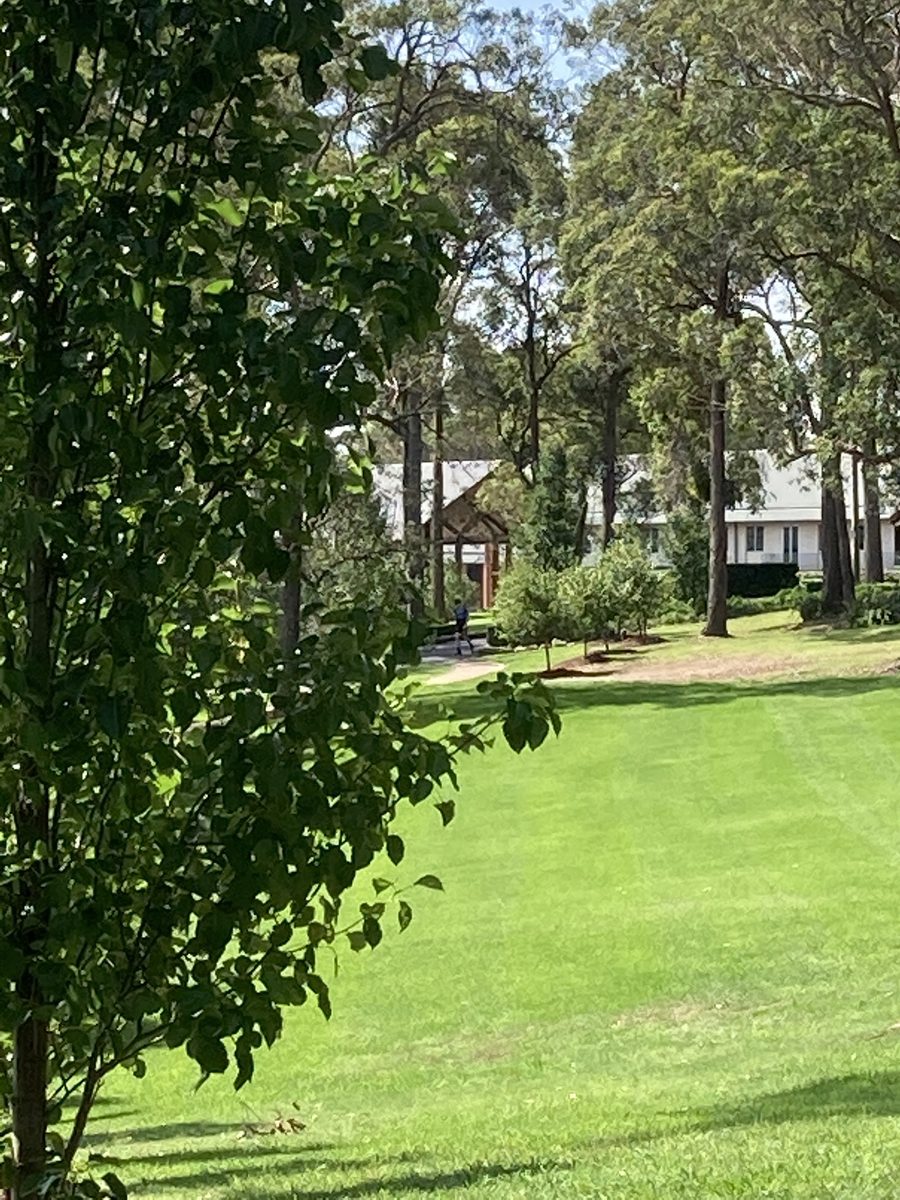
The King's School (Parramatta)
Parramatta · Australia
Australia's oldest independent school, where an 1831 foundation still marches in the country's oldest surviving military uniform and cadet corps.
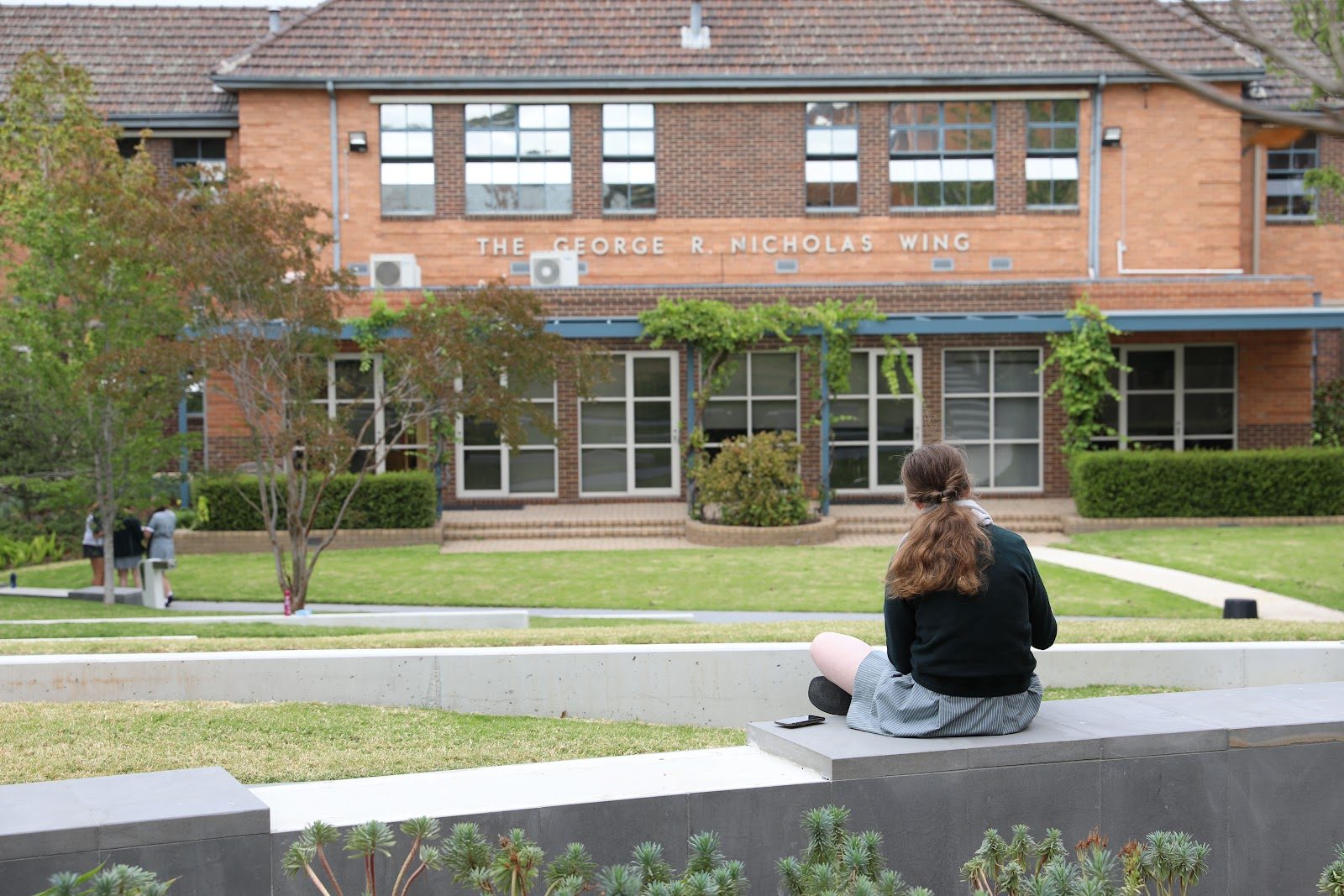
Methodist Ladies' College
Melbourne · Australia
First school worldwide to put laptops in every student's hands in 1990, now pairing deep VCE-IB choice with an eight-week Marshmead wilderness term.
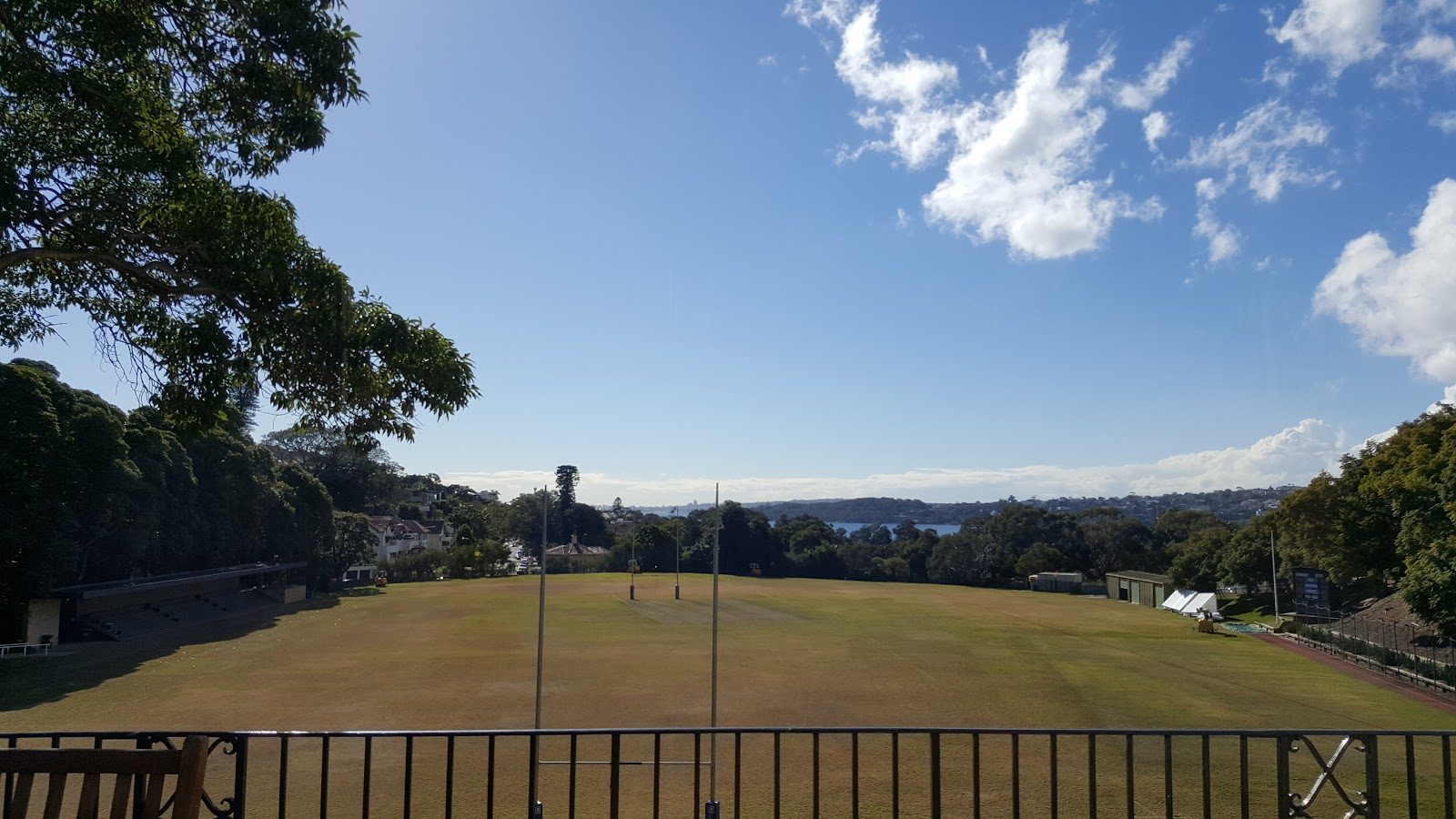
Cranbrook School
Sydney · Australia
Sydney's first IB Continuum School, pairing Bellevue Hill harbour views with a Blue Mountains bush campus for experiential learning.
Geelong Grammar School
Corio, Victoria · Australia
Sends every Year 9 to a remote alpine campus, then blends IB and VCE with the wellbeing model it pioneered.
Same country and curriculum — closest matches within ±10 points either way