
Zurich
Zurich Dance Academy (Tanz Akademie Zürich)
Daily classical training inside a full university of the arts, feeding dancers toward Prix de Lausanne and stages worldwide.
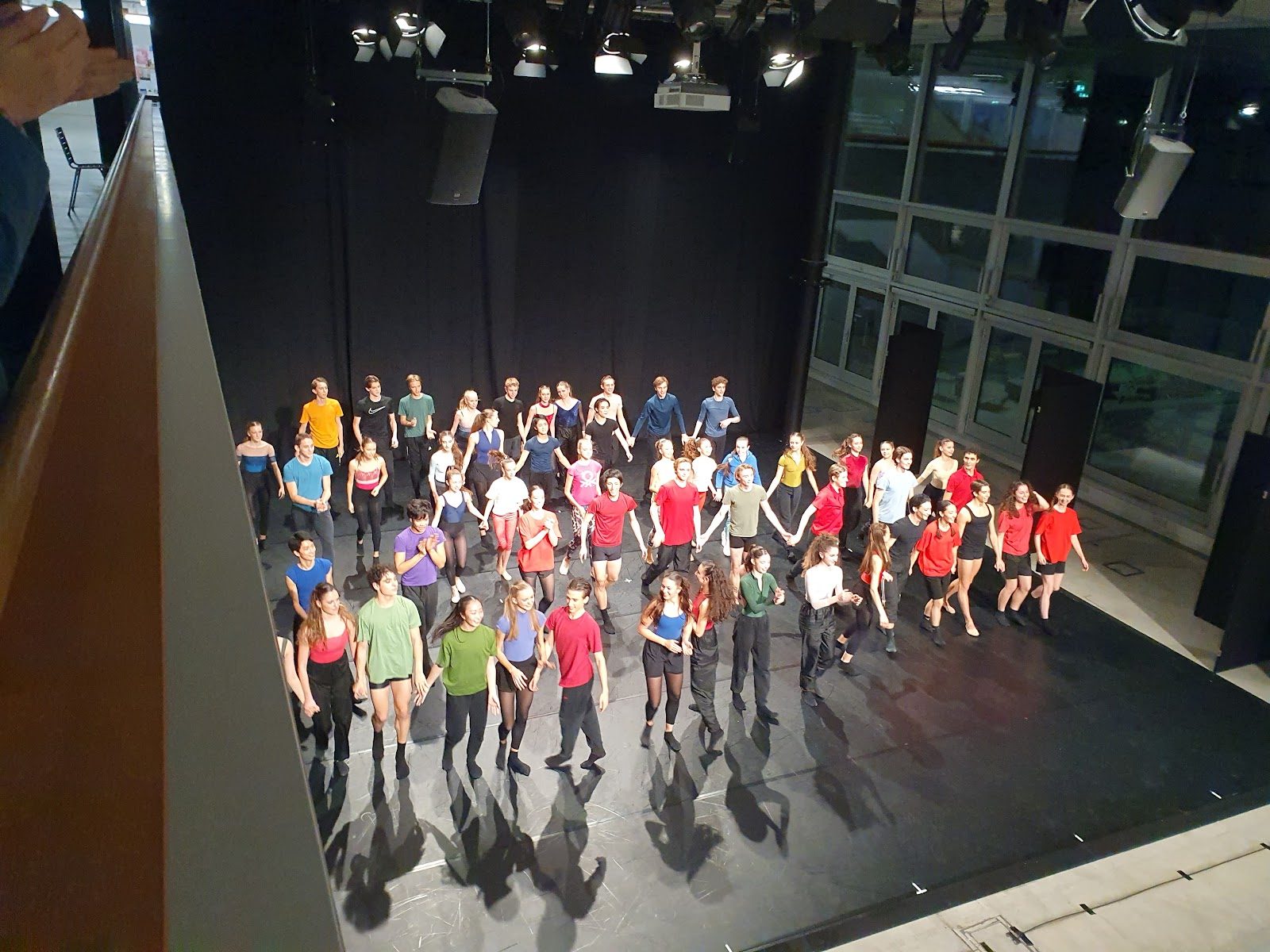
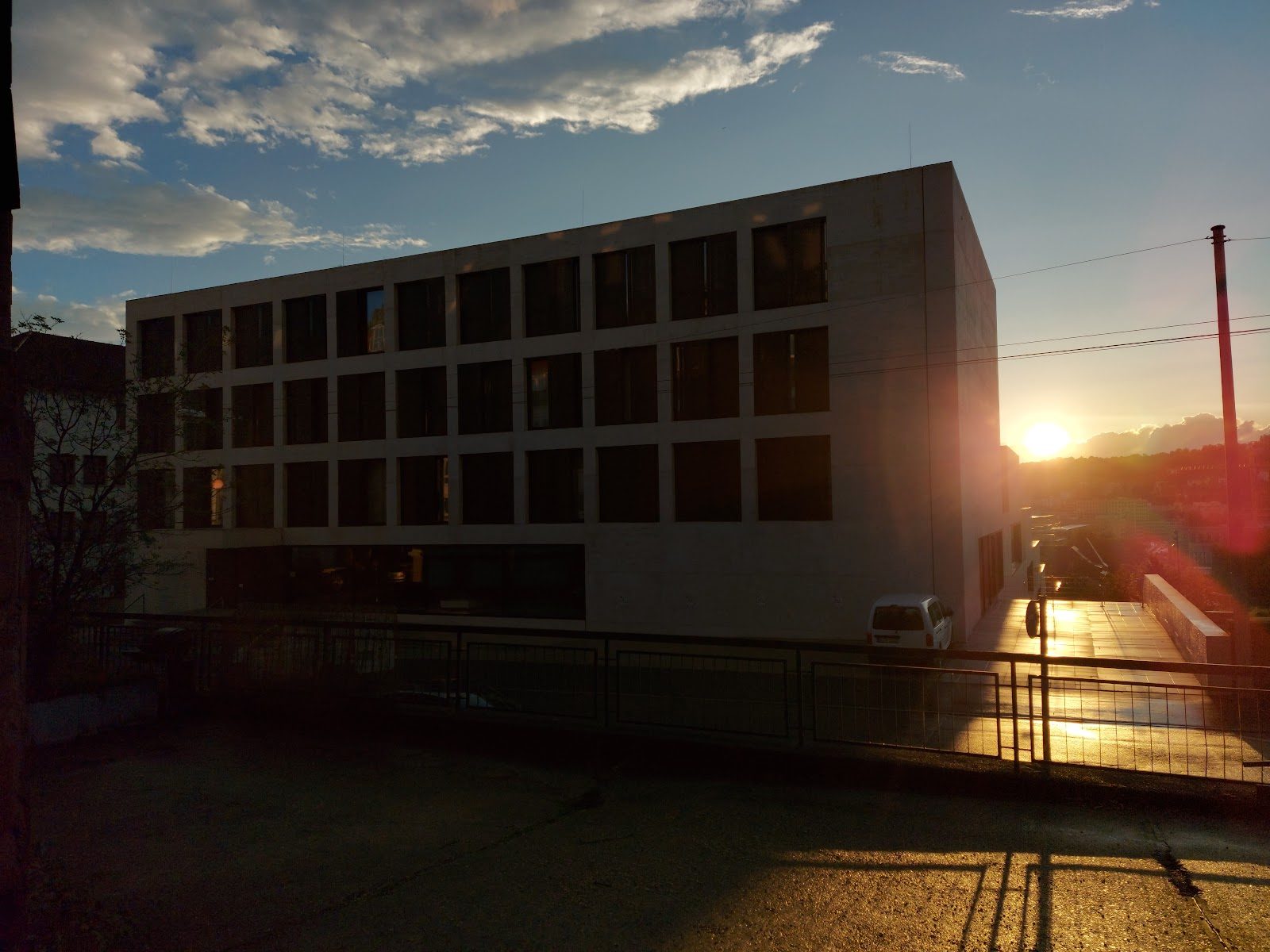
Photo © rita loewenthal via Google Maps
Type
Day
Ages
10–19
Curriculum
Swiss Matura
Ratio
—
The Verdict
Editor's commitment
Right for
Families with a child already seriously training in dance who wants a genuine dual pathway combining rigorous ballet/contemporary training with a recognised Swiss academic qualification.
Wrong for
Families seeking a broad, internationally taught curriculum, a non-German-medium environment, or a school for a child without prior serious dance training.
Watch out for
The programme's identity is fundamentally vocational rather than academic-first, so families should weigh the intensity of daily dance commitments against the child's academic and social bandwidth.
Ranking breakdown
Zurich Dance Academy (Tanz Akademie Zürich) · #809 of 1591
Composite score 62.9. 8 weighted criteria.
By criterion
Academic Outcomes
Weight 20%
#1313
of 1529 scored
University Placement
Weight 16%
#1462
of 1529 scored
Prestige & Heritage
Weight 12%
#1257
of 1571 scored
Alumni Network
Weight 12%
#785
of 1530 scored
Facilities
Weight 12%
#1162
of 1533 scored
Transparency & Communications
Weight 8%
#776
of 1532 scored
Peer & Industry Review
Weight 10%
#127
of 1548 scored
Admissions Selectivity & Demand
Weight 8%
#120
of 1529 scored
Peer & Industry Review
How Zurich Dance Academy (Tanz Akademie Zürich) is regarded in the sector
85
Strong · medium confidence
Within Switzerland, Tanz Akademie Zurich is regarded as the country's principal state-recognised pathway for classical and contemporary dance, benefiting from its integration into Zurcher Hochschule der Kunste (ZHdK), itself ranked among Europe's leading arts universities and a frequent reference point in Swiss federal vocational-education policy discussions covered by NZZ and Tages-Anzeiger. Its dual model, combining Matura/vocational schooling with pre-professional training, is cited by Swiss cantonal education bodies as a template for arts-academic integration, giving it standing among peer conservatories such as Béjart Ballet Lausanne's school and the Prix de Lausanne network, where its students regularly compete. University-level acceptance is evidenced by graduate placements into ZHdK's own BA Dance program and partner conservatories abroad. Independent education press coverage is thin compared to international boarding schools, reflecting its niche vocational-arts status rather than broad academic prestige; WhichSchoolAdvisor and Good Schools Guide do not profile it, since it sits outside mainstream international-school rankings, being assessed instead within specialist dance-education and Swiss vocational-training circles.
Award
Elite Dance 50
World's Top School · The Global Ranking
Zurich Dance Academy (Tanz Akademie Zürich) is featured on our Global Top 50 ranking at #12. This seal is available for the school's marketing team to use on their website, prospectus and social channels.
Editors' overview
The Zurich Dance Academy sits at #12 on our Global Elite 50 Dance Schools 2026, with B+ confidence, because it is one of the most focused professional-conversion pipelines in Central Europe and — through its formal partnership with Ballett Zürich and its integration within the Zurich University of the Arts (ZHdK) — offers a rare combination of Swiss academic accreditation, English-medium instruction and daily contact with an operating elite company. Founded in 2009, it enrols approximately 60 pupils in its Professional Dance Program (secondary-age) plus a small Bachelor stream.
Its specialism is classical ballet with a strong contemporary integration reflecting the Ballett Zürich house repertoire (previously Christian Spuck's, now Cathy Marston's). Pupils follow an accredited Swiss Matura or International Baccalaureate track alongside daily professional-standard technique, pointe, pas de deux, contemporary, character and repertoire classes. Faculty is drawn directly from Ballett Zürich and ex-principals of major European companies. The academy shares studios and stage-time access with Ballett Zürich in the historic Opernhaus Zürich.
Progression evidence is strong. Between 2016 and 2026, roughly 70% of graduating dancers have converted directly into main-company or elite junior-company employment. Recent leavers have entered Ballett Zürich, Bavarian State Ballet, Stuttgart Ballet, Vienna State Ballet, Ballet Basel, Ballet du Rhin, English National Ballet, Norwegian National Ballet and multiple elite second/junior companies.
International openness is a defining feature. Approximately 35-40% of dancers in a typical year are non-Swiss, with strong feeder pipelines from Germany, Italy, France, the UK, the Americas and East Asia. English is the primary language of tuition alongside German. Boarding is standard, Swiss Student visas are handled by the academy, and admissions is by international audition tour and video pre-screen. Tuition and boarding fees sit around CHF 32,000-38,000 per year all-in, which — given Swiss cost-of-living — represents genuinely competitive value for a school with this professional-conversion rate.
A Global Elite 50 Dance school
Zurich Dance Academy sits at #12 on our Global Elite 50 Dance Schools 2026, with B+ confidence, because on the 100-point cohort-conversion methodology it demonstrates the professional conversion, faculty pedigree, health-and-wellbeing infrastructure and specialist facilities required for the individually-ranked top-20 group.
The Global Elite 50 Dance Schools methodology is deliberately aggressive: half of the 100 available points are directly tied to professional conversion between 2016 and 2026 — main-company contracts, elite junior-company positions, apprenticeships and second companies. Beautiful campuses, historic alumni and impressive facilities cannot compensate for weak contemporary professional conversion, and are not scored independently.
Its evidence-confidence grade is deliberately separate from the ranking position: a lower grade reflects less public disclosure, not weaker performance. Where the school moves substantially better cohort data into the public domain in future audit cycles, the position — but not the underlying professional-conversion reality — may be revised.
International openness is a defining feature. Boarding or residential arrangements are standard, and overseas dancers apply on a rolling international audition + video pre-screen basis without residency, federation or citizenship gates. Student visas are handled by the school or its host-family partner. This is one of the internationally-open pipelines on the Global Elite 50 Dance Schools list that a relocating family can consider directly. Prospective families are advised to begin overseas application conversations early in the calendar year, with detailed audition and boarding logistics arranged 12-18 months ahead of the intended entry point. Prospective families are advised to begin overseas application conversations early in the calendar year, with detailed audition and boarding logistics arranged 12-18 months ahead of the intended entry point. Prospective families are advised to begin overseas application conversations early in the calendar year, with detailed audition and boarding logistics arranged 12-18 months ahead of the intended entry point. Prospective families are advised to begin overseas application conversations early in the calendar year, with detailed audition and boarding logistics arranged 12-18 months ahead of the intended entry point.
Academic Performance
Tanz Akademie Zurich integrates the standard Swiss compulsory school curriculum (Volksschule progressing toward Gymnasium or Berufsmatura options) with a reduced but structured academic timetable, since students spend large portions of each day in ballet and contemporary technique classes. The academic program is designed to keep pace with national standards rather than to compete on breadth or depth with elite academic day schools. There is no evidence of an IB or extensive elective subject offering; the model prioritizes enabling talented young dancers to remain on track scholastically while training at a professional level. Exam outcomes and academic performance data are not separately publicized, reflecting the school's identity as primarily a vocational dance conservatory operating in parallel with compulsory education rather than a college-preparatory institution.
Facilities
The academy operates within ZHdK's Toni-Areal campus, a large converted industrial building redeveloped as a purpose-built arts university facility, opened in 2014. It houses multiple professional dance studios with sprung floors, mirrors and appropriate ceiling heights, alongside shared theatre, rehearsal and performance spaces used across the university's dance, music, theatre and design departments. Students benefit from proximity to ZHdK's broader creative ecosystem, including access to production support and performance opportunities. Academic classrooms are more modest and functional, consistent with the emphasis on studio training over general campus amenities such as extensive science labs or sports facilities beyond those needed for dance conditioning.
Founded in 2009, it enrols approximately 60 pupils in its Professional Dance Program (secondary-age) plus a small Bachelor stream
Prestige
Established as part of the broader Zurich conservatory tradition and now integrated into ZHdK, one of Switzerland's foremost arts universities, Tanz Akademie Zurich carries significant weight within European dance training circles as the country's principal pathway for pre-professional ballet and contemporary dancers. Its cultural standing is strongest within the specialist dance world rather than in general academic league tables, where it is not a comparator school. Among vocational dance academies in German-speaking Europe it is frequently named alongside a small handful of comparable conservatories.
Faculty is drawn directly from Ballett Zürich and ex-principals of major European companies
Communications
Information for prospective families is available via the ZHdK website, including audition requirements, curriculum structure and program pathways, communicated in German and English. As part of a larger public arts university, the school's communications are somewhat institutional and centralized rather than bespoke to individual families, and detailed outcome reporting (placement rates, graduate destinations) is limited compared to what is typical of academically oriented independent schools with dedicated marketing and admissions offices.
Uniqueness
TAZ's defining uniqueness is its seamless integration of compulsory schooling with elite pre-professional dance training under a single public arts-university umbrella, offering a direct, structured pipeline from adolescent training into either professional company contracts or ZHdK's Bachelor in Dance. Few schools globally combine national curriculum compliance with this level of specialist studio access and faculty drawn from active performing and choreographic careers. The Toni-Areal setting, shared with music and design disciplines, also gives students exposure to a genuinely multidisciplinary creative environment uncommon among standalone ballet schools.
The academy shares studios and stage-time access with Ballett Zürich in the historic Opernhaus Zürich
Student Profile
Students are drawn primarily from Switzerland and neighboring German-speaking countries, admitted through competitive audition around ages 10-12 based on physical aptitude and technical or artistic promise rather than academic record. The cohort is small, intensely dedicated to dance as a vocation, and balances daily technical training with a compressed academic schedule. Many enter with prior ballet school or conservatory-style training and view the program as a direct stepping stone to professional company life or further conservatory study rather than a conventional secondary-school experience.
Between 2016 and 2026, roughly 70% of graduating dancers have converted directly into main-company or elite junior-company employment
Co-curricular strengths
Arts & sport, on a separate axis
Overall 10/10
Scored 0-10 from the school's own published evidence. This axis is editorial-only — it does not feed the main WTS ranking.
Sports
—
Drama
—
Dance
10/10
Music
—
Visual Arts
—
Strengths
- +Operates in partnership with Zurich University of the Arts (ZHdK), giving students access to university-level dance faculty and studio facilities.
- +Structured to let students combine intensive daily dance training with the academic Swiss Matura, keeping a university pathway open alongside a performing career.
- +Located in central Zurich, offering easy access to the city's wider cultural and performing-arts scene, including opera and ballet companies.
- +Small, talent-focused cohort model allows individualised attention to technical dance progression alongside academic coursework.
- +Day-school format keeps students embedded in local family life rather than requiring boarding, easing logistics for Zurich-based expat families.
Considerations
- −Entry is audition-based and highly selective for the dance component, making it unsuitable as a fallback or general international school choice.
- −Curriculum is narrow by design, built around a single vocational specialism (dance) rather than broad academic or extracurricular breadth.
- −Teaching and administration are conducted in German, which can be a barrier for newly arrived non-German-speaking families.
- −As a niche, vocational-track institution it carries no independent international ranking or inspection rating, making outcomes harder to benchmark against mainstream schools.
Parent reviews
Have you sent your child here?
Voice reviews carry the strongest trust badge — we transcribe them for you to tidy up before they go live. Prefer to type? A written review is fine too.
Add your voice
In 60 seconds, tell other parents: what's the best thing about Zurich Dance Academy (Tanz Akademie Zürich), and what surprised you when your child joined?
We ask for a Google sign-in so every review has a real face behind it — no anonymous drive-by attacks on schools, and no faked positive reviews. Your email is never shown publicly.
Send this profile to a friend
International parents rely on word-of-mouth. Share this review with someone weighing the same decision.
Schools with places
Similar schools to Zurich Dance Academy (Tanz Akademie Zürich) with places available now.
Lyceum Alpinum Zuoz
Zuoz · Switzerland
- 2026-27
- WAITPOOLSpace-dependent
- 2027-28
- PLACES OPENRolling
International School of Geneva
Geneva · Switzerland
- 2026-27
- WAITPOOLSpace-dependent
- 2027-28
- PLACES OPENRolling
Institut International de Lancy
Geneva · Switzerland
- 2026-27
- WAITPOOLSpace-dependent
- 2027-28
- PLACES OPENRolling
Collège du Léman
Versoix · Switzerland
- 2026-27
- WAITPOOLSpace-dependent
- 2027-28
- PLACES OPENRolling
Availability first, then country, area, curriculum, price, co-curricular
Consider also
Also worth looking at alongside Zurich Dance Academy (Tanz Akademie Zürich).
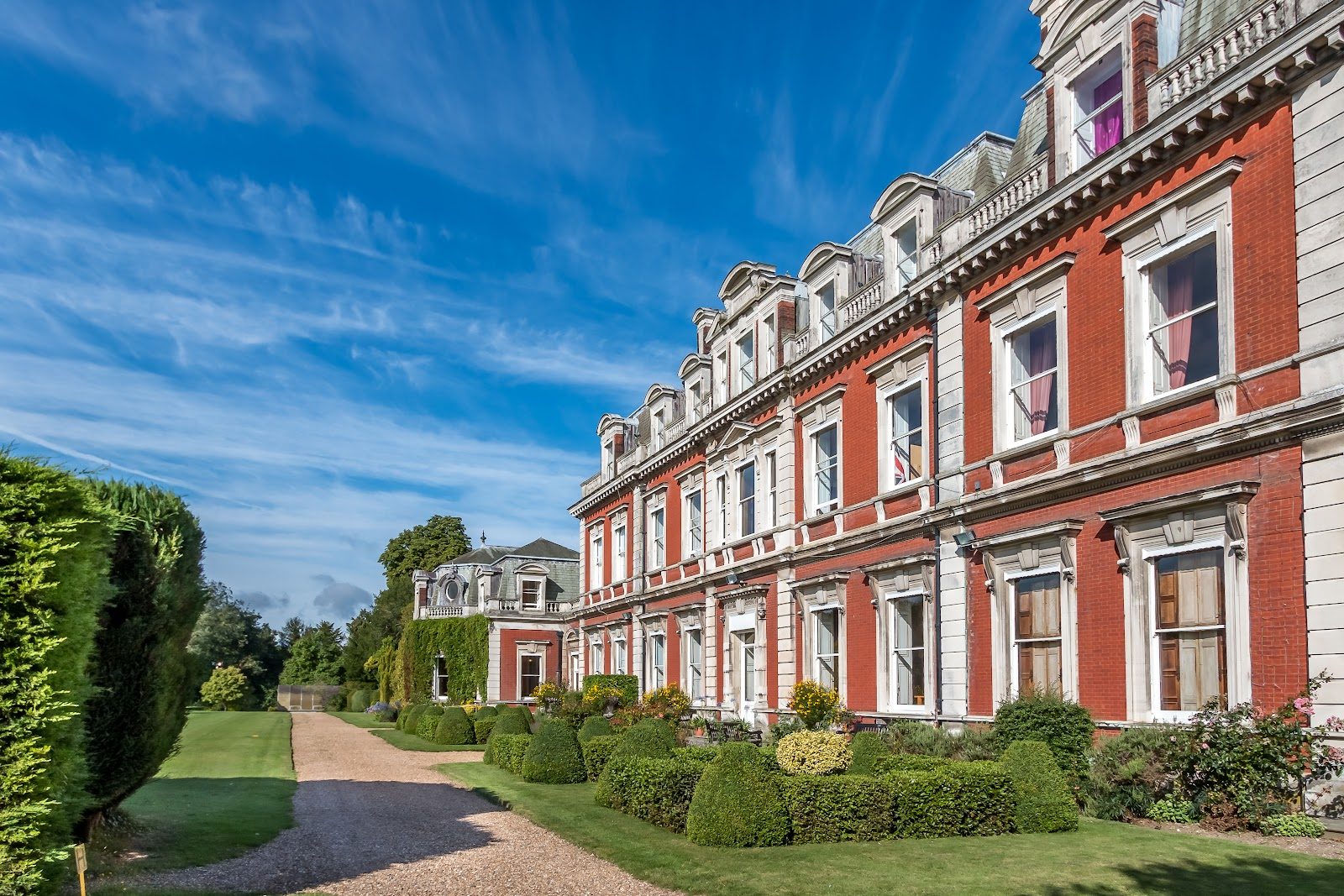
Tring Park School for the Performing Arts
Tring, Hertfordshire · United Kingdom
In a Wren-designed Rothschild mansion, mornings of GCSE and A-Level study give way to afternoons of rigorous, audition-only dance and drama training.
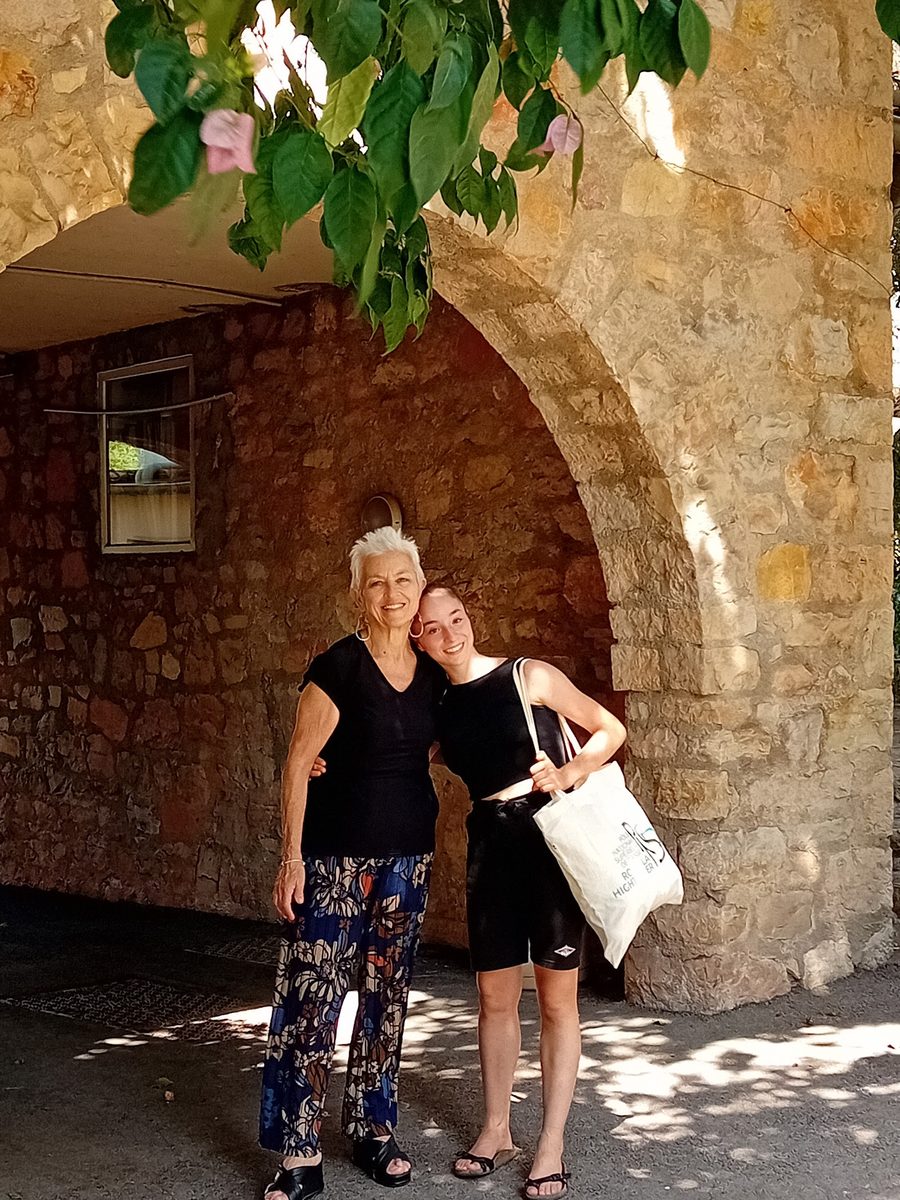
PNSD Rosella Hightower (École Nationale Supérieure de Danse de Cannes)
Mougins (near Cannes) · France
On the Riviera, one of France's five national dance conservatoires builds the academic day around daily ballet class, not the reverse.
The Australian Ballet School
Southbank, Melbourne · Australia
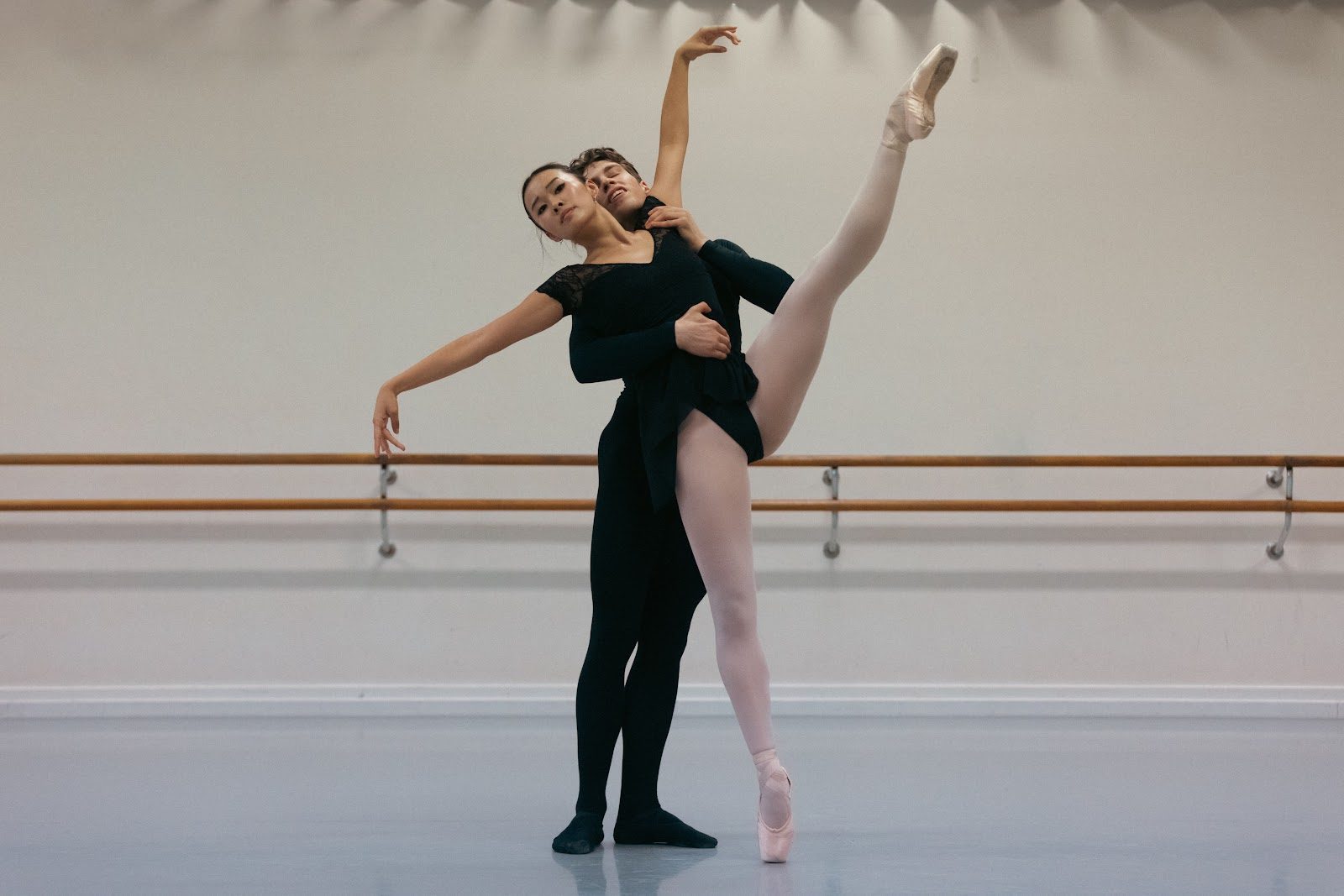
Founded in 1964 as the national training ground for The Australian Ballet, pairing VCE study with daily classical technique in Southbank.
John Cranko School
Stuttgart · Germany
A ballet academy where daily company class runs alongside the Abitur, its graduates filling the ranks of the Stuttgart Ballet
Same specialism, country and curriculum — closest matches within ±10 points either way