
Maryland
McDonogh School
low confidence· 2/6 cats · 2.6 avg sourcesA 19th-century farm school for poor boys now turns 800 pastoral acres outside Baltimore into working labs for environmental science
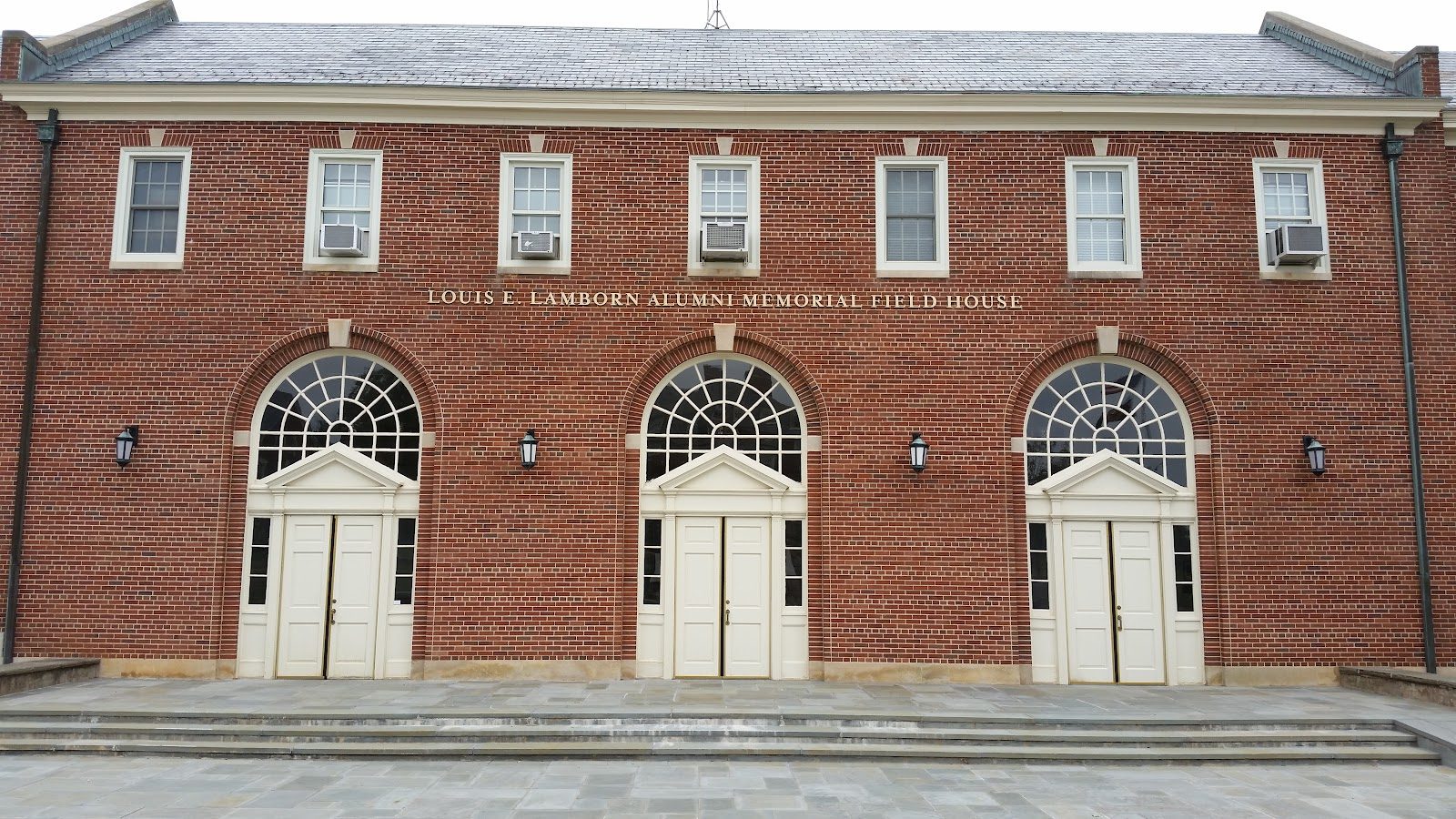
Photo © Michael Burdelas via Google Maps
Type
Both
Ages
3–18
Curriculum
American
Qualifications
AP · US High School Diploma
Ratio
8:1
The Verdict
Editor's commitment
Right for
Families wanting an American 3–18 school with five-day boarding, a 7:1 ratio and 800 acres used for environmental science.
Wrong for
Parents seeking a faith school, a city campus, or low fees: day tuition averages $40,864 and boarding averages $14,900.
Watch out for
Founded in 1873 and accredited by NAIS, McDonogh trades on scale and setting; that 800-acre campus is a long way from Baltimore.
Ranking breakdown
McDonogh School · #736 of 1591
Composite score 65.0. 8 weighted criteria.
By criterion
Academic Outcomes
Weight 20%
#450
of 1530 scored
University Placement
Weight 16%
#398
of 1529 scored
Prestige & Heritage
Weight 12%
#365
of 1571 scored
Alumni Network
Weight 12%
#1319
of 1530 scored
Facilities
Weight 12%
#241
of 1535 scored
Transparency & Communications
Weight 8%
#389
of 1534 scored
Peer & Industry Review
Weight 10%
#408
of 1549 scored
Admissions Selectivity & Demand
Weight 8%
#489
of 1529 scored
Peer & Industry Review
How McDonogh School is regarded in the sector
72
Respected · medium confidence
Within Baltimore's private-school hierarchy, McDonogh is consistently bracketed with Gilman, Bryn Mawr and Roland Park Country as one of the region's leading independent schools, though heads at those more academically narrow institutions privately position McDonogh as the strongest all-round athletic competitor rather than the primary intellectual rival. College admissions officers and Division I lacrosse recruiters treat McDonogh as a recognized pipeline school, a reputation reinforced year after year in regional sports and education press covering Baltimore-area lacrosse recruiting. National rankings sites (Niche, Washington Post's most-challenging-schools list) place it among Maryland's top private K-12 options, but UK-oriented outlets such as Good Schools Guide and WhichSchoolAdvisor give it little or no coverage, since their focus remains UK and international schools rather than US day schools. Baltimore Magazine and local press coverage of Kevin Plank's Under Armour-funded gifts have kept the school visible in business and philanthropy pages as much as education ones.
- Kevin Plank — Founder & CEO, Under Armour, Business
Editors' overview
McDonogh School occupies an unusual niche in the Baltimore market: a large American PK–12 day school with boarding, set on 800 acres in Owings Mills and old enough to have real institutional weight. Founded in 1873, it has moved a long way from its origins as a farm school for poor boys, yet the land still matters. McDonogh turns its estate into a teaching asset through “800-Acre Labs” and Roots Farm, giving environmental science, outdoor learning and service a practical setting that many polished suburban independents cannot match. This is not a compact urban campus with a few playing fields bolted on. It is a school where place shapes the programme, and where room to think, serious outdoor learning and a sense of scale are part of the offer.
The other draw is breadth. McDonogh covers ages 3–18, runs an American curriculum, offers a five-day boarding programme in the Upper School, and posts a 1:8 student–teacher ratio. That combination gives families continuity and gives students access to a deep co-curricular life: arts, athletics, equestrian provision, global programmes, senior projects, dual credit, and a visible structure around character education and college counselling. The school’s language about doing “the greatest possible amount of good” is earnest, but there is substance behind it in the service ethos, the farm, and the school’s willingness to address its own history through material on John McDonogh, slavery, and a memorial to the enslaved and freed. That historical honesty adds depth. Parents who want a school with polish but no conscience should look elsewhere.
Why shortlist it? Because McDonogh offers something hard to replicate: the resources and extracurricular range of a major independent school without the anonymous feel that large campuses can bring, helped by boarding, residential adults on campus, and a strong advisory structure. It will suit students who thrive in busy institutions, want full-spectrum opportunity, and can use the campus rather than be dwarfed by it. The strongest fit is a child who wants academics in English, but not academics alone: sport, arts, outdoor work, leadership, and community life all carry weight here. This is a good school for energetic, engaged students who want space, structure and ambition in one place. It is a weaker fit for families seeking a small, intensely scholarly hothouse or a minimalist city-school atmosphere.
Academic Performance
McDonogh does not publish the kind of exam data that lets parents place it cleanly against top academic independents. We have not seen aggregate AP score distributions, SAT or ACT averages, National Merit totals, or a university matriculation list with enough detail to test depth at the sharp end. That matters. In the American independent-school market, the strongest academic operators disclose at least some hard outcome measures. McDonogh prefers broader language around “outcomes”, college counselling, senior projects and dual credit. That reads as a school with broad ambitions and institutional confidence, but also with opaque academic reporting. Parents who want a numbers-first read on external performance will find the public picture thin.
That does not place McDonogh in the weak tier. The academic architecture is substantial: beyond AP options, a dual-credit programme, senior projects, learning support, and dedicated college counselling point to a serious college-preparatory operation rather than a casual all-rounder. The question is not whether students achieve; the question is how far results stretch against the best in the Baltimore and wider Mid-Atlantic independent sector. Without published exam aggregates, McDonogh sits in the category of schools whose reputation rests more on programme breadth, college preparation and institutional resources than on hard-edged score transparency. For families comfortable judging quality through course depth and educational range, that will suffice. For families benchmarking every peer school by external data, it will not.
Facilities
The estate is the story. McDonogh’s most important facilities are not a single theatre or science block, but the land itself: outdoor teaching areas tied to “800-Acre Labs”, Roots Farm, equestrian provision, and the kind of spread that lets athletics, environmental study and day-to-day school life coexist without feeling cramped. That gives the school a proper working campus rather than a decorative one. The archives and special collections add an intellectual layer that many large suburban independents lack, and the memorial to the enslaved and freed gives the grounds moral as well as visual weight. With more than 50 faculty and students living on campus, the place also has a residential core rather than the dead feel that some day schools take on after dismissal.
Against peers, this is a strong facilities proposition and, in one respect, an unusual one. Plenty of well-funded American independents offer polished arts spaces, libraries and extensive sports grounds; fewer can turn their campus into a live resource for farming, environmental science and horsemanship without sliding into country-estate theatre. McDonogh also has the specialist rooms and venues families expect from a school of this scale — named libraries across divisions, arts facilities, athletic training infrastructure, and a dedicated equestrian centre — but its advantage lies in useful breadth rather than architectural swagger. If you want an urban campus with compact efficiency, this is not it. If you want space with purpose and facilities that support a broad education rather than just photograph well, McDonogh sits near the top of its regional peer group.
McDonogh does not publish the kind of exam data that lets parents place it cleanly against top academic independents
Prestige
McDonogh carries real regional prestige and a recognisable independent-school stamp in the Baltimore area. Part of that status comes from scale and continuity: this is a full PK–12 institution with deep alumni roots, a substantial faculty body, and more than 7,400 graduates. Part comes from the visible range that affluent American independent schools use to signal seriousness — established arts, dense athletics, equestrian provision, archives and special collections, and a named commitment to service and leadership rather than a narrow test-prep identity. The school also has the social confidence to put difficult history in public view through its material on slavery and its memorial to the enslaved and freed. That gives McDonogh more institutional depth than schools that trade on polish alone.
I would still place its prestige a notch below the hardest-charging academic aristocracy of the US independent sector. The reason is simple: prestige in that top band rests not just on age, land and facilities, but on relentless academic signalling and very clear public outcome data. McDonogh’s public identity is broader and more country-day patrician than exam-driven. For many families, that is the attraction. It reads as a school that educates for status, competence and network as much as for scores. The Upper School boarding cohort — about 75 students — adds another layer of distinction, but not enough to make this a national-brand boarding powerhouse. In plain terms: *well-regarded, well-connected, and locally formidable*; not an American boarding-school grande dame.
McDonogh School occupies an unusual niche in the Baltimore market: a large American PK–12 day school with boarding, set on 800 acres in Owings Mills and old enough to have real institutional weight
Communications
McDonogh communicates with parents like a large, well-run American independent school that expects regular family engagement. The website is dense but functional: parents get a dedicated account area, online directory access, DASH, customised personal pages, handbooks, lists, forms, bus routes, dining information, library and technology resources, and a visible calendar structure. That range matters. It gives families one place to manage the practical business of school life rather than chasing scattered emails and unofficial WhatsApp chains. The same applies to the admissions side, where the school lays out application steps, visit options and tuition information with competent clarity. This is not a minimalist operation. It is an information-heavy institution with systems behind it.
The trade-off is obvious: scale brings complexity. Navigation across the public site can feel crowded and occasionally administratively thick, with many menu layers and repeated pathways. Parents who like stripped-back communication will find it busy. Parents who value detail and process will cope well. What lifts it above mere bureaucracy is that communication is not confined to logistics. The school gives public space to student life, health and support, college counselling, equity and inclusion, freedom of expression, archives, and its own difficult history. That breadth gives the communication style institutional seriousness rather than brochure gloss. The test for families is simple: if you want warmth with structure, McDonogh delivers; if you want elegant simplicity, it does not.
Uniqueness
What sets McDonogh apart is not prestige signalling or niche branding, but the way it uses land as curriculum. Plenty of American independents own handsome grounds; far fewer turn a campus of 800 acres into day-to-day academic and co-curricular infrastructure through 800-Acre Labs, Roots Farm, outdoor opportunities, equestrian work and service. That gives students a school experience with real physical scope. Environmental science does not sit in abstraction; it has fields, soil, animals and working space attached. Leadership and service do not depend on slogans either. The school’s “greatest good” language lands better because students can do tangible work in a setting built for it. For the right child, that produces an education that feels lived-in rather than staged.
The other point of difference is moral and institutional texture. McDonogh does not hide from the contradiction between its benevolent mission and its ties to slavery; it publishes material on John McDonogh and maintains a memorial to the enslaved and freed. That is serious historical candour, and it matters. Students grow up in a school that treats its own past as something to examine, not varnish. Add the archives, special collections, residential adults on campus and a five-day boarding cohort of about 75, and the place acquires a dense, almost collegiate atmosphere unusual in a school of this type. Students get breadth, but also context: space, memory and responsibility in the same institution.
Founded in 1873, it has moved a long way from its origins as a farm school for poor boys, yet the land still matters
Student Profile
McDonogh suits students who want a busy, full-spectrum school life rather than a narrow academic lane. The strongest fit is a child who wants to do several things seriously at once: classroom study, sport, arts, outdoor work, service, leadership, clubs, and, for a small group, residential life on campus. This is not a place for the teenager who resents structure or wants to drift anonymously through the day. The advisory systems, character focus and dense co-curricular menu reward students who participate. The land also shapes the student profile. Children who like being outside, handling practical work, or learning through doing will get more from this school than those who want an entirely indoor, desk-based education. With around 75 pupils in the residential programme and more than 50 students and faculty living on campus, there is a settled communal rhythm beyond the timetable.
Socially, McDonogh fits families comfortable with an established independent-school culture: polished, organised, achievement-minded, and community-conscious. Students do not need to be extroverts, but they do need enough confidence to use what is on offer. A child who wants *serious opportunity without hothouse intensity* will do well here. A child seeking a tiny, quirky enclave or a single-mindedly scholarly tribe will find the institution too broad and too socially structured. McDonogh works best for engaged students with stamina, range and a willingness to join in. It is a high-participation environment, not a school for spectators.
This is not a compact urban campus with a few playing fields bolted on
Co-curricular strengths
Arts & sport, on a separate axis
Overall 9.3/10
Scored 0-10 from the school's own published evidence. This axis is editorial-only — it does not feed the main WTS ranking.
Sports
9.5/10
Drama
9.2/10
Dance
9.3/10
Music
9.2/10
Visual Arts
9.3/10
Strengths
- +Learning is enhanced with top-notch facilities, including an innovation center, STEM building, two theaters, an art gallery, a riding hall, an Olympic-sized pool, and numerous playing fields and tennis courts, all on an 800-acre campus.
- +Established in 1873 with an endowment of $80 million, giving the school long-run financial stability uncommon among smaller independents.
- +The student-teacher ratio is 7:1, and more than 67% of faculty hold advanced degrees, and the average teaching tenure is 15 years.
- +Approximately 75 Upper School students live on campus during the week as part of the school's five-day boarding program, an option day families lack.
- +Financial aid continues to this day, with $7.1 million in need-based aid awarded in the 2023-2024 school year.
Considerations
- −Tuition is substantial: Upper School $44,600; Upper School Five-day Boarding $52,250 (2023-2024), placing it firmly in the upper tuition bracket for the region.
- −Boarding is a minority experience within an overwhelmingly day-student body, and to qualify for boarding, a student's primary residence must be within 90 miles of the McDonogh School campus, unless a local host family is arranged.
- −Admission requires standardized testing: Our school code for the ISEE is 210750 and for the SSAT is 4757. You may register online at www.iseetest.org or https://www.ssat.org, adding a formal testing hurdle common to competitive US independents.
- −The school's founder built his fortune through enslaved labor, a history McDonogh has had to actively confront; water cascades over the engraved names of 95 people enslaved on John McDonogh's plantations at an on-campus memorial dedicated in 2022.
Availability
Primary entry gate & tests
ISEE/SSAT + Interview
Gallery
Photo © adoradores del señor. via Google Maps
Photo © Edward Seaman via Google Maps
Photo © Edward Seaman via Google Maps
Photo © Edward Seaman via Google Maps
Photo © Edward Seaman via Google Maps
Parent reviews
Have you sent your child here?
Voice reviews carry the strongest trust badge — we transcribe them for you to tidy up before they go live. Prefer to type? A written review is fine too.
Add your voice
In 60 seconds, tell other parents: what's the best thing about McDonogh School, and what surprised you when your child joined?
We ask for a Google sign-in so every review has a real face behind it — no anonymous drive-by attacks on schools, and no faked positive reviews. Your email is never shown publicly.
Send this profile to a friend
International parents rely on word-of-mouth. Share this review with someone weighing the same decision.
Schools with places
Similar schools to McDonogh School with places available now.
The Buckley School
New York City · United States
- 2026-27
- CLOSEDConfirmed full
- 2027-28
- OPENS SOONOpens post-Labor Day '26
Head-Royce School
Oakland · United States
- 2026-27
- CLOSEDRegular cycle
- 2027-28
- OPENS SOONOpens Sept '26
Friends Seminary
New York City · United States
- 2026-27
- WAITPOOLLate/held pending openings
- 2027-28
- OPENS SOONExpected Sept '26
Princeton Day School
Princeton · United States
- 2026-27
- CLOSEDRegular cycle closed
- 2027-28
- OPENS SOONOpens Sept '26
Availability first, then country, area, curriculum, price, co-curricular
Consider also
Also worth looking at alongside McDonogh School.
The Buckley School
New York City · United States
On Manhattan's Upper East Side since 1913, a K-9 boys' school pairing classical rigor with mandatory public-speaking training for every student.
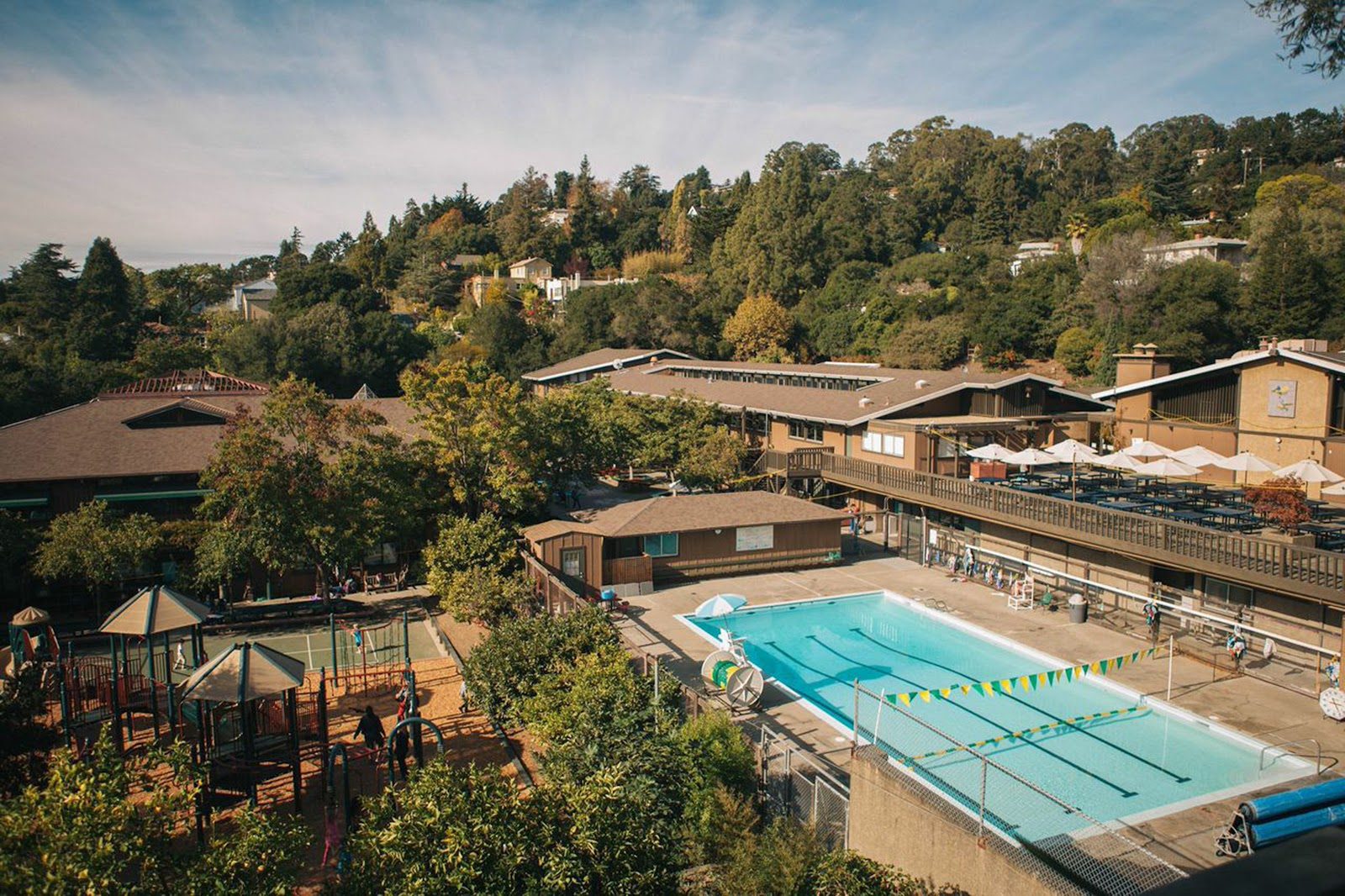
Head-Royce School
Oakland · United States
Since 1887 on a wooded Oakland hills campus, pairing rigorous scholarship with a decades-old public-school partnership that opens college doors for first-generation students
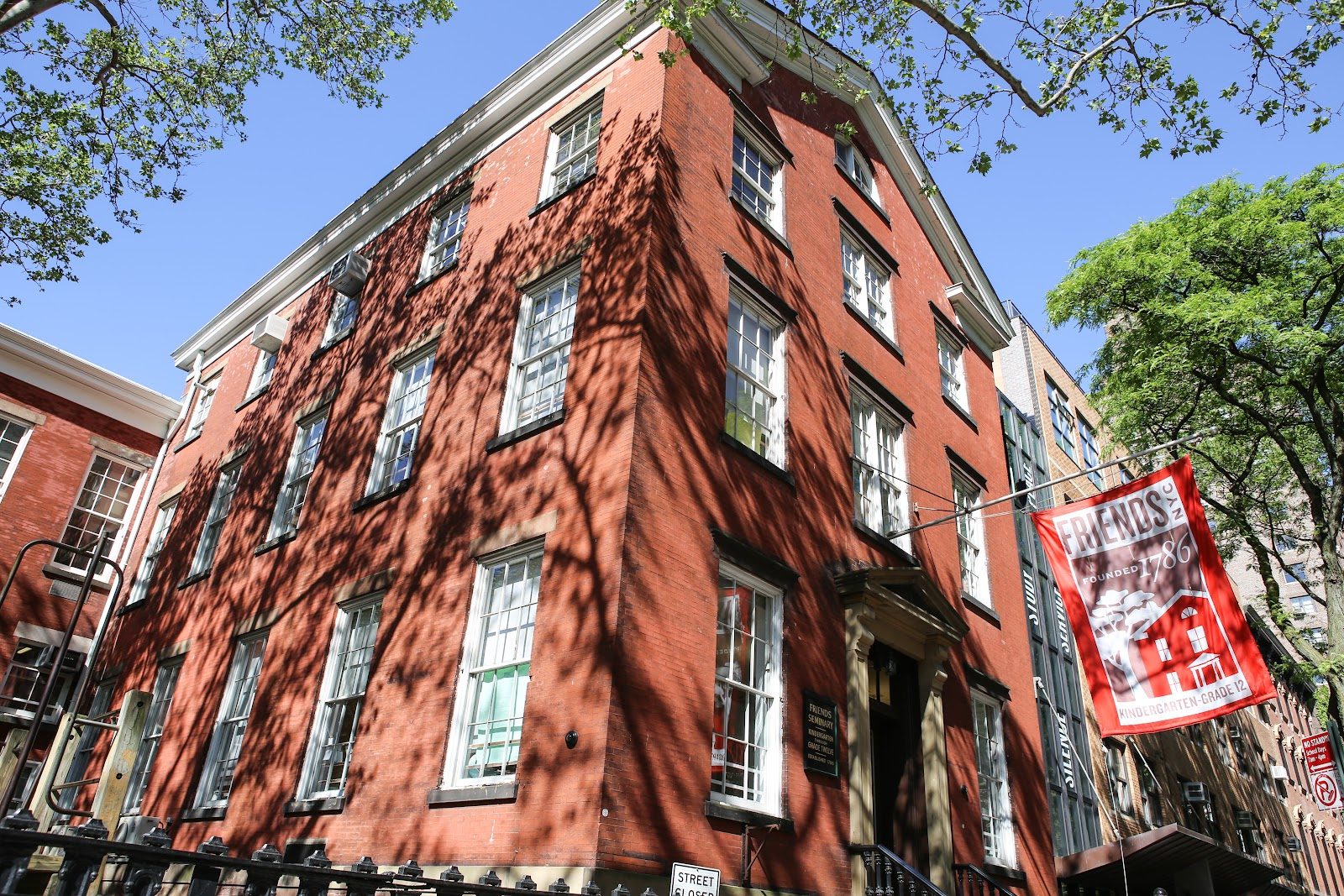
Friends Seminary
New York City · United States
Founded in 1786, the oldest coeducational school in New York City still teaches Quaker simplicity and peace amid Manhattan's bustle
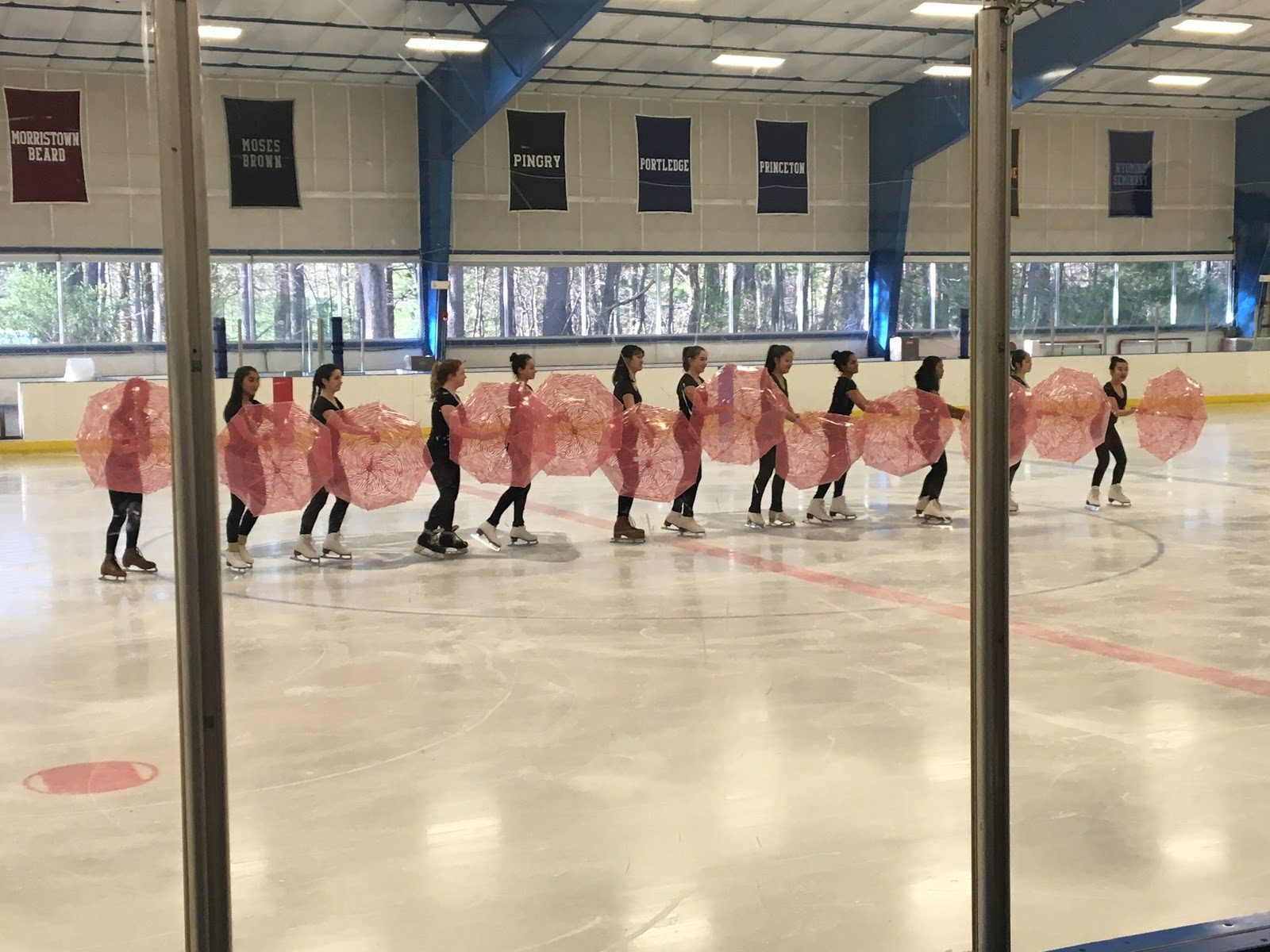
Princeton Day School
Princeton · United States
Formed by a 1965 merger of two century-old Princeton schools, pairing STEAM rigor with a rare four-year architecture program across 106 acres.
Same country and curriculum — closest matches within ±10 points either way