
New South Wales
A College Street institution since 1857, pairing classical Latin and Greek study with the state's highest-placed independent-school HSC results.
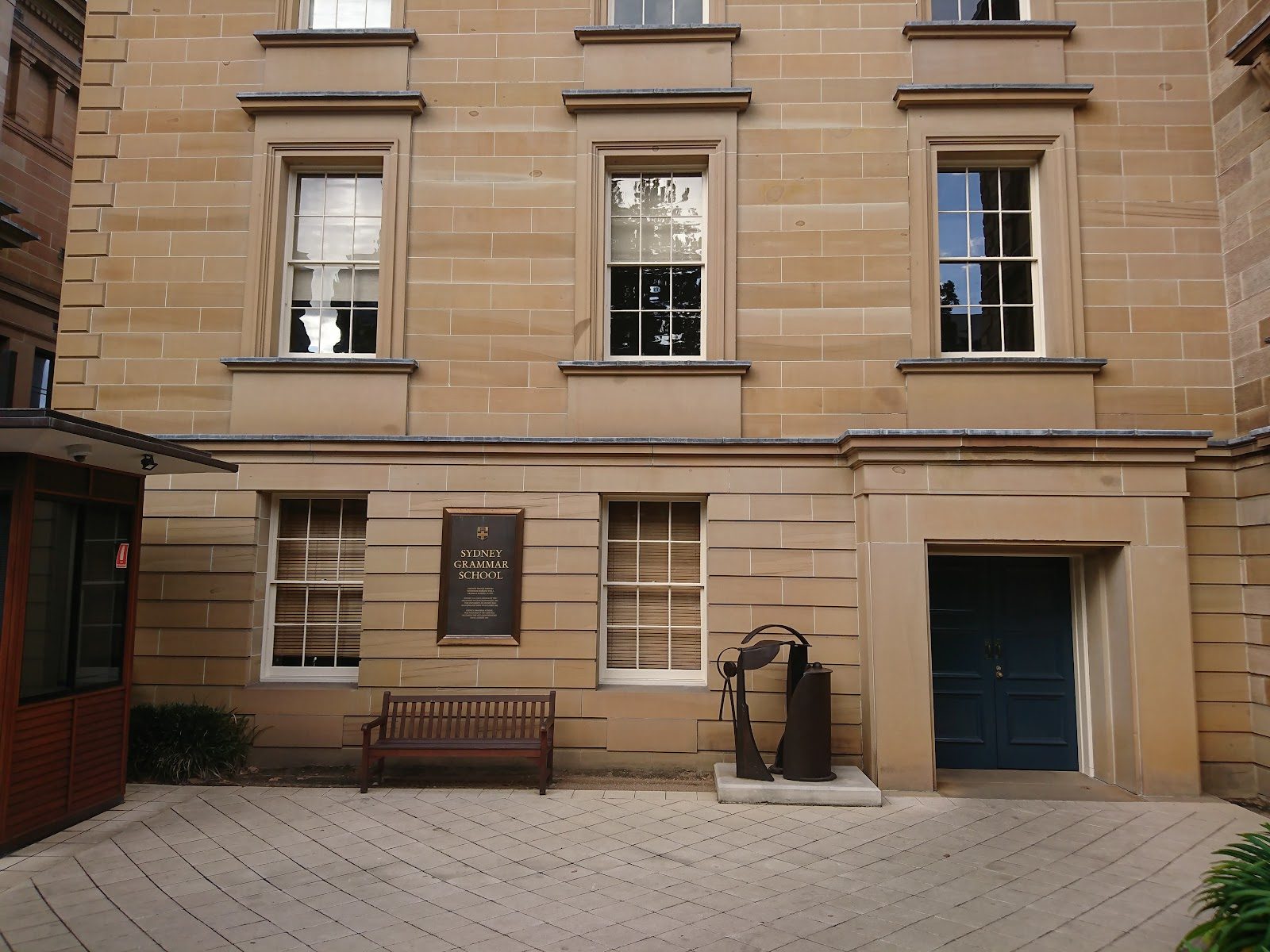
Photo © Fred W via Google Maps
Type
Day
Ages
3–18
Curriculum
Australian
Qualifications
HSC
Ratio
10:1
The Verdict
Editor's commitment
Right for
Boys who want Sydney's old academic establishment at full tilt: Latin and Greek, ICSEA 1225, and 642/641 Year 9 reading and numeracy.
Wrong for
Families wanting co-education, boarding or a softer pace; this is an Anglican day school, ages 3–18, with 18 pupils per class.
Watch out for
The average annual fee is AUD 52,410, and the 10:1 ratio sits inside a culture that rewards academic drive more than hand-holding.
Ranking breakdown
Sydney Grammar School · #36 of 1591
Composite score 80.1. 8 weighted criteria.
By criterion
Academic Outcomes
Weight 20%
#43
of 1529 scored
University Placement
Weight 16%
#59
of 1529 scored
Prestige & Heritage
Weight 12%
#76
of 1529 scored
Alumni Network
Weight 12%
#29
of 1529 scored
Facilities
Weight 12%
#141
of 1529 scored
Transparency & Communications
Weight 8%
#204
of 1529 scored
Peer & Industry Review
Weight 10%
#100
of 1529 scored
Admissions Selectivity & Demand
Weight 8%
#282
of 1529 scored
Score history
Sydney Grammar School · 2026
Movement across 2024–2026. Peer average overlaid.
Overall — 2024–2026
80.1/ 100
▲ +30.1 vs 2025
year on year
Peer & Industry Review
How Sydney Grammar School is regarded in the sector
95
Top-tier · high confidence
Sydney Grammar School is consistently ranked as Australia's top academic school by HSC results in independent media coverage (Sydney Morning Herald, The Australian) and is frequently cited in 'best schools' analyses for its consistent top-tier ATAR outcomes. Its alumni network includes prominent judges, writers, and public figures widely referenced in Australian press profiles, and it is a perennial benchmark institution against which other elite Sydney schools measure themselves in education-sector commentary.
Evidence sources
Editors' overview
Latin and Greek still sit close to the centre of Sydney Grammar’s identity, and that tells you a lot about the school before you reach the HSC results. This is an old Sydney institution, founded in 1854, Anglican in tradition, day-only, and unapologetically fiercely academic. The appeal is not warmth-first pastoral packaging or glossy talk about “balanced” education; it is intellectual seriousness, a long-established culture of scholarship and a clear expectation that boys will keep up. The numbers back that up. MySchool records an ICSEA of 1225, with Year 9 Reading at 642 and Year 9 Numeracy at 641. Those are strong indicators of a high-performing, highly advantaged cohort, and parents should read them plainly: this is a school that moves fast and works hard.
The structure supports that academic pressure. A 10:1 student-teacher ratio and average class size of 18 give the school the staffing profile to teach closely and push able students hard. The website also shows a broad co-curricular frame rather than a narrow exam factory: music, debating, drama, cadets, chess and sport all have visible weight, with the GPS competition and boat club part of the school’s established culture. The alumni record is substantial even on a conservative count, with 167 notable alumni catalogued in Wikidata across politics, business, scholarship, writing, the arts and elite sport. That breadth matters. Sydney Grammar does not produce a single type of success; it produces a formidable network of high-achieving former pupils.
Fees are expensive at an average of AUD 52,410 a year across the full age range from 3 to 18, and parents are paying for a very specific proposition. What is special here is not novelty but concentration: a school with a deep academic tradition, visible cultural capital and the confidence to keep classical study on the table in modern Sydney. It belongs on a shortlist for boys who are bright, competitive, self-propelled and comfortable in a high-pressure environment where academic distinction carries real prestige. It is not for the faint-hearted, and that is part of its draw. Boys who need constant reassurance or a gentler pace will find better fits elsewhere; boys who want hard intellectual company, strong teaching and a school culture that treats scholarship as serious business will understand its appeal at once.
Academic Performance
Sydney Grammar’s academic standing rests on one blunt fact in the school’s own navigation and prospectus architecture: “Academic Results” sits front and centre because results are a core part of the institution’s case. The editorial context goes further, placing the school at the top end of the independent-school HSC field. That puts it in rare company even by Sydney standards. This is not a school trading on selective presentation or a single strong cohort; it has a long-established reputation for relentless academic seriousness and the public positioning to match. The MySchool attainment indicators already point to a cohort operating well above national norms, and in combination with that HSC record they mark Sydney Grammar out as an outright academic heavyweight among Australian day schools.
What matters for parents is the type of performance this implies. Sydney Grammar sits with the handful of schools where external results are not an incidental outcome of good teaching but a central institutional expectation. Boys here compete in a hard-driving environment where high attainment carries status and intellectual range still matters, rather than a narrow cram-school model alone. We have not seen aggregate subject-by-subject HSC tables or median ATAR data published on the school site, which limits forensic comparison on measures such as score distribution at the very top end. Even with that caveat, the school’s place relative to peers is clear: it belongs in the top tier of academically selective-minded independent schools, and parents should read that as both an opportunity and a pressure.
Facilities
The physical estate is split rather than all-in-one, and that shapes the facilities story. The senior school at College Street sits in a dense inner-city setting, so parents should not expect the sweeping acreage or grand sports campuses that define some Australian rivals. What the school does advertise, and keep visible, are the spaces tied directly to its priorities: a library with seating for 200, a music department the school itself treats as a point of strength, dedicated rehearsal and ensemble infrastructure, drama provision, archives for historical research, and the operational machinery of a heavily organised co-curricular life. The boat club and GPS sport programme matter here, but this is not a campus sold on spectacle. It is a scholar’s school, and the facilities emphasis follows that line: books, teaching rooms, performance spaces, and the institutional support for boys who are busy, stretched and competitive.
Against peers, that leaves Sydney Grammar strong in academic and cultural infrastructure, less lavish in land-rich amenity. Families comparing it with Sydney schools that trade on expansive grounds, major aquatic centres or glossy sports complexes will find a more hard-edged, urban proposition. Families comparing it with old, academically driven day schools will recognise the pattern at once: facilities that serve intellectual and co-curricular seriousness first, display second. The result is impressive where it counts for a boy who wants music, debating, drama, rowing and close academic life woven into the school day, but less compelling for parents who equate excellence with resort-scale space.
The editorial context goes further, placing the school at the top end of the independent-school HSC field
Prestige
Sydney Grammar carries serious social and academic prestige in Australia, and not the flimsy kind built on branding alone. Its standing rests on three durable assets: a fiercely selective-minded culture, a conspicuous place in the country’s public life, and an alumni network with real depth. Even the conservative verified count is striking: 167 notable alumni catalogued in Wikidata, including 52 politicians and statesmen, alongside heavyweight representation in business, scholarship, writing and elite sport. That breadth matters more than a vanity list of celebrity names. It tells parents that the school has fed influence into multiple parts of Australian society for generations, and that “Old Sydneian” still carries weight well beyond school circles.
The prestige also has a distinct texture. This is not a school admired for polish, pastoral softness or fashionable educational rhetoric. It is admired for intellectual authority, old institutional confidence and a culture that treats scholarship as high-status work. The classical tradition strengthens that identity rather than decorating it. So does the school’s willingness to keep academic results, scholarships and fee-assisted places in plain view. Prestige here is earned, not manufactured: hard to access, expensive, demanding and socially legible to any Sydney parent who knows the independent-school landscape. That mix gives Sydney Grammar a top-drawer reputation nationally, with the added edge of being one of the few schools whose name still signals both attainment and establishment influence.
Latin and Greek still sit close to the centre of Sydney Grammar’s identity, and that tells you a lot about the school before you reach the HSC results
Communications
Sydney Grammar communicates with parents through a dense, functional infrastructure rather than polished storytelling. The website’s parent-facing spine is clear: a parent portal, absence notification, music notes, leave policy, examinations, publications, textbooks, tuckshop, fee payment, calendars, diaries, weekly sport training and fixtures, wet-weather notices, and map-and-location updates all sit in easy reach. That breadth matters. It tells parents the school treats communication as an operational necessity, not a branding exercise. The split across three sites also makes that discipline essential, and the school has built a system that keeps routine logistics visible. The presence of an annual report, government funding page, newsletters, magazine and policy library adds another layer of institutional transparency. For day-to-day practicality, this is a well-drilled, serious communications machine.
What it does less well is warmth, narrative coherence and ease for outsiders. The homepage is crowded, repetitive and built in the manner of an older institution that assumes families will adapt to it. That is not elegant, but it is revealing. Sydney Grammar communicates with the same hard-edged confidence that shapes the rest of the school: information first, atmosphere second. Current parents who want schedules, notices and formal documents will get what they need. Families hunting for a soft landing, a simplified admissions journey or a carefully hand-held digital experience will find a more austere proposition. In editorial terms, effectiveness is high for administration and parent logistics; weaker for clarity of public-facing presentation.
Uniqueness
What marks Sydney Grammar out is the degree to which it still treats old-fashioned scholarship as a living discipline rather than an ornamental tradition. Latin and Greek are not there for branding; they help define a school culture that prizes memory, precision, argument and intellectual stamina. In a market full of schools selling roundedness, wellbeing language and polished campus experience, Sydney Grammar keeps faith with a more exacting ideal: the educated mind trained hard and early. That seriousness runs through the rest of the offer. The secondary school sits at College Street, with preparatory branches in Paddington and St Ives, and the public face of the institution gives unusual prominence to debating, archives, reading, music, examinations and scholarship pathways. Even the existence of fee-assisted places and entrance scholarships reinforces the point: attainment matters here, and the school wants boys who can thrive in a demanding intellectual culture.
For students, that distinctiveness brings two things. First, it creates hard intellectual company. Boys work among peers for whom academic ambition is normal, not apologised for, and that changes classroom pace, conversation and expectation. Second, it gives status to pursuits that many schools relegate to the margins: classics, serious reading, formal debate, choral and instrumental music, even archival research. The result is a school that can be bracingly old-school without being narrow. With 167 verified notable alumni across public life, scholarship, the arts and sport, the long-term outcome is not one mould but a habit of disciplined achievement. That is Sydney Grammar’s real singularity.
This is an old Sydney institution, founded in 1854, Anglican in tradition, day-only, and unapologetically fiercely academic
Student Profile
The boy who fits Sydney Grammar is bright, competitive and internally driven. He does not need a school to make academic effort socially acceptable; he wants classmates who treat it as normal. He will cope well with pressure, tolerate scrutiny and find stimulation in a culture where standards are high across lessons, examinations and co-curricular commitments. The school’s classical spine still matters here. Boys who enjoy language, argument, close reading and disciplined thought will feel the logic of the place at once. Boys who want constant affirmation, a relaxed pace or a softer social climate will struggle. This is a high-pressure, intellectually exacting environment with little interest in disguising what it values.
The social fit is just as specific. Sydney Grammar suits boys who are comfortable in an old institutional culture, can navigate strong personalities and do not need a campus built around emotional hand-holding. The staffing profile and class sizes support close teaching, but that does not make the school indulgent; it makes it easier to notice who is keeping up and who is not. There is also a broad enough co-curricular frame for boys with serious interests beyond the classroom, provided they bring the same appetite for commitment there too. A high-attaining, advantaged cohort is part of the reality, as the MySchool profile makes plain, and families should read that clearly. For the right boy, that creates hard intellectual company and serious momentum; for the wrong one, it becomes unforgiving.
MySchool records an ICSEA of 1225, with Year 9 Reading at 642 and Year 9 Numeracy at 641
Co-curricular strengths
Arts & sport, on a separate axis
Overall 7.7/10
Scored 0-10 from the school's own published evidence. This axis is editorial-only — it does not feed the main WTS ranking.
Sports
8.8/10
Powered by the massive, modern $54 million Weigall Sports Complex; historic force in the elite AAGPS rowing and rugby leagues.
Drama
8.5/10
Creative powerhouse; multi-year champions of the prestigious state-wide Theatresports Schools Challenge.
Dance
4.5/10
Maintained strictly as a minor auxiliary asset for musical choreography rather than a formal standalone discipline.
Music
9.2/10
Virtuoso culture backed by performance scholarships and regular large-scale concerts at the Sydney Opera House.
Visual Arts
7.5/10
Housed in the Mackinnon Centre, executing sophisticated sculpture and digital media portfolios for the rigorous HSC syllabus.
Editor-verified · 8/6/2026
Notable alumni · Wikidata
167notable alumni
131 historic (born pre-1930) · 8 modern (born post-1970)wikidata:2026-07-28 How we source this
MySchool · ACARA
Australian benchmarks
Editorial estimateReporting year
2023
ICSEA index
1225
+225 vs national average (1000)
Student cohort by national ICSEA quarter
Year 9 NAPLAN — mean scale score
Dashed line = national average
Attendance
94.2%
Enrolments
1660
Sector
Independent
Year range
Years 3–12
One of Australia's highest ICSEA scores. All-boys selective day school.
MySchool.edu.au source pageEditor-approximated from MySchool.edu.au. Awaiting school-attested figures.
WTS 300 badge
2025/26 editionSydney Grammar School is one of the World's Top 300 Schools for 2025/26. Claim your listing to add it to your site →
Strengths
- +Ranked third overall for HSC success rate in both 2024 and 2025 league tables, the highest-placed independent school in NSW both years
- +One of Australia's oldest schools, founded by Act of the NSW Parliament in 1854 and continuously operating on its College Street site since 1857
- +Offers up to 26 full academic scholarships each year plus means-tested fee-assisted places for boys who could not otherwise afford tuition
- +Alumni include three Australian Prime Ministers (Edmund Barton, William McMahon, Malcolm Turnbull) and several High Court judges
- +Feeds from two dedicated preparatory schools (St Ives and Edgecliff/Paddington) into the College Street senior school, giving families a structured K-12 pathway
Considerations
- −Single-sex boys' school with no coeducational option at any year level, which will not suit families wanting a mixed-gender environment
- −Entry is highly selective and competitive, particularly for the main Year 7 intake, making it unsuitable as a fallback option for average-achieving students
- −2026 annual tuition is $52,410 for Years 7-12, placing it among the more expensive independent day schools in Sydney
- −Non-refundable $300 application fee is charged regardless of outcome, and the school states timing of application does not affect selection chances
Availability
Primary entry gate & tests
Internal Entrance Assessment
Gallery
Photo © Mars Denique Victor Est via Google Maps
Photo © Hao Huynh via Google Maps
Photo © Suhas Mahajan via Google Maps
Photo © Marcus King via Google Maps
Photo © Andrea Longinotti via Google Maps
Photo © Arti Fed via Google Maps
Photo © Arti Fed via Google Maps
Photo © Arti Fed via Google Maps
Photo © Arti Fed via Google Maps
Parent reviews
Have you sent your child here?
Voice reviews carry the strongest trust badge — we transcribe them for you to tidy up before they go live. Prefer to type? A written review is fine too.
Add your voice
In 60 seconds, tell other parents: what's the best thing about Sydney Grammar School, and what surprised you when your child joined?
We ask for a Google sign-in so every review has a real face behind it — no anonymous drive-by attacks on schools, and no faked positive reviews. Your email is never shown publicly.
Send this profile to a friend
International parents rely on word-of-mouth. Share this review with someone weighing the same decision.
Schools with places
Similar schools to Sydney Grammar School with places available now.
Ascham School
Sydney · Australia
- 2026-27
- WAITPOOLVacancy-dependent
- 2027-28
- PLACES OPEN
Pymble Ladies' College
Sydney · Australia
- 2026-27
- WAITPOOLVacancy-dependent
- 2027-28
- PLACES OPEN
The King's School (Parramatta)
Parramatta · Australia
- 2026-27
- WAITPOOLVacancy-dependent
- 2027-28
- PLACES OPEN
Availability first, then country, area, curriculum, price, co-curricular
Consider also
Also worth looking at alongside Sydney Grammar School.
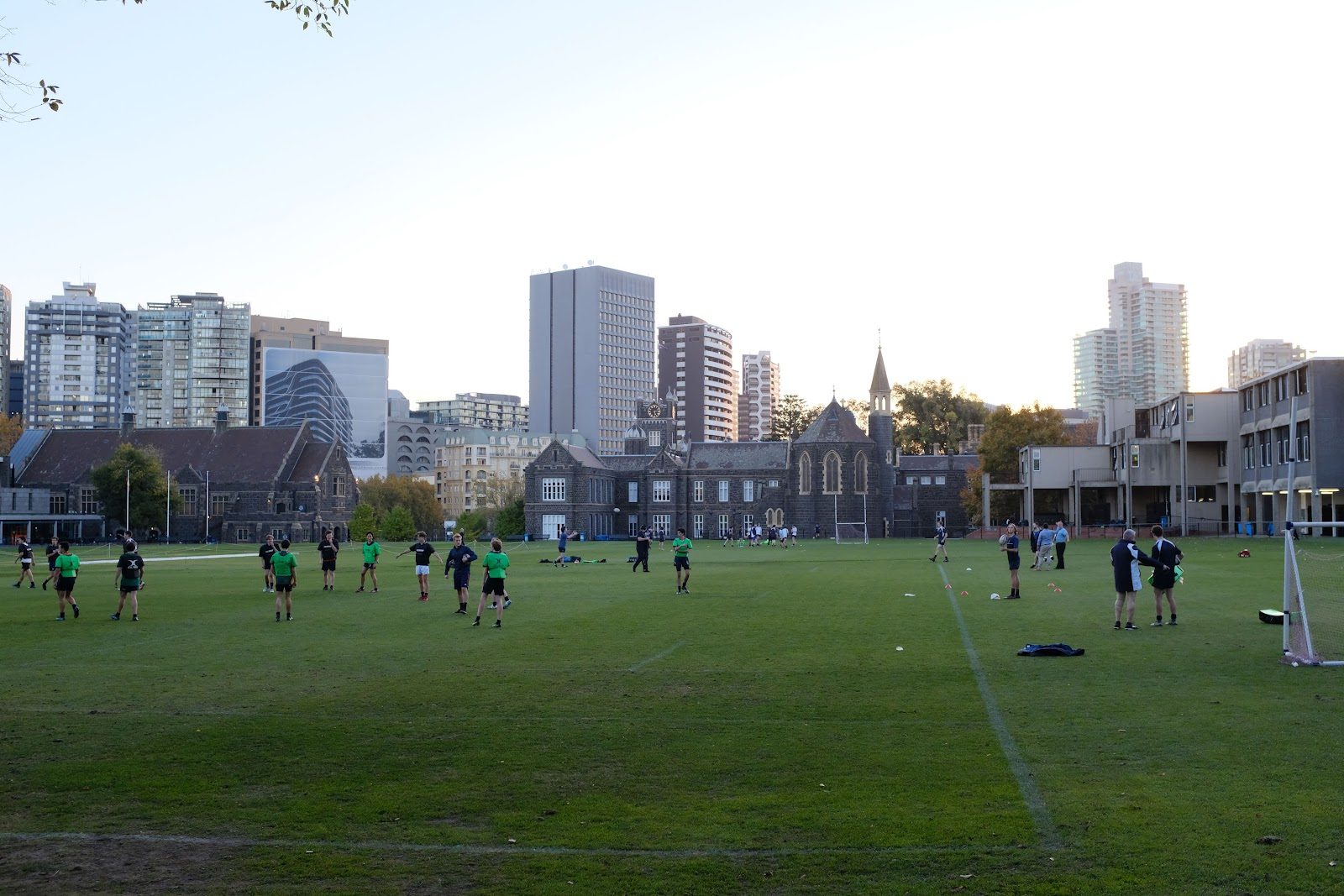
Melbourne Grammar School
Melbourne · Australia
Site of the first recorded Australian Rules football match in 1858, its bluestone St Kilda Road campus still borders the Royal Botanic Gardens.
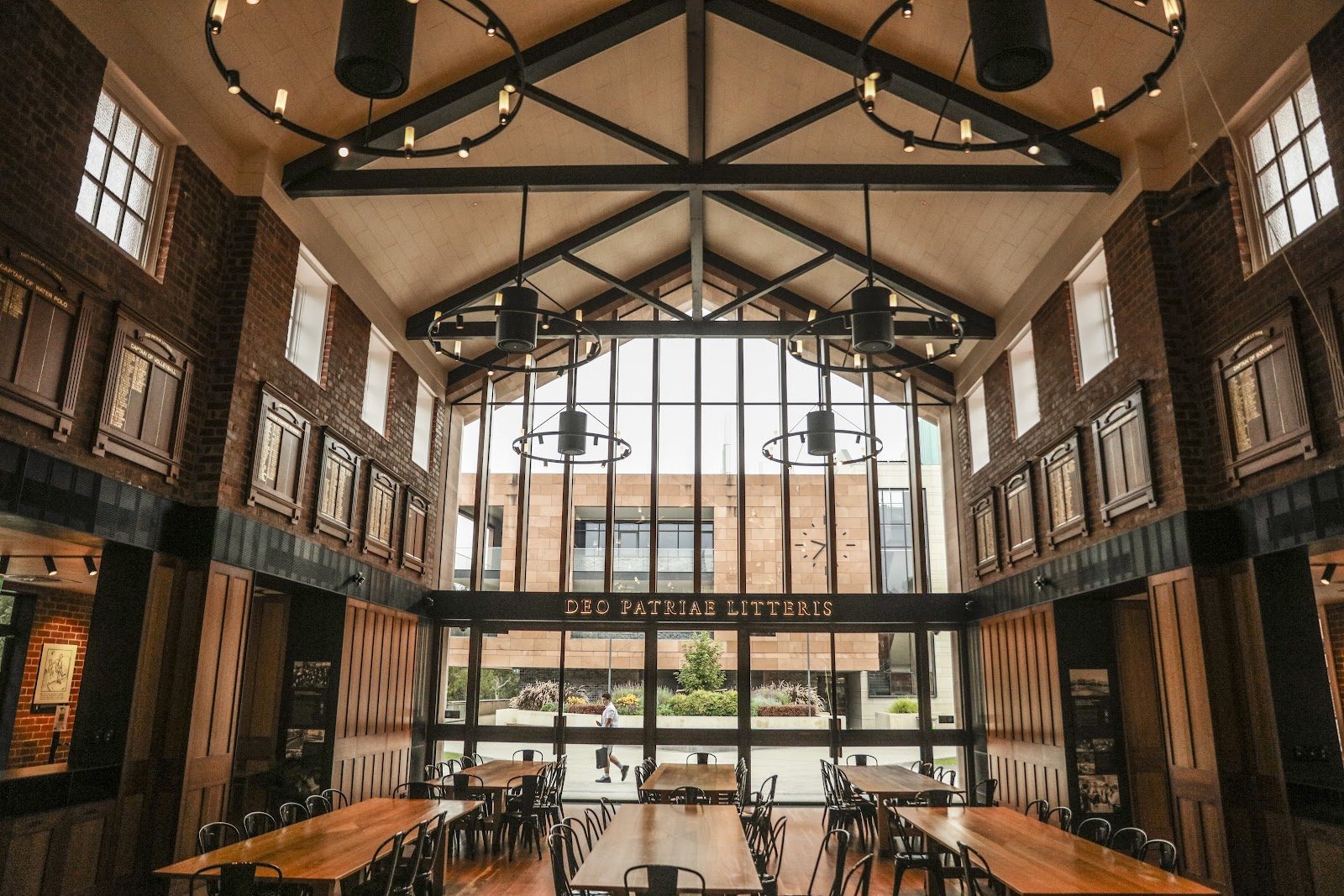
Scotch College
Melbourne · Australia
Founded in 1851 on the Yarra, Victoria's oldest secondary school blends IB and VCE with non-selective results that rival the selective few.
Christ Church Grammar School
Perth · Australia
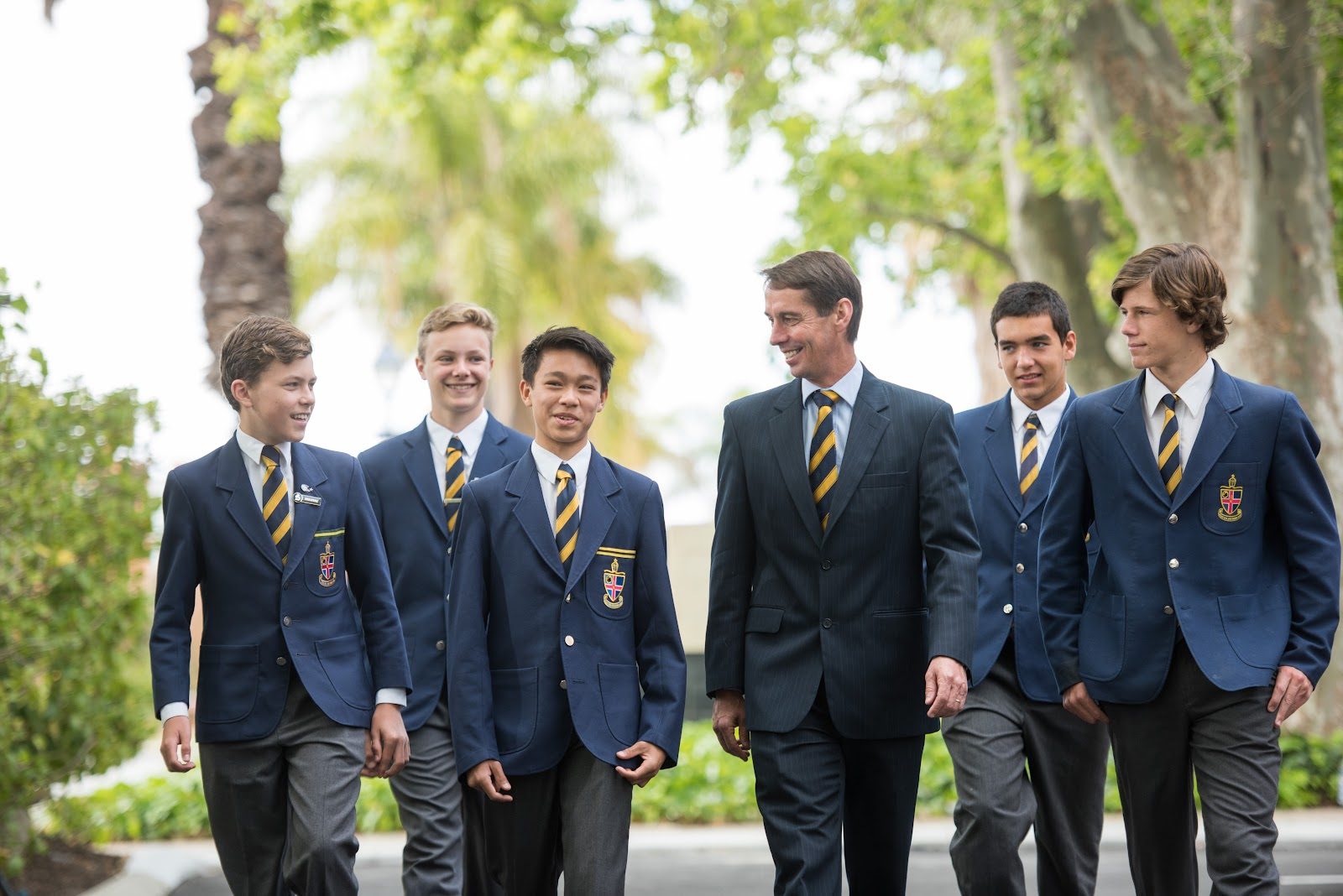
Freshwater Bay frontage anchors an Anglican boys' school where rowing tradition and strong ATAR results define the culture
Ascham School
Sydney · Australia
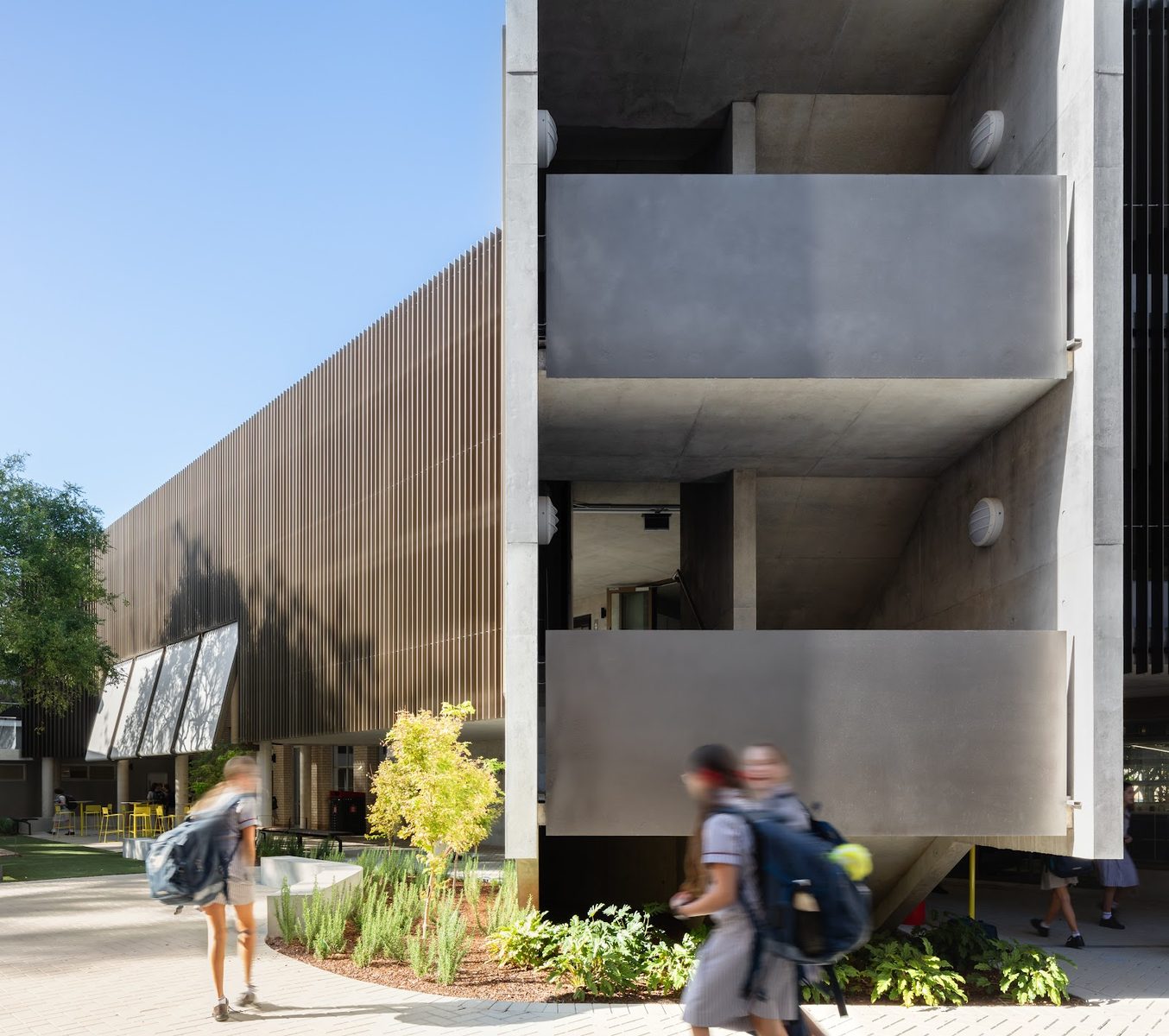
Sydney's storied girls' boarding school, pairing the Dalton Plan with a rigorous HSC pathway.
Same country and curriculum — closest matches within ±10 points either way