
Beijing
Beijing No. 4 High School
Founded in 1907 by the old imperial walls, this Xicheng day school blends strong gaokao results with electives from physics to cuisine.
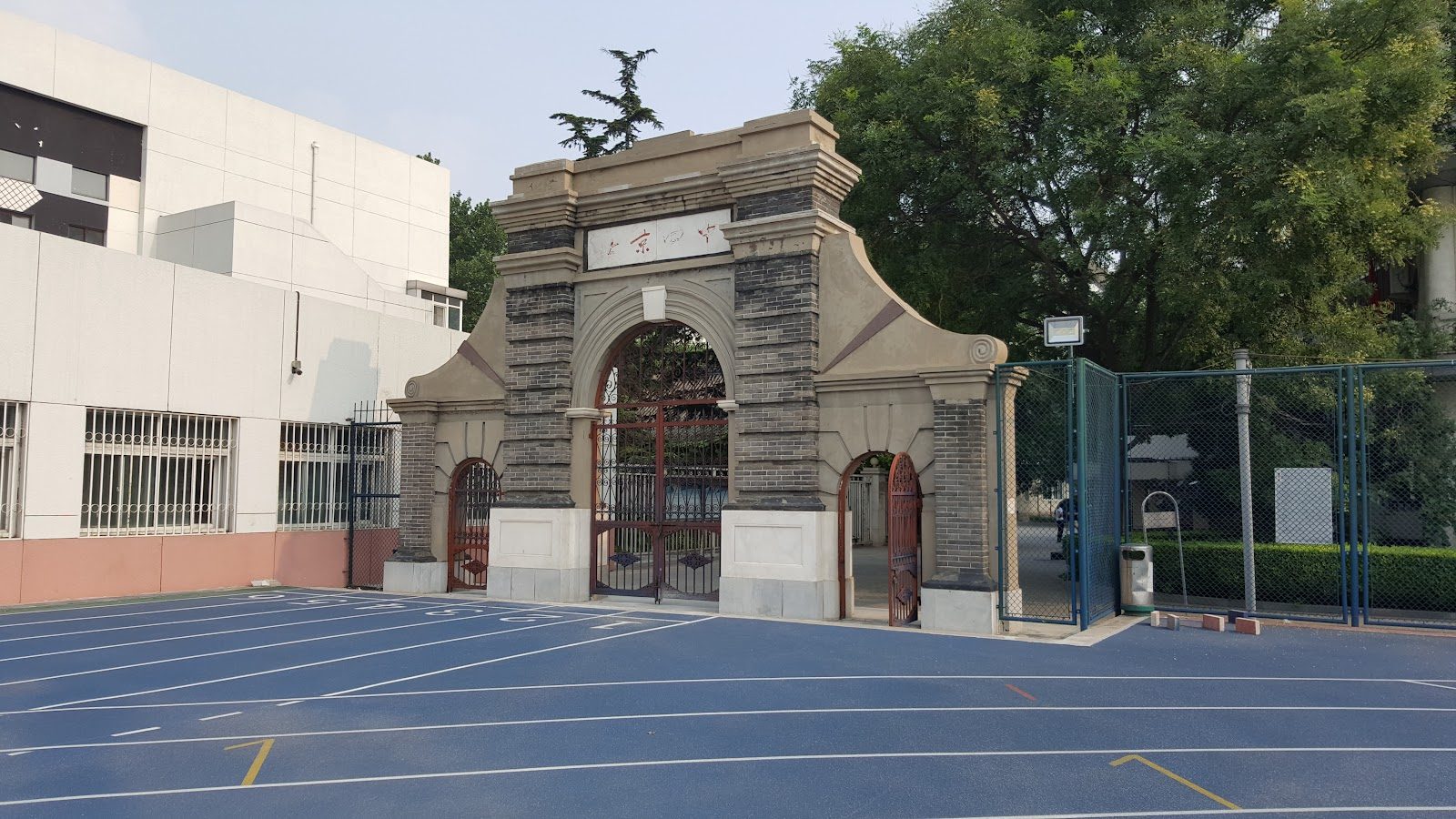
Photo © Xingheng Liu via Google Maps
Type
Day
Ages
12–18
Curriculum
Chinese National
Qualifications
Gaokao · AP
Ratio
—
The Verdict
Editor's commitment
Right for
Families in Beijing wanting a public Xicheng day school, founded in 1907, teaching the Chinese National curriculum from ages 12–18.
Wrong for
Parents seeking boarding, a non-Chinese curriculum, or full English-medium teaching; Beijing No. 4 is a public day school in Beijing.
Watch out for
The school teaches in Chinese and English, but it does not publish public exam outcomes, university destinations or accreditation detail.
Ranking breakdown
Beijing No. 4 High School · #37 of 1591
Composite score 72.3. 8 weighted criteria.
By criterion
Academic Outcomes
Weight 20%
#20
of 1529 scored
University Placement
Weight 16%
#24
of 1529 scored
Prestige & Heritage
Weight 12%
#127
of 1571 scored
Alumni Network
Weight 12%
#1457
of 1530 scored
Facilities
Weight 12%
#582
of 1533 scored
Transparency & Communications
Weight 8%
#204
of 1532 scored
Peer & Industry Review
Weight 10%
#98
of 1548 scored
Admissions Selectivity & Demand
Weight 8%
#51
of 1529 scored
Peer & Industry Review
How Beijing No. 4 High School is regarded in the sector
80
Strong · medium confidence
Within Beijing, No. 4 High School is habitually named alongside Renmin University High School (RDFZ) and Beijing No. 101 as one of the capital's 'famous schools', a status reflected in municipal gaokao league tables and Tsinghua/PKU admission counts rather than independent inspection reports. Domestic education media and parent forums treat its zhongkao entry cutoff as a proxy for prestige. University admissions offices in China recognise its name readily as a strong, self-selecting feeder; recognition among Western university admissions teams is more limited and tied mainly to its newer international division. It rarely features in Western independent-school press such as the Good Schools Guide or WhichSchoolAdvisor, since these primarily cover fee-paying international schools rather than Chinese public gaokao schools, meaning most external validation is domestic, exam-outcome based, and less visible internationally than its actual standing in Beijing would suggest.
- Bo Xilai — Politician, Government
- Liu He — Vice Premier, Economist/Government
- Zhou Xiaochuan — Former Governor of the People's Bank of China, Finance
Editors' overview
Beijing No. 4 High School occupies a rare position in Beijing’s state sector: a long-established, academically serious day school in Xicheng with a reputation tied to gaokao performance rather than imported branding. Founded in 1907, it offers the Chinese National curriculum for ages 12–18, with teaching in Chinese and English. The attraction is plain. This is a school for families who want a demanding local academic route, a central Beijing location and the status that attaches to one of the capital’s best-known public secondary schools. Its character is scholarly, disciplined and *deeply rooted in the city’s educational culture*. Parents looking for an international-school pastoral wrapper or a glossy bilingual identity will find the wrong institution here.
What puts it on a shortlist is the combination of history, selectivity and breadth within a mainstream Chinese framework. The editorial tagline points to strong gaokao results and electives stretching from physics to cuisine; that matters because it marks the school out from exam factories that narrow too early. The old-imperial-walls setting adds institutional weight, but the real selling point is intellectual seriousness. This is a place where high attainment carries social and academic value, and where peers will push one another hard. The market position is clear: not an expatriate school, not a hybrid private bilingual campus, but a top-tier public Beijing high school with earned prestige and a hard-edged academic core.
The right student for Beijing No. 4 is self-motivated, resilient and comfortable in a competitive environment. They need to thrive under pressure, handle a structured school culture and value academic stretch over lifestyle extras. Students with strong Chinese literacy and the appetite to pursue the domestic route to top universities will fit best. Those who need heavy pastoral cushioning, extensive individual tailoring or a non-exam-centred adolescence will not. For the right family, this school offers serious ambition in a form that is recognisably Chinese, urban and exacting.
Academic Performance
Academic performance is the core of this school’s standing. In Beijing’s state hierarchy, No. 4 sits in the elite academic tier: the kind of school families target for gaokao preparation, and the kind of peer group that raises the floor as well as the ceiling. That matters more than slogans about “quality education”. A strong cohort in a selective public school tends to produce disciplined classroom pace, harder internal competition and less tolerance for drift. For ambitious families, that is the point. For children who need a gentler tempo, it is a warning. We have not seen published school-wide gaokao averages, admission rates to individual universities or any comparable breakdown by subject, so parents cannot inspect performance with the granularity that top independent schools in other markets now provide.
Even with that caveat, the school’s reputation rests on more than nostalgia. It belongs to the small group of longstanding Beijing public schools whose academic credibility is taken seriously by local families and educators. The editorial picture is of a school that combines hard-edged examination strength with enough elective range to avoid the grim narrowness of a pure cramming operation. Relative to peers, that places it above the broad mass of municipal secondary schools and in direct competition with the city’s most demanding mainstream academic institutions. The trade-off is clear: high-output, status-rich, and unforgiving of weak study habits.
Facilities
The school’s facilities matter less as a luxury pitch than as working academic infrastructure. The editorial line points to electives running from physics to cuisine, which implies more than standard classrooms: science teaching needs proper laboratories, and culinary study needs dedicated practical space rather than a token domestic-science room. That already puts No. 4 ahead of the many state secondary schools that deliver strong exam preparation but offer a thinner practical estate. A school with this profile also needs solid library provision, assembly space and sports areas that can absorb a full urban secondary cohort without constant compromise. We have not seen a published campus inventory, floor area or specialist-room count, and that lack of detail limits any hard audit of scale.
Against Beijing’s top public-school peers, the benchmark is functional strength rather than resort-style excess. Families should expect serious teaching spaces, no-nonsense specialist rooms and the kind of campus organisation that supports a high-pressure academic culture. They should not expect the expansive theatres, aquatic centres or glossy maker hubs that private bilingual competitors use to justify high fees. In that sense, No. 4 fits the best end of the public-school tradition: facilities built to serve teaching, not to sell aspiration. If the school’s specialist offer is as broad in practice as the editorial description states, the campus clears the threshold that matters. What it does not publish is the detail that would distinguish well-equipped from exceptional.
Students with strong Chinese literacy and the appetite to pursue the domestic route to top universities will fit best
Prestige
A Beijing No. 4 education carries real domestic prestige because it sits in the upper reaches of the capital’s public-school order, where admission itself functions as a filter and the school name travels. In Beijing, that matters. Families, universities and employers all understand the difference between an ordinary municipal secondary school and a first-rank academic institution with long institutional memory and a serious peer set. No. 4 benefits from that recognition. Its status does not come from imported branding, glossy campuses or international-school pricing theatre; it comes from being a public school that high-performing local families actively covet. That makes the prestige earned rather than manufactured. The school’s age range, 12–18, also matters here: it is not a narrow senior-only exam centre but a full secondary school whose culture and expectations shape students over time.
We rate the prestige highly because it rests on three sturdy foundations: selectivity, academic credibility and civic location. A school in Xicheng with this profile occupies valuable educational real estate in both the literal and social sense. It belongs to the group of schools that confer signalling power without needing to advertise it. The limitation is clear as well. This prestige is strongest inside the Chinese system and among families who value the domestic route; it does not carry the same automatic international cachet as a famous British or American independent school brand. Even so, in its own market, the name has serious weight and marks a student out as someone trained in a demanding, high-status environment.
Against Beijing’s top public-school peers, the benchmark is functional strength rather than resort-style excess
Communications
Parent communication here follows the logic of a high-performing public school: functional, top-down and geared to expectations rather than persuasion. Families choosing this kind of institution do not need lifestyle storytelling; they need timetables, requirements, academic signals and administrative clarity. The school’s public profile gives only a thin view of how that communication works in practice, and that thinness matters. We have not seen the kind of detailed parent-facing architecture that stronger communicators publish openly: calendar depth, assessment explanations, pastoral pathways, clear escalation routes, or a transparent picture of who handles what. That does not mean communication is weak inside the school; it means the external face is opaque, spare and built with institutional confidence rather than customer convenience.
Effectiveness, then, depends on the family. For parents already fluent in the rhythms of competitive Chinese schooling, this style will feel entirely legible: instructions are followed, standards are understood, and the school’s authority does much of the work. For internationally mobile families or parents who expect frequent explanatory hand-holding, the model is harder going. A school with this level of academic pressure needs crisp communication when workload, wellbeing or next-step decisions start to bite. We do not see much evidence of warm, proactive parent partnership as a defining feature. The balance of probability points instead to communication that is efficient, formal and uncompromising — good enough for a disciplined community, less good for families who want dialogue, transparency and pastoral texture.
Uniqueness
What makes Beijing No. 4 distinctive is not novelty but institutional seriousness. Many schools trade on history; this one converts history into a living academic culture with real social force. As a public secondary school, it sits inside the mainstream system rather than outside it, so students are not insulated from the pressures, standards or hierarchy of top local education. That gives the place a different kind of authority from private bilingual schools and international brands. The result for students is a peer environment where ambition is normal, effort is visible and underperformance is hard to hide. For the right child, that sharpens discipline, study habits and intellectual confidence. For the wrong child, it feels unforgiving.
Its other point of difference lies in the combination of elite exam orientation with a wider school life than a narrow cramming shop. The elective spread flagged in the editorial context matters because it breaks the false choice between rigour and range. Students get the benefits of a hard-driving academic culture without being reduced to test-taking machines from dawn to dusk. In practice, that can produce teenagers who are more adaptable, more articulate and less brittle than peers from schools that strip everything back to scores. The school’s identity is also deeply local: civic, status-conscious and rooted in Beijing’s own educational order. That brings strong cultural fluency and domestic recognition, but it does not offer the soft landing or global polish some international families expect.
What it does not publish is the detail that would distinguish well-equipped from exceptional
Student Profile
The students who thrive here are the ones who treat school as serious work, not as a stage-managed childhood. They are academically quick, organised and competitive without needing constant praise. Many will have a strong tolerance for routine, a respect for authority and the stamina to keep going when the pace tightens. This is a good fit for teenagers who gain energy from able classmates and who do not crumble when comparison becomes unavoidable. It is a poor fit for pupils who need a soft landing, a loose structure or a great deal of emotional cushioning. In a school with this kind of reputation, the peer group itself is part of the education: high-pressure, status-aware and not for the faint-hearted.
The best match is a family that values academic standing over self-expression as an organising principle. Students need intellectual confidence, but they also need obedience, consistency and the ability to absorb correction without drama. A child with real aptitude but weak habits will struggle; a child with strong habits and genuine appetite for hard study will do far better. The elective breadth matters here because it gives room to students who are more than examination machines, but it does not change the centre of gravity. This remains a school for driven, thick-skinned adolescents who can hold their own in a demanding mainstream environment and who want their secondary years to feel rigorous rather than indulgent.
Parent communication here follows the logic of a high-performing public school: functional, top-down and geared to expectations rather than persuasion
Co-curricular strengths
Arts & sport, on a separate axis
Overall 7/10
Scored 0-10 from the school's own published evidence. This axis is editorial-only — it does not feed the main WTS ranking.
Sports
7.2/10
Drama
6.5/10
Dance
6.5/10
Music
8/10
Visual Arts
6.8/10
WTS 300 badge
Beijing No. 4 High School is one of the World's Top 300 Schools. Claim your listing to add it to your site →
Strengths
- +Founded in 1906 as Shun-Tian Secondary School, the school became official Beijing No.4 High School after 1949, giving it over a century of continuous operation in central Beijing.
- +In September 2002 the school was recognized by the Beijing Municipal Education Commission as one of Beijing's first batch of exemplary regular high schools, and an International Department was added the same year.
- +The international division, established in 2002, currently has more than 200 students from South Korea, Japan, the US, the UK, Canada, and more, giving day students exposure to a genuinely multinational peer group.
- +In a 2016 ranking of Chinese high schools that send students to study in American universities, the school ranked number one in mainland China and number four internationally for schools outside the United States.
- +More than 200 students from the school win medals in municipal, national and international competitions every year, reflecting a strong extracurricular academic culture.
Considerations
- −Admission to the main campus is highly competitive and occurs primarily through the Zhongkao, with applicants required to be Beijing residents achieving exceptionally high scores; the 2025 admission cutoff was 643 points, effectively closing the mainstream campus to families without local registration.
- −Core instruction on the main campus follows the Chinese national curriculum in Mandarin; an English-medium pathway exists only through a separately run international division, so families expecting a bilingual mainstream experience should verify which track applies.
- −The international curriculum programme was relocated from the main Beijing site to Jialian School in Changping district from September 2017, meaning the internationally oriented track is now geographically separate from the historic Xicheng campus.
- −The school operates across multiple campuses -- high school, junior high, a Guang'anmenwai campus and a Fuxingmen international campus -- plus additional branches, which can mean scale and administrative complexity rather than a single, close-knit site.
Availability
Primary entry gate & tests
Beijing Zhongkao Exam
Gallery
Photo © Xingheng Liu via Google Maps
Photo © Xingheng Liu via Google Maps
Photo © Xingheng Liu via Google Maps
Photo © Xingheng Liu via Google Maps
Photo © Xingheng Liu via Google Maps
Photo © Xingheng Liu via Google Maps
Photo © JM via Google Maps
Parent reviews
Have you sent your child here?
Voice reviews carry the strongest trust badge — we transcribe them for you to tidy up before they go live. Prefer to type? A written review is fine too.
Add your voice
In 60 seconds, tell other parents: what's the best thing about Beijing No. 4 High School, and what surprised you when your child joined?
We ask for a Google sign-in so every review has a real face behind it — no anonymous drive-by attacks on schools, and no faked positive reviews. Your email is never shown publicly.
Send this profile to a friend
International parents rely on word-of-mouth. Share this review with someone weighing the same decision.
Schools with places
Similar schools to Beijing No. 4 High School with places available now.
Dulwich College Beijing
Beijing · China
- 2026-27
- WAITPOOLSpace-dependent
- 2027-28
- PLACES OPENRolling
International School of Beijing
Beijing · China
- 2026-27
- WAITPOOLSpace-dependent
- 2027-28
- PLACES OPENRolling
Western Academy of Beijing
Beijing · China
- 2026-27
- WAITPOOLSpace-dependent
- 2027-28
- PLACES OPENRolling
Yew Chung International School of Beijing
Beijing · China
- 2026-27
- WAITPOOLSpace-dependent
- 2027-28
- PLACES OPENRolling
Availability first, then country, area, curriculum, price, co-curricular
Consider also
Also worth looking at alongside Beijing No. 4 High School.
UWC Changshu China
Changshu · China
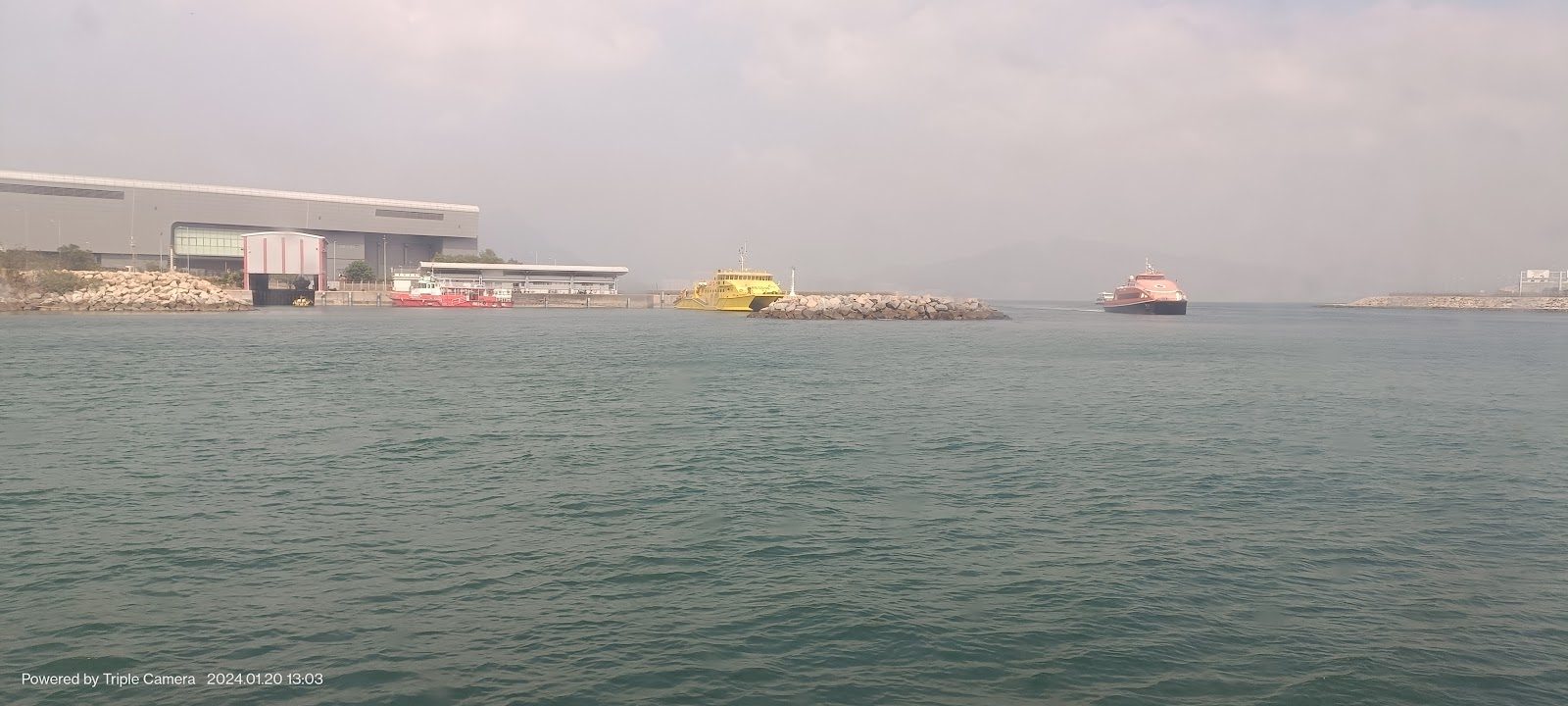
On an island in Kuncheng Lake, mainland China's first UWC pairs the IB diploma with mandatory Mandarin study and a student-run Zhixing service programme.
Dulwich College Beijing
Beijing · China
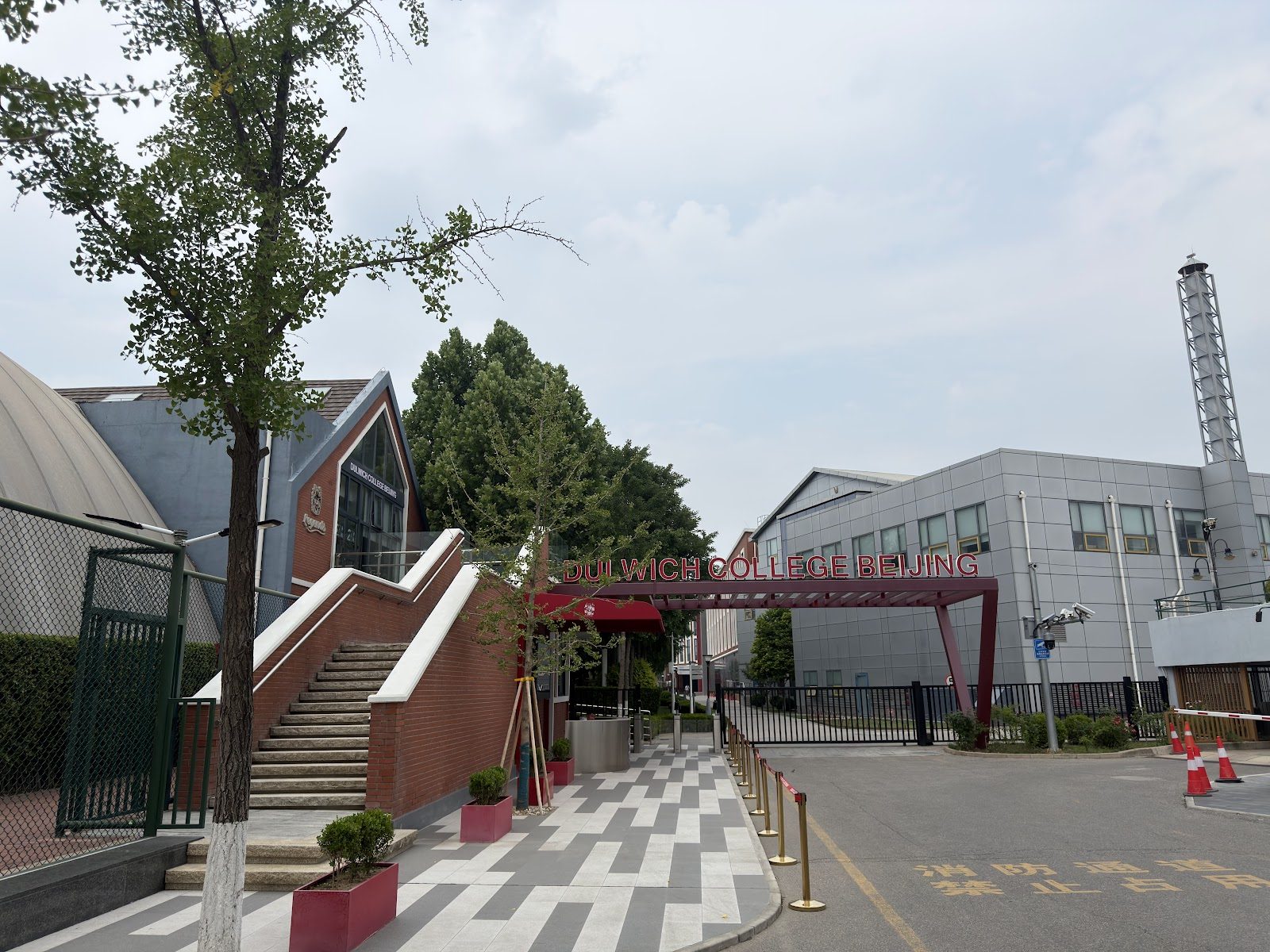
Rooted in a 400-year London lineage, its Shunyi campus has posted IB scores averaging seven points above the global mean for four straight years
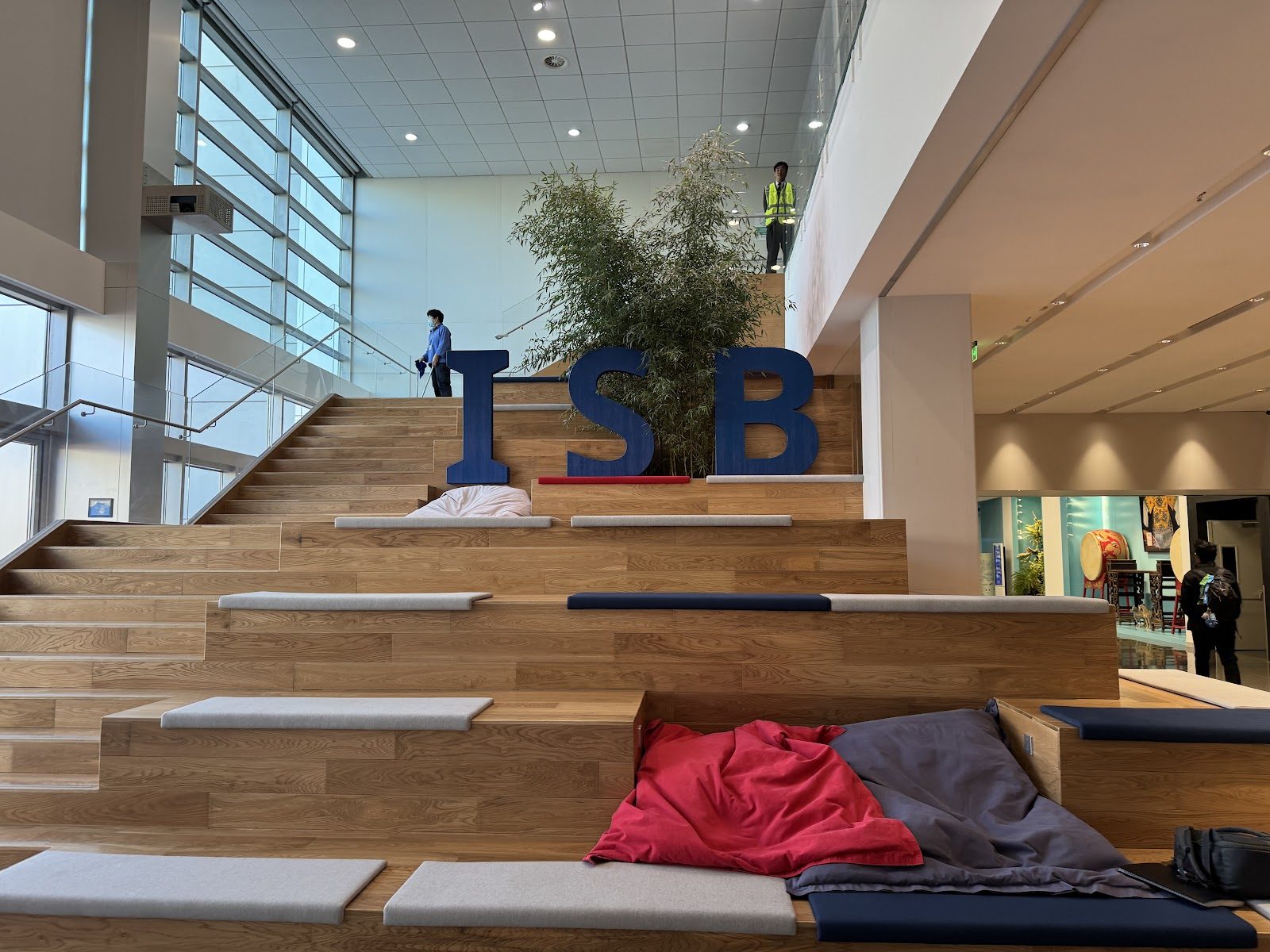
International School of Beijing
Beijing · China
Founded in 1980 by five embassies, this Shunyi day school pairs a US diploma track with IB rigor and dual-language classes from early years.
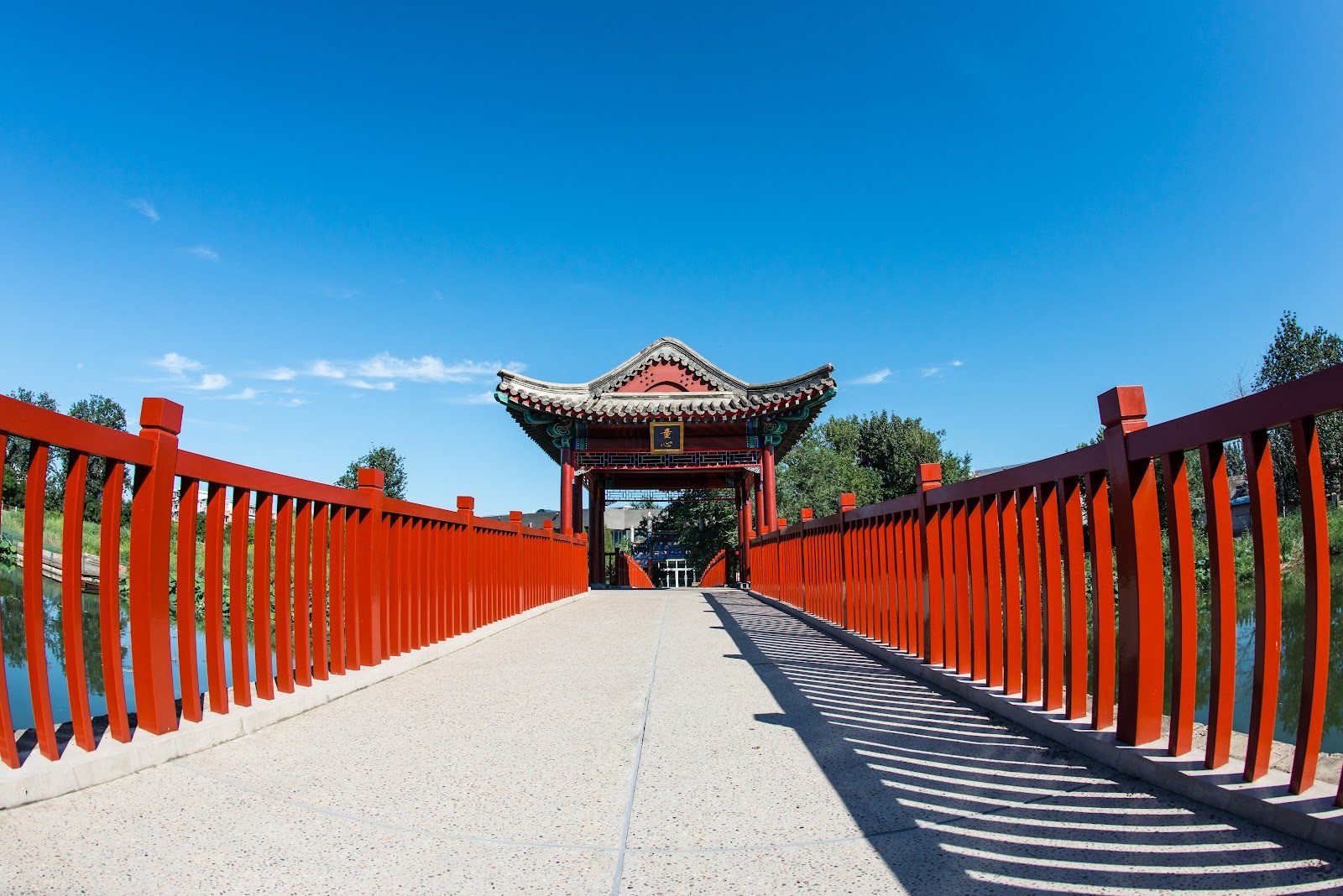
Western Academy of Beijing
Beijing · China
Running the full IB continuum since 1994 from a Chaoyang campus once named a Beijing Olympic model school
Same country and curriculum — closest matches within ±10 points either way