
Jiangsu
UWC Changshu China
medium confidence· 4/6 cats · 3.31 avg sourcesOn an island in Kuncheng Lake, mainland China's first UWC pairs the IB diploma with mandatory Mandarin study and a student-run Zhixing service programme.
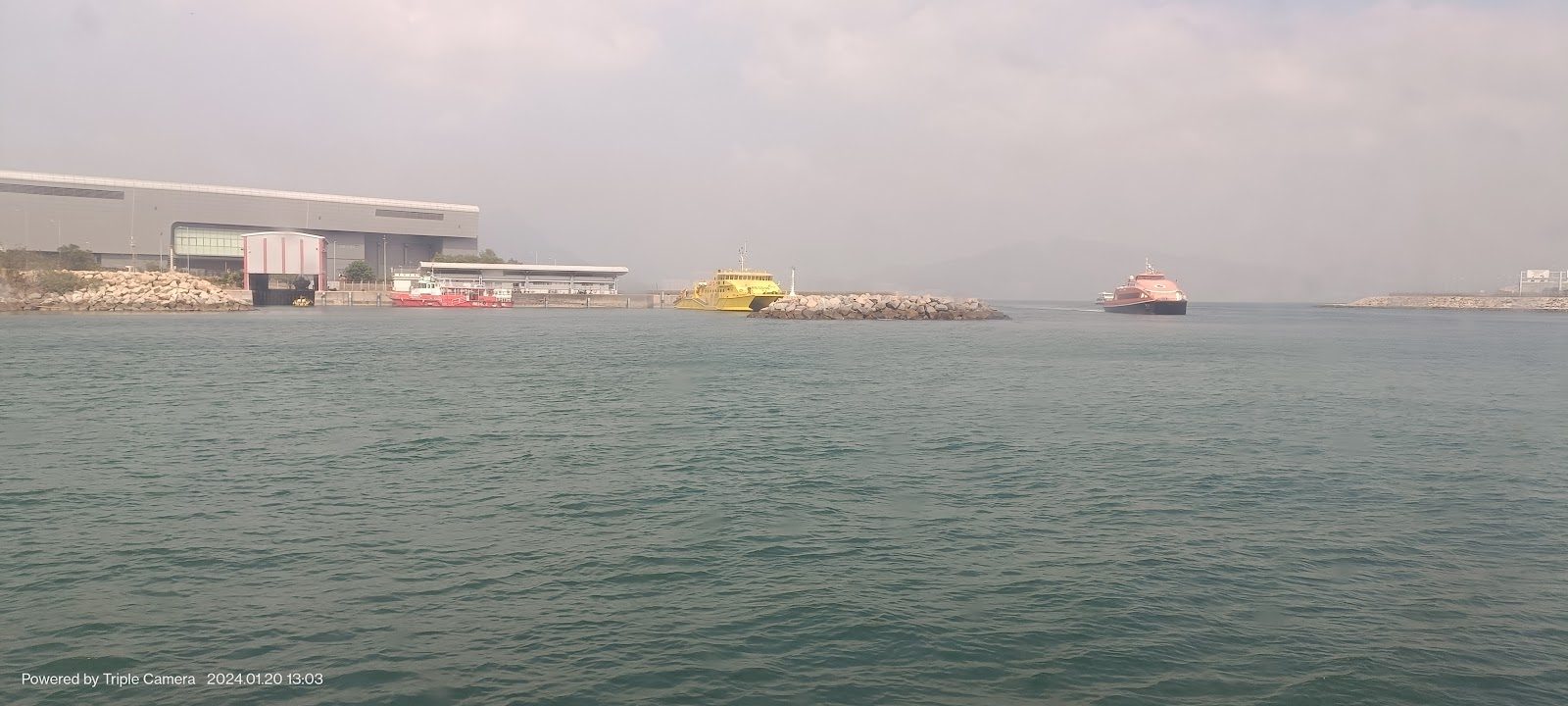
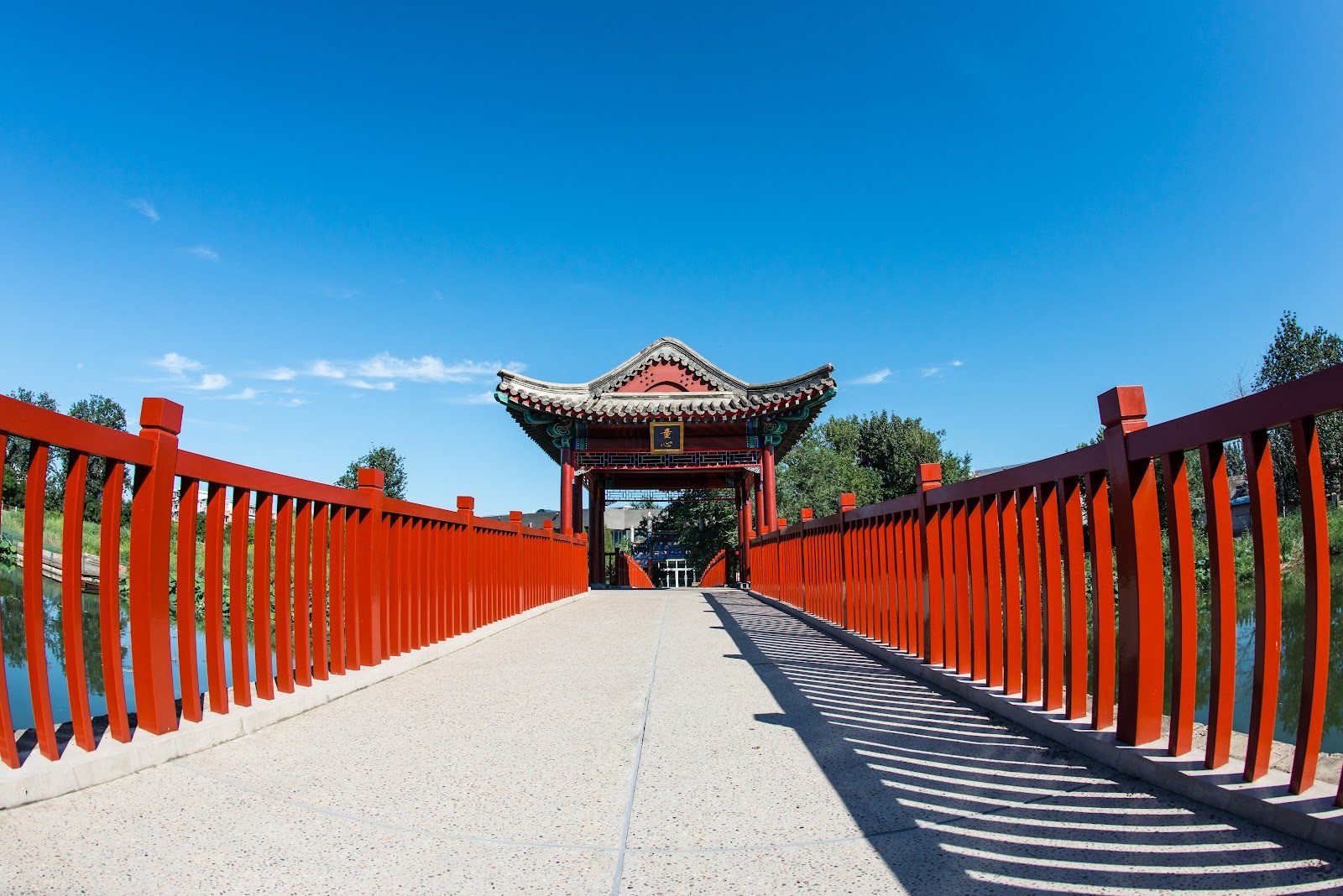
Photo © Saumyajyoti Mishra via Google Maps
Type
Boarding
Ages
3–18
Curriculum
IB
Ratio
—
The Verdict
Editor's commitment
Right for
Students who want full boarding from age 3–18, the IB route and daily Mandarin in mainland China’s first UWC, opened in 2015.
Wrong for
Families wanting day school, religious framing or a non-IB senior path; this is a non-religious boarding school with IB and CIS accreditation.
Watch out for
Boarding averages US$53,147 a year, and the flagship academic offer is the IB Diploma in Grades 11 and 12 after a Grade 10 preparatory year.
Ranking breakdown
UWC Changshu China · #331 of 1591
Composite score 71.6. 8 weighted criteria.
By criterion
Academic Outcomes
Weight 20%
#261
of 1529 scored
University Placement
Weight 16%
#219
of 1529 scored
Prestige & Heritage
Weight 12%
#1150
of 1571 scored
Alumni Network
Weight 12%
#900
of 1530 scored
Facilities
Weight 12%
#125
of 1533 scored
Transparency & Communications
Weight 8%
#123
of 1532 scored
Peer & Industry Review
Weight 10%
#164
of 1548 scored
Admissions Selectivity & Demand
Weight 8%
#400
of 1529 scored
Score history
UWC Changshu China · 2026
Movement across 2024–2026. Peer average overlaid.
Overall — 2024–2026
71.6/ 100
▲ +29.8 vs 2025
year on year
Peer & Industry Review
How UWC Changshu China is regarded in the sector
78
Strong · medium confidence
UWC Changshu benefits from the globally recognized UWC (United World Colleges) network and IB diploma reputation, with the movement itself referenced in Good Schools Guide International and specialist boarding school press as a distinctive, mission-driven model favored by internationally-minded families and universities. As part of a highly selective, need-blind admissions network with strong university placement outcomes and alumni including diplomats and NGO leaders, UWC schools generally carry strong peer credibility, though Changshu specifically (opened 2015) has less individual third-party press coverage compared to older UWC campuses like Atlantic College or Li Po Chun, reflecting its newer status within an otherwise prestigious network.
Evidence sources
Editors' overview
UWC Changshu China sits on an island in Kuncheng Lake, which tells you a lot about the proposition before you reach the prospectus language: this is a self-contained boarding school built for immersion, not a day school with dorms attached. Opened in 2015, it was mainland China’s first UWC, and it uses that status to offer a very specific version of international education: the IB Diploma in Grades 11 and 12, a dedicated Grade 10 preparatory programme, and mandatory Chinese study within a bilingual English-Mandarin environment. The school also carries CIS and IBO accreditation, which matters here because parents are buying into a mission-heavy model and need external quality markers alongside the UWC name. At an average boarding fee of $53,147 a year across the full age range, this is an expensive school, but not priced at the outer edge of the global boarding market.
What sets it apart is not raw academic breadth. This is not the place for families who want a menu of A-levels, APs or multiple diploma routes. The offer is deliberately narrow: UWC idealism, the IB, residential life, and a China-grounded experience that includes mandatory Mandarin and the student-facing Zhixing service programme. That combination gives the school a sharper identity than many international boarders that try to be all things to all markets. Living with peers and teachers from around the world is central to the model, and the boarding setting gives that claim real weight. Parents who want a conventional high-output exam factory, or a school that publishes a dense spread of results and destinations data, will find the public picture too opaque. The school does not publish aggregate IB results or university outcomes in the information here.
The right student for UWC Changshu is internationally minded in a serious sense, not a brochure sense: intellectually strong, comfortable with discussion and difference, and willing to live in close community rather than treat boarding as hotel accommodation. It will suit students who want their education tied to service, intercultural exchange and a mission-driven residential culture. It will not suit children who need a highly sheltered environment, a broad choice of academic pathways, or a school experience built around status display. For the right teenager, though, this is a distinctive proposition: a UWC education in China, bilingual by design, residential at its core, and more interested in forming outlook than in polishing a conventional elite-school finish.
Academic Performance
UWC Changshu’s public picture on academic performance is thin where it matters most. The school states the shape of its senior programme and gives individual student stories, but it does not publish aggregate IB Diploma results, cohort averages, pass rates, subject highs, or university destination tables. That places it behind the better-run international boarding schools in Asia on basic academic disclosure. Parents can infer that admissions are selective and that the student body is ambitious; they cannot verify how that translates into external results across a full cohort. For a school trading on a globally recognised brand and a high-conviction educational mission, that gap is hard to excuse.
Relative to peers, the school fits less as an exam-results shop window and more as a values-led residential college whose academic credibility rests on the UWC model rather than published score data. That does not make standards weak; it makes outside scrutiny difficult. In a sector where top IB schools routinely publish point averages and pass rates, silence reads as opacity, not modesty. Families who prioritise intellectual culture, service and international mix will accept that trade. Families benchmarking schools by hard outcomes will find the absence of public results a clear handicap.
Facilities
The defining facility here is the campus itself: a school on an artificial island in Kuncheng Lake, built for full immersion rather than convenience. That matters more than a checklist of gyms and labs, because the physical layout reinforces the educational model: students live, study and socialise in one contained environment, with peers and teachers close at hand. The site also supports the school’s emphasis on community living and experiential work, including Zhixing, its student-facing service strand. Against peer boarding schools in China, that gives UWC Changshu a sharper residential identity than campuses where boarding sits at the edge of a day-school operation. The VR campus tour signals a campus the school regards as a central asset, but the public picture stops short of the detail strong competitors now provide.
That lack of specificity is the main weakness. The school does not publish a clear, parent-useful breakdown of specialist spaces: no proper account of science provision, performing arts facilities, sports infrastructure, maker spaces or boarding-house configuration. At this fee level, families should not need to infer the quality of practical provision from atmosphere and mission. Peer schools at the top end of the market usually disclose far more: named theatres, pool provision, lab stock, studio space, room types, house structure. UWC Changshu’s campus reads as architecturally striking and purpose-built for intensity, but the public information on what sits inside it is too thin for a school asking parents to buy into an all-encompassing residential experience.
In a sector where top IB schools routinely publish point averages and pass rates, silence reads as opacity, not modesty
Prestige
A UWC Changshu education carries real international cachet, but the source of that prestige is narrower than at the old-line British boarders or the highest-scoring Asian exam machines. The name that matters first is UWC. Within internationally mobile, university-bound families, that brand signals selective admissions, an intentionally mixed student body and a school culture built around service and cross-border exchange rather than social polish. Being the first UWC in mainland China adds a second layer of distinction: this is not just another international boarding school borrowing global language, but a campus tied to a recognised movement with a clear ideological spine. The island setting strengthens that identity. It gives the place a sealed-in, immersive character that reads as serious rather than decorative.
That prestige has limits, and they matter. UWC Changshu does not command status through centuries of history, a famous alumni roll-call, or a public drumbeat of headline exam outcomes. Its authority is mission prestige, not establishment prestige. That will impress families who value intellectual independence, cultural range and social commitment; it will carry less weight with parents who want an instantly legible badge in traditional East Asian or British status hierarchies. The fee level — $53,147 on average — places it in the premium bracket, and the UWC association gives that price a strong rationale. Still, the school’s public silence on aggregate outcomes keeps its prestige from reaching the topmost tier of reassurance.
The VR campus tour signals a campus the school regards as a central asset, but the public picture stops short of the detail strong competitors now provide
Communications
UWC Changshu communicates in a controlled, institution-first way. The website is polished, bilingual and easy to navigate at a top level: admissions, fees, scholarships, counselling, safeguarding, calendars and contact routes are all visible without much hunting. For an international boarding school, that baseline matters, and the school clears it. There is also a VR campus tour, which helps families at a distance judge the setting before they travel. News output is active and current, with multiple updates across 2026, so the site does not feel abandoned. The problem is depth. Communications lean heavily on mission language, student stories and event coverage, and far less on the operational detail parents actually need once interest turns serious.
That imbalance makes the school’s parent-facing communication strong on ethos, weak on scrutiny. It tells you what the school values: community, initiative, service, intercultural living. It tells you far less clearly how those values cash out in measurable school life. Public academic disclosure is the clearest gap, but it is not the only one; facilities detail is thin, and there is no robust public habit of publishing aggregate outcomes or other hard institutional markers. For current and prospective parents, that creates a trust-based relationship rather than an evidence-rich one. Some families will accept that because the UWC model carries its own draw. Others will read it as too guarded for a school charging $53,147 a year on average.
Uniqueness
What marks UWC Changshu out is the combination of UWC ideology with a China-rooted setting that is not decorative. This is mainland China’s first UWC, and that matters because the school does not borrow the movement’s language while delivering a standard premium boarding product; it builds the entire experience around it. The lake-island campus creates a self-contained social world in which students live with peers and teachers from across countries and backgrounds, and the school’s own language puts community living at the centre rather than at the margin. Mandatory Mandarin study also changes the proposition. At many international schools, local language provision is optional garnish. Here it is part of the structure, which gives the school a more demanding form of internationalism than the usual airport-lounge version of global education.
The second point of difference is Zhixing, the school’s student-facing service strand, named from Chinese words for knowledge and action. That matters because it ties idealism to organised practice. Students are not just asked to discuss responsibility; they are expected to exercise it, whether through volunteering, leadership or wider social initiatives. The result is a school for teenagers who want education to press on character, judgement and conduct, not just university entry. For the right student, that is formative in a deep way: a mission-saturated, intercultural education with real daily friction, high personal demand and a stronger sense of purpose than many more conventional international boarders.
Peer schools at the top end of the market usually disclose far more: named theatres, pool provision, lab stock, studio space, room types, house structure
Student Profile
The pupils who thrive here are not just bright; they are inwardly motivated, socially durable and willing to submit to a school culture that asks for more than classroom performance. This is a strong fit for teenagers who want debate, exposure to different backgrounds and a daily life shaped by shared responsibility. The international mix matters, but temperament matters more: students need to handle difference without retreating into clique or national comfort zone. A child who wants privacy, routine and low social demand will find the atmosphere intense. A child who wants to test convictions, live closely with others and take service seriously will find real traction.
It also suits students with a serious interest in China rather than a casual appetite for “global” branding. Mandatory Mandarin changes the entry bar. So does Zhixing, which expects knowledge to move into action rather than sit as abstraction. That makes this school a good home for reflective high-achievers with moral energy, not status-seekers looking for a polished finishing school. The age span, 3–18, can mislead families into reading it as a standard through-school; the public identity and emotional centre sit with the older students. For sixth-form age teenagers who want a mission-heavy, internationally mixed, residential education with real ideological content, the fit is excellent. For children who want breadth, ease and detachment, it is the wrong school.
Still, the school’s public silence on aggregate outcomes keeps its prestige from reaching the topmost tier of reassurance
Co-curricular strengths
Arts & sport, on a separate axis
Overall 8.96/10
Scored 0-10 from the school's own published evidence. This axis is editorial-only — it does not feed the main WTS ranking.
Sports
9/10
Basketball, Football, Swimming and Outdoor Education in extracurriculars, but gives no school-specific detail on teams, facilities, fixtures or competitive results.
Drama
9/10
Theatre Productions in extracurriculars, which is clear evidence of drama provision but without further detail on department, facilities or recurring named productions.
Dance
8.8/10
Music
9/10
School Orchestra in extracurriculars.
Visual Arts
9/10
Visual Arts and Chinese Calligraphy in extracurriculars, but does not provide dimension-specific detail on exhibitions, specialist departments or dedicated facilities.
Editor first-pass · editor-reviewable · 7/27/2026
Strengths
- +Founded in 2015 as the first UWC on mainland China, part of the global United World Colleges movement founded in 1962 with a mission centred on international understanding and shared learning.
- +Genuinely diverse student body of around 650 students from over 100 nationalities, with about 40% Chinese and many students on financial aid.
- +Every student takes at least one Chinese language, literature or culture course, embedding Mandarin and Chinese cultural immersion into the IB Diploma experience via the Zhi Xing programme.
- +Purpose-built 24-acre island campus on Kuncheng Lake, designed by Mo Ping (a protege of I.M. Pei), incorporating geothermal heating and solar power.
- +Needs-based scholarships are available to Regular Admission students, and the school states many pupils come from working-class or migrant-worker families rather than only wealthy backgrounds.
Considerations
- −Total annual fees run to approximately 380,000 CNY, covering tuition, boarding, meals and co-curricular programmes, a significant cost despite scholarship provision.
- −Admission is competitive and largely routed through national UWC committees, with early-admission students explicitly excluded from needs-based scholarship eligibility.
- −The campus is in a relatively remote, suburban location outside central Changshu, on an island in Kuncheng Lake, which limits easy access to a major city.
- −Curriculum is narrow by design: only the IB Diploma (plus a mandatory Grade 10 Foundation year) is offered, with no A-Level or other curriculum alternative for families wanting choice.
Availability
Primary entry gate & tests
Mainland Selection vs UWC Routes
Gallery
Photo © Saumyajyoti Mishra via Google Maps
Photo © Saumyajyoti Mishra via Google Maps
Photo © Saumyajyoti Mishra via Google Maps
Photo © Saumyajyoti Mishra via Google Maps
Photo © Saumyajyoti Mishra via Google Maps
Photo © Saumyajyoti Mishra via Google Maps
Photo © Saumyajyoti Mishra via Google Maps
Parent reviews
Have you sent your child here?
Voice reviews carry the strongest trust badge — we transcribe them for you to tidy up before they go live. Prefer to type? A written review is fine too.
Add your voice
In 60 seconds, tell other parents: what's the best thing about UWC Changshu China, and what surprised you when your child joined?
We ask for a Google sign-in so every review has a real face behind it — no anonymous drive-by attacks on schools, and no faked positive reviews. Your email is never shown publicly.
Send this profile to a friend
International parents rely on word-of-mouth. Share this review with someone weighing the same decision.
Schools with places
Similar schools to UWC Changshu China with places available now.
Availability first, then country, area, curriculum, price, co-curricular
Consider also
Also worth looking at alongside UWC Changshu China.
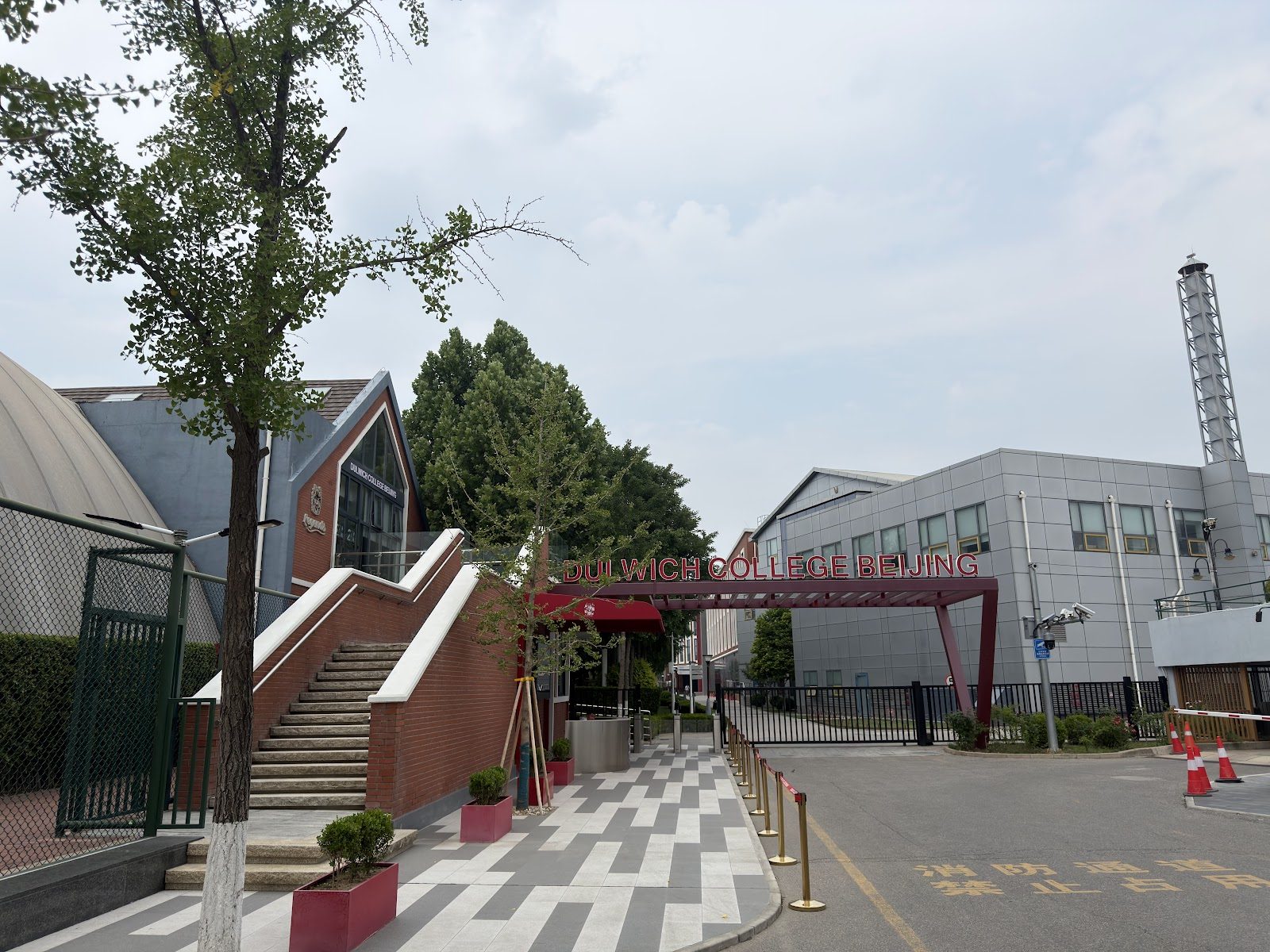
Dulwich College Beijing
Beijing · China
Rooted in a 400-year London lineage, its Shunyi campus has posted IB scores averaging seven points above the global mean for four straight years
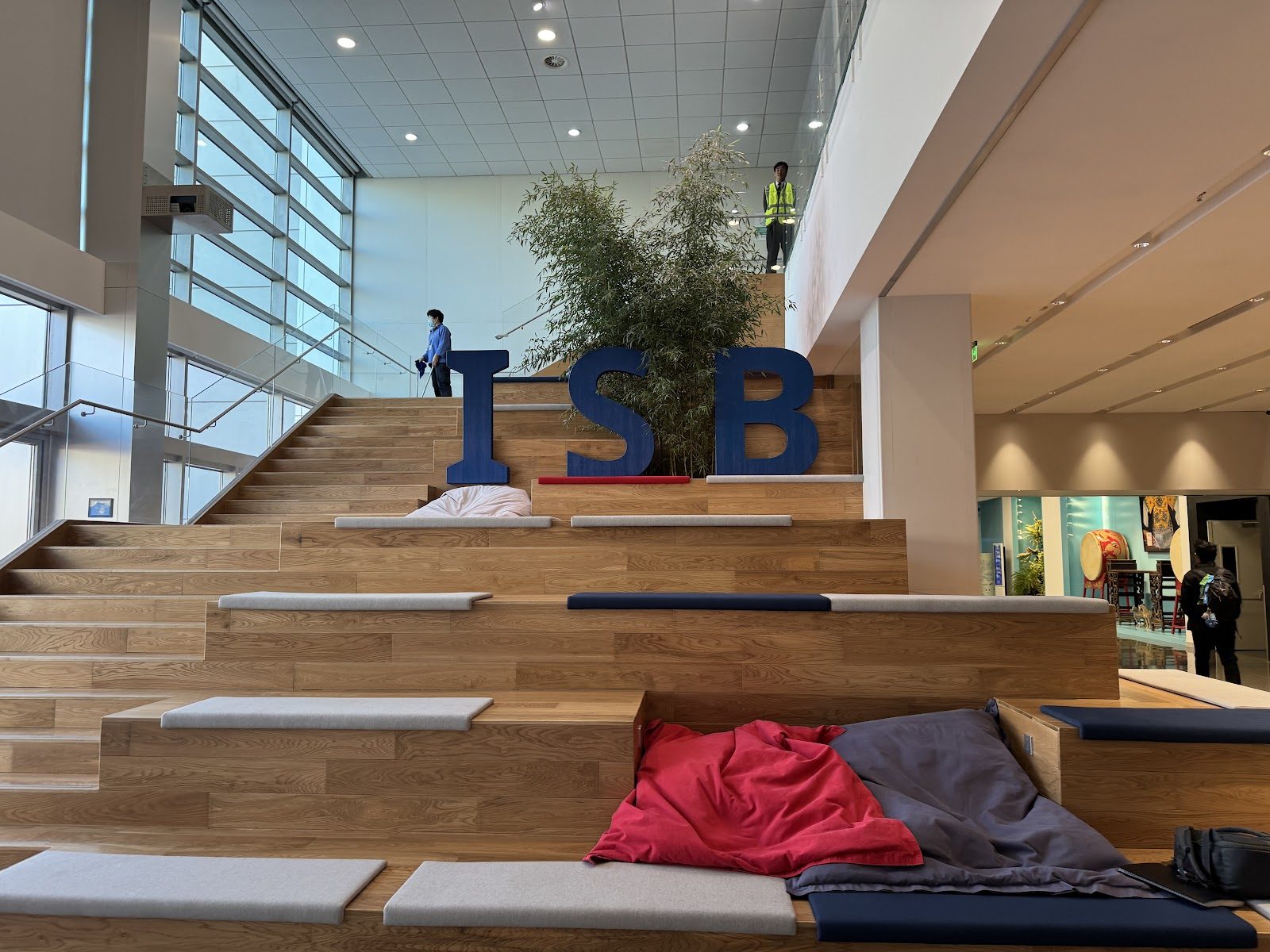
International School of Beijing
Beijing · China
Founded in 1980 by five embassies, this Shunyi day school pairs a US diploma track with IB rigor and dual-language classes from early years.
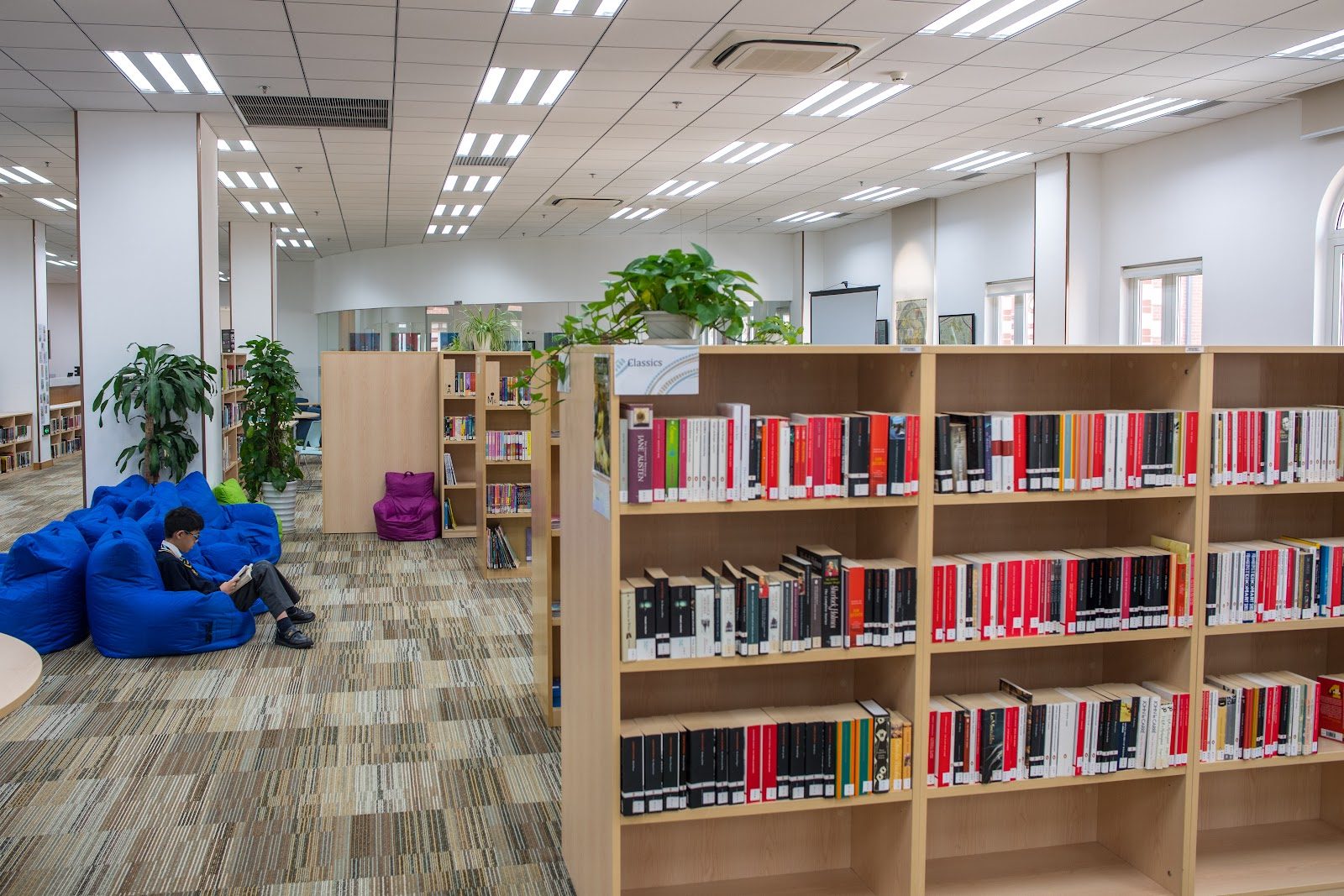
Wellington College International Shanghai
Shanghai · China
Rooted in an 1859 British foundation, this Pudong riverside campus channels house spirit into IB scores averaging 37 points.
Western Academy of Beijing
Beijing · China
Running the full IB continuum since 1994 from a Chaoyang campus once named a Beijing Olympic model school
Same country and curriculum — closest matches within ±10 points either way