
Chang Klan
Chiang Mai International School
low confidence· 4/6 cats · 1 avg sourcesFounded by returning missionaries in 1954, this Ping River campus was Thailand's first international school outside Bangkok.
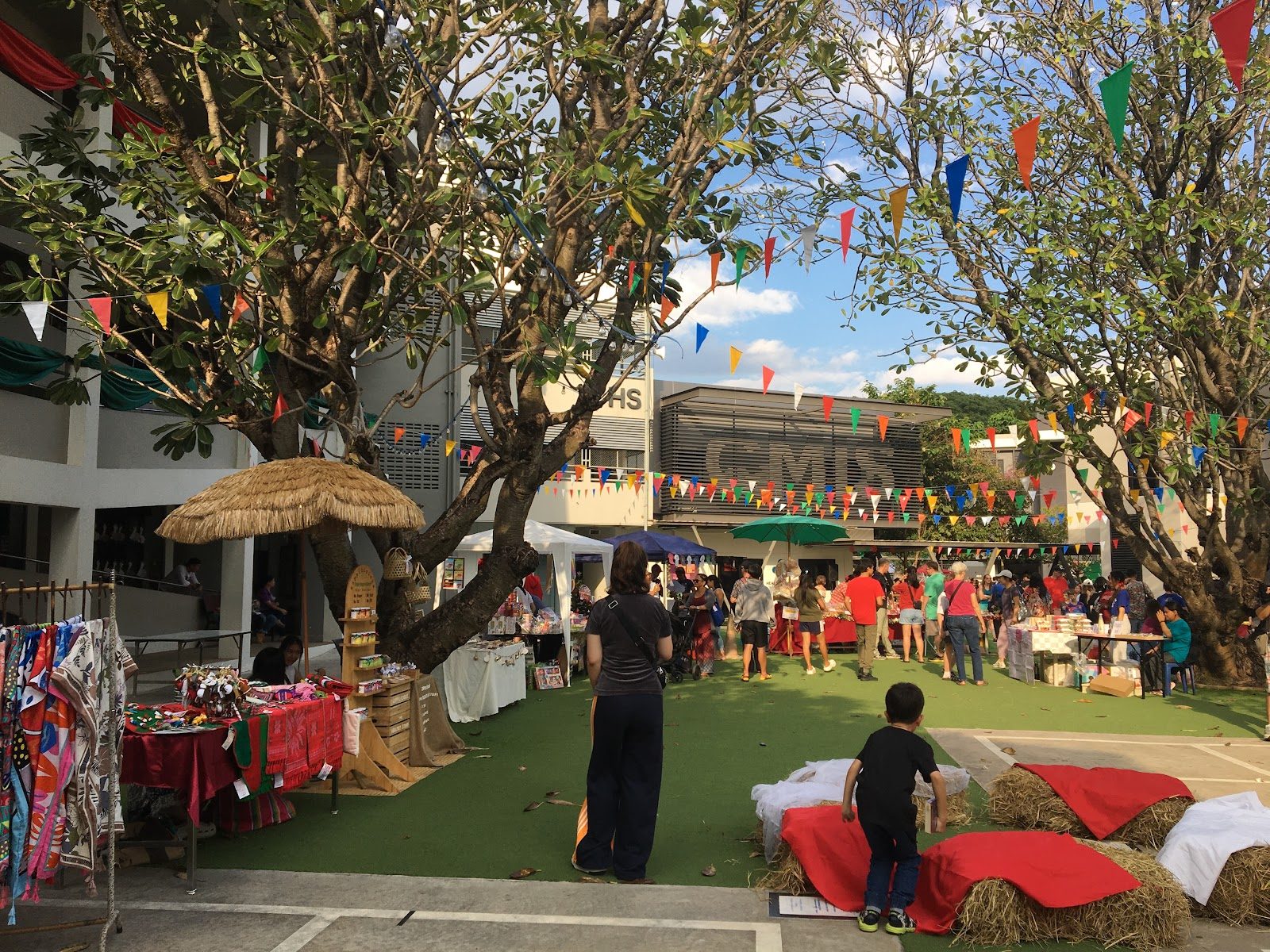
Photo © Nadao Manorat via Google Maps
Type
Day
Ages
3–18
Curriculum
American
Qualifications
AP · US High School Diploma
Ratio
—
The Verdict
Editor's commitment
Right for
Families who want a 1954-founded, English-medium American school with Christian roots, Middle States accreditation and a Chiang Mai day-fee average of 453,025 THB.
Wrong for
Parents seeking boarding, a secular ethos, or a British or IB curriculum; CMIS is day-only, interdenominational Christian and school-declared American.
Watch out for
This Ping River campus enrols students from preschool to Grade 12 and 30 countries, but the school does not publish aggregate exam outcomes.
Ranking breakdown
Chiang Mai International School · #1081 of 1591
Composite score 61.4. 8 weighted criteria.
By criterion
Academic Outcomes
Weight 20%
#1049
of 1529 scored
University Placement
Weight 16%
#1057
of 1529 scored
Prestige & Heritage
Weight 12%
#1070
of 1571 scored
Alumni Network
Weight 12%
#808
of 1530 scored
Facilities
Weight 12%
#1065
of 1533 scored
Transparency & Communications
Weight 8%
#1074
of 1532 scored
Peer & Industry Review
Weight 10%
#893
of 1548 scored
Admissions Selectivity & Demand
Weight 8%
#837
of 1529 scored
Peer & Industry Review
How Chiang Mai International School is regarded in the sector
60
Respected · low confidence
Chiang Mai International School (CMIS) is generally recognized as one of the established international schools in Chiang Mai, often mentioned in expat-parent forums (e.g., Thailand-focused expat forums and Facebook groups) as a solid, long-standing option, and it appears in general regional 'international schools in Chiang Mai' roundups by education directories like International Schools Database and ISC Research. However, it lacks the kind of frequent, detailed coverage found in Tatler, Good Schools Guide, or specialist education press that would indicate a top-tier or widely benchmarked reputation.
Evidence sources
Editors' overview
The point that matters first is historical and local: Chiang Mai International School opened in 1954, which makes it Thailand’s first international school outside Bangkok. That gives it a different market position from the newer premium imports. CMIS is not trading on a borrowed British name or a glossy launch narrative; it has been part of Chiang Mai’s international community for decades, on a Ping River campus, with a clear American curriculum for ages 3 to 18 and English as the language of instruction. It is also openly Christian and interdenominational. Parents need to read that plainly. The school talks about a “caring Christian community” and a spiritual life that maintains its Christian heritage while welcoming families of other faiths. For some families that is a distinct advantage; for others it is a reason to look elsewhere.
Its appeal sits in stability, breadth and community more than in hard-edged academic theatre. CMIS serves students from preschool to Grade 12, says it enrols children from 30 countries, and holds accreditation from Middle States, ACSI and EARCOS. That mix places it firmly in the established international-school bracket rather than the boutique or ultra-luxury end of the market. The average annual fee is 453,025 THB, which is substantial for Chiang Mai but not at the city’s flashiest edge. The school’s public identity leans towards settled, values-led schooling with a strong co-curricular and pastoral emphasis: student life, spiritual life and community sit prominently alongside academics. What is missing is just as important. The school does not publish headline exam outcomes or university destination data in the public domain, so parents seeking a school that leads with measurable academic results will find the picture too opaque.
The child who will do well here is not the one chasing a high-pressure, status-conscious environment. CMIS suits internationally mobile families who want an American K–12 education, a campus with institutional memory, and a community with an explicit moral and spiritual frame. It also suits parents who value cultural range without wanting a school that feels corporate. Children who thrive in close-knit, community-minded schools, and whose families are comfortable with Christianity as part of the school’s life, will find a good fit. Families who want an academically aggressive, data-rich proposition, or a secular environment stripped of religious identity, should keep CMIS on the longlist rather than the shortlist.
Academic Performance
This is not a school that sells itself through published scoreboards. CMIS does not disclose headline external examination results, cohort averages, top scores or university destinations in the public domain. That matters. In a market where stronger academically driven schools put out AP, SAT or destination data, silence leaves parents without a clean way to judge academic lift, stretch at the top end, or consistency across year groups. The school’s public emphasis sits elsewhere: community, student life and Christian formation. That does not mean weak academics; it means the academic case is under-evidenced and the results culture is low-visibility. For parents comparing schools on hard outcomes, that is a material drawback.
Relative to peers, CMIS fits the bracket of established, full-range international schools whose reputations rest on longevity and community trust rather than on a results-first public posture. It serves families from 30 countries, which points to a broad international intake, but breadth of nationality is not the same as proof of academic performance. Without published external benchmarks, CMIS sits outside the group of schools that can make a hard-edged claim to elite attainment. Parents who need transparent evidence of top-end academic performance should ask directly for recent examination profiles, score distributions and destination lists before treating CMIS as a serious contender.
Facilities
The school’s public account of facilities is thin, and that matters. CMIS foregrounds academics, student life and spiritual life, but it does not publish the kind of detailed campus inventory that stronger operators now treat as standard: no serious breakdown of specialist science provision, arts spaces, indoor sports infrastructure, design and technology rooms, or performance venues. Parents can infer a full-service campus from the age range and the breadth of student-life language, but inference is not enough when competitors show laboratories, theatres, maker spaces and athletic facilities in detail. What is clear is community use: this is a school that frames its site as a place for all-round development rather than as a facilities arms race.
Against peer international schools, that puts CMIS in a solid but under-documented bracket. The school says it serves families from 30 countries and offers opportunities beyond the classroom across personal, social, spiritual, intellectual, artistic and physical growth. That signals a campus built to support more than lessons alone. It does not, however, signal premium hardware. In this market, top-tier peers publish enough to prove whether they have competition-grade sports provision, high-spec creative arts spaces and genuinely advanced STEM facilities. CMIS does not. Parents who care about the campus as much as the classroom need a visit that tests the basics directly: science rooms, libraries, shaded outdoor space, music and art provision, and whether the site feels well-used or tired at the edges.
CMIS does not disclose headline external examination results, cohort averages, top scores or university destinations in the public domain
Prestige
CMIS carries real local standing and modest international prestige. Those are not the same thing. In Chiang Mai, it has the authority that comes from longevity, continuity and a campus culture families know well; for expatriate and long-settled local parents, that counts. The school also says it serves students from 30 countries, which gives it a credible international mix rather than the feel of a niche missionary outpost. Its Christian identity is part of that standing, not a footnote: for families who want clear moral framing and a school community with declared values, this is a serious draw. The fees reinforce the point. An average annual charge of 453,025 THB places CMIS in the city’s established fee-paying tier, but not in the status-luxury bracket that buys cachet on price alone.
The limit on prestige is just as clear. CMIS does not command the kind of international name recognition that shifts a school into the top rank across Asia, and it does not publish the outcomes data that elite academic brands use to defend their reputation. Prestige here rests on trust, history and community fit, not on competitive glamour or publicly evidenced academic dominance. That makes it a strong school for families who value rootedness and institutional confidence. It makes it a weaker proposition for parents chasing the sharp social signalling of a flagship regional brand.
It makes it a weaker proposition for parents chasing the sharp social signalling of a flagship regional brand
Communications
CMIS communicates in a plain, serviceable way. The homepage does the essentials: clear entry points for academics, admissions, contact and school life, plus a visible invitation for families to get in touch. That matters for a school serving students from 30 countries, where parents need fast orientation rather than decorative messaging. The tone is consistent and community-first. The school puts its values, student life and spiritual life in full view instead of burying them in the fine print, which is a mark in its favour. Parents can tell quickly what sort of environment they are dealing with. There is no slick over-engineering here, and no corporate fog. The trade-off is that communication lacks depth where hard questions start: the public-facing information does not give much operational detail on campus provision, academic outcomes or post-school destinations.
That leaves CMIS with a communications profile that is honest but limited. Families will get the school’s ethos quickly, and that clarity has value. They will not get the forensic transparency that strong international schools now provide on performance, facilities and institutional detail. The newsletter sign-up and contact prompts point to an active effort to keep families connected, but outward communication still feels better at welcome than proof. For current parents, that may be enough if day-to-day channels are responsive. For prospective parents making an expensive decision at an average annual fee of 453,025 THB, it is not enough on its own. A serious visit and direct questioning remain necessary.
Uniqueness
What sets CMIS apart is not novelty but institutional memory. In a market crowded with new-build ambition and imported brand scripts, this school has roots in the place and a lived identity that runs deeper than décor. Its Christian foundation is part of daily life, not a decorative line in a prospectus, and the school states that plainly while also enrolling students from 30 countries. That combination is unusual: a school with a clear moral centre that still operates in an internationally mixed community. For students, that can bring a stronger sense of belonging, steadier expectations around conduct, and a school culture with more coherence than the values wallpaper common elsewhere.
The second point of difference is tone. CMIS does not project high-gloss aspiration or a race for prestige through spectacle. It puts community, student life and spiritual life on the front foot, which tells parents a great deal about the student experience. Children who do well here get a broad school life with room for personal, social, artistic and physical development, not just academic sorting. That carries real value for families who want grounded, community-minded schooling rather than a status contest. The trade-off is clear enough: students get a more settled and human-scale environment, but not the public display of elite outcomes or premium-wow facilities that some rival schools use to define themselves.
The point that matters first is historical and local: Chiang Mai International School opened in 1954, which makes it Thailand’s first international school outside Bangkok
Student Profile
The pupils who fit best here are the ones who want school to feel like a community, not a contest. CMIS states that it serves families from 30 countries, so children who are used to international mixing, cross-cultural classrooms and a mobile parent base will not find themselves on the margins. The stronger fit is with families who value steady expectations, visible pastoral care and a school culture with an explicit spiritual thread. Children who like being known by teachers, joining in beyond lessons and growing up in a values-led environment will settle more easily here than those who want a harder, more transactional atmosphere.
This is a weaker fit for families chasing status theatre or a relentlessly competitive peer group. The school’s public identity does not point to a student body organised around elite score-chasing, social display or high-pressure academic sorting. It points to a broader church: internationally minded students, mission-aligned families, and parents who are comfortable with Christianity being part of assemblies, community life and the school’s moral vocabulary. For some teenagers, that produces a grounded, more coherent daily experience. For others, it will feel too contained or too explicit in its religious framing. Children who need a secular setting, or who thrive on sharper academic heat and a more prestige-conscious crowd, will fit better elsewhere.
That gives it a different market position from the newer premium imports
Co-curricular strengths
Arts & sport, on a separate axis
Overall 7.74/10
Scored 0-10 from the school's own published evidence. This axis is editorial-only — it does not feed the main WTS ranking.
Sports
8/10
Drama
8/10
Dance
6.5/10
Music
8/10
Visual Arts
8.2/10
Editor first-pass · editor-reviewable · 7/30/2026
Strengths
- +One of the longest-established international schools in northern Thailand, tracing its roots to the 1950s as a school for missionary families.
- +Offers an American curriculum through to grade 10, transitioning into the International Baccalaureate Diploma Programme in grades 11-12.
- +Holds accreditation from both WASC (Western Association of Schools and Colleges) and the Council of International Schools (CIS).
- +Single day-school campus in Chiang Mai keeps class sizes small, allowing closer teacher-student contact than larger metropolitan schools.
- +Chiang Mai location offers a lower cost of living and less congestion than Bangkok, appealing to long-term expatriate families.
Considerations
- −Editorial rank of 1095 indicates the school sits outside the top tier of internationally benchmarked schools.
- −Smaller student body than major Bangkok international schools limits the range of extracurricular activities, arts programmes and competitive sports.
- −Chiang Mai's smaller expatriate and university-counselling ecosystem offers fewer networking and higher-education advising resources than the capital.
- −The school's missionary founding history may be a consideration for secular or non-Christian families seeking a strictly neutral religious environment.
Availability
Primary entry gate & tests
Academic Record
Gallery
Photo © 王崇林 via Google Maps
Photo © Mr.Adisak Mahawan via Google Maps
Photo © Mr.Adisak Mahawan via Google Maps
Photo © Mr.Adisak Mahawan via Google Maps
Photo © graeme ritchie via Google Maps
Parent reviews
Have you sent your child here?
Voice reviews carry the strongest trust badge — we transcribe them for you to tidy up before they go live. Prefer to type? A written review is fine too.
Add your voice
In 60 seconds, tell other parents: what's the best thing about Chiang Mai International School, and what surprised you when your child joined?
We ask for a Google sign-in so every review has a real face behind it — no anonymous drive-by attacks on schools, and no faked positive reviews. Your email is never shown publicly.
Send this profile to a friend
International parents rely on word-of-mouth. Share this review with someone weighing the same decision.
Schools with places
Similar schools to Chiang Mai International School with places available now.
NIST International School
Bangkok · Thailand
- 2026-27
- WAITPOOLSpace-dependent
- 2027-28
- PLACES OPENRolling
Bangkok Patana School
Bangkok · Thailand
- 2026-27
- CLOSEDThai closed / Non-Thai open
- 2027-28
- OPENS SOONThai 1 Sept / Non-Thai rolling
Shrewsbury International School Bangkok
Bangkok · Thailand
- 2026-27
- WAITPOOLSpace-dependent
- 2027-28
- PLACES OPENRolling
International School Bangkok
Bangkok · Thailand
- 2026-27
- WAITPOOLSpace-dependent
- 2027-28
- OPENS SOONOpens Sept '26
Availability first, then country, area, curriculum, price, co-curricular
Consider also
Also worth looking at alongside Chiang Mai International School.
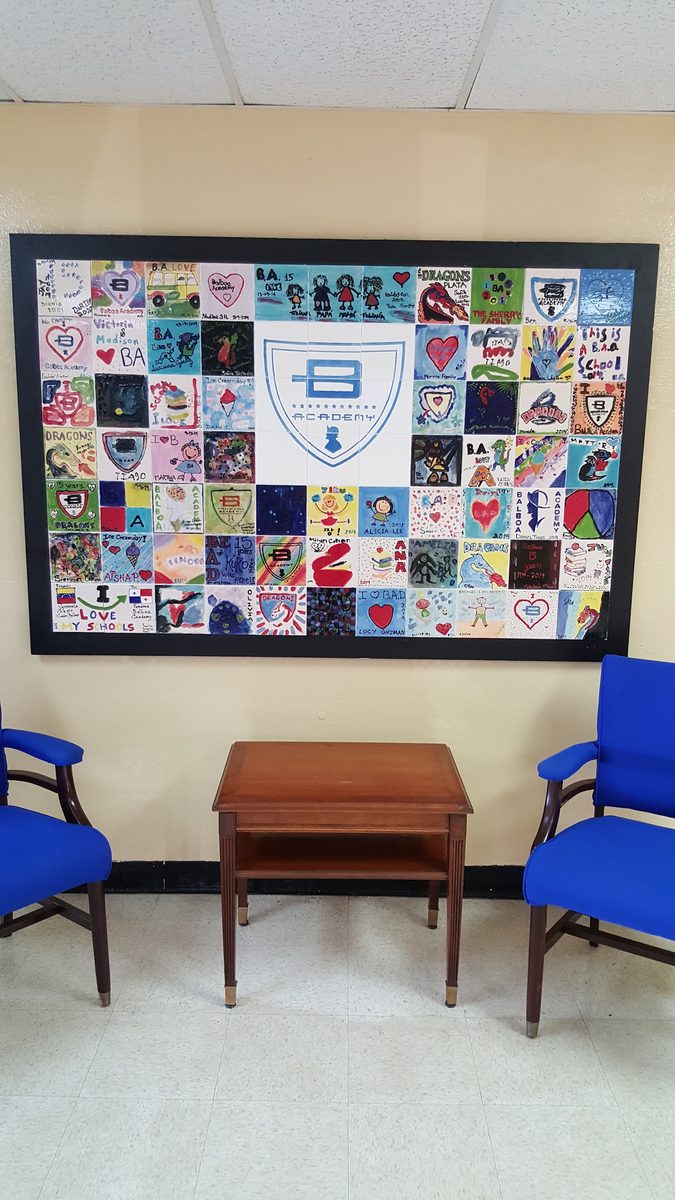
Balboa Academy
Panama City · Panama
Rooted in Canal Zone teaching lineage, this Ciudad del Saber day school pairs a dual US-Panamanian diploma with the country's deepest Advanced Placement slate.
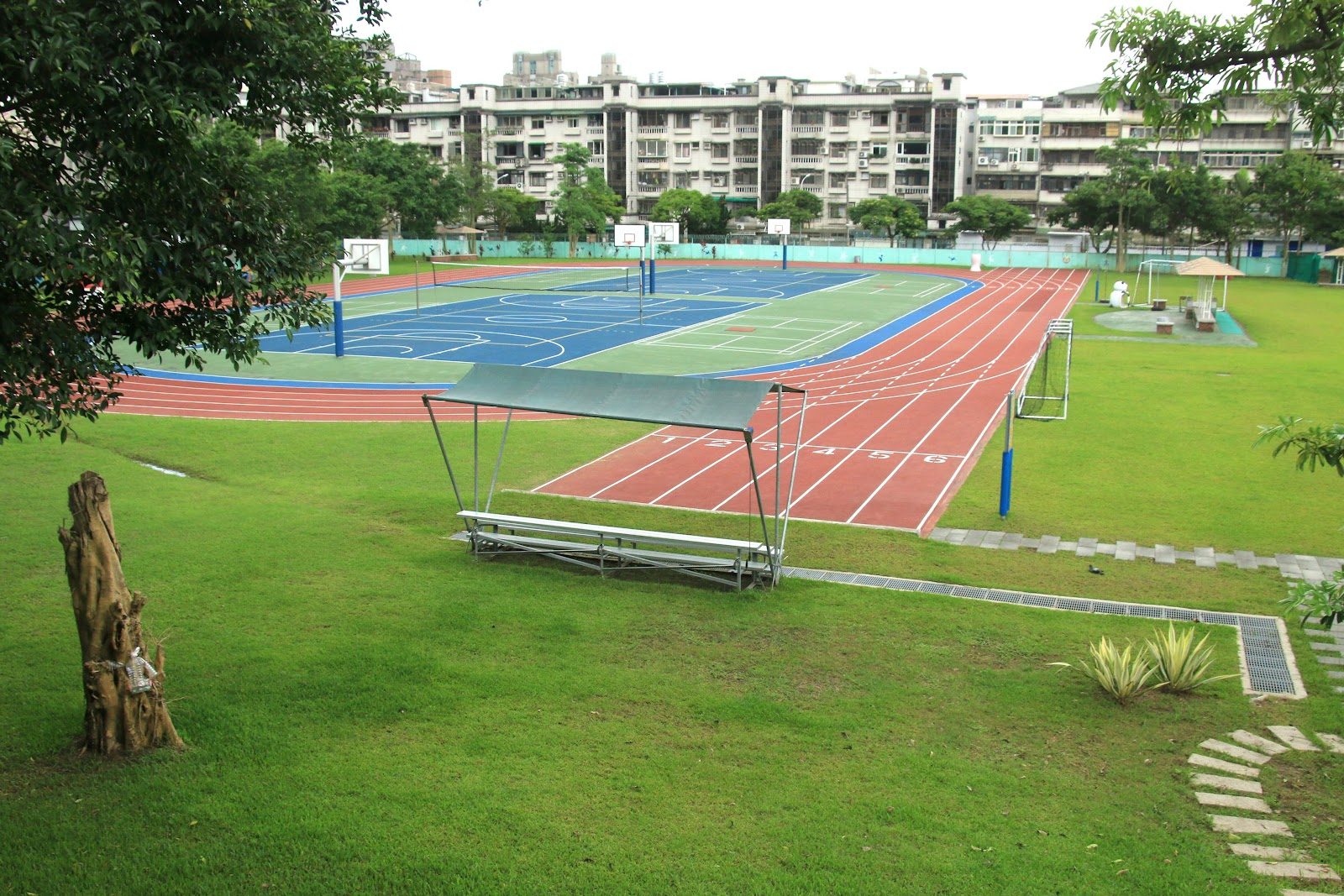
Dominican International School
Taipei · Taiwan
A former US military school turned Catholic-run American curriculum campus, offering 18 AP courses in Taipei's Zhongshan district.
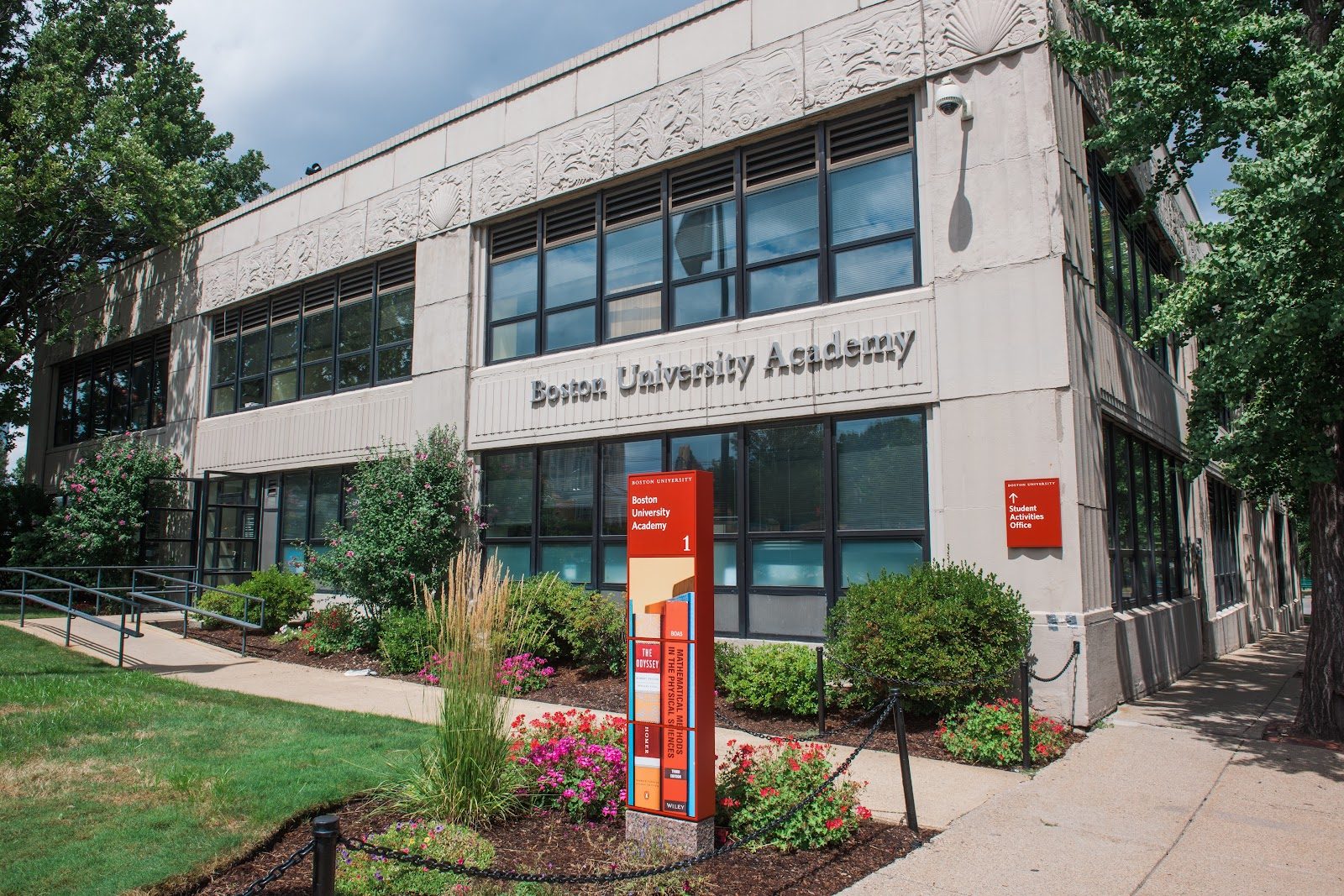
Boston University Academy
Boston · United States
Upperclassmen trade study halls for Boston University lecture halls, banking college credit before graduation.
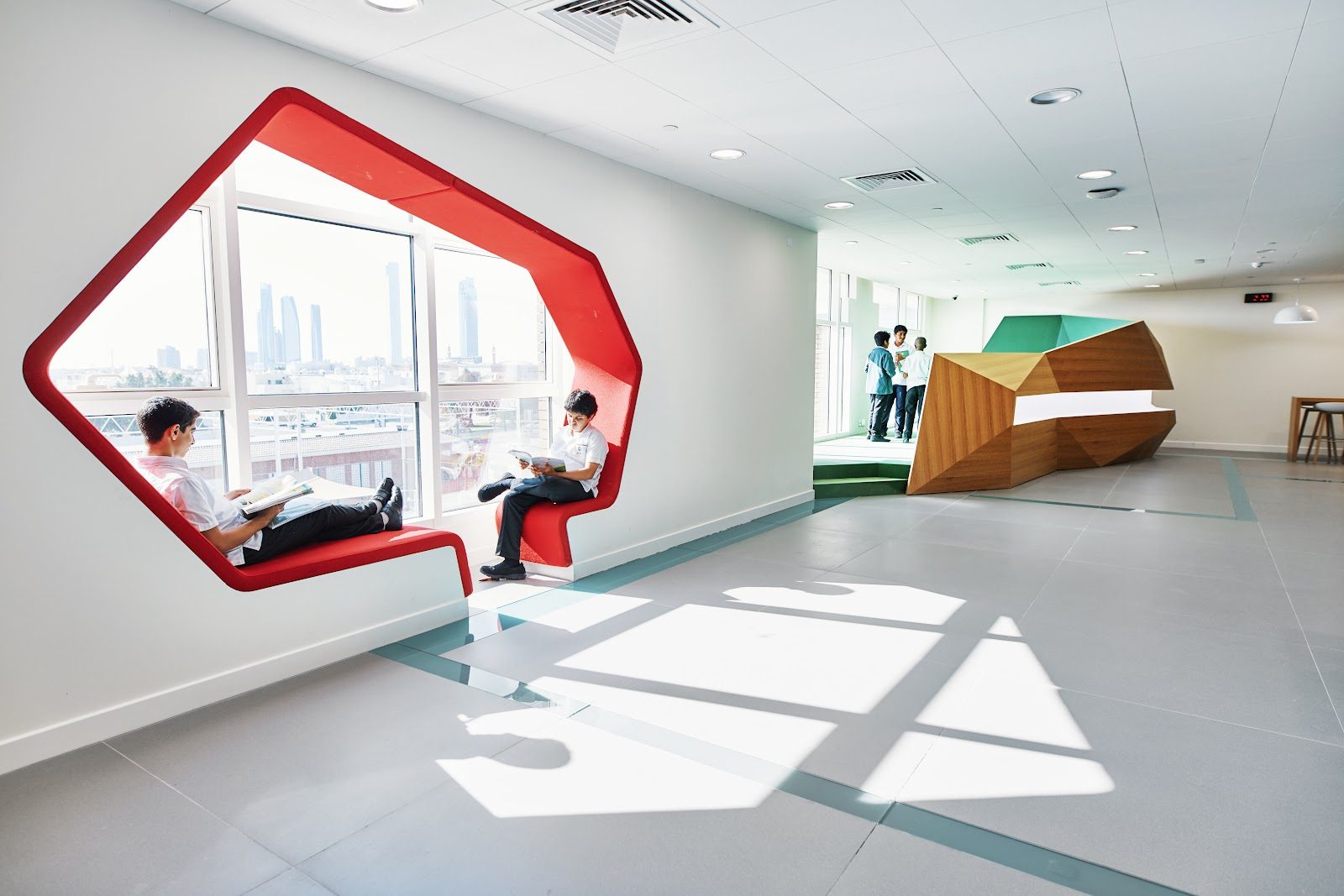
The Sheikh Zayed Private Academy for Boys
Abu Dhabi · United Arab Emirates
Massachusetts Common Core meets a UAE Armed Forces leadership programme, forging Emirati identity into an American diploma.
Same country and curriculum — closest matches within ±10 points either way