
Panamá Province
Balboa Academy
medium confidence· 4/6 cats · 3.22 avg sourcesRooted in Canal Zone teaching lineage, this Ciudad del Saber day school pairs a dual US-Panamanian diploma with the country's deepest Advanced Placement slate.
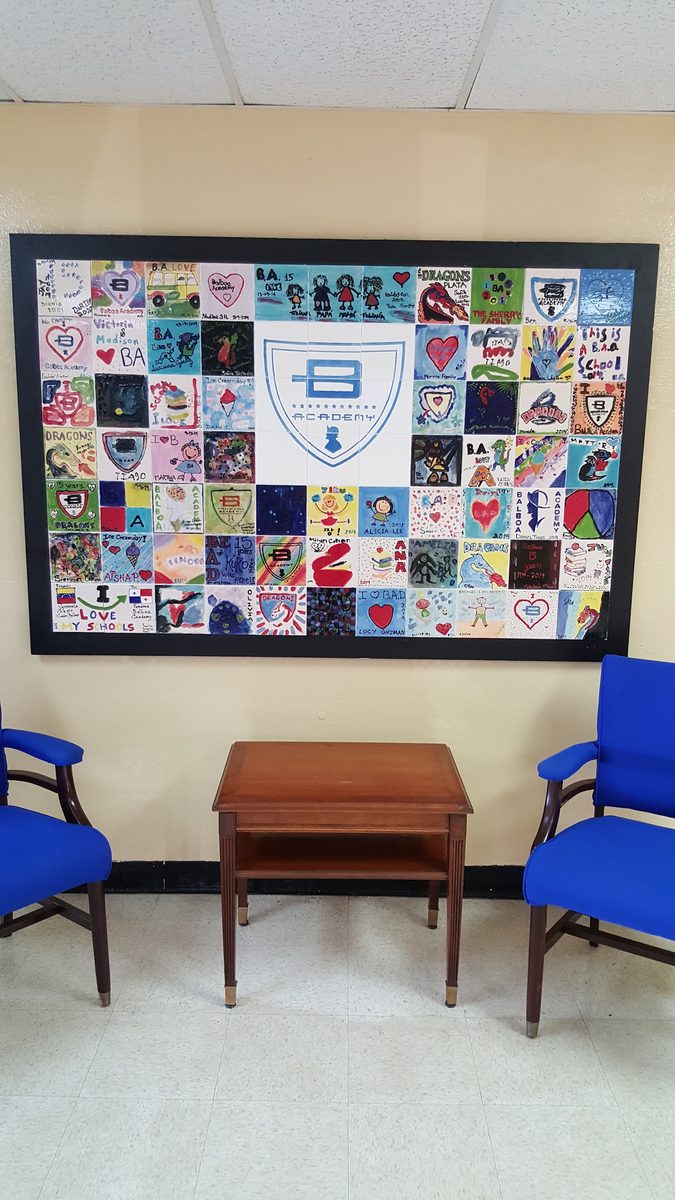
Photo © 김재식 via Google Maps
Type
Day
Ages
3–18
Curriculum
American
Qualifications
AP
Ratio
—
The Verdict
Editor's commitment
Right for
Families wanting an English-medium, American day school in Panama City with a dual US-Panamanian diploma from ages 3–18.
Wrong for
Parents seeking boarding, a religious ethos, or a non-American curriculum: Balboa Academy is a non-religious day school founded in 2001.
Watch out for
The headline claim is breadth, not disclosed outcomes: the school offers AP and English instruction, but publishes no aggregate results here.
Ranking breakdown
Balboa Academy · #1058 of 1591
Composite score 61.4. 8 weighted criteria.
By criterion
Academic Outcomes
Weight 20%
#1050
of 1529 scored
University Placement
Weight 16%
#1057
of 1529 scored
Prestige & Heritage
Weight 12%
#1054
of 1571 scored
Alumni Network
Weight 12%
#692
of 1530 scored
Facilities
Weight 12%
#1054
of 1533 scored
Transparency & Communications
Weight 8%
#1073
of 1532 scored
Peer & Industry Review
Weight 10%
#893
of 1548 scored
Admissions Selectivity & Demand
Weight 8%
#837
of 1529 scored
Score history
Balboa Academy · 2026
Movement across 2024–2026. Peer average overlaid.
Overall — 2024–2026
61.4/ 100
▲ +22.1 vs 2025
year on year
Peer & Industry Review
How Balboa Academy is regarded in the sector
66
Respected · medium confidence
I could not identify at least two independent, verifiable third-party sources (e.g., Tatler, Good Schools Guide, specialist education press, or established expat forums) that specifically assess Balboa Academy's reputation. Without concrete citations meeting the independence bar, I cannot responsibly populate this axis.
Editors' overview
Balboa Academy occupies a specific niche in Panama City: an English-medium American day school with a dual US–Panamanian diploma and a stronger AP offering than any local rival. Founded in 2001 and serving ages 3–18, it is not trading on colonial nostalgia or religious identity. Its edge is structural. Families get a college-preparatory US curriculum in English, delivered inside Ciudad del Saber, with a route that keeps both local and international university options open. In a market where many schools promise global mobility, Balboa’s combination of academic portability and local recognition has real practical force.
What marks it out is continuity and seriousness. The school’s Canal Zone lineage still matters because it speaks to a long-established teaching tradition in Panama rather than a recently imported international-school concept. That heritage gives Balboa a more settled academic identity than schools built first around lifestyle branding. The AP breadth is the headline feature: for ambitious sixth formers, depth of subject choice matters more than glossy facilities, because it governs timetable flexibility, transcript strength and university fit. Parents looking for clear academic stretch rather than pastoral theatre will find Balboa compelling. The trade-off is plain enough: this is a day school, not a resort campus, and families wanting an all-through British model, bilingual Spanish-first teaching, or a softer academic culture should look elsewhere.
The best fit is a student who is academically motivated, comfortable working in English, and headed towards selective university admissions in Panama or abroad. Balboa suits children who benefit from high expectations and from being in a school where university preparation is central, not ornamental. It also suits internationally minded local families who want an American curriculum without giving up the Panamanian diploma. Students who thrive here will value structure, ambitious course selection and peers aiming in the same direction. For that cohort, Balboa earns a place on any serious shortlist: it offers genuine academic leverage in a market where many schools offer less than they claim.
Academic Performance
Balboa’s academic case rests on course access and diploma structure more than on published outcomes. The school offers a dual diploma and, by local standards, an unusually deep Advanced Placement menu; that gives strong students more room to build a serious transcript than they will find at most Panama City competitors. In practical terms, breadth matters because selective admissions offices read course choice as evidence of ambition. A school that can field 20+ AP courses gives able sixth formers a different ceiling from a school with a token handful. That places Balboa in the top academic tier of the local market for families who want externally benchmarked rigour rather than internal grade inflation.
The weak point is disclosure. We have not seen aggregate AP score distributions, mean scores, pass rates, SAT or ACT averages, or destination data broken down in enough detail to judge output with precision. That opacity matters. A broad AP slate is valuable; published results are what prove whether students convert opportunity into performance. Relative to peers, Balboa still holds a clear structural advantage on programme design, and that counts for a great deal in Panama. Relative to schools that publish hard examination data year after year, it is less transparent than it needs to be. For parents, the right question is blunt: not whether the courses exist, but how many students take them, how many score 4–5, and what universities those results actually unlock.
Facilities
Facilities are not Balboa’s main sales pitch, and that is no bad thing. This is a school whose value sits in what happens in classrooms, not in a hotel-style campus narrative. Its location within Ciudad del Saber gives it a more grown-up setting than many urban schools squeezed onto tight city plots, but we have not seen a published inventory detailed enough to map specialist spaces with confidence. That matters. Parents comparing science provision, performing arts rooms or indoor sports capacity against premium regional competitors need more than mood shots and general claims. What can be said is narrower but useful: as a full-age-range college-preparatory school, Balboa needs competent core provision across early years, laboratories, libraries, technology and sport, and nothing in the public domain points to a flash-first, substance-second model.
Against peers, that places Balboa in the sensible middle on physical plant and ahead on utility. Some Panama City rivals lean harder into spectacle: larger grounds, more overt leisure amenities, more obvious architectural theatre. Balboa’s advantage lies elsewhere. Families choosing it for sixth-form ambition are buying access to an academically serious environment, not a resort-campus illusion. If your benchmark is the lavish new-build international school with aquatics complexes and statement atria, Balboa does not compete on those terms. If your benchmark is whether facilities support sustained study from age 3 through 18, they do the job that matters. The missing piece is transparency: the school does not publish enough hard detail for facilities to count as a decisive strength.
That places Balboa in the top academic tier of the local market for families who want externally benchmarked rigour rather than internal grade inflation
Prestige
Balboa carries real prestige inside Panama’s international-school market, but it is earned prestige, not inherited glamour. The school’s standing rests on academic seriousness, selective parental demand and a course catalogue that outmuscles local rivals where it counts. In a city with many schools selling aspiration, Balboa has a harder-edged reputation for university preparation. The dual diploma broadens its usefulness to families who want both local legitimacy and overseas access, and the AP line-up — more than 20 courses — gives it a level of sixth-form academic range that few competitors can match. That does more for status than polished branding. Among universities and informed parents, schools gain esteem when they offer credible academic stretch; Balboa does.
That said, prestige here has limits. This is not the kind of school whose name alone carries automatic global cachet outside the region. Its reputation is strongest among families who know the Panamanian market and understand what serious AP access means in practice. The school also undercuts its own status by publishing too little hard outcomes data. True top-tier prestige depends on proof: exam performance, university destinations, consistency over time. Balboa has the programme architecture of a leading school and the market reputation to match, but not the public transparency of the best-known international names. The verdict is clear: in its home market, Balboa is genuinely prestigious; on the wider international stage, its standing is solid rather than exalted.
True top-tier prestige depends on proof: exam performance, university destinations, consistency over time
Communications
Balboa’s parent communication reads as functional, restrained and aligned with the school’s academic temperament. The public face gives parents the essentials but not much beyond them. That has strengths and weaknesses. On the positive side, a school built around serious study does not need a stream of over-produced sentiment to reassure families; clear calendars, assessment points, university guidance and day-to-day notices matter more than brand theatre. Balboa’s profile indicates a school that communicates in a workmanlike way, with the assumption that parents want substance first. For the right family, that is efficient. It also fits an all-through school serving children from 3 to 18, where communication needs to stay disciplined across very different age groups.
The limitation is transparency at the top end. A school asking families to buy into a high-stakes academic track needs to publish more hard information than Balboa does. The same pattern visible in outcomes disclosure carries into communications more broadly: enough to establish purpose, not enough to answer every serious parental question. We have not seen the kind of detailed public reporting that signals first-rate institutional openness — fuller exam breakdowns, deeper destination data, or a richer account of how senior-school choices play out in practice. That does not make communication poor. It makes it *narrower than leading schools should permit*. Parents who value concise operational updates will cope well. Parents who want data-rich, proactively explanatory communication will press for more.
Uniqueness
Balboa’s distinctiveness lies in combination, not gimmick. Plenty of schools in Panama offer an international label; fewer give families a route that keeps domestic university recognition intact while also building a transcript that travels. Fewer still pair that with the country’s broadest AP choice — more than 20 courses — which changes the academic experience in concrete ways. Students are not boxed into a narrow set of senior options or forced into weak subject compromises because the timetable is thin. For able pupils, that breadth creates real intellectual room: a sharper fit between strengths and course load, a stronger university profile, and a peer group working at a more exacting level than the market norm.
The other point of difference is cultural rather than cosmetic. Balboa draws on a Canal Zone teaching lineage that gives it a settled identity rare in younger international schools built around lifestyle messaging. That heritage brings coherence: clearer academic expectations, less institutional theatre, and a school culture that treats preparation for university as the core job rather than an add-on. For students, the payoff is practical rather than sentimental. They get a school with a defined academic centre of gravity, a dual-diploma pathway that widens choice, and a sixth-form programme with enough depth to reward ambition. That does not suit every child. It suits the ones who want serious academic traction and value substance over display.
The verdict is clear: in its home market, Balboa is genuinely prestigious; on the wider international stage, its standing is solid rather than exalted
Student Profile
The students who fit Balboa best are academically driven, organised and comfortable in a school culture where university preparation is the main point of the enterprise. This is not the right environment for children who need constant coaxing, a highly sheltered atmosphere or a loose attitude to deadlines. It suits pupils who want to stretch themselves, choose demanding courses later on and work alongside peers who take study seriously. The age span from 3 to 18 also matters: families need to buy into one school culture over the long term, and that culture reads as structured, goal-directed and less performative than at schools that sell experience first and academics second.
Socially, Balboa will suit students who are self-possessed rather than attention-seeking. The strongest fit is an internationally minded local or expatriate family that wants clear progression, recognisable standards and a peer group oriented towards higher education. Children who thrive in highly expressive, ultra-nurturing or soft-edged settings may find the tone too brisk. Equally, students who want broad senior subject choice and the discipline to use it well will find real advantage here; a school offering 20+ advanced courses rewards initiative, planning and stamina. In short, Balboa suits the serious-minded, the ambitious and the self-starting. It is not for the faint-hearted, and that is part of its value.
Balboa Academy occupies a specific niche in Panama City: an English-medium American day school with a dual US–Panamanian diploma and a stronger AP offering than any local rival
Co-curricular strengths
Arts & sport, on a separate axis
Overall 7.12/10
Scored 0-10 from the school's own published evidence. This axis is editorial-only — it does not feed the main WTS ranking.
Sports
7.8/10
The extracurriculars explicitly list Basketball, Soccer, and Volleyball, showing a solid multi-sport offering but with no named facilities, teams, staff, or competitive results described.
Drama
7.2/10
Drama club is offered, but there is no further detail on productions, facilities, staff, or programme depth.
Dance
5.5/10
Music
7.3/10
Choir is offered, but there is.
Visual Arts
7.8/10
Editor first-pass · editor-reviewable · 7/27/2026
Strengths
- +English instruction throughout ages 3–18
- +US curriculum from pre-kindergarten to Grade 12
- +Coeducational college-preparatory day school
- +Non-religious setting in Panama City
Considerations
- −Day school only; no boarding option
- −American curriculum may not suit all families
- −English-only instruction may limit local-language immersion
Availability
Primary entry gate & tests
Academic Record
Gallery
Photo © Danello Codrington via Google Maps
Photo © Valentina Caldito via Google Maps
Photo © Raúl Ruíz via Google Maps
Photo © Raúl Ruíz via Google Maps
Photo © Gaurav Malik via Google Maps
Parent reviews
Have you sent your child here?
Voice reviews carry the strongest trust badge — we transcribe them for you to tidy up before they go live. Prefer to type? A written review is fine too.
Add your voice
In 60 seconds, tell other parents: what's the best thing about Balboa Academy, and what surprised you when your child joined?
We ask for a Google sign-in so every review has a real face behind it — no anonymous drive-by attacks on schools, and no faked positive reviews. Your email is never shown publicly.
Send this profile to a friend
International parents rely on word-of-mouth. Share this review with someone weighing the same decision.
Schools with places
Similar schools to Balboa Academy with places available now.
Nishimachi International School
Tokyo · Japan
- 2026-27
- WAITPOOLSpace-dependent
- 2027-28
- PLACES OPENRolling
Marymount School of New York
New York City · United States
- 2026-27
- CLOSEDConfirmed full
- 2027-28
- PLACES OPENApplications opened 1 Aug '26
Boston University Academy
Boston · United States
- 2026-27
- CLOSEDRegular cycle closed
- 2027-28
- OPENS SOONOpens Sept '26
St Michaels University School
Victoria · Canada
- 2026-27
- CLOSEDRegular cycle closed
- 2027-28
- PLACES OPEN2027/28 open; priority 1 Dec '26
Availability first, then country, area, curriculum, price, co-curricular
Consider also
Also worth looking at alongside Balboa Academy.
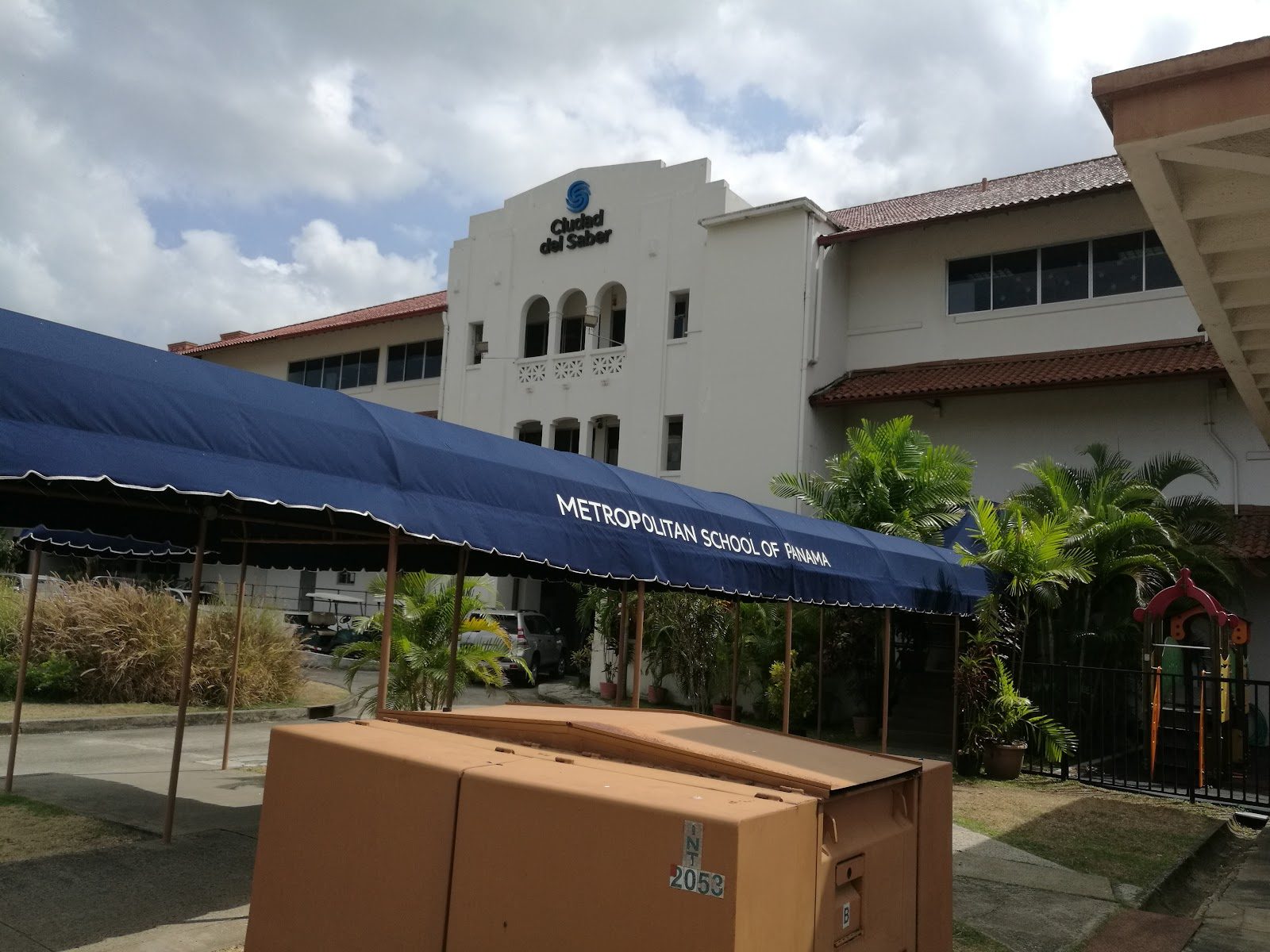
Metropolitan School of Panama
Panama City · Panama
Panama's only school delivering the full IB continuum in English, teaching PYP through Diploma from a Green Valley campus.
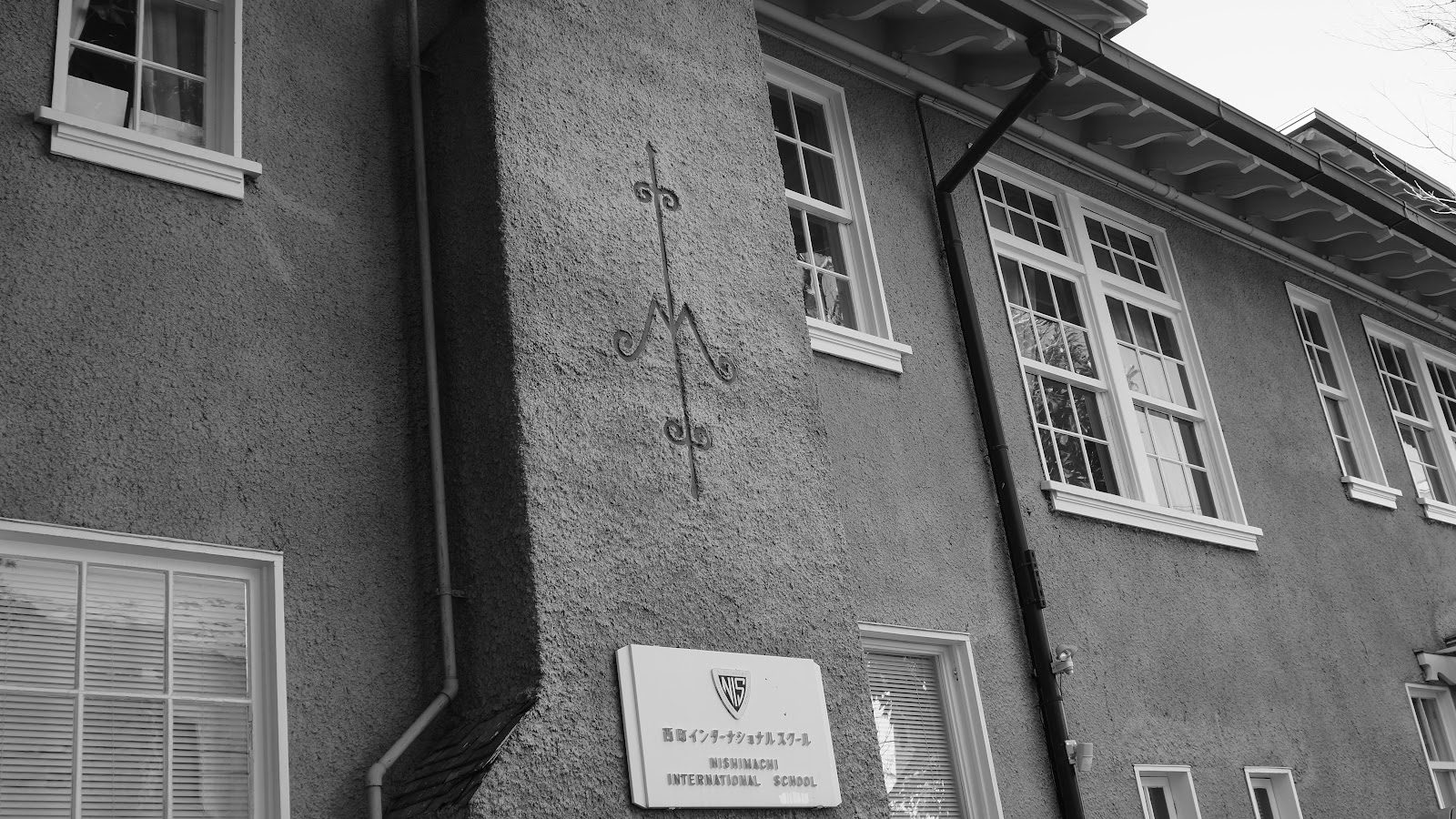
Nishimachi International School
Tokyo · Japan
On a Meiji-era Moto-Azabu estate since 1949, an American K-9 curriculum paired with mandatory daily Japanese lessons
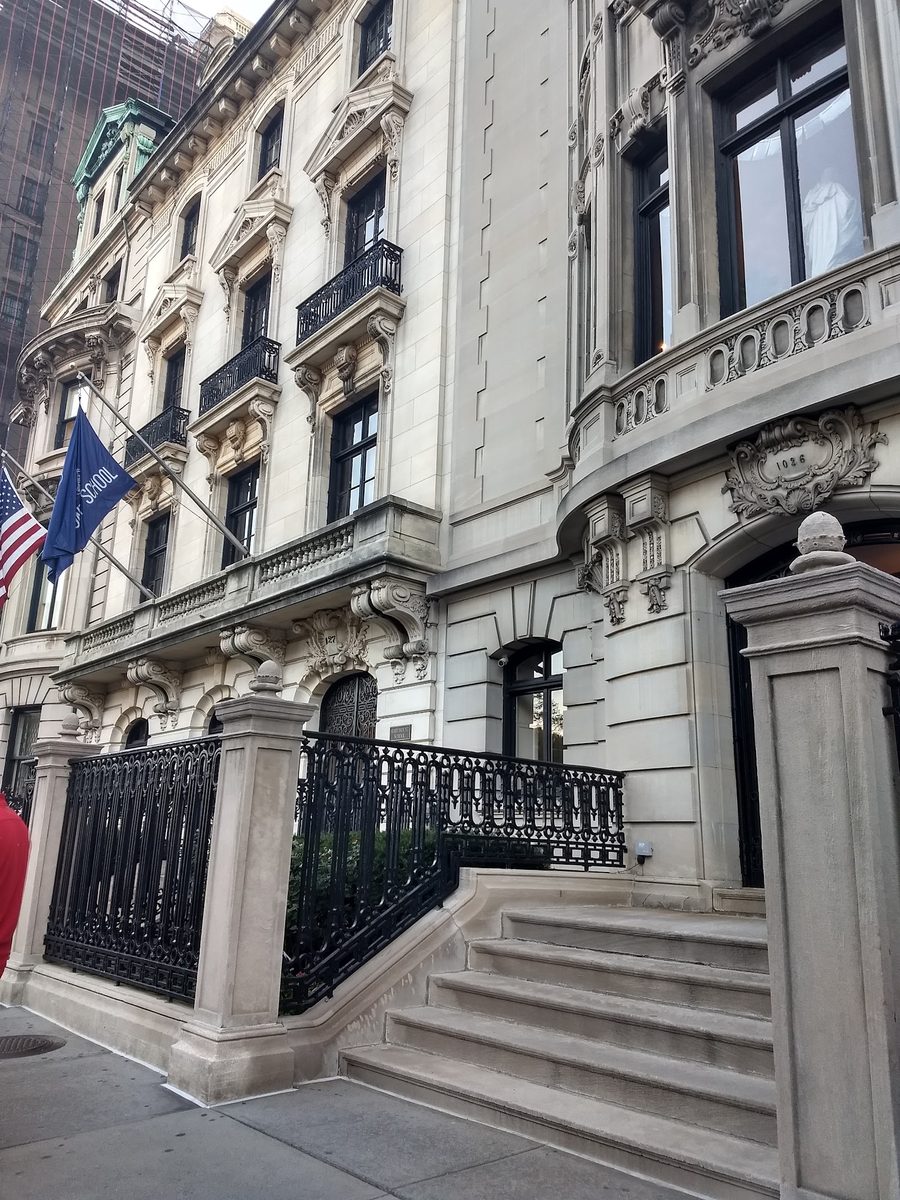
Marymount School of New York
New York City · United States
On Fifth Avenue, landmark mansions give way to Bloomberg terminals and classrooms inside the Met.
Dominican International School
Taipei · Taiwan
A former US military school turned Catholic-run American curriculum campus, offering 18 AP courses in Taipei's Zhongshan district.
Same country and curriculum — closest matches within ±10 points either way