
Panamá
Metropolitan School of Panama
medium confidence· 4/6 cats · 3.15 avg sourcesPanama's only school delivering the full IB continuum in English, teaching PYP through Diploma from a Green Valley campus.
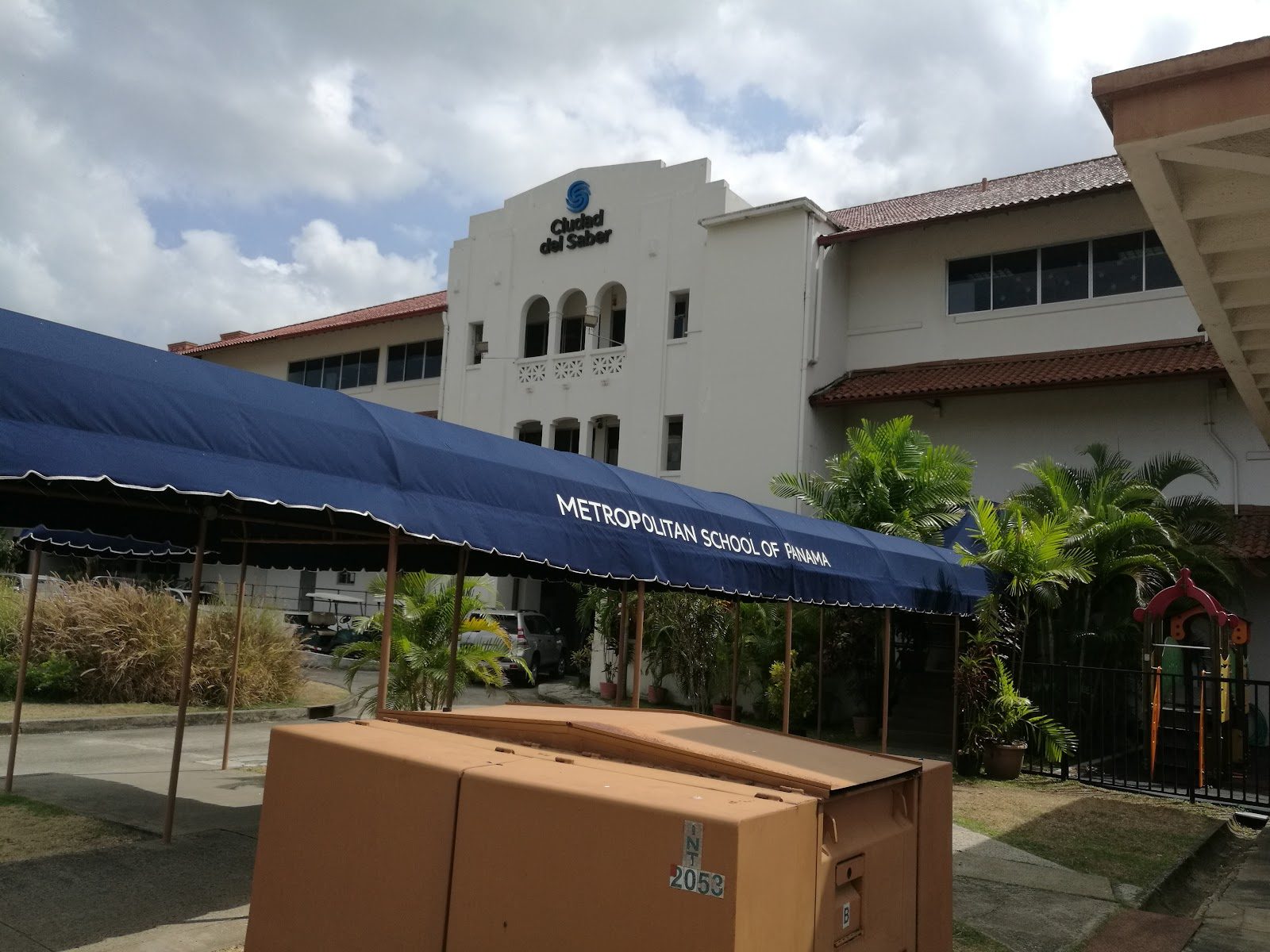
Photo © Rafael Vega via Google Maps
Type
Day
Ages
3–18
Curriculum
IB
Qualifications
IB Diploma · IB MYP · IB PYP
Ratio
—
The Verdict
Editor's commitment
Right for
Families in Panama City who want the full IB continuum in English from age 3 to 18 on one Green Valley campus.
Wrong for
Parents wanting boarding, a religious ethos, or a non-IB route will not find it here; Metropolitan is a day school, founded 2011.
Watch out for
English and Spanish are both languages of instruction, but the school does not publish outcomes here; test the academic substance behind the IB label.
Ranking breakdown
Metropolitan School of Panama · #976 of 1591
Composite score 62.5. 8 weighted criteria.
By criterion
Academic Outcomes
Weight 20%
#1003
of 1529 scored
University Placement
Weight 16%
#1015
of 1529 scored
Prestige & Heritage
Weight 12%
#1009
of 1571 scored
Alumni Network
Weight 12%
#646
of 1530 scored
Facilities
Weight 12%
#968
of 1533 scored
Transparency & Communications
Weight 8%
#1019
of 1532 scored
Peer & Industry Review
Weight 10%
#893
of 1548 scored
Admissions Selectivity & Demand
Weight 8%
#760
of 1529 scored
Score history
Metropolitan School of Panama · 2026
Movement across 2024–2026. Peer average overlaid.
Overall — 2024–2026
62.5/ 100
▲ +25.1 vs 2025
year on year
Peer & Industry Review
How Metropolitan School of Panama is regarded in the sector
66
Respected · medium confidence
I could not identify at least two independent, verifiable third-party sources (e.g., Tatler, Good Schools Guide, specialist education press, government inspectorate reports, or established expat forum threads with substantive discussion) that speak specifically to Metropolitan School of Panama's reputation. Without corroborating independent coverage beyond general directory listings, I cannot responsibly assign a score.
Editors' overview
Metropolitan School of Panama occupies a clean niche in this market: it is Panama’s only school offering the full IB continuum in English, from PYP through the Diploma, on one Green Valley campus. That matters. Parents who want a single academic system from age 3 to 18 do not need to patch together primary and secondary phases or gamble on a mid-course curricular shift. The school’s Nord Anglia ownership adds scale and brand recognition, but the sharper point is continuity: one IB track, one language spine in English, and a bilingual environment that fits Panama City’s international professional class. In a city where many schools mix local and international elements, Metropolitan offers a clear academic line and a rare degree of curricular consistency.
What sets it apart is not romance but structure. The full IB pathway appeals to families who value inquiry-led teaching early on and a direct route into the Diploma at the top end. That gives Metropolitan a strong position with mobile expatriate families, internationally minded Panamanian families, and parents who expect English-medium schooling without sacrificing Spanish. The school is day-only, founded in 2011, and non-religious; that makes it a modern, urban proposition rather than a legacy institution wrapped in tradition. For some families, that is a strength: fresh institutional culture, international intent, and no doctrinal baggage. For others, it is the trade-off. Parents seeking deep local heritage, a religious ethos, or a broader menu of curricula will look elsewhere.
The right student for Metropolitan is academically engaged, comfortable in an international setting, and able to thrive in a school built around the demands of IB from the earliest years onward. This suits children who like discussion, projects, writing, and independent thought more than rote learning. It also suits families planning overseas university routes or frequent international moves, because the educational narrative stays coherent. Students who want a settled academic framework, a globally legible qualification path, and daily exposure to English with Spanish alongside it will find a strong fit here. Students who want a highly traditional, exam-drill culture or a looser, less demanding academic atmosphere will not.
Academic Performance
Metropolitan’s problem in this category is simple: the school does not publish enough hard outcome data to earn a strong verdict on academic performance. We have not seen aggregate Diploma averages, pass rates, subject distributions, top scores, or multi-year trends. That leaves parents without the figures that matter when comparing an IB school against serious regional competitors. For a school built around a single, clearly defined academic proposition, that gap is conspicuous. Nord Anglia ownership brings brand weight, but chain affiliation is not a substitute for transparent results. In an international market where ambitious families expect published exam outcomes, this is a real weakness.
That does not mean weak performance; it means opaque performance. The full academic pathway gives the school structural coherence, and that can support strong outcomes when teaching quality and student support hold up. But structure is not evidence. Relative to peers, Metropolitan sits in the category of schools whose examination strength cannot be independently judged from public data. Schools that publish Diploma point averages, cohort sizes, score ranges and university destinations hold the advantage in parent confidence. Until Metropolitan discloses those numbers, it remains an evidence-light option on results: credible in concept, unproven in public.
Facilities
Metropolitan’s campus strength lies in coherence rather than spectacle. A single Green Valley site serving children from nursery through the senior years gives the school a practical advantage: specialist spaces can be built into the daily life of the whole school instead of being split across disconnected phases. For parents, that matters more than glossy architecture. What counts is whether science, sport, arts and early-years provision sit within a campus plan that feels usable and well ordered. On that measure, Metropolitan has a serious functional advantage. Families buying into one continuous school experience want frictionless logistics, shared standards and facilities that do not feel bolted on at transition points.
Against peer schools in Panama’s premium international segment, the unanswered question is depth. We have not seen a detailed public inventory of laboratories, theatre provision, sports infrastructure, libraries, maker spaces or standout specialist rooms. That weakens the case. Strong schools in this bracket publish those details because facilities are part of the value proposition, and because parents comparing fees expect hard specifics. Metropolitan’s single-campus model is a clear structural asset, but structure alone does not prove top-tier provision. If the school has exceptional facilities, it needs to show them with precision. Until then, the facilities verdict is competent but under-evidenced: sound in concept, less convincing in public than rivals that document their campus assets properly.
The full IB pathway appeals to families who value inquiry-led teaching early on and a direct route into the Diploma at the top end
Prestige
Metropolitan carries selective-market prestige rather than old-money cachet. In Panama, the school’s standing rests on a narrow but powerful distinction: it offers a complete international pathway in one place, and that gives it status with families who prize continuity, overseas mobility and institutional order. That is real prestige, but it is functional prestige, not heritage prestige. The Nord Anglia link adds a layer of recognition for globally mobile parents, because the operator is a large international schools group rather than a local standalone venture. For some families, that corporate backing reads as reassuring scale; for others, it reads as brand architecture rather than soul. Either way, it raises Metropolitan above the level of an obscure local entrant.
The ceiling on prestige is transparency. Elite schools build durable reputation on published outcomes, university destinations, notable alumni and long institutional track records. Metropolitan does not disclose enough of that public proof. As a result, its reputation sits on proposition and ownership more than on hard-won public authority. In parent terms, this is a school with strong market positioning and a clean international profile, but not one that commands automatic deference across the region. It has credibility. It does not yet have the deep-rooted prestige that comes from decades of visible results and a name that carries independent weight beyond the sales power of a global operator.
We have not seen aggregate Diploma averages, pass rates, subject distributions, top scores, or multi-year trends
Communications
Metropolitan’s parent communications read as competent but thin. The school has an advantage that many independents do not: backing from a large international operator brings standardised systems, cleaner process and fewer excuses for muddled messaging. Parents can expect routine notices, calendar information and operational updates to land in an orderly way. But polished process is not the same thing as strong disclosure. The school does not publish the academic outcome data that demanding parents use to test institutional claims, and that gap spills into the communications verdict. A school that communicates well does more than send reminders; it explains itself with hard facts, clear expectations and evidence that withstands scrutiny.
That matters because Metropolitan sells continuity and seriousness. Families buying into a through-school model for 3 to 18 want more than reassurance; they want visibility on standards, transitions, support, assessment and outcomes across the full student journey. On the public-facing side, the school gives a tidy corporate impression rather than a richly informative one. That will satisfy parents who value efficiency and brand order. It will frustrate parents who ask sharper questions and expect direct answers in the public domain before they enquire. The verdict is serviceable but incomplete: operational communication is in place, strategic communication needs work, and transparency remains the school’s weak flank.
Uniqueness
Metropolitan’s uniqueness is narrow, concrete and valuable: it gives families one school for the whole journey from the early years to university entry, without a handover into a different academic model halfway through. In this market, that is a rare structural advantage. Children do not need to relearn how school works every few years; parents do not need to recalibrate expectations at each transition; teachers can build habits of inquiry, writing, discussion and independent study over the full arc from age 3 to 18. That continuity brings real educational coherence. It also makes life easier for internationally mobile families, because the school offers a stable academic narrative rather than a patchwork of phases stitched together for convenience.
The other point of difference sits in the combination of English-medium international schooling with Spanish in a non-religious setting tied to a global operator. For students, that means daily movement between local and international frames, which is genuinely useful in Panama: they can function in an outward-facing school culture without losing touch with the country around them. The Nord Anglia link adds systems, transferability and parent recognition, though not romance. Metropolitan is not unique because it is grand, old or socially dominant. It is unique because it is cleanly organised, internationally legible and built for families who want one consistent educational line rather than improvisation year by year.
Metropolitan’s single-campus model is a clear structural asset, but structure alone does not prove top-tier provision
Student Profile
The best fit here is the student who handles structure, reads social cues across different cultures, and can cope with a school culture that asks for participation rather than passive compliance. This suits children who are comfortable speaking up, working in groups, and managing a steady flow of deadlines, projects and teacher expectations over a long span from 3 to 18. The school’s through-school model favours families who value continuity and do not want to renegotiate identity, standards and peer culture at each educational stage. It also suits internationally mobile families and upwardly mobile local families who want a clean global frame without a religious overlay. Children who need heavy institutional hand-holding, constant external motivation or a very loose classroom atmosphere will find the fit harder.
Socially, the school will work best for students who are at ease in a cosmopolitan, achievement-conscious parent body. This is not the obvious choice for families chasing old-established local social prestige or a deeply traditional school identity; it attracts parents who buy into clarity, order and international legibility. Students who thrive here will be adaptable, verbally confident and ready for a demanding academic rhythm. Students who want a rougher, less filtered adolescence, or who resist teacher-guided reflection and collaborative learning, may find the culture too managed. In plain terms: this is a strong fit for the self-directed, outward-facing child, and a weak one for the student who needs schooling to feel casual.
If the school has exceptional facilities, it needs to show them with precision
Co-curricular strengths
Arts & sport, on a separate axis
Overall 8.32/10
Scored 0-10 from the school's own published evidence. This axis is editorial-only — it does not feed the main WTS ranking.
Sports
8/10
Football, Basketball, Swimming and Volleyball as extracurricular offerings, showing a solid multi-sport programme but with no named facilities, staff or competitive results.
Drama
8.5/10
'Drama Productions', and the recurring named productions clear the 6 floor even though no theatre, department or further detail is given.
Dance
8.3/10
Music
8.5/10
'School Choir', which is direct evidence of music provision but without further elaboration.
Visual Arts
8.3/10
'Visual Arts' as an extracurricular, which supports a bare-listing score.
Editor first-pass · editor-reviewable · 7/27/2026
Strengths
- +IB curriculum from ages 3–18
- +English and Spanish instruction
- +Day school only; no boarding disruption
- +Non-religious setting in Panama City
Considerations
- −No boarding option for overseas families
- −Founded 2011; relatively young school
- −Only IB is stated; no alternative curriculum
Availability
Primary entry gate & tests
Academic Record
Gallery
Photo © Metropolitan School of Panama via Google Maps
Photo © Metropolitan School of Panama via Google Maps
Photo © Metropolitan School of Panama via Google Maps
Photo © Metropolitan School of Panama via Google Maps
Photo © Angel Magallanes via Google Maps
Parent reviews
Have you sent your child here?
Voice reviews carry the strongest trust badge — we transcribe them for you to tidy up before they go live. Prefer to type? A written review is fine too.
Add your voice
In 60 seconds, tell other parents: what's the best thing about Metropolitan School of Panama, and what surprised you when your child joined?
We ask for a Google sign-in so every review has a real face behind it — no anonymous drive-by attacks on schools, and no faked positive reviews. Your email is never shown publicly.
Send this profile to a friend
International parents rely on word-of-mouth. Share this review with someone weighing the same decision.
Schools with places
Similar schools to Metropolitan School of Panama with places available now.
Havergal College
Toronto · Canada
- 2026-27
- CLOSEDRegular cycle closed
- 2027-28
- OPENS SOONOpens 1 Sept '26 (Day) / Boarding active
International School of Kenya
Nairobi · Kenya
- 2026-27
- WAITPOOLSpace-dependent
- 2027-28
- PLACES OPENRolling
Shawnigan Lake School
Shawnigan Lake · Canada
- 2026-27
- CLOSEDRegular cycle closed
- 2027-28
- PLACES OPENActive now
Branksome Hall
Toronto · Canada
- 2026-27
- CLOSEDRegular cycle closed
- 2027-28
- PLACES OPENDay 1 Dec / boarding rolling
Availability first, then country, area, curriculum, price, co-curricular
Consider also
Also worth looking at alongside Metropolitan School of Panama.
Balboa Academy
Panama City · Panama
Rooted in Canal Zone teaching lineage, this Ciudad del Saber day school pairs a dual US-Panamanian diploma with the country's deepest Advanced Placement slate.
TASIS The American School in Switzerland
Montagnola · Switzerland
Founded in 1956 as Europe's first American boarding school, perched above Lake Lugano with academic travel woven into the curriculum.
Havergal College
Toronto · Canada
A 22-acre Anglican foundation since 1894, where ten storied houses anchor a rigorous, wellbeing-driven liberal arts curriculum for girls in midtown Toronto.
International School of Kenya
Nairobi · Kenya
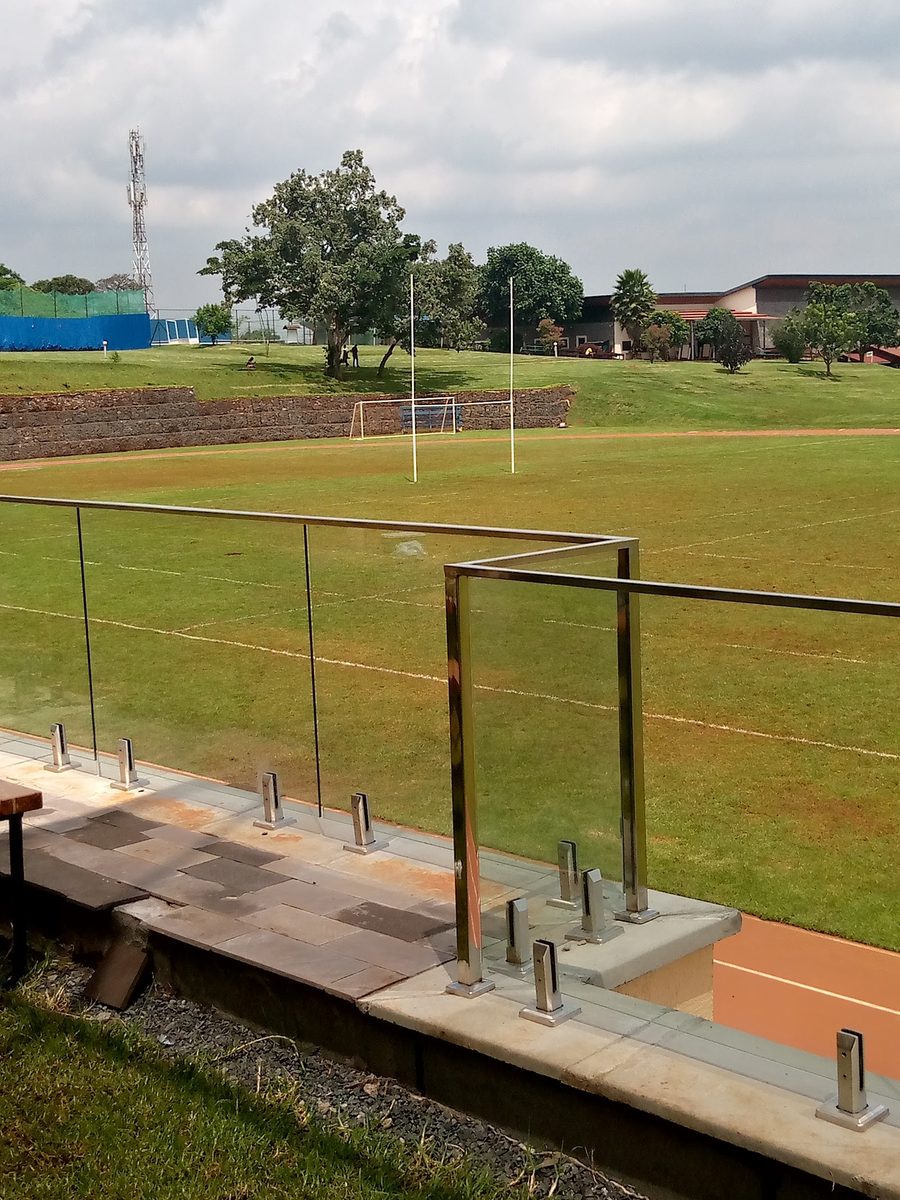
Nestled on a former Nairobi coffee plantation, this embassy-backed campus channels a demanding IB pathway into global universities.
Same country and curriculum — closest matches within ±10 points either way