
Mae Rim
Prem Tinsulanonda International School
low confidence· 4/6 cats · 1 avg sourcesOn a 100-acre farm and forest campus in the Mae Rim foothills, the first school in Southeast Asia to run all four IB programmes
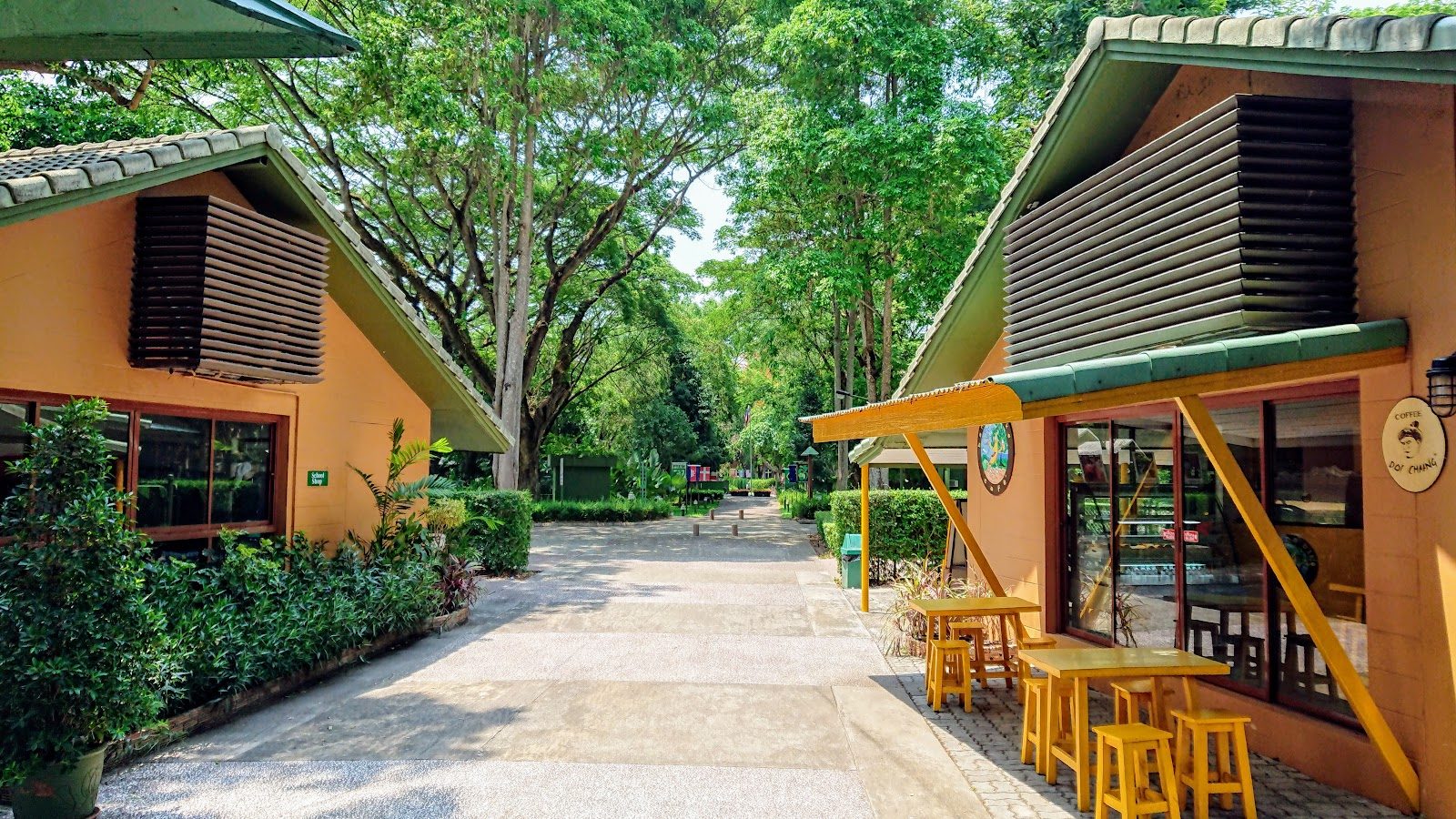
Photo © T HRS via Google Maps
Type
Both
Ages
3–18
Curriculum
IB
Qualifications
IB Diploma · IB MYP · IB PYP
Ratio
1:8
The Verdict
Editor's commitment
Right for
Families who want all four IB programmes on one Chiang Mai campus, with boarding, day places, 1:8 staffing and classes of 16.
Wrong for
Anyone wanting a conventional city school: this 100-acre Mae Rim farm-and-forest campus, in English, leans hard into experiential IB education.
Watch out for
The school advertises 100+ activities and CIS, Round Square and EARCOS badges, but publishes no aggregate IB results or university destinations.
Ranking breakdown
Prem Tinsulanonda International School · #1083 of 1591
Composite score 61.4. 8 weighted criteria.
By criterion
Academic Outcomes
Weight 20%
#1085
of 1529 scored
University Placement
Weight 16%
#1089
of 1529 scored
Prestige & Heritage
Weight 12%
#1060
of 1529 scored
Alumni Network
Weight 12%
#908
of 1529 scored
Facilities
Weight 12%
#942
of 1529 scored
Transparency & Communications
Weight 8%
#1072
of 1529 scored
Peer & Industry Review
Weight 10%
#883
of 1529 scored
Admissions Selectivity & Demand
Weight 8%
#888
of 1529 scored
Peer & Industry Review
How Prem Tinsulanonda International School is regarded in the sector
65
Respected · low confidence
Prem Tinsulanonda International School is generally regarded as one of the established international schools in Northern Thailand, with regular mentions in expat parent forums and regional 'best schools in Chiang Mai/Thailand' roundups as a respected IB continuum school with a notable boarding component. It lacks the consistent presence in top-tier specialist press (Tatler Thailand, Good Schools Guide International) that characterizes Bangkok's most prestigious international schools, suggesting a solid regional reputation rather than nationally top-tier status.
Evidence sources
Editors' overview
Prem Tinsulanonda International School occupies a distinctive niche in Thailand’s international market: a full-through IB day and boarding school on a 100-acre campus in the Mae Rim foothills, with a farm, a forest school and far more physical space than most urban competitors. The headline fact matters: Prem was the first school in Southeast Asia to run all four IB programmes. That gives it unusual curricular breadth at sixth form age, where students can choose between the Diploma Programme and the Careers-related Programme rather than being pushed down a single academic track. The school’s scale also sets the tone. With a 1:8 student-teacher ratio, average class size of 16, and a community of around 500 students, Prem offers a campus life that feels expansive, grounded and markedly less compressed than Bangkok’s high-rise international schools.
What puts Prem on a shortlist is not raw prestige signalling; it is fit. This is a school for families who want the IB delivered in a setting that gives children room to move, make, grow and spend time outdoors. The school advertises more than 100 co-curricular activities and sports, and the campus itself supports that claim in a way few schools can match. Boarding adds another layer: Prem functions as a genuine residential school rather than a day school with a small boarding annex. For international families in northern Thailand, or for parents who want a structured boarding environment without sending a child to Europe, that matters. The proposition is a home away from home, but the stronger editorial point is simpler: Prem offers breadth, space and boarding in one package, which remains rare in the region.
The caveat is equally clear. Parents hunting for a relentlessly academic, exam-factory atmosphere may find Prem too diffuse in character. Its identity rests on whole-child education, interculturalism and experiential learning, not on published headline exam statistics; the school does not publish aggregate IB outcomes in the source material here, and serious buyers will want hard data on Diploma and Careers-related Programme results, university destinations by cohort, and boarding house oversight. The website’s language also leans heavily on aspiration. The substance sits in the campus, the all-IB structure, the activity range and the boarding offer, not in polished slogans.
The students who flourish here are curious, self-directed and comfortable in an international mix of 40 nationalities. Prem suits children who need more than classrooms: outdoorsy students, arts-minded students, boarders who want a settled community, and older teenagers who value the option of an IB pathway with a stronger career focus. It also suits families who want schooling to feel joyful, international and human-scale rather than urban and transactional. For the right child, Prem offers something many schools promise and few deliver: education beyond the classroom in a setting built for it.
Academic Performance
Prem does not publish the numbers that matter most in any serious academic assessment: aggregate Diploma results, subject averages, score distributions, pass rates, or outcomes for the Careers-related Programme. That omission leaves its external performance opaque. Parents cannot place the school cleanly against Bangkok’s top exam-driven internationals, nor against the strongest IB boarding schools in the region, because the basic comparative data is missing. The school does trade on university destinations and academic ambition, but “students go on to attend the world’s top universities” is marketing, not evidence. For a school with this level of ambition and fee commitment, the absence of public outcome data is a clear weakness.
What can be said with confidence is narrower. The all-IB structure gives sixth form students an academic route and a career-linked route, which suits a broader range of learners than schools offering a single terminal pathway. The Intensive English Programme also signals that Prem admits students who need language support before full mainstream access; that can enrich the cohort, but it also makes headline results more important, not less, because parents need to see how value is added across the range. Relative to peers, Prem sits in the category of schools with a credible academic framework and a thin public results record. Until the school publishes consistent exam data, it remains hard to classify as either high-performing or merely well-resourced.
Facilities
Prem’s facilities are defined by land. In a market where many international schools work upward on compact city sites, Prem works outward. The decisive assets are the outdoor ones: a farm, a forest school, and enough room for sport, recreation and informal downtime without every activity competing for the same square metres. That gives the campus a quietly exceptional advantage for younger children, for students who need movement built into the day, and for families who want schooling to extend beyond classrooms and corridors. The arts also register: the school publicises a new recording studio, which adds a concrete specialist space rather than another generic “creative hub” claim. Add on-site medical care for boarders and the practical infrastructure looks properly residential, not improvised.
Against peers, this is a clear strength. Most Thai international schools can offer good classrooms, labs, libraries and sports provision; fewer can offer a campus landscape that materially changes how children spend their day. Prem can. The trade-off is that the public case remains thin on the indoor academic essentials serious parents also inspect closely. We have not seen much detail on science laboratories, design and technology workshops, performance venues, library depth, or boarding house configuration. That does not erase the appeal of the setting. It does place Prem in a distinct category: a school whose physical proposition is memorable because of the land, the outdoor learning infrastructure and the breadth implied by 100+ activities, rather than because of a glossy catalogue of specialist buildings.
The school does trade on university destinations and academic ambition, but “students go on to attend the world’s top universities” is marketing, not evidence
Prestige
Prem carries real regional distinction, but not the kind of prestige that rests on inherited brand power or a conveyor belt into elite universities. Its standing comes from a more specific source: it was the first school in Southeast Asia to offer all four IB programmes, and it still occupies a rarefied niche as an all-through IB day and boarding school outside a capital-city pressure cooker. The school’s setting, breadth of activities and residential life give it a profile that is recognisable in the Asian international market. The presence of 40 nationalities and more than 100 activities reinforces that image of a school with reach, range and a genuine international community rather than a local private school with an English-language wrapper.
That said, prestige here is qualified rather than absolute. Prem has a distinctive identity and a loyal following among families who value outdoors education, interculturalism and a less compressed school experience. It does not command the same hard-edged academic prestige as schools that publish top-flight exam data year after year and make selective university placements a central part of their public case. The gap matters. In international education, prestige rests on three things: brand, outcomes and scarcity. Prem has scarcity in its favour and a credible educational proposition behind it. It does not publish enough outcome data to claim the highest rung. The result is substantial but not top-tier prestige: respected, distinctive and attractive to the right families, but not a school that wins status on name alone.
Prem has a distinctive identity and a loyal following among families who value outdoors education, interculturalism and a less compressed school experience
Communications
Prem communicates in the modern international-school manner: a polished website, a steady stream of news items, clear call-to-action buttons for enquiry, tours and applications, and repeated reassurance around community, wellbeing and opportunity. Parents get a vivid sense of mood and setting. They also get plenty of prompts to engage. The school pushes its breadth hard — 100+ activities, 40 nationalities, home languages, boarding support, medical care — and that gives families a quick read on the shape of school life. For first-contact communication, it is slick, accessible and easy to navigate.
The weakness sits in depth and balance. The public messaging leans heavily promotional: “joyful learning”, “global citizenship”, “top universities”, “home away from home”. Those phrases do branding work; they do not answer the harder parental questions. We have not seen much public detail on academic reporting, who leads key sections, how boarding pastoral systems work day to day, or what parents can expect in the way of regular progress communication. Even the community news feed, while active, reads more as celebration than explanation. That does not make Prem opaque across the board. It does make its communications stronger on atmosphere than evidence. Parents who value tone, warmth and visual clarity will find a confident public face. Parents who want hard operational detail and published outcomes will need to ask direct questions.
Uniqueness
Prem’s real point of difference is that it binds three things that schools usually keep separate: a full-through IB structure, a genuine residential community, and a campus built around land rather than buildings. That combination changes the student experience in practical ways. Children are not confined to a tight urban timetable of lessons, clubs and traffic. They have a school life with physical range: outdoor learning, room for sport, and direct contact with the farm and forest school rather than token “nature” branding. For students who learn better through movement, making and lived experience, that is a serious educational advantage. For boarders, it also creates a daily rhythm that feels less institutional and more settled than many city campuses manage.
The other distinctive feature sits in the upper school. Prem gives older students two terminal IB routes, including the career-linked option, instead of forcing every teenager into the same academic mould. That matters for students with clear vocational interests, for those who want a more applied pathway, and for families who dislike the false hierarchy that treats one route as legitimate and the other as second-best. Add a community spanning 40 nationalities and more than 100 activities, and the school offers a form of education that is expansive, international and conspicuously broad in temperament. The trade-off is plain: students who want a hard-driving, exam-first culture will find a better fit elsewhere. Prem’s uniqueness lies in breadth, space and route choice, not pressure.
The public messaging leans heavily promotional: “joyful learning”, “global citizenship”, “top universities”, “home away from home
Student Profile
Prem suits children who thrive with range rather than pressure. The strongest fit is the student who wants school to be more than classrooms: outdoorsy children, arts-inclined students, boarders who value routine and community, and older teenagers who benefit from having more than one serious post-16 route. The school’s activity-heavy culture matters here. A child who wants to fill afternoons with sport, music, service, outdoor learning or clubs will find room to do it. A child who wants a narrow, exam-drilled existence will not. The social profile is also clear: this is a school for students who are comfortable in an internationally mixed environment and who can handle a campus culture shaped by movement, independence and shared space rather than urban intensity. With 40 nationalities and 100+ activities, the peer group is unusually cosmopolitan and the day-to-day experience is conspicuously broad.
Prem also fits students who need strong adult access without wanting a hothouse atmosphere. The low staffing ratio and modest class sizes support children who benefit from being known well, including those still building confidence or settling into an English-medium international setting through the school’s language support. That said, this is not a natural home for every child. Students who need relentless academic competition, constant external pressure or a visibly status-driven hierarchy will find the culture too open-textured. Prem works best for families who value grounded, whole-child schooling and for students with enough curiosity and self-direction to use the school’s breadth well.
Prem’s uniqueness lies in breadth, space and route choice, not pressure
Co-curricular strengths
Arts & sport, on a separate axis
Overall 8.28/10
Scored 0-10 from the school's own published evidence. This axis is editorial-only — it does not feed the main WTS ranking.
Sports
8.6/10
Drama
8.2/10
Dance
7.8/10
Music
8.5/10
Visual Arts
8.3/10
Editor first-pass · editor-reviewable · 7/30/2026
Strengths
- +Authorized IB World School delivering PYP, MYP and DP continuously from Early Years through Grade 12 on one campus.
- +One of the few schools in northern Thailand offering full boarding, drawing students from across East and Southeast Asia.
- +Large rural campus in Mae Rim, Chiang Mai, includes an organic farm and an elephant conservation program woven into the curriculum.
- +Relatively small enrollment allows lower student-teacher ratios and closer pastoral supervision, useful for boarding families.
- +Founded with backing from General Prem Tinsulanonda and Bill Heinecke of Minor Group, giving it long-standing local institutional ties.
Considerations
- −Location outside Chiang Mai city, several hours from Bangkok, means fewer nearby corporate expat postings than capital-based schools.
- −Smaller IB Diploma cohort limits the breadth of subject options compared with larger international schools in Bangkok or Singapore.
- −Boarding and day fees remain a significant household cost, even if lower than Bangkok's flagship international schools.
- −Less publicly available recent data on IB Diploma average scores compared with more established regional IB schools.
Availability
Primary entry gate & tests
Academic Record
Gallery
Photo © T HRS via Google Maps
Photo © Igor Vb via Google Maps
Photo © T HRS via Google Maps
Photo © C. Ucnx (z26nk98) via Google Maps
Photo © Francis Ian Chua via Google Maps
Parent reviews
Have you sent your child here?
Voice reviews carry the strongest trust badge — we transcribe them for you to tidy up before they go live. Prefer to type? A written review is fine too.
Add your voice
In 60 seconds, tell other parents: what's the best thing about Prem Tinsulanonda International School, and what surprised you when your child joined?
We ask for a Google sign-in so every review has a real face behind it — no anonymous drive-by attacks on schools, and no faked positive reviews. Your email is never shown publicly.
Send this profile to a friend
International parents rely on word-of-mouth. Share this review with someone weighing the same decision.
Schools with places
Similar schools to Prem Tinsulanonda International School with places available now.
NIST International School
Bangkok · Thailand
- 2026-27
- WAITPOOLSpace-dependent
- 2027-28
- PLACES OPENRolling
Shrewsbury International School Bangkok
Bangkok · Thailand
- 2026-27
- WAITPOOLSpace-dependent
- 2027-28
- PLACES OPENRolling
International School Bangkok
Bangkok · Thailand
- 2026-27
- WAITPOOLSpace-dependent
- 2027-28
- OPENS SOONOpens Sept '26
Availability first, then country, area, curriculum, price, co-curricular
Consider also
Also worth looking at alongside Prem Tinsulanonda International School.
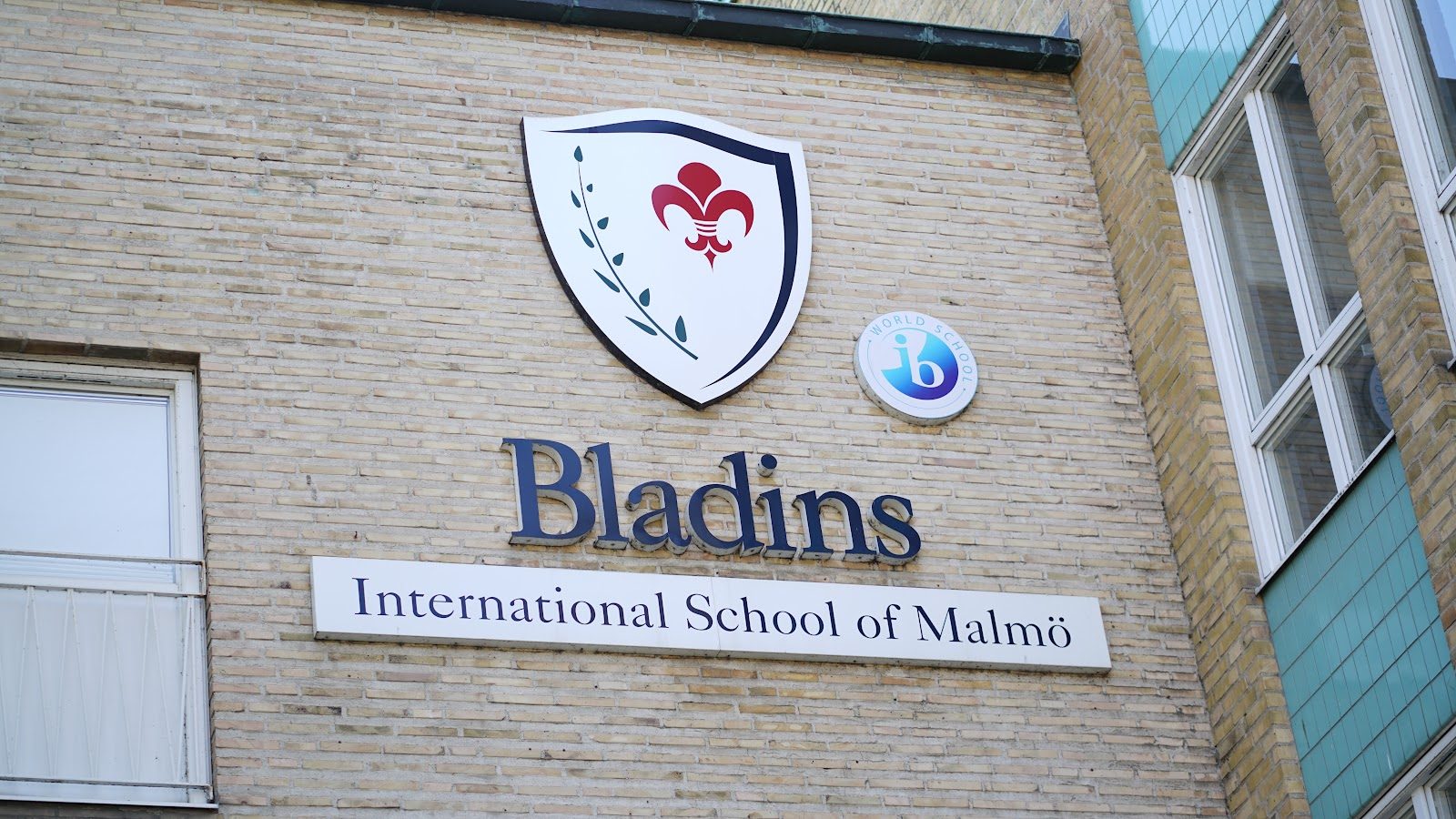
Bladins International School of Malmö
Malmö · Sweden
Traced to a 1980s Australian submarine contract, this Malmo school became Sweden's first IB Middle Years authoriser.
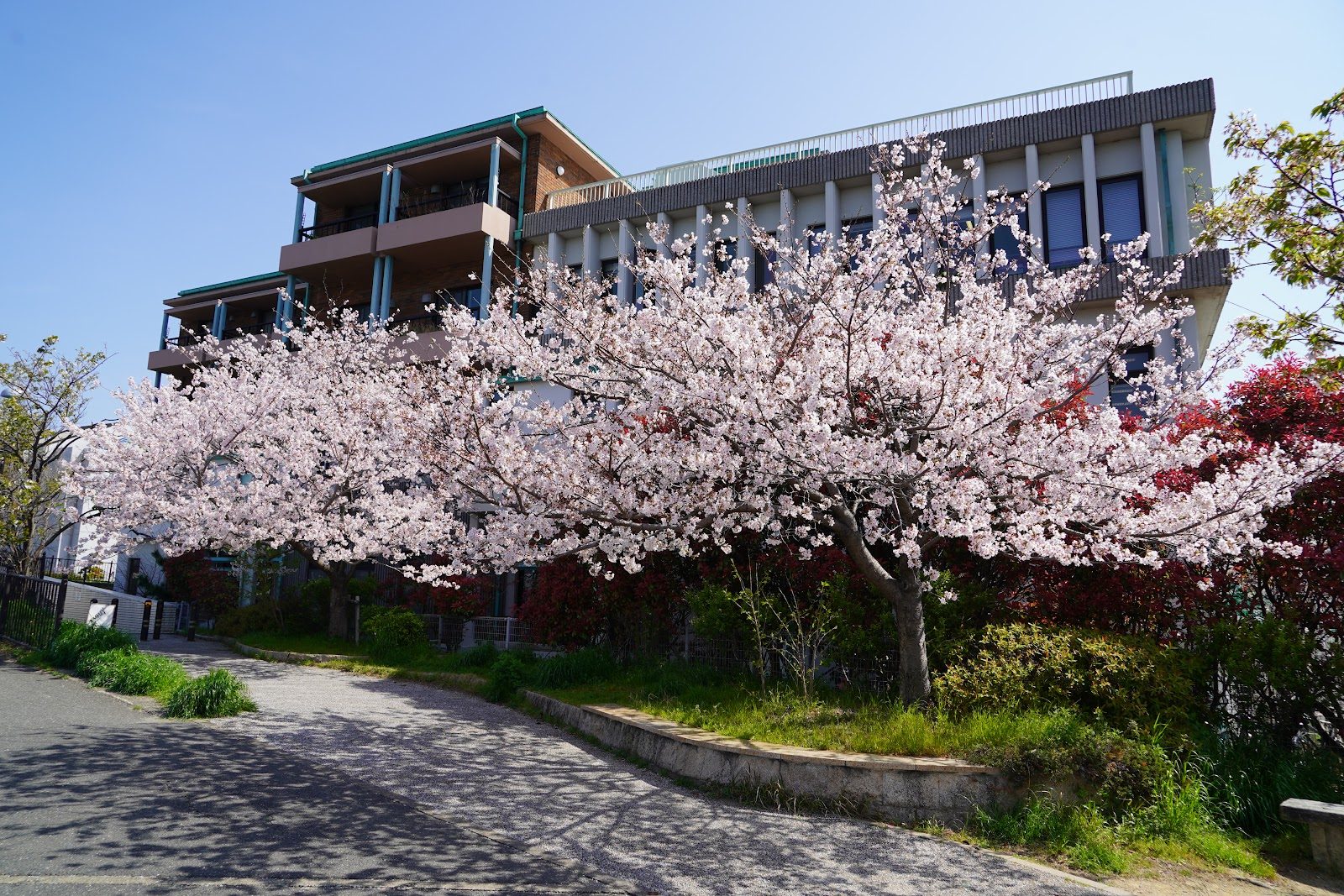
Fukuoka International School
Fukuoka · Japan
Kyushu's only Pre-K-12 international campus runs the full IB continuum from a Momochi site along the Muromi River

Collège Champittet
Pully · Switzerland
A Dominican-founded lakeside campus above Lake Geneva, where boarders choose between IB, French Bac and Swiss Maturite tracks.
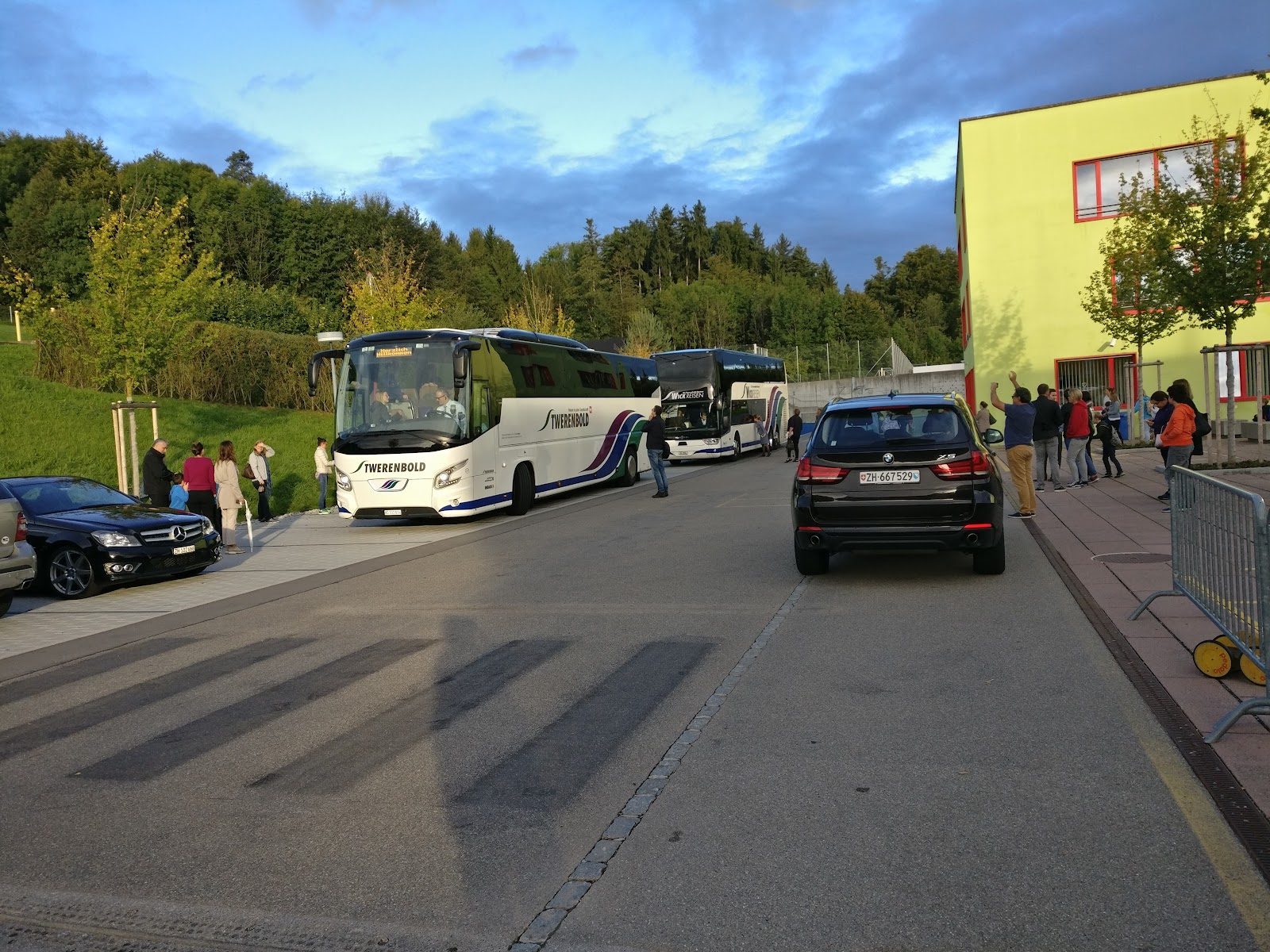
Zurich International School
Zurich · Switzerland
On Lake Zurich's shore, a 1963-founded day school pairs American diplomas and the IB with a bilingual German-English track from age three.
Same country and curriculum — closest matches within ±10 points either way