
Vaud
Collège Champittet
medium confidence· 4/6 cats · 3.31 avg sourcesA Dominican-founded lakeside campus above Lake Geneva, where boarders choose between IB, French Bac and Swiss Maturite tracks.

Photo © Collège Champittet - Pully via Google Maps
Type
Boarding
Ages
11–18
Curriculum
IB · British
Ratio
—
The Verdict
Editor's commitment
Right for
Families who want bilingual English-French teaching, boarding in Pully, and a rare three-track exit: IB, French Bac or Swiss Maturité.
Wrong for
Parents who want a single, clean curriculum story: the context lists British and IB, while the school also pushes French and Swiss routes.
Watch out for
This is expensive even by Swiss standards: average annual fees run to CHF 31,000 day and CHF 112,000 boarding.
Ranking breakdown
Collège Champittet · #1042 of 1591
Composite score 61.6. 8 weighted criteria.
By criterion
Academic Outcomes
Weight 20%
#1136
of 1529 scored
University Placement
Weight 16%
#1144
of 1529 scored
Prestige & Heritage
Weight 12%
#912
of 1571 scored
Alumni Network
Weight 12%
#584
of 1530 scored
Facilities
Weight 12%
#857
of 1533 scored
Transparency & Communications
Weight 8%
#1138
of 1532 scored
Peer & Industry Review
Weight 10%
#893
of 1548 scored
Admissions Selectivity & Demand
Weight 8%
#943
of 1529 scored
Score history
Collège Champittet · 2026
Movement across 2024–2026. Peer average overlaid.
Overall — 2024–2026
61.6/ 100
▲ +14.9 vs 2025
year on year
Peer & Industry Review
How Collège Champittet is regarded in the sector
60
Respected · low confidence
Collège Champittet is a long-established (founded 1903) bilingual Swiss school in the Lausanne/Pully area that appears in expat-parent forums (e.g., English Forum Switzerland) and general 'best international schools in Switzerland' round-ups, and is accredited by bodies like the IB and Swiss Federation of Private Schools, but it lacks the dense, repeated presence in Tatler, Good Schools Guide, or specialist education press that top-tier Swiss boarding schools (e.g., Le Rosey, Institut Le Rosey, Aiglon) receive. Peer reputation appears solid and regionally respected rather than internationally benchmarked.
Evidence sources
Editors' overview
Collège Champittet trades on a combination that few Lake Geneva schools can match: a boarding offer in Pully, above the lake, with teaching in English and French and more than one academic route at the end. This is not a single-lane international school. Parents are choosing between IB and British pathways in the context supplied here, while the school’s own line leans hard on Swiss tradition and bilingual communication. That mix gives Champittet a distinct place in the market: polished, expensive, internationally minded and still tied to local Swiss expectations of structure and seriousness. The fee level confirms the bracket. Average annual day fees run at 31,000 CHF and average annual boarding fees at 112,000 CHF. This is decisively premium territory.
What puts it on a shortlist is breadth with intimacy. It is an 11–18 boarding school rather than a giant through-school, and that narrower age range sharpens the focus on secondary years and university preparation. It also carries two accreditations that matter: IBO and CIS. That does not guarantee brilliant teaching, but it does tell parents that the school sits inside recognised international quality frameworks. The recent destinations published here are modest rather than grandstanding — EPFL, CREA École de Cinéma de Genève and École hôtelière de Genève, each with one student listed — and that honesty is useful. Champittet does not publish a glossy roll-call of global elite admissions in the facts given here. Parents who want hard aggregate leavers’ outcomes beyond those named destinations will find the picture more opaque than ideal.
The right student for Champittet is academically serious, comfortable in a bilingual environment, and open to a school that pairs international mobility with a traditional boarding frame. It will suit boarders who want a Swiss base without giving up the option of an IB education, and day pupils whose families value Lake Geneva access, pastoral structure and a campus life that extends beyond lessons. It will not suit families chasing a bargain, nor those who want a vast sixth-form menu or fully disclosed destination data. For the right child, though, the draw is clear: a rare mix of Swiss setting, bilingual daily life, boarding, and multiple senior pathways in a school founded in 1903 and now part of Nord Anglia’s network. That is a strong proposition, even if some of the outcome detail still needs sharper public disclosure.
Academic Performance
Champittet does publish some hard attainment data, and the strongest figure is its Swiss Maturité result: 100% pass rate for the cited cohort, set against a national average of 67%. That is a serious differential, not a rounding error. For families considering the Swiss route, that places the school in convincing territory on raw pass performance. The school also states an IB average of 33 points, above the global mean. That is solid, but not standout in the top tier of Lake Geneva private schools, where the sharper operators push well beyond the mid-30s and publish fuller subject-level detail. A 33-point average signals competent teaching and a viable university-prep culture; it does not mark the school out as an exam factory.
The limits are just as important as the strengths. Champittet highlights the Swiss Maturité and the IB, but it does not publish a broad run of multi-year results, top-grade distributions, subject breakdowns, or a clean set of comparative destination outcomes. The French Baccalauréat route also lacks public headline data in the source extracts here. That leaves parents with a mixed picture: there is enough to confirm real academic credibility, especially on the Swiss side, but not enough to rank the school with confidence against the most transparent Swiss competitors. In performance terms, Champittet sits in the upper middle of the market: credible, proven in one pathway, less open than the best schools about the full record.
Facilities
The Pully campus’s strongest facility advantage is setting married to boarding infrastructure. A lakeside hillside site gives the school something many urban Geneva-area competitors cannot offer: room for a real campus life rather than a stack of teaching blocks. The school also pushes its boarding provision as a core part of daily life, with house-based living and a full residential set-up on site. For families weighing Swiss boarding schools, that matters more than brochure gloss. A boarder needs workable routines, supervision, study space and separation between academic and residential time. Champittet has that frame. The virtual tour, sports provision and “open-air school” language point to a campus built to use outdoor space, which fits the location and strengthens the case for students who want more than a commuter school with beds attached.
Against peers, the facilities pitch is strong but not category-defining. The school cites partnerships with Juilliard, MIT and UNICEF, which add programme access, but those are not facilities in themselves. What counts on the ground is whether the campus supports serious secondary study alongside pastoral containment, and here Champittet looks well equipped rather than lavishly exceptional. Some Lake Geneva rivals have more conspicuous specialist hardware, larger sports estates or more aggressively marketed performing arts centres. Champittet’s edge lies elsewhere: a self-contained boarding environment, a polished campus above the lake, and enough infrastructure to support an academically focused adolescent cohort without the sprawl or impersonality of a giant international school.
Champittet’s distinctiveness lies in its blend of Swiss-rooted structure and genuine route flexibility at the top end of school
Prestige
Champittet has real prestige, but it is a measured Swiss prestige rather than a global status trophy. The school’s name carries weight around Lake Geneva because it combines long institutional history with a polished private-school setting and a multi-route senior offering that includes the Swiss Maturité, French Baccalauréat and IB. That matters. Families are not buying a fashionable newcomer or a single-pathway international campus; they are buying entry into a school with local roots, social recognition and an education model that keeps one foot in Swiss expectations of discipline and academic seriousness. Its place inside Nord Anglia adds international reach, but the brand value here still rests more on Champittet’s own standing than on borrowed network shine.
The limits to that prestige are clear. This is not one of the Swiss schools whose public profile is built on relentless elite university placement data, dazzling headline scores or a globally dominant old-boy aura. The school publishes a strong Swiss Maturité result and an IB average of 33 points, and Wikipedia notes capacity for 950 students, which points to a school with substance rather than boutique scarcity. Even so, the leavers’ picture in public stays thin, and prestige at the top end depends on hard outcomes as much as atmosphere, fees and address. The result is solid upper-tier status: respected, expensive, socially comfortable, and credible with discerning local and international families, but not in the rarefied bracket occupied by the most conspicuously selective Swiss names.
Even so, the leavers’ picture in public stays thin, and prestige at the top end depends on hard outcomes as much as atmosphere, fees and address
Communications
Champittet communicates like a school that wants to control the parent journey from first enquiry onwards. The public-facing site is polished, bilingual and easy to navigate, with clear routes into admissions, fees, visits, boarding life, wellbeing, calendar and news. That matters. Parents do not need to dig to work out the school’s priorities: academic ambition, campus life, pastoral framing and a strong sense of institutional identity. The school also offers a virtual tour and prominent visit-booking prompts, which tells you it expects families to move quickly from browsing to contact. For an expensive school with a residential offer, that is the right instinct. The weakness is not access but balance. The messaging is heavily curated, brand-led and relentlessly upbeat. There is a lot of language about excellence, values and future leadership, and less hard comparative data than a hard-nosed parent will want.
That imbalance limits trust. Champittet does publish a few memorable outcomes, including 100% on the Swiss leaving qualification and an IB average of 33, which gives the communications operation some academic ballast. But the school does not disclose a deep bank of multi-year results, detailed destination reporting or much in the way of unvarnished explanation about weaker points. Parents can see what the school wants to emphasise; they get less help interrogating it. So the verdict is clear: communications are slick, organised and operationally effective, but not fully transparent. They work well for lead generation and reassurance. They work less well for serious due diligence.
Uniqueness
Champittet’s distinctiveness lies in its blend of Swiss-rooted structure and genuine route flexibility at the top end of school. Many international schools offer one dominant academic track with a bilingual flourish around the edges. Champittet does something harder: it gives adolescents different end-point qualifications inside one campus culture, while keeping a clear expectation of academic rigour and personal discipline. That matters for families who do not want to lock in a single national system too early. It also matters for students whose strengths sharpen later, or who need a school that can hold together local university access, international mobility and a more traditional school rhythm. The result is a rare mix: not a purely expatriate enclave, not a conventional Swiss day school, and not a sprawling multinational campus with weak identity.
The other point of difference is the boarding context. At an average of 112,000 CHF a year, this is an expensive residential school, and parents have a right to expect more than scenic marketing. The gain for students is contained ambition: supervised study, a campus day that extends beyond lessons, and a stronger sense of belonging than commuter-heavy schools often manage. Add the school’s published 100% Swiss Maturité pass rate and its stated capacity of 950, and the picture is clear. Champittet offers breadth without mass-market anonymity, and seriousness without the cold machinery of a results factory. For the right child, that balance is hard to find around Lake Geneva.
Average annual day fees run at 31,000 CHF and average annual boarding fees at 112,000 CHF
Student Profile
The best fit is a teenager who can handle structure without needing constant hand-holding. Champittet suits students who are comfortable in a contained, adult-run environment where school life extends well beyond lessons and where expectations around conduct, effort and routine are not negotiable. Boarders who thrive here will value order, supervision and a clear daily rhythm more than adolescent freedom. Day pupils need the same disposition. This is not the school for a child who wants a loose, experimental atmosphere or the social anonymity of a giant campus. It fits students who are academically purposeful, internationally minded and steady enough to work within a school culture that still carries a traditional, high-control boarding logic.
It also fits families who want choice at the senior end without chaos in the middle years. The school works for students whose strengths develop across adolescence and who benefit from being guided towards the right qualification path rather than pushed through a single academic mould. The published attainment markers back that up: the Swiss leaving route posts a striking 100% pass rate in the cited cohort, while the IB average sits at 33. That points to a pupil body with solid academic intent rather than a cut-throat results culture. Socially, the school will suit children who can live comfortably among affluent peers; the fee level, especially the 112,000 CHF boarding average, sets that reality in plain view.
It is an 11–18 boarding school rather than a giant through-school, and that narrower age range sharpens the focus on secondary years and university preparation
Co-curricular strengths
Arts & sport, on a separate axis
Overall 9.18/10
Scored 0-10 from the school's own published evidence. This axis is editorial-only — it does not feed the main WTS ranking.
Sports
9.2/10
Football, Basketball, Tennis, Ski Club and Sailing, and the facilities section also mentions sports provision, indicating a solid multi-activity offering without evidence of a dedicated named sports complex or competitive results.
Drama
9.3/10
Drama Club is explicitly listed, and notable alumni Kevin Scott Allen (actor) and Michel Voïta (comedian/actor), with alumni pedigree anchoring this as at least a notable strength.
Dance
9.3/10
Music
9.3/10
A Music Ensemble, while external evidence also mentions music activities and a chaplaincy choir for children and young people, showing visible participation.
Visual Arts
8.8/10
Visual Arts is explicitly named in the extracurricular list, but there is no further detail on facilities, exhibitions, specialist staff or awards.
Editor first-pass · editor-reviewable · 7/28/2026
Outcomes & destinations
Where students go next
Top destinations
124 placements
- CREA Ecole de Cinema de Geneve· 1
- Ecole hôtelière de Genève· 1
- EPFL· 1
- ETH Zurich· 1
- Franklin University· 1
- Geneva School of Diplomacy· 1
- Glion Institute of Higher Education· 1
- Les Roches· 1
- Lucerne University of Applied Sciences and Arts· 1
- EHL Hospitality Business School· 1
- Sports Managmeent School Lausanne (SMS)· 1
- Università della Svizzera italiana· 1
- University of Bern· 1
- University of Fribourg· 1
- University of Geneva· 1
- University of Lausanne· 1
- University of St Gallen· 1
- University of Zürich· 1
- Webster University· 1
- Emlyon Business School· 1
- Erasmus University Rotterdam· 1
- Esade Ramon Lull University· 1
- IE University· 1
- La Sorbonne University· 1
- Leiden University· 1
- Radboud University· 1
- Sciences Po· 1
- Sciences Po Grenoble· 1
- The Hague University of Applied Sciences· 1
- Universidad CEU San Pablo· 1
- Universidad Pontificia Comillas, ICADE· 1
- University of Maastricht· 1
- University of Tilburg· 1
- Utrecht University· 1
- Aberystwyth University· 1
- Aston University, Birmingham· 1
- BIMM· 1
- Birkbeck, University of London· 1
- Courtauld Institute of Art, University of London· 1
- City, University of London· 1
- Hartpury University· 1
- Imperial College London· 1
- INTO, University of Manchester· 1
- Keele University· 1
- King's College London· 1
- Kingston University· 1
- Leeds Beckett University· 1
- London Metropolitan University· 1
- Loughborough University· 1
- Middlesex University London· 1
- Northeastern University, London· 1
- Nottingham Trent University· 1
- Oxford Brookes University· 1
- Queen Mary University of London· 1
- Richmond, American University London· 1
- Royal Holloway, University of London· 1
- SOAS University of London· 1
- University of the Arts London· 1
- University of Aberdeen· 1
- University of Bedfordshire· 1
- University of Birmingham· 1
- University of Bristol· 1
- University of Chichester· 1
- University of East London· 1
- University of Edinburgh· 1
- University of Exeter· 1
- University of Glasgow· 1
- University of Greenwich· 1
- University of Kent· 1
- University of Leeds· 1
- University of Manchester· 1
- University of Nottingham· 1
- University of Oxford· 1
- University of Reading· 1
- University of Salford· 1
- University of St Andrews· 1
- University of Strathclyde· 1
- INTO University of Stirling· 1
- University of Surrey· 1
- University of Warwick· 1
- University of Westminster· 1
- University of York· 1
- Brunel University London· 1
- Butler University· 1
- Chapman University· 1
- Columbia College· 1
- Connecticut College· 1
- DePauw University· 1
- Drew University· 1
- Elon University· 1
- Fairfield University· 1
- Fordham University· 1
- Georgia Institute of Technology· 1
- Hampton University· 1
- Howard University· 1
- Indiana University Bloomington· 1
- Ithaca College· 1
- Loyola Marymount University· 1
- Michigan State University· 1
- Northeastern University· 1
- Pennsylvania State University· 1
- Rutgers University· 1
- Saint Mary's College of California· 1
- Southern Methodist University· 1
- Spelman College· 1
- Stanford University· 1
- Tulane University· 1
- University of California, Riverside· 1
- University of California, San Diego· 1
- University of California, Santa Cruz· 1
- University of Colorado, Boulder· 1
- University of Connecticut· 1
- University of Illinois Urbana-Champaign· 1
- University of Miami· 1
- University of New Hampshire· 1
- University of Pittsburgh· 1
- University of San Diego· 1
- University of Wisconsin, Madison· 1
- Xavier University· 1
- American University of Beirut· 1
- Macquarie University· 1
- Tsukuba University· 1
- University of Queensland· 1
- University of Toronto· 1
Reported by the school. Confirm with admissions.
Notable alumni · Wikidata
5notable alumni
1 historic (born pre-1930) · 1 modern (born post-1970)wikidata:2026-07-28 How we source this
Strengths
- +Bilingual teaching in English and French
- +Offers both IB and British curricula
- +Full boarding available at Pully campus
- +Low 10:1 student-teacher ratio
Considerations
- −Very high boarding fee: 120000 CHF
- −Very high day fee: 55000 CHF
- −Secondary boarding only at Pully campus
Availability
Primary entry gate & tests
Academic Record
Gallery
Photo © Collège Champittet - Pully via Google Maps
Photo © Collège Champittet - Pully via Google Maps
Photo © Collège Champittet - Pully via Google Maps
Photo © Collège Champittet - Pully via Google Maps
Photo © Collège Champittet - Pully via Google Maps
Photo © Collège Champittet - Pully via Google Maps
Photo © Collège Champittet - Pully via Google Maps
Photo © Collège Champittet - Pully via Google Maps
Photo © Collège Champittet - Pully via Google Maps
Parent reviews
Have you sent your child here?
Voice reviews carry the strongest trust badge — we transcribe them for you to tidy up before they go live. Prefer to type? A written review is fine too.
Add your voice
In 60 seconds, tell other parents: what's the best thing about Collège Champittet, and what surprised you when your child joined?
We ask for a Google sign-in so every review has a real face behind it — no anonymous drive-by attacks on schools, and no faked positive reviews. Your email is never shown publicly.
Send this profile to a friend
International parents rely on word-of-mouth. Share this review with someone weighing the same decision.
Schools with places
Similar schools to Collège Champittet with places available now.
Collège Alpin International Beau Soleil
Villars-sur-Ollon · Switzerland
- 2026-27
- WAITPOOLSpace-dependent
- 2027-28
- PLACES OPENRolling
Aiglon College
Chesières · Switzerland
- 2026-27
- WAITPOOLSpace-dependent
- 2027-28
- PLACES OPENRolling
Institut Le Rosey
Rolle · Switzerland
- 2026-27
- WAITPOOLVacancy-dependent
- 2027-28
- PLACES OPENRolling Quotas
Availability first, then country, area, curriculum, price, co-curricular
Consider also
Also worth looking at alongside Collège Champittet.
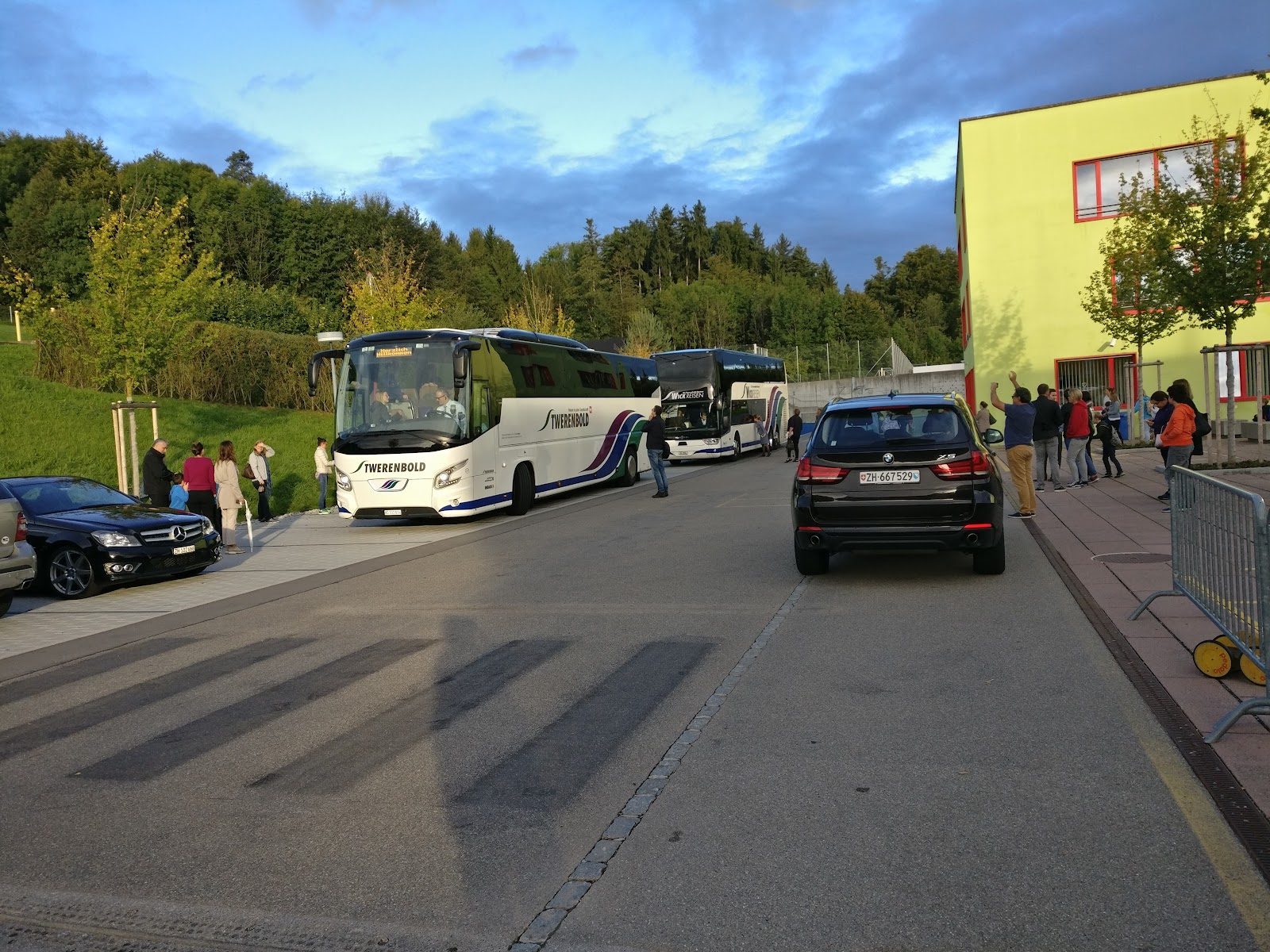
Zurich International School
Zurich · Switzerland
On Lake Zurich's shore, a 1963-founded day school pairs American diplomas and the IB with a bilingual German-English track from age three.
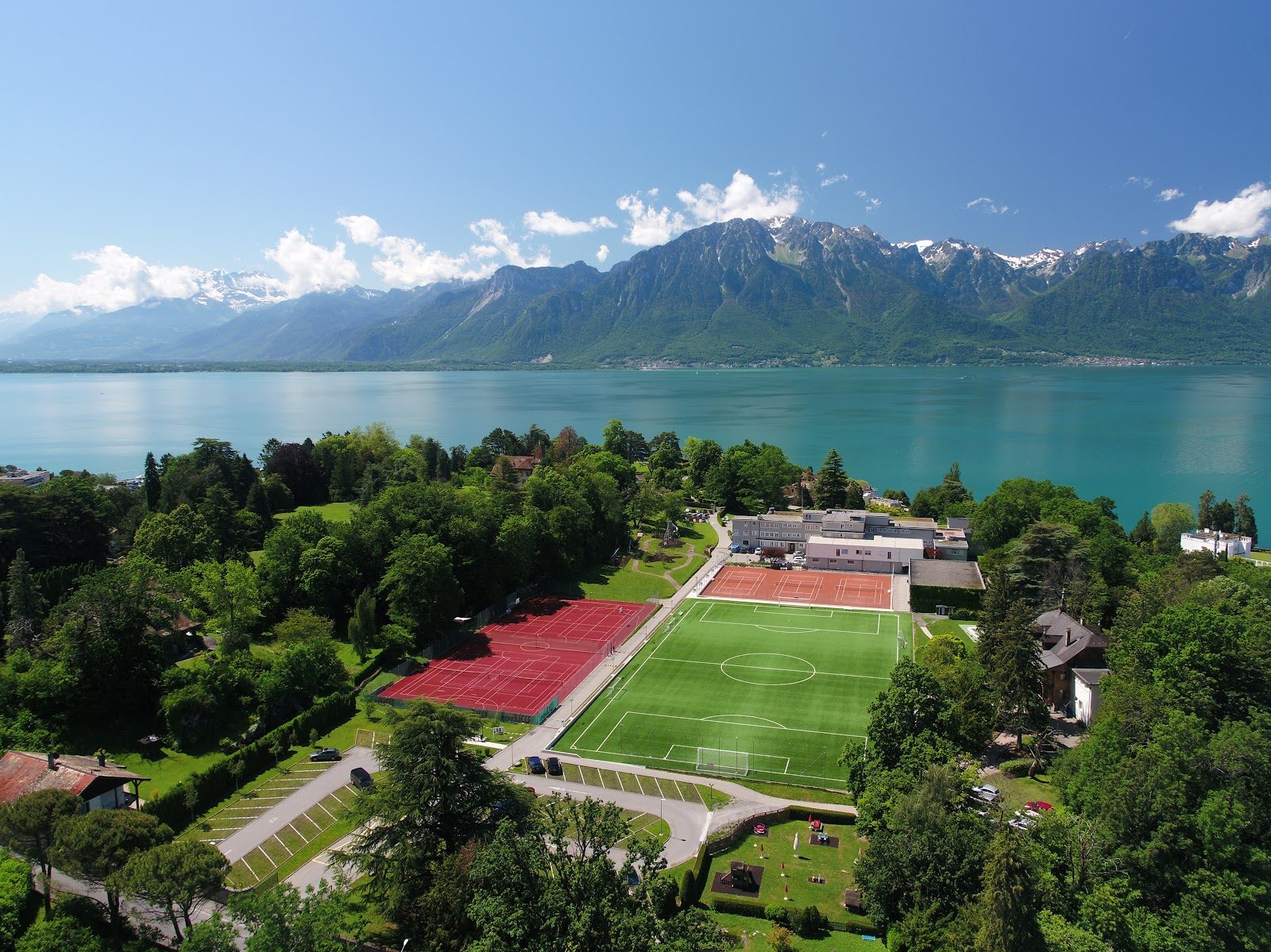
St George's International School (Montreux)
Montreux · Switzerland
Founded in 1927 by two Oxford graduates on the shores of Lake Geneva, pairing British rigor with IB ambition.
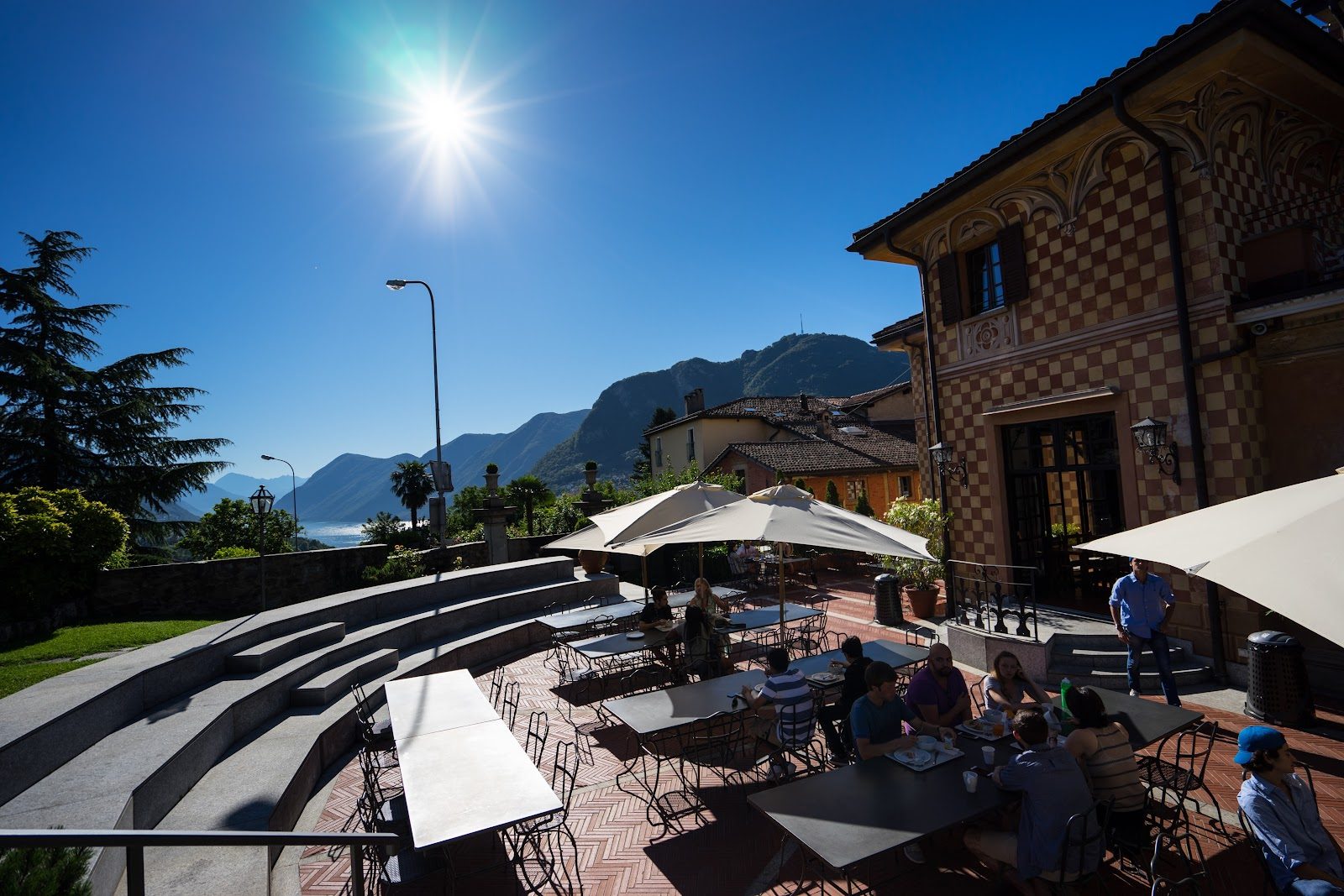
TASIS The American School in Switzerland
Montagnola · Switzerland
Founded in 1956 as Europe's first American boarding school, perched above Lake Lugano with academic travel woven into the curriculum.
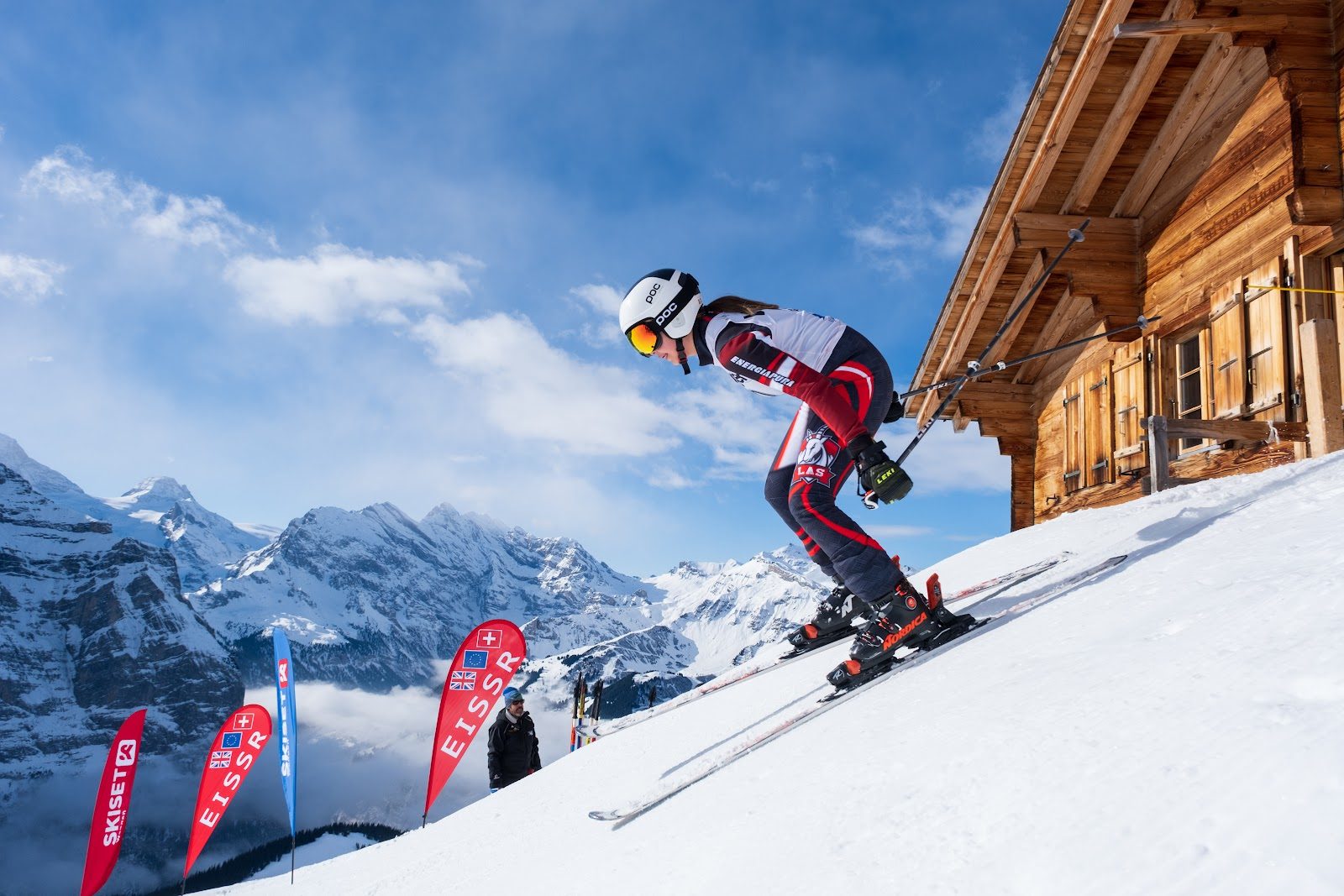
Leysin American School
Leysin · Switzerland
On a ski-in, ski-out Alpine campus above Lake Geneva, slope time is timetabled into the American-IB week itself.
Same country and curriculum — closest matches within ±10 points either way