
Zurich
Zurich International School
low confidence· 6/6 cats · 1.33 avg sourcesOn Lake Zurich's shore, a 1963-founded day school pairs American diplomas and the IB with a bilingual German-English track from age three.
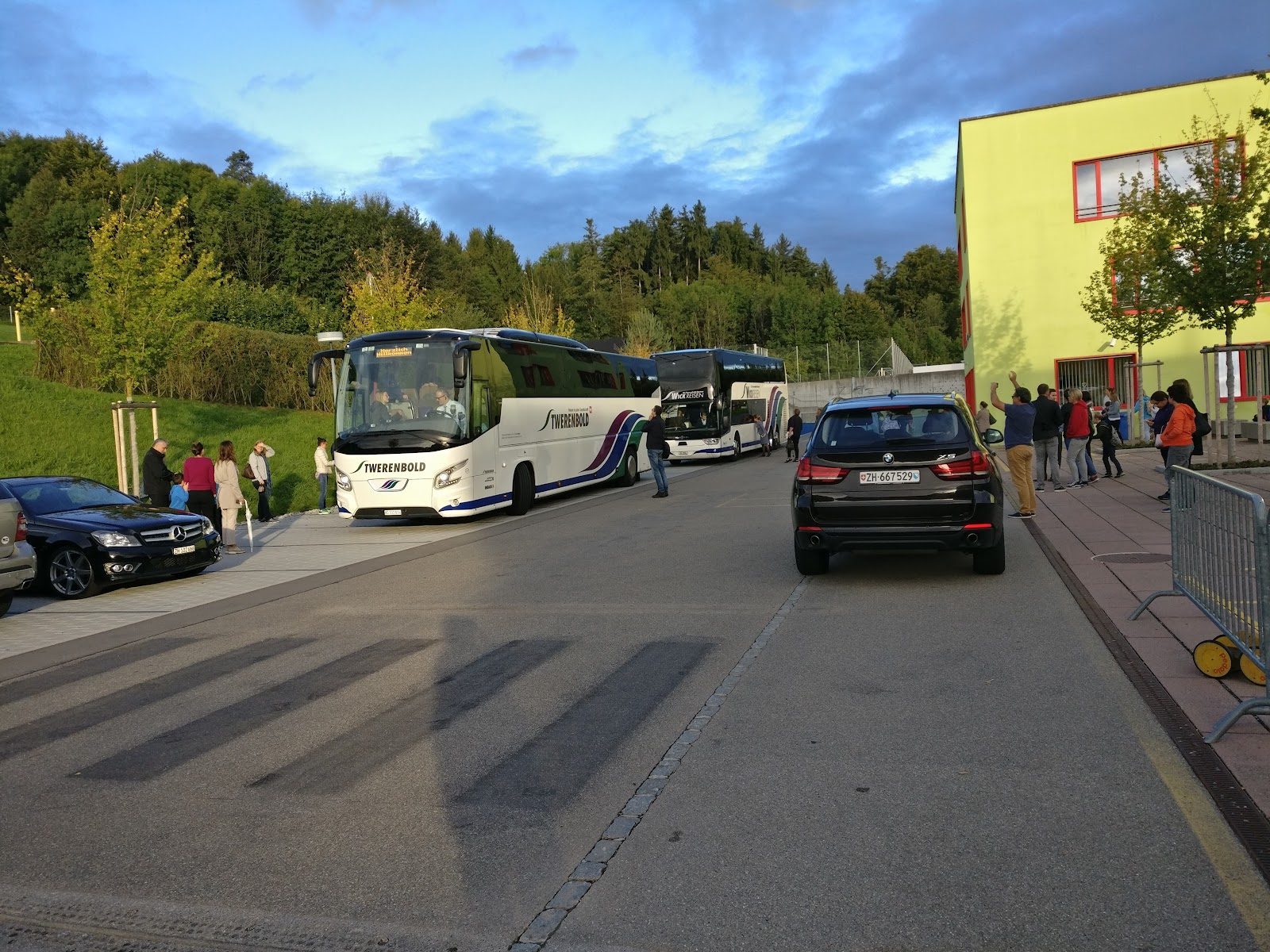
Photo © Om Prakash via Google Maps
Type
Day
Ages
3–18
Curriculum
American · IB
Qualifications
IB Diploma · AP · US High School Diploma
Ratio
—
The Verdict
Editor's commitment
Right for
International families wanting a 1963-founded, non-religious day school with American and IB routes, plus a bilingual German-English track from age three.
Wrong for
Families seeking boarding, a single-campus school, or German-medium teaching; ZIS runs two campuses, teaches in English, and serves ages 3–18.
Watch out for
At an average CHF 37,528 a year, this 1,300-student school sits firmly in Zurich's premium tier; university destinations published for 147 leavers lack headline selectivity.
Ranking breakdown
Zurich International School · #1044 of 1591
Composite score 61.6. 8 weighted criteria.
By criterion
Academic Outcomes
Weight 20%
#1050
of 1529 scored
University Placement
Weight 16%
#1057
of 1529 scored
Prestige & Heritage
Weight 12%
#1115
of 1571 scored
Alumni Network
Weight 12%
#721
of 1530 scored
Facilities
Weight 12%
#968
of 1533 scored
Transparency & Communications
Weight 8%
#998
of 1532 scored
Peer & Industry Review
Weight 10%
#998
of 1548 scored
Admissions Selectivity & Demand
Weight 8%
#760
of 1529 scored
Peer & Industry Review
How Zurich International School is regarded in the sector
70
Respected · medium confidence
Zurich International School is consistently cited in expat-parent forums (InterNations, ExpatArrivals) and English-language Swiss press (Swiss News, Local.ch) as one of the leading international schools in the Zurich area, valued for its IB continuum and long-standing accreditation from CIS and NEASC. It lacks the broad name-recognition of top-tier global brands like Le Rosey or the ubiquitous 'best schools' list presence, but is regularly referenced as a solid, well-established choice among Zurich-area corporate relocation and expat community discussions.
Evidence sources
Editors' overview
Lake Zurich is the draw; the academic architecture is the reason to stay. Zurich International School gives families a rare mix in Switzerland: an American curriculum alongside the IB, plus a bilingual German-English pathway from age three that extends through Grade 9. That matters for internationally mobile families who still want genuine local language depth rather than token exposure. The school is non-religious, day-only, and established in 1963, which gives it institutional maturity without the boarding-school baggage that still shapes parts of the Swiss market. It also has scale without anonymity: more than 1,300+ students across two campuses, with Early Childhood to Grade 5 in Wädenswil and Grades 6 to 8 in Adliswil, including a new secondary facility opened in 2022 with a media centre, Design Lab, theatre, and music and performance spaces.
What sets ZIS apart is not mystique but structure. The school has built its offer around stage-appropriate communities: 400 pupils in the early years and primary phase, 340 in the middle grades, and a stated emphasis on personalised pathways with individual learning technology provided. That configuration suits children who need a school to feel orderly, close-knit and intentionally designed, not sprawling and impersonal. The bilingual pathway is the sharpest point of difference. Many international schools in Zurich teach in English and add German as a requirement; ZIS gives families a more serious bilingual track. For expatriate parents planning a long stay in Switzerland, or mixed-nationality families who want their children to move confidently between local and international worlds, that is a material advantage.
Its market position is clear: premium, established, and internationally credible. The average annual day fee across the full age range is CHF 37,528, which places ZIS in the expensive end of the Zurich day-school market. Parents are paying for breadth, campus infrastructure and a long-standing international reputation backed by IB World School status and accreditations from CIS, NEASC and MSA-CESS. The school’s university destinations, at least from the Class of 2025 list supplied here, are not being used as a prestige shop window; the named placements include Universidad Austral, Howest University of Applied Sciences and Bishop’s University. That reads as refreshingly unvarnished rather than theatrically selective, though families chasing a public drumbeat of elite-name admissions will want more published destination detail than ZIS currently puts forward.
The children who fit best here are internationally minded, academically capable, and comfortable in a school that values both community and mobility. ZIS suits families who want an English-language education with real access to German, and who prefer a day school with a strong co-curricular and pastoral frame over a hard-edged hothouse. It is less compelling for parents who want a bargain, a downtown Zurich location, or heavy public disclosure of headline outcomes. It belongs on a shortlist because it solves a difficult equation well: serious international schooling with local linguistic relevance, credible accreditation, and enough scale to offer substance without losing cohesion.
Academic Performance
ZIS offers two externally benchmarked routes in the senior years: the IB Diploma Programme and Advanced Placement. That dual structure matters. It gives strong students range, but it also complicates clean comparisons with pure-IB rivals, because a single headline set of results does not capture the whole picture. The problem is that ZIS does not publish the aggregate numbers parents need to judge academic performance properly. We have not seen whole-cohort IB averages, IB pass rates, AP score distributions, or subject-level breakdowns. Without those figures, no serious editor can place the school in the top academic tier of Swiss international schools, however credible the programme mix and however rigorous the course options sound.
That does not make ZIS weak; it makes it opaque. The school has the scale and the senior-school breadth to run a substantial university-preparation operation, and the presence of both AP and IB routes points to a school built for differentiated academic pathways rather than a single exam machine. For some families, that is a strength. For parents who want hard proof of exam performance relative to peers, it is a gap. In this market, the stronger schools publish headline outcomes and let them stand scrutiny. ZIS asks families to trust the structure, the counselling, and the breadth of offer. That is a perfectly respectable position, but it is not the same as publishing clear results.
Facilities
The estate is practical rather than theatrical, and that is the right choice for a school of this scale. The strongest asset is the split-campus design: younger children are kept in a purpose-built primary setting with age-appropriate playgrounds, while older pupils move into a secondary site with spaces that fit adolescence and subject specialisation. The newer secondary facility adds a media centre, Design Lab, theatre, and dedicated music and performance areas. That puts ZIS in good shape against Zurich peers, many of which offer competent classrooms and sports provision but less clearly differentiated space for creative and technical work. With more than 1,300 pupils, ZIS also avoids the cramped feel that can afflict urban international schools working around retrofitted buildings.
What matters more is how the facilities match the school’s structure. Individual learning technology is provided across the stages described publicly, which now counts as expected at this fee level, not a distinguishing luxury. The stronger point is that the buildings support orderly progression from early years through the senior phase, rather than forcing all ages into one blunt, one-size-fits-all campus model. Parents looking for Olympic-scale spectacle or Swiss-boarding grandeur will not find it here. Parents looking for well-planned, hard-working facilities that serve daily school life effectively will. In this market, that is a serious operational strength, even if it lacks glamour.
What ZIS does that few rivals manage is combine a genuinely international school culture with a serious Swiss foothold
Prestige
ZIS has real standing in Zurich’s international market, but its prestige is institutional rather than glamorous. The school draws authority from durability, scale, and a broad international parent base, not from scarcity or social theatre. More than 60 nationalities in one community gives it substance in a city where “international” can be a thin label. Its non-profit structure also matters: families paying an average of CHF 37,528 a year are not buying old-world Swiss cachet or a finishing-school mystique; they are buying a large, established operation with serious infrastructure, multiple pathways through the secondary years, and enough breadth to serve transient expatriate families and long-stay residents alike. That combination carries solid market weight.
The ceiling on prestige is public visibility. ZIS has credibility with internationally mobile professionals and with families who know the Zurich market well, but it does not trade on a rareified aura. The published university destinations do not project a choreographed elite-admissions narrative, and the school does not put headline exam data into the public domain. That limits its status among parents who equate prestige with selective university placement lists and relentless performance metrics. In plain terms, ZIS is well-regarded, expensive, and widely trusted; it is not a status bauble. Its reputation rests on consistency, breadth and international legitimacy, which for many families is the more useful form of prestige.
Add a community drawn from more than 60 nationalities, and the result is unusually cross-border without feeling rootless
Communications
ZIS communicates in the manner of a mature international school: centrally, clearly, and with enough structure to serve a large parent body spread across multiple age phases and sites. The public-facing admissions pages are tidy, the school leadership is visible, and practical signposts are easy to find, from open houses to campus navigation and enrolment contact points. That matters in a school with more than 1,300 pupils and families drawn from 60 nationalities, where muddled messaging turns into operational friction fast. The tone is controlled and parent-aware rather than chatty. It gives families a coherent sense of how the school is organised and who is responsible. The emphasis on stage-specific communities also helps communication, because parents can locate their child within a defined part of the school rather than one amorphous all-through structure.
The limit is depth. ZIS communicates the experience and the framework well, but it does not publish enough hard outcome data to satisfy parents who treat transparency as part of communication, not a separate issue. University counselling is flagged, academic pathways are explained, and the school does a competent job of setting expectations around school life. Yet important proof points remain under-disclosed. That weakens trust at the sharp end, where experienced international-school parents want evidence, not just reassurance. So the verdict is efficient rather than fully transparent: strong on orientation, strong on organisational clarity, weaker on the disclosures that turn polished communication into serious accountability.
Uniqueness
What ZIS does that few rivals manage is combine a genuinely international school culture with a serious Swiss foothold. The decisive feature is the bilingual pathway: not token German lessons bolted onto an English-medium school, but a structured German-English route that starts in the earliest years and continues deep into the secondary phase. For children in globally mobile families, that creates real local traction. They do not just pass through Zurich in an expatriate bubble; they build the linguistic confidence to operate in the country around them while staying on an international academic track. Add a community drawn from more than 60 nationalities, and the result is unusually cross-border without feeling rootless.
The other distinctive strength is architectural rather than ideological: ZIS has organised school life into age-specific communities instead of one sprawling all-through machine. Younger children get a contained start; early adolescents move into a relationship-focused middle phase; older students enter a senior section built around choice, counselling and university preparation. That progression gives students an experience that is carefully staged rather than improvised. The school’s non-profit status also matters more than the brochure line implies. In an expensive market, parents are paying into an institution that reinvests in the student experience, not into shareholder returns. That does not make ZIS morally superior to every for-profit rival, but it does give its model a clearer educational logic.
Lake Zurich is the draw; the academic architecture is the reason to stay
Student Profile
The pupils who fit best here are internationally mobile children who need stability without parochialism. With classmates drawn from more than 60 nationalities, ZIS suits families accustomed to change, cross-border careers and mixed cultural references. New arrivals who benefit from a settled, well-run environment rather than a sink-or-swim social scene will do well. So will children who value breadth: the school caters to pupils who want academics taken seriously but do not want school reduced to a single high-pressure lane. The atmosphere points towards students who are curious, adaptable and comfortable moving between different peer groups, age-stage communities and future pathways.
The bilingual route sharpens that fit. This is a strong choice for families who want children anchored in the host country rather than insulated from it, and for pupils who can handle the demands of learning across linguistic contexts from a young age. It also suits children who like structure. The school has enough scale to offer choice, but not the social anonymity that larger all-through campuses can breed. Less suited are pupils who want a hard-driving exam factory, or families chasing a socially exclusive crowd. ZIS works best for confident but not abrasive children, for globally minded families planning either a substantial stay or repeated mobility, and for parents who prize international range over status theatrics.
Zurich International School gives families a rare mix in Switzerland: an American curriculum alongside the IB, plus a bilingual German-English pathway from age three that extends through Grade 9
Co-curricular strengths
Arts & sport, on a separate axis
Overall 8.26/10
Scored 0-10 from the school's own published evidence. This axis is editorial-only — it does not feed the main WTS ranking.
Sports
8.5/10
Drama
8.2/10
Dance
7.5/10
Music
8.6/10
Visual Arts
8.5/10
Editor first-pass · editor-reviewable · 7/29/2026
Outcomes & destinations
Where students go next
Class of 2025
147 graduates
Top destinations
328 placements
- Universidad Austral· 1
- Howest University of Applied Sciences· 1
- Bishop’s University· 1
- McGill University· 4
- Queen’s University· 3
- University of British Columbia· 2
- University of Guelph· 1
- University of Toronto· 4
- European University Cyprus· 1
- Copenhagen Business School· 2
- Technical University of Denmark· 1
- Aalto University· 1
- University of Helsinki· 1
- Central School of Nantes· 1
- Ecole nationale superieure d’architecture Paris-Malaquais· 1
- ESCP Business School· 1
- The American University of Paris· 2
- Catalyst Institute for Creative Arts and Technology· 1
- CODE University of Applied Sciences· 1
- Universitätsmedizin Neumarkt A.m. Campus Hamburg· 1
- University of Mannheim· 1
- American College of Greece· 1
- University College Dublin· 3
- University of Galway· 1
- Reichman University· 1
- Humanitas University· 6
- Istituto Marangoni· 3
- John Cabot University· 2
- Nuova Accademia di Belle Arti· 1
- Università Bocconi· 7
- Amsterdam University of Applied Sciences· 1
- Codarts Rotterdam· 1
- Delft University of Technology· 2
- Eindhoven University of Technology· 3
- Erasmus University College· 1
- Erasmus University Rotterdam· 5
- Fontys University of Applied Sciences· 1
- Hanze University of Applied Sciences· 1
- Hotel School, The Hague· 2
- Inholland University of Applied Sciences· 1
- KU Leuven· 1
- Leiden University· 4
- Maastricht University· 3
- Rotterdam Business School, University of Applied Sciences· 1
- The Hague University of Applied Sciences· 3
- Thim University· 1
- Tilburg University· 1
- University of Amsterdam· 10
- University of Groningen· 3
- University of Twente· 3
- Vrije Universiteit Amsterdam· 3
- Wageningen University· 2
- Norwegian University of Science and Technology – NTNU· 2
- Wroclaw Medical University· 1
- Comillas Pontifical University· 1
- Esade Business School· 1
- IE University· 15
- Universidad Carlos III de Madrid· 1
- University CEU Cardenal Herrera· 1
- Linköping University· 1
- Stockholm School of Economics· 1
- Umeå University· 1
- Uppsala University· 1
- BHMS Hospitality School· 1
- EPFL· 3
- EHL Hospitality Business School· 1
- ETH Zurich· 4
- Schweizerische Hotelfachschule – SHL· 2
- Schule für Kunst und Design Zürich – SKDZ· 1
- The ZHAW School of Management and Law· 1
- University of Lucerne· 1
- University of St. Gallen· 11
- University of Zurich – UZH· 8
- Canterbury Christ Church University· 1
- Cardiff University· 1
- City, St. George’s, University of London· 1
- City, University of London· 3
- Durham University· 2
- Goldsmiths, University of London· 1
- Hult International Business School· 2
- Imperial College London· 5
- King’s College London, University of London· 6
- Kingston University London· 1
- Lancaster University· 2
- London School of Economics and Political Science, University of London· 2
- Newcastle University· 1
- Queen Mary University, Edinburgh· 1
- Royal Holloway, University of London· 3
- Sussex University· 1
- The University of Edinburgh· 7
- University College London· 10
- University of Aberdeen· 1
- University of Bath· 12
- University of Bristol· 1
- University of Buckingham· 1
- University of Essex· 8
- University of Glasgow· 2
- University of Leeds· 1
- University of Manchester· 1
- University of Nottingham· 6
- Oxford· 1
- University of Reading· 1
- University of Southampton· 1
- University of St Andrews· 1
- University of Surrey· 2
- University of the Arts London· 2
- University of Warwick· 3
- University of York· 1
- Bates College· 1
- Boston College· 1
- Boston University· 1
- Brandeis University· 1
- Brigham Young University· 1
- Brown University· 2
- California Baptist University· 1
- Calvin University· 1
- Colby College· 1
- Columbia University in the City of New York· 1
- Dartmouth College· 1
- Elon University· 2
- Emerson College· 1
- George Mason University· 1
- Georgia Southern University· 1
- Harvey Mudd College· 1
- Iowa State University· 1
- Marist College· 1
- Mars Hill University· 1
- Marymount University· 1
- Michigan State University· 2
- Mount Holyoke College· 1
- Northeastern University· 6
- Pennsylvania State University· 2
- Purdue University· 1
- Quinnipiac University· 2
- Rice University· 2
- Savannah College of Art and Design· 1
- Scripps College· 1
- Texas Christian University· 1
- The Pennsylvania State University· 1
- The University of Tampa· 1
- The University of Tennessee – Knoxville· 1
- University of California – Davis· 2
- University of California – San Diego· 1
- University of California – Santa Barbara· 1
- University of Chicago· 1
- University of Colorado Boulder· 5
- University of Denver· 1
- University of Miami· 1
- University of North Carolina at Charlotte· 1
- University of Rochester· 1
- University of South Carolina – Columbia· 1
- University of Southern California· 1
- University of Wisconsin – Madison· 1
- Utah Valley University· 1
- Wake Forest University· 2
Reported by the school. Confirm with admissions.
Strengths
- +Switzerland's largest international day school
- +Four campuses across Zurich lake region
- +American and IB curricula broaden pathways
- +English-medium teaching suits expatriate families
Considerations
- −Day school only; no boarding option
- −Four-campus model may complicate logistics
- −English instruction may limit German immersion
Availability
Primary entry gate & tests
Application + records / assessment
Gallery
Photo © The Zurich International School via Google Maps
Photo © The Zurich International School via Google Maps
Photo © Weixin Ye via Google Maps
Photo © Ti Berek via Google Maps
Photo © The Zurich International School via Google Maps
Parent reviews
Have you sent your child here?
Voice reviews carry the strongest trust badge — we transcribe them for you to tidy up before they go live. Prefer to type? A written review is fine too.
Add your voice
In 60 seconds, tell other parents: what's the best thing about Zurich International School, and what surprised you when your child joined?
We ask for a Google sign-in so every review has a real face behind it — no anonymous drive-by attacks on schools, and no faked positive reviews. Your email is never shown publicly.
Send this profile to a friend
International parents rely on word-of-mouth. Share this review with someone weighing the same decision.
Schools with places
Similar schools to Zurich International School with places available now.
Lyceum Alpinum Zuoz
Zuoz · Switzerland
- 2026-27
- WAITPOOLSpace-dependent
- 2027-28
- PLACES OPENRolling
Collège du Léman
Versoix · Switzerland
- 2026-27
- WAITPOOLSpace-dependent
- 2027-28
- PLACES OPENRolling
International School of Geneva
Geneva · Switzerland
- 2026-27
- WAITPOOLSpace-dependent
- 2027-28
- PLACES OPENRolling
Institut International de Lancy
Geneva · Switzerland
- 2026-27
- WAITPOOLSpace-dependent
- 2027-28
- PLACES OPENRolling
Availability first, then country, area, curriculum, price, co-curricular
Consider also
Also worth looking at alongside Zurich International School.

Collège Champittet
Pully · Switzerland
A Dominican-founded lakeside campus above Lake Geneva, where boarders choose between IB, French Bac and Swiss Maturite tracks.
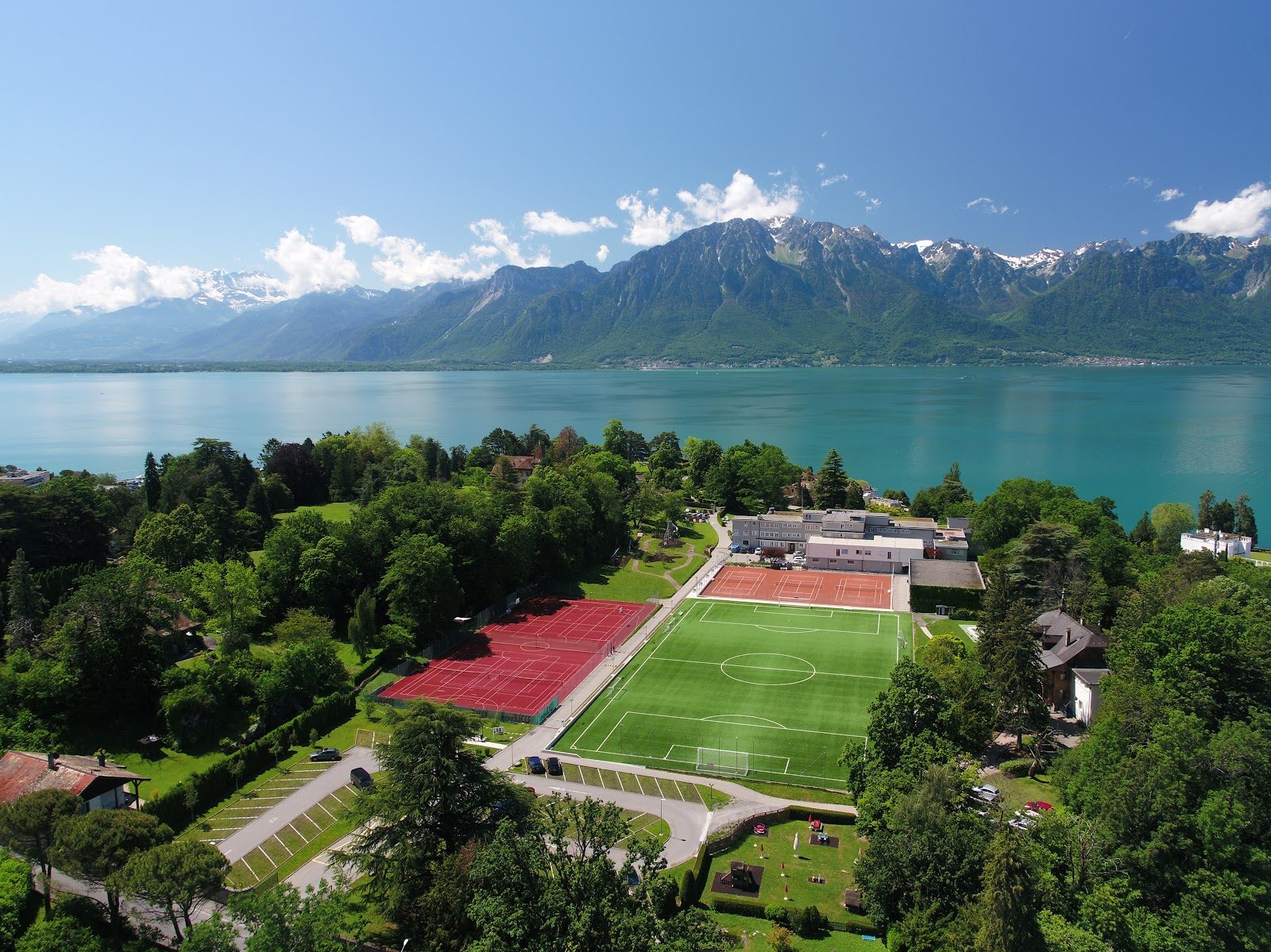
St George's International School (Montreux)
Montreux · Switzerland
Founded in 1927 by two Oxford graduates on the shores of Lake Geneva, pairing British rigor with IB ambition.
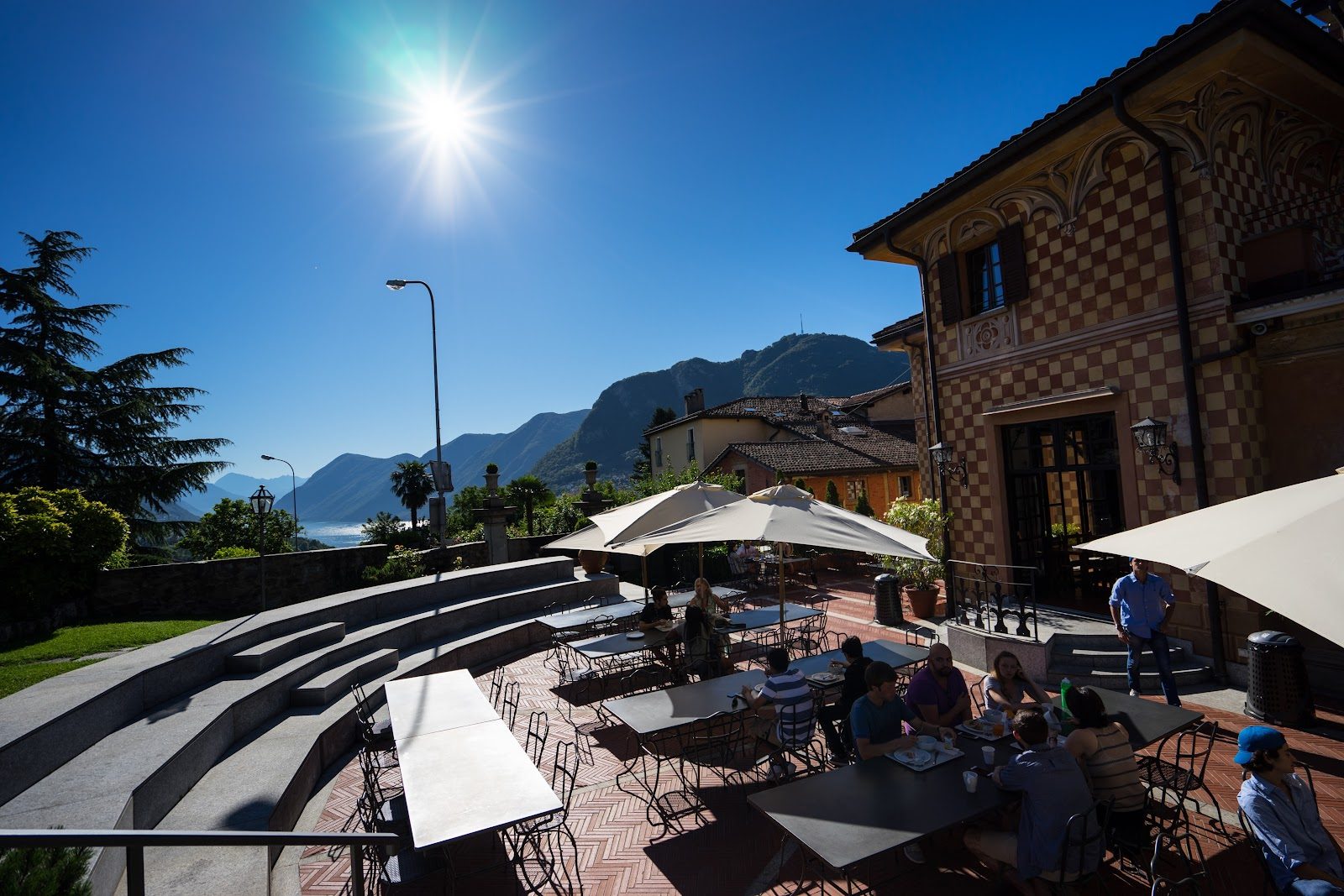
TASIS The American School in Switzerland
Montagnola · Switzerland
Founded in 1956 as Europe's first American boarding school, perched above Lake Lugano with academic travel woven into the curriculum.
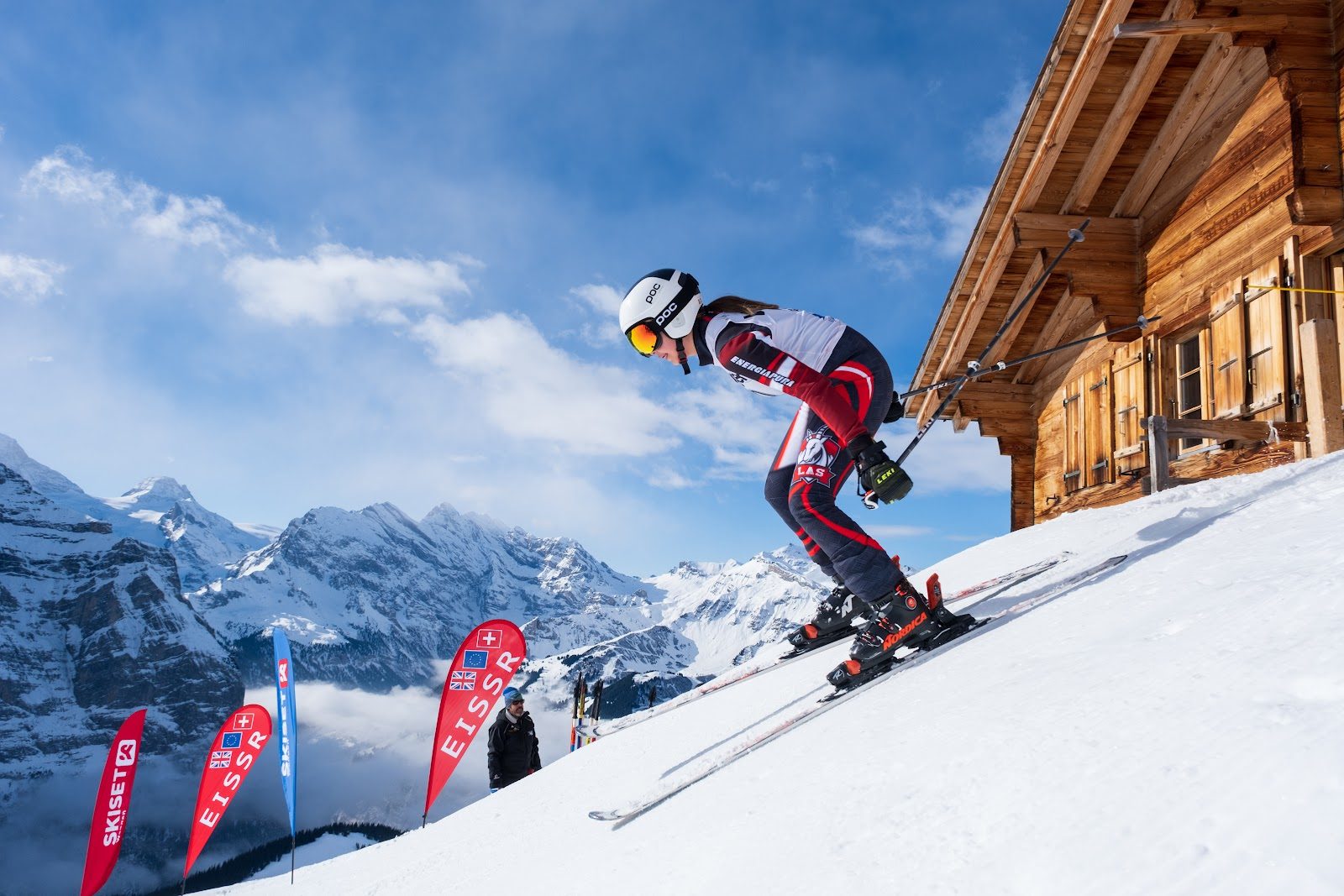
Leysin American School
Leysin · Switzerland
On a ski-in, ski-out Alpine campus above Lake Geneva, slope time is timetabled into the American-IB week itself.
Same country and curriculum — closest matches within ±10 points either way