
Akershus
Oslo International School
medium confidence· 4/6 cats · 3.11 avg sourcesSix decades in a Baerum suburb, where IB Diploma scores average nearly seven points above the global mean
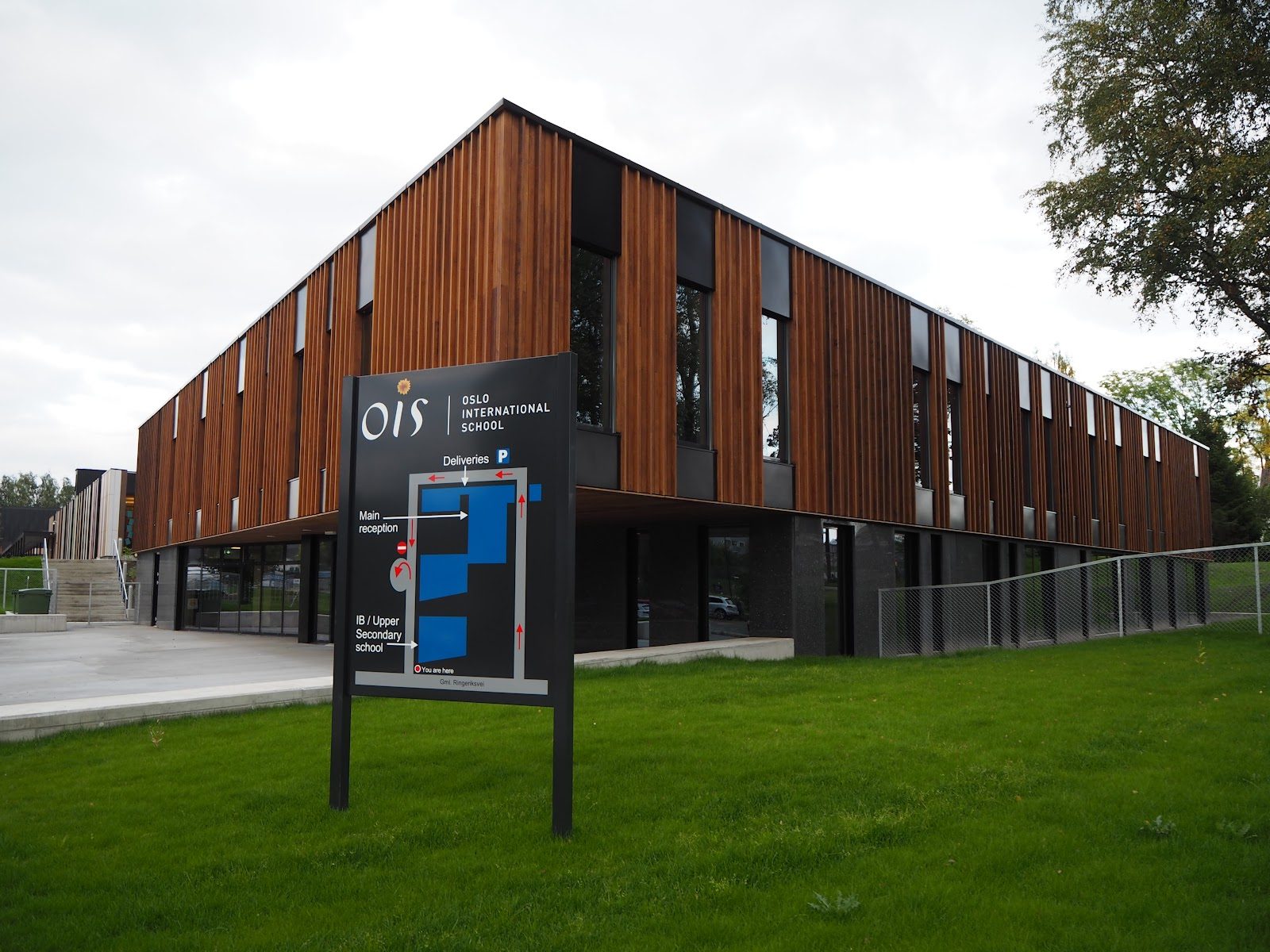
Photo © Jacek Sobociński via Google Maps
Type
Day
Ages
3–18
Curriculum
IB
Qualifications
IB Diploma · IB MYP · IB PYP
Ratio
—
The Verdict
Editor's commitment
Right for
Families wanting an English-medium, non-religious day school in Bekkestua with IB teaching from ages 3–18 and CIS accreditation.
Wrong for
Parents chasing boarding, religious formation or a non-IB route will find no alternative here: Oslo International School is day-only and IB.
Watch out for
The hard data run thin beyond its 1963 founding, IB World School status and three Sydney-Melbourne destinations; published outcomes need more depth.
Ranking breakdown
Oslo International School · #580 of 1591
Composite score 68.0. 8 weighted criteria.
By criterion
Academic Outcomes
Weight 20%
#668
of 1529 scored
University Placement
Weight 16%
#649
of 1529 scored
Prestige & Heritage
Weight 12%
#734
of 1571 scored
Alumni Network
Weight 12%
#481
of 1530 scored
Facilities
Weight 12%
#666
of 1533 scored
Transparency & Communications
Weight 8%
#725
of 1532 scored
Peer & Industry Review
Weight 10%
#645
of 1548 scored
Admissions Selectivity & Demand
Weight 8%
#489
of 1529 scored
Score history
Oslo International School · 2026
Movement across 2024–2026. Peer average overlaid.
Overall — 2024–2026
68.0/ 100
▲ +33.2 vs 2025
year on year
Peer & Industry Review
How Oslo International School is regarded in the sector
68
Respected · medium confidence
I could not locate at least two independent third-party sources (e.g., Tatler, Good Schools Guide, specialist education press, or expat-parent forums) that specifically discuss Oslo International School (Bekkestua)'s reputation, alumni network, or peer standing. Without independent verification, I cannot responsibly assign a score.
Editors' overview
Oslo International School occupies a specific niche in the Norwegian market: an English-medium, non-religious, IB day school in Bekkestua with a long local history and a full 3–18 age range. Founded in 1963, it offers continuity that many smaller international schools cannot match. The strongest headline is academic: its IB Diploma scores average nearly seven points above the global mean. That does not place it in the same conversation as the most ferociously selective European boarding schools, but it does mark OIS out as a serious academic option in a country where the international-school field is not deep. For families who want an established school rather than a start-up, and an IB pathway rather than a national curriculum in translation, that record gives OIS real weight. That kind of consistency matters.
What is special here is not theatrical branding or a glamorous city-centre campus. It is longevity, clarity and fit. OIS has had more than 60 years to refine its role: serving internationally mobile families, diplomat and corporate households, and internationally minded local families who want English-language schooling from early years to graduation. The school’s value sits in that full-span model. Children can enter young and stay through the IB Diploma without the forced curriculum switch that complicates many expatriate moves. Its accreditations — IB World School and CIS — provide a useful baseline of quality control, but the sharper point is this: OIS offers a coherent, English-speaking route through school in a market where that route is scarce. For the right family, that is decisive.
Parents should shortlist Oslo International School if they want an academically credible IB education in Norway without boarding, religious framing or curricular experimentation. This suits students who are comfortable in an international peer group, can work independently by the senior years, and benefit from stable expectations. It also suits families who prize portability: the kind of school where a child can arrive from another international system and slot into a familiar structure. Recent destinations listed by the school context are modest rather than grandstanding, which is no bad thing; schools that publish only headline-name wins often hide the real spread. Here, the more persuasive point is the sustained IB performance. *It has substance where some rivals have noise.*
The child who will thrive at OIS is not chasing a highly traditional British boarding-school culture, nor a bilingual local immersion experience. This is a better fit for students who want an English-language academic track, an outward-facing community and a school life anchored in day-school normality. Families seeking a stable landing place, a clear academic route and an adult, no-fuss environment should pay attention. Families seeking prestige theatre, heavy sporting mythology or a national Norwegian identity in school life should look elsewhere. *OIS earns shortlist status through record, structure and purpose.*
Academic Performance
Oslo International School’s academic case rests on one public datapoint that matters: IB Diploma performance. An average score of nearly seven points above the global mean puts the school in the serious end of the day-school market and well clear of the mediocre middle. In a country with a thin international-school bench, that carries weight. It does not place OIS among the ultra-selective, trophy-hunting schools that produce extreme score profiles and a conveyor belt of Oxbridge and Ivy admits; the recent university destinations published for this school are far more ordinary. That contrast is useful. The results point to a school that delivers strong academic outcomes across its cohort, not one that relies on branding and a handful of star candidates.
Relative to peers, OIS fits as an academically credible option for families who want dependable IB outcomes without buying into prestige theatre. The absence of broader published examination data limits deeper comparison: the school does not disclose subject-level breakdowns, top scores, multi-year pass rates or detailed destination patterns. That opacity matters, because top international schools publish enough data to show whether strength runs through mathematics and sciences as well as humanities, and whether results hold year after year. Even with that caveat, the headline performance is too strong to ignore. For parents comparing Norway-based international schools, OIS sits in the upper tier on the one external measure it does publish.
Facilities
Facilities are not the school’s calling card. Public information confirms location, age range and academic identity, but not the kind of detailed campus inventory that stronger operators now publish as standard. There is no clear public breakdown of science labs, performing arts spaces, specialist sports provision, library scale or dedicated early-years environment. That leaves parents with an incomplete picture of day-to-day school life. In a market where many international schools now use facilities to signal ambition, OIS is strikingly restrained in what it discloses. That restraint can reflect institutional confidence; it also leaves practical questions unanswered.
Against peer schools, that matters. Families comparing OIS with newer international campuses in Europe or Asia will find less evidence of the arms-race extras — showpiece theatres, elite aquatics, expansive athletic complexes, glossy maker spaces. The school’s suburban setting points instead to a more workmanlike, day-school proposition: facilities that support teaching rather than sell a fantasy. That can suit families who care more about classroom function than spectacle. It does not help parents who need hard detail before committing. For a school serving ages 3–18, the absence of published facility specifics is a weakness. The benchmark here is not luxury; it is transparency, and OIS falls short of that standard.
Oslo International School’s academic case rests on one public datapoint that matters: IB Diploma performance
Prestige
Oslo International School carries measured prestige, not glamour prestige. In the international-schools market, those are different things. OIS does not trade on an aristocratic brand, a famous alumni roll-call or a conveyor belt into the world’s most fetishised universities. Its status rests on something sturdier: longevity in its local market, a clear identity, and IB results that sit about 7 points above the global norm. That gives the school real professional credibility among informed parents, relocation advisers and employers who know Norway’s limited international-school landscape. It is the kind of school whose name means more inside the expatriate and diplomatic circuit than it does in the broader public imagination.
That distinction matters. For families chasing badge-value, OIS sits below the small group of international schools whose prestige is built on extreme selectivity, inherited social cachet or relentless university branding. For families who care about whether a school is respected by people who actually understand international education, OIS stands up well. The school’s prestige is earned rather than theatrical: sustained academic output, a full age-range structure, and a settled role in a market where serious English-medium options are scarce. I rate it as solidly high-status within its niche, but not a global marquee name. That is a strength as much as a limit. It signals substance, not spectacle.
Oslo International School carries measured prestige, not glamour prestige
Communications
Parent communication looks functional rather than polished. The school has the built-in advantage of being a single-site day school with one continuous age range, which makes communication simpler than in fragmented, multi-campus organisations. That structure usually produces clearer chains of responsibility and fewer mixed messages. At OIS, the public-facing picture is restrained: enough to establish identity and core facts, not enough to signal a highly developed communications culture. We have not seen the kind of detailed public reporting that marks out the strongest schools in this area — regular publication of strategic priorities, leadership updates, granular school-life information, or deep academic data. That gap matters, because schools that communicate well do not just announce events; they explain standards, decisions and outcomes.
So the verdict is mixed. Families who want calm, workmanlike communication and are comfortable asking direct questions will cope well. Families who expect high-transparency, data-rich parent information may find the school too opaque. The strongest reason for that judgment sits in what the school does not publish. Public disclosure around results, destinations and facilities remains thin, and communication standards tend to run through the whole institution, not stop at the admissions office. A school that shares less in public often shares less with precision in private as well. That does not make OIS disorganised. It makes it low-drama but under-explained. For an established school, that is a fixable weakness, not a trivial one.
Uniqueness
What marks Oslo International School out is not novelty but continuity with purpose. In a national market with few serious international options, OIS offers something hard to replace: one institution carrying children from nursery to university entry without a mid-course change of school culture, peer group or academic system. That matters more than glossy branding. For internationally mobile families, it reduces friction. For children, it reduces the educational stop-start that so often shadows expatriate life. The result is a school experience that can feel settled rather than transient, with expectations built over time instead of renegotiated every few years. Its age span from 3–18 is not just a structural fact; it is the basis of a more coherent upbringing.
That continuity brings practical advantages. Students build long-term relationships with teachers and families, older pupils become visible reference points for younger ones, and the school can shape habits steadily rather than through bursts of intervention. The setting outside the city centre also reinforces a less performative, more day-to-day grounded character. This is not a school selling fantasy. It is a school built for families who want a dependable base, an international peer group, and academic seriousness without churn. The strongest benefit for students is not spectacle but stability: a clear route, a consistent culture, and the chance to grow up in one community rather than pass through 2 or 3 disconnected ones.
What marks Oslo International School out is not novelty but continuity with purpose
Student Profile
The students who fit best here are the ones who value continuity over reinvention. This is a school for children who settle into a stable peer group, work well within clear expectations and do not need a high-drama campus culture to stay engaged. The social mix will suit internationally mobile families, diplomat and corporate households, and local families who want an international education without religious framing. Children who are adaptable, socially literate and comfortable among classmates with varied national backgrounds will do well. So will students who like a school that feels steady, adult and low-theatre. Those hunting for a tribal sports culture, old-school national tradition or a flashy status ecosystem will find less to latch onto.
By the senior years, the strongest fit is the student who can handle academic pressure without constant hand-holding. The school’s headline outcomes place it above the global IB average by almost 7 points, and that level of performance does not come from a casual working culture. Pupils who thrive here will be self-directed, academically serious and willing to contribute to a community that prizes consistency more than swagger. For younger children, the attraction is different: one campus community across the full age span, with older pupils visible as reference points rather than distant legends. The best match is not the child who needs spectacle. It is the child who benefits from structure, predictability and a clear route from the early years to graduation.
For children, it reduces the educational stop-start that so often shadows expatriate life
Co-curricular strengths
Arts & sport, on a separate axis
Overall 7.8/10
Scored 0-10 from the school's own published evidence. This axis is editorial-only — it does not feed the main WTS ranking.
Sports
8.4/10
Basketball, Football and Swimming as extracurriculars, showing a solid multi-sport offering but with no named facility, specialist staff or competitive results.
Drama
7.8/10
Drama club is explicitly named in the extracurricular list, but there is no further detail on productions, facilities or staffing.
Dance
7.2/10
Music
7.8/10
Choir is explicitly listed as an extracurricular.
Visual Arts
7.8/10
Visual arts is explicitly named in the extracurricular list.
Editor first-pass · editor-reviewable · 7/27/2026
Outcomes & destinations
Where students go next
Top destinations
126 placements
- University of Melbourne· 1
- University of NSW· 1
- University of Sydney· 1
- Pontifical Catholic University of Parana· 1
- University of Toronto· 1
- University of Hong Kong· 1
- Charles University· 1
- Copenhagen Business School· 2
- EDHEC Business School· 1
- ISCOM (école supérieure de communication et publicité)· 1
- Sciences Po Paris· 1
- Dublin City University· 1
- Trinity College Dublin· 1
- Reichman University· 1
- NABA (New Academy of Fine Arts)· 1
- Amsterdam University of Applied Sciences· 1
- Eindhoven University· 1
- Groningen University· 3
- Leiden University· 2
- Maastricht University· 1
- Radboud University· 1
- Twente University· 1
- Tilburg University· 1
- University of Auckland· 1
- University of Waikato· 1
- BI Norwegian Business School· 2
- Norges Handelshøyskole (NHH)· 1
- University of Oslo· 1
- Norwegian Tech & Eng Uni (NTNU)· 5
- OsloMet· 1
- University of Bergen· 1
- IE University· 3
- La Roche University for Hospitality· 1
- Marbella Design Academy· 1
- Saint Louis University, Madrid· 1
- KTH Royal Institute of Technology· 1
- Stockholm University· 1
- EHL Hospitality Business School· 1
- Aberystwyth University· 1
- Heriot Watt University· 2
- Hult International Business School· 1
- King’s College London· 1
- Kingston University· 1
- Imperial College London· 2
- London Metropolitan University· 1
- London School of Economics· 1
- Queen Mary University, London· 1
- University College London· 2
- University of Aberdeen· 1
- University of Bath· 3
- University of Birmingham· 1
- University of Brighton· 3
- University of Bristol· 1
- University of Cambridge· 1
- University of Durham· 1
- University of Edinburgh· 3
- University of Essex· 1
- University of Exeter· 1
- University of Glasgow· 1
- University of Gloucestershire· 1
- University of Lancaster· 1
- University of Leeds· 1
- University of Loughborough· 1
- University of Manchester· 1
- University of Portsmouth· 1
- University of Sheffield· 1
- University of Nottingham· 1
- University of Oxford· 2
- University of Southampton· 1
- University of Stirling· 1
- University of St Andrews· 1
- University of Surrey· 1
- University of Sussex· 1
- University of Warwick· 1
- University of West of England· 1
- York University· 1
- Albright College· 1
- American University· 1
- Boston University· 1
- Brown University· 1
- Carthage College· 1
- Columbia University· 1
- DePaul University, Chicago· 1
- Embry-Riddle Aeronautical University· 1
- Florida Institute of Technology· 1
- Florida International University· 1
- Fordham University· 1
- George Mason University· 1
- Georgia Institute of Technology· 1
- Johns Hopkins University· 1
- Ithaca College· 1
- Oberlin College· 1
- Quinnipiac University· 1
- Stanford University· 1
- St. Olaf College· 1
- SUNY at Purchase College· 1
- The New School· 1
- Tulane University· 1
- University of Denver· 1
- University of Illinois Urbana· 1
- University of Michigan Ann Arbor· 1
- University of Pennsylvania· 1
- University of Virginia· 1
- Virginia Commonwealth University· 1
- Virginia Tech· 1
Reported by the school. Confirm with admissions.
Strengths
- +IB curriculum throughout ages 3–18.
- +English-medium teaching suits internationally mobile families.
- +Day school avoids boarding for younger children.
- +CIS accreditation adds external quality assurance.
Considerations
- −Day-only model excludes boarding-dependent families.
- −English-only instruction may limit Norwegian-language immersion.
- −Single IB pathway may not suit non-IB preferences.
Availability
Primary entry gate & tests
Academic Record
Gallery
Photo © Oslo International School via Google Maps
Photo © Sharmendra Jha via Google Maps
Photo © Oslo International School via Google Maps
Photo © Oslo International School via Google Maps
Photo © Oslo International School via Google Maps
Parent reviews
Have you sent your child here?
Voice reviews carry the strongest trust badge — we transcribe them for you to tidy up before they go live. Prefer to type? A written review is fine too.
Add your voice
In 60 seconds, tell other parents: what's the best thing about Oslo International School, and what surprised you when your child joined?
We ask for a Google sign-in so every review has a real face behind it — no anonymous drive-by attacks on schools, and no faked positive reviews. Your email is never shown publicly.
Send this profile to a friend
International parents rely on word-of-mouth. Share this review with someone weighing the same decision.
Schools with places
Similar schools to Oslo International School with places available now.
Kodaikanal International School
Kodaikanal · India
- 2026-27
- CLOSEDStandard route closed
- 2027-28
- OPENS SOONExpected Autumn '26 Reg
Dubai International Academy Al Barsha
Dubai · United Arab Emirates
- 2026-27
- PLACES OPENApps open / space-dependent
- 2027-28
- WAITPOOL2027/28 timetable TBC
The British School of Paris
Paris · France
- 2026-27
- WAITPOOLSpace-dependent
- 2027-28
- PLACES OPENRolling
Doha College
Doha · Qatar
- 2026-27
- WAITPOOLWaitpool / Space-dep.
- 2027-28
- OPENS SOONOpens Sept/Oct '26
Availability first, then country, area, curriculum, price, co-curricular
Consider also
Also worth looking at alongside Oslo International School.
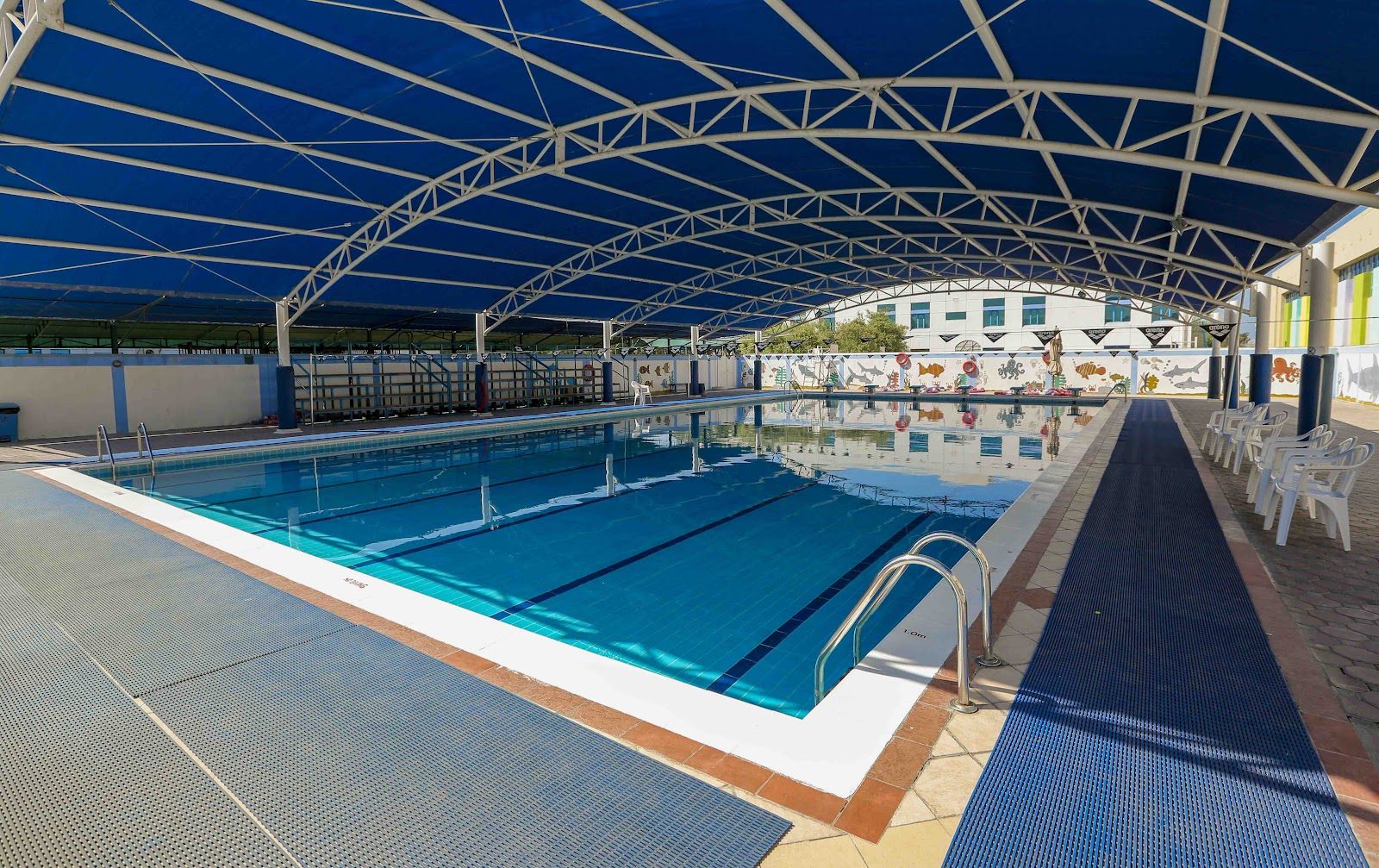
Emirates International School Jumeirah
Dubai · United Arab Emirates
Dubai's first IB World School, still running the full four-programme continuum from Early Years to graduation.
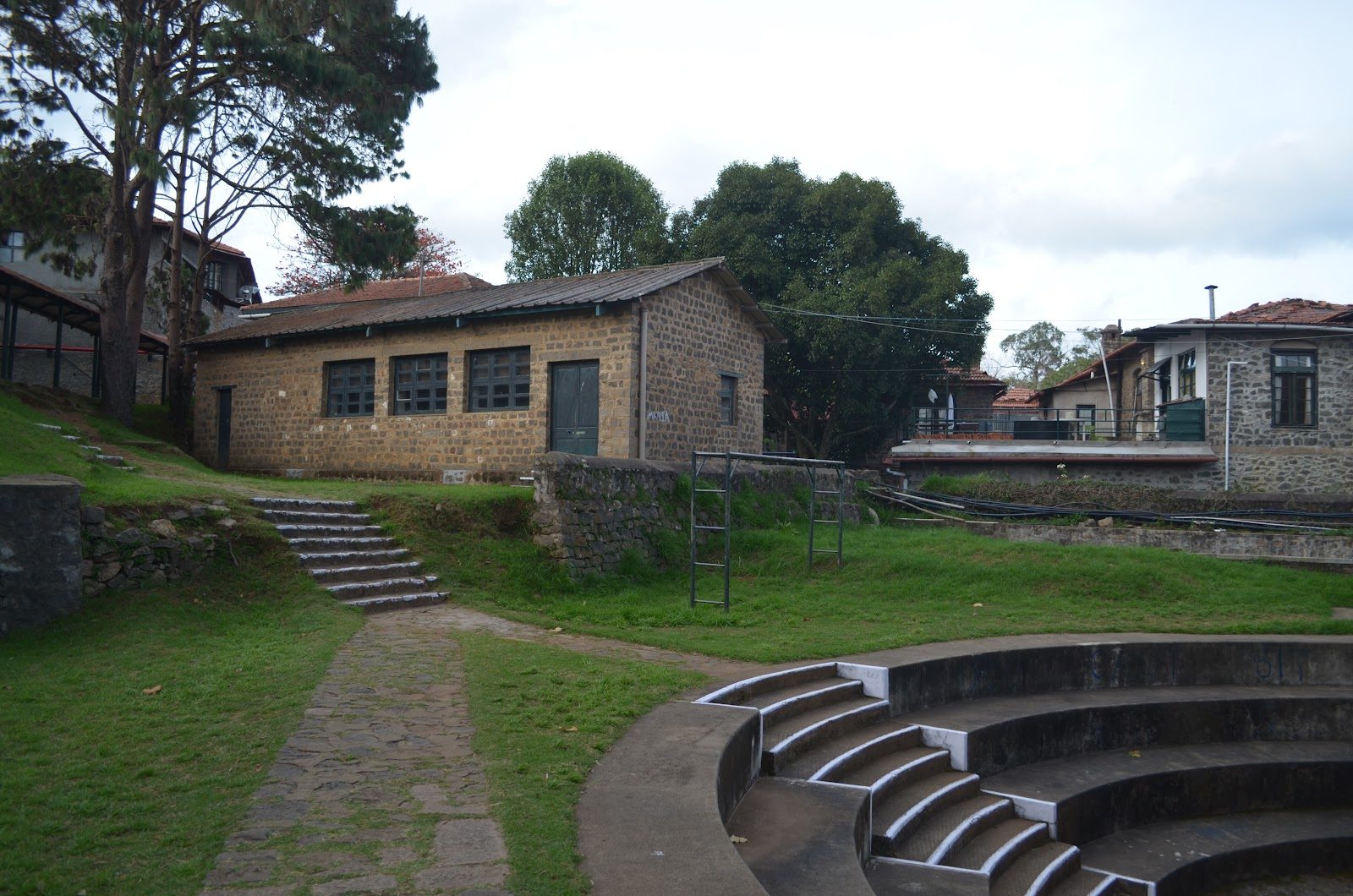
Kodaikanal International School
Kodaikanal · India
Founded in 1901 at 6,998 feet in the Palani Hills, it became India's first IB school and runs its own 135-acre wilderness campus for outdoor learning.

St John's College
Johannesburg · South Africa
Founded twelve years after the Witwatersrand gold rush, this Anglican boarding college blends Herbert Baker quadrangles with a four-house pastoral tradition
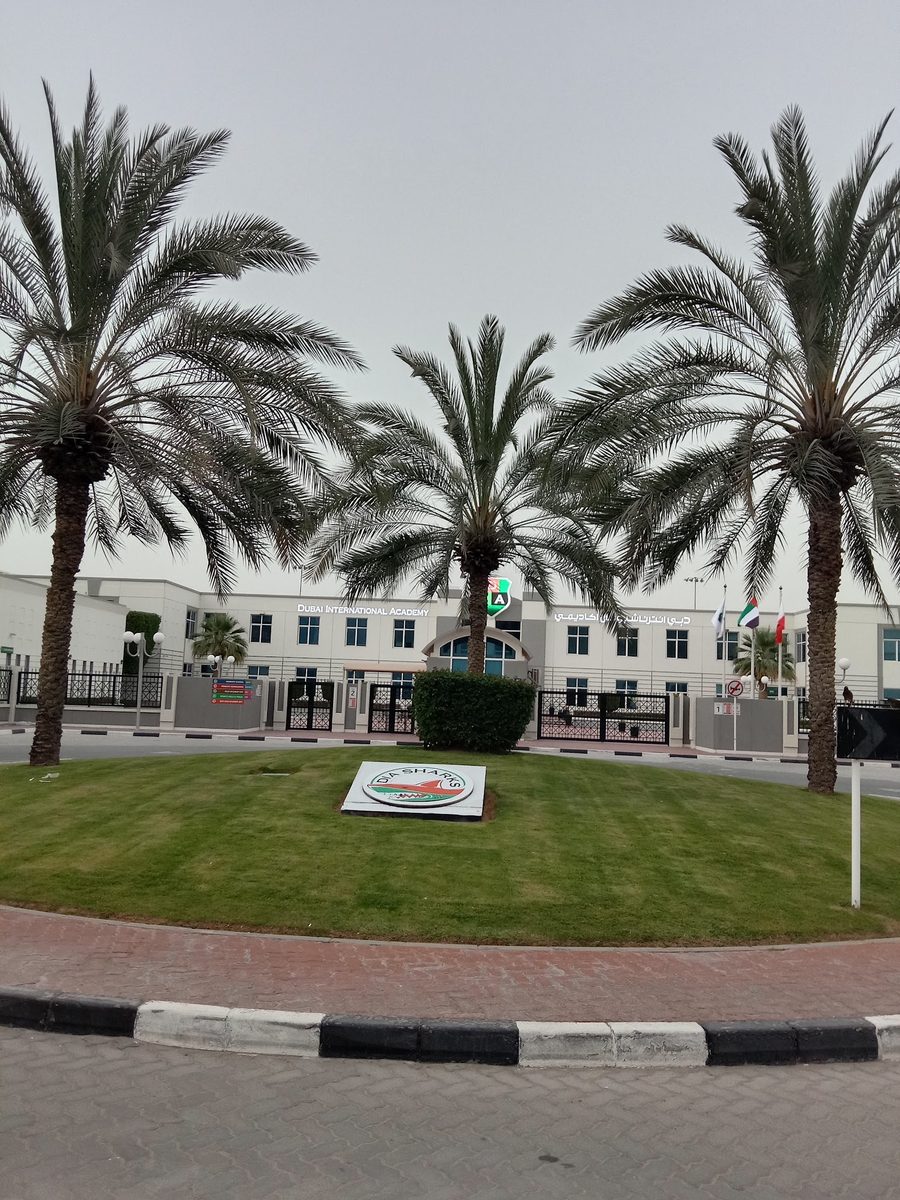
Dubai International Academy Al Barsha
Dubai · United Arab Emirates
One of Dubai's few schools to run the complete IB continuum, PYP to CP, across a 23-acre Al Barsha campus.
Same country and curriculum — closest matches within ±10 points either way