
Lower Silesia
Wrocław International School
low confidence· 4/6 cats · 1.2 avg sourcesLower Silesia's inquiry-led IB pioneer, the first in Poland authorised for both the Primary and Middle Years Programmes.
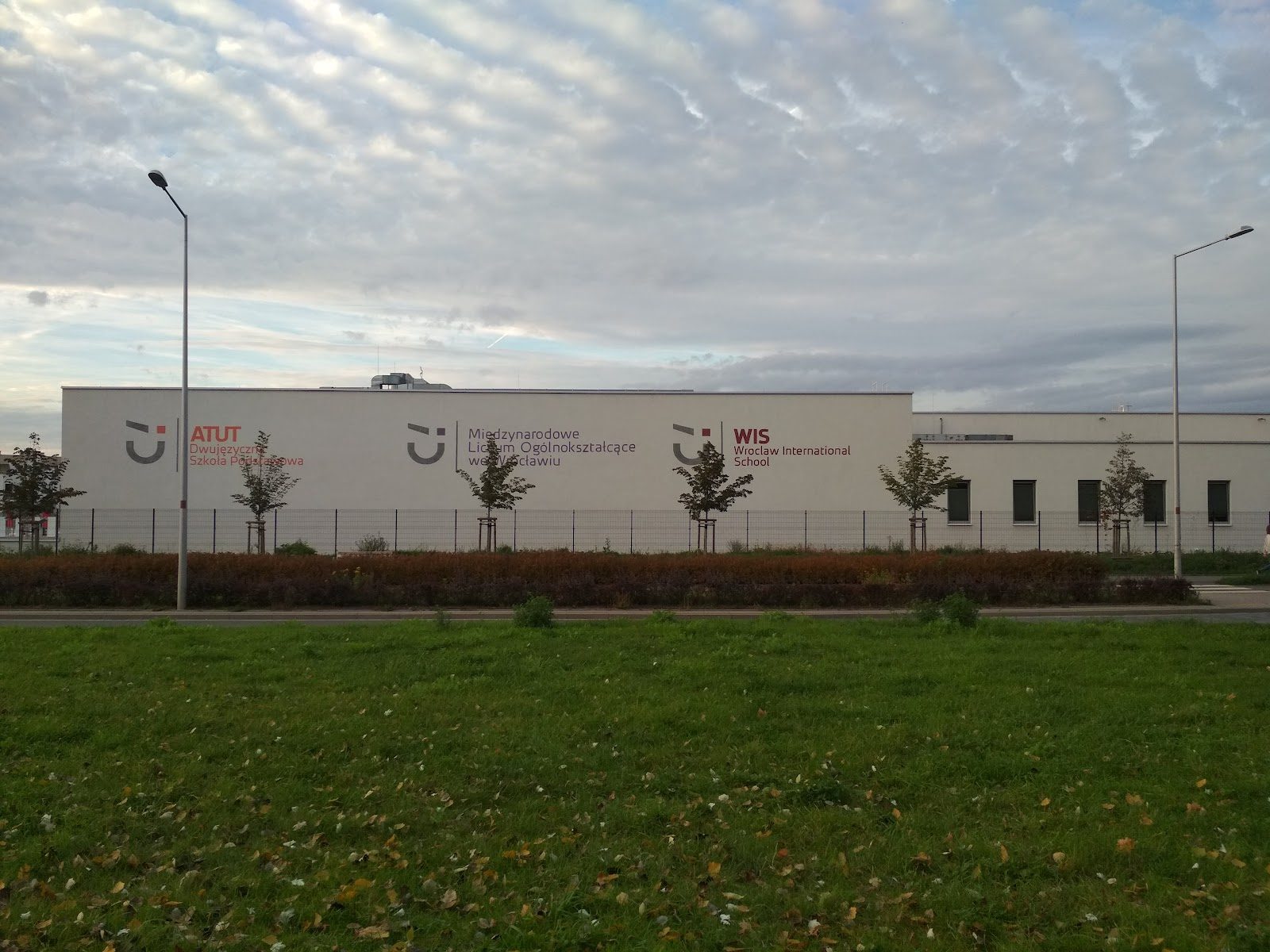
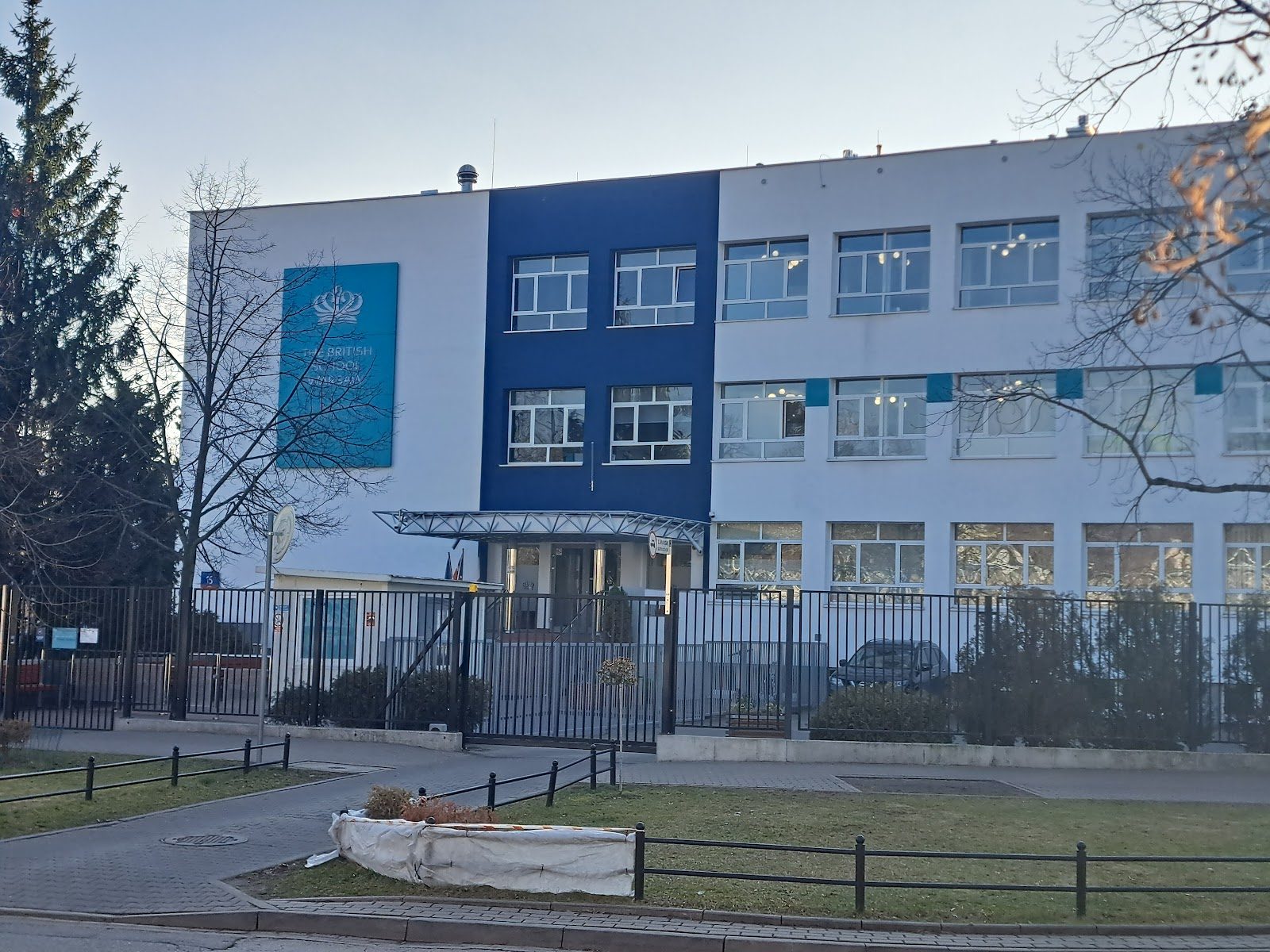
Photo © Egon Krzycki via Google Maps
Type
Day
Ages
3–18
Curriculum
IB
Qualifications
IB Diploma · IB MYP · IB PYP
Ratio
—
The Verdict
Editor's commitment
Right for
Families in Wrocław wanting an English-medium, non-religious day school from ages 3–18 with IB continuity under one roof.
Wrong for
Parents seeking a local-language education, boarding, or a conventional exam factory; this 2008 school is English-medium, day-only and IB-led.
Watch out for
IB World School status gives credibility, but the school does not publish destination or aggregate results data to prove sixth-form outcomes.
Ranking breakdown
Wrocław International School · #1304 of 1591
Composite score 55.2. 8 weighted criteria.
By criterion
Academic Outcomes
Weight 20%
#1273
of 1529 scored
University Placement
Weight 16%
#1259
of 1529 scored
Prestige & Heritage
Weight 12%
#1306
of 1571 scored
Alumni Network
Weight 12%
#920
of 1530 scored
Facilities
Weight 12%
#1289
of 1534 scored
Transparency & Communications
Weight 8%
#1289
of 1532 scored
Peer & Industry Review
Weight 10%
#1319
of 1548 scored
Admissions Selectivity & Demand
Weight 8%
#1123
of 1529 scored
Peer & Industry Review
How Wrocław International School is regarded in the sector
62
Respected · medium confidence
I could not identify at least two independent, third-party sources (e.g., Tatler, Good Schools Guide, specialist education press, or established expat forums) that substantively assess Wrocław International School's reputation. Available information appears limited to the school's own marketing materials or general directory listings without qualitative peer or press commentary.
Editors' overview
Wrocław International School occupies a clear niche in the Polish market: an English-medium, non-religious IB day school in Lower Silesia that covers the full age range from 3–18. Its strongest point is structural, not cosmetic. This is an all-through school built around the IB, and the editorial distinction matters: it was the first school in Poland authorised for both the Primary Years Programme and the Middle Years Programme. That gives it real weight for families who want continuity rather than a patchwork of educational phases. In a city where international options remain limited, that makes WIS a serious local outlier.
The school will appeal most to internationally mobile families, mixed-nationality households and academically engaged local families who want an English-language education without a boarding model. The IB frame suits students who thrive on discussion, projects and conceptual learning rather than rote instruction and narrow exam drilling. For the right child, that produces intellectual confidence, independent habits and a stronger sense of ownership over learning. For the wrong child, it can feel diffuse. Parents who want a hard-edged, highly traditional, test-dominant environment need to ask direct questions about structure, pacing and sixth-form outcomes. WIS sells an educational philosophy; families need to check how consistently that philosophy translates into classroom discipline, challenge and measurable results.
Its market position is straightforward. WIS is not the grand, over-resourced capital-city international school; it is the credible regional IB school with a full age span, English as the language of instruction, and a day-school format that fits Wrocław-based family life. Founded in 2008, it has had time to move beyond start-up fragility without losing the close-knit feel that draws many parents to smaller schools. The attraction is not scale or prestige theatre. It is coherence, accessibility and the chance to keep a child in one educational culture from nursery to graduation. For families settled in south-west Poland, that is a compelling practical advantage.
Why shortlist it? Because few schools in the region offer this combination: IB from the early years onward, English-medium teaching, non-religious positioning, and an age range that runs the whole course. WIS will suit the student who is curious, articulate, internationally minded and comfortable in a school that asks pupils to think, discuss and reflect rather than memorise and comply. It is for families who value continuity without fuss and substance over display. Parents still need to probe academic outcomes, university guidance and cohort size with care. But the school’s core proposition is sound, distinctive and easy to understand.
Academic Performance
Wrocław International School does not publish the exam data that serious parents need. We have not seen aggregate IB Diploma results, average point scores, pass rates, subject-level breakdowns or multi-year outcome trends. That is a plain transparency gap. For a school asking families to trust a full through-school academic journey, the absence of public performance data matters. It leaves parents unable to test whether classroom ambition translates into external benchmark strength, or whether results sit at the top, middle or lower end of the Polish international-school market. The school’s academic case therefore rests more on programme continuity and educational method than on hard public proof.
That does not amount to weak results; it amounts to opaque results. Those are different things, and the distinction matters. Smaller international schools can produce strong individual university destinations and solid diploma outcomes, but without published aggregates there is no basis for a credible peer comparison. In this area, WIS trails the better-run international schools that release at least headline diploma figures each year and treat outcomes reporting as part of institutional accountability. Parents considering the senior years should ask for the last 3 to 5 years of IB Diploma results, cohort sizes, score distributions, higher-level subject performance and destination lists. Anything less leaves too much to inference in a phase of schooling where measurable attainment counts.
Facilities
Wrocław International School’s campus facts are thinly published, and that limits any strong claim about specialist provision. We have not seen the kind of detailed facilities map, room inventory or capital-plan disclosure that stronger international schools now provide as standard. That matters because facilities are not decorative in an all-through IB setting: parents need to know whether science is taught in fully equipped laboratories, whether the arts have dedicated studios and performance space, and whether sport rests on a proper indoor hall and outdoor pitches or on makeshift arrangements. At present, the school’s physical offer reads as functional rather than expansive. That is not a flaw in itself. Many smaller regional international schools work well in compact premises. It does place WIS below peers that use estate quality as a clear part of the educational proposition.
Against the better-known international schools in larger Polish and central European markets, WIS does not project high-spec campus muscle. There is no public sign of the sort of standout infrastructure that shifts a parent’s judgement on its own: no major theatre, no competition-level aquatics, no large-scale sports complex, no visibly lavish maker spaces. Families drawn to substance over spectacle will not mind that absence if classrooms are orderly, well resourced and age-appropriate. Families with serious expectations in sport, performing arts or advanced laboratory work need direct answers. Ask for precise detail: specialist rooms by phase, sports access, outdoor space, library provision, and what older pupils can use independently. On facilities, WIS sits in the credible regional bracket, not the campus-led aspirational one.
Wrocław International School does not publish the exam data that serious parents need
Prestige
Wrocław International School carries regional prestige, not elite international-school cachet. That distinction matters. Its name has weight in its immediate market because it offers a full, coherent international-school route in a part of Poland where parents do not have an endless choice of comparable schools. The strongest prestige marker is structural: it was the first school in the country authorised for both the PYP and MYP. That gives it institutional credibility with families who know the IB landscape and value continuity across phases. It also gives the school a clearer identity than many smaller international schools that bolt programmes together and call that coherence. For local families, that matters more than brand theatre. For globally mobile families comparing Warsaw, Prague or Vienna options, the prestige ceiling sits lower.
We rate it as credible rather than coveted because the public case stops short of top-tier authority. There is no deep reservoir of historic prestige, no visible aura of selective exclusivity, and no published academic data strong enough to create hard reputational pull. In this market, prestige rests on three things: outcomes, university destinations and peer recognition. WIS has a persuasive story on educational philosophy and programme continuity, but philosophy alone does not confer status. The school holds a serious niche reputation as a dependable international option for the region. It does not hold the kind of prestige that, on name alone, changes a university application or turns heads across Europe.
Wrocław International School’s campus facts are thinly published, and that limits any strong claim about specialist provision
Communications
Wrocław International School’s parent communication reads as serviceable rather than exemplary. The website covers the core admissions and programme basics, but it does not do enough of the heavier lifting that serious families now expect before first contact. There is no strong culture of public disclosure around outcomes, facilities detail or institutional performance, and that weakness carries over into communications more broadly. A school that communicates well does not just announce events and explain ethos; it publishes the information parents need in order to judge standards, compare options and ask informed questions. WIS does not meet that bar. The result is a clear information imbalance: parents are asked to trust the school’s educational model without getting much hard operational clarity in return.
That does not make communication poor at the day-to-day level; it makes it thin at the strategic level. Smaller all-through schools often rely on direct staff access, informal familiarity and a close parent community to do work that larger schools handle through rigorous public-facing systems. That can function well once a family is inside the school. It is less effective for due diligence at the front end, where transparency matters most. Parents should test this directly in conversations with the school: ask how quickly messages are answered, how behaviour and academic concerns are escalated, how reporting works across phases, and how many formal parent reporting points there are each year. If the answers are crisp and documented, confidence rises. If they stay vague after 2 or 3 exchanges, treat that as a warning sign.
Uniqueness
What marks Wrocław International School out is not glamour or scale. It is continuity with intent. In a market where international provision can feel pieced together, WIS offers a single educational route from the nursery years to graduation for children aged 3–18. That creates a different student experience from schools built in separate phases. Teachers can work within one institutional culture, expectations do not reset every few years, and families avoid the friction of major transition points. The school’s early place in Poland’s IB story also gives it a genuine first-mover distinction. This is not a late adopter borrowing an international template; it helped establish one. For students, that matters because inquiry, reflection and discussion are not decorative language around the edges of school life. They sit closer to the core.
The benefit is strongest for children who need educational coherence more than prestige theatre. A pupil can grow up in one academic and pastoral environment instead of moving between systems with different assumptions about learning, behaviour and assessment. That tends to produce steady self-possession, stronger teacher knowledge of the child over time, and a more settled peer culture. It also suits internationally minded families who want a school that is rooted rather than transient. The trade-off is clear: WIS offers a distinctive through-school identity, not the breadth or institutional horsepower of a bigger metropolitan campus. For the right student, that smaller, philosophy-led setting brings real value.
Wrocław International School carries regional prestige, not elite international-school cachet
Student Profile
The best fit is the student who engages readily with teachers, speaks up in class and can handle an education built around discussion, reflection and steady self-management. This is not the natural home of the child who wants anonymity, a huge social scene or a rigidly transactional school life. WIS suits families who value intellectual independence, close adult attention and a peer group that is more internationally mixed than socially grand. Children who arrive from mobile professional families, mixed-nationality households or homes where education is taken seriously without being theatrical will find the culture legible. So will local families who want their child’s school life to extend beyond the conventions of the national system. The age span from 3–18 also favours pupils who benefit from long-term continuity and from being known well over time.
The social fit is clearer than the status fit. Students who thrive here do not need a prestige-driven environment or a campus that does the impressing for them. They need curiosity, verbal confidence and enough maturity to cope when expectations are framed through inquiry rather than blunt instruction. That can be liberating for self-directed children and frustrating for those who need constant external pressure to stay on task. The school will also work best for families comfortable with a smaller-school atmosphere: fewer layers, less show, more visibility. If your child wants vast choice, intense competition and a high-gloss social hierarchy, look elsewhere. If you want a thoughtful, grounded pupil community, WIS fits well.
Wrocław International School’s parent communication reads as serviceable rather than exemplary
Co-curricular strengths
Arts & sport, on a separate axis
Overall 7.56/10
Scored 0-10 from the school's own published evidence. This axis is editorial-only — it does not feed the main WTS ranking.
Sports
7.5/10
Drama
7.5/10
Dance
7/10
Music
7.8/10
Visual Arts
8/10
Editor first-pass · editor-reviewable · 7/30/2026
Strengths
- +Offers the International Baccalaureate framework, giving Wroclaw families an English-medium, globally recognised curriculum without relocating to Warsaw or Krakow.
- +Located in Wroclaw, a city with a fast-growing multinational business and tech sector, making it a practical option for corporate relocations.
- +Operates as a day school, which typically keeps operating costs and logistics simpler for expat families settling in the region.
- +Smaller school size relative to flagship international schools in Warsaw, which can mean lower staff-to-student ratios in early years.
Considerations
- −Lower editorial rank and candidate-tier status indicate a shorter track record and less independently verified outcomes data than long-established IB schools.
- −Smaller alumni base and less international brand recognition compared to major hubs like Warsaw, Prague or Vienna.
- −Facilities, extracurricular breadth and university placement statistics are not independently published in detail, making pre-enrolment comparison harder.
- −As a single-campus day school in a secondary Polish city, options for boarding or wider social/extracurricular scale are limited.
Availability
Primary entry gate & tests
Academic Record
Gallery
Photo © Piotr Michalski via Google Maps
Photo © Sasha Kozakevuch via Google Maps
Photo © Mohan Krishna Reddy A via Google Maps
Photo © Robert Orski via Google Maps
Photo © Mateusz Rączka via Google Maps
Parent reviews
Have you sent your child here?
Voice reviews carry the strongest trust badge — we transcribe them for you to tidy up before they go live. Prefer to type? A written review is fine too.
Add your voice
In 60 seconds, tell other parents: what's the best thing about Wrocław International School, and what surprised you when your child joined?
We ask for a Google sign-in so every review has a real face behind it — no anonymous drive-by attacks on schools, and no faked positive reviews. Your email is never shown publicly.
Send this profile to a friend
International parents rely on word-of-mouth. Share this review with someone weighing the same decision.
Schools with places
Similar schools to Wrocław International School with places available now.
Availability first, then country, area, curriculum, price, co-curricular
Consider also
Also worth looking at alongside Wrocław International School.
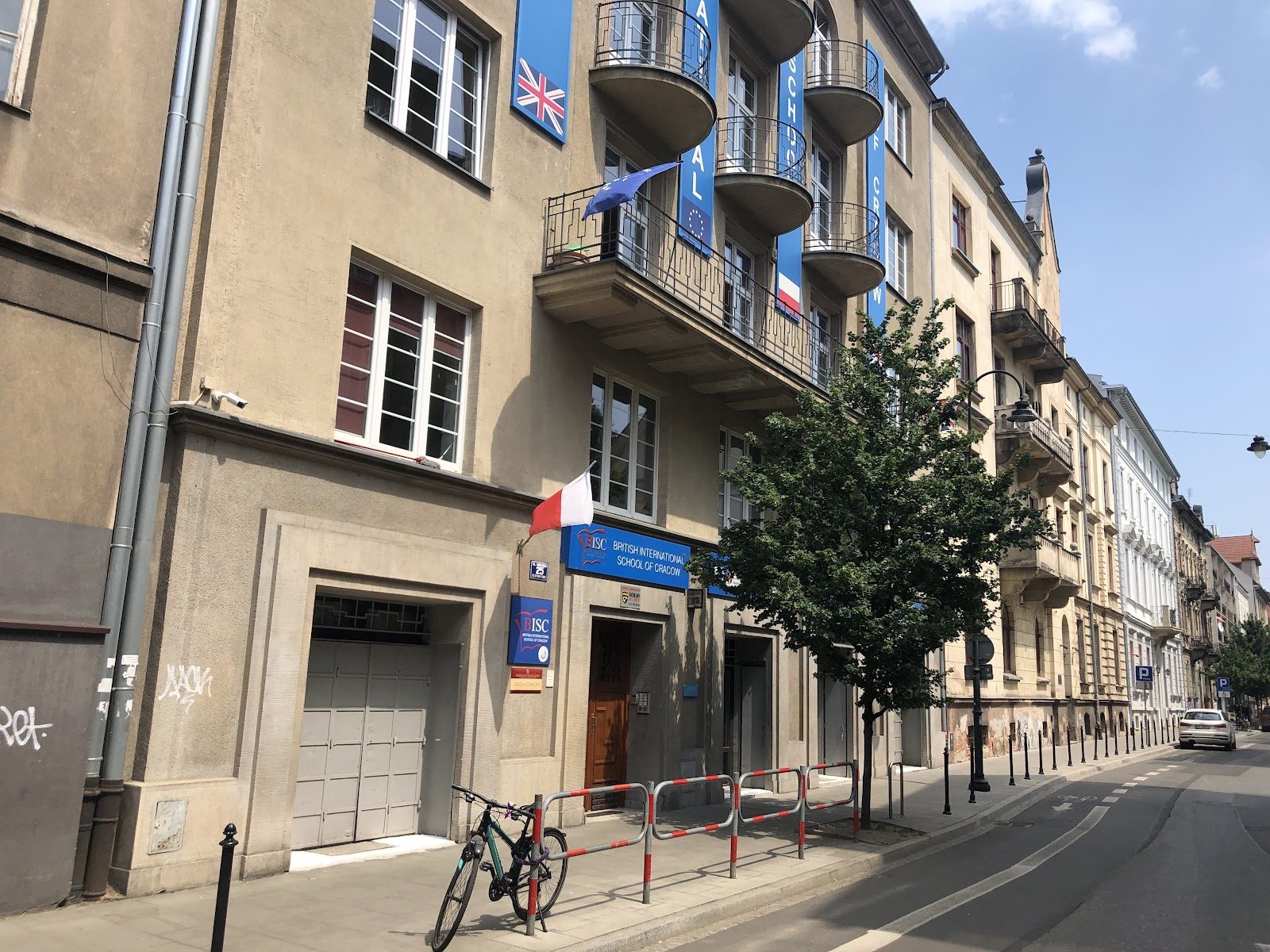
British International School of Cracow
Kraków · Poland
In Krakow's Old Town, three decades of British schooling meet the IB Diploma, small classes, and Tatra ski-week traditions.
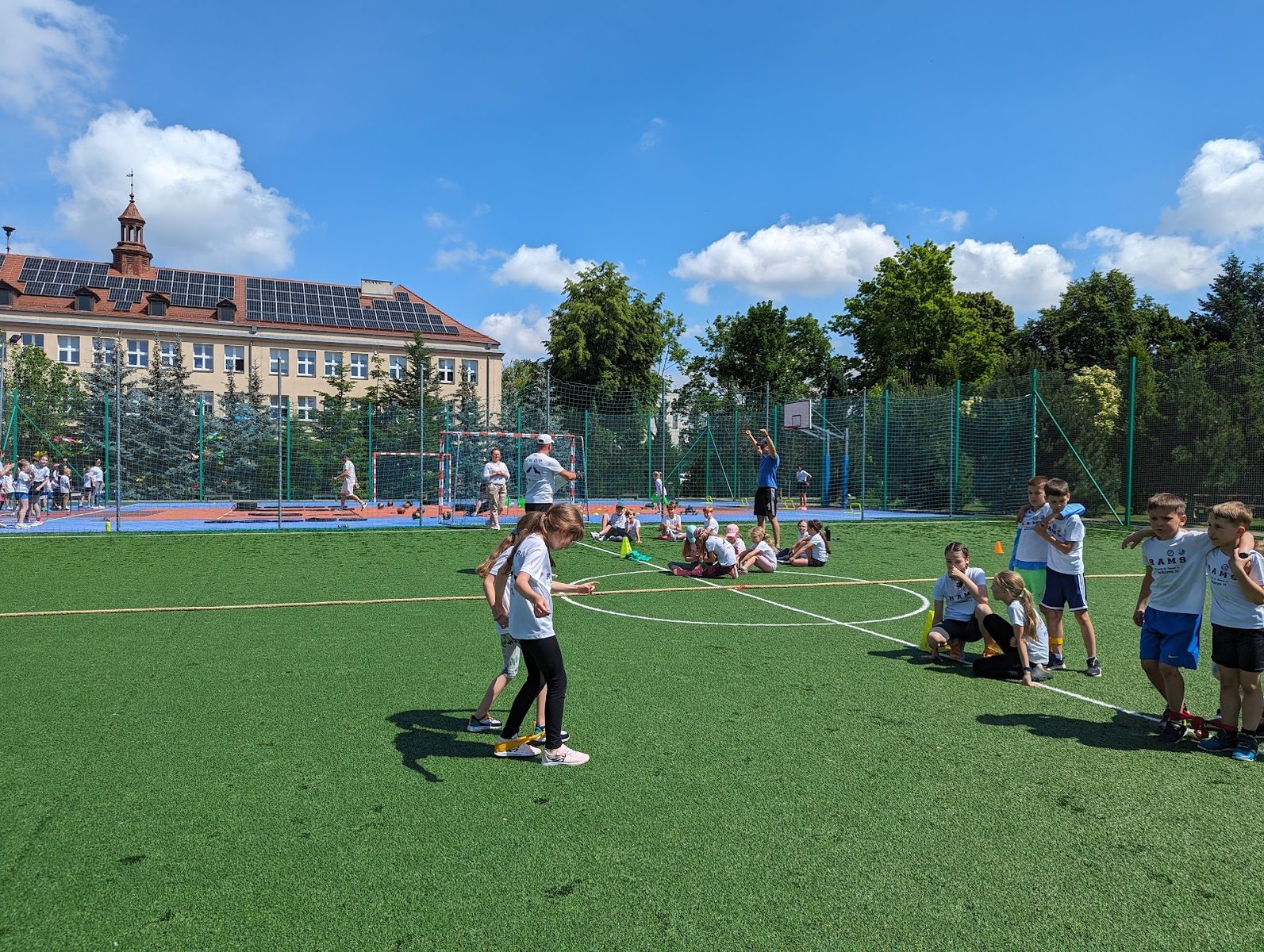
International School of Poznań
Poznań · Poland
Poznan's original IB Diploma authorization, now closing in on a full PYP-MYP-DP continuum via its own induction year for newcomers.
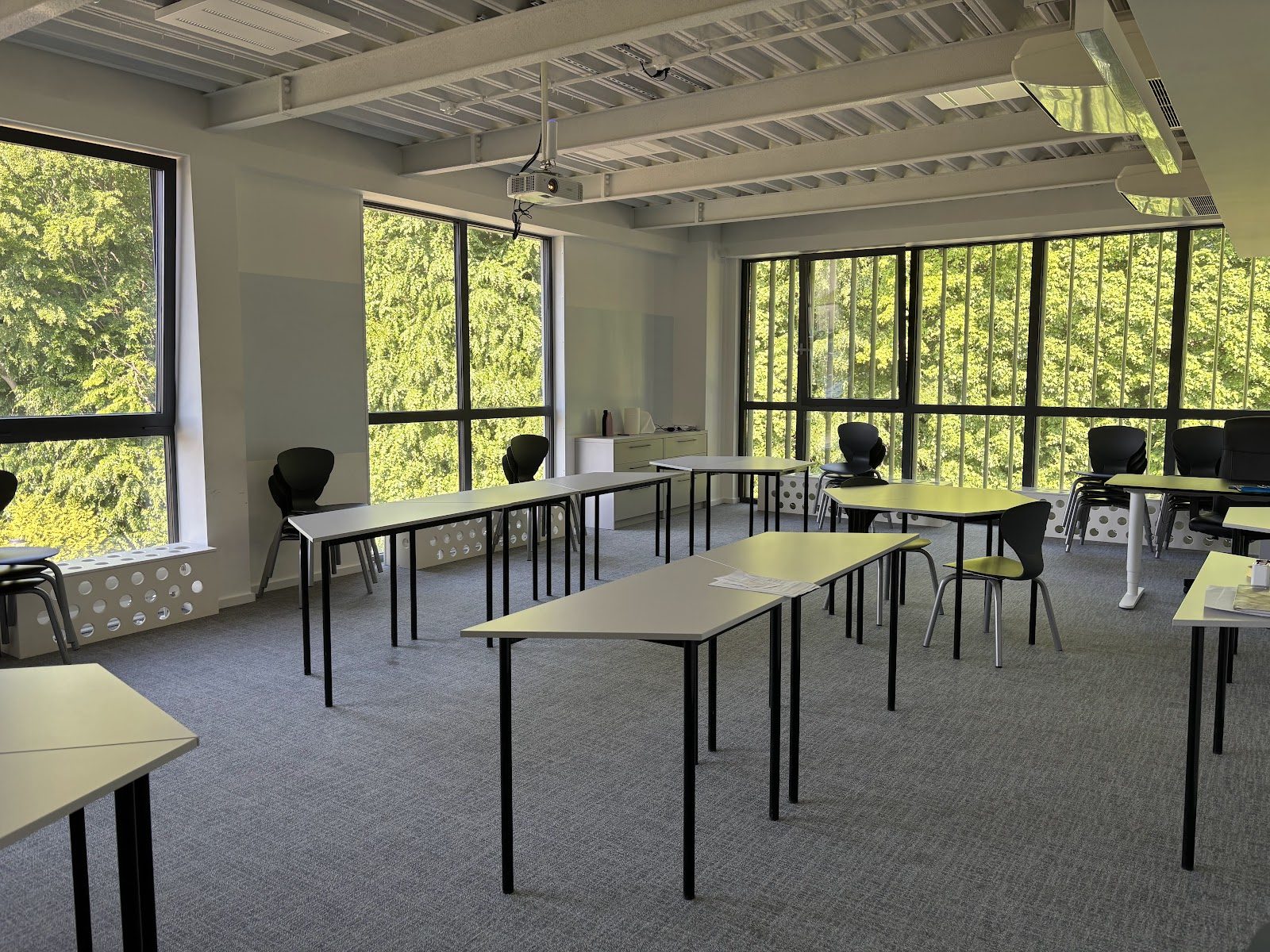
International School of Kraków
Kraków · Poland
A forested Lusina campus outside Krakow pairs an American diploma with the IB, drawing more than 35 nationalities since 1993.
The British School Warsaw
Warsaw · Poland
Nord Anglia's founding school pairs MIT-designed STEAM labs with a Juilliard-led music programme on the banks of the Vistula.
Same country and curriculum — closest matches within ±10 points either way