
Lima
Colegio Santa Úrsula
In San Isidro, German Ursuline nuns opened a girls' school in 1936 that still pairs Montessori roots with IB rigor in two languages.
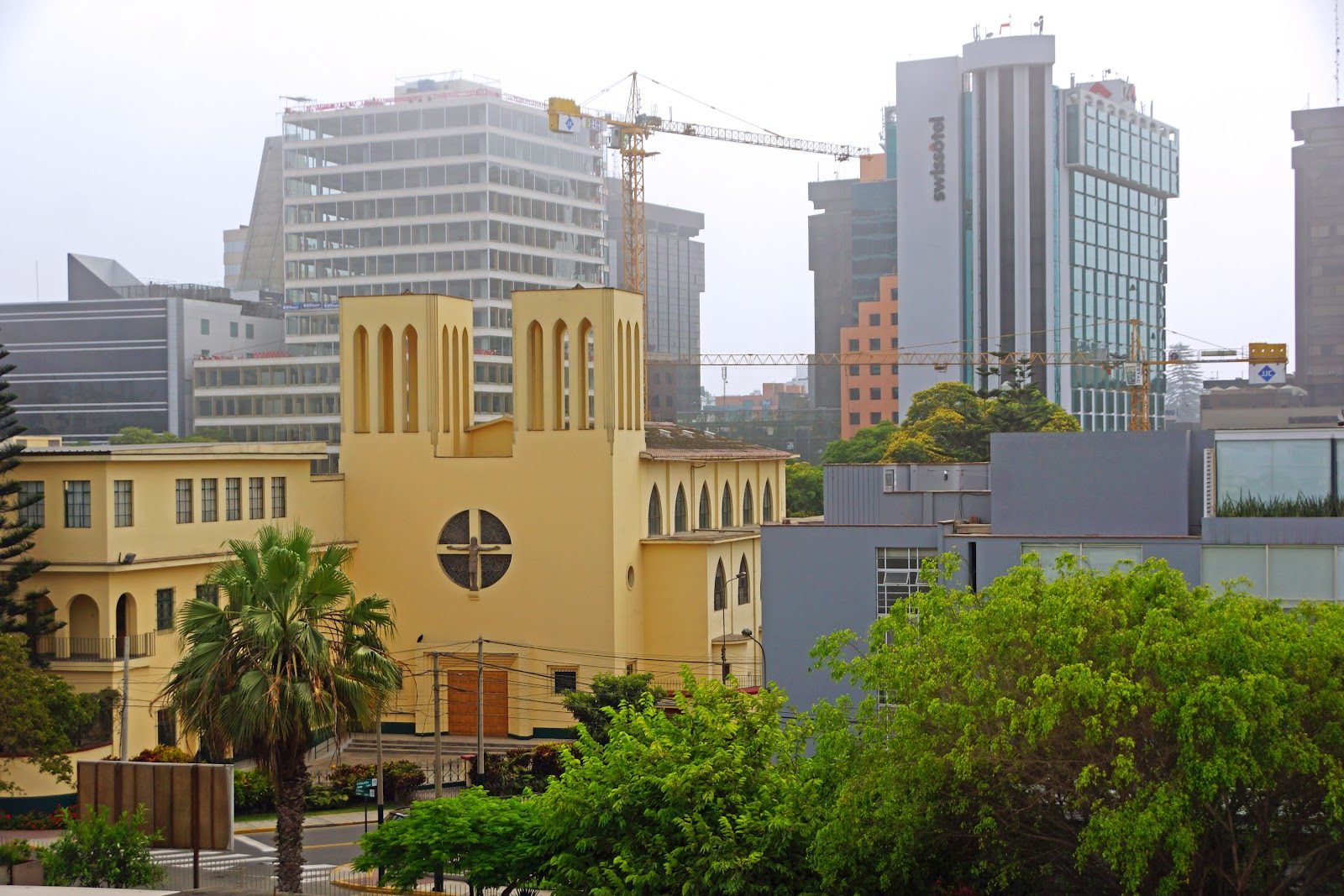
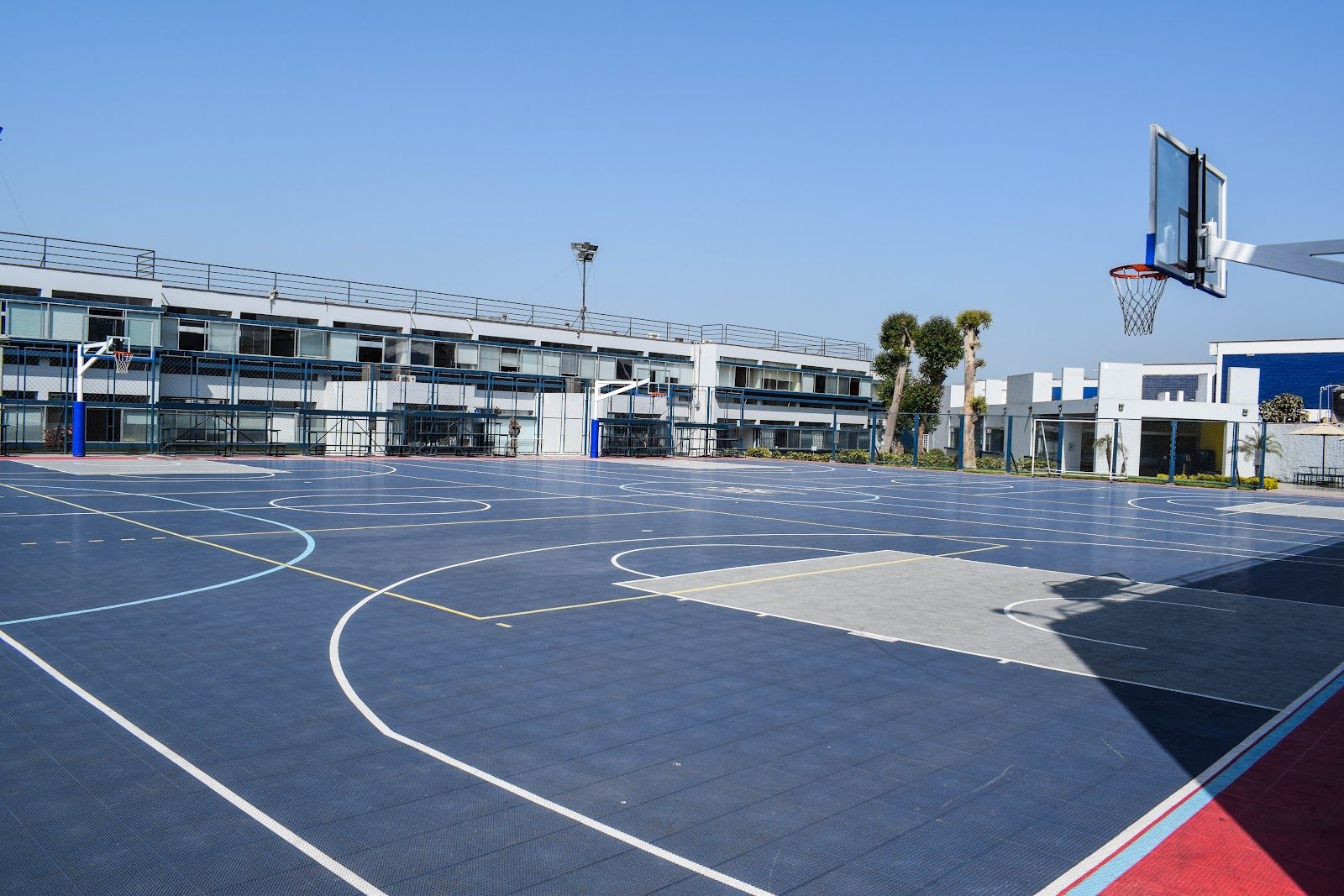
Photo © Andrey Sulitskiy via Google Maps
Type
Day
Ages
3–18
Curriculum
Peruvian · German
Qualifications
Peruvian national curriculum · German language accreditation (DSD)
Ratio
—
The Verdict
Editor's commitment
Right for
Girls aged 3–18 who want a Catholic Ursuline day school in Lima with Peruvian and German curricula and the IB Diploma since 2013.
Wrong for
Families wanting co-education, boarding, or a secular ethos; Colegio Santa Úrsula is a girls-only Catholic day school in San Isidro.
Watch out for
The average annual fee is PEN 25,449, but the real commitment is linguistic and academic: Spanish, German and English alongside Montessori roots and IB rigour.
Ranking breakdown
Colegio Santa Úrsula · #1315 of 1591
Composite score 55.2. 8 weighted criteria.
By criterion
Academic Outcomes
Weight 20%
#1220
of 1529 scored
University Placement
Weight 16%
#1332
of 1529 scored
Prestige & Heritage
Weight 12%
#854
of 1571 scored
Alumni Network
Weight 12%
#1130
of 1530 scored
Facilities
Weight 12%
#1247
of 1533 scored
Transparency & Communications
Weight 8%
#1326
of 1532 scored
Peer & Industry Review
Weight 10%
#1445
of 1548 scored
Admissions Selectivity & Demand
Weight 8%
#888
of 1529 scored
Peer & Industry Review
How Colegio Santa Úrsula is regarded in the sector
55
Credible · medium confidence
Colegio Santa Ursula's standing rests primarily on its long history (founded 1911 by the Ursuline order) as one of Lima's traditional Catholic girls' schools, grouped in local commentary alongside Villa Maria, Sagrados Corazones Recoleta and Sophianum as part of the historic 'colegios de monjas' tier that shaped Lima's professional elite. It is not covered by international benchmarking outlets such as WhichSchoolAdvisor or the Good Schools Guide, which focus on UK, Gulf and Asian markets, so no independent Anglophone press verdict exists. Peruvian media references tend to appear in alumni-network or society-page contexts rather than academic league tables, since Peru's Ministry of Education does not publish a national school ranking comparable to the UK's. Its graduates are known to matriculate into Lima's leading universities-Pontificia Universidad Catolica del Peru and Universidad de Lima-consistent with other established Catholic private schools, though no published admissions-officer commentary singling out the school could be independently confirmed. Overall, its reputation is best characterized as strong and stable within Lima's traditional private-school circuit, resting on longevity and religious-order pedigree rather than documented peer-head endorsements or international press recognition.
- Beatriz Merino — Former Prime Minister of Peru, Politics
- Susana Villaran — Former Mayor of Lima, Politics
- Mercedes Araoz — Former Vice President of Peru, Politics/Economics
Editors' overview
In San Isidro, Colegio Santa Úrsula occupies a distinct niche: a Catholic girls’ school founded in 1936 by the Ursuline tradition, teaching in Spanish, German and English, and pairing a declared Peruvian and German curriculum with the IB Diploma since 2013. That combination is rare in Lima. So is the through-line from Montessori in the early years to a senior programme built for university entry beyond Peru. Parents looking for a bilingual or trilingual education with a strong confessional frame will find a school with a clear identity rather than a generic international package. The average annual day fee, at PEN 25,449, places it in the serious private-school bracket without pushing into the ultra-luxury end of the market.
What marks Santa Úrsula out is not scale or flash, but coherence. The school states its commitment to the education of girls from initial through secondary level, to Catholic formation, to service, and to the arts as part of a full education. It also foregrounds social responsibility projects, an alumnae association, a library, dining provision, extracurricular sport through ADECORE, and a named art gallery, all of which point to a school that values institutional culture as much as exam preparation. The German strand matters here: many schools advertise language learning; far fewer build German into the identity of the school itself and add international certifications in both English and German. For internationally minded Peruvian families, or German-Peruvian families who want continuity of language and culture without giving up local rootedness, that is a serious advantage.
This is not the right choice for every child. It is a girls’ day school with a Catholic, Ursuline ethos, so families wanting co-education, a secular environment or a looser moral framework should look elsewhere. It will suit girls who thrive in structured settings, who can handle bilingual or trilingual demands, and who benefit from a school that takes service, belonging and faith seriously. It also suits students who want the IB Diploma inside a school that has not abandoned its own traditions to chase international-school fashion. Santa Úrsula belongs on a shortlist for parents who want substance over gloss: a school with history, linguistic range and a defined moral centre, not a school trying to be all things to all families.
Academic Performance
Santa Úrsula makes a clear academic claim through its senior pathway: it offers the IB Diploma and frames that programme as preparation for universities beyond Peru. That matters, but it is not the same as publishing outcomes. The school does not disclose aggregate IB Diploma results, average point scores, pass rates, bilingual diploma rates, subject-level performance or university destination lists. That leaves parents without the hard data needed to place it cleanly against Lima’s more transparent academic competitors. In a market where serious schools publish at least headline exam figures, that opacity is a real weakness.
What the school does show is a coherent academic structure rather than measurable attainment: Montessori in the early years, a strong language strand, international certifications in English and German, and exchanges with Ursuline schools abroad. Those ingredients can support strong results. They do not prove them. Relative to peers, Santa Úrsula therefore sits in the category of schools with a credible academic proposition but an unproven public record. Parents who value mission, linguistic depth and an all-through girls’ education will still find substance here. Parents who rank cold exam evidence first need to ask direct questions about recent IB cohorts, score distribution, university admissions and how many pupils complete the full diploma rather than assuming the label alone carries academic weight.
Facilities
Santa Úrsula’s facilities profile is shaped less by spectacle than by programme. The school puts real weight behind spaces tied to student life beyond the timetable: a library, dining provision, extracurricular sport through ADECORE, and a named art gallery, “Madre Pía Göbel”. That gallery matters. Many schools talk about valuing the arts; far fewer maintain a dedicated exhibition space inside the institution. Add literary publications, workshops, and a visible structure for social responsibility work, including Miramar, Pachacutec and SU Grün, and the campus reads as purpose-built for formation, not just classroom delivery. The virtual tour also signals a campus the school expects parents to inspect closely, which is a useful mark of institutional seriousness.
Against peer schools in Lima’s upper private tier, this is a solid but not showpiece-heavy offer. There is no public emphasis on headline sports complexes, theatres, science centres or cutting-edge specialist blocks of the kind some premium competitors use to justify their fees. Instead, Santa Úrsula’s estate supports its identity: faith, service, arts, reading, food, and organised student activities. For the school’s fee level — an average of PEN 25,449 a year — that is credible value, though not campus theatre. Parents seeking glossy infrastructure and a resort-style impression will find stronger hardware elsewhere. Parents who care more about spaces with cultural and pastoral use than architectural bragging rights will find a campus with clear educational intent.
The average annual fee of PEN 25,449 also places it in a bracket where exclusivity matters, though not at the very top of the market
Prestige
Santa Úrsula carries real social and cultural prestige in its segment of Lima’s private-school market, but it is a specific kind of prestige. This is not the prestige of a vast international brand, headline-grabbing facilities or published trophy results. It rests on legacy, a clear Catholic identity, an established girls’ school tradition, and a community structure that extends beyond current pupils to families and alumnae. The school’s public face reinforces that old-institution character: service, faith, belonging, social responsibility, exchanges with Ursuline partner schools abroad, and visible attention to the arts, including a named gallery. For many families, that combination reads as old-guard confidence rather than reinvention. The average annual fee of PEN 25,449 also places it in a bracket where exclusivity matters, though not at the very top of the market.
That prestige has limits. Santa Úrsula does not publish the hard academic outcomes that convert reputation into undeniable academic clout. Nor does it trade on the global name recognition that some newer international operators command with expatriate families. Its status is strongest among parents who value a disciplined, tradition-minded education for girls with a serious moral frame and strong European ties, especially through the German and Ursuline strands. In that niche, the school holds genuine cachet. Outside it, the case rests more on heritage and fit than on public proof of elite performance.
Santa Úrsula does not read like a generic premium school with international branding pasted on top
Communications
Santa Úrsula communicates with parents through a full institutional stack rather than a single admissions-facing website. The site itself is busy but functional: it carries admissions routes, payment information, a virtual tour, access points for Classroom, email, Sieweb and an internal platform, plus sign-up prompts for virtual talks and guided visits. That matters because schools with real day-to-day discipline need more than polished front-end branding; they need systems. Santa Úrsula has them. The presence of parent and family organisations, an alumnae association, and multiple school-wide initiatives also points to a community that expects regular contact, not arm’s-length transactions. This is structured communication, institution-wide and tied to the school’s culture of belonging.
The weakness is clarity. The homepage is text-heavy, repetitive and crowded with menus, slogans and duplicated navigation, which makes key information slower to find than it needs to be. For current families already inside the system, that is less of a problem; for prospective parents, it creates avoidable friction. The best schools separate warmth from clutter. Santa Úrsula does the first better than the second. Its communications read as serious and service-led, not slick, and the operational channels look established enough to support family contact across the school. The overall result is effective but old-school: stronger on continuity and institutional access than on crisp public presentation. At an average annual fee of PEN 25,449, that is acceptable, though not best-in-class.
Uniqueness
Santa Úrsula’s distinctiveness lies in the way several identities are fused without turning incoherent: an Ursuline girls’ school, a Montessori start, a senior academic route with international reach, and a working commitment to German as more than an extra language. Plenty of schools offer one or two of those elements. Few hold all of them together inside one institution. That gives pupils a rare educational through-line: early independence and self-direction, followed by a more formal academic climb, all within a school that keeps faith, service and female formation at the centre. For the right student, that produces a strong sense of continuity rather than the fractured feel that can creep into schools built from mismatched programmes.
The other point of difference is cultural texture. Santa Úrsula does not read like a generic premium school with international branding pasted on top. The Ursuline network, exchanges with partner schools in other countries, certifications in English and German, family organisations, alumnae links, social responsibility projects and a named art gallery all give pupils a thick institutional life. That matters. Students get more than classes; they get a durable framework of belonging, expectation and service. For girls who thrive in environments with clear moral architecture and sustained adult guidance, that can be formative in the best sense. For families who want neutrality, looseness or a lighter-touch school culture, it will feel too bounded.
So is the through-line from Montessori in the early years to a senior programme built for university entry beyond Peru
Student Profile
The best fit here is a girl who does well with structure, adult expectations and a school culture that asks for more than academic compliance. Santa Úrsula is built for pupils who can carry faith-based routines, service commitments, organised extracurricular life and sustained language study without treating any of that as optional decoration. The all-girls setting will suit families who want a deliberate female environment rather than co-educational social dynamics. It will also suit students who value belonging to a close institutional culture: there is a visible web of family, alumnae, social responsibility and arts activity around the school, and girls who enjoy participating in that shared life will gain the most from it. At an average annual fee of PEN 25,449, the intake sits in a serious private-school bracket, so parents can expect a community with high expectations of conduct, commitment and continuity.
This is not an easy match for every child. Independent spirits can thrive here, but only if they are comfortable inside a clear moral framework and a school identity that is confident rather than flexible. Girls who want anonymity, a secular atmosphere, or a more casual relationship with authority will feel constrained. So will families who treat school as a transactional service rather than a community with obligations. The strongest fit is a student who is conscientious, socially aware, at ease with tradition, and willing to take part rather than stand back. For that child, Santa Úrsula offers a coherent, values-driven upbringing. For others, it will feel too bounded and too prescriptive.
The average annual day fee, at PEN 25,449, places it in the serious private-school bracket without pushing into the ultra-luxury end of the market
Co-curricular strengths
Arts & sport, on a separate axis
Overall 8/10
Scored 0-10 from the school's own published evidence. This axis is editorial-only — it does not feed the main WTS ranking.
Sports
8/10
Drama
8/10
Dance
8/10
Music
8/10
Visual Arts
8/10
Strengths
- +Long-established Catholic day school for girls, run by the Ursuline order, with roots going back to the early twentieth century in Lima.
- +Located in San Isidro, one of Lima's central and well-connected residential and business districts, easing daily commutes for many families.
- +Combines the Peruvian national curriculum with a German-language and cultural strand, offering a bilingual academic option uncommon among local schools.
- +Single-sex structure that some families and educators associate with a focused, distraction-reduced learning environment for girls.
- +Day-school format keeps overall cost of attendance lower than comparable boarding institutions in the region.
Considerations
- −Girls-only admission excludes families seeking a coeducational environment for siblings of both sexes.
- −Catholic religious character and associated practices may not suit secular families or those of other faiths.
- −Primary instruction is in Spanish with German-language components; families expecting a fully English-medium program will find limited provision.
- −Detailed fee schedules, class sizes, and independent accreditation data are not readily available through public international sources.
Availability
Primary entry gate & tests
Academic Record
Gallery
Photo © Gisela Mergoni Paredes via Google Maps
Photo © Ronald via Google Maps
Photo © Vivian Ramirez (Yamiko Kuchiki) via Google Maps
Photo © 浦价值 via Google Maps
Photo © Natalia Iglesias via Google Maps
Photo © Carolina Sandoval Ramos via Google Maps
Photo © Carolina Sandoval Ramos via Google Maps
Parent reviews
Have you sent your child here?
Voice reviews carry the strongest trust badge — we transcribe them for you to tidy up before they go live. Prefer to type? A written review is fine too.
Add your voice
In 60 seconds, tell other parents: what's the best thing about Colegio Santa Úrsula, and what surprised you when your child joined?
We ask for a Google sign-in so every review has a real face behind it — no anonymous drive-by attacks on schools, and no faked positive reviews. Your email is never shown publicly.
Send this profile to a friend
International parents rely on word-of-mouth. Share this review with someone weighing the same decision.
Schools with places
Similar schools to Colegio Santa Úrsula with places available now.
Markham College
Lima · Peru
- 2026-27
- WAITPOOLVacancy-dependent / enquire
- 2027-28
- PLACES OPEN
Colegio Roosevelt — The American School of Lima
Lima · Peru
- 2026-27
- WAITPOOLSpace-dependent
- 2027-28
- PLACES OPENRolling
Availability first, then country, area, curriculum, price, co-curricular
Consider also
Also worth looking at alongside Colegio Santa Úrsula.
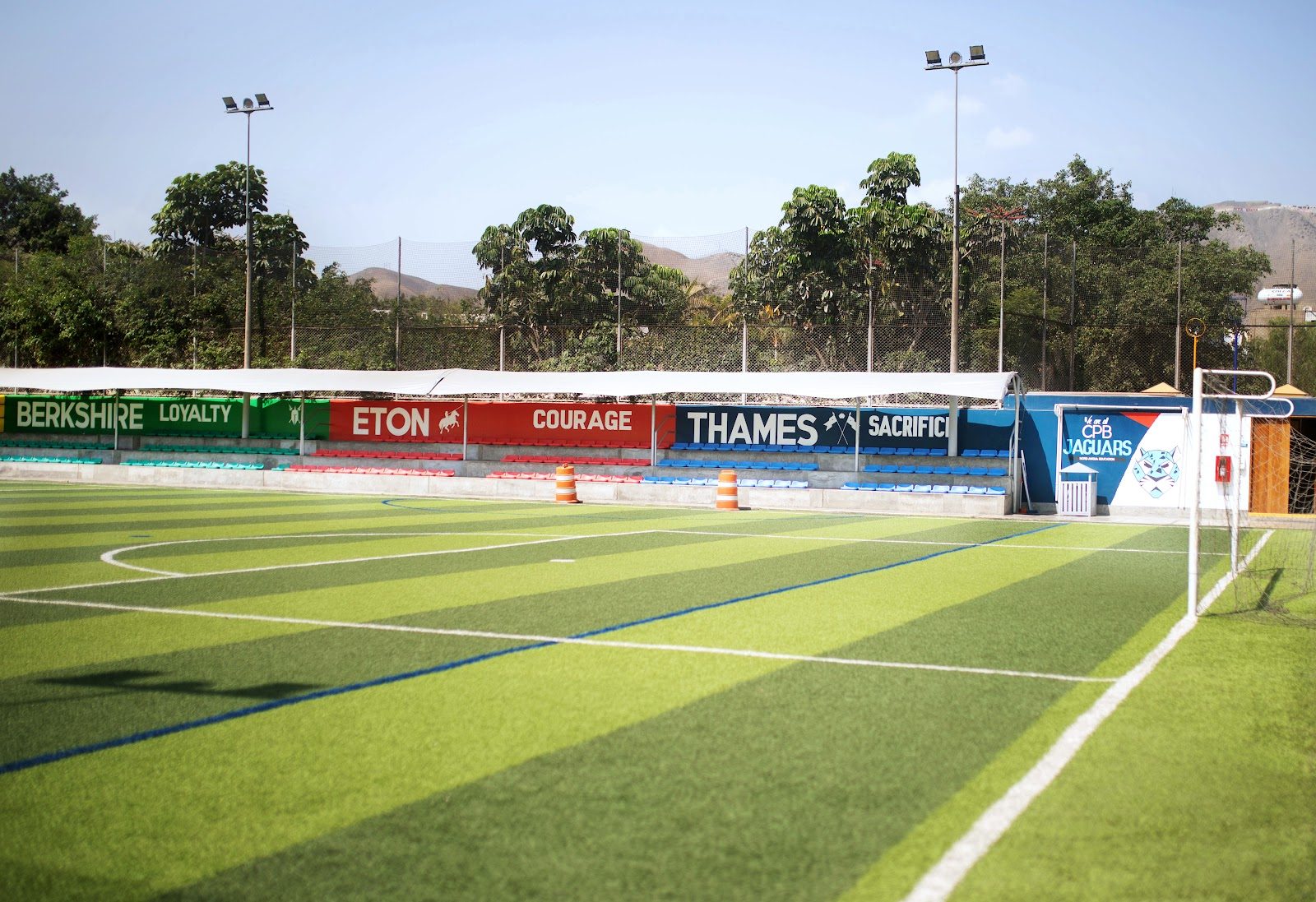
Colegio Peruano Británico
Lima · Peru
Trilingual since 1963, this Monterrico campus blends a Juilliard-shaped arts curriculum with IB rigor as Nord Anglia's first Peruvian school.
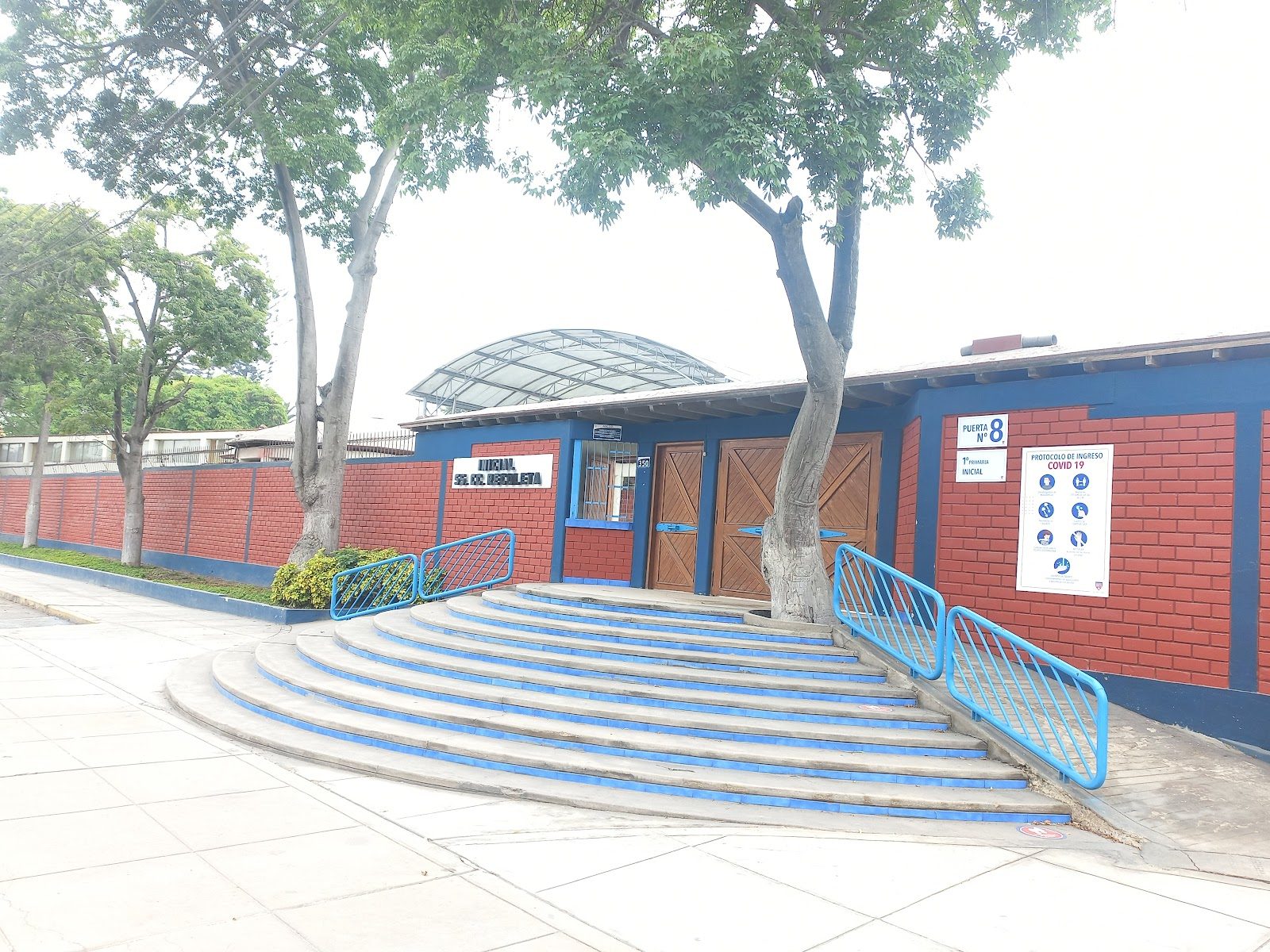
Colegio Sagrados Corazones Recoleta
Lima · Peru
Founded in 1893 by French Sacred Hearts missionaries, the school's early faculty went on to help found Peru's Catholic University.
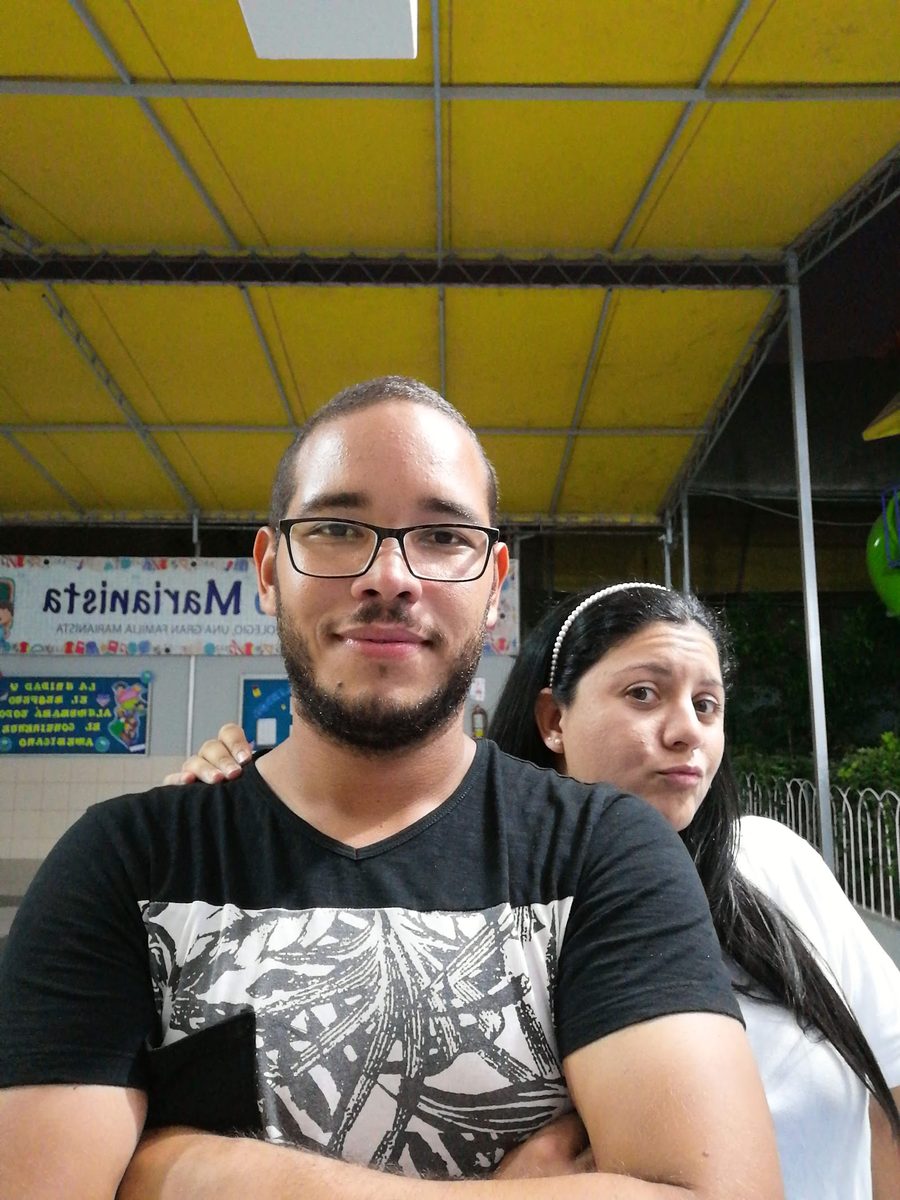
Colegio Villa María Marianistas
Lima · Peru
A Lima day school rooted in Marianist pedagogy, where Christian formation and family spirit shape the Peruvian curriculum classroom.
Colegio Peruano Norteamericano Abraham Lincoln
Lima · Peru
Peru's first parent-owned cooperative school, pairing an American curriculum with IB Diploma studies in La Molina.
Same country and curriculum — closest matches within ±10 points either way