
Santiago de Surco
Colegio Villa María Marianistas
medium confidence· 4/6 cats · 1.5 avg sourcesA Lima day school rooted in Marianist pedagogy, where Christian formation and family spirit shape the Peruvian curriculum classroom.
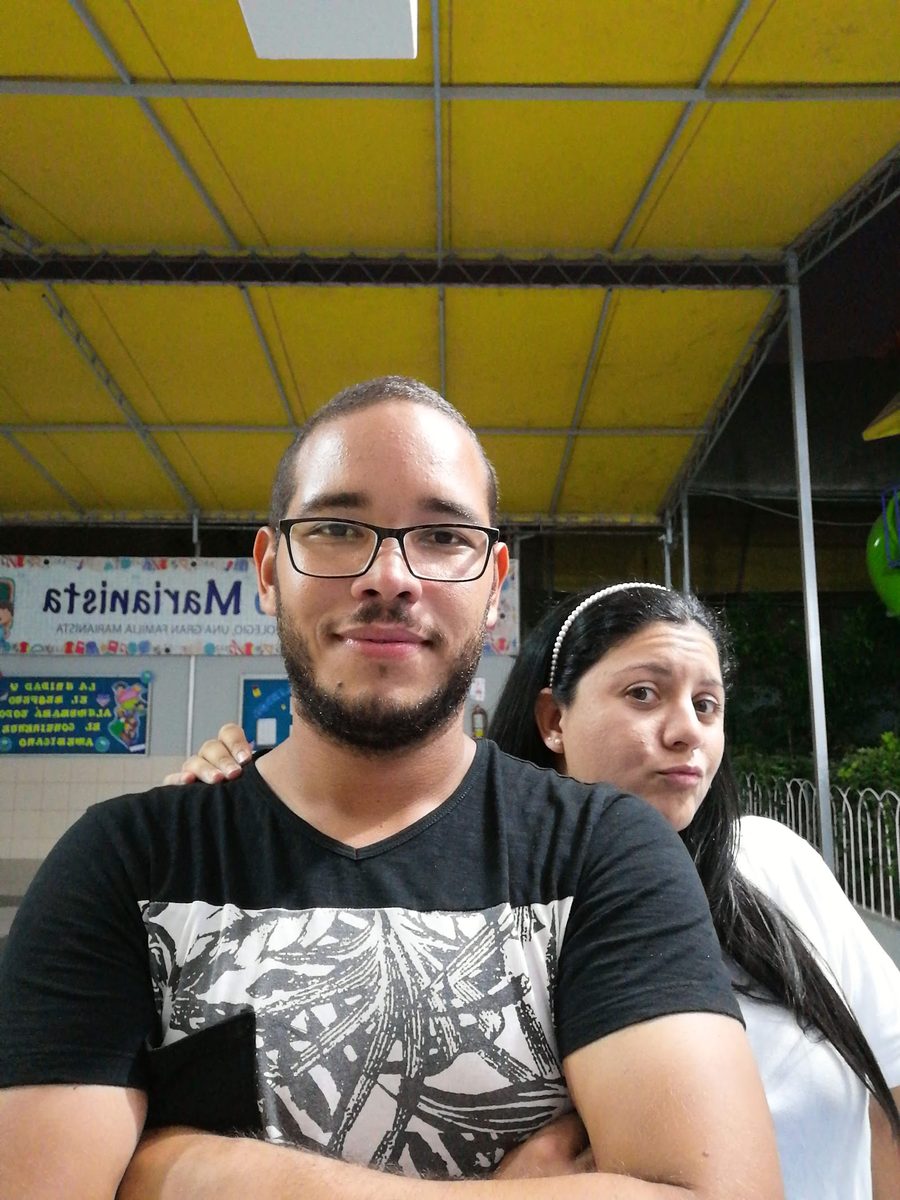
Photo © Jonathan Buitrago via Google Maps
Type
Day
Ages
3–18
Curriculum
Peruvian National Curriculum
Ratio
—
The Verdict
Editor's commitment
Right for
Girls aged 3–18 in Lima who want a Catholic Marianist day school with the Peruvian curriculum, IB Diploma, and English immersion.
Wrong for
Families wanting co-education, a secular ethos, or a cheap option: this is girls-only, Catholic, and averages PEN 30,030 a year.
Watch out for
The school pushes leadership, SAT, Cambridge exams and overseas university entry; that ambition brings pressure, despite the family-spirit language.
Ranking breakdown
Colegio Villa María Marianistas · #1216 of 1591
Composite score 57.7. 8 weighted criteria.
By criterion
Academic Outcomes
Weight 20%
#1192
of 1529 scored
University Placement
Weight 16%
#1201
of 1529 scored
Prestige & Heritage
Weight 12%
#1202
of 1571 scored
Alumni Network
Weight 12%
#785
of 1530 scored
Facilities
Weight 12%
#1228
of 1533 scored
Transparency & Communications
Weight 8%
#1226
of 1532 scored
Peer & Industry Review
Weight 10%
#1108
of 1548 scored
Admissions Selectivity & Demand
Weight 8%
#991
of 1529 scored
Peer & Industry Review
How Colegio Villa María Marianistas is regarded in the sector
64
Respected · medium confidence
I could not identify at least two independent, verifiable third-party sources (e.g., Tatler, Good Schools Guide, specialist education press, government inspectorate reports) discussing Colegio Villa María Marianistas' reputation. Without reliable independent coverage beyond the school's own materials, a credible score cannot be assigned.
Editors' overview
Colegio Villa María Marianistas is unusual in Lima for the clarity of its proposition: a Catholic girls’ day school, founded in 1922, that ties Marianist formation to a bilingual academic programme and keeps that identity front and centre. The school teaches the Peruvian National Curriculum in Spanish and English, with English immersion from the early years and the IB Diploma Programme in the senior phase. That mix matters. Parents are not buying a generic bilingual private school; they are choosing a school that wants to form girls as leaders within a distinctly Catholic frame. For families who want a strongly values-driven education for daughters aged 3 to 18, that focus gives the school sharper definition than many broader-market competitors.
The attraction is not only confessional. The school puts real weight on academic extension: Cambridge exams, SAT preparation, academic writing, debate through Model United Nations, and references to admissions to Peruvian and overseas universities. It also advertises a differentiated curriculum with STEAM, instrumental music, theatre in English, French, choir and sport, all without extra charge. That breadth gives Villa María a serious academic core without reducing school life to examination drill. The average annual day fee, PEN 30,030, places it in the fee-paying private bracket but not at the top of the international-school market. For a school offering bilingual teaching, IB Diploma, extracurricular provision without add-on charges, and substantial campus facilities, that reads as good value with a clear purpose.
This is not the right school for every child. The gender-specific model, explicit Catholic mission and leadership language narrow the fit. Girls who thrive here will be comfortable in a school with defined expectations, visible spiritual formation and an ethos built around community and service rather than adolescent anonymity. The campus infrastructure — air-conditioned classrooms, laboratories, library, sports areas and green space — supports a full school experience, but the deeper draw is cultural: structured, aspirational and communitarian. Put Villa María on the shortlist if you want a girls’ school in Lima with 1922 roots, bilingual delivery, the IB Diploma and a Catholic identity that shapes the school rather than decorating it.
Academic Performance
The school makes a strong case for academic ambition, but its public reporting stops short of the hard data parents need. It highlights Cambridge exams, SAT preparation, academic writing, “high impact presentations”, international fairs and admissions to universities in Peru and abroad. That points to a school that pushes pupils beyond the domestic baseline and builds a university-facing profile rather than a narrow local one. The presence of the Diploma Programme also places the senior end of the school in a more demanding bracket than many conventional private schools in Peru. Yet Villa María does not publish aggregate IB results, average diploma scores, subject distributions, Cambridge pass rates or university destination lists in enough detail to test the strength of those claims. For an academically self-confident school, that opacity is a weakness.
Relative to peers, Villa María sits in the tier of academically serious Catholic private schools that combine strong internal expectations with international exam pathways, but not in the fully transparent results culture of Lima’s most data-forward competitors. “Recognitions” from high-performing school networks and references to national and overseas university entry carry weight, though they are not a substitute for published outcomes. The academic picture here is credible and well-tooled, with extension opportunities that reach past the Peruvian curriculum, but it is not fully evidenced in the public domain. Parents who prize measurable performance should ask for IB Diploma score distributions, Cambridge outcomes and multi-year university placement data before treating the school as a proven top-table academic operator.
Facilities
Facilities are a clear selling point. The school advertises air-conditioned classrooms, equipped laboratories, a library, sports areas, green space and a broad campus footprint, alongside the rooms and support needed for instrumental music, theatre, choir and audiovisual work. That matters because the extracurricular programme is not an afterthought bolted onto a conventional academic day; it needs specialist spaces to function properly. In Lima’s Catholic private-school market, many schools can offer classrooms and courts. Fewer can sustain a full-spectrum campus that supports science, performance, sport and day-to-day comfort in one place. The inclusion of climate control across teaching rooms also puts Villa María on the better-resourced side of the local day-school sector, especially for families who care about the practical quality of the school day rather than brochure language.
The facilities also fit the school’s educational priorities. STEAM work needs labs and dependable classroom technology; music and theatre need rehearsal and performance space; sport and community life need outdoor capacity and circulation space that does not feel cramped. On this front, Villa María looks coherent rather than flashy. There is no published case for ultra-premium specialist infrastructure on the scale of the most expensive international campuses, and parents should not expect that tier of spectacle. What they do get is a campus package that reads as serious, functional and well-rounded, with enough breadth to support academic stretch and a busy co-curricular life without constant off-site dependence.
The average annual day fee, PEN 30,030, places it in the fee-paying private bracket but not at the top of the international-school market
Prestige
Prestige here rests on identity, selectivity of mission and the durability of the school’s place in Lima’s private-school landscape. A girls’ school with an explicit Marianist frame and a sustained emphasis on forming female leaders occupies a distinctive niche; it is not chasing every family, and that sharpened fit carries status of its own. The school also trades on markers that upper-middle-class parents recognise immediately: overseas-facing exam preparation, Cambridge testing, SAT references, debate, international fairs and the senior IB pathway. Add extracurricular provision folded into the fee rather than sold as extras, and the offer reads well-finished rather than improvised. At an average annual fee of PEN 30,030, Villa María sits in the serious private bracket without entering the city’s most expensive territory. That combination gives it solid social standing and a credible academic cachet.
It does not, however, sit in the rarefied prestige tier built on radical selectivity, public results transparency or global-name recognition. The school’s reputation looks strongest among families who want a Catholic girls’ education with clear moral architecture and strong expectations, not among parents shopping for the most internationally branded address in the market. Prestige here is therefore earned and local: long-established, culturally legible, and reinforced by a coherent educational proposition. It carries weight in the circles that value formation, discipline and university ambition in the same package. It carries less weight with families who define prestige by published outcomes alone.
The school makes a strong case for academic ambition, but its public reporting stops short of the hard data parents need
Communications
Parent communication looks serviceable rather than exemplary. The school’s public-facing channels put practical access points up front: admissions and transfers are easy to find from the homepage, and the prominence of Sieweb signals a standard parent portal for day-to-day school business. Social media links are also given clear space, which matters for reminders, event coverage and community visibility. That said, the website leans hard into mission statements and offer-building language. It tells parents what the school values and what it provides, but it gives less space to the nuts and bolts that strong parent communication also requires: published calendars, leadership visibility, detailed academic reporting, policy access and clear explanations of how concerns move through the school. On communication, Villa María feels orderly and institution-led, but not radically transparent.
That pattern fits the school’s culture. Families choosing a strongly defined Catholic girls’ school are not looking for a loose, conversational relationship with the institution; they are buying into a framework with clear authority and shared expectations. In that context, communication does not need to be warm or chatty to be effective. It needs to be consistent, prompt and administratively competent. The school gives enough public signs of structure to inspire baseline confidence, but not enough detail to count as a best-in-class communicator. Parents who want granular academic updates, direct access to senior leadership and full publication of performance information will want to test the portal, ask how reporting works across the year, and check response times before committing PEN 30,030 a year on average.
Uniqueness
What sets Villa María apart is not a generic blend of academics and values, but a deliberately gendered Catholic project with a Marianist cast and an explicit brief to form girls as leaders. That gives the school a sharper internal logic than many private schools that bolt service language onto a standard academic offer. Here, formation, autonomy and social responsibility sit at the centre, and the “family spirit” associated with Marianist education gives that ambition a communal frame rather than a corporate one. For students, that brings a strongly bounded culture: clear expectations, visible moral vocabulary and a school day built to reinforce belonging as much as attainment. For the right child, that can be powerfully stabilising; she is not left to invent her place from scratch.
The other point of difference is the way the school pairs that confessional identity with outward-facing academic and co-curricular preparation. English-medium theatre, Cambridge exams, SAT preparation, Model United Nations, STEAM and instrumental music all sit inside one institutional story instead of feeling like unrelated add-ons. The fact that these programmes are offered without extra charge strengthens the proposition: families paying an average annual fee of PEN 30,030 are buying a full-service education, not a bare timetable with extras sold separately. Students gain range as well as structure — public speaking, writing, performance, exam discipline and service-minded leadership — within a school culture that is cohesive rather than sprawling. The trade-off is obvious: girls who want ideological looseness or a more anonymous adolescent experience will find the model too defined.
Parents are not buying a generic bilingual private school; they are choosing a school that wants to form girls as leaders within a distinctly Catholic frame
Student Profile
The best fit is a girl who responds well to clear boundaries, shared rituals and a school culture that asks students to participate rather than drift. This is not a place for studied detachment or adolescent irony as a default mode. The school’s emphasis on leadership, service, debate, writing, music and performance points to a student body expected to speak up, contribute and represent the school with confidence. Girls who enjoy structure, take correction well and are comfortable with visible expectations around conduct and values will settle more easily than those who want a loose, self-invented school experience. The all-girls setting also narrows the fit in a useful way: for some students it creates a focused, low-distraction environment; for others it will feel too bounded.
Socially, the school will suit families who want education and formation to pull in the same direction. The Catholic Marianist frame is not decorative. It shapes the tone of the place and the kind of student life on offer. A child who wants maximum ideological range, minimal moral framing or a more anonymous peer culture will find the model constraining. A girl who wants a cohesive, busy school life with sport, arts, languages and academic stretch folded into one community will get more from it. At an average annual fee of PEN 30,030, the intake sits firmly in the fee-paying bracket, but the stronger filter here is cultural rather than financial: families are choosing a school with a defined moral centre and expecting their daughter to engage with it.
It also advertises a differentiated curriculum with STEAM, instrumental music, theatre in English, French, choir and sport, all without extra charge
Co-curricular strengths
Arts & sport, on a separate axis
Overall 7.4/10
Scored 0-10 from the school's own published evidence. This axis is editorial-only — it does not feed the main WTS ranking.
Sports
8/10
Drama
7/10
Dance
6.5/10
Music
8/10
Visual Arts
7.5/10
Editor first-pass · editor-reviewable · 7/30/2026
Strengths
- +Single-sex Catholic school for girls run by the Marianist religious congregation, with a long-standing presence in Lima's private education sector
- +Follows the Peruvian National Curriculum, giving graduates a direct and familiar pathway into Peruvian universities
- +Part of the wider international Marianist educational network, which shares a common pedagogical and pastoral tradition across countries
- +Day school structure keeps pupils within the local Lima community rather than requiring boarding arrangements
Considerations
- −Single-sex format excludes families who prefer co-educational schooling throughout
- −Catholic religious character and Marianist values framework may not suit secular, non-Catholic, or non-religious families
- −Offers only the Peruvian National Curriculum, with no IB, A-Level, or other internationally transferable qualification, narrowing options for families anticipating relocation
- −Limited independently published data on academic results, fees, or external inspection ratings makes it harder to benchmark against Lima's larger international schools
Availability
Primary entry gate & tests
Academic Record
Gallery
Photo © Imagen Institucional Marianista via Google Maps
Photo © Samira Deyanira Linares Iliquin via Google Maps
Photo © Samira Deyanira Linares Iliquin via Google Maps
Photo © Samira Deyanira Linares Iliquin via Google Maps
Photo © Samira Deyanira Linares Iliquin via Google Maps
Parent reviews
Have you sent your child here?
Voice reviews carry the strongest trust badge — we transcribe them for you to tidy up before they go live. Prefer to type? A written review is fine too.
Add your voice
In 60 seconds, tell other parents: what's the best thing about Colegio Villa María Marianistas, and what surprised you when your child joined?
We ask for a Google sign-in so every review has a real face behind it — no anonymous drive-by attacks on schools, and no faked positive reviews. Your email is never shown publicly.
Send this profile to a friend
International parents rely on word-of-mouth. Share this review with someone weighing the same decision.
Schools with places
Similar schools to Colegio Villa María Marianistas with places available now.
Markham College
Lima · Peru
- 2026-27
- WAITPOOLVacancy-dependent / enquire
- 2027-28
- PLACES OPEN
Colegio Roosevelt — The American School of Lima
Lima · Peru
- 2026-27
- WAITPOOLSpace-dependent
- 2027-28
- PLACES OPENRolling
Availability first, then country, area, curriculum, price, co-curricular
Consider also
Also worth looking at alongside Colegio Villa María Marianistas.
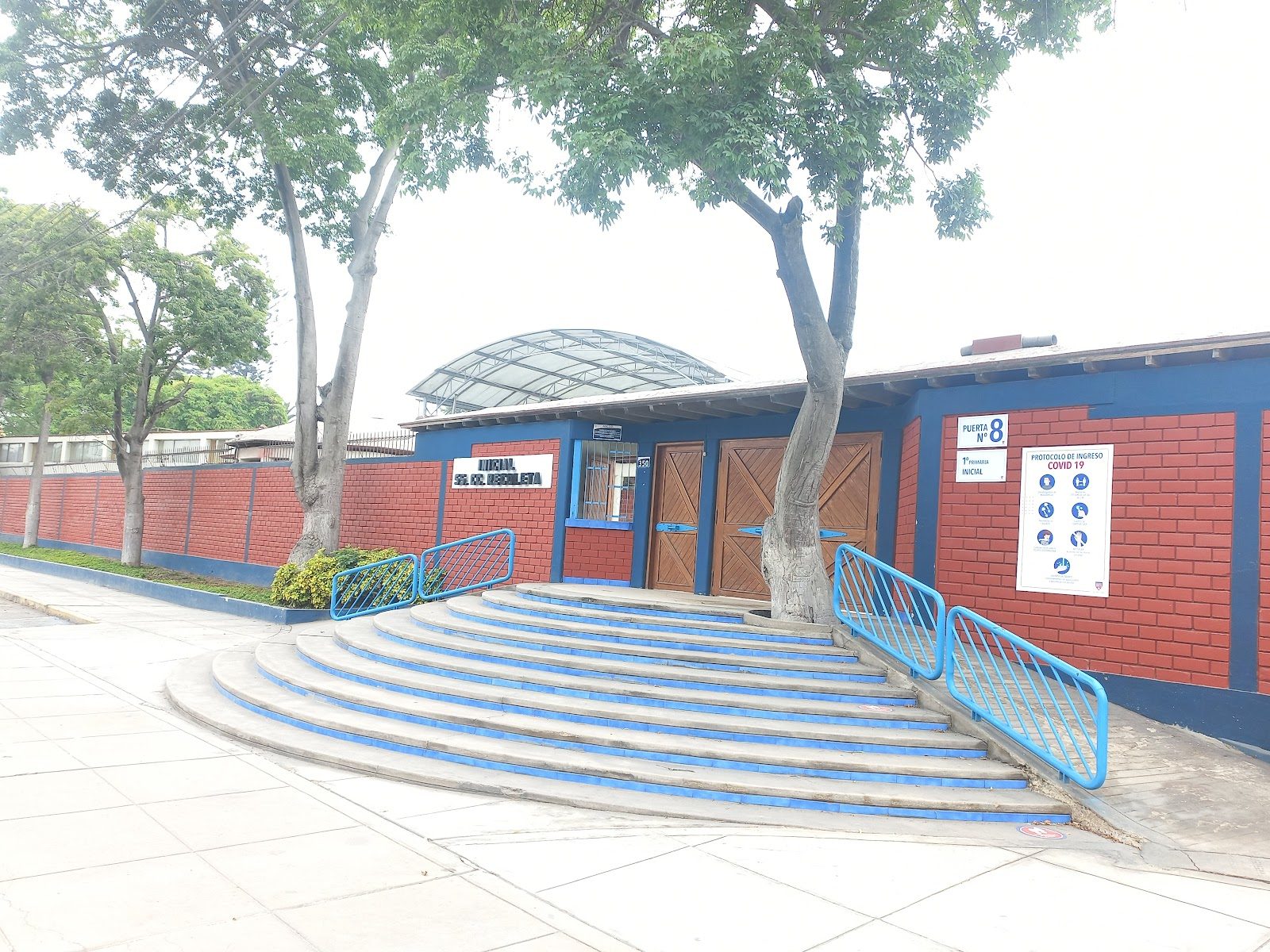
Colegio Sagrados Corazones Recoleta
Lima · Peru
Founded in 1893 by French Sacred Hearts missionaries, the school's early faculty went on to help found Peru's Catholic University.
Colegio León Pinelo
Lima · Peru
In San Isidro, Peru's only Jewish day school threads Hebrew language and tradition through a trilingual, full IB continuum.
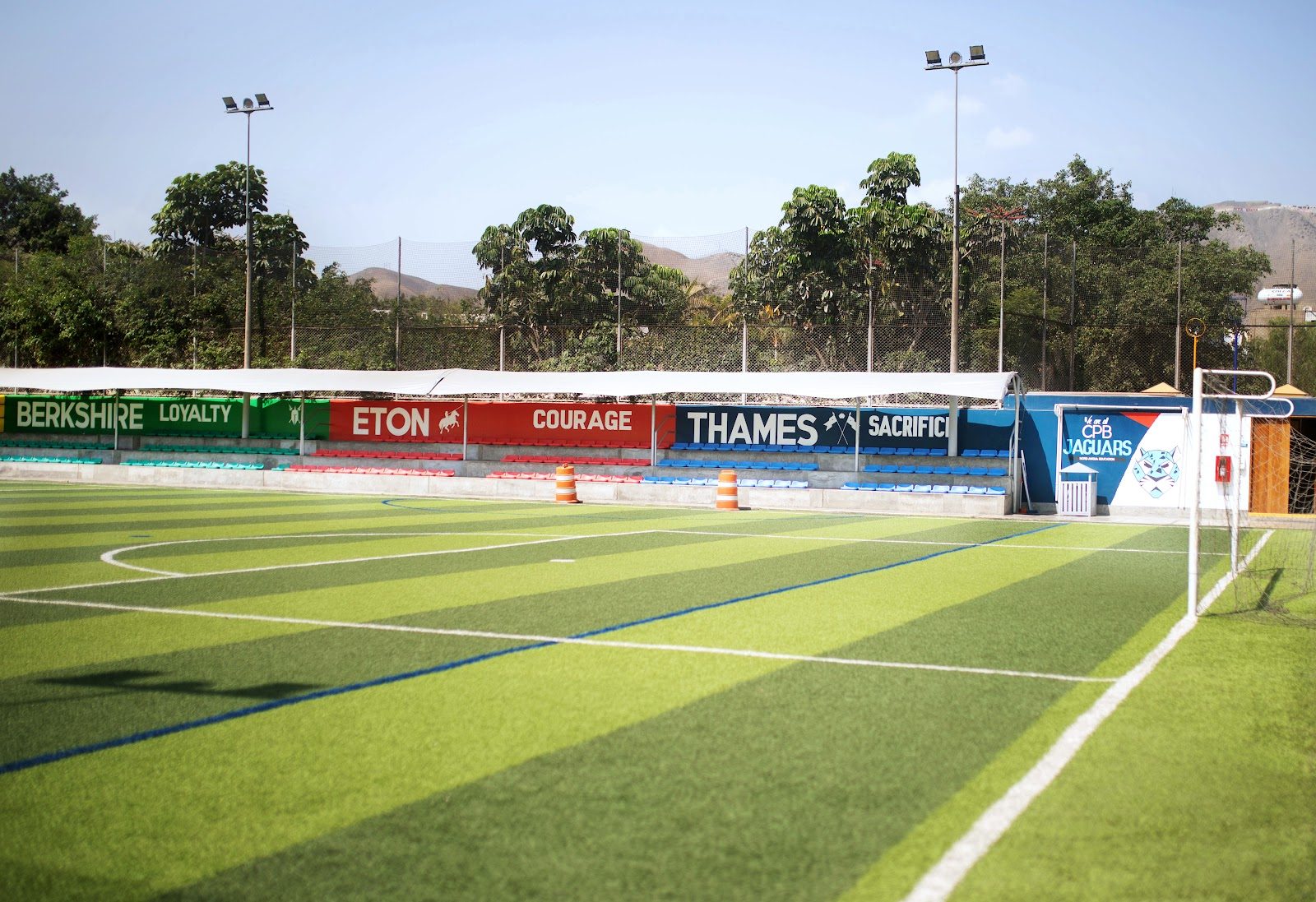
Colegio Peruano Británico
Lima · Peru
Trilingual since 1963, this Monterrico campus blends a Juilliard-shaped arts curriculum with IB rigor as Nord Anglia's first Peruvian school.
Colegio San Silvestre
Lima · Peru
In Miraflores, girls inherit their house colours the way alumnae once inherited a curriculum built on British roots since 1932.
Same country and curriculum — closest matches within ±10 points either way