
Miraflores
Colegio San Silvestre
medium confidence· 4/6 cats · 1.75 avg sourcesIn Miraflores, girls inherit their house colours the way alumnae once inherited a curriculum built on British roots since 1932.
Photo © Carlos Manuel Atuncar Tasayco via Google Maps
Type
Day
Ages
3–18
Curriculum
IB · British
Qualifications
IB Diploma · IGCSE
Ratio
—
The Verdict
Editor's commitment
Right for
Girls who suit a serious Lima day school: Miraflores, ages 3–18, British roots with the IB, and HMC membership.
Wrong for
Families wanting co-education, boarding, or a Spanish-only education; Colegio San Silvestre is non-religious, girls-only, day-only, and bilingual.
Watch out for
At an average PEN 48,380 a year, this 1903 Miraflores school trades on heritage; inspect how the British-and-IB mix works in practice.
Ranking breakdown
Colegio San Silvestre · #1122 of 1591
Composite score 60.4. 8 weighted criteria.
By criterion
Academic Outcomes
Weight 20%
#1003
of 1529 scored
University Placement
Weight 16%
#911
of 1529 scored
Prestige & Heritage
Weight 12%
#1150
of 1571 scored
Alumni Network
Weight 12%
#761
of 1530 scored
Facilities
Weight 12%
#1193
of 1533 scored
Transparency & Communications
Weight 8%
#1197
of 1532 scored
Peer & Industry Review
Weight 10%
#1108
of 1548 scored
Admissions Selectivity & Demand
Weight 8%
#960
of 1529 scored
Peer & Industry Review
How Colegio San Silvestre is regarded in the sector
64
Respected · medium confidence
I could not verify at least two independent third-party sources (e.g., Tatler, Good Schools Guide, specialist education press, or documented alumni-network coverage) discussing Colegio San Silvestre's reputation. Without such corroborating external evidence, a reliable score cannot be assigned.
Editors' overview
House colours, girls-only education and British roots give Colegio San Silvestre a social identity that is far more defined than the average international school in Lima. This is a day school in Miraflores for ages 3 to 18, non-religious, bilingual in Spanish and English, and academically built around a British and IB mix rather than a single-track local model. That combination matters. It offers families an established girls’ school with a long institutional memory, but without the doctrinal overlay that still shapes parts of the Latin American private market. Founded in 1903, it has age and continuity on its side; the British frame in the editorial record points to a school whose traditions run deep, even if the present curriculum is broader than its origins.
Its market position is clear: this is an upper-tier Lima day school with an old-name profile and an international academic structure. The average annual fee is PEN 48,380 across the full age range, which places it in expensive territory for the local market and tells parents exactly where it sits. The two accreditations that count here are not decorative. IB World School status confirms the school is authorised to deliver IB programmes; HMC membership places it in a network associated with academically serious schools with British heritage. That does not make San Silvestre a British transplant. It makes it a Peruvian girls’ school with deeply embedded Anglo influences and a strong claim on families who want international pathways without giving up local cultural fluency.
Why shortlist it? Because few schools in Lima combine all of the following in one package: girls-only from age 3–18, bilingual teaching, a British and IB academic identity, non-religious governance, and more than a century of institutional continuity. What is special here is not novelty but social and academic coherence. The school will suit girls who thrive in a clearly bounded environment, who value tradition rather than startup energy, and who are comfortable in a school where belonging carries weight. It will appeal to families who want ambition and polish without boarding, and who want their daughters educated in a setting that is self-possessed, female-centred and unapologetically established. It is less compelling for parents hunting for a casual, experimental or loosely structured culture. San Silvestre’s attraction lies in the opposite: discipline of identity, durable networks and a school culture that knows exactly what it is.
Academic Performance
San Silvestre publishes enough headline data to place it in the top tier of Peruvian schools with international ambitions, though not enough to satisfy a parent who wants a full forensic read on outcomes. The school reports an IB Diploma average of 35.7 against a world average of 30.3, with a bilingual diploma rate of 93%. Those are strong numbers. They point to a cohort performing securely above the global centre of gravity, not just scraping past the line. In a Lima market where many schools trade heavily on reputation and publish little, that level of disclosure counts in the school’s favour. It marks San Silvestre as academically serious, results-conscious and confident enough to put comparative figures in public.
There are limits. We have not seen a multi-year results series, subject-level grade distributions, or university destination data robust enough to judge consistency at the very top end. That matters, because the difference between a good IB school and a genuinely elite one lies in depth: how many pupils score in the 40s, how stable the average stays across cohorts, and where graduates land beyond anecdotal prestige. Even with those gaps, the available figures place San Silvestre above the ordinary run of bilingual private schools in Peru. This is not a school selling social cachet without academic substance. It has measurable attainment; it does not yet offer full transparency on how far that attainment stretches.
Facilities
San Silvestre’s facilities read as those of an established urban private school that has invested where a girls’ day school needs to function well: teaching spaces, sport, arts and the infrastructure for a full co-curricular life. What matters is not spectacle but fit. In this bracket, parents should expect science provision that supports serious senior study, indoor and outdoor sports areas that keep girls active through the week, and performance or assembly spaces that give house events, music and school ceremony a proper home. That package places the school in line with Lima’s stronger traditional independents rather than the city’s newer showpiece campuses, which trade on scale and architectural drama. San Silvestre’s edge lies in institutional use of space: facilities that serve routine, competition and community, not just admissions photography.
Against peer schools, the question is breadth rather than sheer land. A Miraflores site will never offer the sprawling acreage of suburban campuses with riding arenas, multiple full-size pitches or resort-style sports complexes. Families wanting that big-footprint luxury will find richer provision elsewhere. Families choosing San Silvestre are buying something different: a well-run, socially rooted school whose facilities support a dense daily programme in a prime urban setting. That is a credible trade-off. The benchmark here is strong central-city functionality, not extravagance, and San Silvestre fits that benchmark comfortably. What we have not seen is a detailed public breakdown of specialist spaces, so the school leaves parents to verify the finer points in person.
House colours, girls-only education and British roots give Colegio San Silvestre a social identity that is far more defined than the average international school in Lima
Prestige
San Silvestre carries real prestige in Lima because its status rests on more than fees, manners or a polished address. It has the old-name authority that signals social inheritance as much as school choice: families know what the name stands for, alumnae networks matter, and the all-girls format sharpens that identity rather than diluting it. House culture, continuity and a clearly bounded ethos give it the feel of an institution that reproduces its own standards. That matters in a market where many schools chase international branding first and institutional character second. San Silvestre does not need to invent pedigree; it has it. The school’s price point reinforces that position. An average annual fee of PEN 48,380 places it in expensive, socially selective territory, and that alone narrows the intake to families with means and intent.
The prestige is not empty. The published diploma outcomes give the school academic weight, and that distinction matters. Plenty of schools enjoy local cachet; fewer back it with results above the global baseline and a high bilingual diploma rate of 93%. That gives San Silvestre a stronger claim than schools trading on old-school polish alone. Still, this is prestige with limits. We have not seen the depth of disclosure that marks the most transparent top-tier schools: no detailed long-run outcomes picture, no clear public map of where the strongest leavers go, and no hard evidence yet of world-beating academic reach. The verdict stands: San Silvestre offers serious Lima prestige with substance, but not full public proof of absolute elite standing.
Its market position is clear: this is an upper-tier Lima day school with an old-name profile and an international academic structure
Communications
San Silvestre communicates like an established school that expects parents to keep up. The public-facing side is orderly: key information is easy to locate, the tone is formal, and the school does not bury itself under marketing froth. That matters. Parents can grasp the school’s structure, ethos and main academic claims without fighting through clutter. The same discipline cuts both ways. Communication reads as institutional rather than chatty, controlled rather than conversational. For families who value clarity, routine and a sense that the school is in charge, that will work well. For parents who want constant soft-touch reassurance, instant informality or a stream of granular public data, it will feel tight-lipped. We have seen headline outcomes such as the IB average and the 93% bilingual diploma rate, but not the deeper reporting that would make the school fully transparent.
That pattern points to communication that is effective in the old independent-school sense: clear on standards, selective on disclosure, and confident that not everything needs public narration. In parent-school relationships, that usually means the essentials are handled competently, while the finer texture depends on year teams and leadership responsiveness rather than on glossy systems. The strength here is coherence. The weakness is opacity at the margins. San Silvestre tells parents enough to understand the school and trust its seriousness; it does not tell them everything an exacting international parent might ask before committing to annual fees at this level.
Uniqueness
What sets San Silvestre apart is not novelty but inheritance with teeth. In a crowded private-school market, very few schools combine a girls-only structure with this degree of social continuity, ritual and institutional self-belief. House identity is not decorative here; it shapes belonging, loyalty and competition across the years. That gives pupils a stronger sense of place than the neutral, interchangeable culture found at many international schools. The school also occupies a distinctive niche for families who want an outward-facing education without a religious frame and without the co-ed social dynamics that dominate most premium schools. The result is a setting that feels deliberately bounded rather than broad-brush: pupils know the expectations, the codes and the standard of conduct.
For students, that brings gains and trade-offs. The gains are clear: a culture built around girls’ participation, leadership and visibility; a strong alumnae thread; and the confidence that grows when a school’s identity is settled rather than improvised. That can be formatively powerful, especially in the senior years, when ambition is easy to mute in more performative mixed environments. The trade-off is just as clear. This is not the right school for families who want looseness, informality or a blank-canvas teenage experience. San Silvestre offers something more exacting and more socially coded. For the right pupil, that delivers security, polish and a durable network that lasts well beyond 13 years of schooling.
What is special here is not novelty but social and academic coherence
Student Profile
The girls who thrive here are the ones who like a school with clear social codes and do not need it softened for them. This is a strong fit for students who are comfortable in an all-girls environment where visibility brings expectation: you take part, you represent your house, and you learn to carry yourself in public. The school suits pupils who respond well to structure, tradition and a culture that treats belonging as something earned and maintained. It will also suit families who value continuity of peer group and a polished, ambitious crowd over adolescent looseness. The fees alone narrow the pool, so the intake will skew to families with resources, confidence in formal schooling and a taste for old-guard discipline rather than progressive informality.
A weaker fit is easy to identify. Girls who want a casual atmosphere, low social signalling or maximum room to reinvent themselves day by day will find this environment tight-framed. The same goes for families allergic to hierarchy, ceremony or the subtle pressures that travel with a school of this kind. San Silvestre will reward students who are self-possessed, academically motivated and willing to be known, not hidden. For the right child, that produces formidable poise and durable friendships. For the wrong one, it feels socially exacting and overdefined. Parents considering an average annual fee of PEN 48,380 need to be honest about temperament, not just aspiration.
It is less compelling for parents hunting for a casual, experimental or loosely structured culture
Co-curricular strengths
Arts & sport, on a separate axis
Overall 7.98/10
Scored 0-10 from the school's own published evidence. This axis is editorial-only — it does not feed the main WTS ranking.
Sports
8.2/10
Drama
8/10
Dance
7.5/10
Music
8/10
Visual Arts
8.2/10
Editor first-pass · editor-reviewable · 7/30/2026
Strengths
- +Offers a dual curriculum combining British-style education with the IB Diploma Programme, giving graduates recognized international university pathways.
- +Long-established girls' day school in Lima with decades of institutional history and a settled position within the citys traditional private-school landscape.
- +Single-sex model allows a curriculum and pastoral approach specifically tailored to girls through primary and secondary years.
- +Day-school structure keeps students embedded in local Lima family life rather than in a boarding environment, useful for expat families settling long-term in the city.
Considerations
- −Single-sex (girls only) structure excludes families with sons who want to keep siblings in the same school.
- −Day school only, with no boarding option, which limits suitability for expat families arriving without an established Lima residence.
- −Limited independently verifiable data on academic outcomes, fees, or university placement statistics compared with better-documented international schools.
- −Operates a single campus in Lima, so families located outside the citys wealthier districts may face a lengthy daily commute.
Availability
Primary entry gate & tests
Academic Record
Gallery
Photo © Marlon C. via Google Maps
Photo © Marlon C. via Google Maps
Photo © Marlon C. via Google Maps
Photo © Marlon C. via Google Maps
Photo © Marlon C. via Google Maps
Parent reviews
Have you sent your child here?
Voice reviews carry the strongest trust badge — we transcribe them for you to tidy up before they go live. Prefer to type? A written review is fine too.
Add your voice
In 60 seconds, tell other parents: what's the best thing about Colegio San Silvestre, and what surprised you when your child joined?
We ask for a Google sign-in so every review has a real face behind it — no anonymous drive-by attacks on schools, and no faked positive reviews. Your email is never shown publicly.
Send this profile to a friend
International parents rely on word-of-mouth. Share this review with someone weighing the same decision.
Schools with places
Similar schools to Colegio San Silvestre with places available now.
Availability first, then country, area, curriculum, price, co-curricular
Consider also
Also worth looking at alongside Colegio San Silvestre.
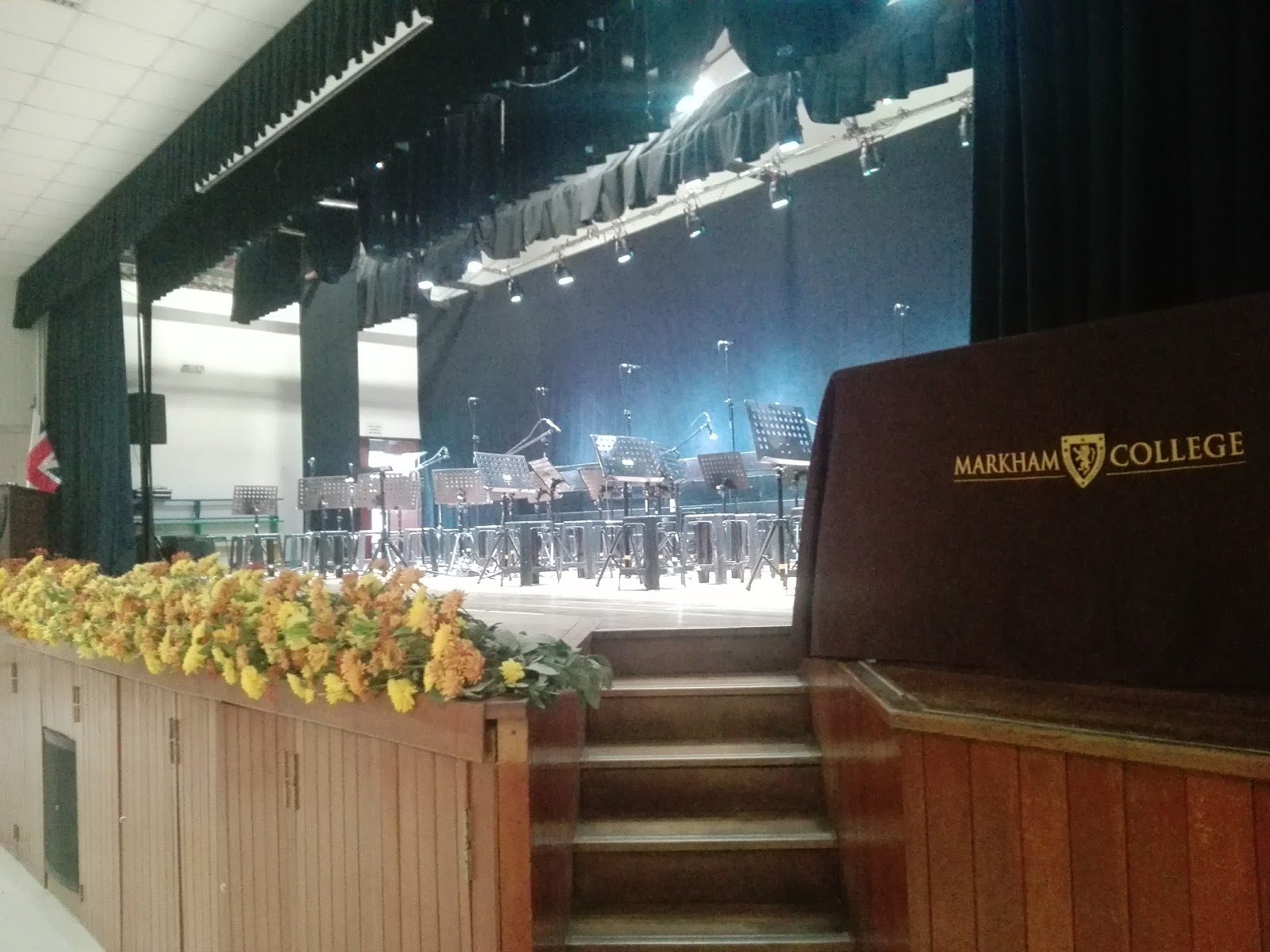
Markham College
Lima · Peru
Founded in 1946 by British expatriates, this Lima day school pairs house traditions with a bilingual IB-British curriculum.
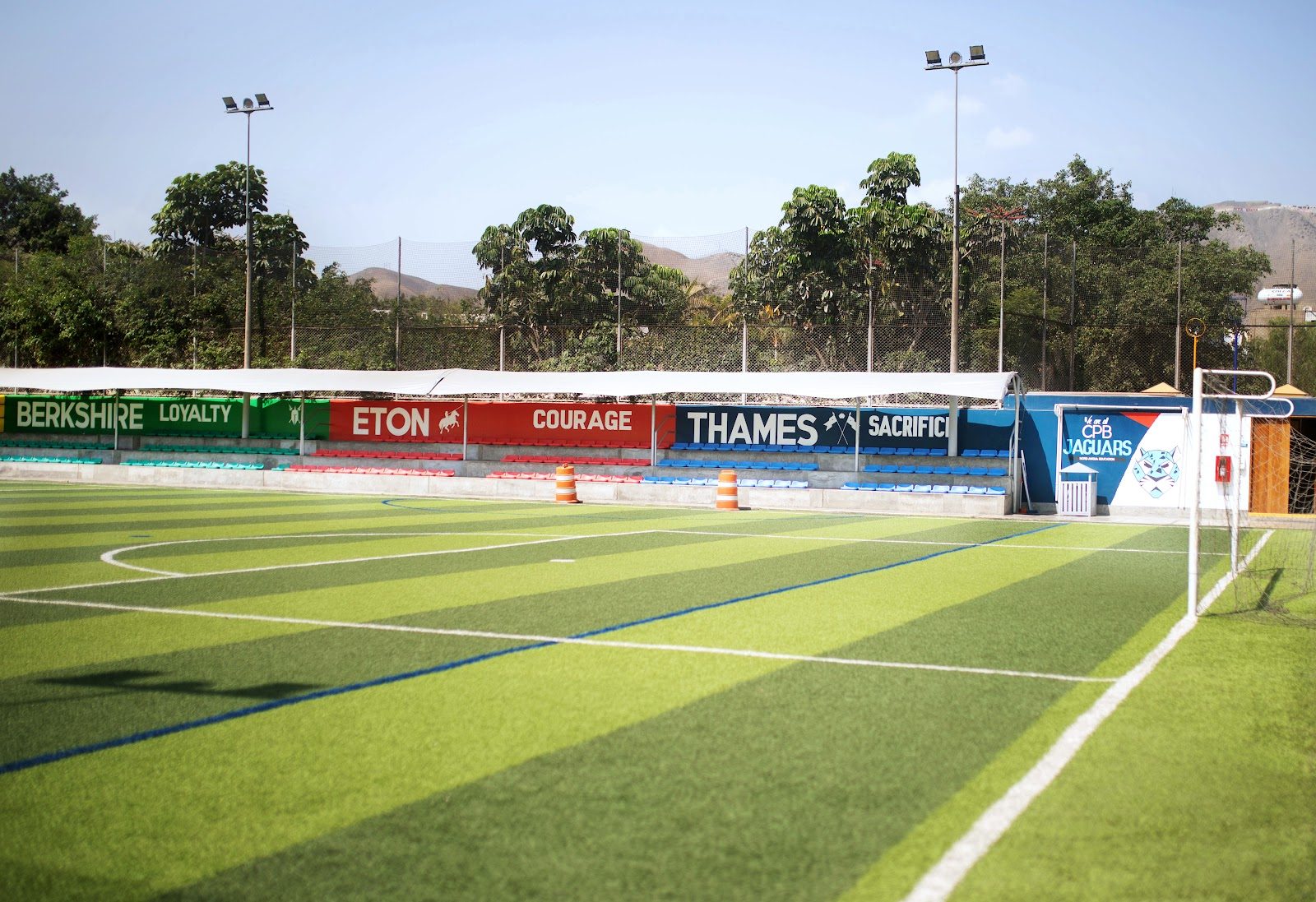
Colegio Peruano Británico
Lima · Peru
Trilingual since 1963, this Monterrico campus blends a Juilliard-shaped arts curriculum with IB rigor as Nord Anglia's first Peruvian school.
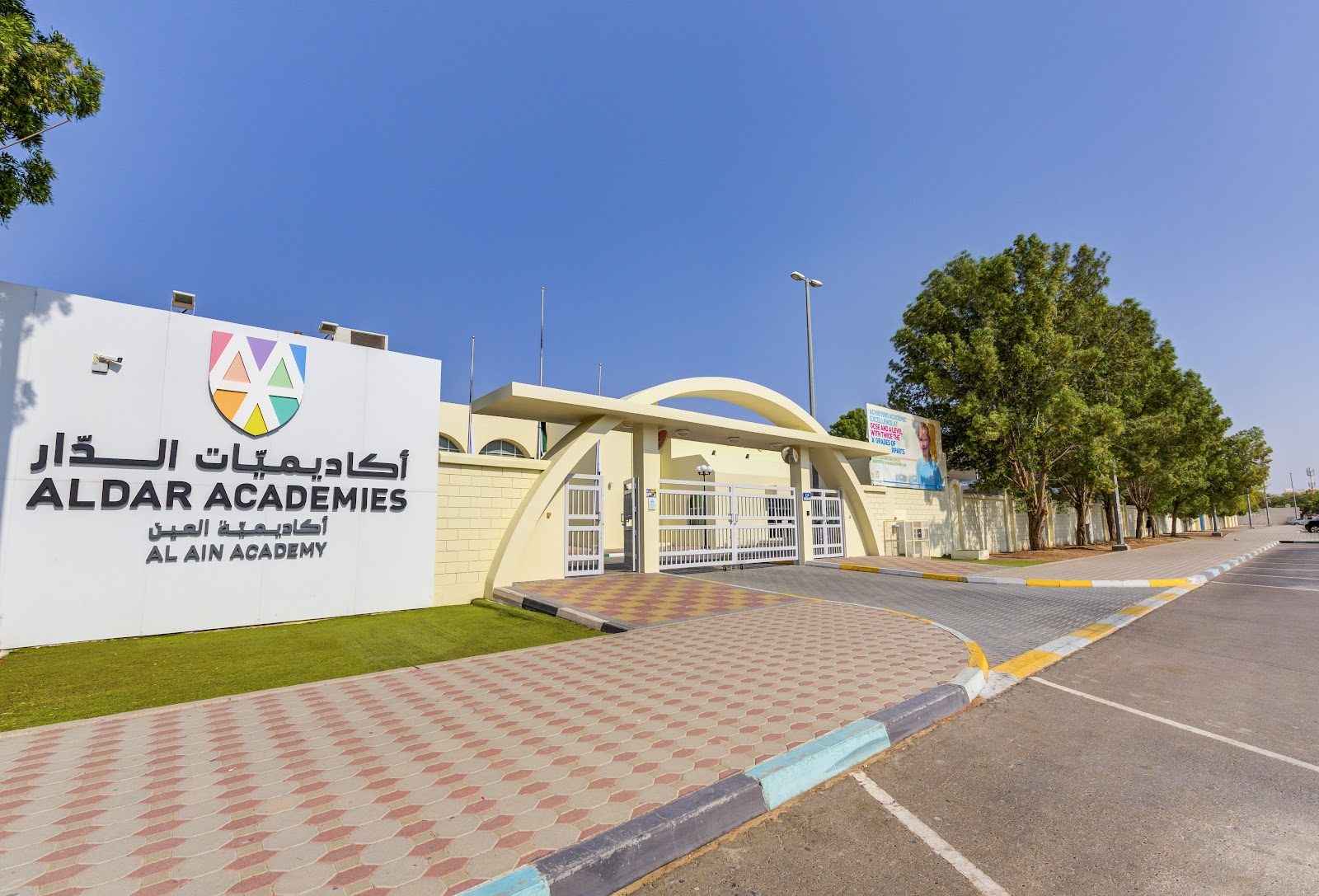
Aldar Academies at Al Ain
Al Ain · United Arab Emirates
The only Aldar campus in Al Ain, blending the English National Curriculum with Duke of Edinburgh awards and Microsoft Showcase status.
Ibstock Place School
London · United Kingdom
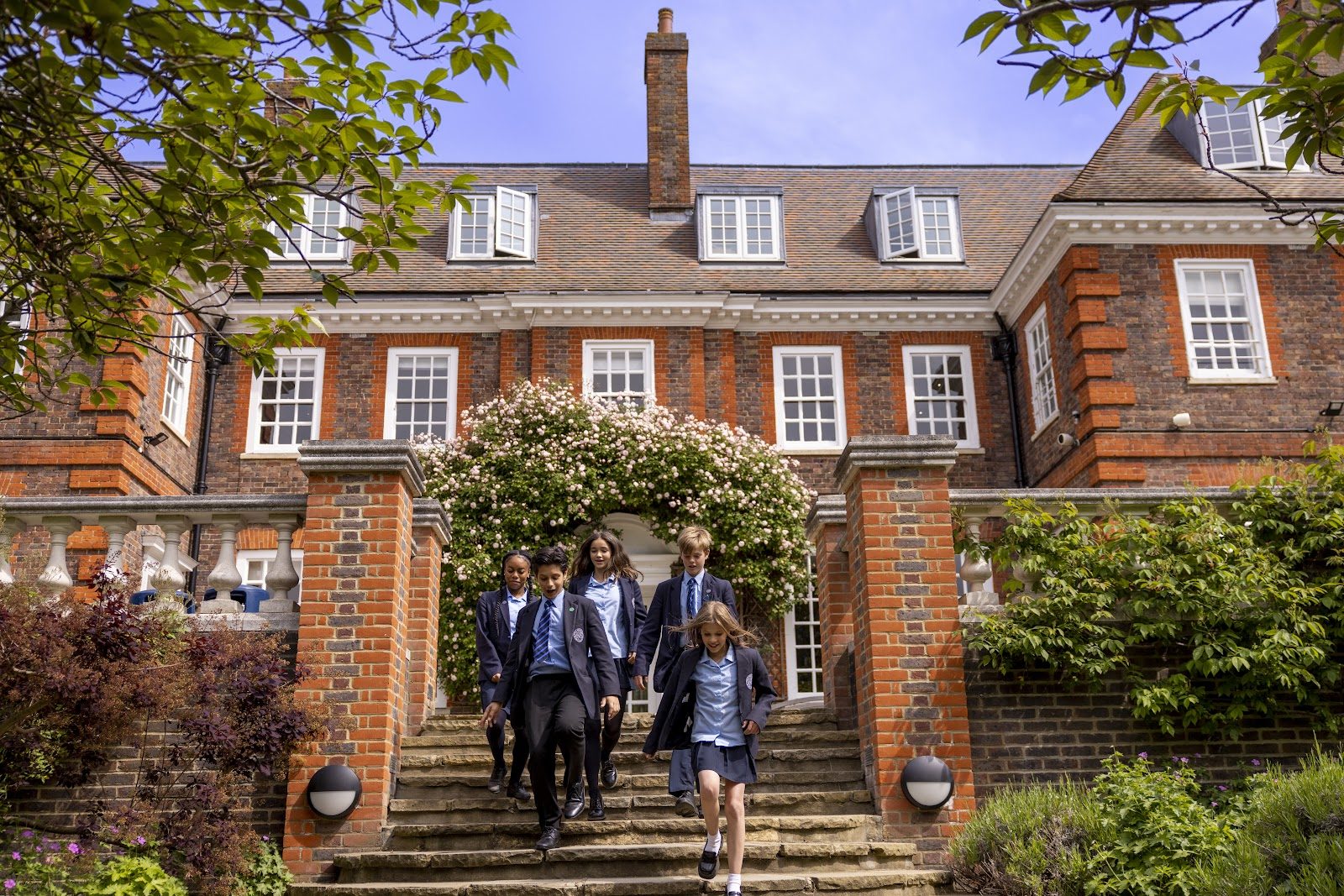
On the fringe of Richmond Park, a Froebel-founded day school has championed co-education since 1894.
Same country and curriculum — closest matches within ±10 points either way