
Sidist Kilo
Sandford International School
low confidence· 4/6 cats · 1 avg sourcesFounded by the family that helped restore Haile Selassie's throne, this Addis Ababa day school now runs Ethiopia's oldest Cambridge exam centre.
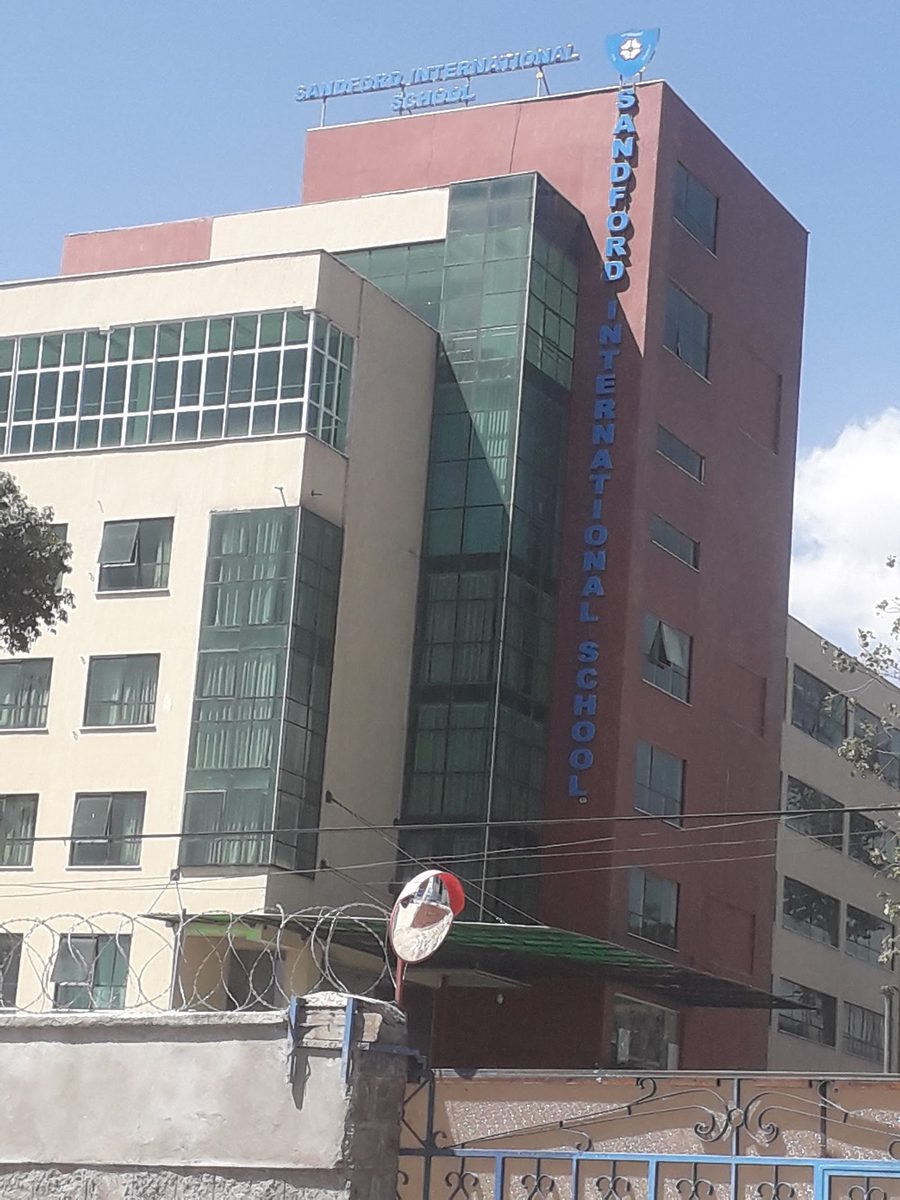
Photo © Biruk T.Selassie via Google Maps
Type
Day
Ages
3–18
Curriculum
British
Qualifications
IGCSE · A-Level
Ratio
—
The Verdict
Editor's commitment
Right for
Families in Addis Ababa wanting a day school founded in 1946, taught in English, with Cambridge International accreditation and British curriculum claims.
Wrong for
Parents seeking boarding, a religious ethos, or a single-curriculum route: Sandford is non-religious, day-only, and runs Cambridge plus IB.
Watch out for
The school trades hard on history, but public detail on outcomes is thin; BSO and Cambridge International accreditation do not replace published results.
Ranking breakdown
Sandford International School · #1123 of 1591
Composite score 60.3. 8 weighted criteria.
By criterion
Academic Outcomes
Weight 20%
#1085
of 1529 scored
University Placement
Weight 16%
#1089
of 1529 scored
Prestige & Heritage
Weight 12%
#1115
of 1571 scored
Alumni Network
Weight 12%
#721
of 1530 scored
Facilities
Weight 12%
#1110
of 1533 scored
Transparency & Communications
Weight 8%
#1138
of 1532 scored
Peer & Industry Review
Weight 10%
#893
of 1548 scored
Admissions Selectivity & Demand
Weight 8%
#888
of 1529 scored
Peer & Industry Review
How Sandford International School is regarded in the sector
66
Respected · medium confidence
I could not identify at least two independent, third-party sources (e.g., Tatler, Good Schools Guide, specialist education press, established expat forums) that substantively discuss Sandford International School's reputation. Available information appears limited to the school's own marketing materials or unverifiable mentions, which do not meet the bar for independent verification.
Editors' overview
Sandford International School occupies a rare position in Addis Ababa: a long-established, non-religious English-medium day school with roots in 1946 and a history tied directly to Ethiopia’s wartime restoration. That backstory is not decorative. It explains the school’s longstanding place in the city’s educational landscape and its early commitment to educating Ethiopian and expatriate children together. In a market where many schools trade on imported identity, Sandford has something harder to manufacture: historical weight, local legitimacy and continuity on one site since 1949. It also runs as a full 3–18 school, which matters for families who want one institution rather than a series of transitions.
What puts Sandford on a serious shortlist is that combination of heritage and usable international infrastructure. It holds BSO and Cambridge International accreditation, and the school itself states that it offers IGCSE and the International Baccalaureate in the secondary years. The editorial context identifies it as Ethiopia’s oldest Cambridge exam centre, which gives Sandford a concrete claim to experience rather than branding. For parents, that translates into a school that sits between two poles: not a transient newcomer, and not a local school borrowing international language. It has institutional memory, earned credibility and a clearer sense of public purpose than many schools built around facilities first and substance later.
The ideal Sandford student is not chasing a glossy campus narrative. This school suits children and teenagers who will thrive in an established, academically structured environment with a mixed local and international community, English as the language of instruction, and a day-school rhythm. It fits families who value serious schooling over theatrical polish, and who want their child educated in a place with deep roots in Addis rather than an enclave detached from it. Students who do well here will value steadiness, a broad peer group and a school culture shaped by history rather than fashion. Parents who want aggressive marketing, luxury signalling or published headline-grabbing outcomes will find Sandford more restrained and, in parts, more opaque than newer competitors. Parents who want substance over show will read that restraint differently.
Academic Performance
Sandford’s public exam structure is clear enough: the school states that pupils sit Ethiopian national examinations in the lower secondary years, then IGCSE, then the IB at the end of school. What is not clear is performance. The school does not publish aggregate IGCSE results, IB averages, pass rates, subject breakdowns, university destinations, or trend data over time. That matters. In a market where serious schools use outcomes to prove academic strength, Sandford asks parents to trust reputation and history more than published evidence. For a school with such an established role in external examining, that opacity stands out. It does not make the academics weak; it does make independent judgment harder.
Relative to peers, Sandford sits in the category of schools with credible exam infrastructure but thin public disclosure. The presence of multiple external examination points gives academic structure and external reference points, and that carries weight with families who want more than internal grades. But without published score ranges or cohort outcomes, Sandford cannot claim the same level of academic transparency as schools that put their results into the public domain every year. That places it in a serious but under-evidenced middle ground: more academically anchored than many schools with polished marketing, less demonstrably high-performing than schools that publish hard data. For parents, the practical question is simple: ask for the last 3 years of IGCSE and IB results, plus university offers, before treating academic performance as a settled strength.
Facilities
Sandford does not sell itself on spectacle, and parents expecting a fresh-built international campus full of branded specialist blocks will need to reset their expectations. The key asset is the site itself: a long-settled school campus with dedicated provision for primary and secondary phases, plus space for extracurricular activity and pastoral support. The school publishes separate sections for social-emotional counselling and wellbeing, pastoral care, safeguarding and site security, which points to infrastructure that goes beyond classrooms alone. That matters in a city where some schools operate from adapted compounds with thin student support. Sandford reads as a proper all-through school with the operational basics in place, not an improvised setup dressed in international language.
Against stronger-funded peers, the weakness is clear: Sandford does not put laboratories, theatres, sports facilities, libraries or specialist rooms front and centre, and it does not publish the kind of campus detail that helps parents judge depth and quality. There is no public case here for standout facilities in the way top-fee competitors advertise pools, black-box theatres or high-spec science suites. The school’s advantage lies elsewhere: functional breadth, institutional permanence and a campus built for daily use rather than sales photography. For many families, that will be enough. For parents comparing physical plant at the top end of the market, Sandford looks serviceable rather than exceptional, with more substance than style and more history than hardware.
There is no public case here for standout facilities in the way top-fee competitors advertise pools, black-box theatres or high-spec science suites
Prestige
Sandford carries real prestige in Ethiopia, but it is old-institution prestige, not luxury-school prestige. Its standing rests on three things: a direct place in the country’s modern history, an unusually long record of educating Ethiopian and expatriate families in the same school, and control of a Cambridge examining function that predates most competitors. That gives Sandford institutional gravity. In local terms, that matters more than glossy buildings or aggressive branding. The school’s own history also matters here: subsidised places for Ethiopian pupils were part of the original model, and children from royal and leading families sat within that story. Prestige at Sandford, then, comes from status earned over time, from continuity, and from being woven into Addis society rather than floating above it.
That said, Sandford’s prestige has limits. It does not trade in the polished international-school theatre that wealthier newcomers use to signal exclusivity, and it does not publish the kind of outcome data that would turn historical standing into a fully evidenced academic reputation. For some parents, that makes the school feel serious and venerable; for others, it leaves prestige resting too heavily on legacy. Our rating stays high because few schools can point to 75 years of continuous local relevance and a role that reaches beyond ordinary school provision. It stops short of the top tier because heritage alone is not enough: durable reputation needs public academic proof as well as history.
It stops short of the top tier because heritage alone is not enough: durable reputation needs public academic proof as well as history
Communications
Sandford’s parent communication looks functional rather than polished. The website covers the school’s main operating areas in a practical menu: calendar, admissions, policies, safeguarding, pastoral care, social-emotional counselling and wellbeing, staff, vacancies, primary newsletters and secondary newsletters. That tells parents two useful things. First, the school communicates across the full life of the school, not just recruitment. Second, it recognises that families need routine information as much as narrative. Direct contact details are easy to find, including 2 phone numbers and an admissions email, which still matters in a school market where some institutions hide behind enquiry forms. The inclusion of separate newsletter channels for primary and secondary also points to a school that understands that parents of younger children and teenagers need different rhythms of information.
The weakness is clarity of depth. Sandford shows the communication architecture, but not the standard of execution. We have not seen published examples of how frequently newsletters go out, how detailed they are, how results and leadership updates are communicated, or how the school handles difficult messages when problems arise. Parts of the site also read with institutional heaviness rather than editorial sharpness, and some duplicated history text does not help. That does not undermine trust, but it does mark communication as workmanlike, not best-in-class. Parents can expect the essentials and the channels to ask questions; they should not expect slick transparency or a highly refined digital experience.
Uniqueness
What makes Sandford distinctive is not a borrowed international template but a school identity formed inside Ethiopia’s own modern story. Very few schools can trace their origin to a family embedded in the restoration of the Ethiopian state, then show that the institution went on to educate Ethiopian and expatriate children together from the start. That gives Sandford a rare civic legitimacy in a sector crowded with schools importing credibility from elsewhere. Its current role as the country’s oldest Cambridge exam centre adds another layer: not just historical interest, but a long operational relationship with external assessment. For students, that brings a school culture with institutional memory, local rootedness and a stronger sense that the place exists for education rather than display.
There is also something unusual in the social character of the school. Sandford was built with a mixed intake in mind, including subsidised access for Ethiopian families, and that legacy still matters. Students do not enter a sealed expatriate enclave or a status project built around exclusion. They enter a school with a long record of crossing social and national lines inside one community. That can produce a broader social education than children get in more insulated settings: more contact across backgrounds, more understanding of the country around them, and less of the bubble mentality that distorts many international schools. The trade-off is clear. Sandford’s uniqueness lies in history, continuity and public role, not in glossy differentiation or polished self-promotion.
What makes Sandford distinctive is not a borrowed international template but a school identity formed inside Ethiopia’s own modern story
Student Profile
The best fit at Sandford is a student who does not need a school to flatter them into engagement. This suits children who can work within an established framework, handle a community that mixes local and international families, and value stability over novelty. The social environment has more range than an expatriate enclave and less curation than a brand-new prestige campus. That will suit grounded, adaptable pupils who are comfortable meeting classmates from different backgrounds and who gain from a school culture with deep local roots. It will suit families who want their child to grow up in Addis with a real connection to the city around them, not inside a sealed bubble. The school runs from age 3 to 18, so it also suits families who want continuity and children who benefit from staying in one institution through the major school transitions.
Who fits less well? Students who need constant hand-holding, a highly polished consumer experience, or a campus culture built around status display will find Sandford a poor match. This is not the obvious choice for families shopping by spectacle, published trophy outcomes or luxury signalling. It fits the serious, steady, socially mixed child: one who can get on with the business of school, take peers as they come, and thrive in a setting where history carries more weight than hype. For internationally mobile families, that profile matters. Sandford works best for children with some resilience, social flexibility and a tolerance for a school that feels institutional rather than theatrical.
Sandford’s uniqueness lies in history, continuity and public role, not in glossy differentiation or polished self-promotion
Co-curricular strengths
Arts & sport, on a separate axis
Overall 6.8/10
Scored 0-10 from the school's own published evidence. This axis is editorial-only — it does not feed the main WTS ranking.
Sports
7.5/10
Drama
7/10
Dance
5.5/10
Music
7/10
Visual Arts
7/10
Editor first-pass · editor-reviewable · 7/30/2026
Strengths
- +One of the longest-established international schools in Ethiopia, tracing its roots back to the 1970s, giving it deep local institutional knowledge.
- +Follows the British curriculum through to IGCSE and A-Level, providing a recognised exit qualification for university applications abroad.
- +Located in Addis Ababa, home to the African Union and a large diplomatic and NGO community, giving pupils a genuinely international peer group.
- +Operates as a single-campus day school, which typically means shorter commutes and a more cohesive community than multi-campus operators.
- +Long operating history suggests institutional stability relative to newer international schools that have opened in the city.
Considerations
- −Addis Ababa's international schooling market is small, so extracurricular, sporting and co-curricular breadth is limited compared with schools in larger regional hubs like Nairobi or Dubai.
- −As a day school with no boarding option, families based outside Addis Ababa cannot access it, restricting its catchment to the capital.
- −Ethiopia's periodic political instability and infrastructure constraints (power, internet reliability) can affect day-to-day school operations in ways schools in more stable markets do not face.
- −Public data on university destinations, exam results and independent inspection reports is limited, making it harder for relocating families to benchmark outcomes before enrolling.
Availability
Primary entry gate & tests
Academic Record
Gallery
Photo © Yohannes Mulugeta via Google Maps
Photo © Yohannes Mulugeta via Google Maps
Photo © Yohannes Mulugeta via Google Maps
Photo © Hamudi Sami via Google Maps
Photo © 2xjunior_ via Google Maps
Parent reviews
Have you sent your child here?
Voice reviews carry the strongest trust badge — we transcribe them for you to tidy up before they go live. Prefer to type? A written review is fine too.
Add your voice
In 60 seconds, tell other parents: what's the best thing about Sandford International School, and what surprised you when your child joined?
We ask for a Google sign-in so every review has a real face behind it — no anonymous drive-by attacks on schools, and no faked positive reviews. Your email is never shown publicly.
Send this profile to a friend
International parents rely on word-of-mouth. Share this review with someone weighing the same decision.
Schools with places
Similar schools to Sandford International School with places available now.
The English School, Nicosia
Nicosia · Cyprus
- 2026-27
- WAITPOOLSpace-dependent
- 2027-28
- PLACES OPENRolling
Thomas's Battersea
London · United Kingdom
- 2026-27
- CLOSEDStandard route closed
- 2027-28
- PLACES OPENRegistration open for Sept 2027 and beyond
Santiago College
Santiago · Chile
- 2026-27
- WAITPOOLSpace-dependent
- 2027-28
- PLACES OPENRolling
Welham Girls' School
Dehradun · India
- 2026-27
- WAITPOOLSpace-dependent
- 2027-28
- PLACES OPENRolling
Availability first, then country, area, curriculum, price, co-curricular
Consider also
Also worth looking at alongside Sandford International School.
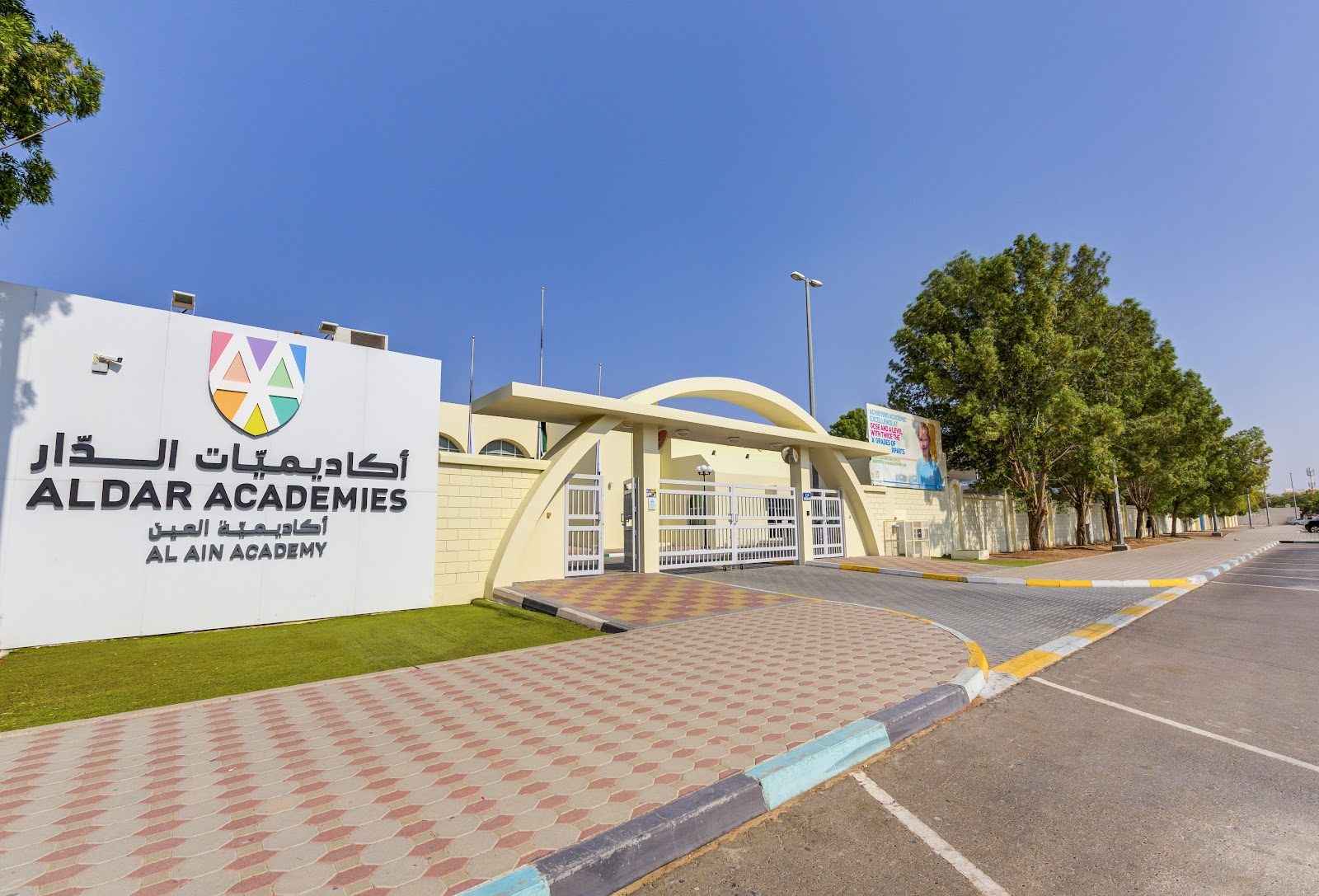
Aldar Academies at Al Ain
Al Ain · United Arab Emirates
The only Aldar campus in Al Ain, blending the English National Curriculum with Duke of Edinburgh awards and Microsoft Showcase status.
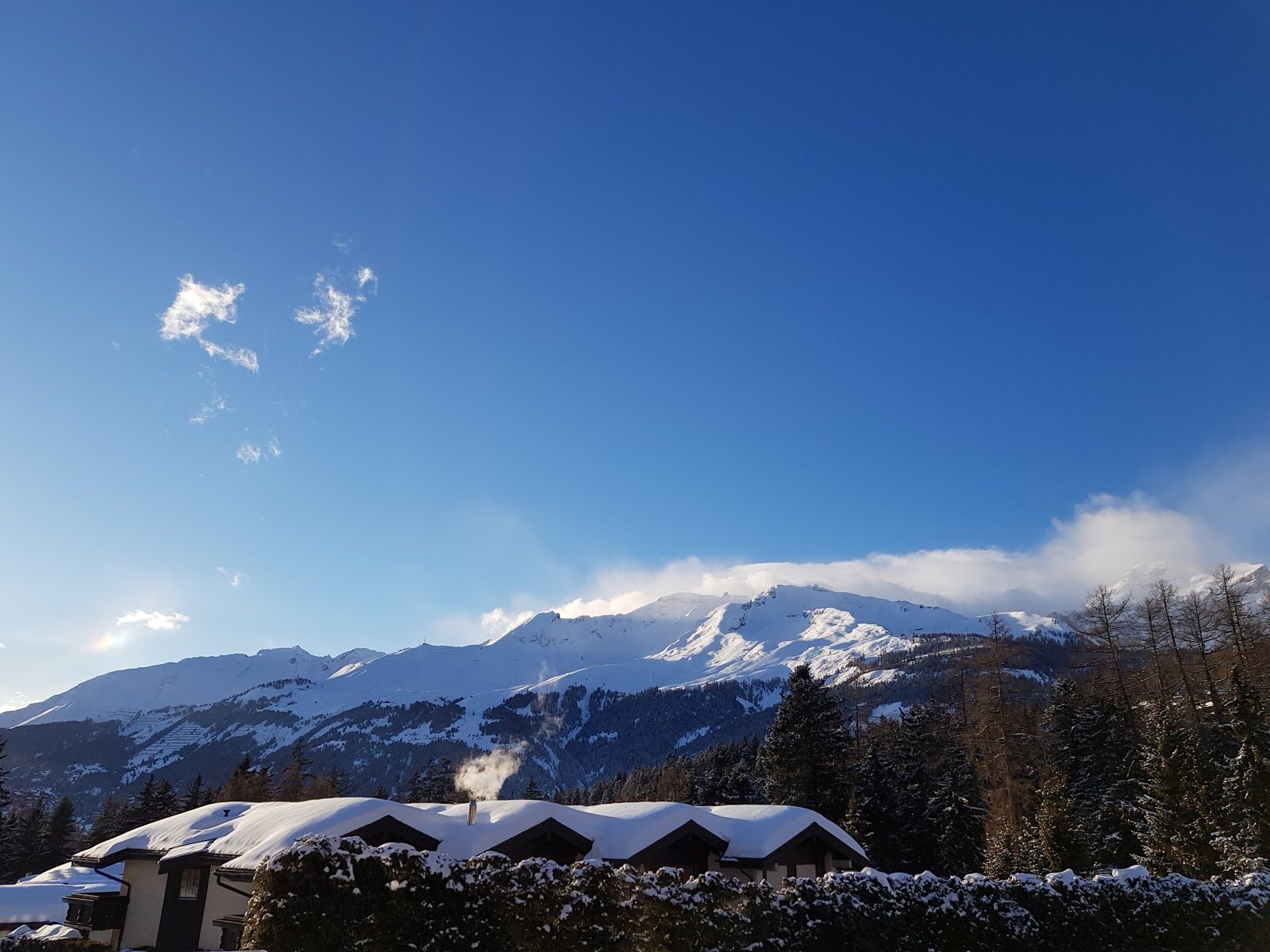
Le Régent International School
Crans-Montana · Switzerland
A purpose-built 2015 alpine campus at 1,500m pairing British and IB curricula with daily ski-in, ski-out outdoor education.
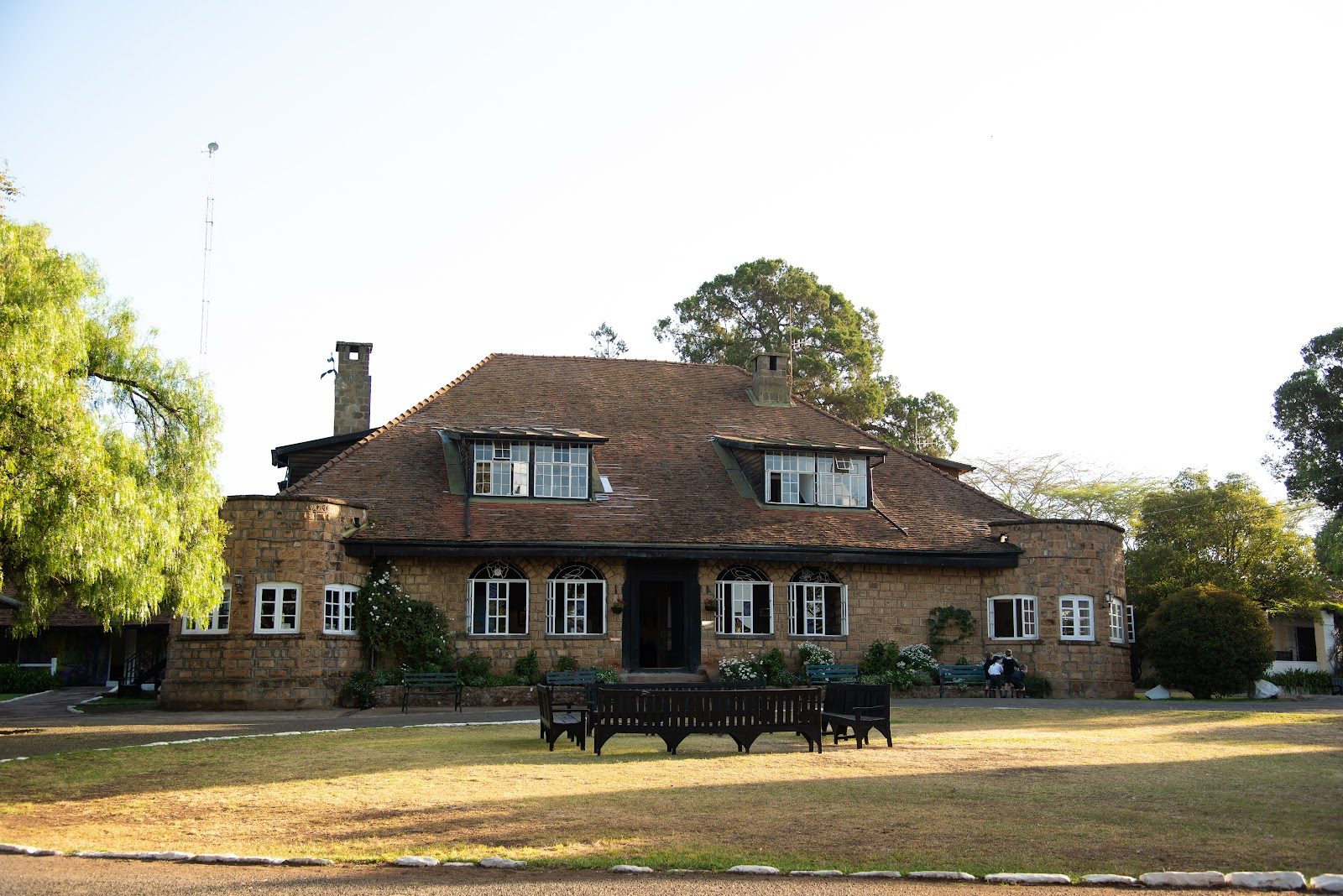
Pembroke House School
Gilgil · Kenya
Nearly a century deep in the Great Rift Valley, this British prep drills pupils through Common Entrance into top senior schools abroad.
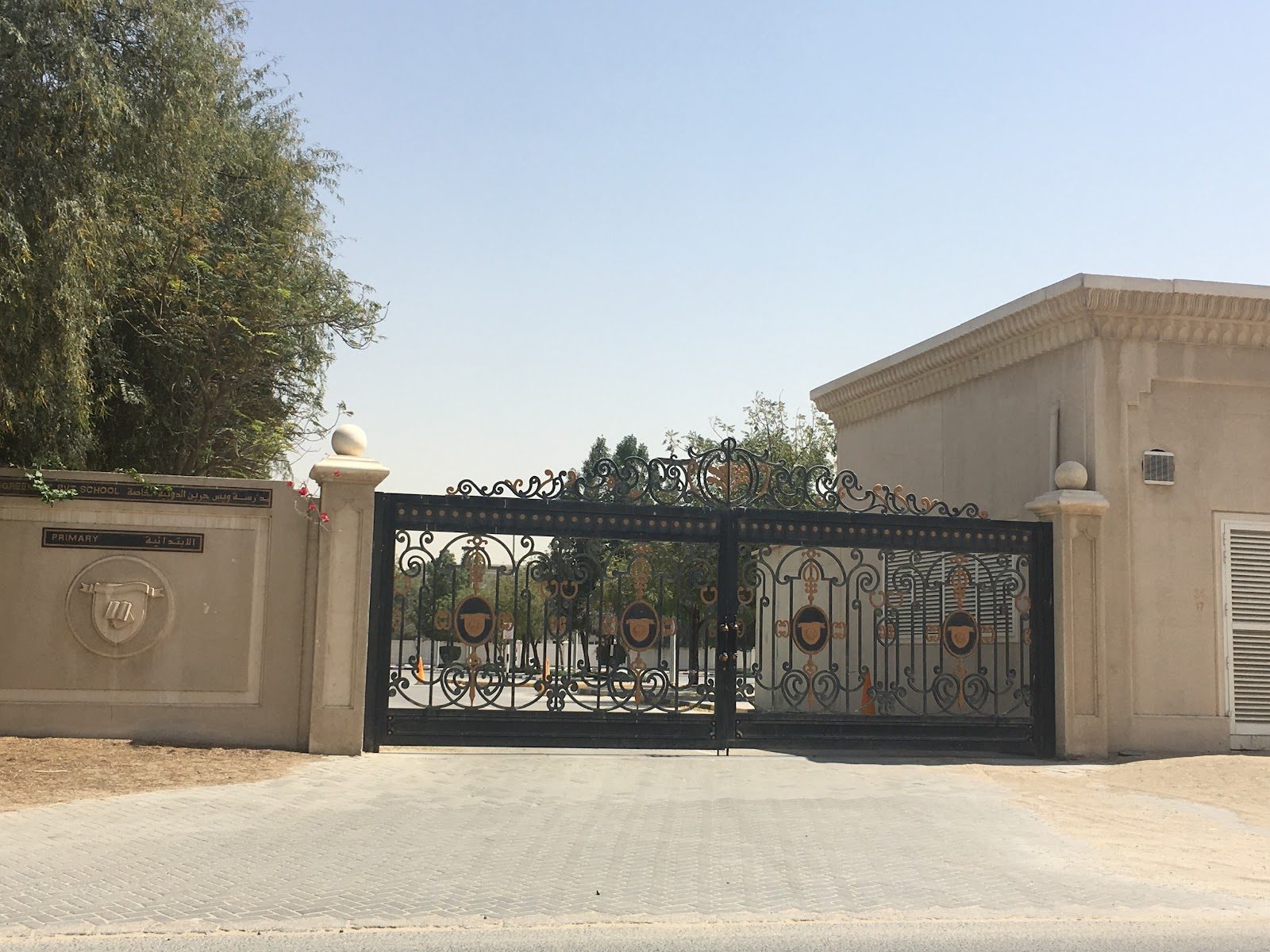
Wesgreen International School
Sharjah · United Arab Emirates
Founded by Sharjah's royal family in 1991, it runs separate boys' and girls' secondary campuses under a British Cambridge curriculum.
Same country and curriculum — closest matches within ±10 points either way