
London
Thomas's Battersea
medium confidence· 4/6 cats · 3.38 avg sourcesIn a former Victorian art school, an 'enquiry mindset' and a 'Be Kind' ethos feed London's top senior schools.
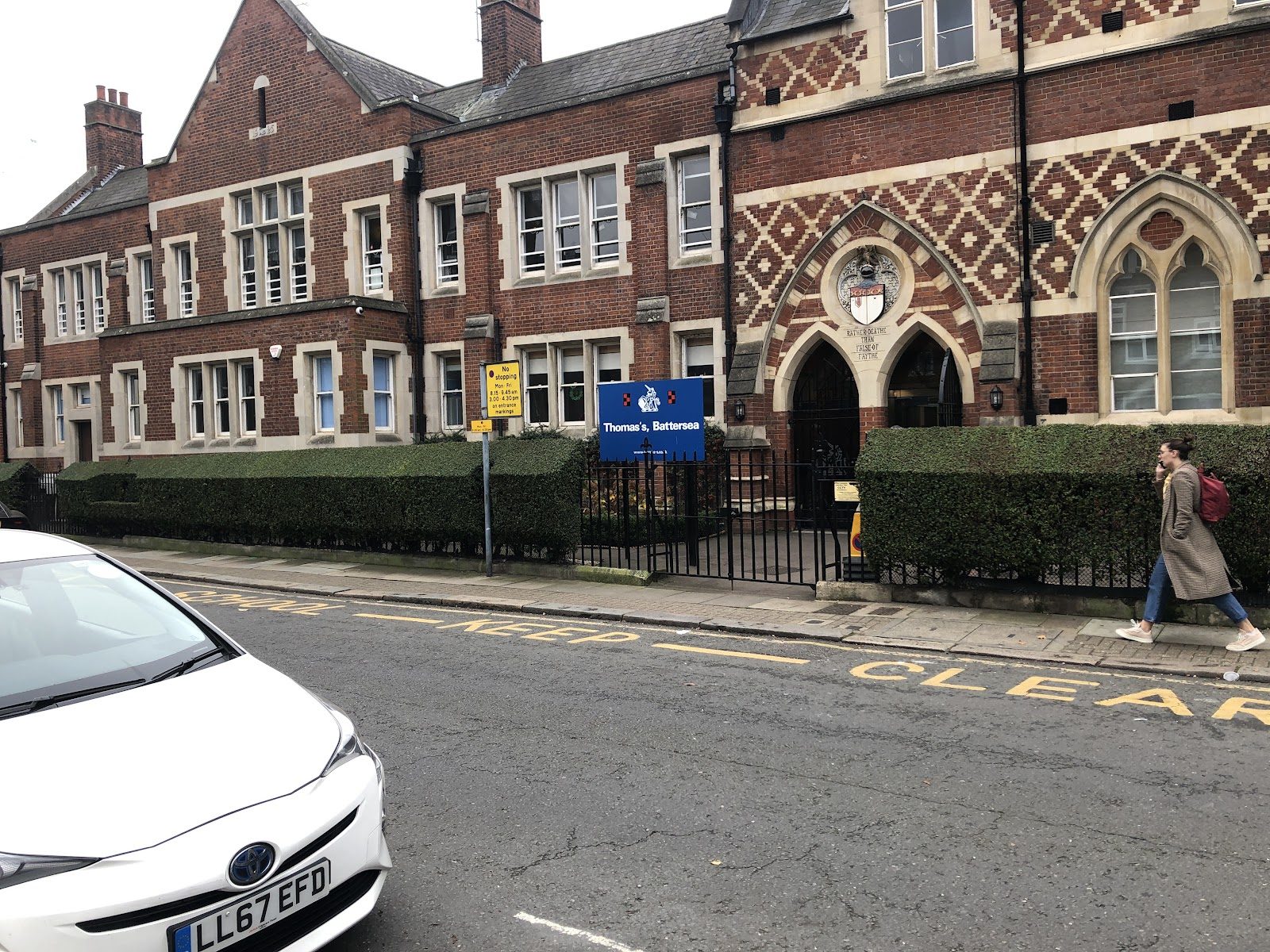
Photo © John Slater via Google Maps
Type
Day
Ages
4–13
Curriculum
British
Ratio
—
The Verdict
Editor's commitment
Right for
London families wanting a British prep, ages 4–13, with IAPS backing and a clear route into selective senior schools.
Wrong for
Parents after boarding, faith framing or a school beyond age 13; Thomas's Battersea is a non-religious day prep only.
Watch out for
The average annual fee is £28,283, and the school's 'Be Kind' polish does not change its competitive London-prep reality.
Ranking breakdown
Thomas's Battersea · #647 of 1591
Composite score 68.5. 8 weighted criteria.
By criterion
Academic Outcomes
Weight 20%
#667
of 1529 scored
University Placement
Weight 16%
#649
of 1529 scored
Prestige & Heritage
Weight 12%
#552
of 1529 scored
Alumni Network
Weight 12%
#454
of 1529 scored
Facilities
Weight 12%
#741
of 1529 scored
Transparency & Communications
Weight 8%
#725
of 1529 scored
Peer & Industry Review
Weight 10%
#784
of 1529 scored
Admissions Selectivity & Demand
Weight 8%
#489
of 1529 scored
Score history
Thomas's Battersea · 2026
Movement across 2024–2026. Peer average overlaid.
Overall — 2024–2026
68.5/ 100
▲ +27.2 vs 2025
year on year
Peer & Industry Review
How Thomas's Battersea is regarded in the sector
89
Strong · high confidence
Thomas's Battersea sits at the very top of London's prep school hierarchy, its profile cemented by the enrolment of Prince George and Princess Charlotte and its inclusion among the marquee names in Tatler's schools guide alongside Marlborough and Benenden. The Good Schools Guide's independent review credits the school's early embrace of wellbeing and mindfulness, while Spear's 500 calls the wider Thomas's group "excellent" and notes it remains the default choice for affluent West and South-West London families. WhichSchoolAdvisor's coverage of the Thomas's group flags Battersea's role as the flagship feeder into Eton, Harrow and Westminster, underlining a sector-wide reputation for turning out well-rounded, academically strong leavers. Coverage is occasionally thin on hard outcomes data, since as a prep school it publishes no public exam league tables, but peer and press consensus on its standing is essentially unanimous.
Evidence sources
- Prince George of Wales — Member of the British Royal Family
- Princess Charlotte of Wales — Member of the British Royal Family
Editors' overview
Thomas’s Battersea trades on two things that matter in the London prep market: a serious academic engine and a culture that does not treat childhood as an inconvenience. Set in Battersea, it is a co-educational day prep for ages 4–13, founded in 1971, teaching the British curriculum in English, and it sits within the independent sector rather than the church-school tradition. The school’s own language leans hard on “joyful excellence”, “Be Kind” and an “enquiry mindset”; strip away the branding and the underlying proposition is clear enough. This is a prep school that wants bright, well-drilled children who can think for themselves, perform confidently and move on at 13 with strong options. In London terms, that matters. The whole point of a school like this is not only what happens inside the building, but where it sends children next. The tagline’s claim that it feeds top senior schools is exactly the sort of point parents care about, even if the school does not publish destination data here.
What marks Thomas’s Battersea out is the blend. Many London preps can do polish; many can do pastoral warmth; fewer manage both without slipping into either soft sentimentality or relentless hothousing. Thomas’s has long sold a version of prep education that is *confident, socially fluent and forward-moving*. The former Victorian art school setting gives it a distinct physical identity, and the breadth of extracurricular provision cited by parents — especially sport, music and performance — reinforces the sense that this is not a narrow exam factory. That balance will appeal to families who want ambition without a cold atmosphere. It also helps that the school is accredited by IAPS, which places it firmly within the established independent prep world rather than the newer lifestyle-school fringe.
At an average annual day fee of £28,283, Thomas’s Battersea sits in the expensive end of the London prep market, though not at the most inflated level the capital now tolerates. Parents are paying for a known name, a strong peer group, a coherent ethos and the kind of education that keeps senior-school doors open. The school suits children who are curious, articulate and happy in a busy environment with high expectations and plenty going on beyond the classroom. It will also suit parents who value manners, structure and visible school culture, and who want a prep that feels ordered rather than rigid. It is less compelling for families who want radical experimentation, deep informality or a school that wears its academic pressure lightly. For the right child, though, Thomas’s earns a shortlist place because it offers a high-functioning version of London prep education: clear values, broad opportunity and a strong launchpad at 13.
Academic Performance
Thomas’s Battersea does not publish aggregate exam tables, and that limits any hard comparison on raw attainment. That matters less here than it would at a senior school, because the decisive academic measure for a prep is onward movement at 11+ and 13+. On that front, the school points to 136 scholarships and awards secured across the Thomas’s prep schools collectively, plus offers from leading London and boarding seniors. That is useful group-level evidence, but it is not a Battersea-specific result set, so parents should read it as proof of a strong pipeline rather than a precise scorecard for this campus. The school’s own account of Years 7 and 8 also matters: a bespoke baccalaureate built with the National Baccalaureate Trust signals a curriculum model that values independent thinking alongside exam preparation, not just rote acceleration.
Relative to peers, Thomas’s sits in the upper tier of London preps whose job is to keep elite senior-school options open. Its reputation as a feeder school, the scale of scholarship wins across the group and the emphasis on breadth in sport, music and performance all point to an academic culture that is ambitious without being monastic. The trade-off is opacity. Families who want published, campus-specific outcome data will find the picture frustratingly incomplete. Families who judge prep performance by senior-school destinations, scholarship traction and the confidence of children moving on at transfer points will find enough here to place Thomas’s among the capital’s serious operators.
Facilities
Facilities matter at a prep of this type because the school sells more than lessons: it sells range, pace and polish across the whole week. Thomas’s Battersea does not publish the kind of exhaustive campus inventory that some rivals now use to advertise every lab stool and square metre, so parents do not get a clean room-by-room audit. What is clear is the school’s heavy emphasis on the arts, sport and co-curricular life, with Lower School Arts Day, music, performance and a long menu of lunchtime and after-school clubs all woven into daily use of the site. The former Victorian art school setting gives the campus a distinctive physical character that many London prep schools lack; it feels less like a corporate build and more like a school with a past. That has value. It also brings the usual inner-London constraint: this is not a country prep with lavish acreage or grand outdoor reach.
Against peer schools in central London, that places Thomas’s in a familiar but attractive bracket: strong specialist spaces for creative and enrichment work, enough infrastructure to support a busy, high-functioning day school, and no fantasy of endless grounds. The parent comments point to an immaculate learning environment and unusually broad activity choice, which matters more for this age group than trophy architecture. Where competitors with larger sites pull ahead is in sheer sporting scale and purpose-built breadth. Thomas’s counters with intensity of use and a campus identity that feels ordered, cultivated and lived-in, not generic.
The tagline’s claim that it feeds top senior schools is exactly the sort of point parents care about, even if the school does not publish destination data here
Prestige
Thomas’s Battersea carries real prep-school cachet in London, not because of glossy branding but because families know what the name buys: access to a strong peer group, disciplined expectations and a credible route into selective senior schools. In this market, prestige rests on outcomes, social signalling and durability. Thomas’s has all three. It belongs to that small cluster of metropolitan preps whose names circulate easily among well-informed parents, relocation advisers and senior-school registrars. The family-run group structure adds weight, and the school’s reputation as a feeder to schools such as Eton, Harrow, Westminster, Alleyn’s, Dulwich and King’s gives it genuine transfer value. The cross-group tally of 136 scholarships and awards strengthens that standing, even if Battersea-specific destination data is not published here.
That said, this is not prestige in the old, cloistered, chapel-and-latin sense. It is a more modern, London version: socially polished, high-performing, conspicuously well-networked and fluent in the expectations of ambitious professional families. The school’s public ethos of kindness softens the harder edges, but it does not reduce the status appeal. Parents choose Thomas’s because it is widely recognised, expensive enough to signal scarcity, and established enough to reassure. We rate its prestige highly because the school combines brand recognition, selective-parent demand and a proven place in the senior-school pipeline. What drags the score below the absolute top rank is simple: published campus-level outcomes remain too opaque for a school of this standing.
What drags the score below the absolute top rank is simple: published campus-level outcomes remain too opaque for a school of this standing
Communications
Thomas’s Battersea communicates in the manner of a polished London prep that knows its audience well: clear admissions calls to action, a visible head, heavy use of values language, and a steady stream of parent reassurance. The public message is disciplined. “Be Kind. Be You. Belong. Be Thomas’s” and “joyful excellence” do not sit at the margins; they drive the tone. That has advantages. Parents can grasp the school’s code quickly, and the link between conduct, wellbeing and achievement is easy to read. The school also uses community testimony liberally, alongside direct prompts to visit, enquire and contact admissions, which keeps the front door highly managed and consumer-literate. News items do some useful work too: the Years 7 and 8 baccalaureate gives families a concrete academic talking point, while the headline 136 scholarships and awards across the prep schools gives a blunt outcome signal.
Effective, then, but not flawless. The school is excellent at tone and less strong on proof. Much of the communication trades in confidence, warmth and belonging; less of it deals in the hard comparative detail some demanding parents want before committing to fees at this level. We have not seen aggregate attainment data, and that weakens the credibility of repeated claims about academic strength. The result is a communications style that is slick without being empty, but also carefully stage-managed. Parents who value ethos, responsiveness and a coherent school voice will find it persuasive. Parents who want dense operational detail and hard performance disclosure will need to ask more questions in person.
Uniqueness
What marks Thomas’s Battersea off from the London prep pack is not a novel curriculum or a country-estate campus. It is the school’s carefully engineered tone. The famous “Be Kind” line has endured because it does real work: it gives a socially visible, academically ambitious prep a moral code simple enough for children to grasp and firm enough for adults to enforce. Pair that with an “enquiry mindset” and the result is a school that tries to produce children who are not just polished and high-performing, but verbally confident, curious and able to hold their own without turning hard-edged. The Years 7 and 8 baccalaureate adds to that distinctiveness. In a sector still prone to narrow senior-school coaching, Thomas’s has chosen to badge breadth, choice and intellectual ownership.
That brings clear benefits to pupils. Children get a *high-pressure London education with some pressure valves built in*: a visible kindness code, a great deal of organised activity, and a school culture that values participation as well as placement. The family-run group structure also matters. It gives Battersea the feel of a standalone school while plugging pupils into a wider network with strong transfer expertise and a headline total of 136 scholarships and awards across the prep schools. The risk, of course, is that the ethos becomes slogan-heavy. At Thomas’s, it has enough traction to shape the pupil experience. That is the school’s real distinction: ambition with manners, competition with guardrails, and a prep identity that remains unusually coherent in a crowded market.
The Years 7 and 8 baccalaureate adds to that distinctiveness
Student Profile
The child who fits best here is bright, articulate and happy in a school that expects full participation, not passive compliance. Thomas’s Battersea suits pupils who enjoy being busy: children who will throw themselves into lessons, clubs, performances and sport, and who gain confidence from structure rather than recoil from it. The school’s public culture puts conduct front and centre, so this is a good match for families who want visible standards, social fluency and a clear moral script around kindness and belonging. It also suits children who respond well to adult attention and encouragement, and who benefit from a prep environment that treats confidence-building as part of the job, not an optional extra.
It is less comfortable ground for pupils who want anonymity, a looser atmosphere or a purely cerebral education with little expectation of joining in. This is a school for children who can cope with high expectations and a well-drilled social setting without losing their spark. The bespoke baccalaureate in the final prep years will appeal to pupils who want breadth and some choice before senior-school transfer, and the group’s haul of 136 scholarships and awards points to a cohort with serious onward ambition. In plain terms: children who are curious, energetic, resilient and socially adept will thrive; children who dislike polished peer culture or resist organised school life will find it a harder fit.
This is a prep school that wants bright, well-drilled children who can think for themselves, perform confidently and move on at 13 with strong options
Co-curricular strengths
Arts & sport, on a separate axis
Overall 3/10
Scored 0-10 from the school's own published evidence. This axis is editorial-only — it does not feed the main WTS ranking.
Sports
3/10
Football, Netball, Rugby and Swimming as extracurriculars.
Drama
3/10
Drama club is explicitly named in the extracurricular list.
Dance
3/10
Ballet is explicitly listed as an extracurricular, but there is no further evidence of dance breadth, studios, staff or performances.
Music
3/10
Choir and Orchestra are explicitly listed as extracurriculars.
Visual Arts
3/10
Art club and Pottery are explicitly named in the extracurricular list, with no further detail about studios, exhibitions, staff or facilities.
Editor first-pass · editor-reviewable · 7/28/2026
Notable alumni · Wikidata
5notable alumni
0 historic (born pre-1930) · 4 modern (born post-1970)wikidata:2026-07-28 How we source this
Strengths
- +British curriculum, ages 4–13, suits the full prep-school trajectory.
- +English-medium instruction simplifies relocation for many international families.
- +Non-religious setting may suit secular families.
- +IAPS accreditation adds a recognised prep-school quality association.
- +Strong feeder record into selective London senior schools.
Considerations
- −Day-only format offers no boarding or weekly boarding option.
- −Provision ends at 13, so senior-transfer planning starts early.
- −Central London location may mean long commutes or relocation.
Availability
Primary entry gate & tests
3+ / 4+ / 11+ main entry; occasional places incl. Yr 8; selective
Gallery
Photo © b krmer via Google Maps
Photo © Gary Iveson via Google Maps
Photo © Philip Owende via Google Maps
Photo © Eran via Google Maps
Photo © Eran via Google Maps
Recommended reading
Independent write-ups of this school from editorial outlets we trust.
- Thomas’s BatterseaGood Schools Guide
Parent reviews
Have you sent your child here?
Voice reviews carry the strongest trust badge — we transcribe them for you to tidy up before they go live. Prefer to type? A written review is fine too.
Add your voice
In 60 seconds, tell other parents: what's the best thing about Thomas's Battersea, and what surprised you when your child joined?
We ask for a Google sign-in so every review has a real face behind it — no anonymous drive-by attacks on schools, and no faked positive reviews. Your email is never shown publicly.
Send this profile to a friend
International parents rely on word-of-mouth. Share this review with someone weighing the same decision.
Schools with places
Similar schools to Thomas's Battersea with places available now.
Availability first, then country, area, curriculum, price, co-curricular
Consider also
Also worth looking at alongside Thomas's Battersea.
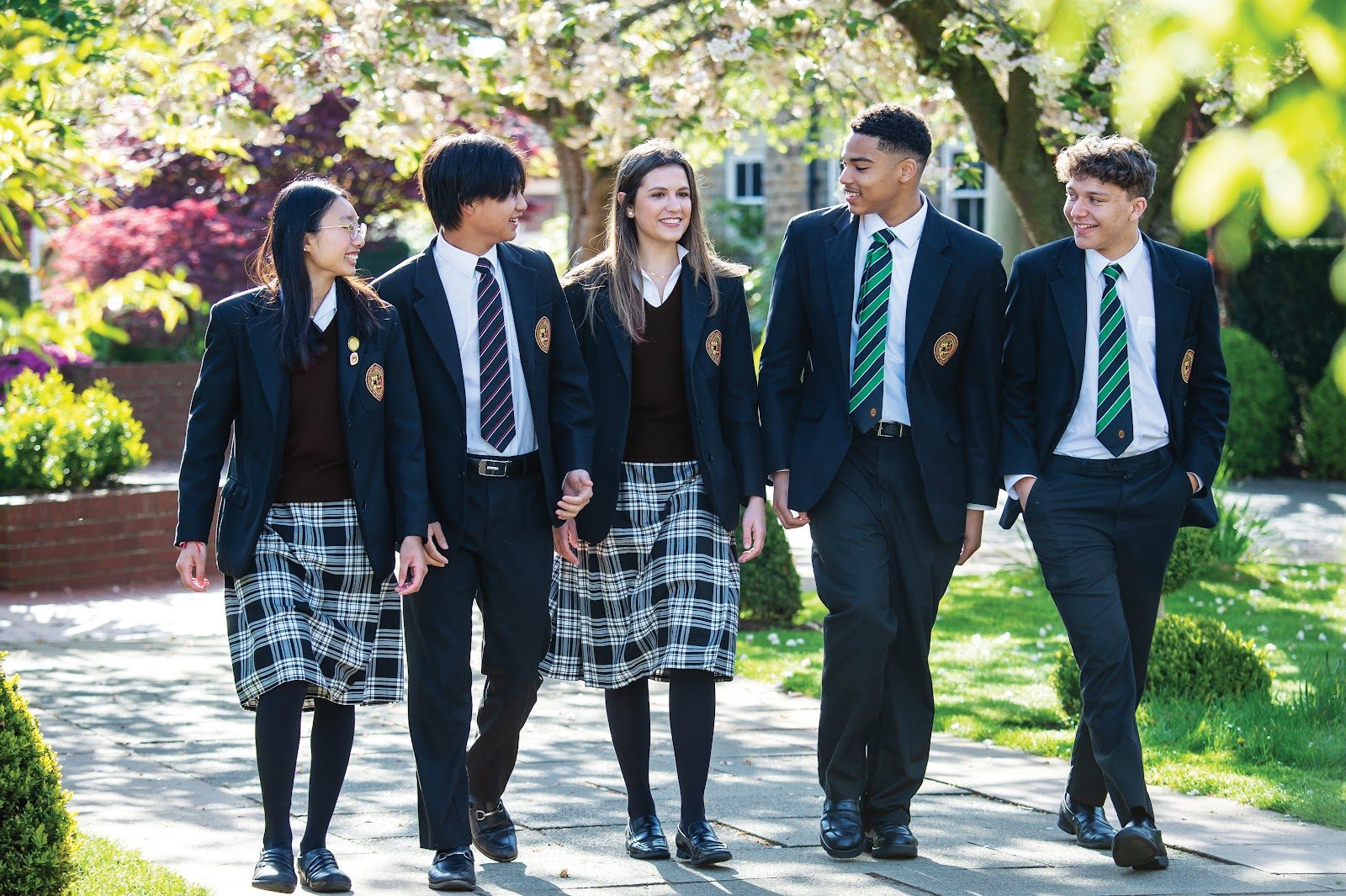
Oakham School
Oakham · United Kingdom
Where a 1584 market-town foundation meets Rutland Water sailing, early co-education, and a long-standing IB Diploma alongside A-levels.
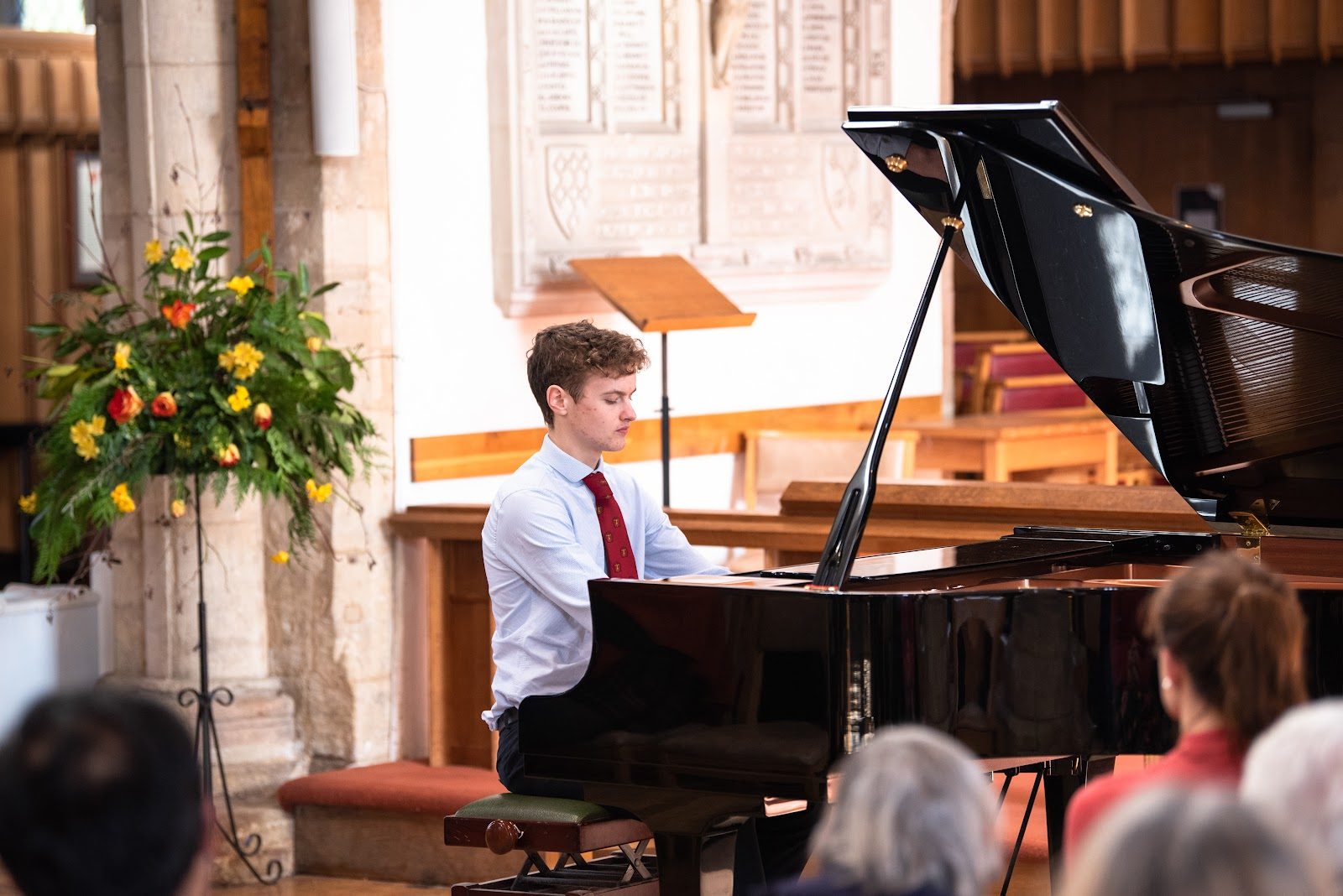
Oundle School
Oundle · United Kingdom
Boarding houses woven into a historic market town, and an engineering centre that 3D-prints titanium and carbon fibre.
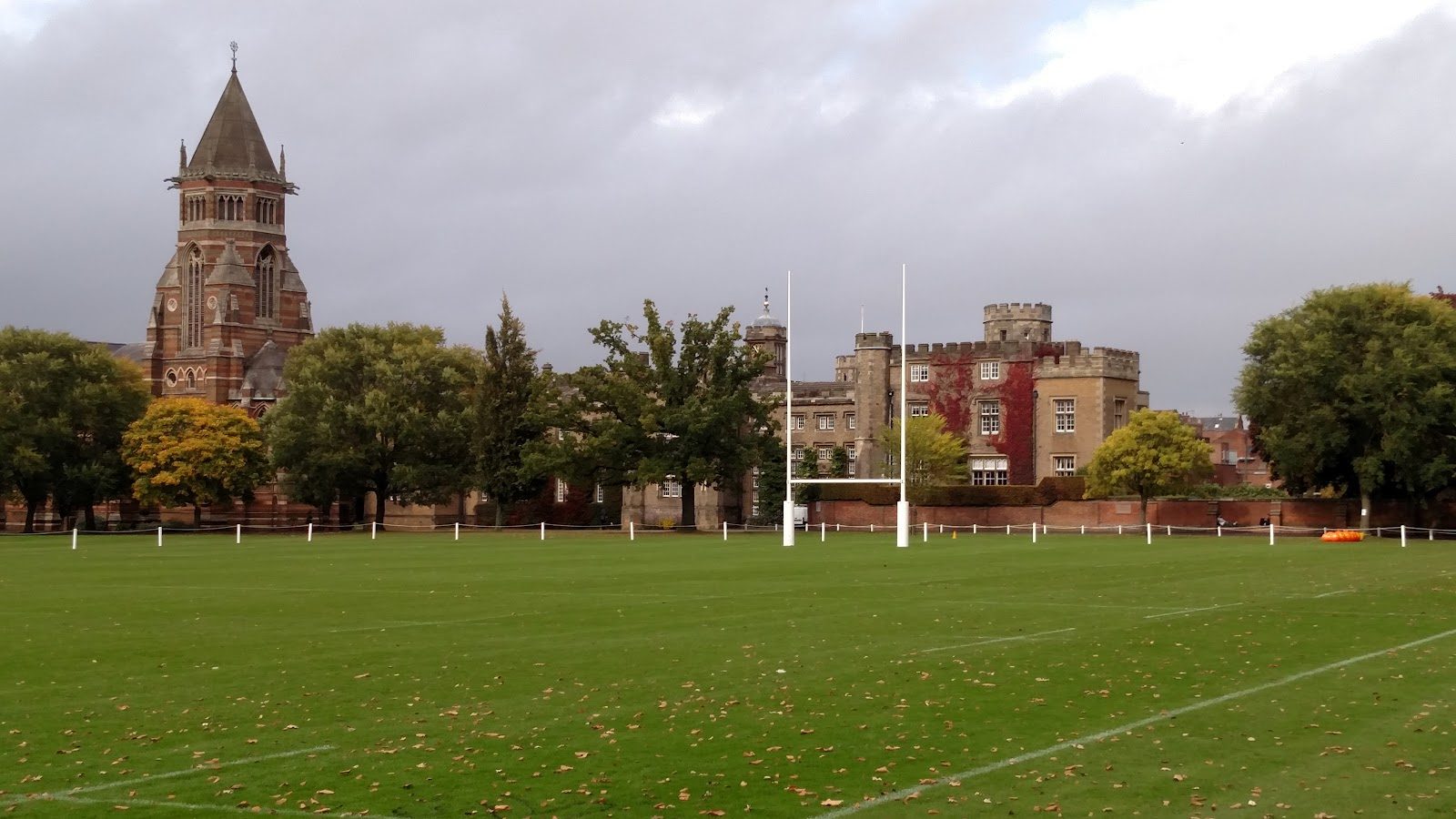
Rugby School
Rugby · United Kingdom
The Warwickshire close where a schoolboy's 1823 sprint with the ball gave rugby its name and its game.
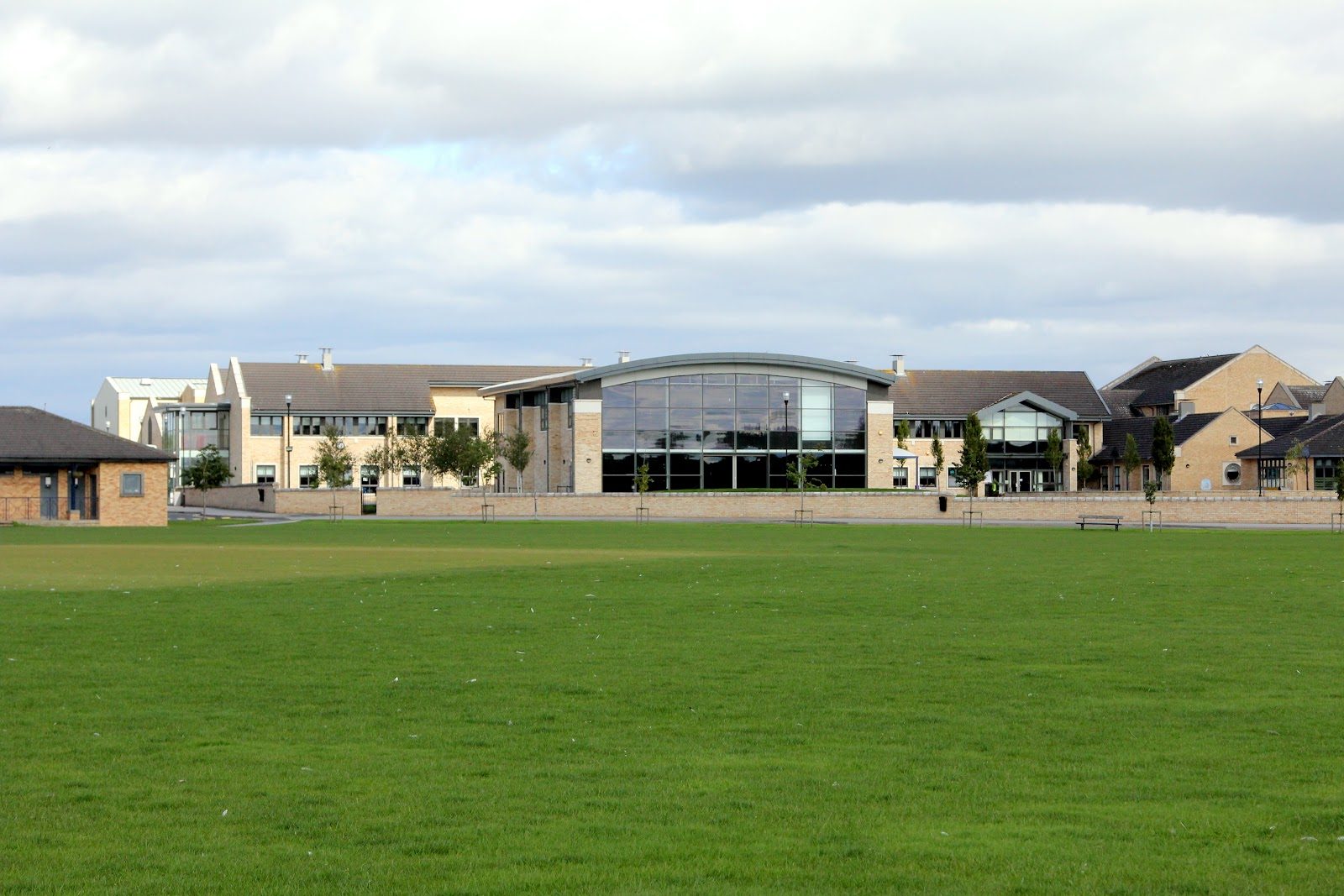
The Grammar School at Leeds
Leeds · United Kingdom
Where a 1552 boys' grammar school and an 1876 girls' high school fused into one diamond-model campus across 140 Yorkshire acres
Same country and curriculum — closest matches within ±10 points either way