
Walloon Brabant
St. John's International School
high confidence· 5/6 cats · 2.78 avg sourcesIn quiet Waterloo, one of the few Belgian schools running the full IB continuum alongside AP, staged in a 400-seat theatre.

Photo © St. John's International School via Google Maps
Type
Day
Ages
3–18
Curriculum
IB
Qualifications
IB Diploma · IB MYP · IB PYP
Ratio
—
The Verdict
Editor's commitment
Right for
Families wanting the full IB continuum in Waterloo, with CIS and IB World School accreditation and a 2025 IBDP average of 36.
Wrong for
Parents who want a secular school, a non-IB curriculum, or cheap access: this Catholic day school averages €33,741 a year.
Watch out for
The school also cites AP and a 400-seat theatre, but publishes no aggregate AP outcomes; boarding averages €16,770 a year.
Ranking breakdown
St. John's International School · #534 of 1591
Composite score 68.5. 8 weighted criteria.
By criterion
Academic Outcomes
Weight 20%
#667
of 1529 scored
University Placement
Weight 16%
#649
of 1529 scored
Prestige & Heritage
Weight 12%
#678
of 1571 scored
Alumni Network
Weight 12%
#427
of 1530 scored
Facilities
Weight 12%
#559
of 1534 scored
Transparency & Communications
Weight 8%
#685
of 1532 scored
Peer & Industry Review
Weight 10%
#640
of 1548 scored
Admissions Selectivity & Demand
Weight 8%
#489
of 1529 scored
Score history
St. John's International School · 2026
Movement across 2024–2026. Peer average overlaid.
Overall — 2024–2026
68.5/ 100
▲ +24.2 vs 2025
year on year
Peer & Industry Review
How St. John's International School is regarded in the sector
63
Respected · medium confidence
St. John's International School Waterloo is consistently listed among the established international/IB schools serving the Brussels expat community, alongside BSB and ISB, and has a profile in the Good Schools Guide International directory. It shows up regularly in expat parent forums (e.g., InterNations, Brussels expat forums) as a solid, long-standing choice, but it lacks the extensive specialist press coverage, Tatler-style features, or globally recognized alumni network of top-tier peers.
Evidence sources
Editors' overview
In quiet Waterloo, St. John’s has built a rare academic proposition for Belgium: the full IB continuum in an English-medium, Catholic day school founded in 1964, with AP also in the mix and a performing arts set-up substantial enough to include a 400-seat theatre. That combination gives it a distinct place in the Brussels market. Many international schools can offer an IB Diploma; far fewer run the whole IB pathway from the early years through to 18. For families who want continuity rather than a curricular switch at 16, that matters. The school’s CIS and IB World School accreditations add external weight. So do the numbers it chooses to publish: an IBDP average of 36 points in 2025, a top score of 43, and 40% of students on 38 points or above. Those are serious outcomes, and they put St. John’s firmly in the conversation for parents who care about university-readiness rather than atmosphere alone.
What marks St. John’s out, though, is not only academics. It pitches itself on personalisation, and the more persuasive evidence sits in the structure of the offer: full-range IB, AP, competitive sport, and an arts programme housed in facilities that go beyond the token black-box theatre many schools settle for. This is a school for children who want a broad stage, literally and academically: the student who can manage a rigorous IB track but also wants productions, exhibitions, and visible extracurricular life. It suits internationally mobile families in the Brussels orbit, but it also suits settled local families who want an English-language education with clear academic ambition and an international peer group. The average annual day fee across ages 3 to 18 is EUR 33,741, with average boarding at EUR 16,770, which places it in the expensive end of the Belgian market and means parents are paying for a full-service international school, not a stripped-back academic shop.
The caveat is straightforward. St. John’s talks a lot about being the top choice and the number one IB school in Belgium; editorially, the stronger case rests on the published Diploma figures and the breadth of programme, not on slogans. Parents who want a small, understated school with minimal competitive edge may find the tone too self-congratulatory. Parents who want published destination data, aggregate AP results, or more forensic disclosure beyond the IBDP headline numbers will find gaps; the school does not publish those figures here. Still, for a student who is academically capable, internationally minded, comfortable in a high-expectation environment and keen to use serious arts facilities rather than admire them on a tour, St. John’s belongs on the shortlist. It has a distinctive shape, a coherent offer, and results strong enough to justify scrutiny.
Academic Performance
St. John’s gives parents one solid public benchmark: the Diploma results it chooses to publish are strong by any sensible reading. An average of 36 places the school well above the global IB norm, and the distribution matters as much as the headline: 40% of the cohort at 38 points or more tells you this is not a school scraping by on one or two star candidates. A top score of 43 adds further weight. In the Belgian market, that puts St. John’s in the serious academic tier among international schools and gives real substance to its claims of high performance. For families comparing Brussels-area options, these are the numbers that justify attention.
The limitation is transparency. The school publishes a narrow slice of outcomes and uses that slice hard in its marketing. We have not seen aggregate AP results, broader year-on-year exam trends, cohort size attached to the Diploma figures, or detailed university destination breakdowns by graduating class. That leaves parents with a picture that is impressive but incomplete. Relative to peers, St. John’s sits in the group of schools that can point to genuinely strong top-line IB performance, but not in the group that offers full-spectrum academic disclosure. If you want proof that high achievers do well here, it is there. If you want the whole attainment profile, the school does not publish it.
Facilities
The facilities story here centres on performance, range and scale. The standout asset is the performing arts centre with its 400-seat theatre, which puts St. John’s ahead of the many Brussels-area schools that make do with a multipurpose hall and call it drama provision. For a child who wants productions with proper audience capacity, stagecraft and a visible public platform, that matters. The school also pushes art exhibition space and a wider creative environment, and that combination carries more weight than the token “arts-rich” claim common in the sector. Add competitive sport and a broad extracurricular menu, and the campus reads as full-service rather than academics-only. The boarding element from the early secondary years also adds practical breadth for internationally mobile families, even if day provision remains the core identity.
Against peers, St. John’s facilities look strongest where schools often cut corners: the arts, event space and the infrastructure for a busy all-through student life. That does not automatically place it in the top rank for every category of campus provision; the school does not publish the kind of detailed sports, science or specialist-lab inventory that would let parents benchmark room by room. That gap is worth noting. Still, the broad picture is clear: this is not a pared-back international school operating from a compact urban footprint. It offers a campus with serious performing arts muscle, visible co-curricular capacity and the kind of physical set-up that supports a high-expectation, publicly outward school culture.
So do the numbers it chooses to publish: an IBDP average of 36 points in 2025, a top score of 43, and 40% of students on 38 points or above
Prestige
St. John’s carries real prestige in the Brussels-area market, but it is a specific kind of prestige. This is not old-European social polish or inherited cachet. It is earned status built on academic seriousness, breadth of offer and a parent-facing confidence that borders on self-advertisement. The school’s claim to national standing rests first on outcomes at the top end of the Diploma, where a published average of 36 and 40% at high scores give it credibility with ambitious families. Add a student body and staff drawn from 65+ nationalities, and the school has the international density that parents expect from a name with reach beyond Belgium. Its membership of a global schools group adds network value, but the stronger source of prestige sits on campus: rigorous academics, visible extracurricular scale and an arts set-up that is far more substantial than the norm.
That prestige has limits, and they matter. St. John’s is well-regarded, not untouchable. The school trades hard on being Belgium’s number one IB school, yet the public case is narrower than the rhetoric. Prestige built on selective disclosure always invites scrutiny. The university list is broad and includes heavyweight names, but it spans a decade and does not tell parents how each graduating class performed. That leaves St. John’s with a profile best described as high-status but not fully transparent: strong enough to command attention, expensive enough to signal market confidence, and established enough to attract families who want a school with clear competitive ambition rather than a low-key local option.
It has a distinctive shape, a coherent offer, and results strong enough to justify scrutiny
Communications
Parent communication looks structured, deliberate and community-heavy. The school names its channels plainly: regular updates, coffee mornings, parent-teacher conferences and book-a-tour style entry points for prospective families. That matters because it tells you communication is not treated as an annual reporting exercise; it is built into the rhythm of school life. The calendar also does work here. Events such as Green and White Day and the International Festival are not just social add-ons; they function as visibility tools, pulling families onto campus and keeping the parent body engaged with the school’s culture. With 65+ nationalities across students and staff, that kind of repeated touchpoint is practical, not decorative. For internationally mobile families, a school needs communication that is clear, frequent and legible. St. John’s does that better than schools that hide behind glossy admissions copy and sparse operational detail.
The weakness sits in the split between community messaging and academic disclosure. St. John’s is confident and high-volume in how it talks about school life, belonging and ambition. It is less forthcoming where hard comparative data matter most. Parents get headline claims, selected outcomes and an energetic invitation into the community; they do not get the fuller performance reporting that would make those claims easier to test. That leaves communication effective on tone and access, but selective on substance. If you want to know whether your child will be known, included and kept in the loop, the answer is yes. If you want forensic public reporting, the school still holds cards close.
Uniqueness
What sets St. John’s apart is the shape of the offer, not a vague claim to internationalism. In Belgium, very few schools combine the full IB pathway with AP courses inside one all-through school, and fewer still pair that academic spread with a performing arts operation built around a proper theatre rather than an assembly hall in disguise. That gives students unusual room to build a profile with range: the mathematically strong pupil who also wants stage experience, the humanities student who wants visual arts taken seriously, the all-rounder who does not want to choose between hard academic stretch and a visible creative life. The school’s international mix matters too. With 65+ nationalities across students and staff, daily school life carries a genuinely cross-border social and intellectual texture rather than a token international label.
That combination brings practical advantages. Students get continuity across the age range, but they also get options within that continuity: one institutional culture, several serious routes through it, and a co-curricular life with enough scale to reward commitment. The theatre is the clearest symbol of that ambition. A 400-seat venue changes the terms of school performance work; it creates an audience, raises standards and gives pupils experience of public presentation under real pressure. The result is a school that suits children who want to do more than accumulate grades. It gives them a platform that is broad, demanding and conspicuous—excellent for confident, driven students, less comfortable for families after a quiet, low-profile education.
That combination gives it a distinct place in the Brussels market
Student Profile
This school suits the child who wants a lot of school, not just lessons. The social mix is strikingly international, with 65+ nationalities across students and staff, so pupils who enjoy meeting people from different backgrounds will have a natural advantage. It also suits students who are comfortable being known. St. John’s pushes a personalised model and a high-participation culture: productions, exhibitions, sport, exchanges, camps, festivals. A child who likes to stay in one lane and vanish into the background has less to work with here. The strongest fit is the student who wants a busy, visible, high-expectation education and has the energy to use it.
Temperament matters as much as attainment. St. John’s works for pupils who can handle ambition without constant hand-holding: the student who wants strong university guidance, broad extracurricular opportunity and peers with plans of their own. The arts provision will appeal to children who want performance to count for something real, not sit at the edge of school life, and the international environment will suit families who value a globally minded peer group over a parochial local scene. It is less well suited to the shy, low-profile child who wants a quiet ride through school, or to families who prefer understatement. This is a school for engaged, adaptable students who are willing to step forward when asked.
Many international schools can offer an IB Diploma; far fewer run the whole IB pathway from the early years through to 18
Co-curricular strengths
Arts & sport, on a separate axis
Overall 8.86/10
Scored 0-10 from the school's own published evidence. This axis is editorial-only — it does not feed the main WTS ranking.
Sports
8.5/10
Multiple sports—Football, Basketball, Volleyball, Swimming, and Tennis—showing a solid multi-sport extracurricular offering, but provides no facilities, competitive results, or specialist staffing.
Drama
9.2/10
Drama Club is explicitly named in the extracurricular list, but there is no further detail on productions, facilities, or staff.
Dance
8.8/10
Music
9/10
Choir and School Band, indicating more than a bare mention through multiple named music activities.
Visual Arts
8.8/10
Editor first-pass · editor-reviewable · 7/27/2026
Strengths
- +IB curriculum throughout ages 3–18
- +English instruction suits mobile international families
- +CIS accreditation provides external quality assurance
- +Catholic identity may suit faith-based families
Considerations
- −Day school only; no boarding option
- −Catholic ethos may not suit all families
- −English-only instruction may limit local-language immersion
Availability
Primary entry gate & tests
Academic Record
Gallery
Photo © St. John's International School via Google Maps
Photo © St. John's International School via Google Maps
Photo © St. John's International School via Google Maps
Photo © St. John's International School via Google Maps
Photo © St. John's International School via Google Maps
Parent reviews
Have you sent your child here?
Voice reviews carry the strongest trust badge — we transcribe them for you to tidy up before they go live. Prefer to type? A written review is fine too.
Add your voice
In 60 seconds, tell other parents: what's the best thing about St. John's International School, and what surprised you when your child joined?
We ask for a Google sign-in so every review has a real face behind it — no anonymous drive-by attacks on schools, and no faked positive reviews. Your email is never shown publicly.
Send this profile to a friend
International parents rely on word-of-mouth. Share this review with someone weighing the same decision.
Schools with places
Similar schools to St. John's International School with places available now.
International School of Brussels
Brussels · Belgium
- 2026-27
- WAITPOOLSpace-dependent
- 2027-28
- PLACES OPENRolling
The British School of Brussels
Brussels · Belgium
- 2026-27
- WAITPOOLSpace-dependent
- 2027-28
- PLACES OPENRolling
Availability first, then country, area, curriculum, price, co-curricular
Consider also
Also worth looking at alongside St. John's International School.
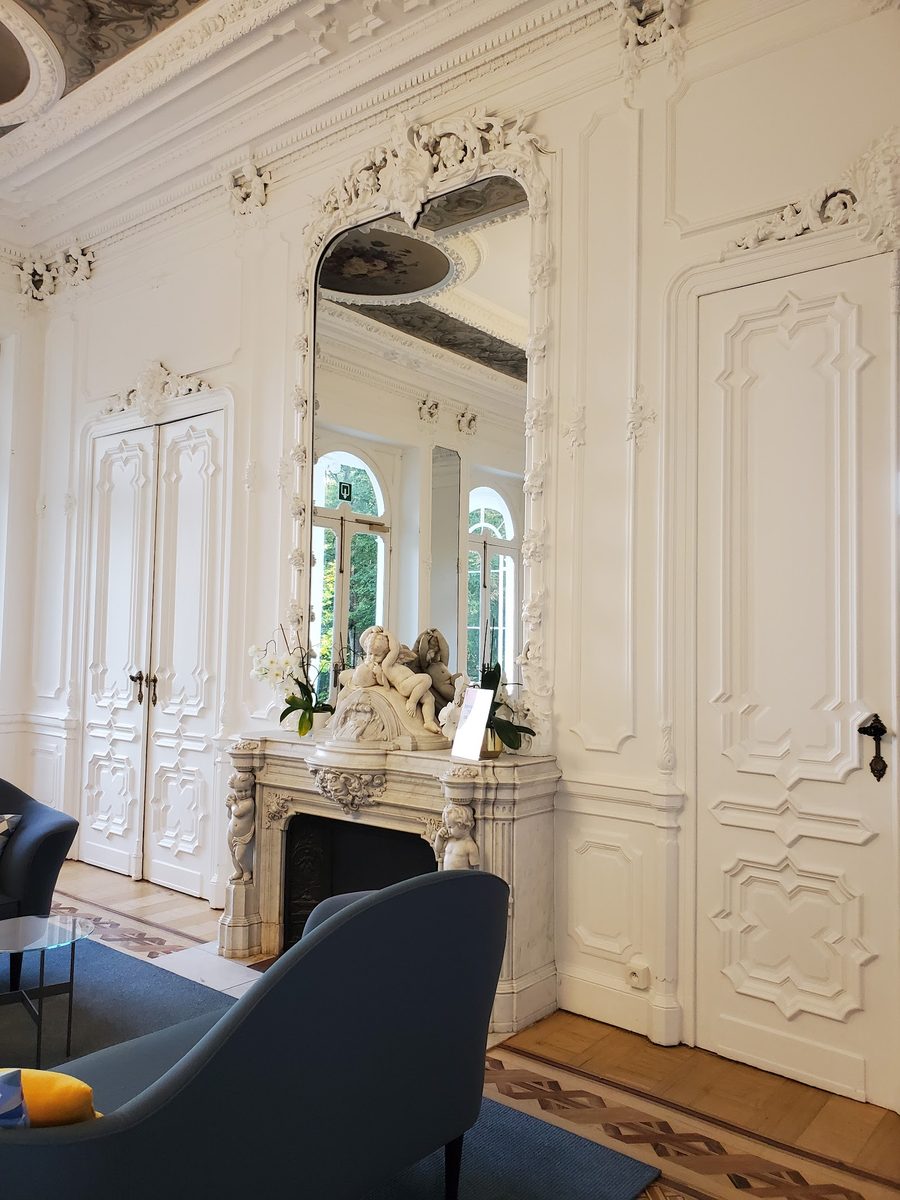
International School of Brussels
Brussels · Belgium
A 40-acre campus tucked into the Foret de Soignes beside a UNESCO site, pairing British roots with one of the world's earliest IB programmes.

The British School of Brussels
Brussels · Belgium
In woodland Tervuren near Brussels, the only Belgian school pairing A Levels, IB Diploma and BTEC under one roof.
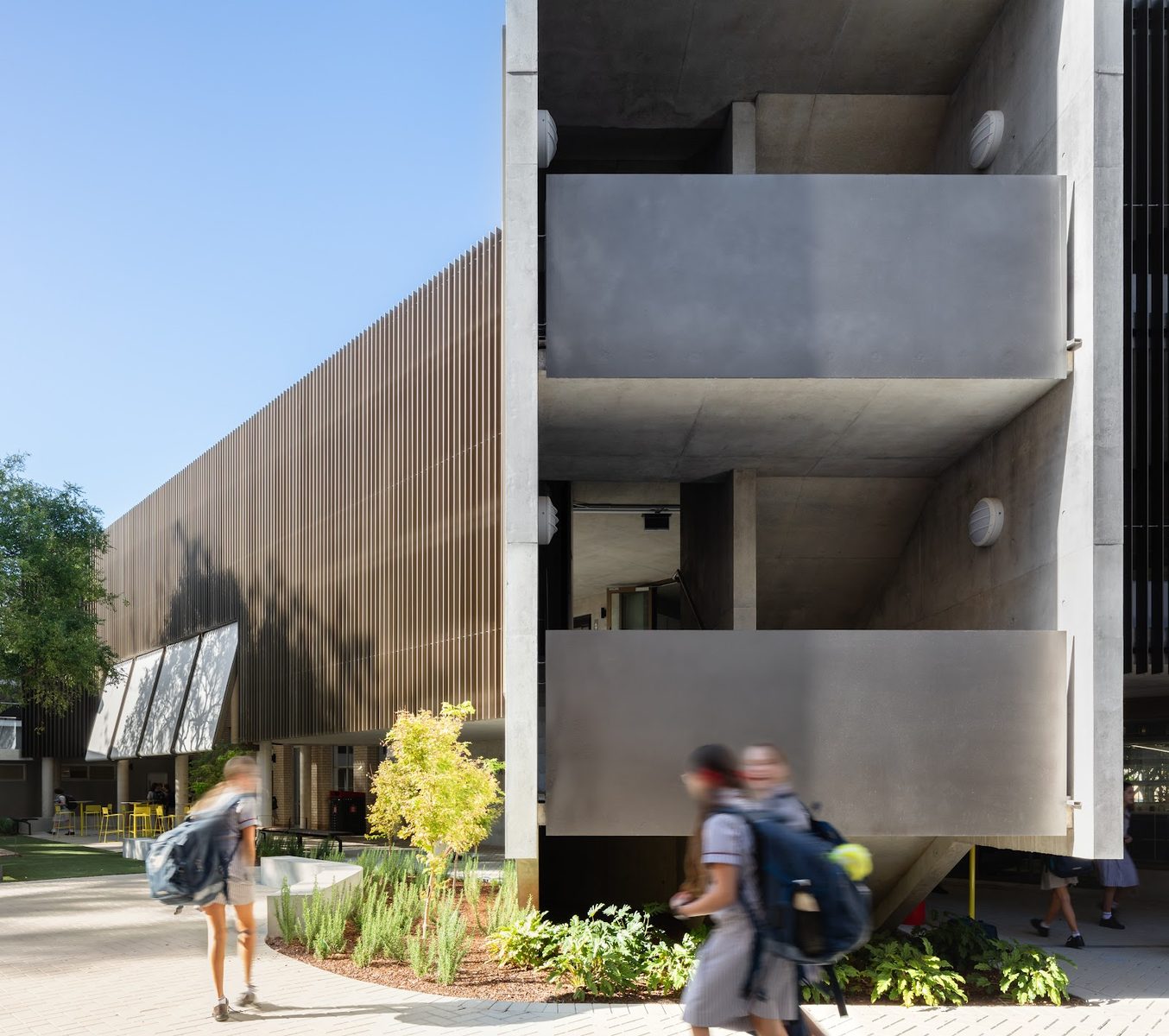
Ascham School
Sydney · Australia
Sydney's storied girls' boarding school, pairing the Dalton Plan with a rigorous HSC pathway.
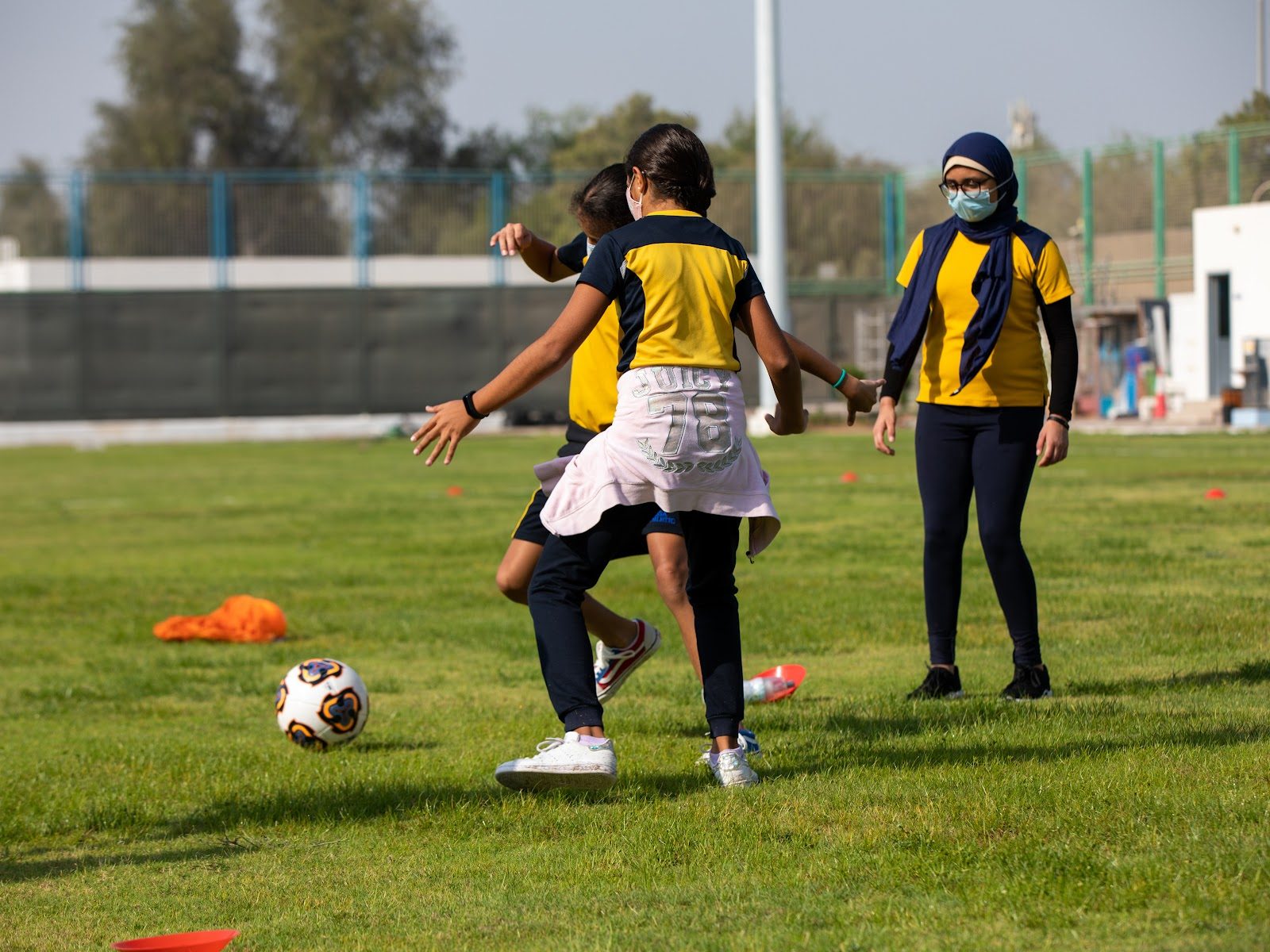
American International School in Abu Dhabi
Abu Dhabi · United Arab Emirates
Where American Common Core meets IB inquiry, having pioneered the UAE's first IB Diploma classroom back in the 1990s
Same country and curriculum — closest matches within ±10 points either way