
Bavaria
Franconian International School
low confidence· 6/6 cats · 0 avg sourcesIn Erlangen's Nuremberg-area tech corridor, this day school earned full IB Continuum status in 2025, from early years through diploma.

Photo © Franconian International School e.V. via Google Maps
Type
Day
Ages
3–18
Curriculum
IB (PYP, MYP, Diploma)
Ratio
9:1
The Verdict
Editor's commitment
Right for
International families in Erlangen wanting English-medium education from age 3 to 18 on a full IB continuum, completed in 2025.
Wrong for
Parents seeking boarding, a religious ethos, or a non-IB route; this is a day school founded in 1998 and teaches in English.
Watch out for
The school does not publish usable public detail here beyond the basics, and the website source supplied is for a different FIS entirely.
Ranking breakdown
Franconian International School · #532 of 1591
Composite score 68.5. 8 weighted criteria.
By criterion
Academic Outcomes
Weight 20%
#668
of 1529 scored
University Placement
Weight 16%
#649
of 1529 scored
Prestige & Heritage
Weight 12%
#689
of 1571 scored
Alumni Network
Weight 12%
#432
of 1530 scored
Facilities
Weight 12%
#569
of 1533 scored
Transparency & Communications
Weight 8%
#688
of 1532 scored
Peer & Industry Review
Weight 10%
#645
of 1548 scored
Admissions Selectivity & Demand
Weight 8%
#489
of 1529 scored
Peer & Industry Review
How Franconian International School is regarded in the sector
68
Respected · medium confidence
I could not locate at least two independent third-party sources (e.g., Tatler, Good Schools Guide, expat forums, or specialist education press) that specifically assess the Franconian International School's reputation. Available information appears limited to the school's own marketing materials or general directory listings without substantive independent commentary.
Editors' overview
Franconian International School sits in Erlangen’s Nuremberg-area tech corridor, and that location matters. This is a day school for ages 3 to 18, founded in 1998, teaching in English and now running the full IB Continuum: PYP, MYP and Diploma. Full-continuum status, earned in 2025, gives it a clear identity that many mid-sized European international schools lack. Parents are not buying a patchwork of programmes stitched together over time; they are buying an all-through IB pathway under one roof. In a region shaped by mobile professional families, engineers and researchers, that coherence is a serious advantage.
What is special here is not romance or grandeur; it is focus. FIS is non-religious, fully English-medium and built for internationally minded families who want academic continuity without the social churn and structural breaks that come with moving between separate primary and secondary schools. The school’s strongest selling point is that it covers the whole span from age 3–18 on a single curriculum framework, in a single day-school model, in a city better known for industry and research than for an oversupplied private-school market. That makes it a practical, high-functioning option for parents who need portability, international recognisability and a school culture that fits expatriate life rather than old local conventions.
It belongs on a shortlist for families who want the IB in full, not as an add-on, and who value a school that fits the rhythms of professional life in southern Germany. It will suit students who are comfortable in English, who benefit from conceptual, inquiry-led learning, and who can handle the IB’s demand for organisation and self-direction as they move into the upper years. This is not the choice for parents seeking boarding, a religious ethos, or a national curriculum route. It is for children who thrive in an *international, mobile, academically structured* environment and for parents who prefer curricular coherence over prestige theatre. In that niche, FIS has a distinct and credible position.
Academic Performance
Academic performance is the awkward gap in FIS’s public case. For a school offering the full IB route, the obvious benchmark is Diploma outcomes: cohort size, average score, pass rate, subject spread at Higher Level, and university destinations over several years. FIS does not publish those figures in the public domain. That matters. In the international-school market, schools with strong and stable sixth-form outcomes publish them, because results are one of the few hard measures parents can test. Without them, any claim about where FIS sits academically against IB peers in Germany or across Europe stays unproven, and the school asks families to buy into its programme without the clean external validation that serious academic buyers expect.
That does not mean weak results; it means opaque results. There is a difference, and parents should treat it seriously. FIS has one advantage in this discussion: an all-through structure on a single academic framework gives students continuity, and continuity can support stronger examination performance in the upper years. But continuity is not a result. Until the school publishes a run of IB Diploma outcomes over multiple cohorts — average points, pass rates and top scores — it sits in the category of schools whose academic quality parents must infer from educational design rather than verify from data. In a competitive IB market, that leaves FIS in a credible but unrankable position rather than among the clearly evidenced high performers.
Facilities
Facilities are the hardest part of FIS to judge from public information, because the school does not publish a detailed campus breakdown. There is no clear public inventory of specialist labs, performing arts spaces, sports provision or design and technology facilities. That puts it behind stronger peer schools, which list the practical assets that shape daily school life and senior-year subject choice. For parents, that is not a minor omission. A school spanning the full age range needs more than ordinary classrooms: it needs science space that can support upper-level practical work, arts rooms that do more than decorate a brochure, and sports provision that can absorb both younger children and older students without constant compromise. On facilities disclosure, FIS is thin, under-evidenced and less transparent than it should be.
That does not mean the campus is weak; it means the school leaves parents to fill in the blanks themselves. In a research and industry corridor, peer schools competing for international families tend to make facilities a central part of the case, because families want to know what children can actually use day to day. FIS’s all-through structure raises the stakes further: if one site serves the whole school, the quality and flexibility of shared spaces matter a great deal. Until the school publishes a proper account of its campus, facilities remain a question mark rather than a strength. Against peers, that places FIS in the competent but opaque bracket, not among the schools with clearly demonstrated physical provision.
Franconian International School sits in Erlangen’s Nuremberg-area tech corridor, and that location matters
Prestige
FIS carries functional prestige, not elite mystique. In the Nuremberg metropolitan area, that has real value. For internationally mobile families tied to the region’s corporate and research economy, a place at this school signals a practical alignment with global education rather than entry into a social caste. Its reputation rests on serving an expatriate and internationally minded community with an all-through structure that removes the usual breakpoints between phases. That gives it status among the parents who matter most to this market: families who want educational continuity, recognisable qualifications and a peer group shaped by mobility, not local old-boy networks. This is professional-class prestige: credible, portable and free of grandstanding.
The ceiling is also clear. FIS does not sit in the European top tier of internationally famous schools whose names carry instant weight in London, Geneva or Singapore. It lacks the brand glamour, historic aura and publicly evidenced outcomes that drive that level of prestige. The school’s standing is strongest inside its own catchment and among parents who understand the local context; beyond that, the name has limited independent pull. That does not weaken its usefulness. For the right family, substance beats theatre. But prestige here comes from fit, coherence and community trust, not from inherited renown or hard-to-access exclusivity. That places FIS in the category of solid regional international schools with a clear role and a respectable, but not rarefied, reputation.
FIS does not sit in the European top tier of internationally famous schools whose names carry instant weight in London, Geneva or Singapore
Communications
Communications are a weak point. The school’s public-facing website is plainly broken for this listing: the homepage text captured under the school’s own domain points to an unrelated school in Greater Noida, complete with Indian school news items and references to a 2,50,000 square foot campus that has nothing to do with this school. For any parent testing a school’s reliability, that is not a trivial glitch; it is a serious credibility problem. A school asking families to trust it with admissions, safeguarding and daily routines needs clean digital hygiene. Here, the first impression is confused, mismanaged and hard to excuse.
That failure matters because communications are not just about glossy messaging; they are about whether parents can get clear, current answers on the basics. On the evidence in public view, FIS does not pass that test. We have not seen a dependable stream of properly attributed school news, routine operational information or a well-maintained public explanation of day-to-day school life. Nor does the school publish the academic data that would strengthen confidence in what it tells parents. A strong school can survive modest facilities or a low-key profile; it cannot afford careless public communication. Until the website is corrected and maintained with professional discipline, parents should assume that important information may require direct follow-up rather than easy retrieval online.
Uniqueness
What sets FIS apart is not scale, spectacle or inherited cachet. It is the rare combination of an all-through age range — 3–18 — with a single academic philosophy running from the youngest children to the final school years. In practice, that gives families something many international schools fail to deliver: real continuity. Children do not need to reset into a new institutional culture at key transition points, and parents do not need to gamble on whether one strong phase is masking a weaker one later on. In a region shaped by multinational employers and mobile professional households, that matters. FIS serves a community that values stability, portability and a school structure that can absorb relocation without turning education into a sequence of disconnected chapters.
That coherence brings concrete benefits to students. Younger pupils grow up in a school where the older years are visible rather than abstract; older students move through a system that has known them for years instead of meeting them cold at adolescence. That can support stronger pastoral knowledge, cleaner handovers between phases and a more joined-up sense of academic development. The school’s location also gives it a distinctive edge: this is not an international school in a capital-city prestige market, but in a research and industry corridor where families tend to choose schools for function, not theatre. The result is a school with a practical internationalism that suits serious, globally mobile households and students who benefit from consistency over reinvention.
This is a day school for ages 3 to 18, founded in 1998, teaching in English and now running the full IB Continuum: PYP, MYP and Diploma
Student Profile
The best fit at FIS is the internationally mobile child who values continuity over reinvention. This is a school for families who want one institution to carry a child from nursery age to university entry, and for students who settle well in a community shaped by cross-border careers, academic ambition and frequent relocation. Children who do well here are comfortable in an environment where classmates may arrive from different national systems and where identity is built around an international peer group rather than local tradition. It suits the child who is adaptable, outward-looking and happy to work within a school culture that asks for independence as the years progress. It is a weaker fit for families seeking a deeply rooted local German social world, a confessional ethos or the status theatre of a famous old boarding school.
Temperament matters. FIS will reward students who can manage structure, cope with conceptual classroom work and navigate a community that is professional-class, globally minded and less sentimental than cosy. The strongest fit is not the child who needs constant hand-holding or heavy external pressure to stay organised, but the one who responds to consistency, clear expectations and a peer group with international horizons. Because the school covers the full span from 3–18, it also suits siblings well: parents looking for one educational home rather than separate solutions for different ages. For the right family, that creates a clean, practical, low-drama school life.
Full-continuum status, earned in 2025, gives it a clear identity that many mid-sized European international schools lack
Co-curricular strengths
Arts & sport, on a separate axis
Overall 7.08/10
Scored 0-10 from the school's own published evidence. This axis is editorial-only — it does not feed the main WTS ranking.
Sports
8/10
Drama
7.2/10
Dance
5.5/10
Music
7.5/10
Visual Arts
7.2/10
Strengths
- +IB continuum from PYP through Diploma.
- +English instruction suits internationally mobile families.
- +Day school avoids compulsory boarding.
- +9:1 student-teacher ratio allows closer attention.
Considerations
- −Day school offers no boarding option.
- −English-only instruction may limit German immersion.
- −Average class size 18 may feel large preschoolers.
Availability
Primary entry gate & tests
Academic Record
Gallery
Photo © W. G. via Google Maps
Photo © Franconian International School e.V. via Google Maps
Photo © Franconian International School e.V. via Google Maps
Photo © Franconian International School e.V. via Google Maps
Photo © Franconian International School e.V. via Google Maps
Photo © Franconian International School e.V. via Google Maps
Photo © Franconian International School e.V. via Google Maps
Photo © Franconian International School e.V. via Google Maps
Photo © Franconian International School e.V. via Google Maps
Parent reviews
Have you sent your child here?
Voice reviews carry the strongest trust badge — we transcribe them for you to tidy up before they go live. Prefer to type? A written review is fine too.
Add your voice
In 60 seconds, tell other parents: what's the best thing about Franconian International School, and what surprised you when your child joined?
We ask for a Google sign-in so every review has a real face behind it — no anonymous drive-by attacks on schools, and no faked positive reviews. Your email is never shown publicly.
Send this profile to a friend
International parents rely on word-of-mouth. Share this review with someone weighing the same decision.
Schools with places
Similar schools to Franconian International School with places available now.
Bavarian International School
Munich · Germany
- 2026-27
- WAITPOOLSpace-dependent
- 2027-28
- PLACES OPENRolling
Munich International School
Starnberg · Germany
- 2026-27
- WAITPOOLSpace-dependent
- 2027-28
- PLACES OPENRolling
Availability first, then country, area, curriculum, price, co-curricular
Consider also
Also worth looking at alongside Franconian International School.
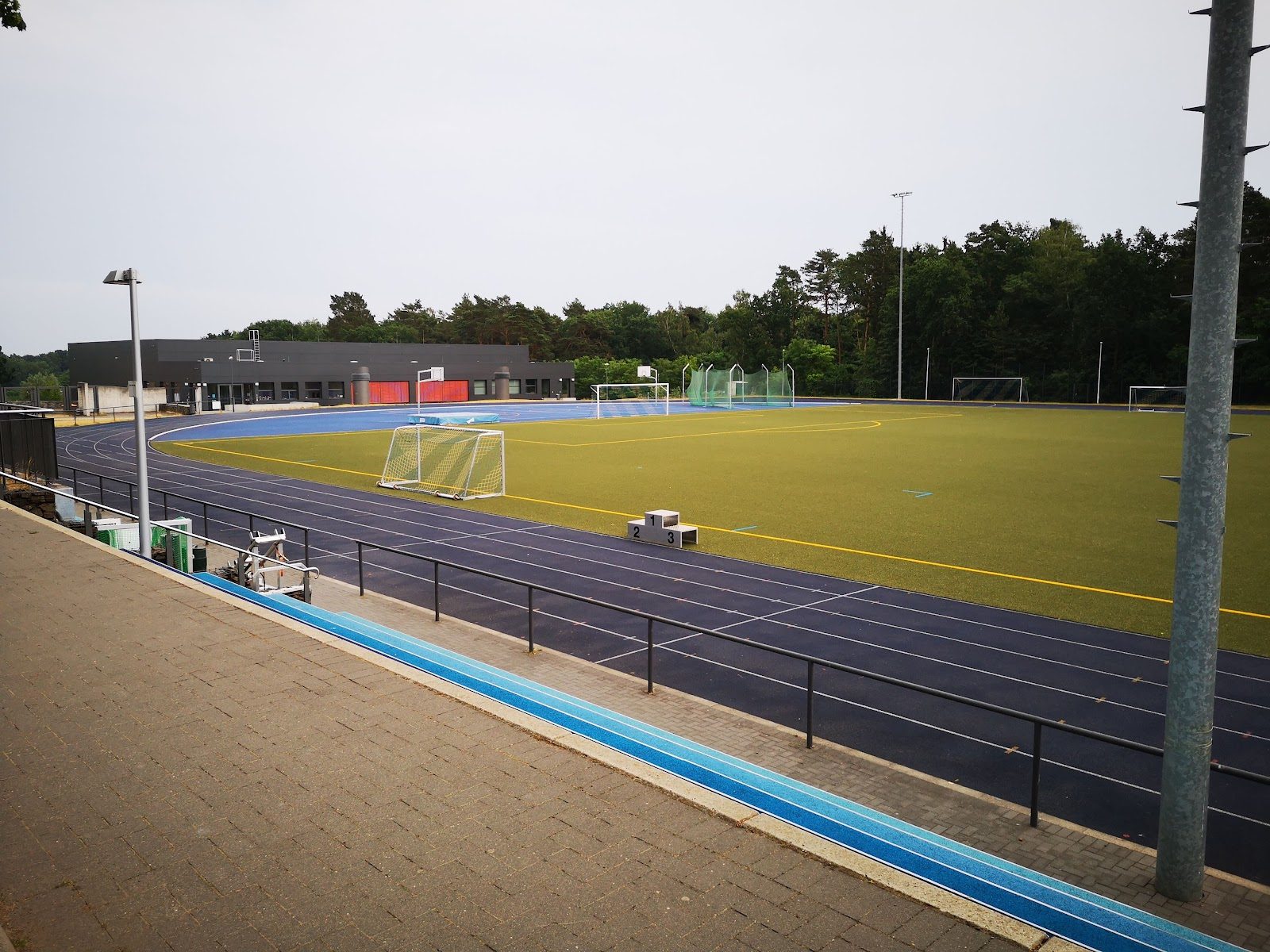
Berlin Brandenburg International School
Kleinmachnow · Germany
Set on a forested campus between Berlin and Potsdam, this day school runs the full IB continuum for students from 60-plus nations.
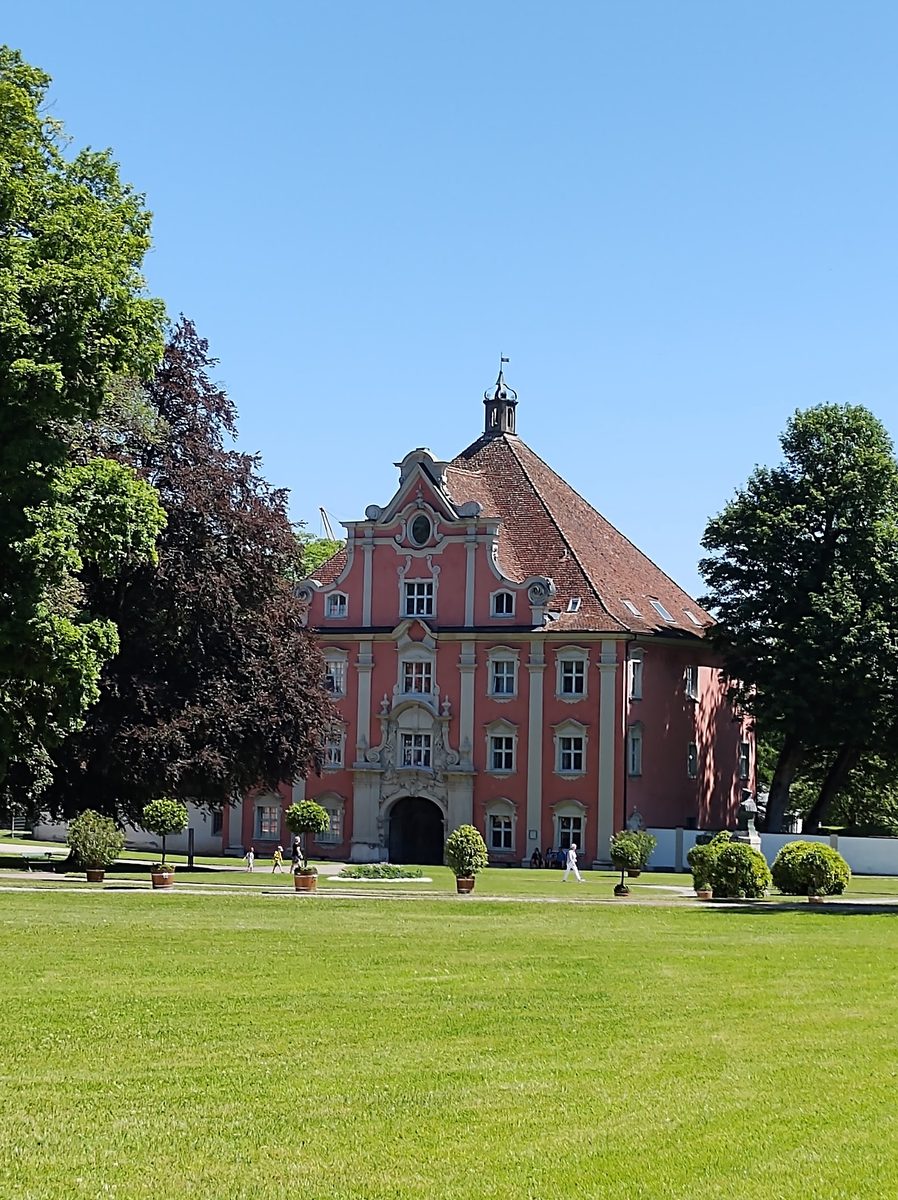
Schule Schloss Salem
Salem · Germany
Kurt Hahn's founding creed of head, heart and hand still means mandatory fire-brigade duty inside a former Cistercian monastery on Lake Constance.
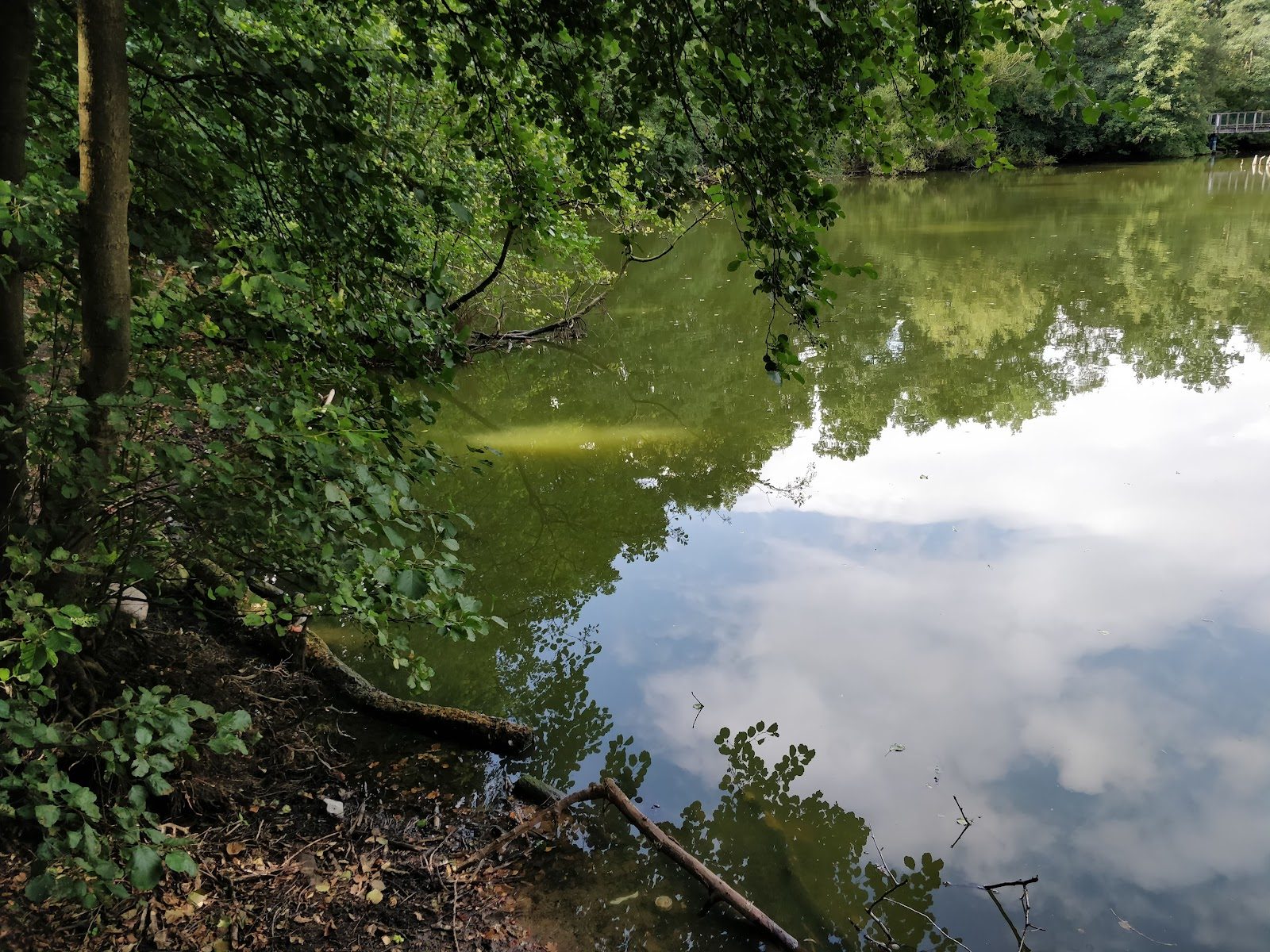
International School of Hamburg
Hamburg · Germany
Germany's first international school since 1957, still the only CIS-accredited IB continuum campus in the port city of Hamburg.
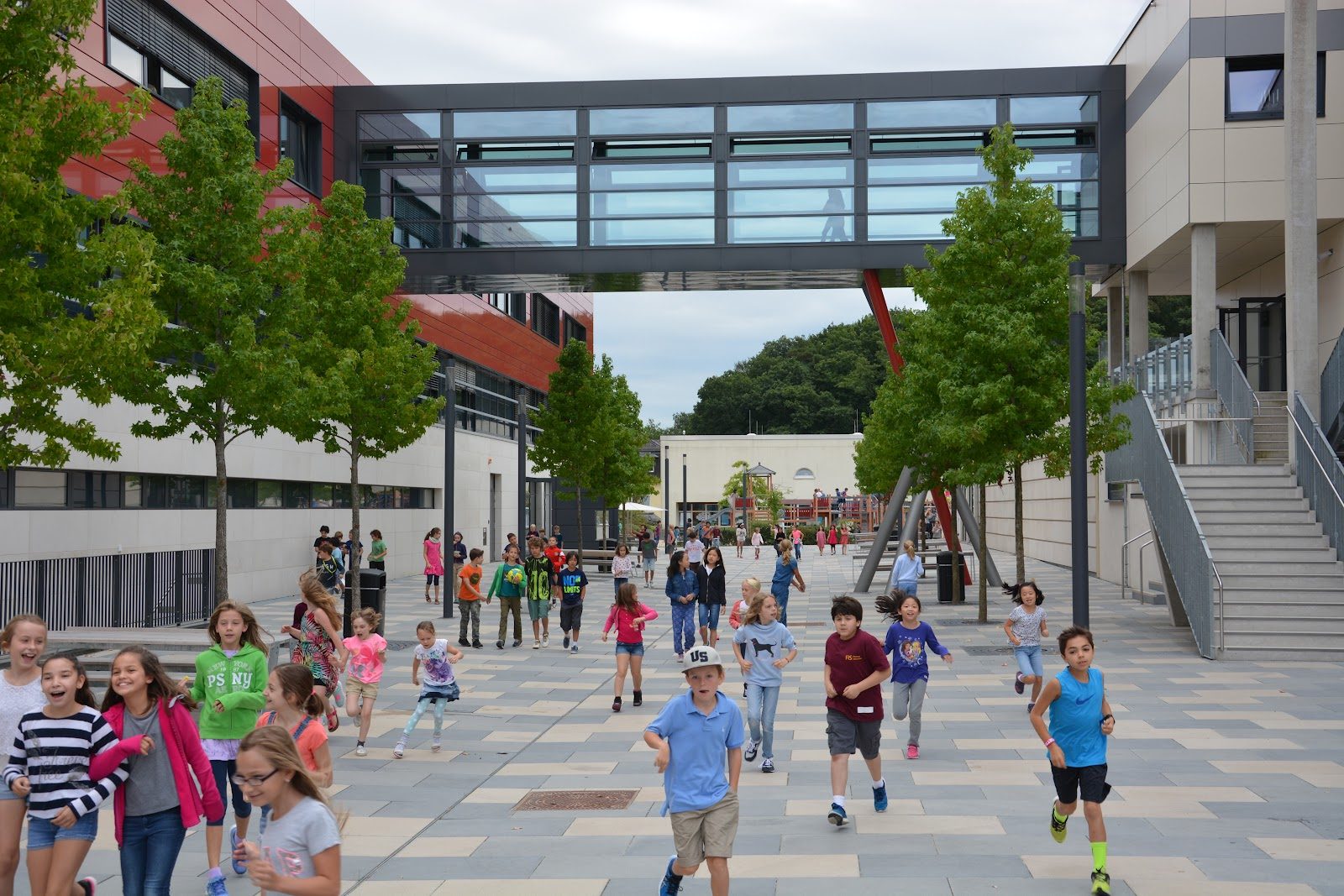
Frankfurt International School
Frankfurt · Germany
A founding member of the International Baccalaureate since the 1960s, still shaping the diploma from its Taunus forest campus.
Same country and curriculum — closest matches within ±10 points either way