
Bavaria
Bavarian International School
high confidence· 5/6 cats · 3 avg sourcesSet in a centuries-old castle north of Munich, the only German school running the IB's full continuum, age three to diploma.
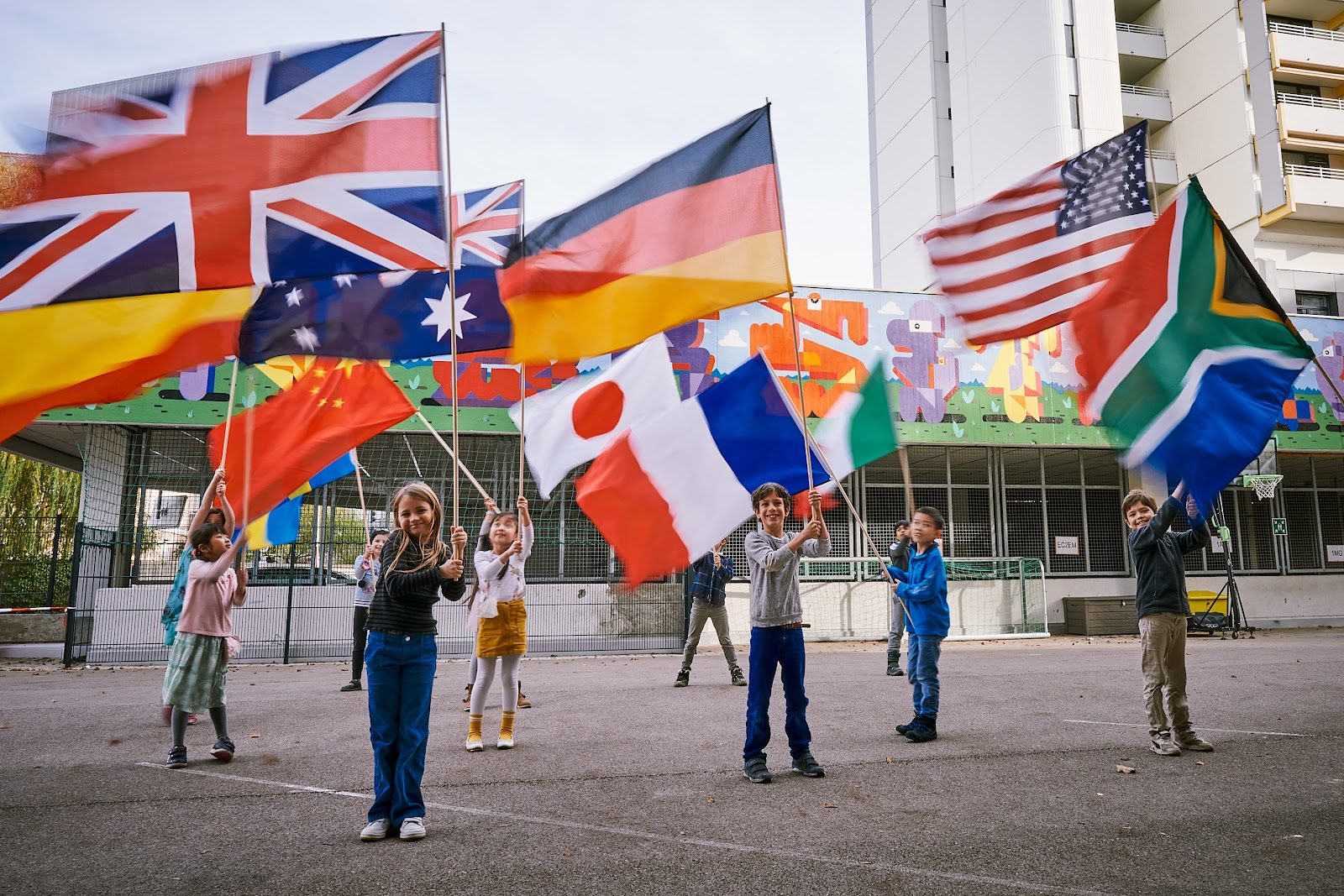
Photo © Bavarian International School - München via Google Maps
Type
Day
Ages
3–18
Curriculum
IB
Ratio
—
The Verdict
Editor's commitment
Right for
Families who want the full IB continuum from age 3 to 18 in English, backed by CIS, IB World and NEASC.
Wrong for
Parents chasing a German-system route, boarding, or bargain fees; this is a day school in Munich averaging €21,174 a year.
Watch out for
Average class size is 22, which limits intimacy at this price; destinations listed include one each to AUP, AUR and Franklin & Marshall.
Ranking breakdown
Bavarian International School · #744 of 1591
Composite score 67.4. 8 weighted criteria.
By criterion
Academic Outcomes
Weight 20%
#745
of 1529 scored
University Placement
Weight 16%
#736
of 1529 scored
Prestige & Heritage
Weight 12%
#750
of 1529 scored
Alumni Network
Weight 12%
#654
of 1529 scored
Facilities
Weight 12%
#676
of 1529 scored
Transparency & Communications
Weight 8%
#777
of 1529 scored
Peer & Industry Review
Weight 10%
#784
of 1529 scored
Admissions Selectivity & Demand
Weight 8%
#547
of 1529 scored
Score history
Bavarian International School · 2026
Movement across 2024–2026. Peer average overlaid.
Overall — 2024–2026
67.4/ 100
▲ +22.0 vs 2025
year on year
Peer & Industry Review
How Bavarian International School is regarded in the sector
75
Strong · medium confidence
Bavarian International School (BIS) is consistently referenced in expat parent forums (InterNations, Toytown Munich) and specialist relocation guides as one of Munich's leading IB institutions, alongside Munich International School, and is accredited by CIS and IB with a long-standing reputation among corporate relocation and expat communities. It regularly appears in 'best international schools in Germany/Munich' round-ups from relocation consultancies and expat press, though it receives less dedicated coverage in UK-centric outlets like Tatler or Good Schools Guide, which focus primarily on UK/domestic institutions.
Evidence sources
Editors' overview
A school in a castle can tip into gimmick. Bavarian International School avoids that trap because the substance is hard to ignore: it runs the full IB continuum from age 3 to 18, in English, and the school states that it is the only German school to do so. That matters. Parents who want a single academic language and a single curricular philosophy from the early years through the diploma do not need to stitch together transitions at 11, 14 or 16. BIS is also large enough to feel properly international rather than nominally so, with around 1,250 students from more than 70 countries, yet class sizes sit at 22, which keeps the proposition from drifting into anonymity. For families moving in and out of Munich, that coherence is the real selling point, not the castle.
The school’s academic case is stronger than its romantic setting. BIS publishes an IB Diploma average of 34.3 in 2025 against a global average of 30.5, with 17% of students above 40 points and more than 43% above 36. More important than the headline score is the school’s claim that it is non-selective; if that holds, those results carry weight. Accreditations from CIS, the IB and NEASC add external scrutiny that serious international families will expect. At an average annual day fee of €21,174 across the full age range, BIS sits in the expensive but not absurd bracket for a premium international school near Munich. The weakness is not academic quality but university destination transparency: the published recent destinations listed here are thin, with single students heading to the American University of Paris, the American University of Rome and Franklin & Marshall. That does not indict the school, but it leaves parents without the fuller placement picture that top buyers in this market expect.
The child who will thrive here is internationally mobile, comfortable in English, and well served by a school that values breadth as much as examination performance. BIS talks in the language of the whole child, future skills and inclusion; plenty of schools do that, but the all-through IB structure gives those claims a credible spine. This is a strong shortlist school for parents who want continuity, a cosmopolitan peer group and solid IB outcomes without the grimly selective atmosphere that defines parts of the market. It is less compelling for families who want a strongly German pathway, a publicly documented conveyor belt to a narrow band of elite universities, or a smaller, more intimate school culture.
Academic Performance
BIS has a stronger examination profile than many non-selective international schools. Its diploma cohort outperforms the world average by a clear margin, and the top-end distribution holds up too: 17% of candidates cleared the 40-point mark, while 43% passed 36. Those figures place the school in the serious academic tier rather than the merely competent one. This is not the score profile of a school coasting on attractive surroundings or international branding. It reflects a sixth form that delivers genuine value added and sends a meaningful share of students into the range where selective universities will pay attention. The school also makes a point worth noting: these results sit alongside an open-access intake, which makes the performance more hard-earned than the polished outcomes posted by heavily filtered competitors.
Set against top IB schools in Europe, BIS does not sit in the tiny club chasing the mid-to-high 30s as a floor or producing a constant stream of near-perfect papers. It sits one rung below that rarefied bracket and above the broad middle of the market. For most families, that is a strong place to be: ambitious, credible, and without the exam-factory feel that drags the life out of school. The limitation is transparency beyond the diploma scoreline. We have seen only thin destination data, and the school does not publish the richer university placement picture that would help parents judge how those exam results convert into admissions outcomes.
Facilities
The physical proposition is stronger than the fairytale setting. The headline project is the new Creativity & Innovation Centre, a €25 million build due to open in 2026–27. That matters because plenty of established international schools talk about future skills and digital fluency while teaching them in rooms that were never designed for either. BIS is investing at a level that places it in the serious-capital category for a day school, not the cosmetic-upgrade one. The school also puts weight behind technology in daily use: tablets in the primary years, laptops in secondary, design technology, robotics and coding all feature, and the mobile-phone ban cuts against the chaos that weak digital policies create elsewhere. Against peers around Munich, that combination of old estate and new infrastructure gives BIS a useful edge: character without sacrificing modern teaching space.
The broader offer is substantial rather than extravagant. The school advertises 80 after-school activities a week, spanning sport, music, theatre and coding, plus secondary programmes such as entrepreneurship, Model United Nations, Eco-School work and the Duke of Edinburgh award. That breadth compares well with other large international schools, where co-curricular menus can look impressive on paper but thin out in practice. Here, the range is plainly deep. What BIS does not publish in the source set here is the level of detail hard-nosed parents also want: laboratory specifications, theatre capacity, sports inventory and specialist room count. That gap does not negate the facilities story, but it leaves the school a touch opaque beside peers that document every studio, pitch and science suite.
That does not indict the school, but it leaves parents without the fuller placement picture that top buyers in this market expect
Prestige
Bavarian International School has real market standing in southern Germany, but its prestige is not the old-money, name-first prestige of a Swiss boarding school or a British heritage brand. It rests on something more modern and more practical: continuity, scale and credible outcomes. In the Munich area, a school that can keep a child on one academic track from nursery to university entry has clear status with international employers and mobile families. The setting helps too. A school housed in a castle north of the city carries social cachet, and BIS knows it. More important, it backs the image with substance: a large international roll, a second campus in the city, teaching in 6 main languages plus a home-language programme covering 17 more, and a staff body drawn from more than 50 nations. That breadth gives the school genuine international weight rather than decorative cosmopolitanism.
The prestige ceiling still has limits. BIS does not trade on ruthless selectivity, inherited exclusivity or a public record of sending waves of pupils into the most fought-over universities. Its status is earned rather than mythic. For many families, that is an advantage: the school carries serious professional-class prestige without the brittle social theatre that surrounds some competitors. For parents chasing the most rarefied badge value, there are more famous schools in Europe. For parents who want a respected, globally legible education with strong standing in its local market, BIS is plainly one of the heavyweights.
The BIS pupil is internationally mobile, socially adaptable and comfortable in a community where national identity is plural rather than singular
Communications
Parent communication is more developed than the average school website and more purposeful than the standard admissions gloss. BIS gives families several clear routes in: enquire, visit and apply are prominent; leadership is visible; governance is named; and the school offers a “virtual visit” built around voices from staff, students and parents. That matters because schools that communicate well do not hide the people making decisions. BIS also publishes concrete operational detail that parents can use, not just values language: the scale of the community, the range of languages taught, the after-school programme, the phone policy, and the new building project all sit in plain sight. For a school serving a mobile international population, that degree of explanation is reassuringly adult. It treats parents as decision-makers, not targets for soft-focus branding.
The weak point is depth and proof. The tone is polished and confident, but much of the messaging still leans on the standard vocabulary of whole-child schooling, innovation and belonging. That language is easy to write and harder to verify. BIS strengthens its case when it publishes hard academic data and specifics such as the 80 weekly activities or the €25 million capital project; it weakens it when claims drift back into uplift. University outcomes remain the clearest communications gap. Families making an expensive long-term choice need a fuller account of where leavers go and in what volume. Without that, the school’s parent communications are strong on access and atmosphere, but not yet fully forensic where high-stakes scrutiny matters most.
Uniqueness
What sets BIS apart is not the castle. It is structural coherence. This school gives internationally mobile families one educational through-line from the nursery years to university entry, without the academic jolts that arrive when schools change systems halfway through. In Germany, that is genuinely unusual. The effect on children is practical as much as philosophical: assessment expectations stay legible, classroom habits build over time, and pastoral knowledge does not reset at each transition point. Add a student body drawn from over 70 countries and a home-language programme covering 17 languages, and BIS offers something more than international optics. It gives children daily practice in living with difference, not just celebrating it on poster days.
The second point of difference is scale without institutional coldness. BIS is big enough to sustain serious subject breadth, extensive activities and specialist staff, yet it still pushes a personalised model and backs it with a class size that avoids the sprawl common in large international schools. The two-campus arrangement also sharpens the offer: a castle campus north of the city gives the school its identity, while the city site answers the realities of family life in Munich. That combination is hard to replicate. For students, the payoff is a school life that is both globally fluent and settled: ambitious without becoming grimly transactional, international without becoming rootless, and broad enough for children whose strengths do not fit one narrow academic mould.
For families moving in and out of Munich, that coherence is the real selling point, not the castle
Student Profile
The BIS pupil is internationally mobile, socially adaptable and comfortable in a community where national identity is plural rather than singular. This is not a school for families who want a deeply local German peer culture or a narrow social set. It suits children who enjoy meeting people from different countries, hearing different languages around them and moving in a cohort with a wide spread of backgrounds. The scale matters here: with students drawn from 70 nationalities and a home-language offer reaching 17 additional languages, the social environment is unusually cosmopolitan in a way that goes beyond brochure talk. Children who thrive tend to be open, self-possessed and willing to join in, whether in class discussion, activities or the wider life of the school. New arrivals to Munich, expatriate families on rotating contracts and bicultural children all fit this pattern well.
Temperament matters as much as passport mix. BIS suits students who want breadth alongside academic ambition: children who can handle structured study without needing a grimly competitive atmosphere to perform. The school talks insistently about inclusion, belonging and personalised support; that points to a cohort that is less alpha-driven than at the hardest-edged international schools. Pupils who need every corridor to feel intensely pressured will find stronger matches elsewhere. Pupils who want a well-rounded, internationally fluent education with space for sport, arts, service and technology will fit comfortably. So will children who value clear boundaries: the phone ban signals a school culture that is more orderly, more adult and less captive to adolescent distraction than many of its peers.
The school’s academic case is stronger than its romantic setting
Co-curricular strengths
Arts & sport, on a separate axis
Overall 8.26/10
Scored 0-10 from the school's own published evidence. This axis is editorial-only — it does not feed the main WTS ranking.
Sports
8.5/10
Multiple sports offerings—Football, Basketball, Volleyball, Swimming, Tennis and Ski trips—showing a solid multi-activity programme, but gives no named facilities, staff, leagues or results.
Drama
8.2/10
'Drama productions' rather than a bare drama listing, indicating active participation and output, but provides no theatre facility, department, staff or recurring named productions.
Dance
7.8/10
Music
8.3/10
Explicitly includes 'School choir', which is clear evidence of music provision.
Visual Arts
8.5/10
Editor first-pass · editor-reviewable · 7/28/2026
Outcomes & destinations
Where students go next
Top destinations
41 placements
- American University of Paris· 1
- American University of Rome· 1
- Franklin & Marshall· 1
- Lynn University· 1
- Touro College, Berlin· 1
- Rhode Island School of Design· 1
- Old Dominion University· 1
- West Virginia University· 1
- Aberystwyth University· 1
- Anglia Ruskin University· 1
- Bath Spa University· 1
- Birmingham City University· 1
- Bournemouth University· 1
- University of Brighton· 1
- Camberwell College of Arts· 1
- Canterbury Christ Church University· 1
- Coventry University· 1
- East Kent Hospitals University NHS Foundation Trust· 1
- University of Greenwich· 1
- Hult International Business School· 1
- Kingston University· 1
- Leeds Metropolitan University· 1
- Liverpool John Moores University· 1
- Loughborough University· 1
- Manchester Metropolitan University· 1
- Met Film School· 1
- Middlesex University· 1
- Richmond University, London· 1
- UCA· 1
- University of Sunderland· 1
- UAL· 1
- Abertay University· 1
- University of Bedfordshire· 1
- University of Dundee· 1
- University of Kent· 1
- University of Portsmouth· 1
- University of Wolverhampton· 1
- University of Worcester· 1
- UWE Bristol· 1
- Webster University, London· 1
- Ecole Hoteliere Lausa· 1
Reported by the school. Confirm with admissions.
Strengths
- +IB curriculum throughout school
- +70 nationalities among students
- +2025 IB average 34.3, above 30.5 global
- +17% scored above 40 IB points
Considerations
- −Only IB curriculum is stated
- −School-declared facts dominate available evidence
- −No accreditations provided in sources
Availability
Primary entry gate & tests
Academic Record
Gallery
Photo © Bavarian International School - München via Google Maps
Photo © Bavarian International School - München via Google Maps
Photo © Bavarian International School - München via Google Maps
Photo © Bavarian International School - München via Google Maps
Photo © Bavarian International School - München via Google Maps
Photo © Bavarian International School - München via Google Maps
Photo © Sebastian Sehr via Google Maps
Photo © Bavarian International School - München via Google Maps
Photo © Bavarian International School - München via Google Maps
Parent reviews
Have you sent your child here?
Voice reviews carry the strongest trust badge — we transcribe them for you to tidy up before they go live. Prefer to type? A written review is fine too.
Add your voice
In 60 seconds, tell other parents: what's the best thing about Bavarian International School, and what surprised you when your child joined?
We ask for a Google sign-in so every review has a real face behind it — no anonymous drive-by attacks on schools, and no faked positive reviews. Your email is never shown publicly.
Send this profile to a friend
International parents rely on word-of-mouth. Share this review with someone weighing the same decision.
Schools with places
Similar schools to Bavarian International School with places available now.
Availability first, then country, area, curriculum, price, co-curricular
Consider also
Also worth looking at alongside Bavarian International School.
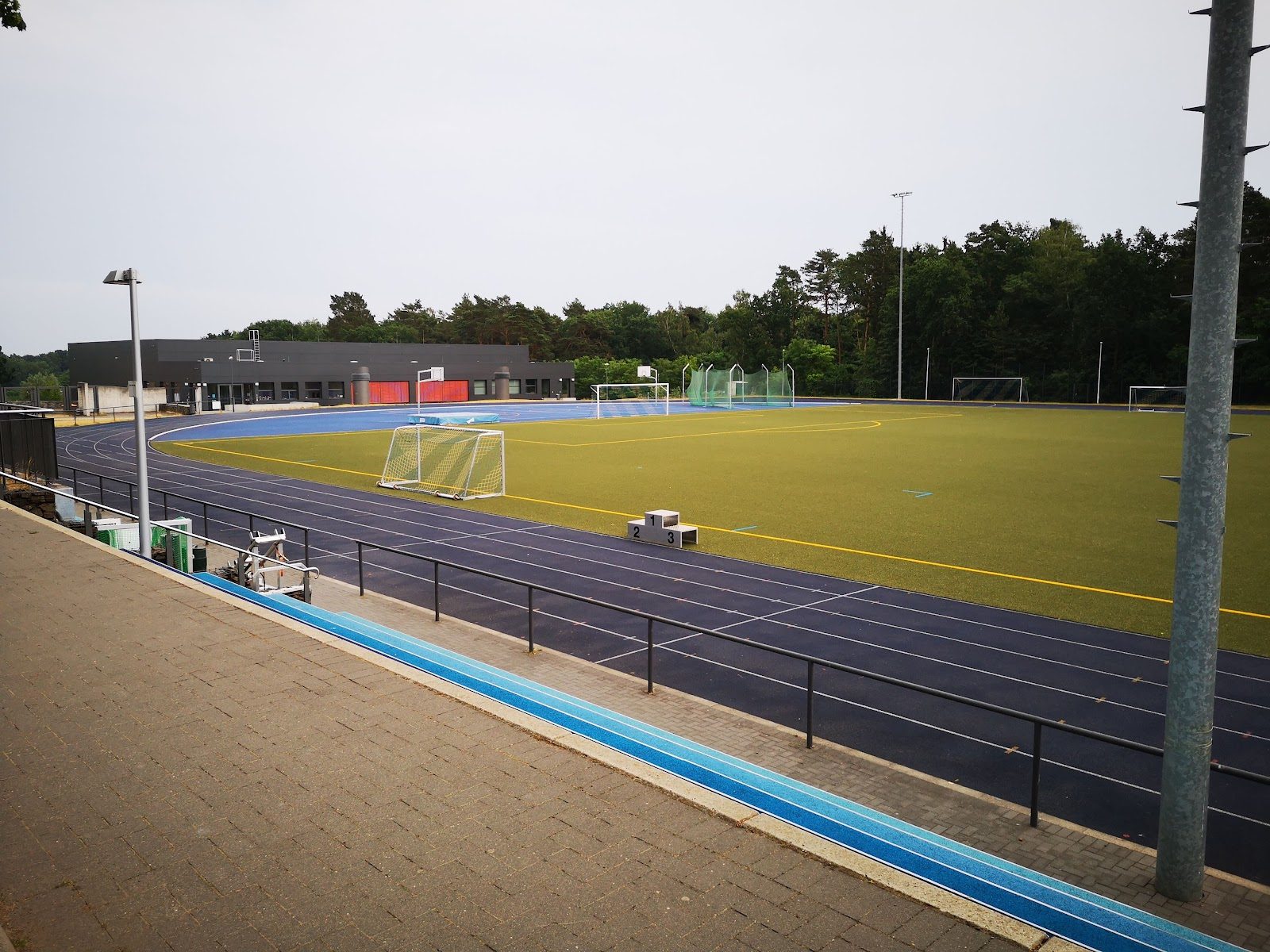
Berlin Brandenburg International School
Kleinmachnow · Germany
Set on a forested campus between Berlin and Potsdam, this day school runs the full IB continuum for students from 60-plus nations.
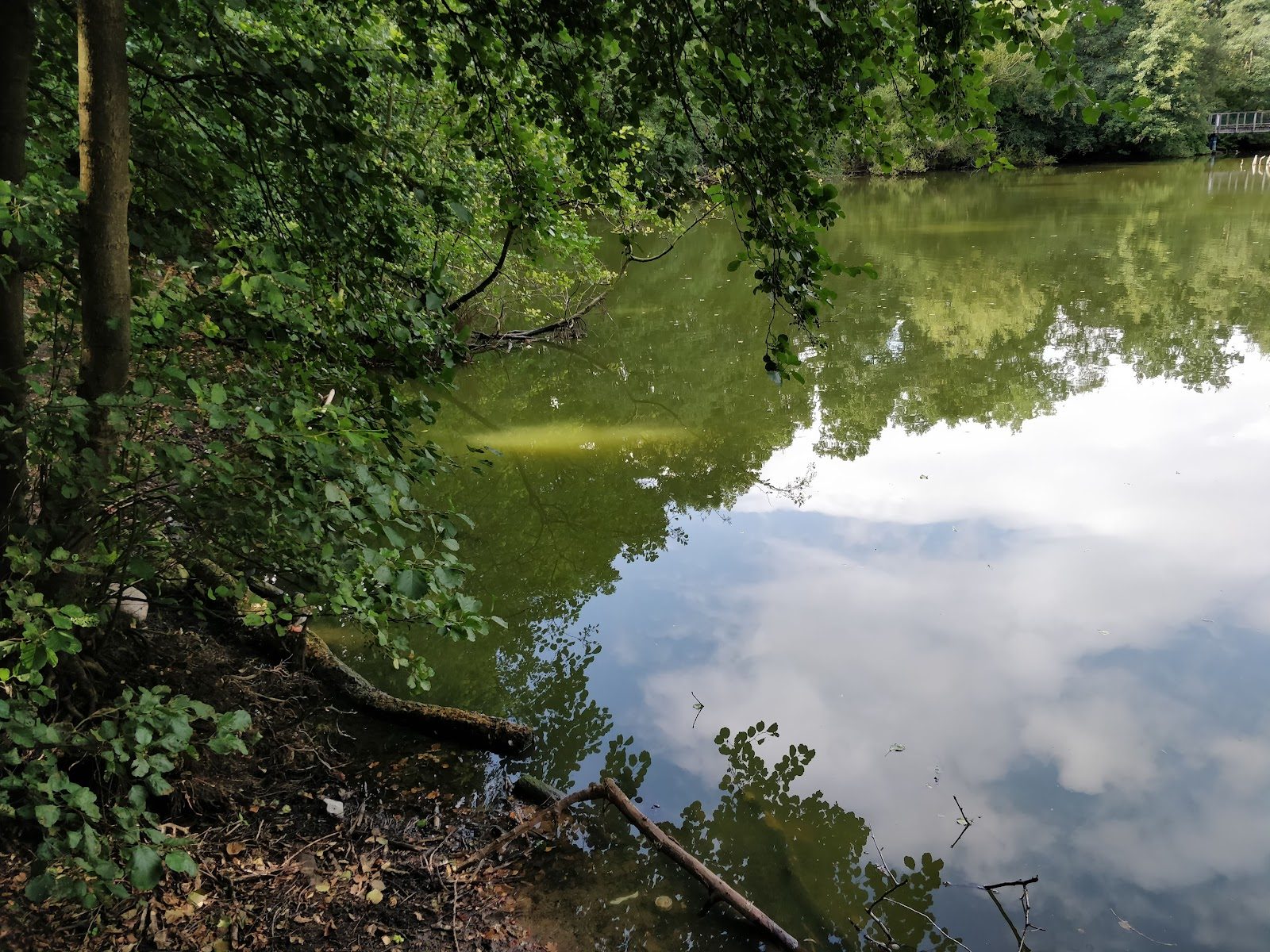
International School of Hamburg
Hamburg · Germany
Germany's first international school since 1957, still the only CIS-accredited IB continuum campus in the port city of Hamburg.
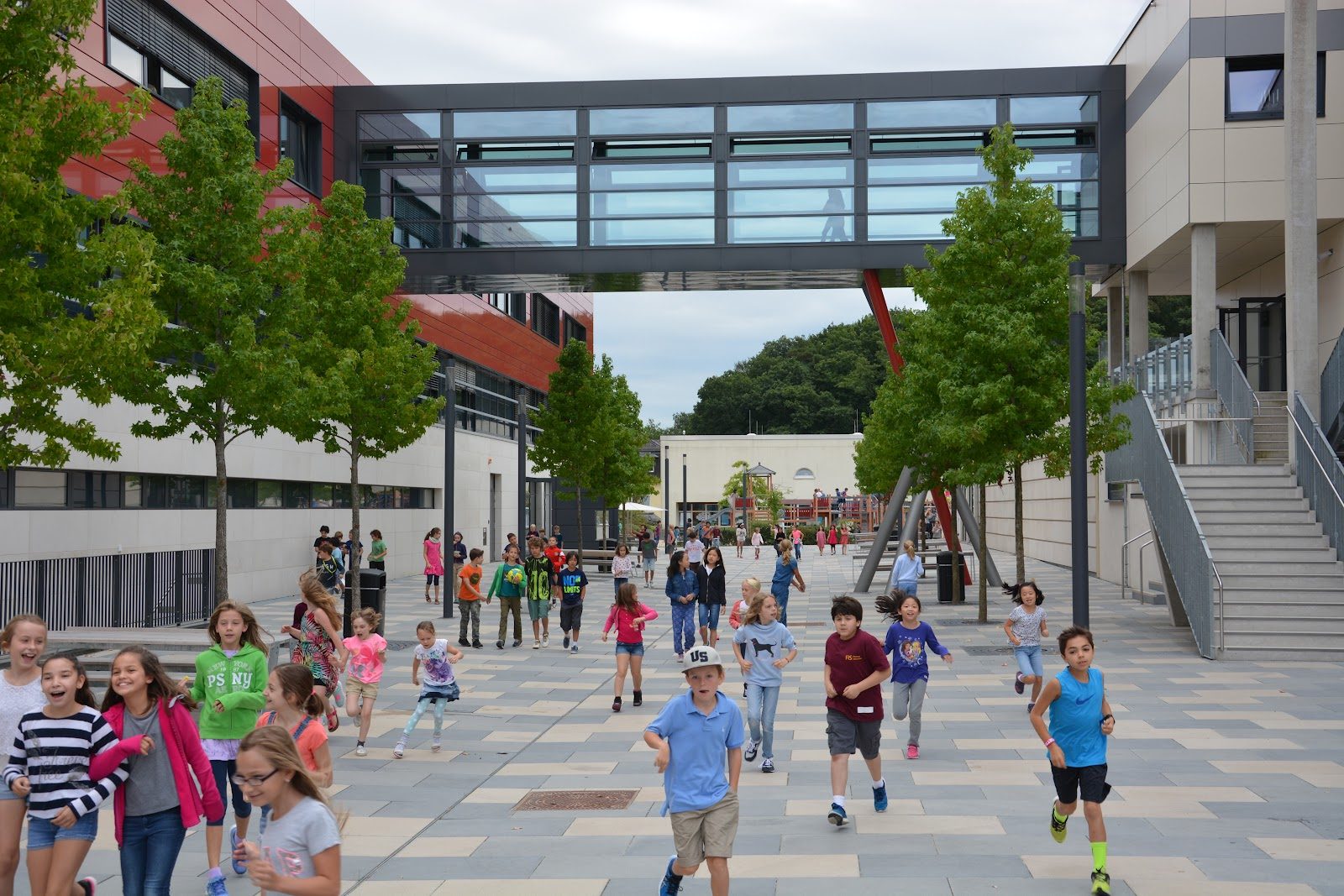
Frankfurt International School
Frankfurt · Germany
A founding member of the International Baccalaureate since the 1960s, still shaping the diploma from its Taunus forest campus.
Munich International School
Starnberg · Germany
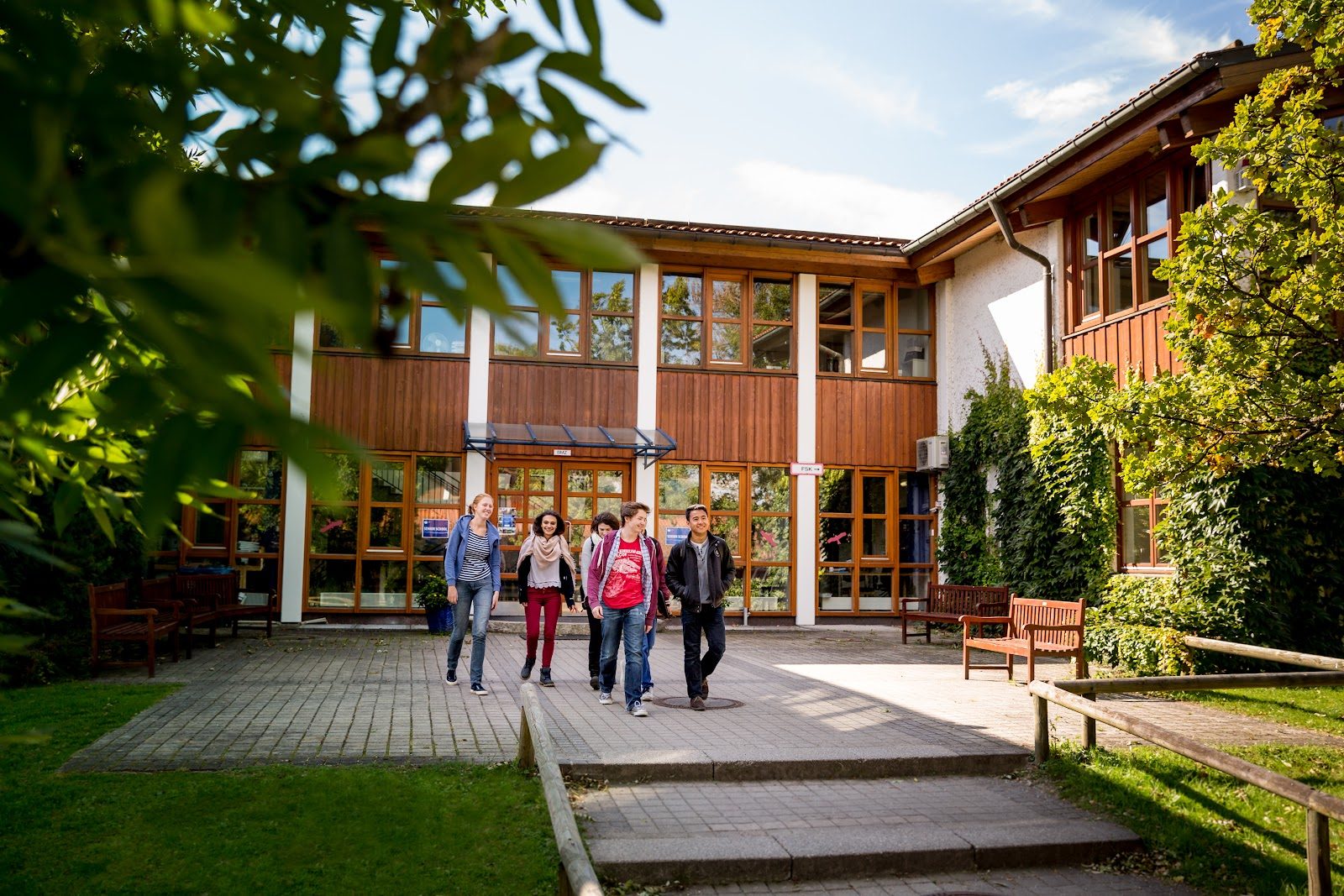
Housed in a former 1875 castle on Lake Starnberg, this Bavarian campus channels nearly every senior into the full IB Diploma.
Same country and curriculum — closest matches within ±10 points either way