
Moray
On Scotland's Moray coast, birthplace of Outward Bound, where sail training aboard the school's own ocean-going yacht counts as curriculum.
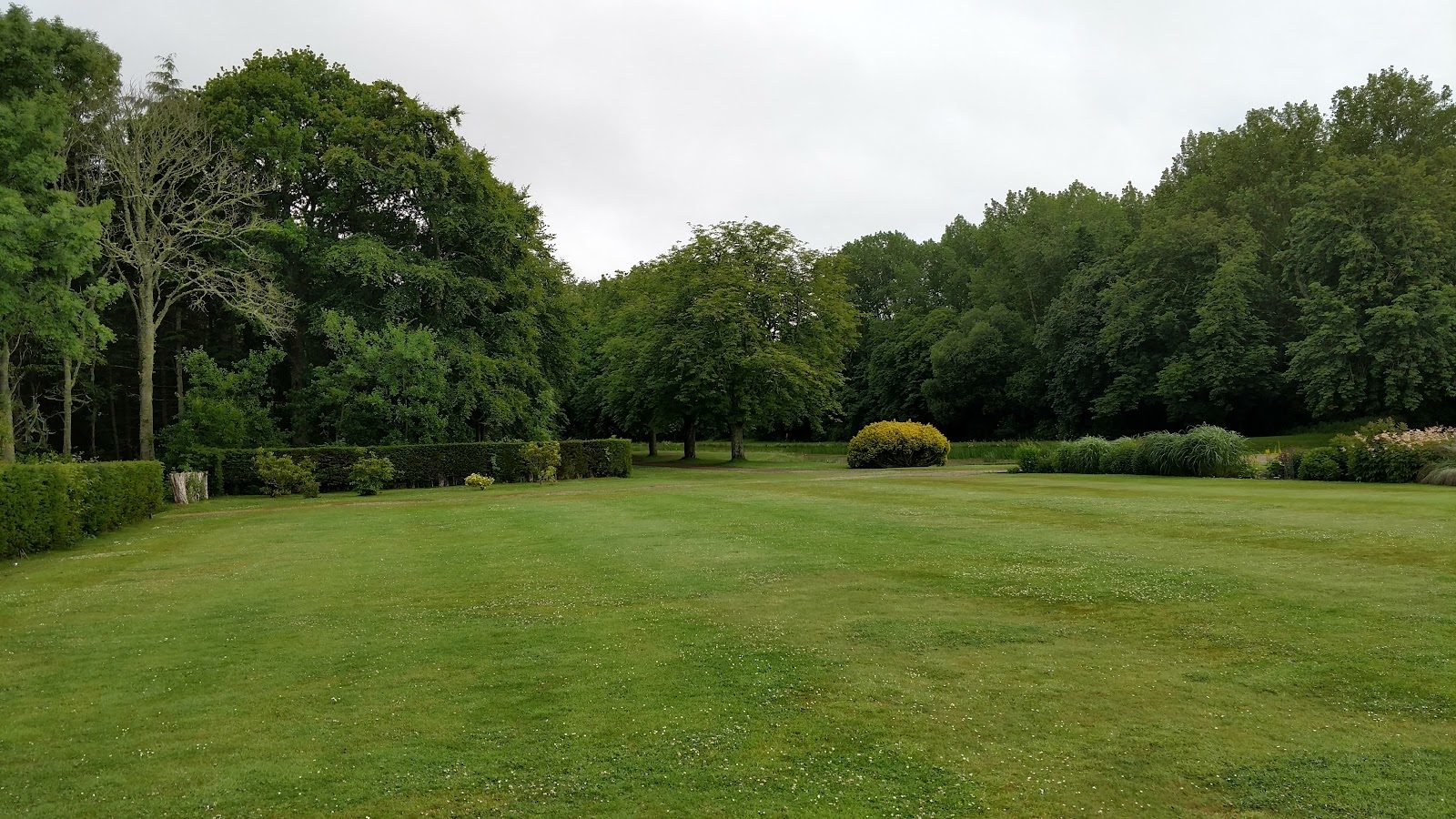
Photo © SNE Resident Traveler via Google Maps
Type
Boarding
Ages
11–18
Curriculum
British
Qualifications
A-Level
Ratio
—
The Verdict
Editor's commitment
Right for
Boarders aged 11–18 who want British academics plus sail training and outdoor education; 75% of 155 leavers reached top-100 universities.
Wrong for
Families who want a conventional academic hothouse, urban convenience or secular culture; Gordonstoun is Anglican and on Scotland’s Moray coast.
Watch out for
Average annual fees run to £66,000 boarding and £46,000 day; the character-first pitch is real, and only 5 of 155 leavers reached Oxbridge.
Ranking breakdown
Gordonstoun · #638 of 1591
Composite score 67.4. 8 weighted criteria.
By criterion
Academic Outcomes
Weight 20%
#959
of 1529 scored
University Placement
Weight 16%
#965
of 1529 scored
Prestige & Heritage
Weight 12%
#296
of 1571 scored
Alumni Network
Weight 12%
#158
of 1530 scored
Facilities
Weight 12%
#406
of 1533 scored
Transparency & Communications
Weight 8%
#842
of 1532 scored
Peer & Industry Review
Weight 10%
#793
of 1548 scored
Admissions Selectivity & Demand
Weight 8%
#726
of 1529 scored
Score history
Gordonstoun · 2026
Movement across 2024–2026. Peer average overlaid.
Overall — 2024–2026
67.4/ 100
▲ +16.1 vs 2025
year on year
Peer & Industry Review
How Gordonstoun is regarded in the sector
66
Respected · medium confidence
Gordonstoun remains one of the most recognisable names in British boarding education, with WhichSchoolAdvisor describing it as one of the world's most famous independent schools and crediting it with pioneering the Duke of Edinburgh's Award and the Outward Bound movement. The Good Schools Guide reinforces this distinctiveness, noting the school "doesn't have to try to be different, it just is," while Tatler flags its rigorously high standards and demanding outdoor programme as defining traits on the international boarding circuit. That prestige sits alongside a serious reputational reckoning: the Scottish Child Abuse Inquiry found in 2025 that children were exposed to sexual, physical and emotional abuse over decades, attributing this to poor leadership and governance failures, a finding sector press has covered extensively. Recent Care Inspectorate reviews point to improved safeguarding and pastoral care under current leadership, but the historical scandal remains a live factor tempering an otherwise formidable peer standing.
Editors' overview
Sail training on the school’s own ocean-going yacht is not an add-on at Gordonstoun; it sits inside the educational proposition. This is the birthplace of Outward Bound, and the school still trades on that inheritance with unusual seriousness. On the Moray coast near Elgin, the point is not polished comfort but deliberate stretch: sea, mountains, service, expedition and physical challenge as part of the week, not a once-a-year activity programme. That makes Gordonstoun distinctive in a crowded British boarding market. Plenty of schools promise “character”; few build it so explicitly into the timetable and campus life. For the right child, that is genuinely formative. For the wrong one, it is a bad fit.
The academic offer is British, the school is boarding, and the institutional credentials are solid rather than flashy: founded in 1934, Anglican, with ISI and HMC accreditation. Outcomes are strong enough to reassure without turning the place into an exam factory. In the Class of 2024, 75% of 155 leavers went to top-100 universities, with 5 Oxbridge offers and 38 Russell Group destinations; Edinburgh took 12. Those are good numbers, but the more telling point is the kind of school they come from. Gordonstoun does not sell a narrow hothouse model. It asks pupils to do hard things in public, work in teams, and keep going when wet, tired or out of their depth. Parents who want pristine, frictionless schooling should look elsewhere.
It also sits firmly in the premium bracket: an average annual day fee of £46,000 and an average annual boarding fee of £66,000 across the full age range it covers. That price buys a highly differentiated boarding education, not metropolitan polish or relentless university triage. The alumni base is deep, with 110 notable alumni catalogued in Wikidata across politics, business, scholarship, the arts and journalism, which reinforces the school’s long reach and old-network appeal. Gordonstoun belongs on a shortlist for resilient, energetic children who want breadth, responsibility and outdoor challenge alongside decent academic outcomes. It is not for the faint-hearted, and that is the point.
Academic Performance
Gordonstoun’s academic profile is stronger than its adventure-first reputation leads many parents to assume. The school itself foregrounds “character education”, sea training and outdoor challenge; that branding can obscure the fact that leavers still secure serious university destinations. A cohort in which 75% progress to top-100 universities, with Oxbridge and a solid block of Russell Group places, puts Gordonstoun in the credible upper tier of broad British boarding schools. It does not sit with the results-obsessed hothouses that dominate league-table chatter, and it does not need to. The academic case rests on consistency, breadth and enough top-end traction to reassure families that the school’s expansive ethos does not come at the expense of intellectual ambition.
Relative to peers, that places Gordonstoun in an interesting middle ground: stronger than schools that lean on lifestyle, weaker than the country’s hard-driving exam machines. For some families, that balance is the attraction. Pupils here are not funnelled into a narrow attainment culture; they are asked to sustain academic work alongside a demanding co-curricular load that absorbs time and energy. That almost certainly caps the kind of hyper-engineered exam outcomes produced by more single-minded competitors. It also produces a school with a broader definition of success. The question for parents is not whether Gordonstoun can deliver respectable results; it can. The question is whether they value that trade-off between exam intensity and a more deliberately rounded education.
Facilities
Gordonstoun’s defining facility is not a glassy sports hall or a branded innovation centre. It is access: coastline, woodland, open water and the infrastructure to use them as part of school life. The school’s own ocean-going yacht matters because it turns “outdoor education” from marketing line into timetable reality. So does the wider setting between sea and mountains, which gives staff scope for beach lessons, expeditions and serious field activity without outsourcing the whole enterprise to trip week. Among British boarders, plenty have good grounds and decent sports provision; very few have a maritime asset that materially changes the educational model. That makes Gordonstoun’s estate functionally distinctive, not just picturesque. For families who value polish, this is not the campus to choose on architecture alone. For families who want hard-use facilities with purpose, it is one of the more unusually coherent set-ups in the sector.
The boarding environment also carries weight. The school’s public emphasis on pastoral care and family ethos points to boarding houses and support systems that do more than warehouse pupils between lessons. That matters because this kind of education only works if the pastoral base is steady. Against peers, Gordonstoun wins on depth of use rather than metropolitan glamour: the campus is built for service, training, outdoor challenge and communal living, not for slick show-home effect. Parents comparing it with southern English rivals with shinier performing arts centres or more aggressively updated STEM blocks should read the place accurately. Gordonstoun’s facilities are specialist, demanding and tied tightly to its educational creed.
Gordonstoun is not merely distinctive; it is one of the few British schools with a genuinely hard-edged educational thesis
Prestige
Gordonstoun carries real prestige, but not the polished, London-facing kind that relies on glossy social cachet. Its status rests on something older and harder-edged: a reputation for producing people who can endure discomfort, lead in groups and function under pressure. That gives it a distinctive, institutionally confident place in the British boarding market. The royal association still matters, and so does a notable alumni bench that runs to 110 catalogued figures across politics, business, scholarship and the arts. This is not a school whose name opens every door on exam prestige alone; it is a school whose name signals stamina, self-command and an education with a very clear internal creed.
That is why the prestige rating sits below the country’s most academically dominant public schools but above the mass of expensive boarders with thinner identity. Gordonstoun has a recognisable philosophy, a long-established brand and a graduate network with reach. It also has a public image strong enough that people who know little else about British education still know what Gordonstoun stands for. The trade-off is plain. Its prestige is tied to character formation and outward-bound seriousness more than to relentless academic supremacy. For families who want status rooted in resilience, service and lived challenge, that is powerful. For families chasing the most rarefied exam-and-appointments aura, other schools hold more clout.
That makes Gordonstoun distinctive in a crowded British boarding market
Communications
Gordonstoun communicates with unusual clarity about its central proposition. The homepage does not bury the lede: character, outdoor challenge, sail training, service and pastoral care sit front and centre, with admissions, contact details, community links, news and events all easy to find. That matters. Parents can tell quickly what the school values and what sort of child fits. The message is coherent, disciplined and unmistakably Gordonstoun, not a generic boarding-school blend of smiling pupils and vague claims about excellence. The school also does a sensible job of using pupil, parent and inspector quotations to anchor its pitch in lived experience rather than pure slogan. For an institution with a strong educational creed, that consistency is a strength.
Where the communication is less convincing is in hard operational detail. The public-facing story is strong on ethos and weaker on scrutiny. Families can grasp the philosophy fast; they get less immediate purchase on measurable academic texture, comparative outcomes across subjects, and the nuts and bolts that exacting international parents often want before engaging admissions. That does not make the communication poor. It makes it selective. Gordonstoun tells you what the place feels like and what it intends to do to a child’s character. It tells you less, at first glance, about the day-to-day mechanics and the fuller performance picture. For parents already drawn to the mission, that will work. For parents who want data before romance, it is a less complete sell.
Uniqueness
What sets Gordonstoun apart is that it treats challenge as the method, not the reward at the end. Many schools bolt on Duke of Edinburgh, expeditions or a sailing week and call it character-building. Gordonstoun organises the whole proposition around it. The school’s own ocean-going yacht is the clearest symbol, but the deeper distinction lies in how sea, service, physical hardship and collective responsibility are folded into ordinary school life. That gives pupils repeated exposure to risk, failure, recovery and teamwork in conditions that are unusually real. There is nowhere to hide on a boat, on an expedition or in a service setting. Children learn quickly whether they can keep going when cold, tired, criticised or dependent on others.
That brings obvious gains: resilience, practical leadership, self-command and a stronger tolerance for discomfort than most fee-paying schools ever demand. It also creates a pupil culture with a different centre of gravity. Status comes less from polish and more from contribution, nerve and reliability. The school’s royal link and its catalogue of 110 notable alumni add reach and recognition, but Gordonstoun’s real singularity lies elsewhere: it gives institutional weight to the idea that education should test a child, not cushion them. For energetic pupils who need stretch, that is deeply formative. For children who want a softer, more protected adolescence, it is the wrong environment. Gordonstoun is not merely distinctive; it is one of the few British schools with a genuinely hard-edged educational thesis.
That makes Gordonstoun’s estate functionally distinctive, not just picturesque
Student Profile
Gordonstoun suits pupils who gain energy from structure, physical challenge and shared obligation. The right child does not need to be a finished athlete or extrovert, but they do need a workable tolerance for discomfort, exposure and being held accountable by peers. This is a school for children who can board seriously, throw themselves into collective routines and accept that growth here comes through pressure, not protection. The pupil who thrives is game, robust and willing to be stretched in public — on expeditions, in service, on the water, in houses, and in the classroom. The one who struggles is the child who wants a softer landing, more privacy, or a school culture built around polish and personal convenience. The destination profile gives a useful clue: with 75% progressing to top-100 universities and 5 to Oxbridge in the latest leavers’ cohort, Gordonstoun attracts families who still expect academic traction, just not at the cost of the wider brief.
Socially, it fits young people who can live closely with others and contribute to a community larger than themselves. Entitlement will grate. So will performative fragility. Pupils who do well here tend to carry a low-drama resilience and a readiness to muck in, whether that means team activity, service commitments or coping when conditions turn cold, wet and inconvenient. It is a strong fit for adventurous children, sporty generalists, practical leaders and those whose confidence grows through doing hard things competently. It is a weak fit for the delicately curated child or the exam-hothouse specialist who wants every ounce of school life organised around grades alone.
Sail training on the school’s own ocean-going yacht is not an add-on at Gordonstoun; it sits inside the educational proposition
Co-curricular strengths
Arts & sport, on a separate axis
Overall 9.1/10
Scored 0-10 from the school's own published evidence. This axis is editorial-only — it does not feed the main WTS ranking.
Sports
9.5/10
Famous for its rugged, seamanship-driven athletic tracking; combines traditional rugby and hockey with mandatory ocean cruising and wilderness expeditions.
Drama
9.2/10
The custom-built Ogstoun Theatre provides a highly technical, professional-standard space for major classical and modern productions.
Dance
8.5/10
Active afternoon co-curricular activity offering structured contemporary and jazz choreography classes.
Music
9.5/10
Excellent chamber orchestras, pipe bands, and vocal troupes that anchor major seasonal campus showcase events.
Visual Arts
8.8/10
Studio-intensive fine arts focus housed within the custom arts hubs, prioritizing sculpture and landscape painting.
Editor-verified · 8/6/2026
Outcomes & destinations
Where students go next
Editorial estimateClass of 2024
155 graduates
A-Level distribution
97% covered
- A*22%
- A30%
- B34%
- C11%
Top destinations
43 placements
- Oxford· 3
- Cambridge· 2
- Edinburgh· 12
- Aberdeen· 8
- Glasgow· 6
- St Andrews· 5
- Durham· 4
- Newcastle· 3
Scottish Highland co-ed boarding; alma mater of King Charles III.
Editor-approximated from the school's own leavers report. Awaiting school-attested figures.
Notable alumni · Wikidata
110notable alumni
18 historic (born pre-1930) · 17 modern (born post-1970)wikidata:2026-07-28 How we source this
Strengths
- +Boarding and day options on a 200-acre woodland Moray campus
- +Co-educational, spanning prep school through to sixth form
- +British curriculum with A-Levels and English-medium teaching
- +75% of the 2024 cohort progressed to top-100 universities
- +World-class sport and music provision, backed by a sports centre, pool and sail-training vessel
Considerations
- −Annual boarding fees are £55,000
- −Average class size is 18
- −Rural Scottish location may not suit families wanting an urban setting
- −ISI most recently rated the school Good rather than the top band
Availability
Primary entry gate & tests
Written Exams + Interview
Gallery
Photo © Paweł A via Google Maps
Photo © Nick Stennett via Google Maps
Photo © Nick Stennett via Google Maps
Photo © Christopher Scott via Google Maps
Photo © Nick Stennett via Google Maps
Photo © Ignacio Lara Corona via Google Maps
Photo © Ignacio Lara Corona via Google Maps
Photo © Ignacio Lara Corona via Google Maps
Photo © Ignacio Lara Corona via Google Maps
Recommended reading
Independent write-ups of this school from editorial outlets we trust.
- Gordonstoun ReviewGood Schools Guide
Parent reviews
Have you sent your child here?
Voice reviews carry the strongest trust badge — we transcribe them for you to tidy up before they go live. Prefer to type? A written review is fine too.
Add your voice
In 60 seconds, tell other parents: what's the best thing about Gordonstoun, and what surprised you when your child joined?
We ask for a Google sign-in so every review has a real face behind it — no anonymous drive-by attacks on schools, and no faked positive reviews. Your email is never shown publicly.
Send this profile to a friend
International parents rely on word-of-mouth. Share this review with someone weighing the same decision.
Schools with places
Similar schools to Gordonstoun with places available now.
The Grammar School at Leeds
Leeds · United Kingdom
- 2026-27
- CLOSEDStandard route closed
- 2027-28
- PLACES OPEN11+ / 13+ / 16+ active
Shrewsbury School
Shrewsbury · United Kingdom
- 2026-27
- CLOSEDStandard route
- 2027-28
- PLACES OPEN16+ Active; 13+ Std Closed; 13+ Late enquire
Tiffin School
Kingston upon Thames · United Kingdom
- 2026-27
- CLOSEDStandard route
- 2027-28
- PLACES OPENCloses 1 Sept '26, 12pm
Fettes College
Edinburgh · United Kingdom
- 2026-27
- CLOSEDStandard route closed
- 2027-28
- PLACES OPEN
Availability first, then country, area, curriculum, price, co-curricular
Consider also
Also worth looking at alongside Gordonstoun.
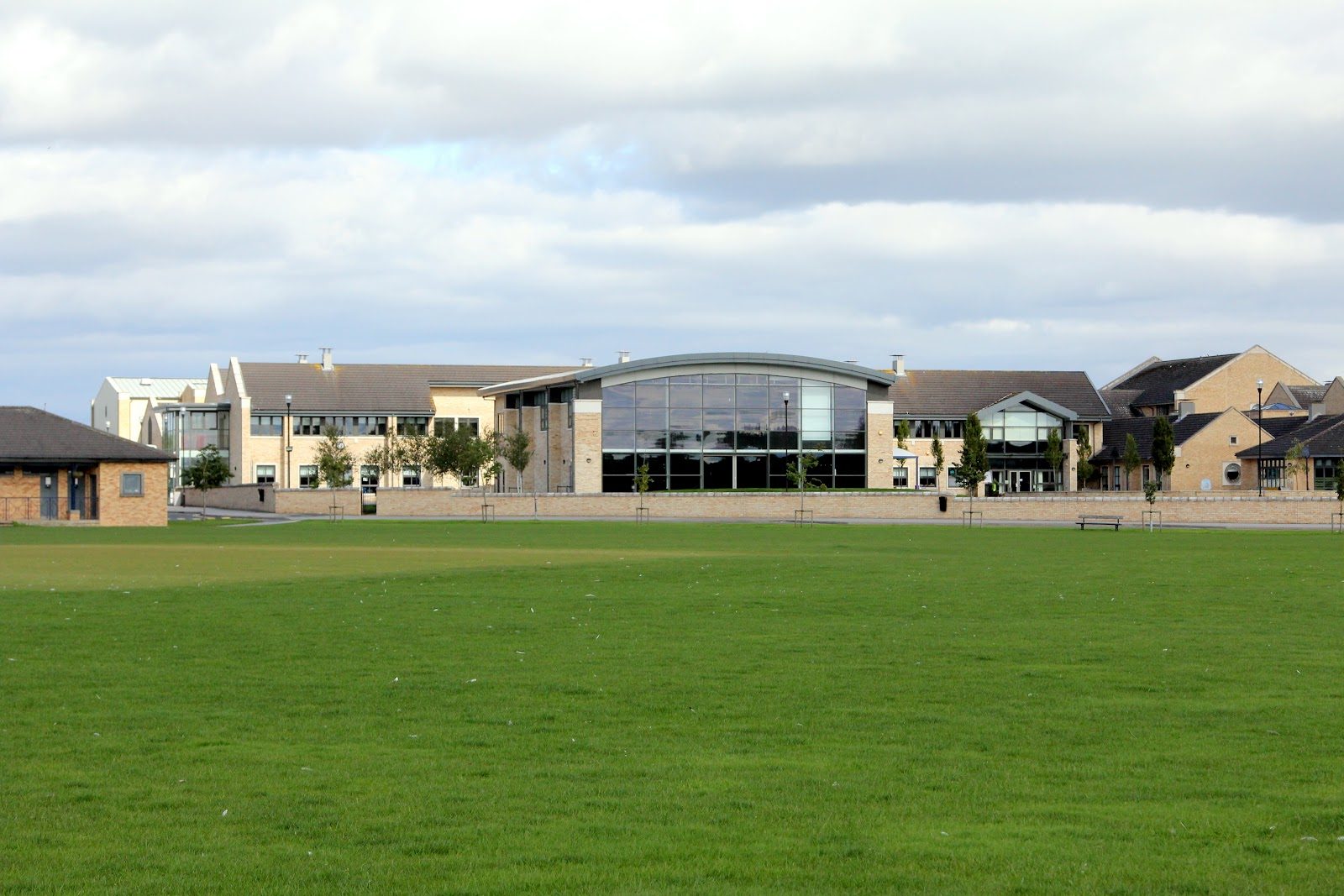
The Grammar School at Leeds
Leeds · United Kingdom
Where a 1552 boys' grammar school and an 1876 girls' high school fused into one diamond-model campus across 140 Yorkshire acres
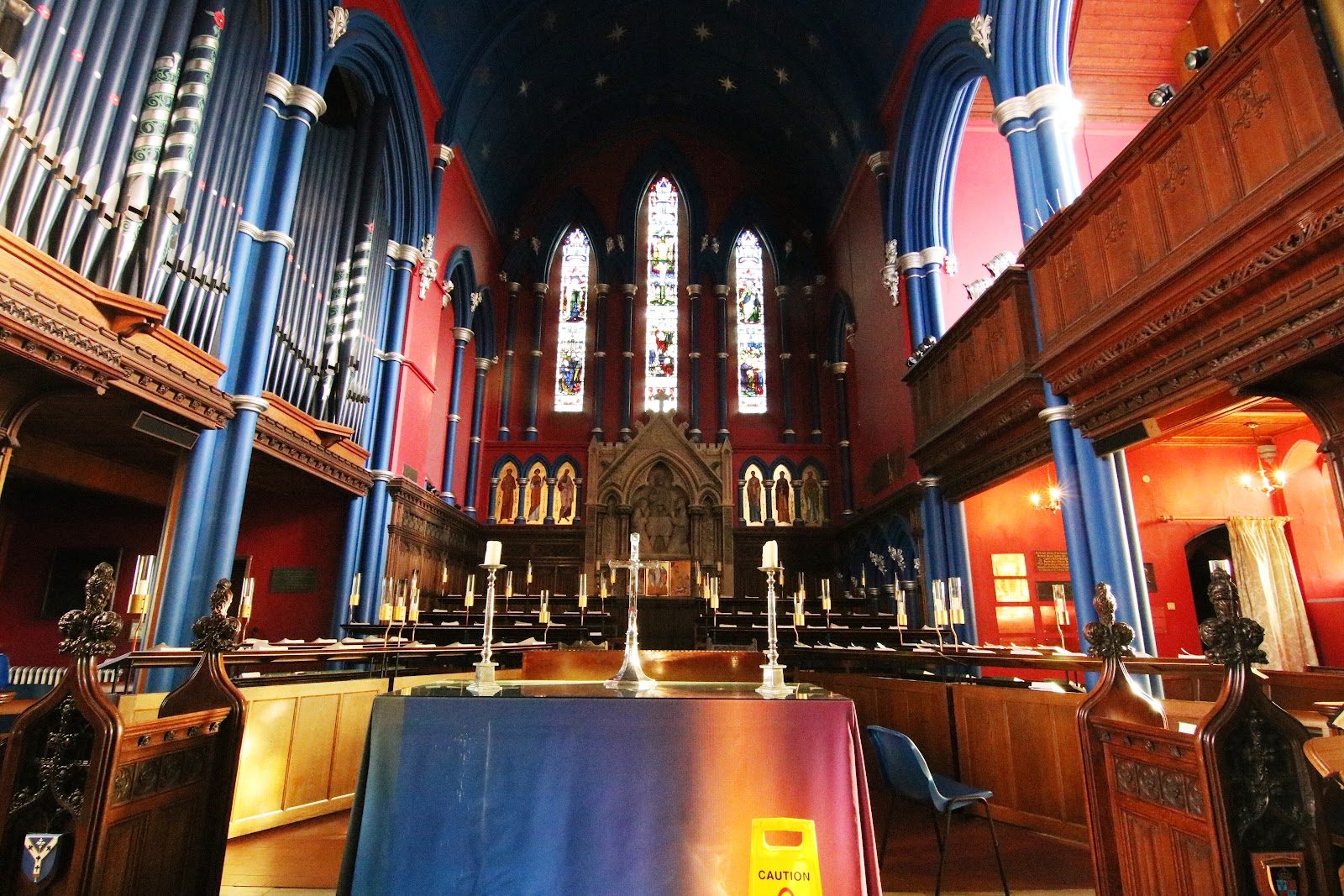
Shrewsbury School
Shrewsbury · United Kingdom
Curled inside a loop of the River Severn, twelve boarding houses keep alive a rowing tradition dating to 1866.
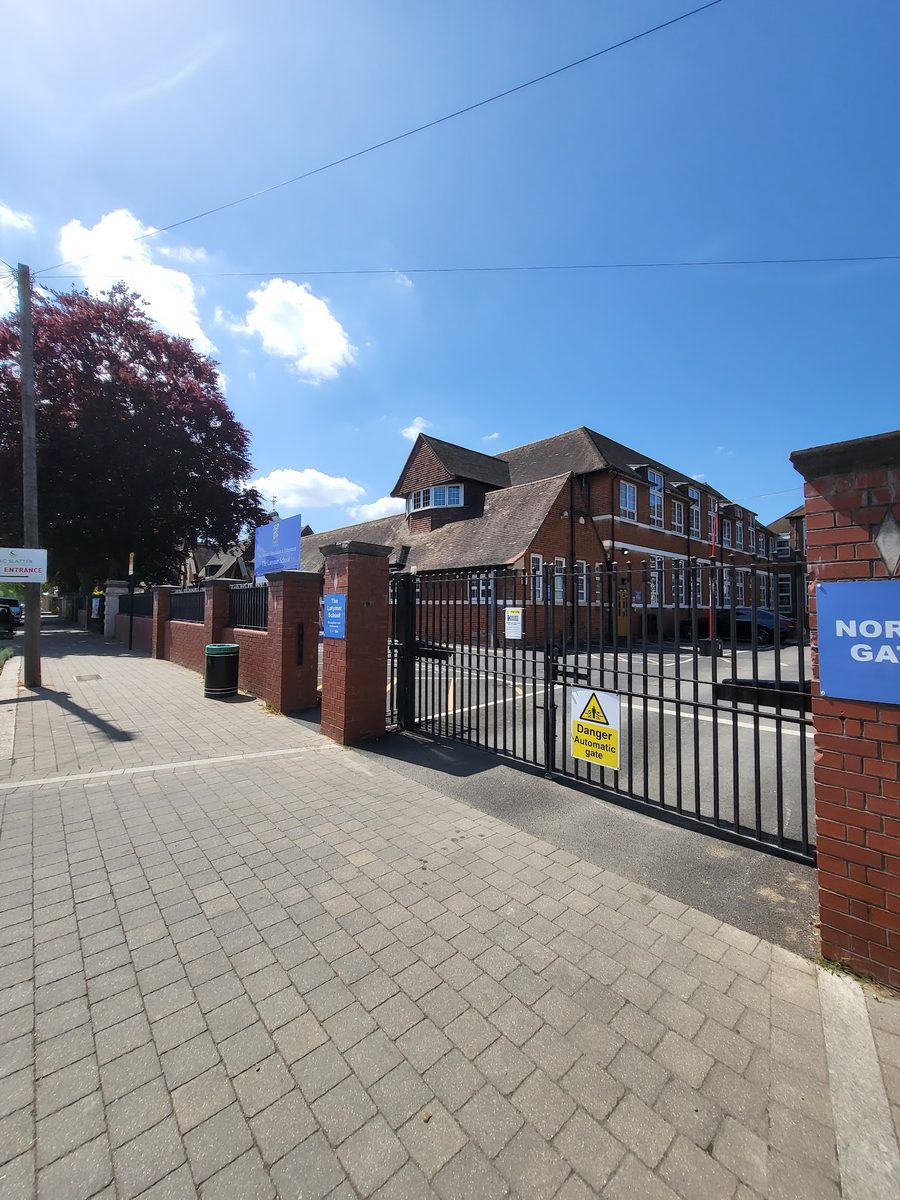
The Latymer School
London · United Kingdom
A 400-year-old state grammar in Edmonton where over 1,000 applicants compete yearly for just 192 places, with Cambridge college endowments still funding leavers.
Oundle School
Oundle · United Kingdom
Boarding houses woven into a historic market town, and an engineering centre that 3D-prints titanium and carbon fibre.
Same country and curriculum — closest matches within ±10 points either way