
West Yorkshire
The Grammar School at Leeds
medium confidence· 5/6 cats · 2 avg sourcesWhere a 1552 boys' grammar school and an 1876 girls' high school fused into one diamond-model campus across 140 Yorkshire acres
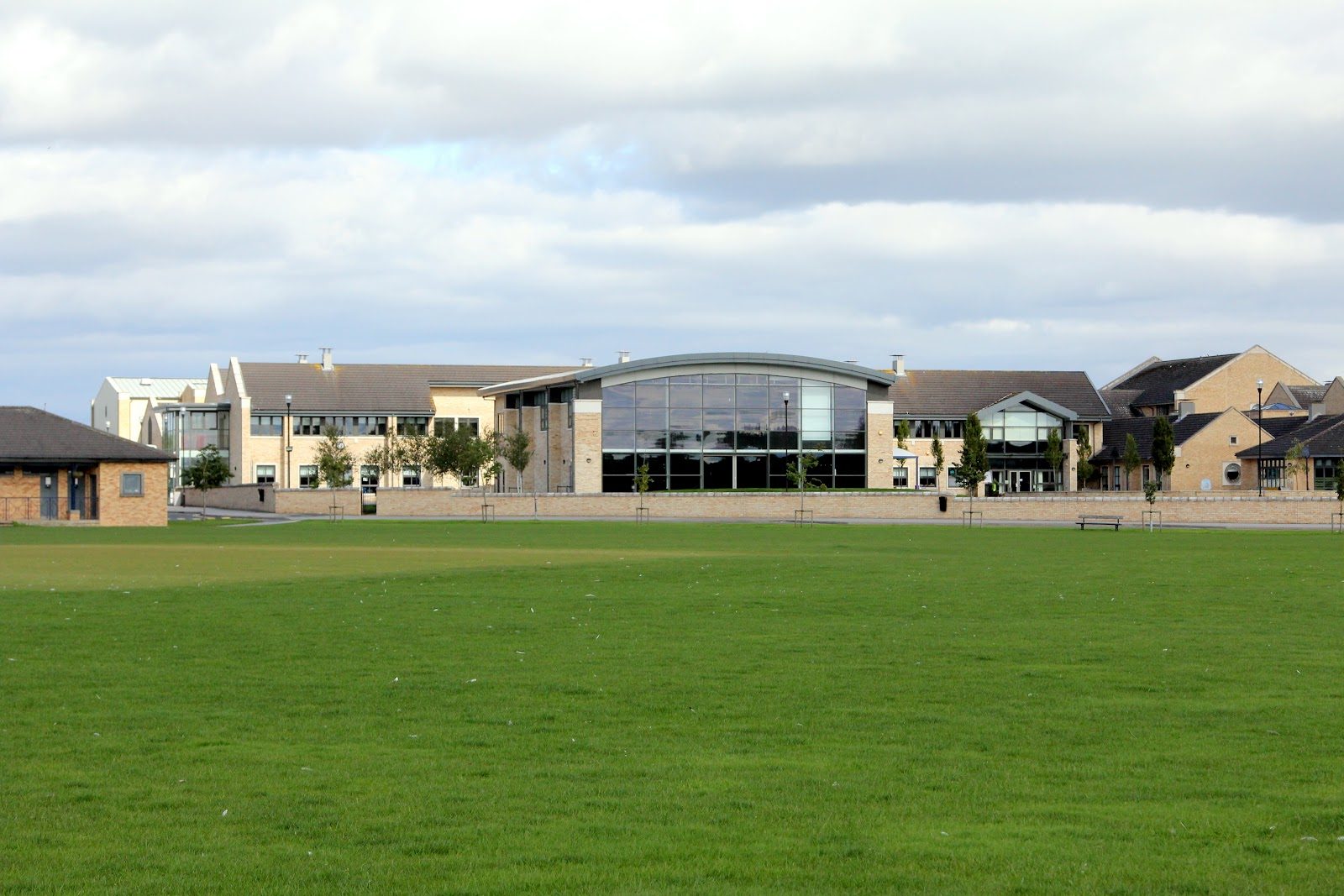
Photo © Andrew Wells via Google Maps
Type
Day
Ages
3–18
Curriculum
British
Ratio
12:1
The Verdict
Editor's commitment
Right for
Families wanting a British day school, ages 3–18, on a 140-acre Leeds campus with a 12:1 student-teacher ratio.
Wrong for
Anyone chasing boarding, religious ethos or tiny seminars: this is non-religious, day-only, with average class size of 20.
Watch out for
The 2024 leavers did well — 82% to top-100 universities, 9 Oxbridge, 55 Russell Group — but scale cuts both ways.
Ranking breakdown
The Grammar School at Leeds · #604 of 1591
Composite score 67.7. 8 weighted criteria.
By criterion
Academic Outcomes
Weight 20%
#746
of 1529 scored
University Placement
Weight 16%
#736
of 1529 scored
Prestige & Heritage
Weight 12%
#608
of 1571 scored
Alumni Network
Weight 12%
#394
of 1530 scored
Facilities
Weight 12%
#732
of 1533 scored
Transparency & Communications
Weight 8%
#821
of 1532 scored
Peer & Industry Review
Weight 10%
#793
of 1548 scored
Admissions Selectivity & Demand
Weight 8%
#547
of 1529 scored
Score history
The Grammar School at Leeds · 2026
Movement across 2024–2026. Peer average overlaid.
Overall — 2024–2026
67.7/ 100
▲ +20.4 vs 2025
year on year
Peer & Industry Review
How The Grammar School at Leeds is regarded in the sector
68
Respected · medium confidence
The Grammar School at Leeds carries genuine regional weight, anchored by its 1552 foundation and Headmasters' and Headmistresses' Conference membership. The Good Schools Guide's independent review confirms the school is significantly oversubscribed, with roughly two thirds of leavers progressing to Russell Group universities and A-level results running to 88 per cent A*-B. Its distinguishing peer accolade is the Sunday Times Parent Power recognition as North Independent Secondary School of the Decade, following an earlier School of the Year win, cementing its status as the pre-eminent all-through independent in Leeds. Nationally, though, GSAL sits mid-table in Parent Power's 2025 rankings, and coverage from flagship specialist review sites remains thin, so its reputation reads as a strong regional player rather than a school with unanimous top-tier national standing.
Editors' overview
The Grammar School at Leeds sits in a crowded northern independent market with one clear advantage: depth without anonymity. This is a day school for ages 3–18 on a large Leeds campus, drawing on the institutional weight of a 1552 foundation and the later Leeds Girls’ High School tradition, then recast in 2005 into one school. The result is not a boutique offer and not a boarding machine. It is a substantial local independent with a long academic inheritance, a broad age range and enough scale to give pupils room to specialise. The diamond structure will matter to some families: co-educational in the early years and sixth form, with boys and girls taught separately through parts of the middle years. For parents who want tradition without stiffness and *academic ambition without a hothouse script*, that remains a distinctive proposition.
What puts GSAL on a shortlist is straightforward. University outcomes are strong and public: 82% of the 2024 leavers went to top-100 universities, with 9 to Oxbridge and 55 to Russell Group institutions. The school’s 12:1 student–teacher ratio and average class size of 20 point to a setting that can still give individual attention while offering a wide senior-school life. This is the pitch: a serious academic school with the infrastructure of a large all-through day school, serving families who want their child in Leeds rather than sent away to board. It carries institutional heft, clear academic intent and the convenience of a day-school model.
The children who fit GSAL best are able, busy and comfortable in a structured environment. They do not need a progressive school that dissolves hierarchy and they do not need the narrow intensity of a pure exam factory. They will value strong teaching, a visible route to competitive universities and a school culture with established habits and expectations. Families who want a small, experimental or overtly pastoral alternative will find GSAL less compelling. Families who want a big-school range with local roots, serious classroom standards and *a practical route to selective universities* will find a school with a strong case for consideration.
Academic Performance
GSAL’s publicly stated destinations put it in the upper tier of large regional independents, but destinations are not the same thing as exam transparency. The school advertises where leavers go with useful specificity and the headline is strong: 82% into top-100 universities, 9 to Oxbridge and a substantial Russell Group count. That marks a school with serious academic traction and a cohort that converts teaching into competitive offers. It also places GSAL above the level of a pleasant all-round day school whose results top out at solid local universities. In market terms, this is a credible high-attaining school, not a prestige outlier on the national level.
The missing piece is hard exam data. We have not seen aggregate GCSE or A-level outcomes, no published profile of top grades across the cohort, and no subject-level breakdown that would let parents judge consistency from year to year. That matters because peer schools at the sharper end of the independent sector often publish those figures prominently. Without them, GSAL’s academic case rests more on destinations than on raw attainment tables. That still carries weight, but it leaves an opaque patch where the strongest schools give parents clean evidence. The conclusion is clear: GSAL performs well enough to send a large share of pupils to selective universities, but it does not publish enough exam detail to claim top-bracket academic transparency.
Facilities
The campus gives GSAL one of its clearest practical advantages. Set across 140 acres, it has the footprint to support a full all-through school without the cramped, add-on feel that weakens many urban independents. For families, that translates into room for sport, outdoor learning and the day-to-day ease of a school that does not need to ration space at every turn. In a peer group of established day schools, that scale is a genuine asset. Plenty of competitors offer polished classrooms and a decent hall; fewer can offer a site with real physical breadth. That matters more than brochures admit, because space shapes everything from timetabling to break-time atmosphere.
What GSAL does not publish, at least in the public domain we have seen, is a detailed facilities breakdown. There is no clear inventory of specialist science provision, performing arts spaces, design and technology workshops or standout sporting infrastructure. That leaves an odd gap for a school whose campus size is one of its strongest selling points. Against peers, the verdict is mixed: the site itself sits in the upper end of the regional day-school market, but the public case for what fills that site lacks precision. Parents comparing hard infrastructure school by school will want more than acreage. They will want named facilities, not just implied range and institutional scale.
The Grammar School at Leeds sits in a crowded northern independent market with one clear advantage: depth without anonymity
Prestige
GSAL carries solid regional prestige rather than national cachet. In Yorkshire, the name has weight: deep roots, a long-established independent-school constituency and the legacy of two historic schools combined into one institution. That gives it status with local professional families and a degree of intergenerational loyalty that newer schools cannot manufacture. The university destinations reinforce that standing. A leavers’ profile with 9 Oxbridge places and 55 Russell Group destinations tells parents that strong pupils can convert school support into competitive outcomes. This is not a school trading on manners, marketing and old photographs alone; it has current academic credibility.
That said, prestige here has a ceiling. GSAL does not occupy the same symbolic tier as the most nationally dominant English independents, whose names carry instant recognition across the sector and whose exam data leaves no room for doubt. Its strength lies in being a serious local power, not a national prestige machine. The merger-era identity also matters: this is a modern consolidated school drawing authority from inherited traditions, not a single uninterrupted institution with one mythic story. For many families, that makes it more grounded and less theatrical. The verdict is clear: GSAL offers real social and academic standing in its region, with enough results to justify the reputation, but it stops short of the country’s topmost prestige bracket.
In a market full of standard formats, that remains genuinely distinctive
Communications
GSAL communicates like a large established day school: functional first, polished second. The public-facing basics are clear enough, and the school does at least put meaningful destination data into the open rather than hiding behind vague success claims. That gives parents one solid signal that it understands the value of concrete information. The problem is consistency of depth. In the areas where scrutiny matters most — exam outcomes, subject performance, the fine grain of school performance — the public picture thins out fast. That weakens confidence. Strong parent communication is not just about warm tone or frequent updates; it is about whether a school publishes the hard facts families use to judge standards. On that measure, GSAL is competent rather than exemplary, with an opaque streak that sits awkwardly beside its academic ambitions.
For existing parents, the school’s scale cuts both ways. A substantial all-through operation needs disciplined, systematic communication to stop families feeling processed rather than known. The low staffing ratio helps, because schools with more adult capacity per pupil can sustain better pastoral and academic contact. But effective communication also depends on what the school chooses to disclose publicly, and here GSAL leaves gaps it does not need to leave. Parents can infer a lot from destinations and institutional seriousness, but inference is not communication. The verdict: orderly, credible and serviceable, but not fully transparent where exacting parents will want it most.
Uniqueness
GSAL’s clearest point of difference is structural. This is neither a straightforward co-ed school nor a traditional single-sex school, but a diamond-model hybrid built from two historic institutions that still shape the school’s logic. For pupils, that creates a distinct mix of social and academic conditions: shared institutional life, then periods of separate teaching for boys and girls before convergence again in the sixth form. Families either value that deliberate middle way or reject it outright. There is little ambiguity. The benefit for the right child is a school that tries to capture some of the confidence and focus associated with single-sex classrooms without giving up the full social reality of a co-educational education. In a market full of standard formats, that remains genuinely distinctive.
Its other uncommon strength is scale married to localism. GSAL has the breadth of a big all-through independent, yet it remains a day school rooted in one city rather than a boarding institution drawing pupils into a sealed campus world. That brings practical advantages: continuity from nursery to sixth form, enough critical mass to support varied interests, and a pupil body large enough to avoid the small-school fishbowl. The published leavers’ record — 82% to top-100 universities, with 9 to Oxbridge — shows what that model can deliver when it works well. Students get a school with institutional memory, breadth and ambition, without the emotional and logistical disruption of boarding.
For parents who want tradition without stiffness and academic ambition without a hothouse script, that remains a distinctive proposition
Student Profile
The pupils who thrive here are bright, organised and comfortable with expectation. This is not a school for children who need a loose, child-led culture or constant reinvention. It suits those who can handle routine, move confidently through a sizeable institution and make use of a broad peer group without getting lost in it. The diamond structure also asks something specific of students: they need to be at ease with a model that shifts between co-educational and separate teaching phases, and able to treat that as normal rather than socially charged. For academically purposeful families, that will feel structured, serious and usefully grown-up. For children who resist formality or need a more soft-edged environment, the fit weakens.
Socially, GSAL fits pupils who want range without chaos. The average class size of 20 points to classrooms large enough for pace and competition, not intimate seminar-style schooling. The staffing ratio still gives staff room to know pupils, so the school does not depend on brute self-sufficiency alone. The strongest match is a student with quiet confidence, decent self-management and enough resilience to cope when surrounded by other able children. This is also a good fit for families with long-term plans: a child can enter young and grow through one institution all the way to a leavers’ cohort of 175. It is not for the fragile, nor for families chasing an alternative education.
University outcomes are strong and public: 82% of the 2024 leavers went to top-100 universities, with 9 to Oxbridge and 55 to Russell Group institutions
Co-curricular strengths
Arts & sport, on a separate axis
Overall 8.56/10
Scored 0-10 from the school's own published evidence. This axis is editorial-only — it does not feed the main WTS ranking.
Sports
9/10
Rugby, Hockey, Netball, Cricket and Swimming, showing a solid multi-sport offering, but provides no school-specific facilities, specialist staff, fixtures or competitive results.
Drama
8.8/10
Drama Productions, which is stronger than a bare 'drama' listing because it evidences active staging, but there is no named theatre, department, specialist staff or recurring awards/results.
Dance
7.5/10
Music
9/10
School Orchestra and Choir, indicating structured ensemble participation beyond a bare mention of music, but gives no dedicated music facility, department, specialist staff or notable distinctions.
Visual Arts
8.5/10
Editor first-pass · editor-reviewable · 7/28/2026
Outcomes & destinations
Where students go next
Editorial estimateClass of 2024
175 graduates
A-Level distribution
99% covered
- A*30%
- A32%
- B30%
- C7%
Top destinations
64 placements
- Cambridge· 5
- Oxford· 4
- Leeds· 20
- Manchester· 12
- Sheffield· 8
- Durham· 6
- Nottingham· 5
- Warwick· 4
Leeds co-ed independent; strong home-town Leeds and Manchester flow.
Editor-approximated from the school's own leavers report. Awaiting school-attested figures.
Official inspection
ISI report · 2023
Inspectorate
Independent Schools Inspectorate
The Government-approved inspectorate for English independent schools.
Latest report
10 October 2023
Routine Inspection
Report history
Verified · Independent Schools InspectorateSource-of-truth
Strengths
- +Strong university progression, with 82% of 2024 leavers to top-100 universities and nine to Oxbridge.
- +All-through co-educational day school for ages 3-18, offering continuity from early years to sixth form.
- +Favourable 12:1 student-teacher ratio.
- +Non-religious, secular environment for families wanting an independent school without a confessional framework.
- +Long-established Leeds reputation with strong Russell Group destinations.
Considerations
- −Day-only provision, with no boarding option.
- −Average class size of 20 makes it structured rather than intimate.
- −Best suited to self-motivated pupils rather than those needing constant pastoral support.
- −The present institution dates only from the 2005 merger, whatever the 1552 lineage.
Availability
Primary entry gate & tests
Written Exams + Interview
Gallery
Photo © Andrew Wells via Google Maps
Photo © Andrew Wells via Google Maps
Recommended reading
Independent write-ups of this school from editorial outlets we trust.
- The Grammar School at Leeds ReviewGood Schools Guide
Parent reviews
Have you sent your child here?
Voice reviews carry the strongest trust badge — we transcribe them for you to tidy up before they go live. Prefer to type? A written review is fine too.
Add your voice
In 60 seconds, tell other parents: what's the best thing about The Grammar School at Leeds, and what surprised you when your child joined?
We ask for a Google sign-in so every review has a real face behind it — no anonymous drive-by attacks on schools, and no faked positive reviews. Your email is never shown publicly.
Send this profile to a friend
International parents rely on word-of-mouth. Share this review with someone weighing the same decision.
Schools with places
Similar schools to The Grammar School at Leeds with places available now.
Gordonstoun
Elgin · United Kingdom
- 2026-27
- CLOSEDStandard route closed
- 2027-28
- PLACES OPEN11+ / 13+ / 16+ active
Shrewsbury School
Shrewsbury · United Kingdom
- 2026-27
- CLOSEDStandard route
- 2027-28
- PLACES OPEN16+ Active; 13+ Std Closed; 13+ Late enquire
Tiffin School
Kingston upon Thames · United Kingdom
- 2026-27
- CLOSEDStandard route
- 2027-28
- PLACES OPENCloses 1 Sept '26, 12pm
Fettes College
Edinburgh · United Kingdom
- 2026-27
- CLOSEDStandard route closed
- 2027-28
- PLACES OPEN
Availability first, then country, area, curriculum, price, co-curricular
Consider also
Also worth looking at alongside The Grammar School at Leeds.
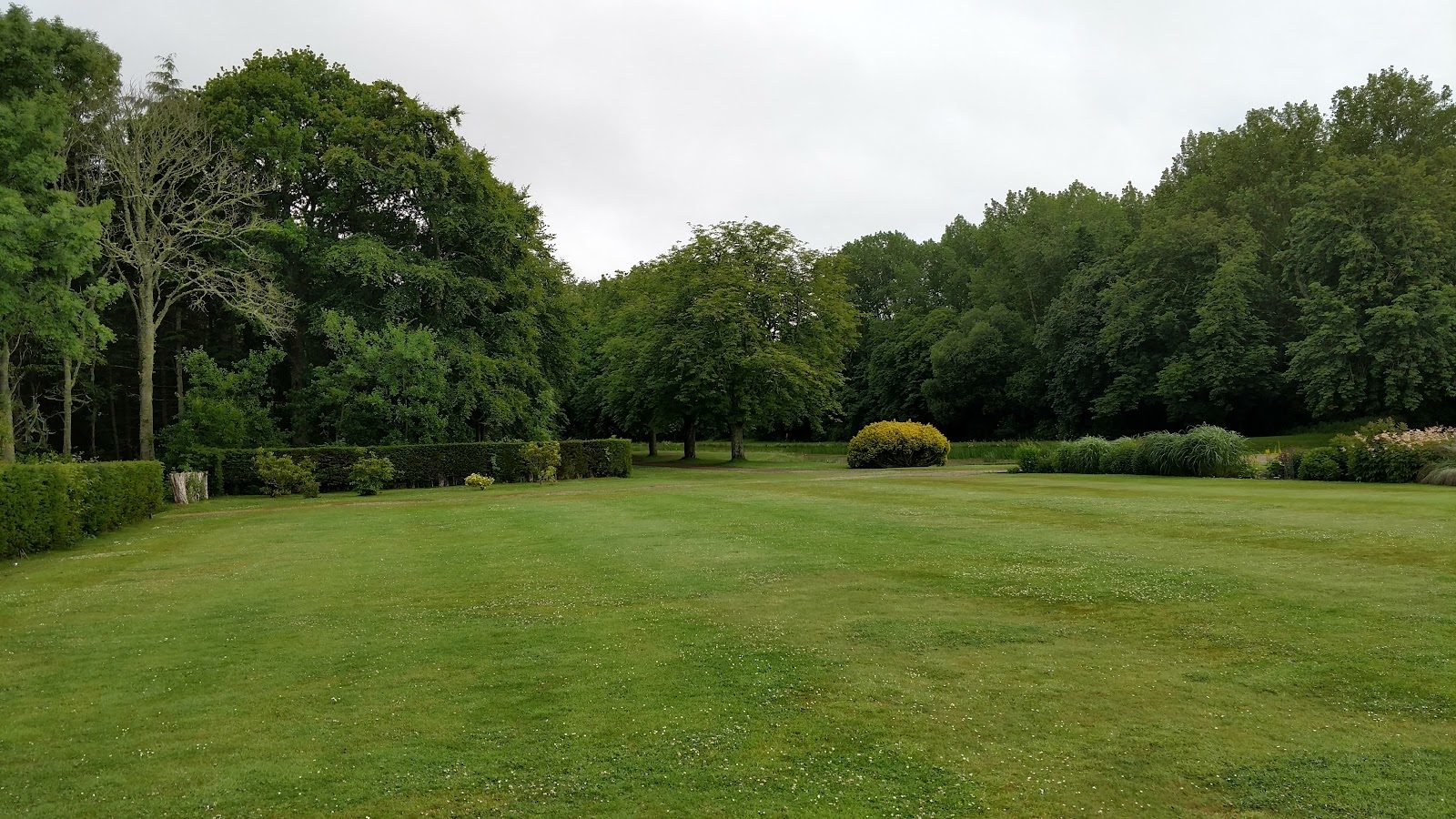
Gordonstoun
Elgin · United Kingdom
On Scotland's Moray coast, birthplace of Outward Bound, where sail training aboard the school's own ocean-going yacht counts as curriculum.
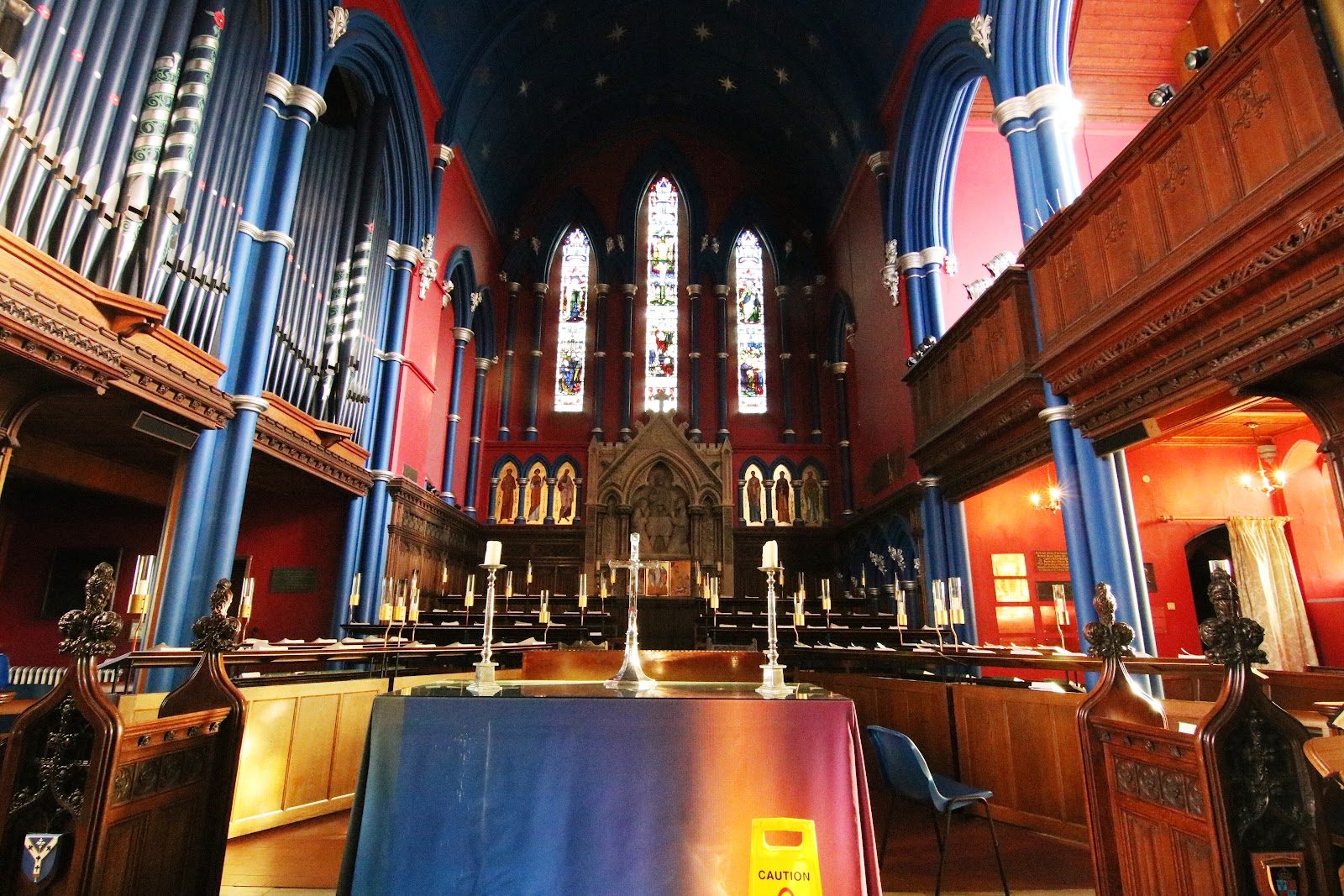
Shrewsbury School
Shrewsbury · United Kingdom
Curled inside a loop of the River Severn, twelve boarding houses keep alive a rowing tradition dating to 1866.
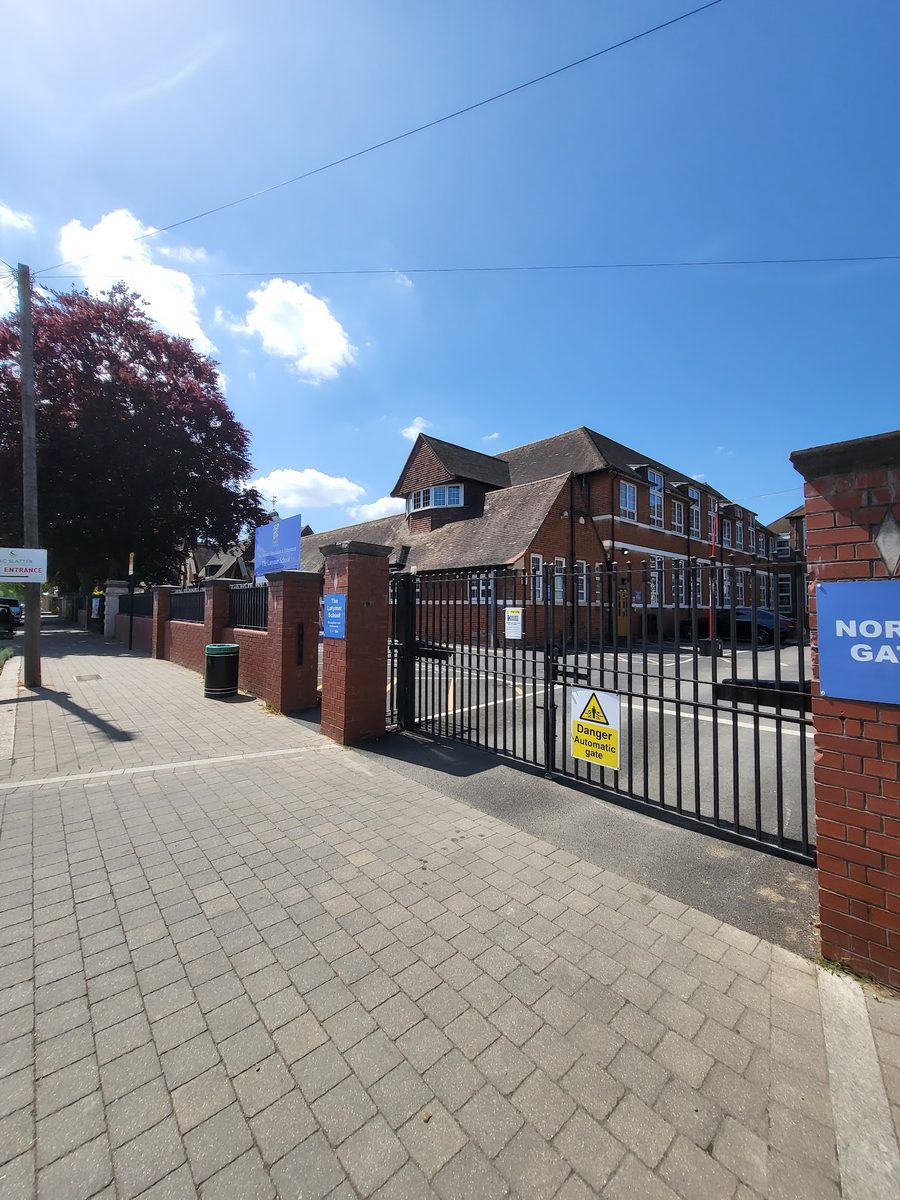
The Latymer School
London · United Kingdom
A 400-year-old state grammar in Edmonton where over 1,000 applicants compete yearly for just 192 places, with Cambridge college endowments still funding leavers.
Oundle School
Oundle · United Kingdom
Boarding houses woven into a historic market town, and an engineering centre that 3D-prints titanium and carbon fibre.
Same country and curriculum — closest matches within ±10 points either way