
Beijing
Canadian International School of Beijing
medium confidence· 4/6 cats · 2.5 avg sourcesNew Brunswick's curriculum threads through a full IB continuum, dual diplomas earned steps from Beijing's embassy row.
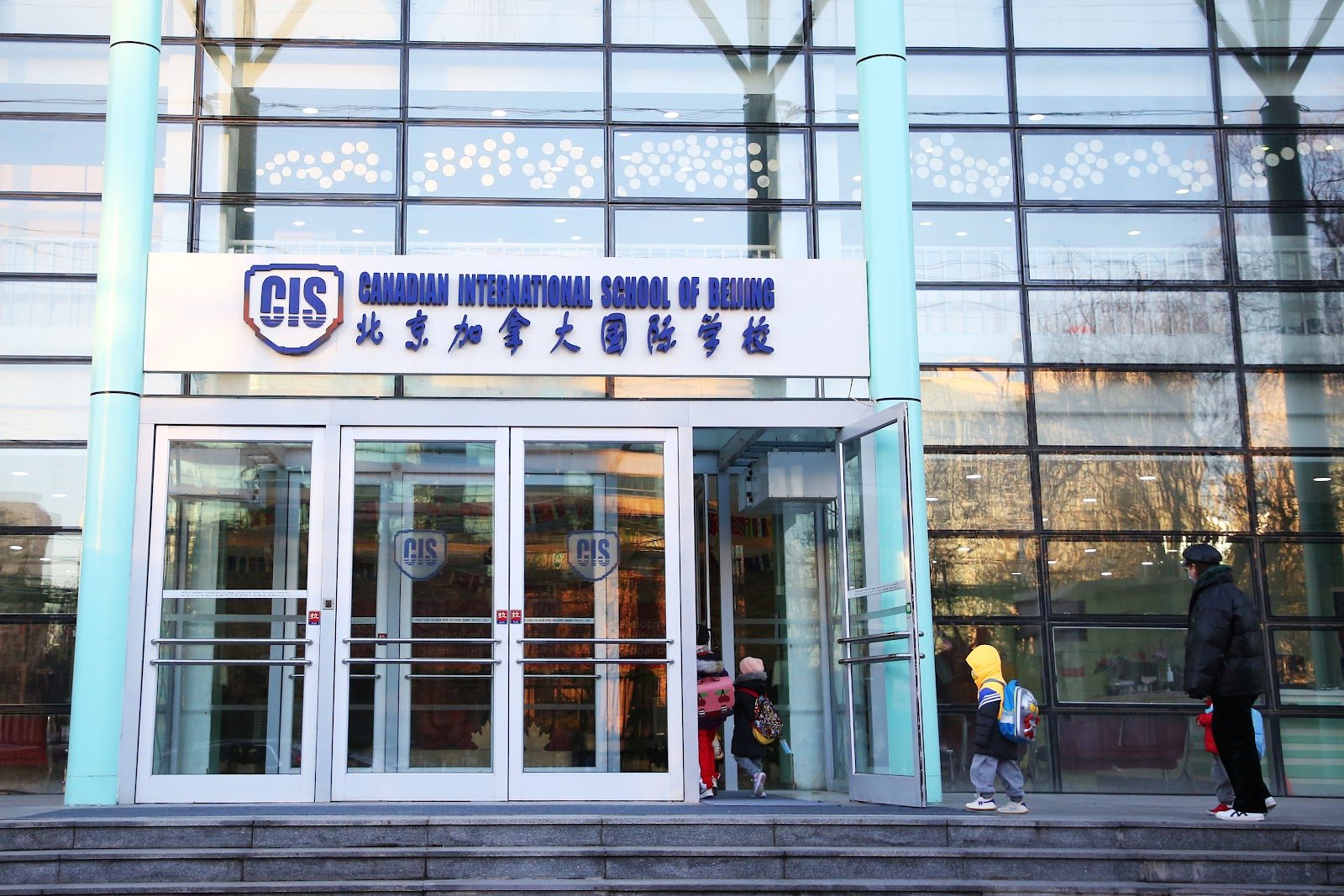
Photo © CISBeijing via Google Maps
Type
Day
Ages
3–18
Curriculum
Canadian · IB
Ratio
—
The Verdict
Editor's commitment
Right for
Families wanting Canadian and IB pathways in one day school: ages 3–18, English and Mandarin, founded in Beijing in 2005.
Wrong for
Parents chasing boarding, religious formation or a single-curriculum school; this is secular, day-only, and runs Canadian plus IB.
Watch out for
Dual-diploma talk carries weight only with substance: the school holds CIS, WASC, IB World School and BC offshore accreditation, but publishes no headline outcomes here.
Ranking breakdown
Canadian International School of Beijing · #621 of 1591
Composite score 67.4. 8 weighted criteria.
By criterion
Academic Outcomes
Weight 20%
#745
of 1529 scored
University Placement
Weight 16%
#736
of 1529 scored
Prestige & Heritage
Weight 12%
#723
of 1571 scored
Alumni Network
Weight 12%
#473
of 1530 scored
Facilities
Weight 12%
#654
of 1534 scored
Transparency & Communications
Weight 8%
#778
of 1532 scored
Peer & Industry Review
Weight 10%
#791
of 1548 scored
Admissions Selectivity & Demand
Weight 8%
#547
of 1529 scored
Score history
Canadian International School of Beijing · 2026
Movement across 2024–2026. Peer average overlaid.
Overall — 2024–2026
67.4/ 100
▲ +18.0 vs 2025
year on year
Peer & Industry Review
How Canadian International School of Beijing is regarded in the sector
55
Credible · low confidence
Canadian International School of Beijing (CISB) appears in general expat-parent forum discussions (e.g., ThatsMags, Beijing expat community boards) as one of many mid-tier international/bilingual options in Beijing, but it lacks substantial coverage in specialist education press like Good Schools Guide International or Tatler school guides, which tend to focus on larger, longer-established Beijing international schools (BCIS, ISB, Dulwich, Harrow). No significant alumni network press coverage or inspectorate commentary was found independently of the school's own materials.
Editors' overview
Canadian International School of Beijing occupies a precise niche in the capital’s international market: a Canadian school with a full IB continuum, accredited both as an IB World School and by the BC Ministry of Education as an offshore school. That combination matters. It gives families a route to dual credentials rather than a single leaving certificate, and it does so in English with Mandarin in the academic mix. Founded in 2005, the school sits in Chaoyang, close to Beijing’s diplomatic and expatriate core, which strengthens its appeal for internationally mobile families who want transferability without sacrificing day-to-day stability. The core proposition is clear: academic portability, institutional legitimacy, and a school model built for students moving between systems.
What puts CISB on a shortlist is not romance or scale; it is structure. The school offers a through-line from ages 3–18, which suits families who value continuity over repeated school transitions. The pairing of Canadian and IB frameworks gives it a distinctive market position against schools that offer only one or the other. For parents, that translates into choice without chaos: a North American academic spine, IB breadth, and recognised external accreditation from CIS, WASC, the IB and the BC Ministry. That said, the school’s public identity rests more on curricular architecture than on published outcome data. It does not trade on headline exam statistics in the public domain, so families who want hard comparative numbers will need to ask direct questions.
The right student for CISB is academically adaptable, internationally minded and comfortable in a school where mobility is part of the social fabric. This is a strong fit for children from embassy, corporate and globally mobile families who need cross-border continuity and qualifications that travel well. It also suits students who benefit from a bilingual environment in English and Mandarin without entering a fully local Chinese system. Less suited are families hunting for a single-mindedly selective pressure-cooker or those who want a school defined by one national tradition alone. CISB’s appeal lies elsewhere: dual-path credibility, quiet seriousness, and a practical answer to the needs of international families in Beijing.
Academic Performance
CISB’s academic performance is hard to place with precision because the school does not publish the kind of exam data that allows clean comparison. We have not seen aggregate IB Diploma averages, top scores, pass rates, AP-style breakdowns, or year-on-year destination patterns in the public domain. That matters. In Beijing’s competitive international sector, schools that produce consistently strong external results usually make those figures easy to find. CISB does not. The absence of published headline data does not prove weak outcomes, but it does leave parents without the first layer of scrutiny that serious comparison requires.
Relative to peers, that puts CISB in the opaque middle ground: credible qualifications, recognised external oversight, but limited public evidence on how students perform at the sharp end against rival schools in the city. Families comparing it with academically results-forward competitors need to ask direct questions: recent IB Diploma point averages, pass rates across at least 3 cohorts, score distribution at the top end, and how many students secure the dual-school leaving outcome the school advertises. Ask for university destinations in list form, not anecdotes. Until those figures are disclosed, CISB fits less as a school with proved public exam strength and more as one with a solid structural proposition whose academic results remain insufficiently evidenced in public.
Facilities
CISB’s facilities profile is hard to rank at the top end because the school does not publish a detailed public inventory of specialist spaces. That gap matters in Beijing, where stronger competitors use facilities as a selling point and document them plainly. What can be said with confidence is narrower: this is a day school in the diplomatic quarter serving students from the early years through sixth form, so the campus needs to cover the full spread of teaching, sport and arts provision on one site. Parents should expect the essentials of an international through-school rather than a showpiece campus. We have not seen public detail on theatre scale, science-lab count, indoor sports capacity, design technology, aquatics or high-performance athletics provision. On facilities transparency, CISB is behind the curve.
Against peer schools, that leaves it in a functional rather than aspirational bracket until the school discloses more. Families comparing campuses need direct answers on library provision, early-years outdoor space, specialist music rooms, maker facilities, black-box or full theatre access, and whether sports are housed on site or split across external venues. In this market, the best-resourced schools advertise those points because they know parents read facilities as a proxy for investment. CISB does not give that level of evidence in public. The result is a campus offer that reads as competent but opaque, with no published basis for calling it either exceptional or underpowered.
The pairing of Canadian and IB frameworks gives it a distinctive market position against schools that offer only one or the other
Prestige
CISB carries credible but limited prestige. In Beijing’s international-school hierarchy, it has real standing with families who value portable qualifications and institutional oversight, but it does not command the automatic cachet of the city’s most conspicuous legacy names. Its prestige rests on seriousness, not glamour: a recognised international framework, a Canadian academic identity, and a through-school model that suits mobile professional families. That gives it practical status in the market. It does not give it elite mystique. The school sits in a segment where parents buy stability, transferability and administrative legitimacy, not social theatre or old-school brand power.
That distinction matters. Prestige in this sector comes from a mix of brand history, admissions selectivity, visible outcomes and parent-network pull. CISB has strength on structure and recognition, but weaker public evidence on the outcome side. We have not seen the published headline results or destination data that convert a respectable school into a high-status academic name. Nor does it project the sort of rarefied exclusivity that turns a school into a status symbol in its own right. My rating therefore lands in the upper-middle tier: *trusted, respectable, internationally legible* — but not a school whose name alone carries decisive weight. For families who want substance over display, that is no bad thing.
We have not seen aggregate IB Diploma averages, top scores, pass rates, AP-style breakdowns, or year-on-year destination patterns in the public domain
Communications
CISB’s parent communication reads as serviceable rather than exemplary. The school’s public-facing profile is thin on the information serious parents use to judge a school quickly: no easy-to-find aggregate exam data, no detailed facilities breakdown, and limited hard evidence on outcomes beyond the broad institutional framework. That matters because external communication is not separate from parent communication; it signals the school’s habits. Schools that communicate well tend to publish the basics plainly, update them consistently, and spare families the detective work. CISB does not meet that standard. The impression is of a school that communicates the core proposition clearly enough, but leaves too much else in a grey zone. For busy international families, that is a practical weakness.
Inside the parent body, the picture is easier to infer than to verify. A through-school serving mobile families near the diplomatic quarter needs dependable operational communication on routines, transitions and student support; anything less creates friction fast. That institutional context pushes CISB towards disciplined day-to-day contact with parents. But the school does not give the public much evidence of communication culture in action: we have not seen a strong archive of leadership updates, granular academic reporting examples, or the kind of transparent parent-information architecture that marks out the best-run schools. My view: communication is competent, not distinguished. Parents who prize clarity should ask direct questions about reporting frequency, response times, parent portals, and how concerns are escalated across 3 school stages.
Uniqueness
What marks CISB out is not a single flashy feature but an uncommon institutional splice. Very few schools in Beijing give students two credible exit routes inside one school architecture: a Canadian provincial credential alongside the IB pathway. That matters for families who keep one eye on university systems in North America and another on broader international portability. The benefit to students is practical, not abstract. They work inside a framework that rewards both steady course performance and the wider habits the IB prizes, without being forced into a single national script. For internationally mobile children, that is a serious advantage: less disruption, fewer dead ends, and a qualification profile with real transfer value.
Its other point of difference lies in who the school is built for. This is a through-school planted near the capital’s diplomatic core, and that shapes the student experience. Communities with high turnover can feel rootless; CISB’s model counters that with useful continuity from the early years to graduation. Students do not need to re-learn the culture of a new institution at each key stage, and families navigating postings or corporate moves get a school designed around transience without turning education into a holding pattern. The result is quietly distinctive: a school less interested in spectacle than in keeping globally mobile students academically legible, socially settled and ready to move again when family life demands it.
CISB’s facilities profile is hard to rank at the top end because the school does not publish a detailed public inventory of specialist spaces
Student Profile
The social fit at CISB is clear. This school suits children who handle churn without drama: students arriving mid-journey from diplomatic, multinational or mobile professional families, and students who need a peer group that treats movement between countries as normal rather than disruptive. They will find classmates used to resets, new arrivals and departures, and the quiet discipline that comes with an internationally transient community. That makes CISB a good home for pupils who are adaptable, socially unshowy and able to build friendships across backgrounds without relying on a single dominant local culture. It is less convincing for families who want a deeply rooted neighbourhood-school feel or a student body shaped by one national identity.
Temperament matters here. The best fit is a student who values continuity, can work across different academic expectations, and does not need an overtly competitive or status-driven environment to stay motivated. Children who thrive on constant spectacle or a highly charged hothouse atmosphere will find stronger matches elsewhere. By contrast, students who want a school life that is cosmopolitan without affectation and structured across the full 3–18 age range will sit more comfortably. This also works well for bilingual-minded families who want English at the centre of schooling with Mandarin as part of daily academic life. The weaker fit is for children who need a singular, tradition-heavy culture or a sharply selective peer ethos to define themselves.
The result is a campus offer that reads as competent but opaque, with no published basis for calling it either exceptional or underpowered
Co-curricular strengths
Arts & sport, on a separate axis
Overall 7.16/10
Scored 0-10 from the school's own published evidence. This axis is editorial-only — it does not feed the main WTS ranking.
Sports
7.8/10
Basketball and soccer are offered, but there is no further detail on teams, seasons, facilities, or competition.
Drama
7/10
Drama productions, which goes beyond a bare mention of drama by indicating recurring performance activity, but provides no facility, department, or production detail.
Dance
6/10
Music
7.5/10
Choir ensemble is offered, but there is no further detail on ensembles, staff, facilities, or performances.
Visual Arts
7.5/10
Visual arts is offered.
Editor first-pass · editor-reviewable · 7/27/2026
Strengths
- +Canadian and IB curricula offered
- +Located in Beijing's Chaoyang District
- +Canadian international school in Beijing
- +International-school option within Beijing
Considerations
- −Founding year not published here
- −Language of instruction not stated here
- −Accreditations not provided here
Availability
Primary entry gate & tests
Academic Record
Gallery
Photo © CISBeijing via Google Maps
Photo © Parnian Fallahi via Google Maps
Parent reviews
Have you sent your child here?
Voice reviews carry the strongest trust badge — we transcribe them for you to tidy up before they go live. Prefer to type? A written review is fine too.
Add your voice
In 60 seconds, tell other parents: what's the best thing about Canadian International School of Beijing, and what surprised you when your child joined?
We ask for a Google sign-in so every review has a real face behind it — no anonymous drive-by attacks on schools, and no faked positive reviews. Your email is never shown publicly.
Send this profile to a friend
International parents rely on word-of-mouth. Share this review with someone weighing the same decision.
Schools with places
Similar schools to Canadian International School of Beijing with places available now.
Yew Chung International School of Beijing
Beijing · China
- 2026-27
- WAITPOOLSpace-dependent
- 2027-28
- PLACES OPENRolling
Beanstalk International Bilingual School
Beijing · China
- 2026-27
- WAITPOOLSpace-dependent
- 2027-28
- PLACES OPENRolling
Beijing City International School
Beijing · China
- 2026-27
- WAITPOOLSpace-dependent
- 2027-28
- PLACES OPENRolling
Dulwich College Beijing
Beijing · China
- 2026-27
- WAITPOOLSpace-dependent
- 2027-28
- PLACES OPENRolling
Availability first, then country, area, curriculum, price, co-curricular
Consider also
Also worth looking at alongside Canadian International School of Beijing.
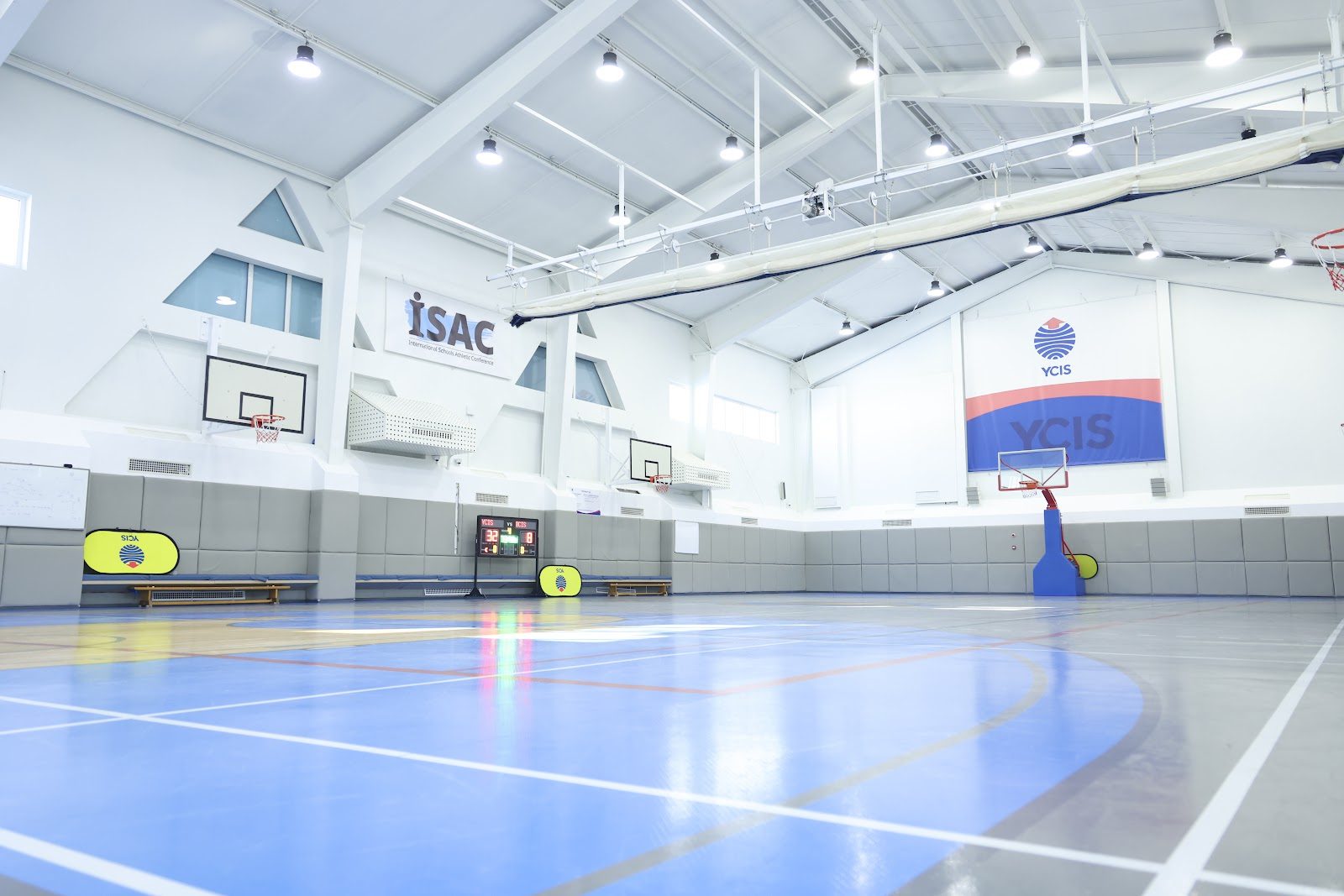
Yew Chung International School of Beijing
Beijing · China
Every classroom pairs a Western and a Chinese teacher, threading bilingual learning through a parkland Chaoyang campus.
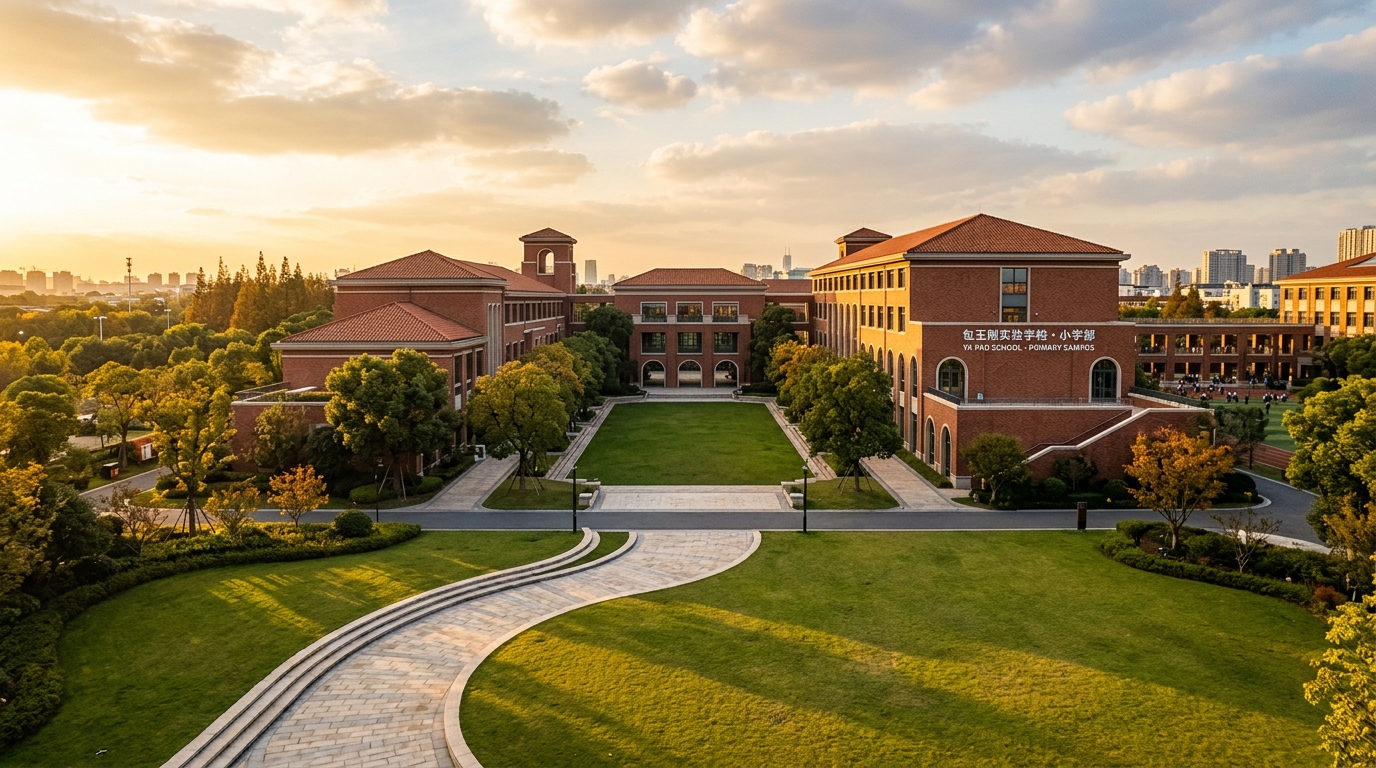
YK Pao School
Shanghai · China
Mandarin-English immersion anchors an IB and IGCSE track, with senior boarders housed in a Tudor-style village in Songjiang.
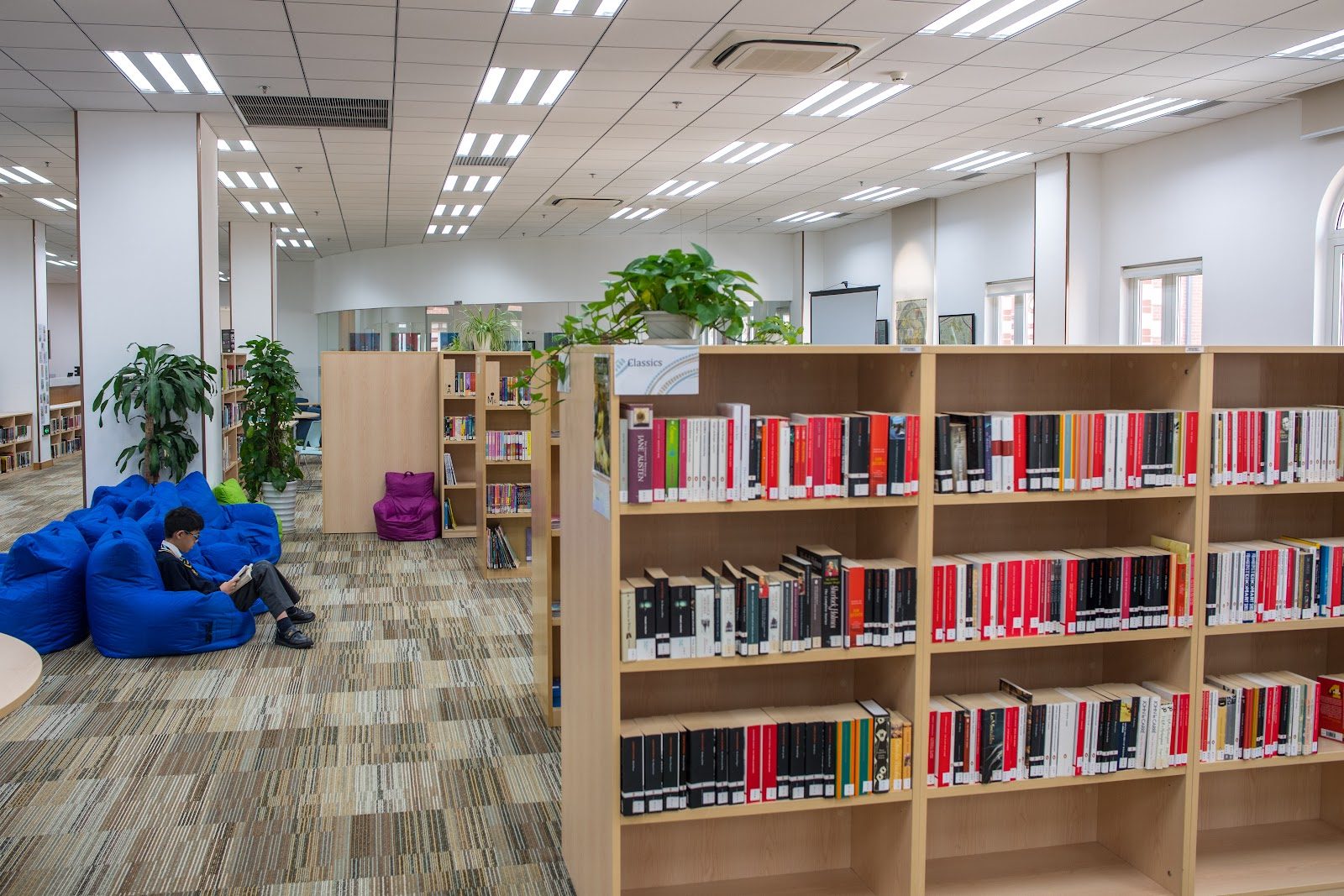
Wellington College International Shanghai
Shanghai · China
Rooted in an 1859 British foundation, this Pudong riverside campus channels house spirit into IB scores averaging 37 points.
UWC Changshu China
Changshu · China
On an island in Kuncheng Lake, mainland China's first UWC pairs the IB diploma with mandatory Mandarin study and a student-run Zhixing service programme.
Same country and curriculum — closest matches within ±10 points either way