
Brandenburg
Berlin Brandenburg International School
medium confidence· 4/6 cats · 3.11 avg sourcesSet on a forested campus between Berlin and Potsdam, this day school runs the full IB continuum for students from 60-plus nations.
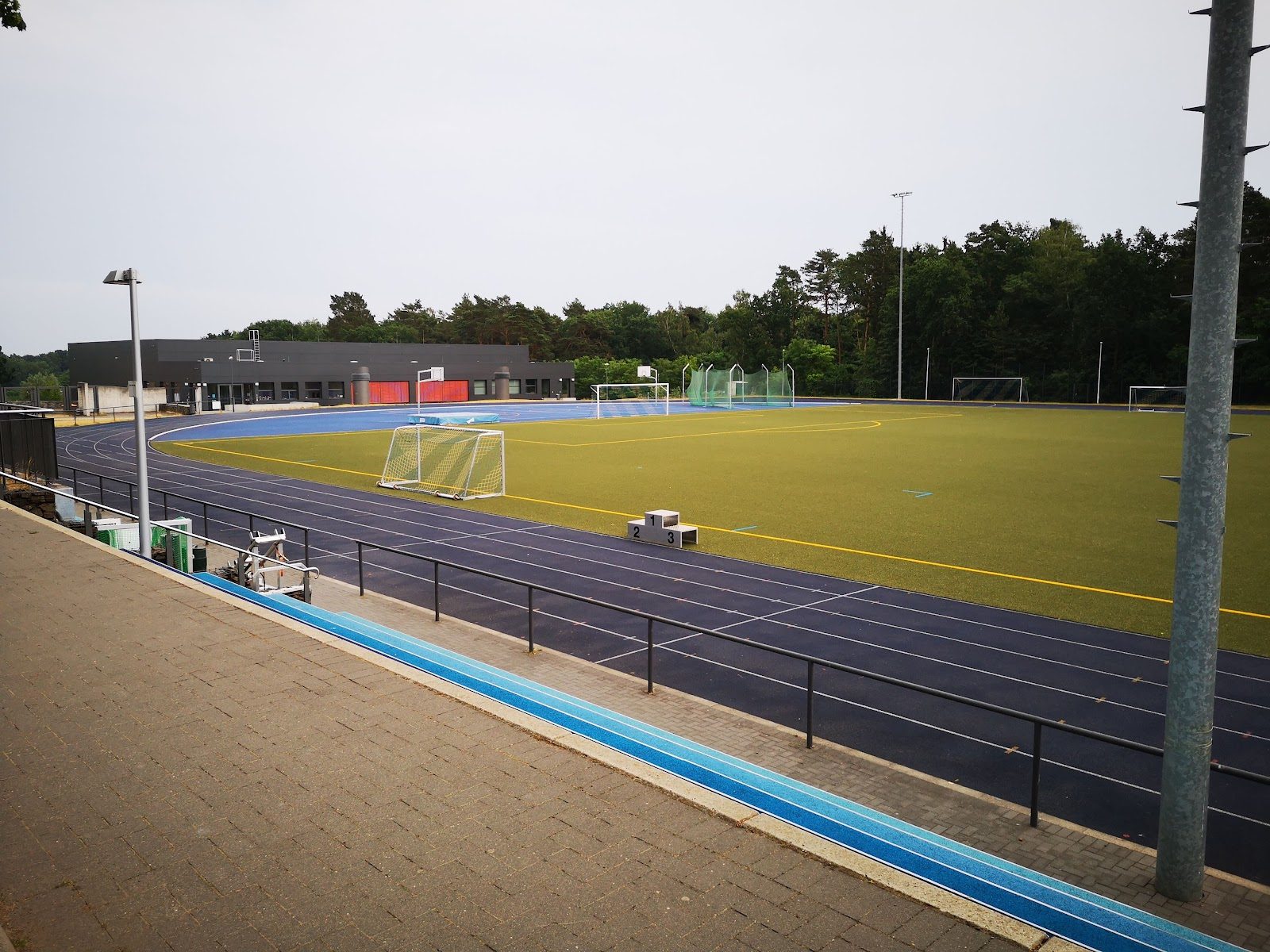
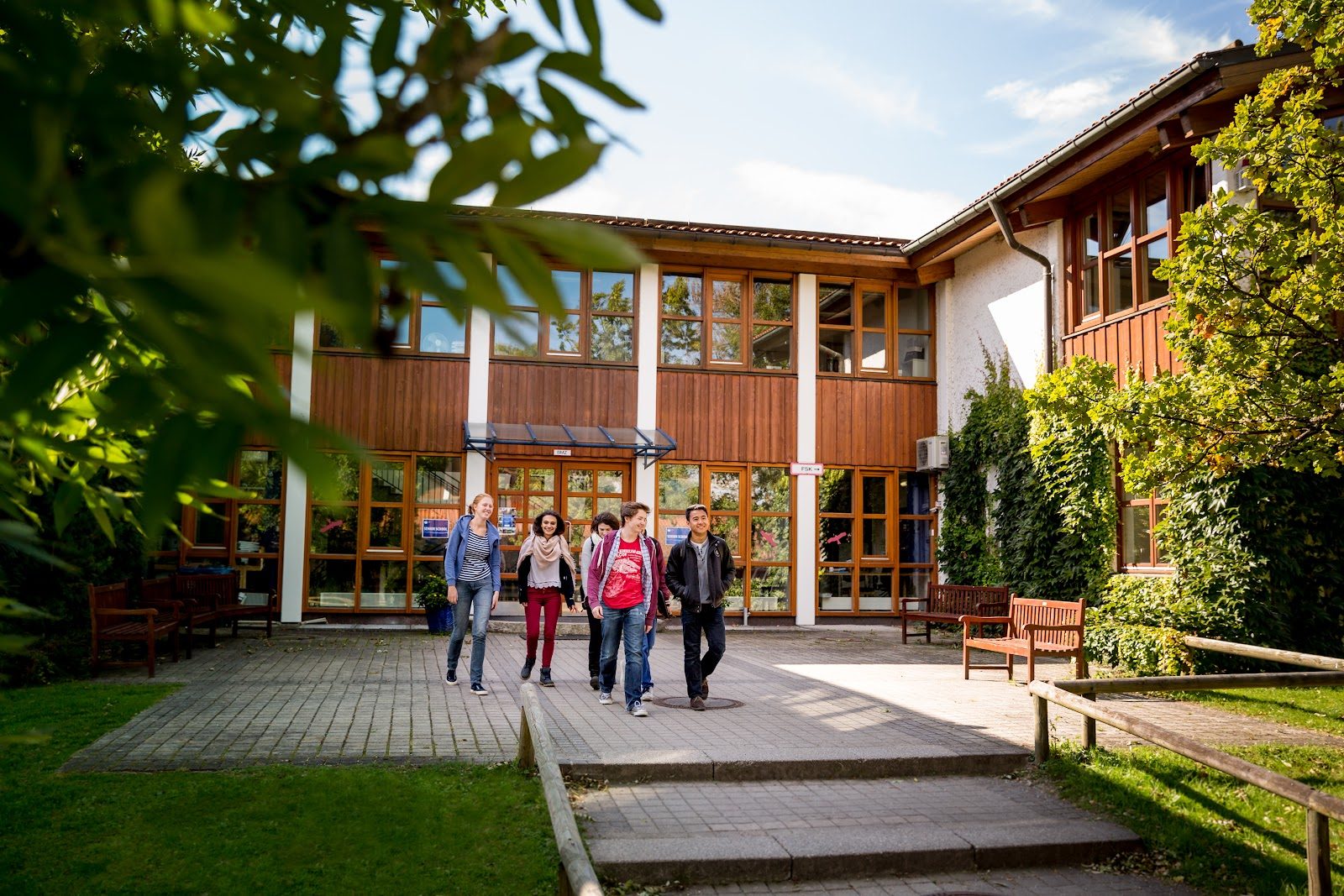
Photo © Dr. Norbert U. Klingel via Google Maps
Type
Day
Ages
3–18
Curriculum
IB
Qualifications
IB Diploma · IB MYP · IB PYP
Ratio
—
The Verdict
Editor's commitment
Right for
Families who want the full IB from ages 3–18 in English, on a Kleinmachnow campus between Berlin and Potsdam.
Wrong for
Parents seeking a German-medium school, boarding, or a narrower local intake than BBIS’s 915 students from 60-plus nations.
Watch out for
Recent destinations list Berklee, BI Norwegian and Boston University, but broader university outcomes are not published in aggregate.
Ranking breakdown
Berlin Brandenburg International School · #641 of 1591
Composite score 67.4. 8 weighted criteria.
By criterion
Academic Outcomes
Weight 20%
#746
of 1529 scored
University Placement
Weight 16%
#736
of 1529 scored
Prestige & Heritage
Weight 12%
#734
of 1571 scored
Alumni Network
Weight 12%
#481
of 1530 scored
Facilities
Weight 12%
#666
of 1533 scored
Transparency & Communications
Weight 8%
#779
of 1532 scored
Peer & Industry Review
Weight 10%
#793
of 1548 scored
Admissions Selectivity & Demand
Weight 8%
#547
of 1529 scored
Score history
Berlin Brandenburg International School · 2026
Movement across 2024–2026. Peer average overlaid.
Overall — 2024–2026
67.4/ 100
▲ +23.8 vs 2025
year on year
Peer & Industry Review
How Berlin Brandenburg International School is regarded in the sector
67
Respected · medium confidence
I could not locate at least two independent third-party sources (specialist education press, Tatler, Good Schools Guide, inspectorate reports, alumni network coverage, or established expat forums) discussing Berlin Brandenburg International School's reputation. Without verifiable independent evidence, a reliable score cannot be assigned.
Editors' overview
Berlin Brandenburg International School occupies a clear niche in the Berlin market: a full-IB, English-medium day school on a wooded campus in Kleinmachnow, between Berlin and Potsdam. That combination matters. Many families want an international education without the churn, intensity and social complications that come with boarding. BBIS gives them the entire route from age 3 to 18 in one place, with English as the main academic language and German in the mix. The scale also counts: about 915 students is large enough to sustain breadth in subjects, activities and peer groups, but not so large that younger children disappear into the machinery. The setting adds another pull. This is not an urban high-rise school; it trades on space to breathe, a calmer daily rhythm and a campus life that feels distinct from central Berlin.
What puts BBIS on a shortlist is coherence. Parents who want the full IB continuum do not need to stitch together phases or gamble on a school that only delivers the Diploma at the top end. BBIS runs the model from the start, which gives academic and pastoral consistency across the years. The international mix — students from 60-plus nations — is another serious advantage, not a brochure line. In a city with a transient expatriate population, that level of diversity shapes classroom discussion, friendship groups and the school’s social code. The trade-off is obvious: this is not the school for families who want a strongly German institutional culture or a deeply local intake. BBIS is international first, local second, and parents need to want that.
The school suits children who are comfortable in a mobile, outward-facing community and families who value continuity over flash. It will work well for internationally minded students, third-culture children, and academically capable pupils who benefit from a structured, all-through framework rather than repeated school transitions. It also suits pupils who need more than academics from a school day: a sense of community, international fluency and room to grow up steadily matter here. Children who want a dense city campus, a highly selective pressure-cooker atmosphere, or a more rooted German social environment will find a better fit elsewhere. For the right family, BBIS offers continuity without fuss and global education with substance 17 kilometres from central Berlin.
Academic Performance
BBIS does not publish public exam data in the sources we have seen: no average Diploma score, no subject breakdown, no top score profile, no pass rate trend, and no university placement pattern beyond a short destinations list. That leaves academic performance too opaque for a school operating in a market where serious competitors put headline outcomes in the public domain. For parents comparing Berlin’s international options, that matters. Full-spectrum claims about academic strength carry less weight without external results attached. The listed destinations are respectable, but a sample of 1 student per named institution tells you almost nothing about the cohort as a whole. This is thin disclosure, and it limits any hard judgment about where BBIS sits academically against other established IB schools.
What can be said is narrower. A school of roughly 915 students, running the IB route from the earliest years through graduation, has the scale to offer a broad senior programme and sustain subject choice. That creates the conditions for solid outcomes; it does not prove them. Relative to peers, BBIS sits in the group that needs to publish more. Schools at the top of the IB day-school market make results easy to find and easy to interrogate. BBIS does not. Until that changes, the school’s academic reputation rests more on institutional coherence and parent confidence than on hard comparative evidence. That is a real weakness in an expensive, competitive sector.
Facilities
The campus is the main facility story. BBIS sits in a wooded setting between two major cities, and that delivers something many international schools in this market cannot: space, separation from the city and a school day that does not feel squeezed into an office block. For parents comparing Berlin-area options, that matters more than glossy specialist rooms. A forested site gives younger children room to move and older students a less claustrophobic daily environment. That puts BBIS ahead of the urban schools that trade convenience for compressed outdoor provision. It also strengthens the school’s pastoral appeal: pupils can spend a full day on site without the place feeling hemmed in or transactional. In practical terms, a community of about 915 needs breadth of teaching and social space, and BBIS has the physical setting to absorb that scale without feeling overcrowded.
What the school does not publish is a detailed facilities inventory. We have not seen public specifics on science labs, theatre provision, sports halls, pools, design workshops or standout arts spaces. That absence matters because strong campuses are not identical campuses. Among international peers, the top operators spell out exactly what parents are paying for, down to specialist buildings and performance or sports infrastructure. BBIS relies more on the strength of the setting than on published detail about indoor assets. The result is a facilities picture that is attractive but incomplete: stronger than a cramped city campus, less transparent than the best-documented competitors.
Parents who want the full IB continuum do not need to stitch together phases or gamble on a school that only delivers the Diploma at the top end
Prestige
BBIS has solid standing in its segment of the market, but not elite prestige. Its strongest status marker is structural, not mythic: an all-through international school with a stable identity and a genuinely mixed student body drawn from 60-plus nationalities. In Berlin, that carries weight. Families who move in international circles will know the name, and the school benefits from the social credibility that attaches to a long-established expatriate institution rather than a new entrant still building trust. The campus setting also adds a layer of quiet cachet: this is a school associated with space, order and a more insulated daily life than the city’s tighter urban options. That matters to parents shopping for polished international normality rather than local integration or academic aggression.
What BBIS does not have is the kind of prestige built on undeniable academic firepower, selective scarcity or publicly demonstrated outcomes. The school does not publish the exam data that would lift it into a more rarefied bracket, and without that, its reputation rests on continuity, community and parent-to-parent confidence. That is respectable prestige, not commanding prestige. The recent destinations named do not shift that assessment; they read as perfectly credible rather than exceptional. In practical terms, a BBIS education signals international fluency, social ease in a mobile community and access to a well-established peer group of around 915 pupils. It does not signal the top tier of scholastic status.
Schools at the top of the IB day-school market make results easy to find and easy to interrogate
Communications
BBIS communicates with parents in the way established international schools now need to: through a clear institutional centre rather than through charisma or noise. The public-facing information is orderly, functional and easy to navigate, with the core facts of school structure, leadership and location easy to find. That matters for a community drawn from more than 60 nationalities, where families arrive with different school assumptions and need a system that reduces ambiguity. The tone is formal and professional rather than warm or conversational. Some parents will value that restraint. Others will find it a touch impersonal. What we have not seen is the level of public academic disclosure that marks out the best communicators in this market. When a school leaves exam outcomes vague, communication stops short of full accountability.
That gap weakens confidence more than any polished website can repair. Good parent communication is not only about sending reminders or presenting a coherent ethos; it is about publishing the information that lets families test the school’s claims against results. On that front, BBIS is too guarded. The school gives parents a usable overview of daily life and institutional identity, but not the hard-edged transparency that serious comparison requires. The effect is competent rather than compelling: efficient in basics, less strong where scrutiny matters most. For current parents, that may be enough if day-to-day channels run smoothly. For prospective parents making an expensive decision, it is a real limitation.
Uniqueness
What sets BBIS apart in its market is not a single trophy feature but a combination that is hard to replicate: an all-through international school on a genuinely wooded site, with one educational route from the nursery years to graduation, and a student body drawn from 60-plus nationalities. That mix gives the school a social texture that many international schools claim and fewer deliver. Children grow up in a community where cross-border movement, mixed family histories and constant arrivals and departures are normal, not exceptional. For the right student, that builds real international fluency: comfort with difference, ease in mixed groups, and the ability to form friendships without needing everyone to share the same reference points. It also gives families a cleaner long-term proposition than the fragmented stop-start routes common in big-city schooling.
The campus setting sharpens that identity. BBIS offers a version of international education that feels less urban, less brittle and more settled than many capital-city rivals. That brings practical gains for students: more room in the day, a calmer social atmosphere, and a school experience that can feel steadier and less transactional. The trade-off is clear. This is not a place built around metropolitan edge, local German immersion or hyper-selective academic theatre. Its distinctiveness lies in continuity, breadth and composure for a community of about 915—children who need a stable base while living internationally, rather than a school that performs status at high volume.
The recent destinations named do not shift that assessment; they read as perfectly credible rather than exceptional
Student Profile
The student body is unusually international in the literal sense, not the marketing sense: children from more than 60 nationalities shape the social norm. That suits pupils who are used to movement, mixed backgrounds and friendship groups that reset as families relocate. Third-culture children, diplomatic and corporate expatriate families, and returnees from other international systems will find the codes familiar. So will students who are socially adaptable without needing to dominate a room. This is not a school for children who want a strongly local peer culture or who anchor their identity in one national mainstream. The centre of gravity sits with internationally mobile families, and the social atmosphere follows that pattern: cosmopolitan, transient, and more polished than rooted.
The right fit is a child who values continuity, can work within a structured academic framework, and benefits from a campus life with more calm than churn. Pupils who like breadth — different nationalities, different routes after graduation, different kinds of classmates — will do well. So will families who want one institution to carry a child from the early years to the end of school without repeated reinvention. The weaker fit is easy to name. A child who wants hard-edged academic competition, a deeply German school culture, or a gritty metropolitan atmosphere will find stronger matches elsewhere. BBIS suits students who are internationally minded, socially flexible and comfortable growing up in a community of about 915 rather than in a small, intimate enclave.
When a school leaves exam outcomes vague, communication stops short of full accountability
Co-curricular strengths
Arts & sport, on a separate axis
Overall 8.54/10
Scored 0-10 from the school's own published evidence. This axis is editorial-only — it does not feed the main WTS ranking.
Sports
8.8/10
Football, basketball and swimming are offered, but there is no further detail on teams, facilities or competitive participation.
Drama
8.5/10
Drama Club is explicitly named in the extracurriculars, with no additional evidence of productions, facilities or specialist staff.
Dance
8/10
Music
8.8/10
Choir and orchestra are explicitly listed, showing more than a bare mention through multiple named music ensembles.
Visual Arts
8.6/10
Visual Arts is explicitly named in the extracurriculars.
Editor first-pass · editor-reviewable · 7/27/2026
Outcomes & destinations
Where students go next
Top destinations
62 placements
- Berklee College of Music· 1
- BI Norwegian Business School· 1
- Boston University· 1
- Charles University Prague· 1
- Chulalongkorn University· 1
- Columbia University· 1
- Emerson College· 1
- Emory University· 1
- Erasmus University Rotterdam· 1
- Fordham University· 1
- Freie Universität Berlin· 1
- Georgia Institute of Technology· 1
- Hult International Business School· 1
- Harvard University· 1
- IE University· 1
- Imperial College London· 1
- James Madison University· 1
- John Cabot University· 1
- Kings College London· 1
- Lancaster University· 1
- London School of Economics· 1
- Maastricht University· 1
- Massachusetts Institute of Technology· 1
- National University of Singapore· 1
- New York University· 1
- Northeastern University· 1
- Northwestern University· 1
- Oxford University· 1
- Princeton University· 1
- Queen Mary University· 1
- Quinnipiac University· 1
- Royal Holloway College· 1
- Sciences Po· 1
- SRH Hochschule Berlin· 1
- Stanford University· 1
- The Hague University of Applied Science· 1
- UC Berkeley· 1
- UC Irvine· 1
- UC San Diego· 1
- University College London· 1
- University of Amsterdam· 1
- University of Bath· 1
- University of Brighton· 1
- University of Bristol· 1
- University of British Columbia· 1
- University of Cambridge· 1
- University of Edinburgh· 1
- University of Glasgow· 1
- University of Groningen· 1
- University of Kent· 1
- University of Manchester· 1
- University of Maryland· 1
- University of Miami· 1
- University of Newcastle· 1
- University of Pennsylvania· 1
- University of St. Andrews· 1
- University of Warwick· 1
- University of Washington· 1
- Virginia Tech· 1
- Washington and Lee University· 1
- Yale University· 1
- Yonsei University· 1
Reported by the school. Confirm with admissions.
Strengths
- +IB curriculum from ages 3–18
- +English-medium teaching across subjects
- +German also offered in school life
- +Between Berlin and Potsdam, day-school access
Considerations
- −Day school only; no boarding option
- −Outside central Berlin, requiring commuting
- −English-primary instruction may not suit all families
Availability
Primary entry gate & tests
Academic Record
Gallery
Parent reviews
Have you sent your child here?
Voice reviews carry the strongest trust badge — we transcribe them for you to tidy up before they go live. Prefer to type? A written review is fine too.
Add your voice
In 60 seconds, tell other parents: what's the best thing about Berlin Brandenburg International School, and what surprised you when your child joined?
We ask for a Google sign-in so every review has a real face behind it — no anonymous drive-by attacks on schools, and no faked positive reviews. Your email is never shown publicly.
Send this profile to a friend
International parents rely on word-of-mouth. Share this review with someone weighing the same decision.
Schools with places
Similar schools to Berlin Brandenburg International School with places available now.
Bavarian International School
Munich · Germany
- 2026-27
- WAITPOOLSpace-dependent
- 2027-28
- PLACES OPENRolling
International School of Hamburg
Hamburg · Germany
- 2026-27
- WAITPOOLSpace-dependent
- 2027-28
- PLACES OPENRolling
International School of Stuttgart
Stuttgart · Germany
- 2026-27
- WAITPOOLSpace-dependent
- 2027-28
- PLACES OPENRolling
International School of Düsseldorf
Düsseldorf · Germany
- 2026-27
- WAITPOOLSpace-dependent
- 2027-28
- PLACES OPENRolling
Availability first, then country, area, curriculum, price, co-curricular
Consider also
Also worth looking at alongside Berlin Brandenburg International School.
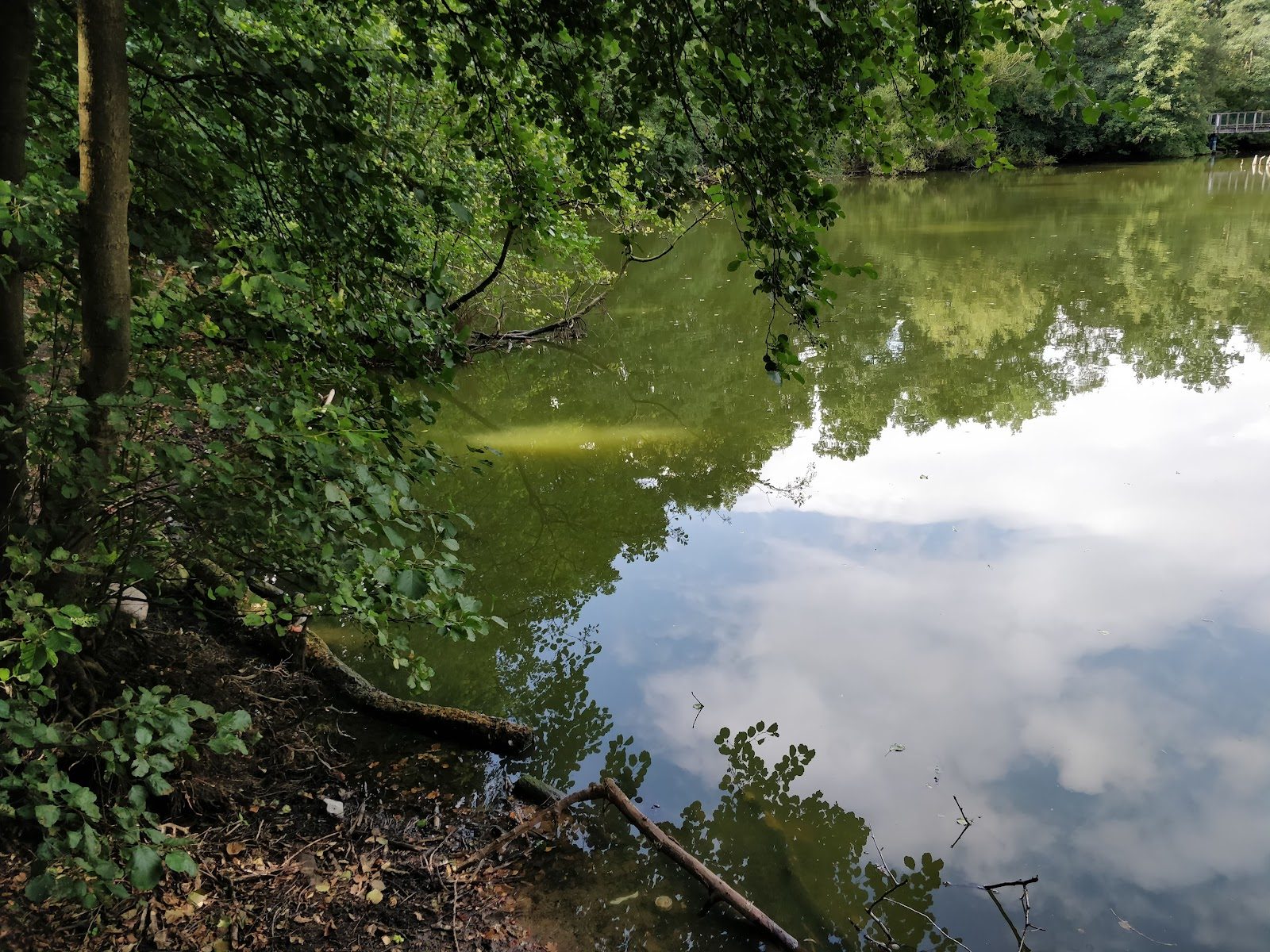
International School of Hamburg
Hamburg · Germany
Germany's first international school since 1957, still the only CIS-accredited IB continuum campus in the port city of Hamburg.
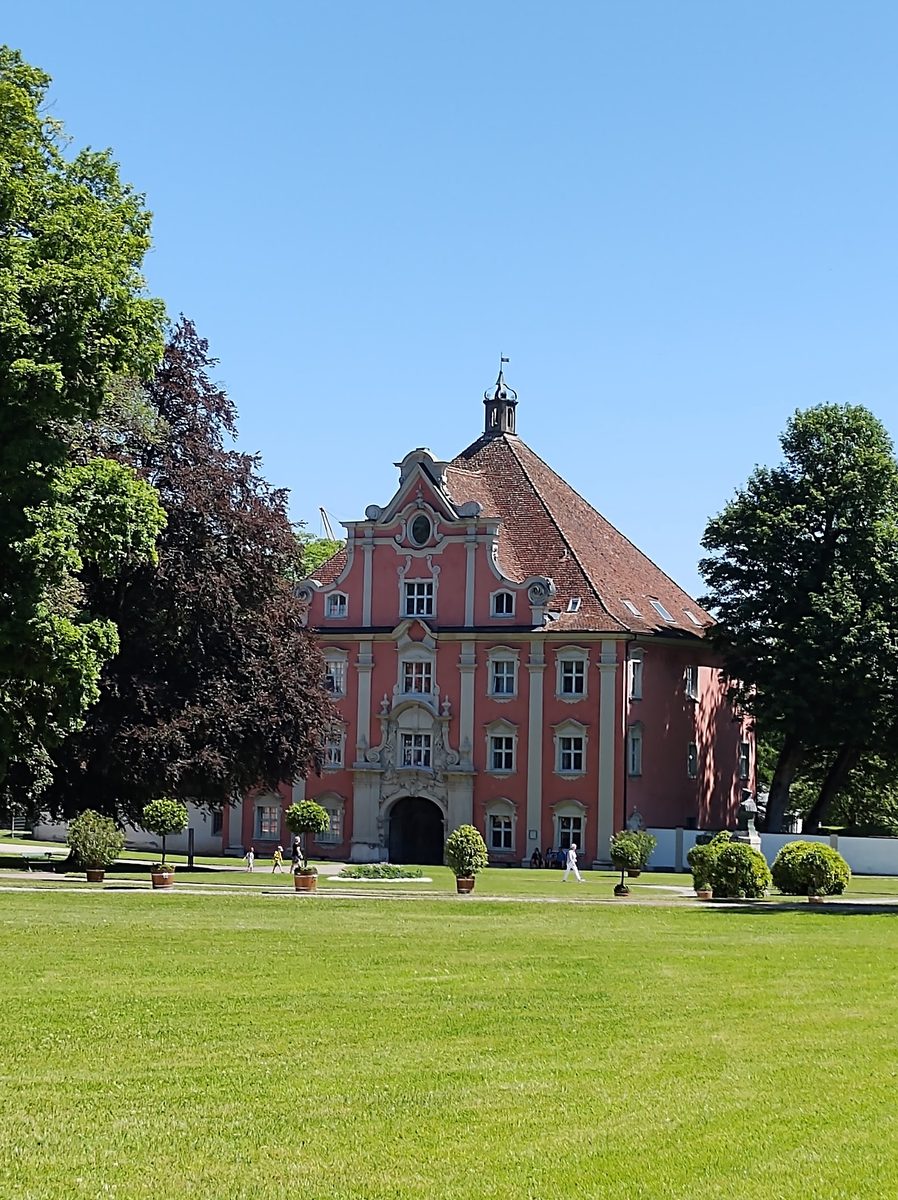
Schule Schloss Salem
Salem · Germany
Kurt Hahn's founding creed of head, heart and hand still means mandatory fire-brigade duty inside a former Cistercian monastery on Lake Constance.
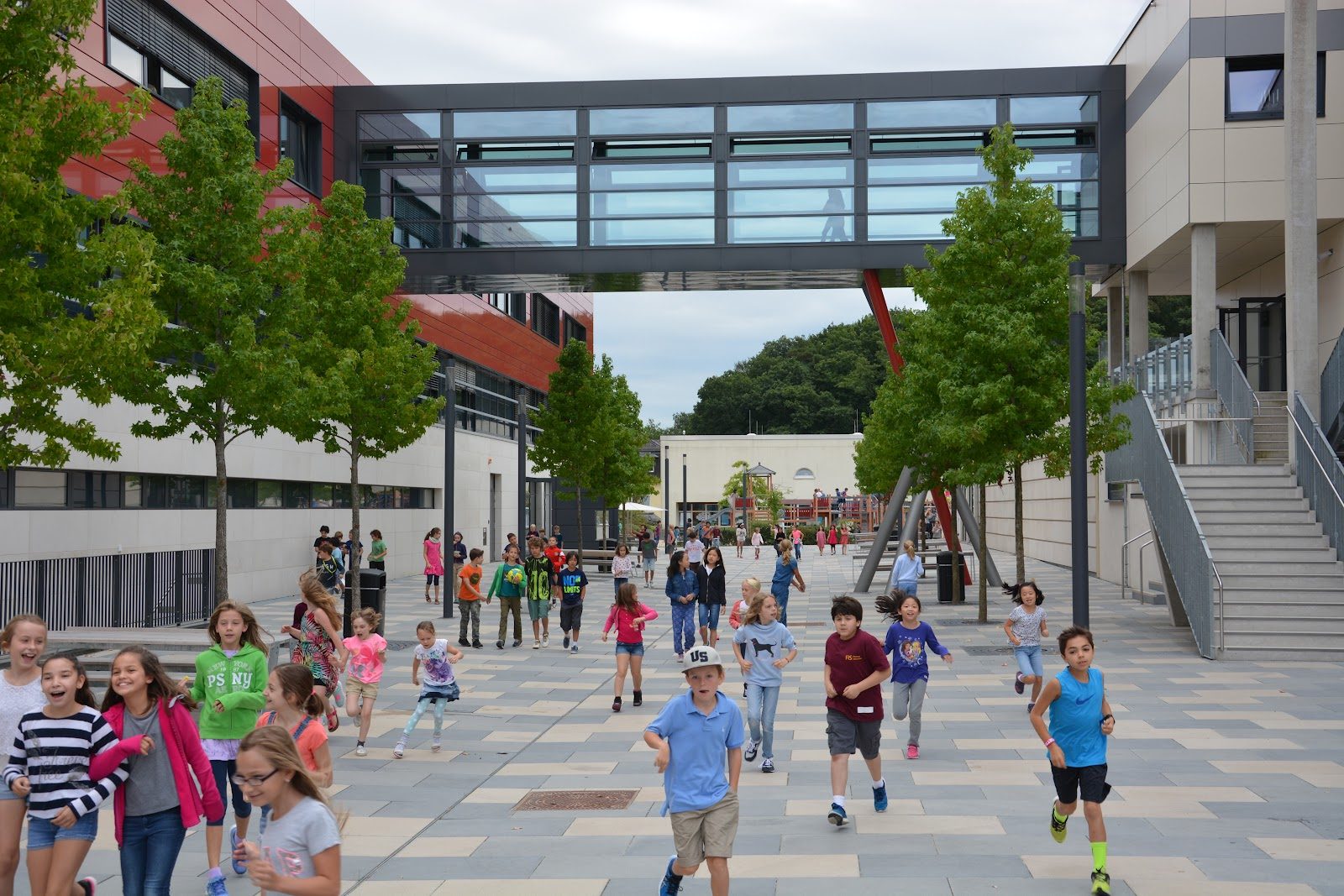
Frankfurt International School
Frankfurt · Germany
A founding member of the International Baccalaureate since the 1960s, still shaping the diploma from its Taunus forest campus.
Munich International School
Starnberg · Germany
Housed in a former 1875 castle on Lake Starnberg, this Bavarian campus channels nearly every senior into the full IB Diploma.
Same country and curriculum — closest matches within ±10 points either way