
Hamburg
International School of Hamburg
medium confidence· 4/6 cats · 3 avg sourcesGermany's first international school since 1957, still the only CIS-accredited IB continuum campus in the port city of Hamburg.

Photo © Lena Adam via Google Maps
Type
Day
Ages
3–18
Curriculum
IB
Qualifications
IB PYP · IB MYP · IB Diploma
Ratio
—
The Verdict
Editor's commitment
Right for
Families in Hamburg who want English-medium IB from ages 3–18 at Germany’s first international school, founded in 1957.
Wrong for
Parents chasing German-language schooling, boarding, or a broader university spread than Hitotsubashi, Keio and Korea University.
Watch out for
The average annual day fee is €21,764, and CIS plus NEASC accreditation do not compensate for thin published destinations data.
Ranking breakdown
International School of Hamburg · #651 of 1591
Composite score 67.3. 8 weighted criteria.
By criterion
Academic Outcomes
Weight 20%
#746
of 1529 scored
University Placement
Weight 16%
#736
of 1529 scored
Prestige & Heritage
Weight 12%
#734
of 1571 scored
Alumni Network
Weight 12%
#481
of 1530 scored
Facilities
Weight 12%
#732
of 1533 scored
Transparency & Communications
Weight 8%
#779
of 1532 scored
Peer & Industry Review
Weight 10%
#793
of 1548 scored
Admissions Selectivity & Demand
Weight 8%
#547
of 1529 scored
Score history
International School of Hamburg · 2026
Movement across 2024–2026. Peer average overlaid.
Overall — 2024–2026
67.3/ 100
▲ +25.4 vs 2025
year on year
Peer & Industry Review
How International School of Hamburg is regarded in the sector
55
Credible · low confidence
The International School of Hamburg is a long-established IB World School and member of ECIS, generally regarded within Hamburg's expat community as a credible option alongside ISH's peer schools like Bilingual School of Hamburg, but it does not feature prominently in major independent rankings such as Tatler, Good Schools Guide, or Sunday Times coverage, which focus mainly on UK/US institutions. Limited third-party press or alumni network visibility beyond expat forums (e.g., InterNations, ExpatArrivals discussions) constrains confidence in a higher score.
Editors' overview
Hamburg does not have a long list of full-range international schools, and International School of Hamburg trades on that scarcity with justification. It opened in 1957, making it Germany’s first international school, and it still occupies a distinctive niche in the city: an English-medium day school for ages 3 to 18 with the IB across the whole age range. For mobile international families who want one continuous academic track rather than a forced switch at 11 or 16, that matters. The school’s CIS and NEASC accreditation adds external scrutiny that parents in an expatriate market should demand, not treat as decoration.
Its market position is clear. At an average annual day fee of €21,764, ISH sits in the serious-fee bracket for Hamburg, but not in the stratosphere by European international-school standards. That buys continuity, institutional age and a straightforward proposition: non-religious, English-language, internationally legible. The school is not selling a boutique alternative or a national system with an international gloss; it is selling a fully international route in a city where that remains a scarce commodity. The recent destinations disclosed — Hitotsubashi University, Keio University and Korea University — point to a school whose ambitions are not narrowly UK- or US-facing. That will appeal to globally mobile families in Asia-facing corporate or diplomatic circles as much as to parents planning repatriation elsewhere.
The pupil who fits ISH best is one who benefits from international churn rather than resents it: adaptable, confident in English, and comfortable in a community shaped by relocation, arrivals and departures. Families rooted in Hamburg for the long haul and committed to deep integration into the German system have other options and should weigh them seriously. ISH suits children who need academic portability, social ease across cultures and a school that keeps the path to the IB intact from the early years to 18. In that sense, its appeal is practical rather than romantic: it is for parents who want an orderly international education, clear credentials and a school that has been doing this since 1957.
Academic Performance
International School of Hamburg does not publish the kind of exam data that would let parents place it cleanly against strong European IB peers. We have not seen aggregate Diploma averages, subject-level distributions, pass rates, cohort size, or the share of top scores. That leaves a real gap in accountability. For a school charging serious fees and selling a full international route, opaque outcomes are a weakness, not a footnote. Parents who care about academic stretch need the hard measures: multi-year IB Diploma averages, the proportion scoring 40-plus, higher-level subject spreads, and destination patterns across an entire graduating class rather than a short list of named universities.
What can be said is narrower. The school discloses a small set of recent university destinations, and those names point to students securing entry to selective institutions in East Asia rather than a single Anglo-American track. That gives ISH an internationally flexible profile, but it does not establish where the school sits academically within the top tier of IB schools in Germany or across Europe. In that peer group, the stronger schools publish headline Diploma data and sustain it over time. ISH does not give parents that line of sight. Until it does, its academic performance sits in the credible but unproven category: a school with a long-established model, but without the hard numbers that turn reputation into evidence.
Facilities
International School of Hamburg’s facilities matter because the campus has to serve children from nursery through the end of school in one place. That raises the bar. A credible all-through international school needs specialist science space, age-appropriate early-years provision, dedicated art and music rooms, sports areas that work in a wet northern climate, and communal spaces that do not feel cramped once students hit the senior years. What is missing here is public detail. The school does not publish the kind of campus inventory that top peer schools now treat as standard: no clear breakdown of laboratories, performing arts infrastructure, indoor sports provision, design or technology spaces, library scale, or standout specialist kit. For parents comparing premium schools, that lack of specificity is a real handicap.
Against peer schools, that leaves ISH in an awkward middle ground. Its long-established position and full age range imply a campus built for sustained use rather than a start-up operation squeezed into office blocks or shared premises. That is a strength. But the strongest European international schools now show parents exactly what they are buying: theatres, competition-standard sports halls, multiple labs, maker spaces, dedicated sixth-form study zones, and carefully designed early-years environments. ISH does not make that case publicly with enough force. The result is a facilities picture that reads as serviceable rather than distinctive, credible rather than category-leading. Parents who care about campus quality need a tour and need pointed questions answered in detail.
What makes International School of Hamburg distinctive is not novelty but continuity
Prestige
International School of Hamburg has real standing in its market, but prestige here rests on function and longevity rather than glamour. In Hamburg, a full-range international school with an established name, external oversight and a continuous route to graduation occupies a scarce position. That matters to expatriate families, multinational employers and diplomatic households who prize transferability over local cachet. The school’s fee level — an average of €21,764 a year — places it in the city’s premium bracket, which reinforces that status. So does its place in a market with limited direct competition for families who want one school from the early years to the end of secondary. This is earned prestige, built through institutional permanence and a clear role in the city, not through architectural spectacle or headline-chasing.
That said, prestige is not the same as academic proof, and this school does not command the hard-edged academic prestige of Europe’s most data-transparent international schools. The university destinations disclosed show international reach, but the list is too thin to establish elite placement power across an entire graduating cohort. Nor does the school publish the exam detail that would let parents rank it against the strongest IB operators in Germany and beyond. The result is solid institutional prestige rather than top-flight academic dominance: respected, established, and well known among internationally mobile families, but short of the gold-standard credibility that comes with sustained public outcomes.
Hamburg does not have a long list of full-range international schools, and International School of Hamburg trades on that scarcity with justification
Communications
International School of Hamburg communicates like an established institution rather than a hyper-polished consumer brand. The proposition is easy to grasp, the essentials are easy to find, and the school does not bury parents under jargon. That matters in an expatriate market, where families need clarity fast. The public-facing communication is strongest on the broad picture: age range, educational route, fees and contact points are all straightforward. The weakness is depth. For a school charging an average annual fee of €21,764, parents deserve more than the basics. The school does not give enough public detail on academic outcomes, campus provision or the finer grain of school life. That makes its communications competent but guarded: clear on the sales case, thinner on the proof.
For current or prospective parents, effectiveness will hinge on what happens after first contact. A school serving internationally mobile families needs fast, exact communication around admissions, transitions, student support and day-to-day logistics. ISH has every reason to prioritise that, and the baseline public information is orderly and usable. But strong parent communication is not just about clean navigation; it is about disclosure. On that test, the school is too opaque. It asks families to trust institutional age and reputation where harder evidence should do the work. Parents who value transparency will want direct answers on results, facilities and cohort destinations before treating the school’s communications as fully convincing.
Uniqueness
What makes International School of Hamburg distinctive is not novelty but continuity. In a city with a thin bench of full-range international options, this school offers one campus and one educational logic from the first years of school to university entry. That matters for families who move on corporate timelines, diplomatic postings or cross-border contracts. Children avoid the disruption of a forced transfer into a different system halfway through their schooling; friendships, expectations and teaching culture have time to bed in. For the right pupil, that creates a rare kind of stability inside a life that may be structurally unsettled. The school’s age range — 3–18 — gives it a practical advantage that many competitors do not match.
Its other point of difference is geographic and cultural rather than architectural. The disclosed university destinations tilt towards East Asia, which marks the school out from international schools that channel families into a narrow UK-US pipeline. That gives students a wider field of reference and a less parochial sense of what “success” looks like after graduation. For internationally mobile families, that is genuinely useful. Children grow up in a community where departure, arrival and reinvention are normal, and that tends to produce social fluency, resilience and a habit of reading difference without panic. The trade-off is clear: this is not a school for families chasing deep immersion in the local system. It is for those who want an orderly international life with fewer academic and social breaks along the way.
International School of Hamburg does not publish the kind of exam data that would let parents place it cleanly against strong European IB peers
Student Profile
The pupils who fit best here are children who handle flux without drama. This is a school for internationally mobile families, so classrooms are shaped by arrivals, departures and mixed educational histories. Students who settle fast, make friends without much hand-holding and can tolerate a community that changes around them will do well. So will children who value breadth over tribalism: the social life in schools like this depends on curiosity, tact and a willingness to cross national cliques. A child who needs one settled local cohort from nursery to graduation, or who wants the social shorthand of a deeply rooted hometown school, will find this environment less natural. A child who is *adaptable, outward-facing and socially quick will find it easy to inhabit*.
Temperament matters as much as attainment. The best fit is a student who can work independently, cope with teachers and classmates from different backgrounds, and treat difference as normal rather than threatening. Families paying an average of €21,764 a year are buying portability, so the school suits pupils whose lives may turn on a posting, transfer or repatriation rather than a single national path. The destinations disclosed also hint at a student body with horizons beyond the standard Anglo-American script. That will suit ambitious pupils with a *genuinely international frame of reference. It is not a natural home* for children whose priority is deep immersion in the local system or a strongly fixed cultural identity anchored in one place.
International School of Hamburg’s facilities matter because the campus has to serve children from nursery through the end of school in one place
Co-curricular strengths
Arts & sport, on a separate axis
Overall 7.84/10
Scored 0-10 from the school's own published evidence. This axis is editorial-only — it does not feed the main WTS ranking.
Sports
7.8/10
Football, Basketball and Swimming as extracurriculars.
Drama
8/10
Drama club is explicitly named in the extracurricular list.
Dance
7.2/10
Music
8/10
Choir and Orchestra are explicitly listed as extracurriculars, but there is no additional evidence of specialist staff, facilities or performance pedigree.
Visual Arts
8.2/10
Visual arts is explicitly named in with no further detail about studios, exhibitions or dedicated facilities.
Editor first-pass · editor-reviewable · 7/27/2026
Outcomes & destinations
Where students go next
Class of 2023
Top destinations
208 placements
- Hitotsubashi University· 1
- Keio University· 1
- Korea University· 1
- Kyung Hee University· 1
- Seoul National University· 1
- University of Tokyo· 1
- Waseda University· 1
- Yonsei University· 1
- University of Sydney· 1
- RMIT University· 1
- University of Technology College, Sydney· 1
- Queensland University of Technology· 1
- Monash University· 1
- University of Auckland· 1
- University of Tasmania· 1
- Victoria University of Wellington· 1
- University of Antwerp· 1
- KU Leuven· 1
- Medical University Sofia· 1
- Carleton University· 1
- Concordia University· 2
- McGill University· 1
- University of British Columbia· 1
- University of Calgary· 1
- University of Ottawa· 1
- University of Toronto· 1
- University of Victoria· 1
- University of Waterloo· 1
- York University· 1
- Aarhus University· 1
- Copenhagen Business School· 1
- DTU Copenhagen· 1
- Parson School of Design, Paris· 1
- Sciences Po· 1
- The American University of Paris· 1
- EBS U of Business and Law· 1
- Frankfurt School of Finance & Management· 1
- HAW, Hamburg· 1
- HSBA· 1
- Humboldt Universität· 1
- ISM, Hamburg· 1
- Kühne Logistics University· 1
- Macromedia University of Applied Sciences, Berlin· 1
- Medical School Hamburg· 2
- Technische University of Darmstadt· 1
- TU München· 1
- UE Berlin· 1
- University of Bremen· 1
- University of Hamburg· 1
- Universität Heidelberg· 1
- Zeppelin Universität· 1
- Trinity College Dublin· 1
- University College Cork· 1
- University College Dublin· 1
- Bocconi University· 1
- Politecnico di Torino· 1
- Rīga Stradiņš University· 1
- Amsterdam Fashion Academy· 1
- Eindhoven University of Technology· 1
- Erasmus University Rotterdam· 1
- Hanze U of Applied Sciences· 1
- Leiden University· 1
- Leiden University College· 1
- Maastricht University· 2
- Maastricht University College· 1
- The Hague UAS· 1
- Tilburg University· 2
- TU Delft· 1
- University of Amsterdam· 2
- University of Groningen· 1
- University of Twente· 1
- VU Amsterdam· 1
- Wageningen University and Research Centre· 1
- BI Norwegian Business School· 1
- ESADE University· 1
- INSA Barcelona· 1
- IE University· 2
- Stockholm University· 1
- Kungl Tekniska Högskolan - Royal Institute of Technology· 1
- Lund University· 1
- University of Gothenburg· 1
- Stockholm School of Economics· 1
- Cesar Ritz Colleges· 1
- École hôtelière de Lausanne· 1
- Glion Institute of Higher Education· 1
- UNIL· 1
- Canadian University of Dubai· 1
- U of Wollongong, Dubai· 1
- Heriot-Watt University, Dubai· 1
- Anglia Ruskin University, Cambridge· 1
- Arts University Bournemouth· 1
- Bath Spa University· 1
- Bournemouth University· 1
- Buckinghamshire New University· 1
- Cambridge University· 1
- Central Saint Martins College of Art & Design· 1
- City University London· 1
- Durham University· 1
- Goldsmiths University of London· 1
- Heriot Watt University· 1
- Hult University· 1
- Imperial College London· 1
- Institute of Contemporary Music Performance· 1
- King’s College London· 2
- Kingston University· 1
- LAMDA· 1
- London School of Economics & Political Science· 1
- Loughborough University· 1
- Middlesex University· 1
- Nottingham Trent University· 1
- Oxford University· 1
- Oxford Brookes University· 1
- Queen Mary University of London· 1
- Regent’s University London· 2
- Royal Holloway, U of London· 1
- University College London· 1
- University of the Arts London· 1
- University of Aberdeen· 1
- University of Aberystwyth· 1
- University of Bath· 1
- University of Bedfordshire· 1
- University of Birmingham· 1
- University of Brighton· 1
- University of Bristol· 1
- University of Cardiff· 1
- University of Derby· 1
- University of Dundee· 1
- University of Durham· 1
- University of Edinburgh· 1
- University of Essex· 1
- University of Exeter· 1
- University of Glasgow· 1
- University of Greenwich· 1
- University of Kent· 1
- University of Leeds· 1
- University of London· 1
- University of Manchester· 1
- University of Nottingham· 1
- University of Sheffield· 1
- University of Southampton· 1
- University of St. Andrews· 1
- University of Strathclyde· 1
- University of Sussex· 1
- University of Warwick· 1
- UWE Bristol· 1
- University of Westminster· 1
- University of York· 1
- American University· 1
- Babson College· 1
- Bentley University· 1
- Boston University· 1
- Brown University· 1
- Clemson University· 1
- Columbia University· 1
- Cornell University· 1
- Dartmouth College· 1
- Embry-Riddle Aeronautical U.· 1
- Emerson College· 1
- Eugene Lang College The New School· 1
- Fashion Institute of Technology· 1
- Fordham University· 1
- Florida International University· 2
- Georgetown University· 1
- George Washington University· 1
- Kenyon College· 1
- Lynn University· 1
- Macalester College· 1
- Manhattan College· 1
- Marist College· 1
- Marymount Manhattan C.· 1
- Michigan State University· 1
- New York University· 1
- Northeastern University· 1
- Pace University· 1
- Parsons School of Design/The New School· 1
- Pennsylvania State University· 1
- Rutgers University· 1
- San Diego State University· 1
- San José State University· 1
- SCAD· 1
- Scripps College· 1
- Skidmore College· 1
- The New School· 1
- Tufts University· 1
- University of Arizona· 1
- UC Riverside· 1
- UC San Diego· 1
- UC Irvine· 1
- UCLA· 1
- University of Chicago· 1
- University of Colorado, Boulder· 1
- University of Connecticut· 1
- University of Michigan, Dearborn· 1
- University of Pennsylvania· 1
- University of Rochester· 1
- University of Texas at Austin· 1
- William Carey University· 1
- Virginia Tech· 1
- Yale University· 1
Reported by the school. Confirm with admissions.
Strengths
- +IB curriculum throughout ages 3–18
- +English-medium teaching suits mobile international families
- +Day school avoids boarding commitment
- +Established in Hamburg since 1957
Considerations
- −No boarding option for families needing residential provision
- −English-only instruction may not suit German-preferring families
- −Non-religious ethos may not suit faith-based preferences
Availability
Primary entry gate & tests
Academic Record
Gallery
Photo © Niels Freckmann via Google Maps
Photo © Niels Freckmann via Google Maps
Photo © T. GeBrim via Google Maps
Photo © T. GeBrim via Google Maps
Photo © Gamze Kısa via Google Maps
Parent reviews
Have you sent your child here?
Voice reviews carry the strongest trust badge — we transcribe them for you to tidy up before they go live. Prefer to type? A written review is fine too.
Add your voice
In 60 seconds, tell other parents: what's the best thing about International School of Hamburg, and what surprised you when your child joined?
We ask for a Google sign-in so every review has a real face behind it — no anonymous drive-by attacks on schools, and no faked positive reviews. Your email is never shown publicly.
Send this profile to a friend
International parents rely on word-of-mouth. Share this review with someone weighing the same decision.
Schools with places
Similar schools to International School of Hamburg with places available now.
Berlin Brandenburg International School
Kleinmachnow · Germany
- 2026-27
- WAITPOOLSpace-dependent
- 2027-28
- PLACES OPENRolling
Bavarian International School
Munich · Germany
- 2026-27
- WAITPOOLSpace-dependent
- 2027-28
- PLACES OPENRolling
International School of Stuttgart
Stuttgart · Germany
- 2026-27
- WAITPOOLSpace-dependent
- 2027-28
- PLACES OPENRolling
Bonn International School
Bonn · Germany
- 2026-27
- WAITPOOLSpace-dependent
- 2027-28
- PLACES OPENRolling
Availability first, then country, area, curriculum, price, co-curricular
Consider also
Also worth looking at alongside International School of Hamburg.
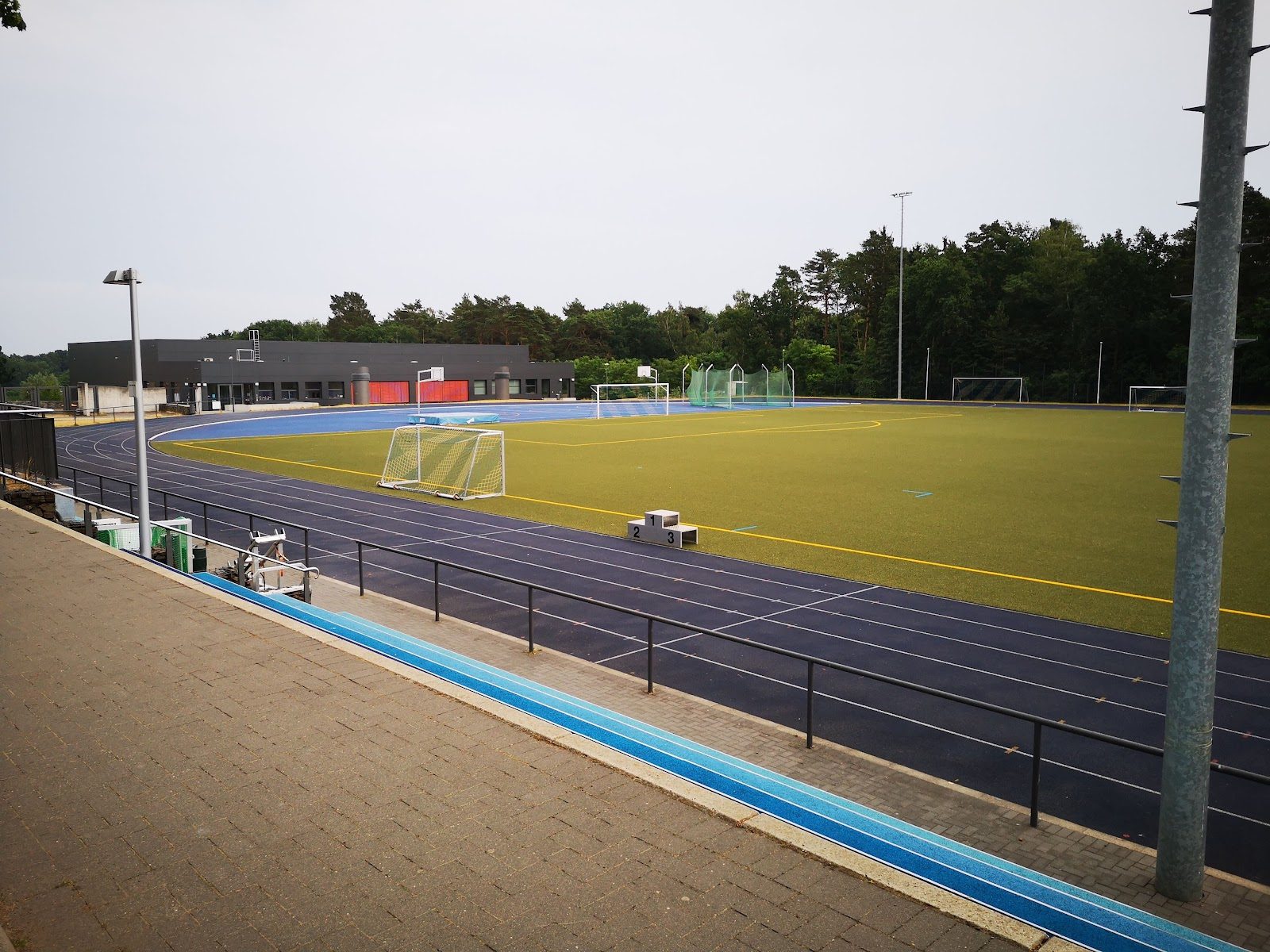
Berlin Brandenburg International School
Kleinmachnow · Germany
Set on a forested campus between Berlin and Potsdam, this day school runs the full IB continuum for students from 60-plus nations.
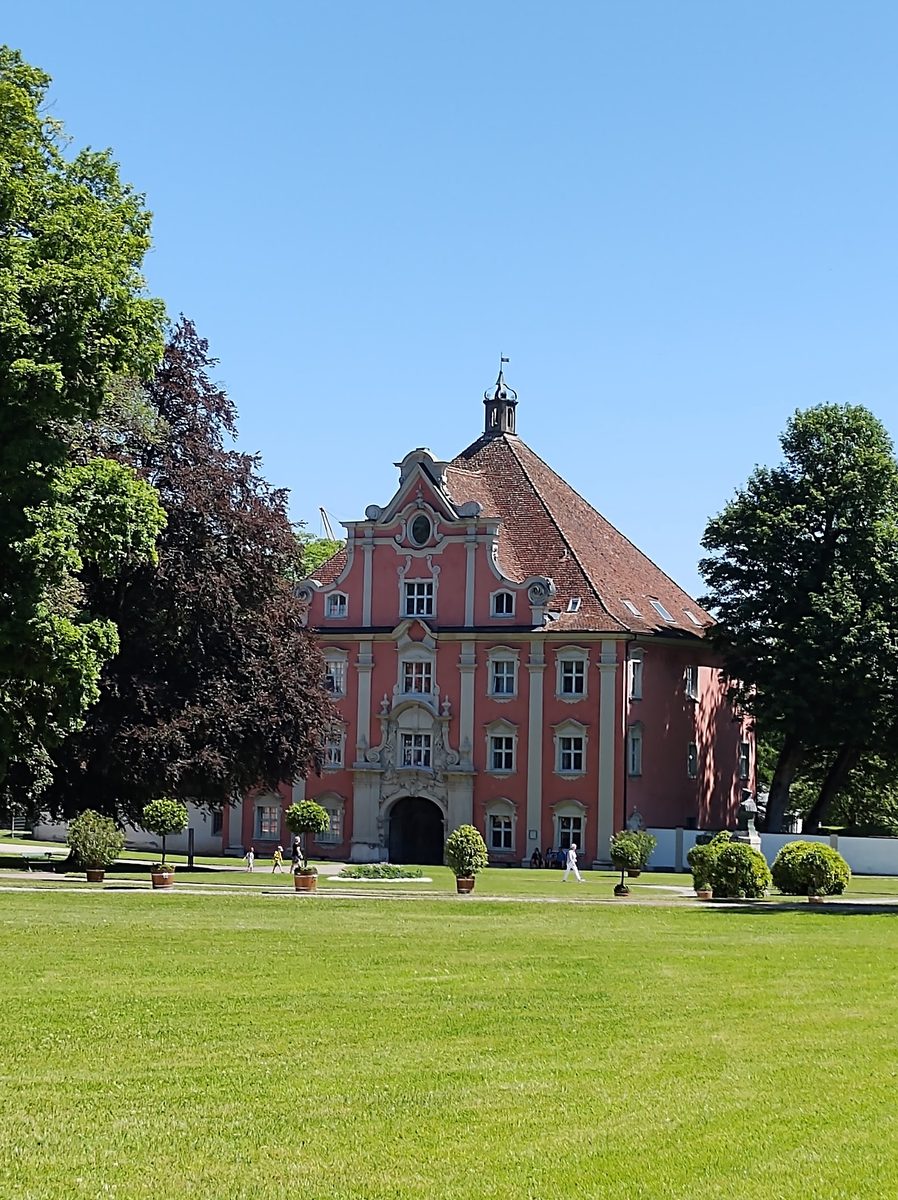
Schule Schloss Salem
Salem · Germany
Kurt Hahn's founding creed of head, heart and hand still means mandatory fire-brigade duty inside a former Cistercian monastery on Lake Constance.
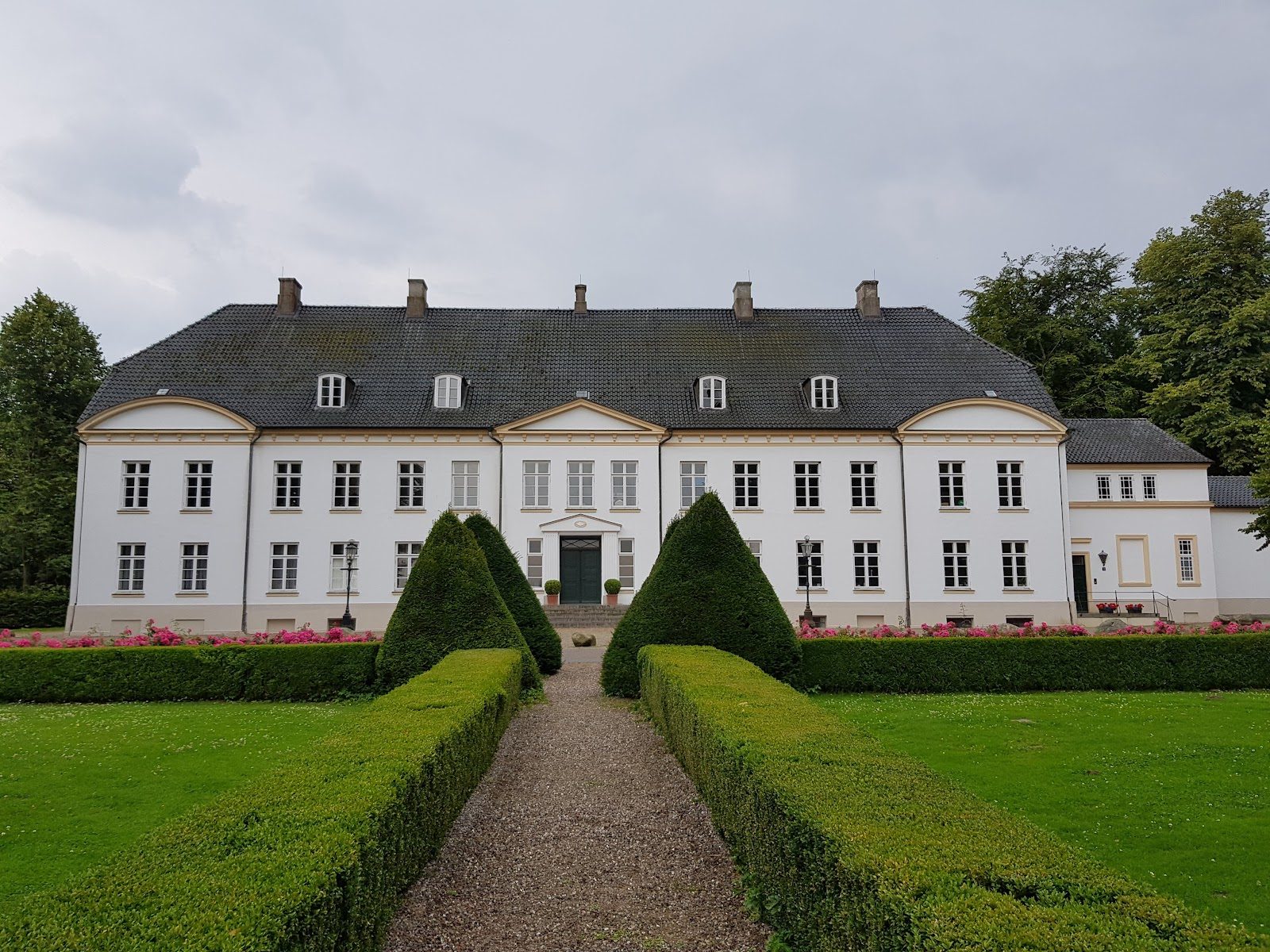
Stiftung Louisenlund
Güby · Germany
A fjord-side castle campus built on Kurt Hahn's ethos pairs IB rigor with a sailing harbour that breeds national champions.
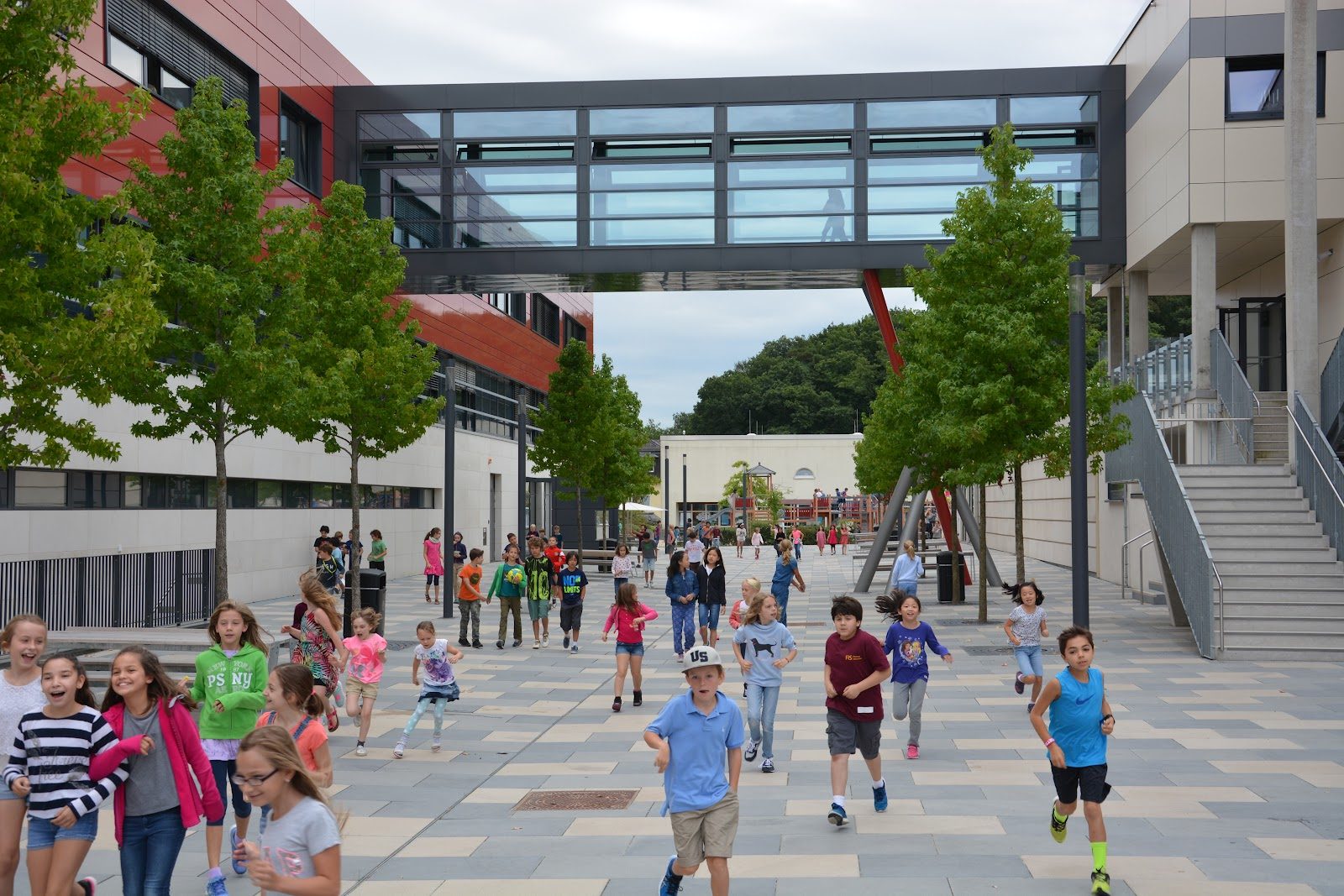
Frankfurt International School
Frankfurt · Germany
A founding member of the International Baccalaureate since the 1960s, still shaping the diploma from its Taunus forest campus.
Same country and curriculum — closest matches within ±10 points either way