
Schleswig-Holstein
Stiftung Louisenlund
medium confidence· 4/6 cats · 3.25 avg sourcesA fjord-side castle campus built on Kurt Hahn's ethos pairs IB rigor with a sailing harbour that breeds national champions.
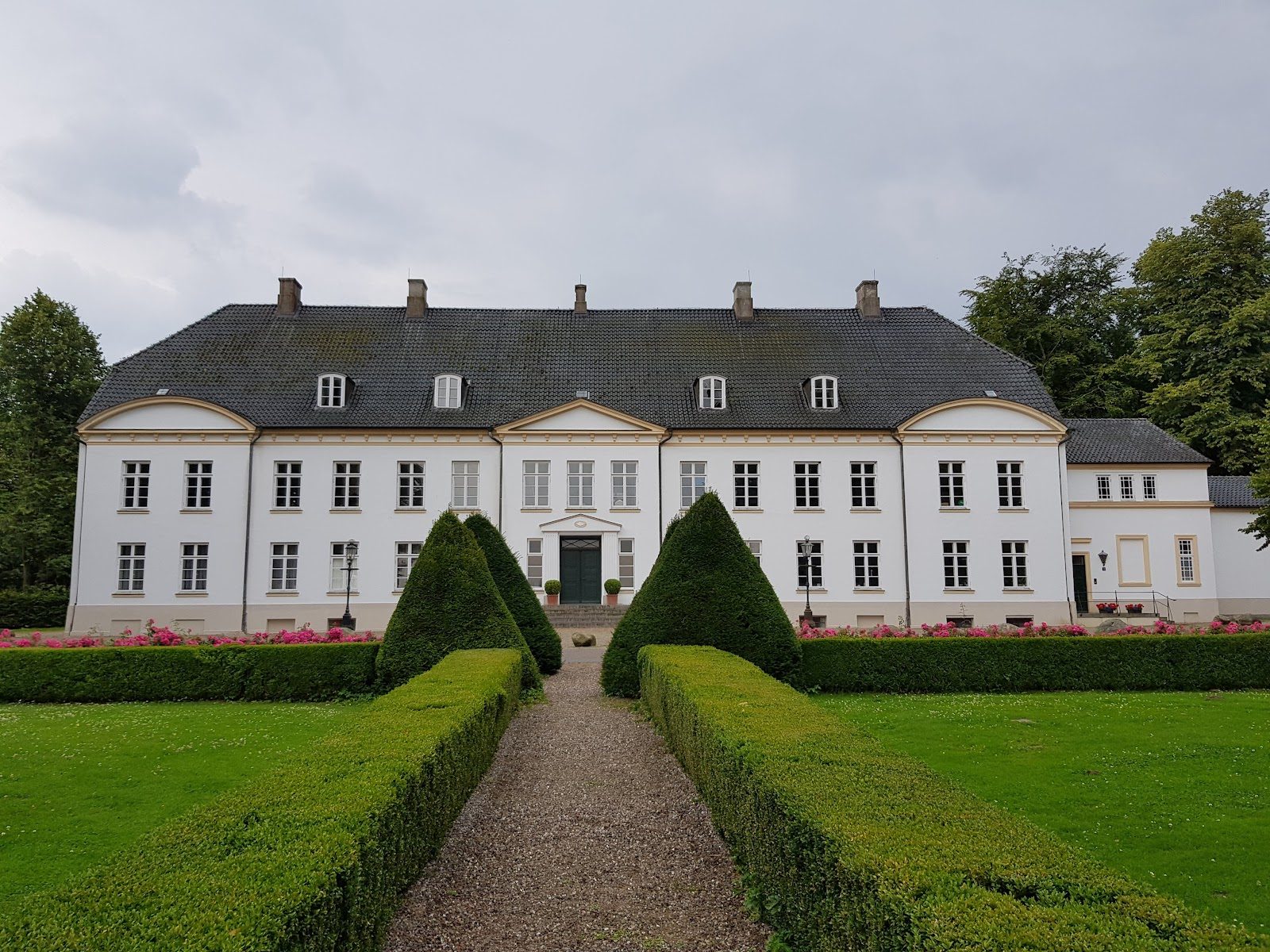
Photo © Gunnar Christiansen via Google Maps
Type
Both
Ages
3–18
Curriculum
IB
Ratio
—
The Verdict
Editor's commitment
Right for
Families who want IB in Germany with CIS backing, boarding from Klasse 8, and a harbour campus that takes sailing seriously.
Wrong for
Parents chasing a cheap option or a conventional city school: day fees average €25,000, boarding €50,000, and Güby is rural.
Watch out for
Louisenlund sells ethos and personalised learning hard; it publishes university destinations such as LMU Munich and TUM, but no aggregate IB results here.
Ranking breakdown
Stiftung Louisenlund · #898 of 1591
Composite score 63.7. 8 weighted criteria.
By criterion
Academic Outcomes
Weight 20%
#1003
of 1529 scored
University Placement
Weight 16%
#1015
of 1529 scored
Prestige & Heritage
Weight 12%
#819
of 1571 scored
Alumni Network
Weight 12%
#518
of 1530 scored
Facilities
Weight 12%
#857
of 1533 scored
Transparency & Communications
Weight 8%
#1019
of 1532 scored
Peer & Industry Review
Weight 10%
#893
of 1548 scored
Admissions Selectivity & Demand
Weight 8%
#760
of 1529 scored
Score history
Stiftung Louisenlund · 2026
Movement across 2024–2026. Peer average overlaid.
Overall — 2024–2026
63.7/ 100
▲ +18.7 vs 2025
year on year
Peer & Industry Review
How Stiftung Louisenlund is regarded in the sector
68
Respected · medium confidence
Louisenlund is consistently named among Germany's leading boarding schools in specialist and business press coverage (e.g., Handelsblatt, WirtschaftsWoche, and Focus Schule rankings of top German Internate), and is known for its Bugatti and sailing/rowing partnerships that generate media attention. It has a solid regional and national reputation as a premium boarding school with notable alumni from business and political families, but lacks the international 'best schools' list presence (Tatler, Good Schools Guide) that top-tier UK/international boarding schools receive.
Evidence sources
Editors' overview
Louisenlund’s selling point is not vague “holistic education” language but a very specific combination: a castle estate on the Schlei fjord, boarding from Class 8, and an IB school inside a German boarding tradition shaped by Kurt Hahn’s ethos. That mix is rare in Germany. The school covers ages 3 to 18, teaches in German and English, and carries both IB and CIS accreditation. It also runs more than one academic route: the context names IB, while the school itself also flags its Gymnasium and a Berufliches Gymnasium Agrarwirtschaft. For families who want an international pathway without giving up a German setting, that breadth matters. The campus offer also has substance behind it: Louisenlund points to a learning and research centre with science labs, open learning areas and seminar rooms, and the school’s fjord-side setting is not decorative window dressing when sailing sits so close to the institution’s identity.
The market position is clear. At an average €50,000 a year for boarding and €25,000 for day places across the full age range, Louisenlund sits in the premium bracket for Germany, but not at Swiss-finishing-school extremes. Parents are paying for a residential campus, a strong pastoral framework and a school with a dual German-international character, not for brute-force university placement statistics. That is the weak point in the public picture: the school does not publish the kind of aggregate outcomes data ambitious international parents now expect, and the recent destinations listed — Ludwig Maximilian University of Munich (4), Technical University of Munich (4), Heidelberg University (3) — are respectable without telling you much about the full spread of results. If your family wants a school that leads with league-table data and admissions chest-beating, Louisenlund does not do that.
Why shortlist it, then? Because it offers a distinctive education for a specific child. This is a school for students who thrive in structured community life, who want boarding to be formative rather than merely convenient, and who will use the place: the waterfront, the campus, the personalised learning model, the international peer group. It suits pupils who are academically serious but not narrowly exam-drilled, and who want responsibility, outdoor life and independence built into the week. It is *not for families chasing pure prestige theatre* or those who need constant public proof of results. It is for students who want a *fjord-side, high-trust boarding environment* with real academic credibility, and who will value an education that aims to build judgement and character as much as grades.
Academic Performance
Louisenlund does not give parents the clean exam dashboard that top international schools now treat as standard. We have not seen aggregate diploma point averages, subject scores, pass rates, bilingual award rates, Abitur distributions, or multi-year trend data. That leaves a real blind spot. A school asking families to buy into a demanding, high-cost education needs to publish hard attainment evidence, not just destination snippets and philosophy. The strongest public academic signal is structural rather than statistical: pupils can work towards both an international diploma route and the German leaving qualification, which gives the school a broader academic architecture than many single-track peers. It also advertises dedicated support for high-end science and engineering talent, plus a modern learning and research centre. Those inputs matter. They are not the same thing as published outcomes.
Relative to peers, Louisenlund sits in the credible but opaque tier. It has more academic seriousness than many lifestyle-led boarding schools, and more breadth than small boutique internationals built around one pathway alone. It does not sit in the transparent top band occupied by schools that publish full cohort results year after year and let parents judge performance properly. The university destinations listed in the context point to solid access to strong German institutions, but the counts — 4, 4, 3 — are too narrow to prove depth across the cohort. For families who can live without public score tables, that may be acceptable. For data-driven parents, it is a clear weakness.
Facilities
The campus infrastructure has more substance than the postcard setting. The serious academic asset is the learning and research centre, which the school ties to open study areas, science laboratories and modern seminar rooms. That puts Louisenlund ahead of many German boarding schools that still trade on heritage buildings while teaching in spaces that lag behind current practice. The school also talks about personalised learning, and this kind of layout matters if that claim is to mean anything. Add the harbour and waterfront environment, and you get a facilities profile that is genuinely distinctive: not just classrooms and pitches, but a campus built for students who will study, train and live on site. For a school charging an average €50,000 for boarding, that level of provision is necessary. Here, it is credible rather than cosmetic.
Against peers, the balance is unusual. Many premium schools can offer strong sports halls, theatres and tidy science blocks; fewer can match a fjord-side training base tied to a serious sailing culture, or combine that with a research-led academic centre. The flip side is that the public picture leaves gaps. We do not get the detailed facilities inventory that top schools now publish: no clear breakdown of specialist arts spaces, performing arts venues, boarding-house specifications, or indoor sports provision. That lack of granularity matters when parents are comparing expensive residential schools side by side. Still, the core impression is clear and compelling: Louisenlund has facilities with real identity, and a physical environment that does more than decorate the prospectus.
Because it offers a distinctive education for a specific child
Prestige
Louisenlund carries real prestige in a narrow, old-world sense rather than in the global-brand way international parents often mean. In Germany, a long-established private boarding school with a castle setting, a Hahn-influenced ethos and a strong sailing culture holds social weight. The harbour matters here. Schools do not produce national-calibre sailors by accident, and that kind of sporting identity gives Louisenlund a distinctive cachet beyond academics alone. Its fees reinforce that status: an average of €50,000 for boarding places puts it firmly in the country’s elite-fee tier. This is a school people know for environment, network and formation as much as for examination firepower.
That said, prestige here is specialist, not universal. Louisenlund does not command the kind of transparent academic authority that turns a school into an automatic first-choice name for hard-charging international families. The public university destination list is respectable, but not powerful enough to create undisputed academic prestige on its own. Nor does the school trade on a deep roster of publicly visible alumni; the verified notable-alumni footprint in Wikidata sits at 2, which is thin for a school aiming at the top end of the market. My rating, then, lands in the upper-middle band: socially strong, visually memorable, and culturally resonant inside its niche, but short of the top-rank institutional aura that comes from dominant published results or a famous alumni bench.
Louisenlund does not give parents the clean exam dashboard that top international schools now treat as standard
Communications
Louisenlund communicates in a high-touch, institution-led way. The website pushes families towards a phone conversation and open days, with a clear invitation to discuss which school pathway fits the child. That tells you something important about the school’s operating style: this is not a slick, self-service admissions machine built around exhaustive online disclosure. It prefers guided conversation, personal contact and controlled explanation. For some parents, that feels reassuringly old-school. For others, it is too gatekept. The public-facing site does the broad narrative well — community, personalised learning, leadership, research facilities, talent development — and it is multilingual, which helps international families. But it does not answer enough of the hard comparison questions without further enquiry.
That gap matters more at an average annual cost of €50,000 for boarding. Premium schools need precision: clear academic reporting, detailed boarding information, sharper breakdowns of daily life, and more operational detail on how support works in practice. Louisenlund gives you atmosphere and philosophy in abundance; it gives you less of the granular parent information that cuts through expensive-school mystique. The communications are effective at selling a worldview and a relationship. They are less effective at equipping analytical parents to make a fast, evidence-based decision. In plain terms: strong on tone, weaker on disclosure, and dependent on direct contact to close the gaps.
Uniqueness
What sets Louisenlund apart is the way it fuses old German boarding-school discipline with a much less conventional physical and educational setting. The castle estate and harbour are not scenic extras bolted onto an ordinary school; they shape the daily experience. This is a place where community life, outdoor challenge and responsibility carry real weight, and where sailing is part of the institution’s identity rather than an optional enrichment line. That gives students something rarer than a picturesque campus: a school culture with real internal coherence. The Hahn influence sharpens that further. Louisenlund pushes service, trust and leadership as lived expectations inside a residential community, not as assembly rhetoric. For the right child, that produces genuine self-command: resilience, independence, social confidence and the habit of contributing rather than coasting.
Its other point of difference lies in range. Few schools combine early years through sixth form, a German academic route, an international route, a dedicated MINT talent programme and a vocational strand linked to agriculture on one campus. That breadth matters because it gives students room to grow without forcing every family into the same mould. A mathematically ambitious pupil, a bilingual international student and a teenager drawn to applied land-based study can all fit under the same institutional roof. The payoff is unusually broad formation. The risk is just as clear: students who want a narrow, exam-only education or a more anonymous urban school experience will find Louisenlund too immersive and too identity-driven.
It does not sit in the transparent top band occupied by schools that publish full cohort results year after year and let parents judge performance properly
Student Profile
The best fit is a student who wants school to be a full-life environment, not a commuter routine with lessons attached. Louisenlund suits children who can live inside a strong community, handle close adult oversight, and accept that character, conduct and contribution matter alongside grades. The school talks openly about trust, respect, responsibility and service; families need to take that at face value. Pupils who thrive here will not resent shared expectations or a culture that asks them to pitch in. They will also use the setting: the waterfront, the outdoor dimension, the group life, the stretch that comes from living and learning in one place. Entry to boarding only from Class 8 also tells you something about the social mix: this is not a nursery-to-dormitory pipeline, but a school where residential life starts once children are ready for more independence.
Academically, the best match is a young person with real self-direction. The school pushes personalised learning, research facilities and talent development, which suits engaged students who can organise themselves and pursue interests with intent. This is a good home for the serious but not brittle pupil: bright, curious, prepared to work, but not obsessed with public scoreboards or prestige theatre. It also fits sporty, outdoors-minded children and those with a strong practical streak, including students drawn to science, engineering or applied pathways. It is a poor fit for teenagers who need anonymity, constant hand-holding, or a narrow exam factory. Louisenlund asks for buy-in. Students who give it that will get a formative education back.
Schools do not produce national-calibre sailors by accident, and that kind of sporting identity gives Louisenlund a distinctive cachet beyond academics alone
Co-curricular strengths
Arts & sport, on a separate axis
Overall 7.42/10
Scored 0-10 from the school's own published evidence. This axis is editorial-only — it does not feed the main WTS ranking.
Sports
7.7/10
A broad, multi-sport extracurricular offering including sailing, rowing, equestrian, golf, tennis, football and basketball, and the editorial review also highlights the estate setting and water-based activities as a distinctive advantage.
Drama
7.6/10
Theatre is explicitly named in the extracurriculars.
Dance
5.8/10
Music
8.2/10
Both orchestra and choir, indicating structured ensemble participation.
Visual Arts
7.8/10
Editor first-pass · editor-reviewable · 7/28/2026
Outcomes & destinations
Where students go next
60 graduates
Top destinations
30 placements
- Ludwig Maximilian University of Munich· 4
- Technical University of Munich· 4
- Heidelberg University· 3
- RWTH Aachen University· 2
- Humboldt University of Berlin· 2
- Cambridge· 1
- Oxford· 1
- UCL· 2
- ETH Zurich· 2
- EPFL· 1
- Bocconi University· 2
- University of St. Gallen· 2
- University of St Andrews· 2
- University of Edinburgh· 2
Reported by the school. Confirm with admissions.
Strengths
- +Offers both IB and German Abitur
- +Boarding and day options available
- +Co-educational school for ages 3–18
- +10:1 student-teacher ratio
Considerations
- −Rural Güby location may feel isolated
- −Boarding fees reach 50,000 EUR annually
- −Average class size is 18
Availability
Primary entry gate & tests
Reports + consultation + personal meeting
Gallery
Photo © Stiftung Louisenlund via Google Maps
Photo © Stiftung Louisenlund via Google Maps
Photo © Stiftung Louisenlund via Google Maps
Photo © Stiftung Louisenlund via Google Maps
Photo © Stiftung Louisenlund via Google Maps
Photo © Stiftung Louisenlund via Google Maps
Photo © Stiftung Louisenlund via Google Maps
Photo © Laurenz via Google Maps
Photo © Stiftung Louisenlund via Google Maps
Parent reviews
Have you sent your child here?
Voice reviews carry the strongest trust badge — we transcribe them for you to tidy up before they go live. Prefer to type? A written review is fine too.
Add your voice
In 60 seconds, tell other parents: what's the best thing about Stiftung Louisenlund, and what surprised you when your child joined?
We ask for a Google sign-in so every review has a real face behind it — no anonymous drive-by attacks on schools, and no faked positive reviews. Your email is never shown publicly.
Send this profile to a friend
International parents rely on word-of-mouth. Share this review with someone weighing the same decision.
Schools with places
Similar schools to Stiftung Louisenlund with places available now.
Bonn International School
Bonn · Germany
- 2026-27
- WAITPOOLSpace-dependent
- 2027-28
- PLACES OPENRolling
International School of Stuttgart
Stuttgart · Germany
- 2026-27
- WAITPOOLSpace-dependent
- 2027-28
- PLACES OPENRolling
International School of Hamburg
Hamburg · Germany
- 2026-27
- WAITPOOLSpace-dependent
- 2027-28
- PLACES OPENRolling
Berlin Brandenburg International School
Kleinmachnow · Germany
- 2026-27
- WAITPOOLSpace-dependent
- 2027-28
- PLACES OPENRolling
Availability first, then country, area, curriculum, price, co-curricular
Consider also
Also worth looking at alongside Stiftung Louisenlund.
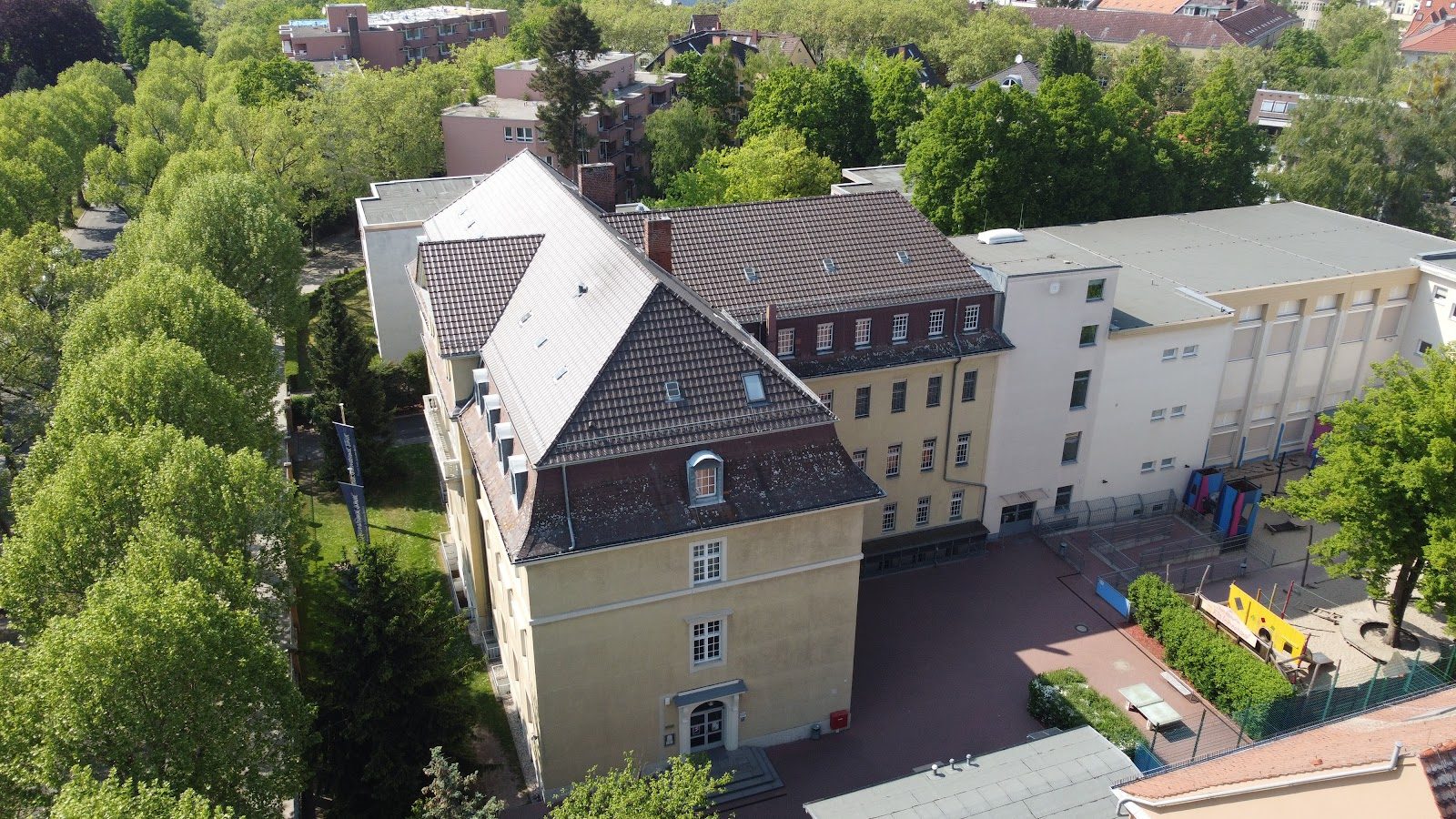
Berlin International School
Berlin · Germany
Born from the Bonn-to-Berlin embassy move, blending IB inquiry with Germany's own Rahmenlehrplan in the heart of the capital.
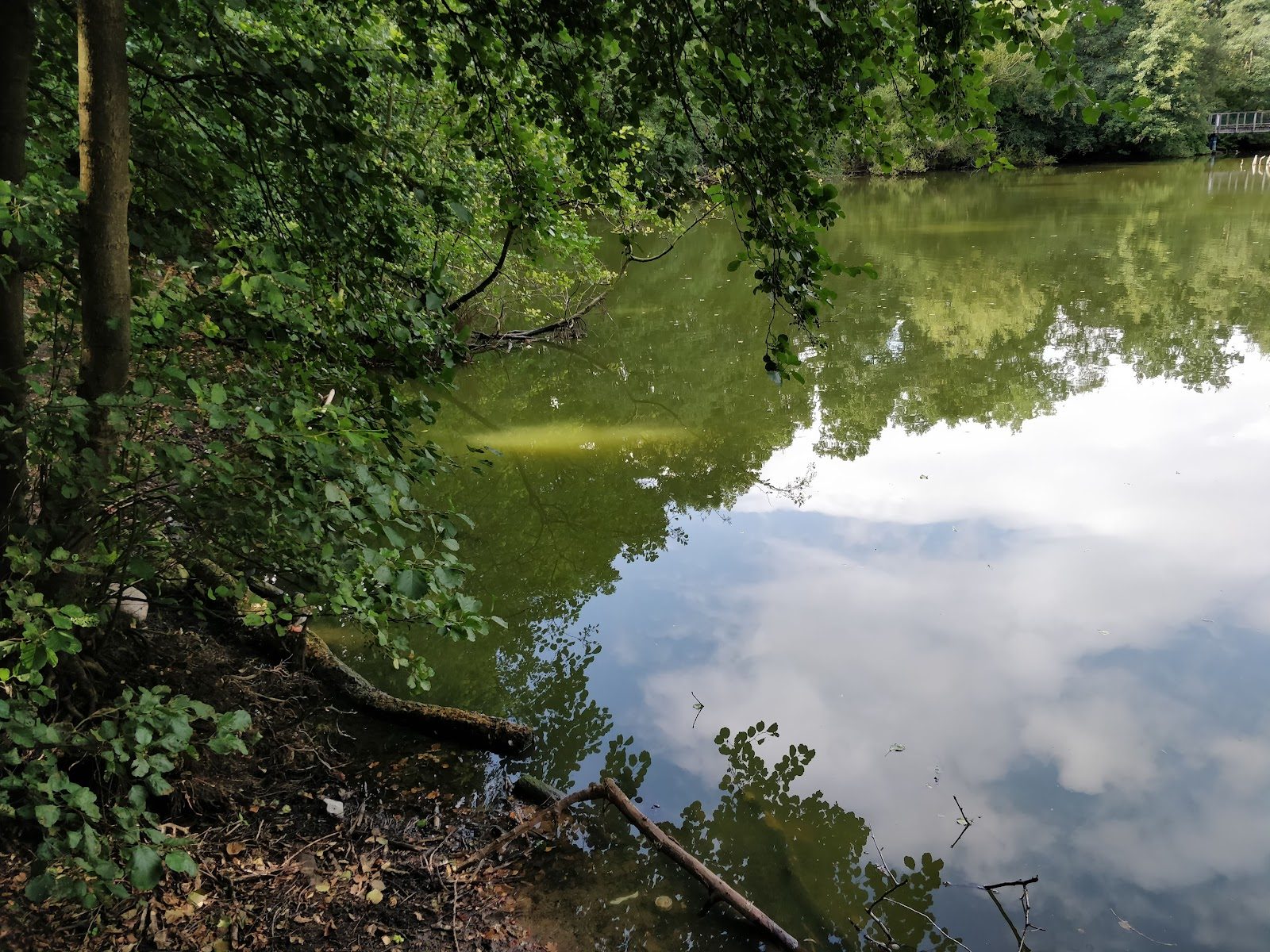
International School of Hamburg
Hamburg · Germany
Germany's first international school since 1957, still the only CIS-accredited IB continuum campus in the port city of Hamburg.
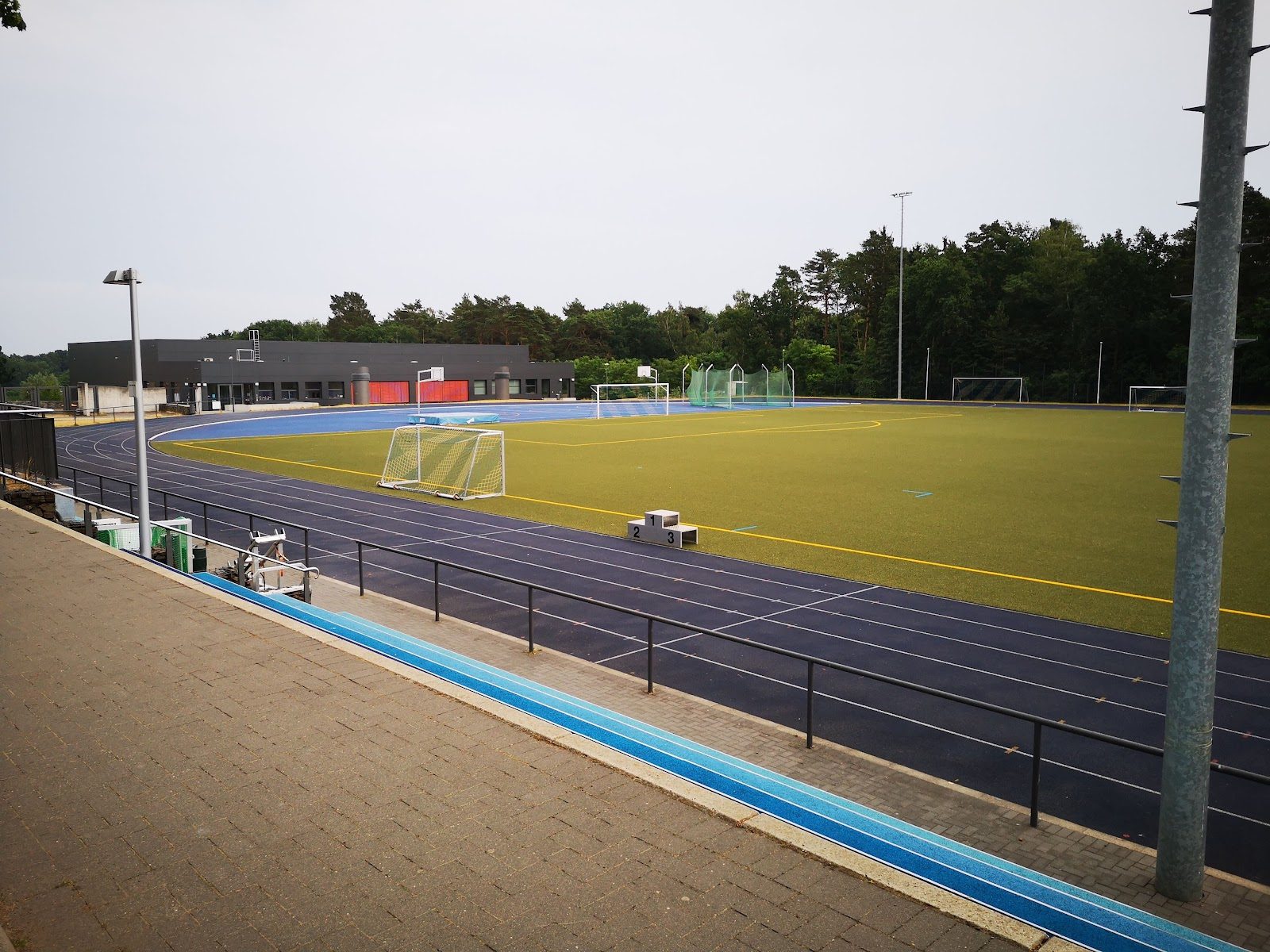
Berlin Brandenburg International School
Kleinmachnow · Germany
Set on a forested campus between Berlin and Potsdam, this day school runs the full IB continuum for students from 60-plus nations.

Bavarian International School
Munich · Germany
Set in a centuries-old castle north of Munich, the only German school running the IB's full continuum, age three to diploma.
Same country and curriculum — closest matches within ±10 points either way