
Eastern Cape
A Methodist foundation since 1894, tucked into Makhanda's historic schools quarter alongside the Eastern Cape's oldest academic institutions.
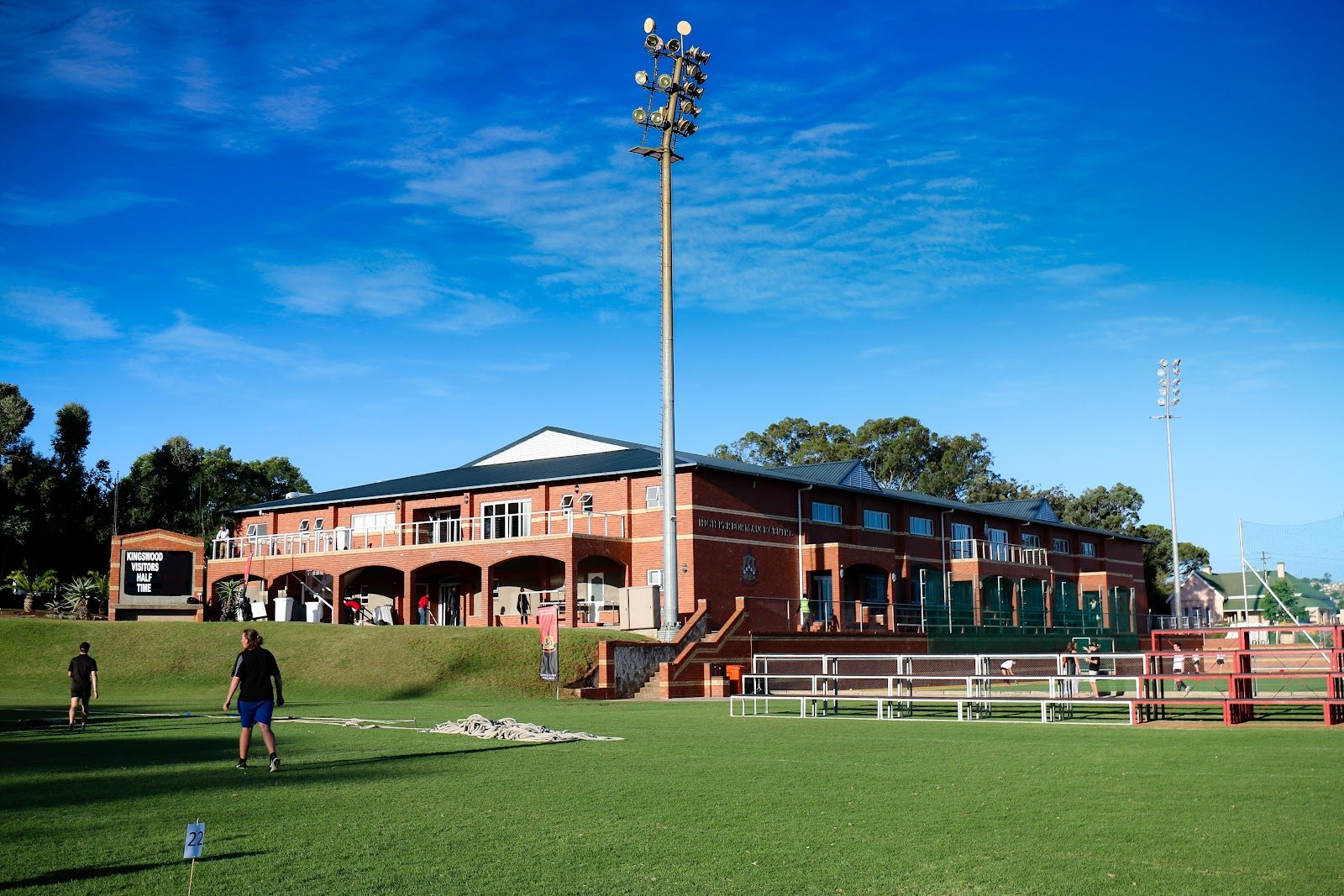
Photo © Kingswood College via Google Maps
Type
Both
Ages
6–18
Curriculum
National Senior Certificate
Ratio
—
The Verdict
Editor's commitment
Right for
Families who want a Methodist school founded in 1894, with boarding from 6–18 and the National Senior Certificate in English.
Wrong for
Parents seeking IB, A Levels or a secular ethos should look elsewhere; Kingswood is Methodist, English-medium and tied to the IEB.
Watch out for
ISASA, SAHISA and HMC Sub-Saharan Africa add credibility, but the school does not publish aggregate NSC results on its website.
Ranking breakdown
Kingswood College · #897 of 1591
Composite score 63.7. 8 weighted criteria.
By criterion
Academic Outcomes
Weight 20%
#959
of 1529 scored
University Placement
Weight 16%
#965
of 1529 scored
Prestige & Heritage
Weight 12%
#854
of 1571 scored
Alumni Network
Weight 12%
#544
of 1530 scored
Facilities
Weight 12%
#968
of 1533 scored
Transparency & Communications
Weight 8%
#1019
of 1532 scored
Peer & Industry Review
Weight 10%
#893
of 1548 scored
Admissions Selectivity & Demand
Weight 8%
#726
of 1529 scored
Peer & Industry Review
How Kingswood College is regarded in the sector
55
Credible · low confidence
Kingswood College is a well-established Eastern Cape private school (founded 1894, part of the Anglican Diocesan school tradition alongside St Andrew's and DSG in Makhanda) with a long-standing regional reputation, but independent third-party coverage is thin compared to top-tier South African schools. It appears occasionally in regional school directories and local Eastern Cape press/sports reporting, but lacks consistent presence in Sunday Times Top Schools features, Tatler-style rankings, or specialist expat-parent forum discussions at the level of peer institutions like St Andrew's or Michaelhouse.
Evidence sources
Editors' overview
Kingswood College occupies a distinctive niche in South Africa’s independent-school market: an established Methodist day-and-boarding school in Makhanda, founded in 1894, with pupils from ages 6 to 18 and the National Senior Certificate on offer through the IEB. The setting matters. Makhanda’s long academic tradition gives Kingswood a different texture from big-city competitors: rooted, old-school, and self-possessed rather than corporate. The school sells breadth with confidence — academics, music, sport, boarding, chapel, outdoor education and community life — and that breadth is the core of its appeal. Parents looking for a school with a clear moral frame, English-medium teaching, and a full co-curricular programme will find a coherent proposition here.
What marks Kingswood out is not novelty but range delivered inside a strong institutional identity. The Methodist ethos is not decorative; it sits at the centre of the school’s stated purpose and pastoral language. That will suit families who want Christianity to shape the culture without turning the school into a narrow confessional enclave. The age span is another advantage: a child can enter young and stay through to Grade 12, with both day and boarding routes available. Kingswood also carries a useful set of market signals in ISASA, SAHISA, HMC (Sub-Saharan Africa) and IEB membership or accreditation. Those affiliations place it firmly inside the established independent-school circuit. The school’s claim to strength in academics, music, boarding and sport is plausible because those areas are built into the structure of the school, not bolted on as admissions copy.
The critical caveat is that Kingswood’s public case leans more on ethos, community and all-round education than on hard performance data. The school publishes exam results as a site section, but no aggregate outcomes are quoted here, so parents who benchmark schools by top-line academic statistics will need to ask direct questions. That said, many families do not want a narrow marks factory. Kingswood is for the child who will use the whole school: the pupil who wants lessons, matches, ensembles, houses, chapel, trips, leadership and a genuine sense of belonging. It will suit students who thrive in structured community, respond to clear expectations, and value a strong boarding culture or a day-school environment with the same social density.
Why shortlist it? Because Kingswood offers something many schools promise and fewer deliver: a complete school life with history, moral seriousness and enough scale to give pupils multiple ways to excel. It is not for families chasing a slick urban brand or published trophy metrics above all else. It is for those who want substance, continuity and a school that still believes character formation matters. In that segment, Kingswood is a serious contender — especially for families drawn to boarding, co-education, and a campus culture shaped by 131 years of institutional memory.
Academic Performance
Kingswood gives academic results their own navigation slot, which tells you the school knows parents will look for proof. The problem is disclosure. We have not seen aggregate pass rates, bachelor-degree pass rates, subject distinctions, or year-on-year trend data set out in public. That leaves an opaque academic picture by the standards of schools that publish clean headline outcomes and use them to anchor their market position. For families comparing independent schools on external examination performance first, that is a real weakness. A school can talk persuasively about intellectual curiosity, discipline and work ethic; without consolidated results, parents still do not know how often those habits convert into top-end outcomes across a cohort.
Relative to peers, that places Kingswood in the broad middle of the disclosure spectrum: more academically self-conscious than schools that barely mention results, less transparent than the strongest operators in the sector, which publish 100% pass rates, distinction tallies and university-entry patterns as a matter of course. That does not make Kingswood weak; it makes it hard to verify. The school’s structure points to a serious all-round education, not a narrow marks factory, and some families will accept less data in exchange for that. Others should ask direct questions: cohort pass rate, proportion achieving bachelor entry, subject-level strengths, and the spread of top grades. Until those figures are published, Kingswood’s academic standing remains credible but unproven in public.
Facilities
Kingswood’s facility mix follows the logic of a traditional full-service boarding school rather than a stripped-down academic campus. The important point is range. The school gives dedicated space and navigation weight to sport, music, drama, visual art, chapel, outdoor education, learning support, a sanatorium, digital learning and separate junior and senior boarding houses. That breadth matters because it tells parents where capital and attention have gone. The school also claims some of the country’s finest academic, music, boarding and sporting facilities. Strip away the flourish and the underlying message still holds: this is a campus built for whole-school living, not just lessons and pickup time. The boarding infrastructure, catering provision and health support point to a school that expects pupils to spend long days on site, and many to live there. For families who want thick daily structure, that is a real asset.
Against peers, Kingswood looks stronger on traditional co-curricular and residential provision than many day-led independents, but less conspicuously specialised than the richest metropolitan campuses. The presence of music facilities, instrumental teaching, ensembles and an artist-in-residence programme gives the arts real institutional footing rather than token status. The same applies to sport: there are dedicated sports facilities, fixtures infrastructure and a split between traditional and lifetime sport, which is a sensible, well-rounded model. What we do not get is hard detail — no published theatre specification, no pool or turf inventory, no studio count, no makerspace boast, no standout capital figure. That leaves Kingswood with a credible but not fully evidenced facilities case: broad, serious and functional, if not marketed with the forensic detail top competitors now provide.
Others should ask direct questions: cohort pass rate, proportion achieving bachelor entry, subject-level strengths, and the spread of top grades
Prestige
Kingswood’s prestige sits in the old-established provincial tier of South African independent schooling: real, durable, and more regional than national glamour brands. It carries weight because it has the features parents and schools both recognise as status markers — a long institutional life, a full day-and-boarding model, a serious Methodist foundation, and membership of the country’s established independent-school networks. In Makhanda’s historic schools belt, that matters. This is not a newcomer buying credibility with marketing language; it is a school with embedded social legitimacy and a settled place in the market. The school’s own stress on academics, music, sport, chapel, outdoor education and community life also signals a classic all-rounder tradition, which still counts heavily in South African school prestige.
That said, Kingswood’s prestige is solid rather than rarefied. It does not occupy the very top public tier dominated by the most internationally visible or academically data-rich South African independents. The public case for status rests more on heritage, culture and breadth than on published outcomes or elite selectivity. That limits its standing with parents who read prestige through hard results, university destinations and national profile. The stronger argument for Kingswood is different: it offers a serious, socially recognised education in a school community that values formation as much as attainment. For families who want cachet without metropolitan flash, that is a persuasive form of prestige.
It does not occupy the very top public tier dominated by the most internationally visible or academically data-rich South African independents
Communications
Kingswood’s parent communications infrastructure looks competent and workmanlike rather than polished. The website carries the practical essentials in plain sight: a parent portal, term dates, calendar, events, news, sports results and fixtures, admissions steps, fees, scholarships, travel guidance, and named policy and staffing sections. That menu depth matters. It tells parents the school expects regular operational contact, not just occasional headline announcements. Separate routes for new parents, boarders, international pupils and day families also point to a school managing different parental needs with a properly structured information system. The social media footprint is broad, but the stronger signal sits on the website itself: this is where Kingswood does its serious parent-facing work.
Effectiveness is mixed but respectable. On routine logistics, the school communicates clearly and with intent. Parents can find dates, fixtures, uniform information, calendars and contact channels without digging through slogans. The weakness is the same one visible elsewhere in the school’s public case: communications are stronger on community life, ethos and programme breadth than on hard institutional evidence. There is an exam results section, but no headline academic data is surfaced where a time-poor parent would expect it. Staff listings are extensive, yet governance and performance communication do not carry the same forensic clarity. In short, Kingswood communicates the lived experience of the school confidently; it communicates measurable outcomes less well. For many parents that is enough. For hard-nosed comparators, it is not.
Uniqueness
Kingswood’s distinctiveness lies in its refusal to split school life into academic work on one side and character, worship, service and co-curricular life on the other. The Methodist foundation runs through the school’s stated purpose, promise and beliefs, and that gives the place a clear moral grammar. Plenty of schools borrow the language of values; Kingswood ties it to daily expectations: self-discipline, good habits, respect, kindness, affirmation and civic responsibility. For students, that creates a structured social world with stronger edges than the average liberal independent school. The benefit is coherence. A child who needs firm expectations, regular community rituals and adults willing to talk plainly about conduct will get a more intentional upbringing here than at schools where ethos sits on a wall and nowhere else.
The second point of difference is the density of school life packed into one campus culture. Kingswood does not sell a narrow academic lane; it offers chapel, houses, boarding, outdoor education, music, drama, visual art, clubs, exchange programmes, learning support and even a sanatorium as part of the same institutional fabric. That matters because students get more than timetable variety: they get multiple routes to status and belonging. The sporty child, the musician, the boarder, the pupil who thrives on service or on close pastoral oversight all have a legitimate place. In a school with 131 years of institutional memory, that produces a deep-rooted communal identity that many newer schools cannot replicate.
Makhanda’s long academic tradition gives Kingswood a different texture from big-city competitors: rooted, old-school, and self-possessed rather than corporate
Student Profile
The pupil who fits Kingswood best wants more than a timetable and a set of grades. This is a school for children who can use a full, busy institutional life: lessons, fixtures, ensembles, chapel, clubs, outdoor education, service and the social obligations that come with a strong house-and-community culture. Students who like clear expectations, regular adult oversight and a firm moral frame will do well. So will children who want several routes to achievement, not just academic ranking. The school starts at Grade 000 and runs through Grade 12, which gives it a through-school feel: families who value continuity, sibling culture and long-term belonging will find that attractive.
The weaker fit is easy to identify. A child who wants anonymity, light-touch pastoral structures or a school that treats religion as background wallpaper will chafe here. Kingswood’s Methodist ethos sits close to the surface, and the tone is communal, organised and adult-led. That suits boarders, committed joiners, keen sports players, musicians and pupils who gain confidence from shared ritual and visible standards. It suits international families too, because the school openly caters for them. It does not suit the student who wants a purely transactional education or a highly urban, style-driven social scene. Kingswood is for pupils who can thrive in a close-knit, tradition-conscious community and who do not mind being known well.
Parents looking for a school with a clear moral frame, English-medium teaching, and a full co-curricular programme will find a coherent proposition here
Co-curricular strengths
Arts & sport, on a separate axis
Overall 7.74/10
Scored 0-10 from the school's own published evidence. This axis is editorial-only — it does not feed the main WTS ranking.
Sports
8.4/10
Drama
8.1/10
Dance
6.1/10
Music
8.3/10
Visual Arts
7.8/10
Editor first-pass · editor-reviewable · 7/30/2026
Strengths
- +Founded 1894; one of South Africa's historic Frontier Schools
- +Methodist co-educational boarding and day school, ages 6–18
- +English-medium teaching suits internationally mobile English-speaking families
- +Accredited by ISASA, SAHISA, HMC and IEB
Considerations
- −Located in Makhanda, not a major international hub
- −Methodist identity may not suit non-religious families
- −Primary sources do not publish curriculum details clearly
Availability
Primary entry gate & tests
School application / records / school assessment
Gallery
Photo © Kingswood College via Google Maps
Photo © Kingswood College via Google Maps
Photo © Kingswood College via Google Maps
Photo © Kingswood College via Google Maps
Photo © Kingswood College via Google Maps
Parent reviews
Have you sent your child here?
Voice reviews carry the strongest trust badge — we transcribe them for you to tidy up before they go live. Prefer to type? A written review is fine too.
Add your voice
In 60 seconds, tell other parents: what's the best thing about Kingswood College, and what surprised you when your child joined?
We ask for a Google sign-in so every review has a real face behind it — no anonymous drive-by attacks on schools, and no faked positive reviews. Your email is never shown publicly.
Send this profile to a friend
International parents rely on word-of-mouth. Share this review with someone weighing the same decision.
Schools with places
Similar schools to Kingswood College with places available now.
Availability first, then country, area, curriculum, price, co-curricular
Consider also
Also worth looking at alongside Kingswood College.
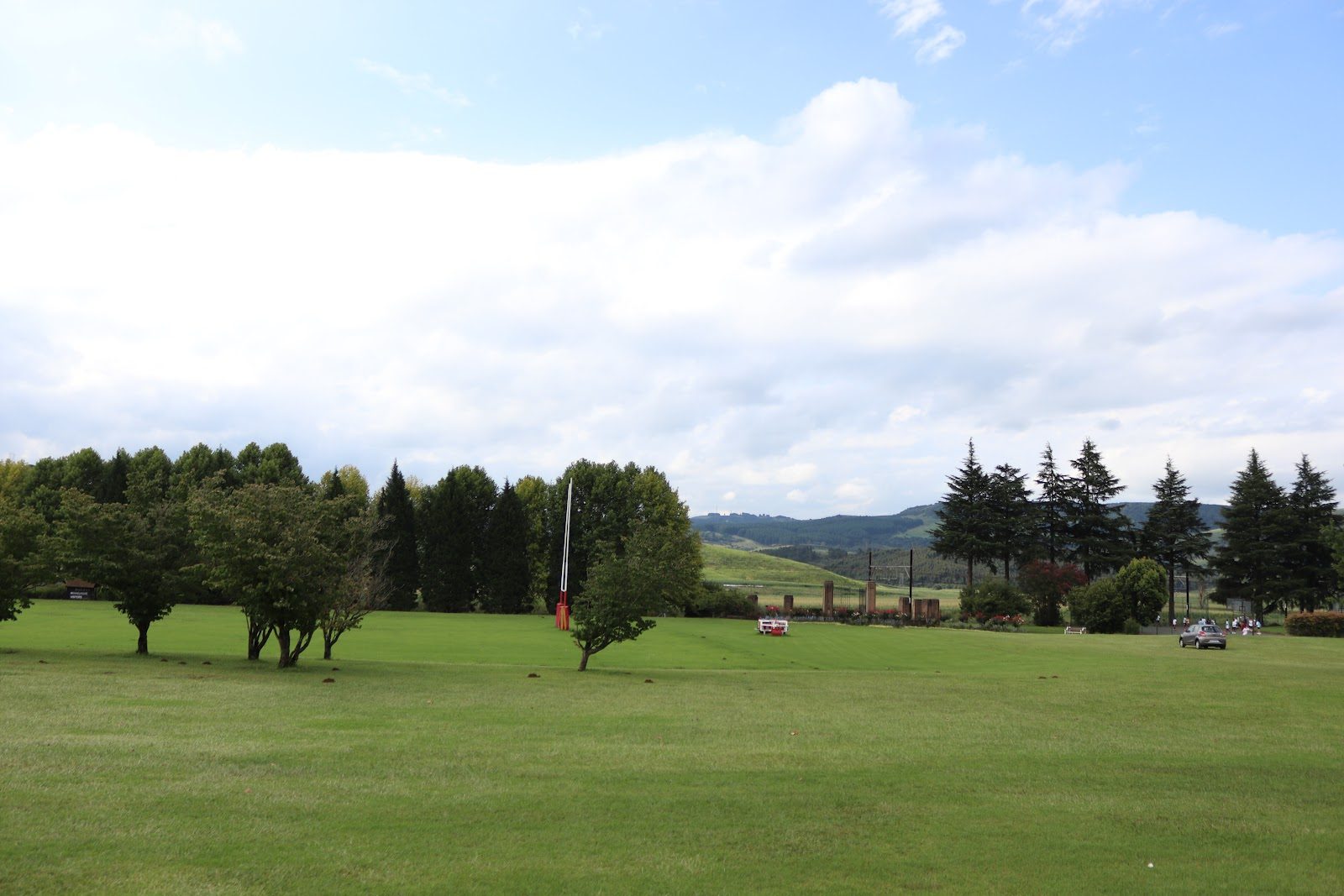
Michaelhouse
Balgowan · South Africa
In South Africa's Midlands, one of the world's few remaining all-boys, all-boarding schools borders a rare mistbelt grassland reserve.
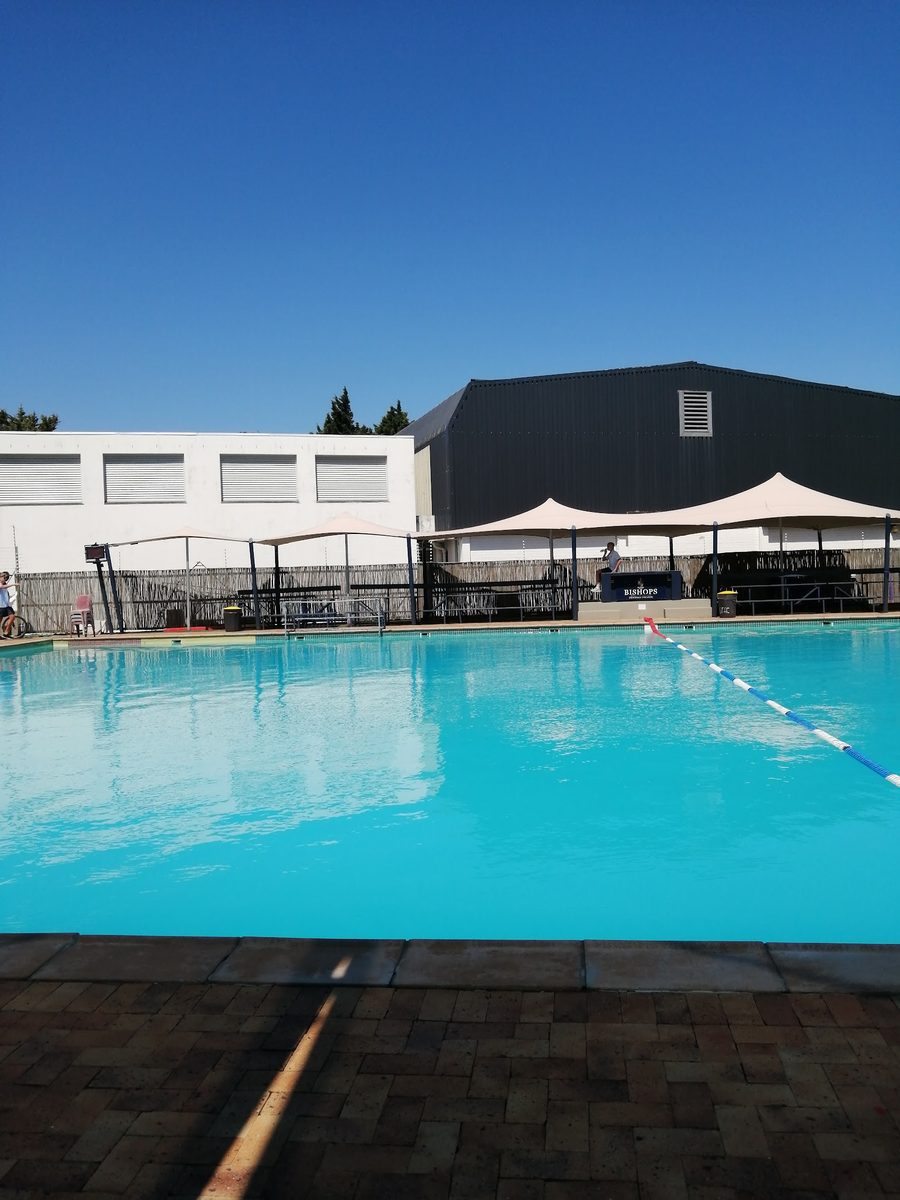
Bishops Diocesan College
Cape Town · South Africa
Founded in 1849 below Table Mountain, home to the oldest rugby field in the southern hemisphere and a storied house system.
Roedean School South Africa
Johannesburg · South Africa
Founded in 1903 by two Cambridge-educated pioneers, this all-girls boarding school still occupies its original Herbert Baker campus in Parktown.
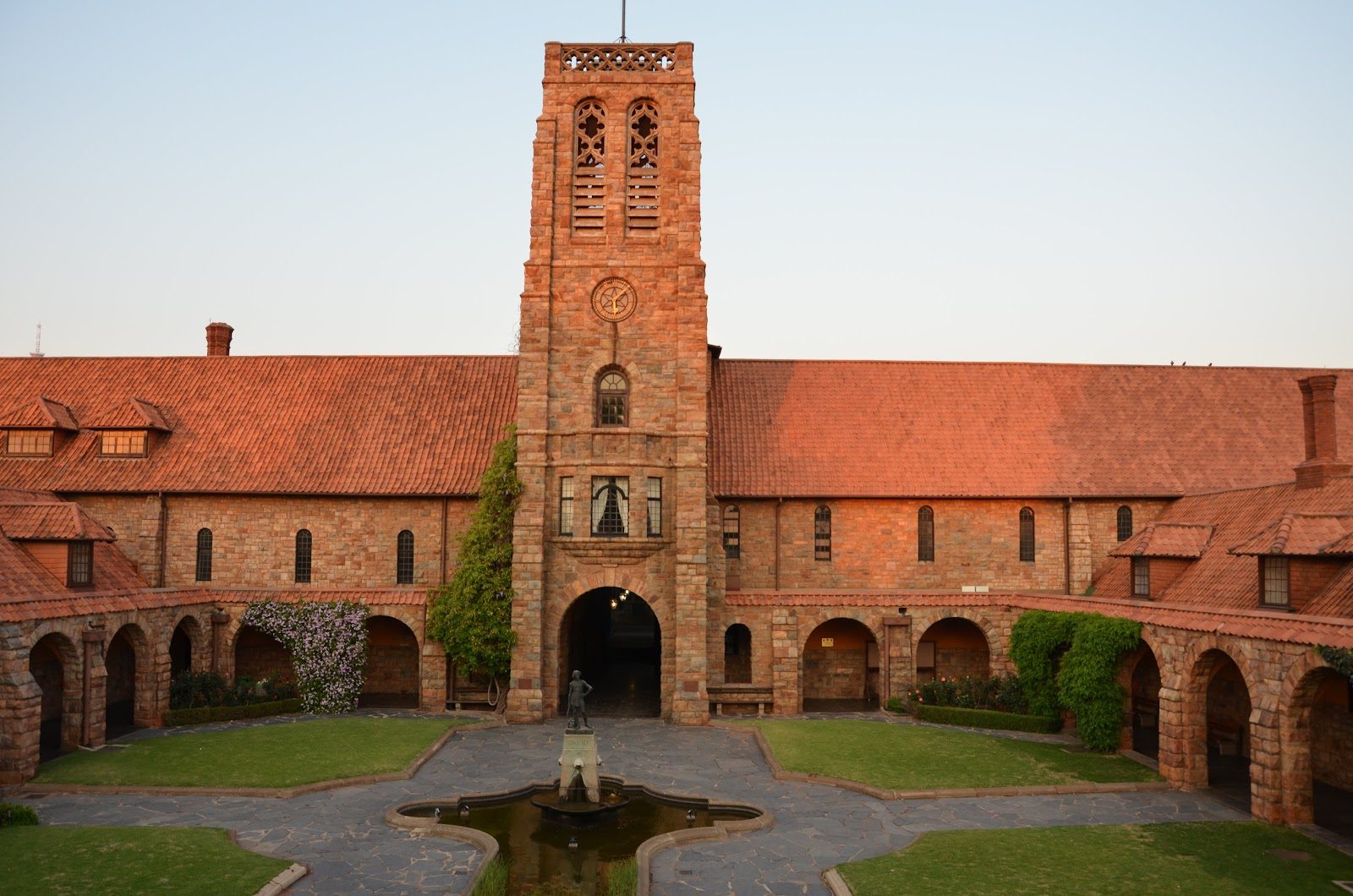
St John's College
Johannesburg · South Africa
Founded twelve years after the Witwatersrand gold rush, this Anglican boarding college blends Herbert Baker quadrangles with a four-house pastoral tradition
Same country and curriculum — closest matches within ±10 points either way