
Vienna
Vienna International School
medium confidence· 4/6 cats · 2.69 avg sourcesNear Vienna's UN complex, Austria's first Eco-School pairs a full IB continuum with sixty languages and Ivy League-bound diplomas.
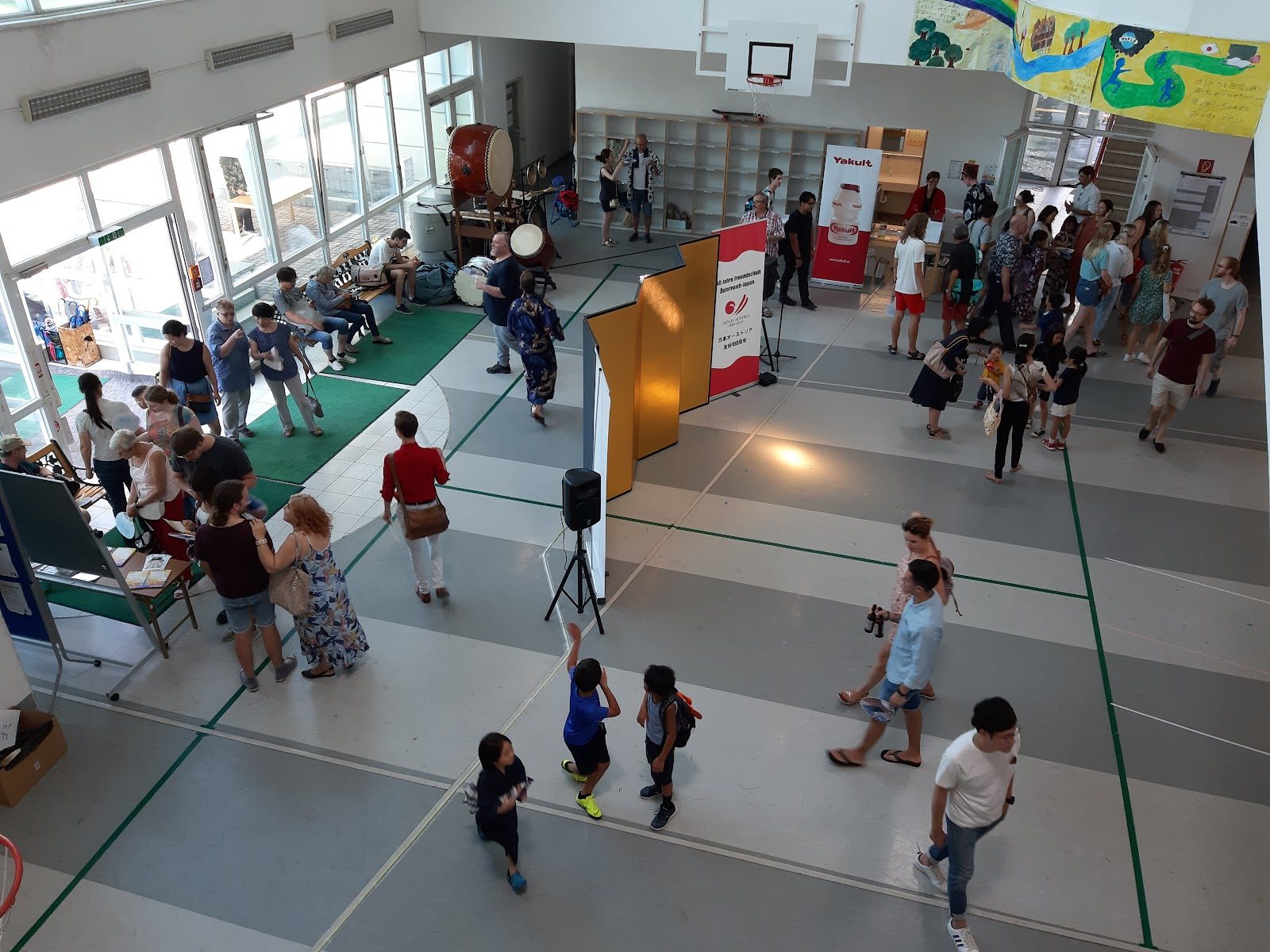
Photo © Wangan Group via Google Maps
Type
Both
Ages
3–18
Curriculum
IB
Ratio
—
The Verdict
Editor's commitment
Right for
International families who want a full IB continuum in English and German, with 1,400 pupils and deep ties to Vienna’s UN world.
Wrong for
Parents seeking a local Austrian school culture, low fees, or a non-profit ethos; VIS is a profit school founded for UN and diplomatic families.
Watch out for
Average annual fees run at €20,000 day and €45,000 boarding; around 50% of pupils are children of UN employees, which shapes the parent body.
Score history
Vienna International School · 2026
Movement across 2024–2026. Peer average overlaid.
Overall — 2024–2026
66.2/ 100
▲ +24.3 vs 2025
year on year
Peer & Industry Review
How Vienna International School is regarded in the sector
63
Respected · medium confidence
Vienna International School is consistently mentioned in expat parent forums (InterNations, ExpatArrivals, Internations Vienna guides) as one of the top international/IB options in Vienna, and it appears in independent 'best international schools in Vienna' round-ups by relocation and education directories. It lacks coverage in top-tier rankings like Tatler or Good Schools Guide, and there is limited specialist press or alumni network visibility beyond regional expat community recognition.
Evidence sources
Editors' overview
Vienna International School sits in a very specific niche: the school built for Vienna’s UN community, still affiliated to the UN, with about 50% of pupils drawn from UN families. That gives it a social and cultural mix few schools can match. The roll stands at 1,400 students from pre-primary to twelfth grade, and the school teaches in English and German while running the full IB continuum. For families who want an unusually international student body rather than a local private-school crowd with overseas branding, VIS has real force.
Its market position is clear. This is a non-religious, dual day-and-boarding school for ages 3 to 18, founded in 1978, with IB authorisation and fees that place it in the upper tier of the Vienna market: an average annual day fee of €20,000 across the full ladder, and an average annual boarding fee of €45,000. It is also a profit school, which matters. Parents paying at this level should expect crisp delivery, strong university guidance and serious operational competence. The school’s appeal rests less on grand architecture or old-world prestige than on access: access to a diplomatic, transient, high-functioning international community where mobility is normal and the IB makes practical sense.
What is special here is not mystery but concentration. Few schools can offer a student body shaped so heavily by diplomats, embassy staff and multinational employers, all in one place near Vienna’s international institutions. That environment suits children who are already used to movement between countries, who value a peer group drawn from many national systems, and who do well in a cosmopolitan, high-turnover setting. It also suits families who want the IB from start to finish without having to decode a mixed curriculum model. Children who need a deeply rooted local identity, a strong national tradition or a more intimate scale may find VIS impersonal. Children who thrive on international churn, academic portability and a genuinely global peer group will put it high on the shortlist.
Academic Performance
Vienna International School carries the academic advantages and risks of its constituency. A school built around diplomatic and internationally mobile families tends to value portability, standardised benchmarks and university-ready transcripts; the full IB model fits that brief exactly. The question for parents is not whether the framework is credible — it is — but how much hard outcome data the school puts into the public domain. On that point, the picture is less satisfying. We have not seen published aggregate IB Diploma results, no cohort average, no top-score range, no subject breakdown, and no clear year-on-year performance table. For a school serving a demanding, globally literate parent body, that opacity is a weakness.
That does not place VIS in weak company academically; it places it in the large camp of international schools whose reputation travels more through university destinations and parent networks than through transparent published results. The school’s UN-linked intake, multilingual student body and transient population create a high-pressure, internationally benchmarked environment, and schools in that bracket do send pupils to selective universities. Yet parents comparing VIS with stronger-reporting IB peers will hit a wall: the school does not disclose the numbers that allow a clean external ranking. The verdict is straightforward. VIS sits in the serious academic tier by structure and clientele, but its public results reporting is too thin to prove where it stands at the top end.
Facilities
The headline facility asset at Vienna International School is scale married to use. A roll of 1,400 gives the school the numbers to sustain a broad spread of specialist spaces, and its diplomatic catchment demands infrastructure that can handle constant arrivals, departures and varied prior schooling. The campus’s strongest practical advantage is location near Vienna’s international institutions, which matters less for scenery than for convenience and daily rhythm for UN and embassy families. Against peer schools, that kind of embeddedness is hard to replicate. VIS also carries the distinction of Austria’s first Eco-School, which points to environmental provision and campus operations as a serious strand rather than a decorative add-on. Parents who want grand old-world charm will not find that here; the value lies in function, throughput and breadth.
What is missing is the level of public detail that top schools now provide about their physical plant. We have not seen a clean published account of standout labs, performing arts venues, sports infrastructure, design spaces or boarding houses. That lack of specificity matters. At this fee level, strong schools show parents exactly what pupils can use, not vague campus claims. So the benchmark verdict is mixed: VIS has the scale and institutional context of a serious international operation, but its facilities story is under-explained. Families comparing it with peer schools that publish detailed campus inventories will get less clarity here than they should.
Vienna International School carries the academic advantages and risks of its constituency
Prestige
Vienna International School has real prestige, but it is a specific kind of prestige. This is not old-money European cachet, nor the polished exclusivity of a tiny boutique school. Its status comes from function and access. A school tied to the UN world, with a student body drawn heavily from diplomatic and embassy circles, carries institutional credibility that matters in international families’ networks. The breadth of the community — 1,400 pupils and 50% from UN families — gives VIS a level of international density that most schools cannot match. In that sphere, the name carries weight. Parents moving between postings will recognise it at once, and universities know what kind of applicant pool this environment produces: mobile, multilingual and trained to operate across borders.
That said, prestige here is not the same as academic grandeur. VIS does not command the aura that comes from published top-tier results, century-old tradition or a fiercely selective admissions myth. Its reputation rests on being deeply embedded in Vienna’s diplomatic ecosystem and on serving that market well over time. The fees place it in the serious-money bracket, which reinforces status, but money alone does not create distinction. The school’s standing is strongest among internationally mobile professional families who value peer group, continuity and social capital. For parents chasing headline academic bragging rights, the case is weaker. For parents who want a school with genuine diplomatic gravity, VIS is one of Vienna’s more credible names.
The headline facility asset at Vienna International School is scale married to use
Communications
A school serving a diplomatic and expatriate parent body has no room for muddle, and VIS knows that. Families moving between postings need prompt answers on admissions, transitions, reports, timetables, safeguarding and university references, not warm words. The school’s basic communication challenge is harder than at a settled local school: a community spanning 60 languages, with frequent arrivals and departures, demands systems that are clear, repeatable and administratively tight. The fact that so much of the parent body works inside large institutions raises the bar further. These are parents used to process, deadlines and documentation. Anything vague or slow will grate fast.
The strength here is structural. A school built around mobile international families survives only if it can move information efficiently between home and school, and VIS has done that over a long period with a large, demanding population. That gives confidence in the operational baseline. The weakness is transparency. We have not seen much public-facing evidence of how the school communicates beyond the essentials: no rich sense of principal voice, no detailed example of parent reporting, no strong display of pastoral communication, and no standout explanation of how new families are inducted into the system. That leaves the impression of a school that communicates in a competent, institutional way rather than a warm or highly personalised one. For many internationally mobile families, that is enough. For parents who want intimacy, narrative and hand-holding, it is a thinner proposition.
Uniqueness
What sets Vienna International School apart is not a glossy slogan but the composition of the place. This is a school built around institutional mobility: children of UN staff, diplomats, embassy employees and multinational professionals moving in and out of the same ecosystem. That produces a pupil body with unusual fluency in transition. The school says its community spans 60 languages, and that matters. Children grow up around peers for whom cross-border movement, multiple passports and shifting political contexts are routine rather than exceptional. For the right child, that creates a rare level of international literacy: not tourist multiculturalism, but day-to-day exposure to classmates whose families live inside global systems.
That environment brings clear advantages. Students learn to enter new groups fast, handle difference without fuss and work with peers whose assumptions about home, nation and identity do not match their own. In practical terms, that sharpens discussion, group work and university readiness. It also gives VIS a distinctive social education that many international schools claim and few deliver with this density. The trade-off is just as clear. A community shaped by constant turnover can feel transient and institution-led rather than rooted, intimate or traditionally school-centred. Families wanting local depth or a tightly bounded community may find that a poor fit. Families who want children trained for an internationally mobile life will find VIS unusually well matched to the task.
Vienna International School has real prestige, but it is a specific kind of prestige
Student Profile
The student profile is unusually clear. This is a school for children who live comfortably inside international systems: diplomat families, UN staff children, embassy households and globally mobile professionals. The community spans 60 languages and includes a heavy concentration of families used to relocation, bureaucracy and cultural switching. Pupils who settle fast, make friends across national lines and do not need a single dominant local culture to anchor school life will fit well. So will children who enjoy hearing multiple worldviews in the classroom and who treat movement between countries as normal rather than disruptive. For that cohort, VIS offers a genuinely international peer group, not an expat-lite version of one.
The weaker fit is just as easy to identify. Children who want a close-knit, rooted social scene with deep local identity may find the atmosphere transient and impersonal. The school serves a large roll of 1,400, and that scale matters: pupils need a degree of independence, social confidence and resilience. It suits families who value academic portability, institutional order and a peer group drawn from high-functioning professional worlds. It suits them less if they want a cosseted school experience or a strong national character. At its best, VIS works for students who are adaptable, outward-facing and comfortable in a community where turnover is built into the culture.
What sets Vienna International School apart is not a glossy slogan but the composition of the place
Co-curricular strengths
Arts & sport, on a separate axis
Overall 8.98/10
Scored 0-10 from the school's own published evidence. This axis is editorial-only — it does not feed the main WTS ranking.
Sports
9.2/10
Blends competitive field tracking with phenomenal alpine sports, prioritizing fitness alongside outdoor recreation.
Drama
9/10
Exceptional theatrical training centered around world-class campus stages, running a pre-professional training model for acting and tech.
Dance
8.2/10
Strong afternoon performance track offering technical modern jazz and synchronization choreography modules.
Music
9.2/10
Deeply institutionalized choral and string tracking modules feeding active regional touring groups and seasonal events.
Visual Arts
9.3/10
Breathtaking visual studios producing top-tier design portfolios, fine art pieces, and architecture projects.
Editor-verified · 8/6/2026
Strengths
- +UN-linked intake suits diplomatic families
- +IB curriculum from ages 3–18
- +English and German instruction
- +10:1 ratio, average class size 18
Considerations
- −Profit school, not non-profit
- −Day fees reach 20,000 EUR annually
- −Boarding fees reach 45,000 EUR annually
Availability
Primary entry gate & tests
Academic Record
Gallery
Photo © Vienna International School via Google Maps
Photo © Vienna International School via Google Maps
Photo © Vienna International School via Google Maps
Photo © Vienna International School via Google Maps
Photo © Vienna International School via Google Maps
Photo © Vienna International School via Google Maps
Photo © Vienna International School via Google Maps
Photo © Vienna International School via Google Maps
Photo © Vienna International School via Google Maps
Parent reviews
Have you sent your child here?
Voice reviews carry the strongest trust badge — we transcribe them for you to tidy up before they go live. Prefer to type? A written review is fine too.
Add your voice
In 60 seconds, tell other parents: what's the best thing about Vienna International School, and what surprised you when your child joined?
We ask for a Google sign-in so every review has a real face behind it — no anonymous drive-by attacks on schools, and no faked positive reviews. Your email is never shown publicly.
Send this profile to a friend
International parents rely on word-of-mouth. Share this review with someone weighing the same decision.
Schools with places
Similar schools to Vienna International School with places available now.
Availability first, then country, area, curriculum, price, co-curricular
Consider also
Also worth looking at alongside Vienna International School.

American International School Vienna
Vienna · Austria
Austria's longest-running English-language school pairs an embassy-founded campus by the Vienna Woods with a CERN-linked physics program.
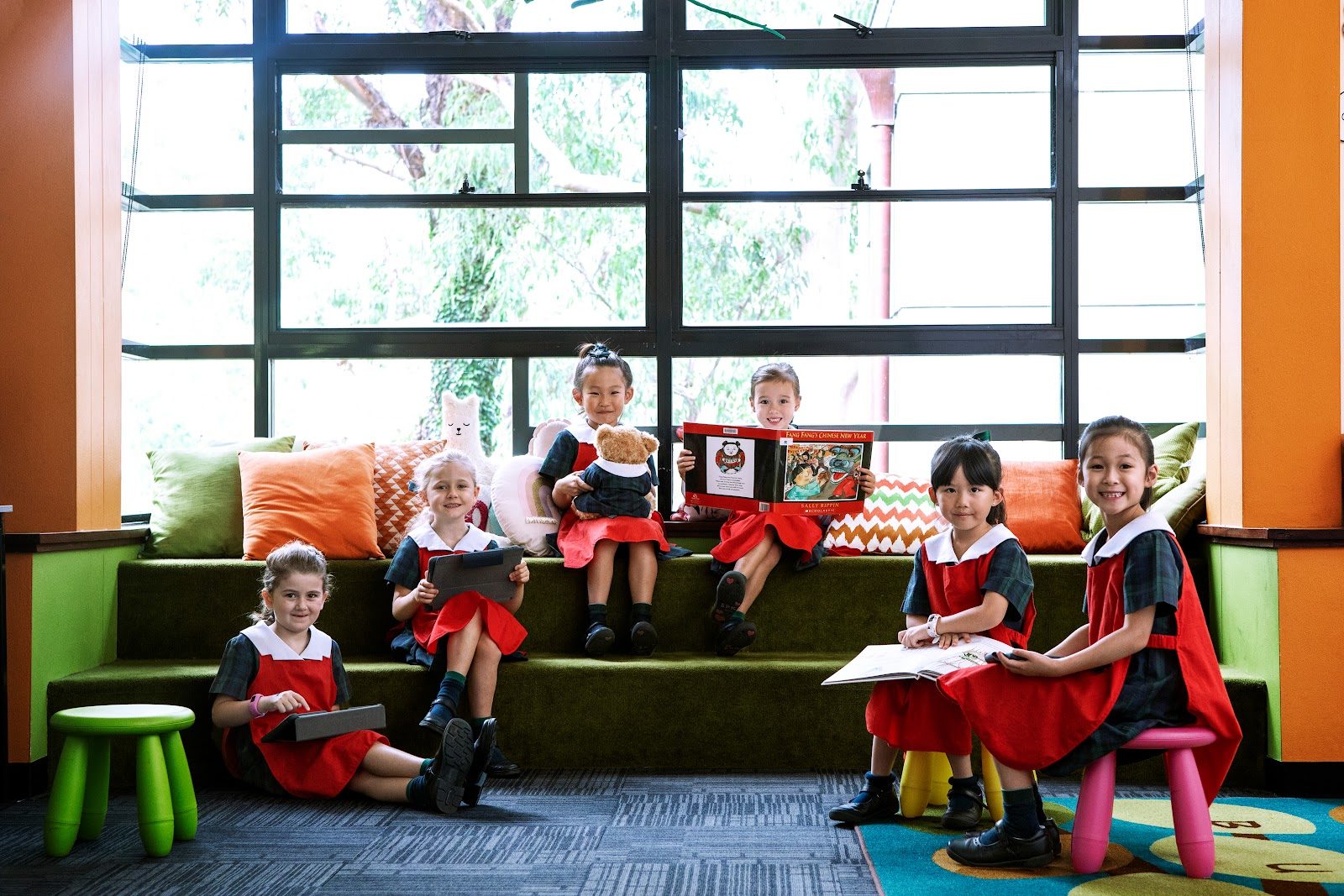
Pymble Ladies' College
Sydney · Australia
On Sydney's Upper North Shore, a non-selective campus of five schools lets girls choose between the IB and HSC pathways.
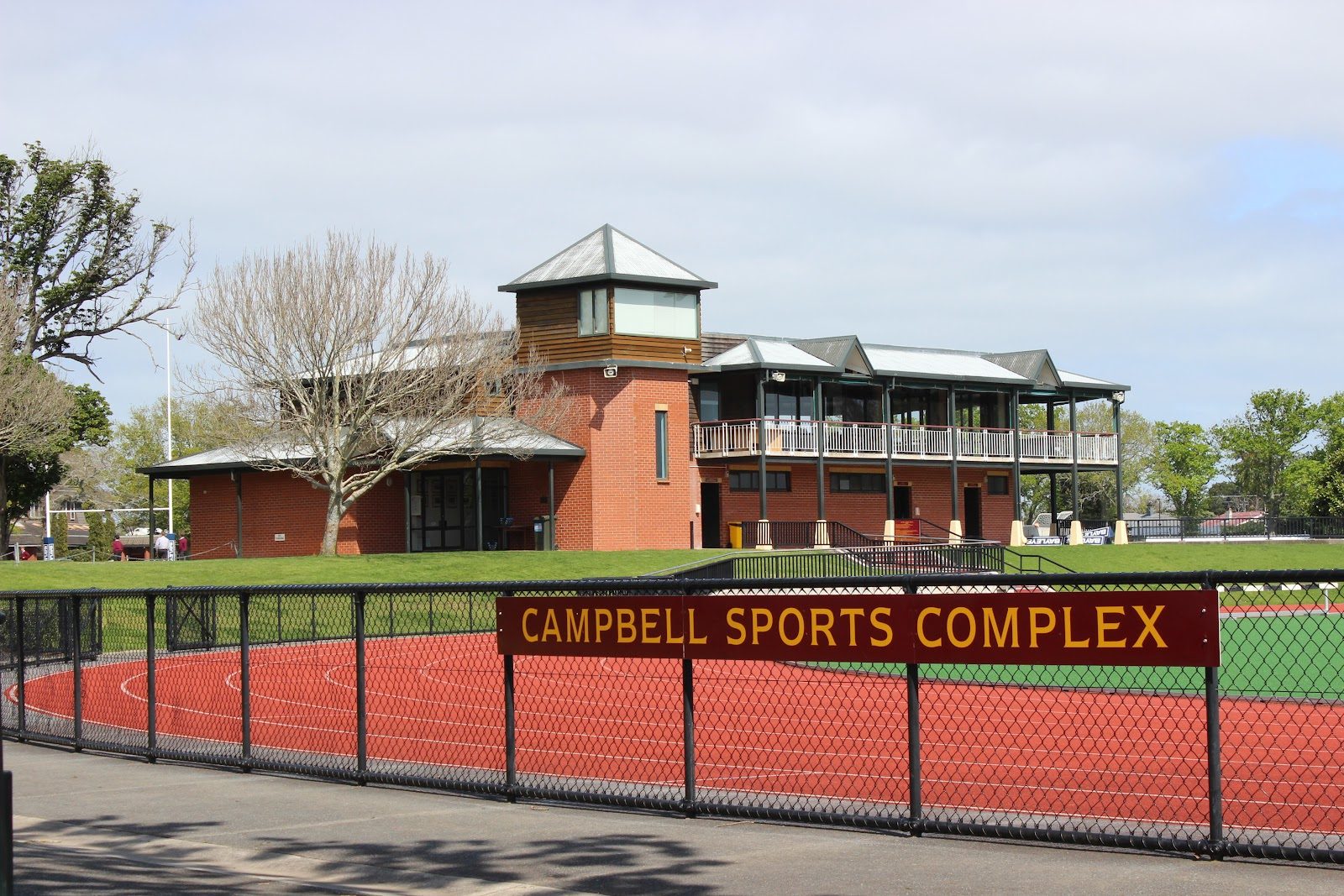
King's College (Auckland)
Auckland · New Zealand
Twelve houses anchor daily life on this Otahuhu campus, where mandatory alpine camps and blue-water sailing rounds out the classroom.
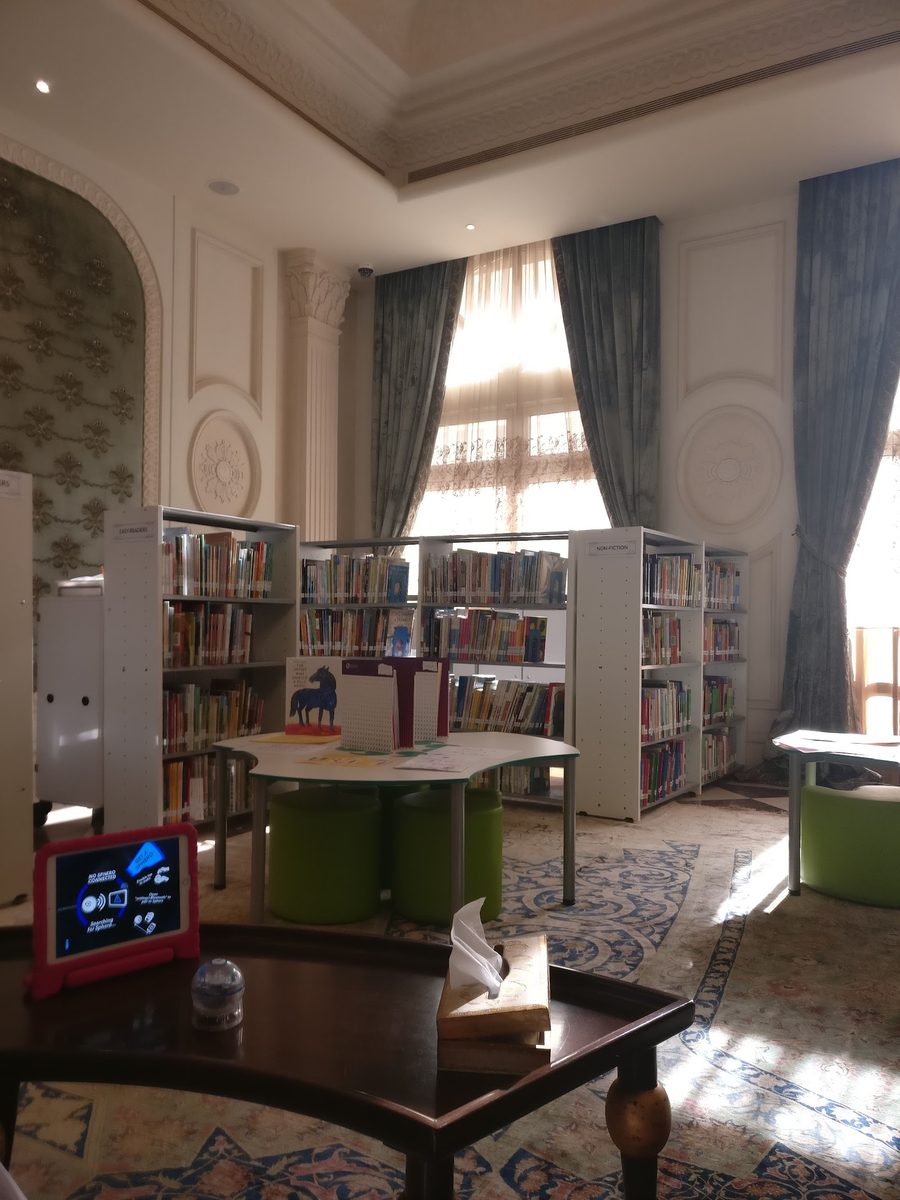
Misk Schools
Riyadh · Saudi Arabia
Nine single-sex academies share one royally founded Riyadh campus, built to engineer Vision 2030's next leaders.
Same country and curriculum — closest matches within ±10 points either way