
Riyadh Province
Nine single-sex academies share one royally founded Riyadh campus, built to engineer Vision 2030's next leaders.
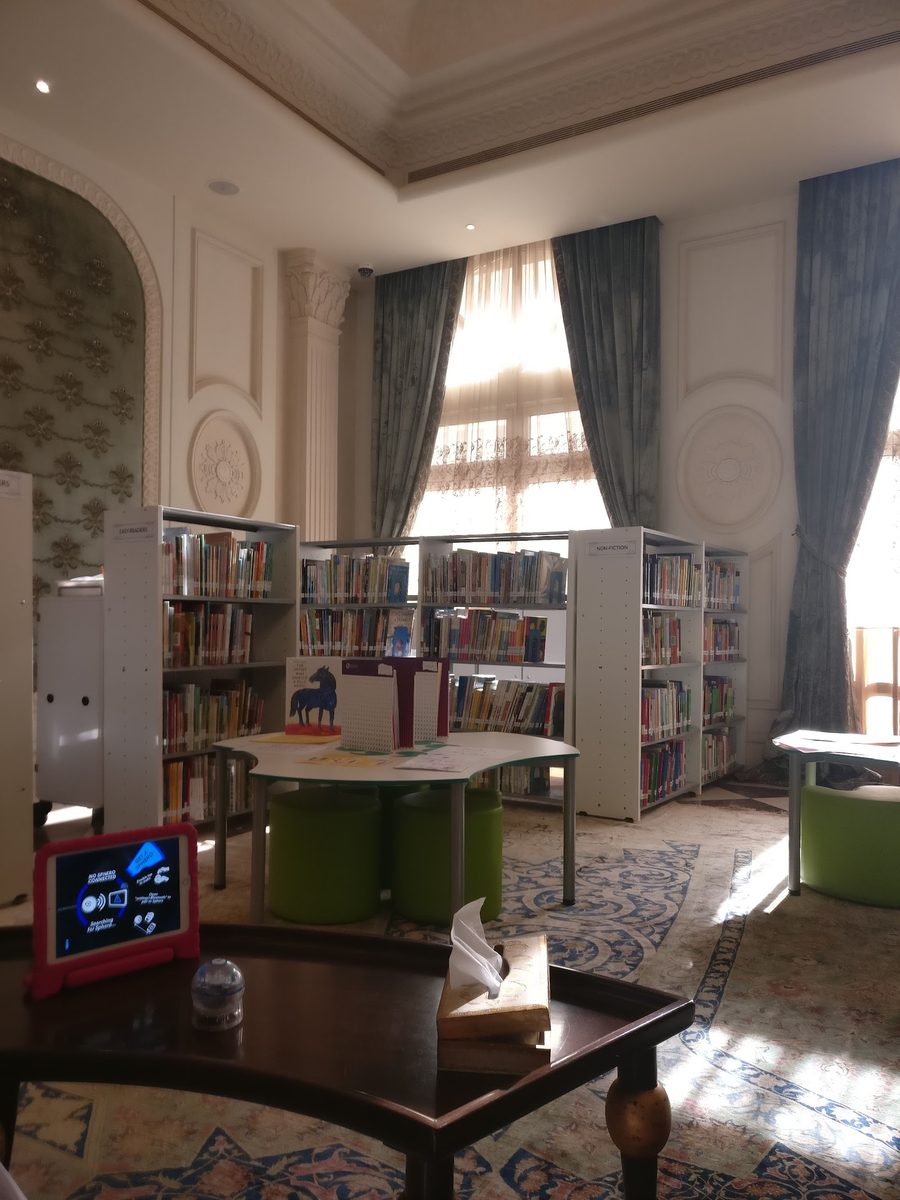
Photo © Hasan Ashour via Google Maps
Type
Day
Ages
3–18
Curriculum
British · IB
Ratio
—
The Verdict
Editor's commitment
Right for
Riyadh families who want a 2016-founded, non-religious day school teaching in English and Arabic across British and IB pathways.
Wrong for
Parents seeking boarding, a faith-based ethos, or a cheap option: Misk is day-only, non-religious, and averages $24,000 a year.
Watch out for
This 3–18 school talks hard about leadership and top universities, but it does not publish aggregate results; IBO accreditation alone is not proof.
Ranking breakdown
Misk Schools · #709 of 1591
Composite score 66.4. 8 weighted criteria.
By criterion
Academic Outcomes
Weight 20%
#668
of 1529 scored
University Placement
Weight 16%
#649
of 1529 scored
Prestige & Heritage
Weight 12%
#1219
of 1571 scored
Alumni Network
Weight 12%
#1191
of 1530 scored
Facilities
Weight 12%
#37
of 1533 scored
Transparency & Communications
Weight 8%
#456
of 1532 scored
Peer & Industry Review
Weight 10%
#424
of 1548 scored
Admissions Selectivity & Demand
Weight 8%
#547
of 1529 scored
Score history
Misk Schools · 2026
Movement across 2024–2026. Peer average overlaid.
Overall — 2024–2026
66.4/ 100
▲ +24.1 vs 2025
year on year
Peer & Industry Review
How Misk Schools is regarded in the sector
68
Respected · medium confidence
Misk Schools has moved quickly from start-up to sector benchmark, a trajectory sector press has been keen to track. WhichSchoolAdvisor's review notes an impressive early IGCSE cohort, with 24% of exam entries awarded the top Grade 9 at GCSE, whilst 45% of entries were awarded Grades 9-8, and highlights leadership under Director General Steffen Sommer, who is also Vice-Chairman of the Council of British International Schools (COBIS). Independent validation beyond the school gates came via Carfax Education's Schools Index, which named Misk Schools one of the world's top private schools, ranking among the top 150 globally and top 15 in the Middle East, standing alongside esteemed, long-established schools such as the UK's Eton College. Saudi Gazette also flagged that the school has become the first school in the Kingdom to be accredited under the Saudi Education and Training Evaluation Commission's new national standards and accreditation framework. As a still-young institution (opened 2016) tied closely to Vision 2030, its footprint is expanding rapidly but has not yet matched the decades-long alumni networks of the region's most established peer schools.
Editors' overview
Misk Schools is not a conventional single campus school. It is a Riyadh day school founded in 2016 by HRH Prince Mohammed bin Salman, covering ages 3 to 18 and teaching in both English and Arabic, with British and IB pathways under one roof. The editorial interest lies in the structure: nine single-sex academies share one campus, which gives Misk the scale and ambition of a national project rather than a standard private school. The school states its purpose with unusual clarity. This is an institution built to produce future-facing Saudi leadership, not to mimic an English prep school in the Gulf.
That focus gives Misk a distinct market position. In a Riyadh field crowded with schools selling either imported British familiarity or generic internationalism, Misk offers something more specific: a Saudi school with international academic architecture and an overt leadership brief. The curriculum is delivered in English, the school holds IB accreditation, and it says it uses the High Performance Learning philosophy, with an expectation that pupils progress to top universities in Saudi Arabia and overseas. The average annual day fee is $24,000, which places it in the premium bracket, though not at the extreme top end of the global international-school market. Parents paying for Misk are buying into mission as much as provision.
The school will suit children who are bright, driven and comfortable in an environment with high institutional ambition. It will also suit families who want serious academics without giving up a clear Saudi context. That matters: many international schools in the region talk about global citizenship in abstract terms; Misk ties its model directly to national development and Vision 2030. For the right family, that is a sharp differentiator. For others, it narrows the appeal. This is not the school for parents seeking a loose, bohemian, child-led culture or a low-pressure academic ride. It is for pupils who want structure, stretch and a school that treats leadership not as a poster-word but as the organising principle.
There are limits to what the school discloses publicly. It does not publish aggregate exam outcomes, university destination data, class sizes or student-teacher ratios, and that opacity matters in a school charging $24,000 a year on average. Still, the fundamentals are strong and unusually coherent: a 2016 foundation with royal backing, a 3–18 age range, bilingual instruction, British and IB curricula, and a campus model built around single-sex academies. Put plainly, Misk belongs on a shortlist for families who want a purpose-built elite school with Saudi roots, international academic credentials and an unapologetically selective, high-pressure sense of direction.
Academic Performance
Academic transparency is the weak point. Misk does not publish aggregate GCSE, A level or IB Diploma results, and it does not disclose university destinations in any usable public form. That leaves parents without the basic comparators that serious academic buyers expect: cohort attainment, score distributions, top-grade rates, value added, and destination depth beyond aspiration. For a school charging an average of $24,000 a year, that gap is hard to excuse. Schools that want to be judged among the region’s academic heavyweights need to publish outcomes with precision. Misk asks families to trust the model, the mission and the institutional backing; it does not yet give them the numbers that prove the academic case.
That does not put Misk in the weak-academics category; it puts it in the opaque one. The school’s stated ambition is unmistakably elite, and its use of High Performance Learning signals a culture built around stretch and attainment rather than soft progressivism. But in external examinations, published evidence matters more than philosophy. Against Riyadh peers that release IB averages, pass rates or destination lists, Misk sits at a disadvantage because comparison stops at promise. Until the school publishes a sustained run of exam data, its academic standing remains unverified in public, and parents must judge it more by institutional intent than by demonstrated outcomes.
Facilities
The campus is the major asset. Housing nine single-sex academies on one site gives Misk a scale that most Riyadh day schools do not match, and that matters for specialist provision. A structure like this supports serious timetable breadth, dedicated age-phase zones and facilities built for distinct cohorts rather than one-size-fits-all sharing. The school also foregrounds co-curricular life and student well-being, which points to more than bare academic classrooms. Against peer schools in the city, that places Misk in the big-infrastructure bracket: less intimate than a boutique operator, but stronger for families who want a purpose-built environment with room for sport, performance, events and parallel programming across multiple divisions.
The catch is public detail. Misk does not publish the kind of granular facilities map that top-tier competitors now treat as standard: named labs, theatre specifications, aquatics provision, design and technology spaces, library scale, or photographic evidence rich enough for parents to judge quality with confidence. That leaves the campus impressive in concept but under-evidenced in practical terms. In this market, peers at the premium end often show every pool lane, black box and science suite. Misk relies more on institutional confidence than disclosure. Parents touring in person will need to test whether the physical plant matches the school’s high-ambition pitch, and whether a large, segmented campus feels energising or over-engineered for their child.
The average annual day fee is $24,000, which places it in the premium bracket, though not at the extreme top end of the global international-school market
Prestige
Misk carries prestige in the way that matters in Saudi Arabia: proximity to state ambition, elite sponsorship and a mission tied directly to national leadership. That gives it a status few private schools can match. This is not prestige built on colonial legacy, century-old alumni networks or inherited old-school cachet; it is engineered prestige, backed by power, money and a clear sense of national purpose. For families who want their children educated inside that orbit, Misk sits in a rarefied category. The average annual fee of $24,000 reinforces that positioning: expensive enough to signal exclusivity, but the stronger marker is the school’s institutional backing and the seriousness of its leadership brief.
The limits are clear. International prestige still rests on externally legible proof: published exam results, university placements and a track record of leavers entering selective global institutions. Misk does not publish that evidence in aggregate, which holds it back from the fully proven status of the most established names in the market. Its reputation is therefore stronger in influence and intent than in publicly demonstrated outcomes. That does not make the prestige unreal; it makes it *top-down rather than earned over generations. In plain terms, Misk is a high-status* school with exceptional domestic clout and strong symbolic capital, but it has not yet converted that standing into the kind of transparent academic prestige that travels effortlessly across borders.
Against Riyadh peers that release IB averages, pass rates or destination lists, Misk sits at a disadvantage because comparison stops at promise
Communications
Misk’s parent communication has a clean, centralised backbone. The public site is orderly, the navigation is straightforward, and the presence of a parents’ portal points to a school that handles information through formal channels rather than ad hoc messaging. That fits the institution: this is a school with a high-control culture, and its communications carry the same stamp. The school states its mission, leadership intent and educational philosophy with unusual clarity. Parents will not struggle to work out what the school stands for. In that sense, communication is effective at the top level: the message is coherent, disciplined and institutionally confident. For families who value structure and clear direction, that is reassuring.
Where Misk is weaker is depth. The school communicates purpose better than proof. It does not publish the operational detail that demanding parents use to test whether day-to-day delivery matches the rhetoric: aggregate results, destination data, class-size information, or a fuller picture of facilities and student life. That creates a one-way feel. The school tells parents what it believes and what it wants for pupils; it tells them less about measurable outputs and practical realities. At an average annual fee of $24,000, that is a real shortcoming. Strong school communication is not only polished tone and tidy portals; it is disclosure. Misk is persuasive on mission and thin on evidence, which makes its parent communications effective in branding terms and weaker in accountability terms.
Uniqueness
What sets Misk apart is not a single programme or facility but the architecture of the institution itself. This is one campus organised into nine single-sex academies, with one governing idea running through all of them: education as leadership formation. Plenty of schools talk about character. Misk builds it into the operating model. The result for pupils is a school life with far tighter identity, clearer pastoral belonging and age-specific peer culture than a standard all-through international school can deliver, while still preserving the scale and resource base of a major educational project. That combination is rare, and in the Saudi market it is distinctive in substance, not just branding.
The other point of difference is ideological clarity. Misk does not sell generic globalism or soft, placeless international schooling. It ties high academic expectations to a direct national brief: producing principled young people who can contribute to Saudi society at a serious level. For students, that gives daily school life a sharper sense of purpose than the usual university-preparation script. Ambitious children benefit from that coherence; they know what the school is trying to build in them, and the adults do too. The downside is obvious. This is a high-definition model, not a broad church. Pupils who thrive on looseness, ambiguity or low institutional pressure will find the culture constraining. Pupils who want structure, expectation and a school with a state-scale mission will find very few equivalents.
That does not make the prestige unreal; it makes it top-down rather than earned over generations
Student Profile
The pupils who fit best here are able, ambitious and comfortable being measured. This is a school for children who like targets, respond to structure and do not wilt under expectation. The institution’s organising idea is leadership, so the strongest fit is not just an academically strong child but one with drive, self-command and the appetite to carry responsibility in public. That creates a student body with a high-pressure, purpose-driven feel. Children who enjoy competition, clear standards and adult seriousness will find that energising. Children who need looseness, anonymity or a softer pace will not. At an average annual fee of $24,000, the intake also sits in a plainly affluent bracket, with families buying into status, direction and social capital as much as classroom teaching.
This school also suits families who want their children educated inside a distinctly Saudi frame without giving up international ambition. The ideal pupil is engaged, polished and ready to move between local identity and outward-facing aspiration without friction. Because the school runs as nine separate academies on one site, students who value belonging to a defined peer group tend to fare better than those who prefer an informal, mixed social environment. There is also a temperament question. Misk will reward children who are self-possessed, institutionally minded and willing to be stretched beyond academics into conduct, service and visible contribution. It is not for the faint-hearted, and that is part of its appeal.
In that sense, communication is effective at the top level: the message is coherent, disciplined and institutionally confident
Co-curricular strengths
Arts & sport, on a separate axis
Overall 8.5/10
Scored 0-10 from the school's own published evidence. This axis is editorial-only — it does not feed the main WTS ranking.
Sports
9/10
Football, Basketball, Swimming and Tennis as extracurriculars.
Drama
8.5/10
Drama appears explicitly in the extracurricular list.
Dance
8/10
Music
8.5/10
School choir as a music activity, but provides no additional evidence of ensembles, specialist staff, facilities or performances.
Visual Arts
8.5/10
Visual arts is explicitly named in the extracurricular list, with no further detail about studios, exhibitions, specialist teachers or programme breadth.
Editor first-pass · editor-reviewable · 7/27/2026
Strengths
- +British and IB curriculum pathways
- +Bilingual teaching in English and Arabic
- +Day school for ages 3–18
- +10:1 student-teacher ratio
Considerations
- −Annual fees around $24,000
- −No boarding option
- −Only IBO accreditation listed
Availability
Primary entry gate & tests
CAT4 / Assessment
Gallery
Photo © Hasan Ashour via Google Maps
Photo © Zafer Ahmed via Google Maps
Photo © Adil Bokhari via Google Maps
Photo © abdullah hamethy via Google Maps
Photo © abdullah hamethy via Google Maps
Photo © abdullah hamethy via Google Maps
Photo © Mohamed Osman salih via Google Maps
Photo © Dr:Abdullah Alali via Google Maps
Photo © مدارس مسك Misk Schools via Google Maps
Parent reviews
Have you sent your child here?
Voice reviews carry the strongest trust badge — we transcribe them for you to tidy up before they go live. Prefer to type? A written review is fine too.
Add your voice
In 60 seconds, tell other parents: what's the best thing about Misk Schools, and what surprised you when your child joined?
We ask for a Google sign-in so every review has a real face behind it — no anonymous drive-by attacks on schools, and no faked positive reviews. Your email is never shown publicly.
Send this profile to a friend
International parents rely on word-of-mouth. Share this review with someone weighing the same decision.
Schools with places
Similar schools to Misk Schools with places available now.
Multinational School Riyadh
Riyadh · Saudi Arabia
- 2026-27
- PLACES OPENApps open / space-dependent
- 2027-28
- WAITPOOL2027/28 timetable TBC
British International School Riyadh
Riyadh · Saudi Arabia
- 2026-27
- WAITPOOLSpace-dependent
- 2027-28
- PLACES OPENRolling
Availability first, then country, area, curriculum, price, co-curricular
Consider also
Also worth looking at alongside Misk Schools.
The British International School of Jeddah
Jeddah · Saudi Arabia
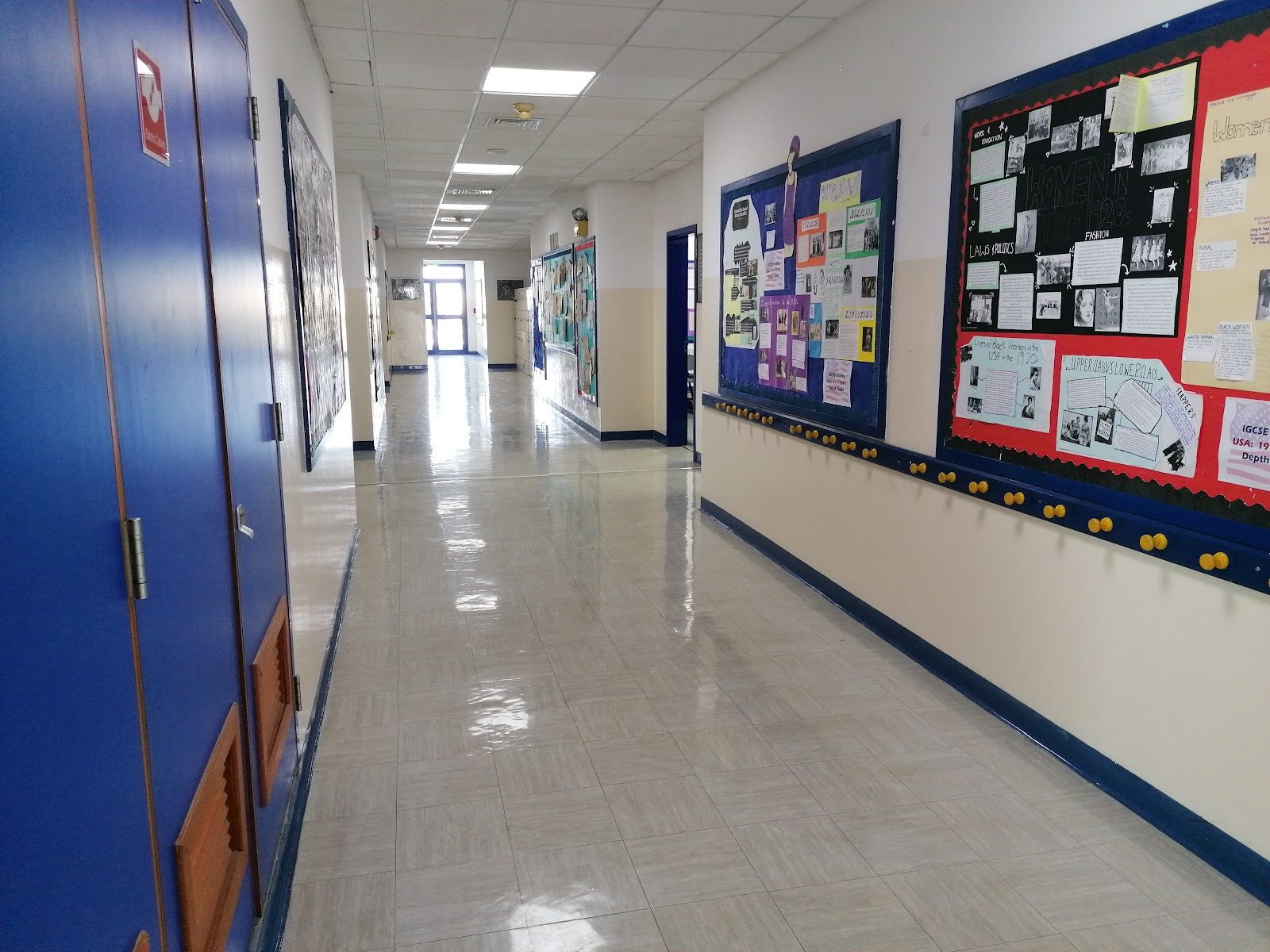
Born in a British Embassy room in 1977, this Jeddah 'Conti' became the first British-style school worldwide to earn ECIS accreditation.
KAUST School
Thuwal · Saudi Arabia
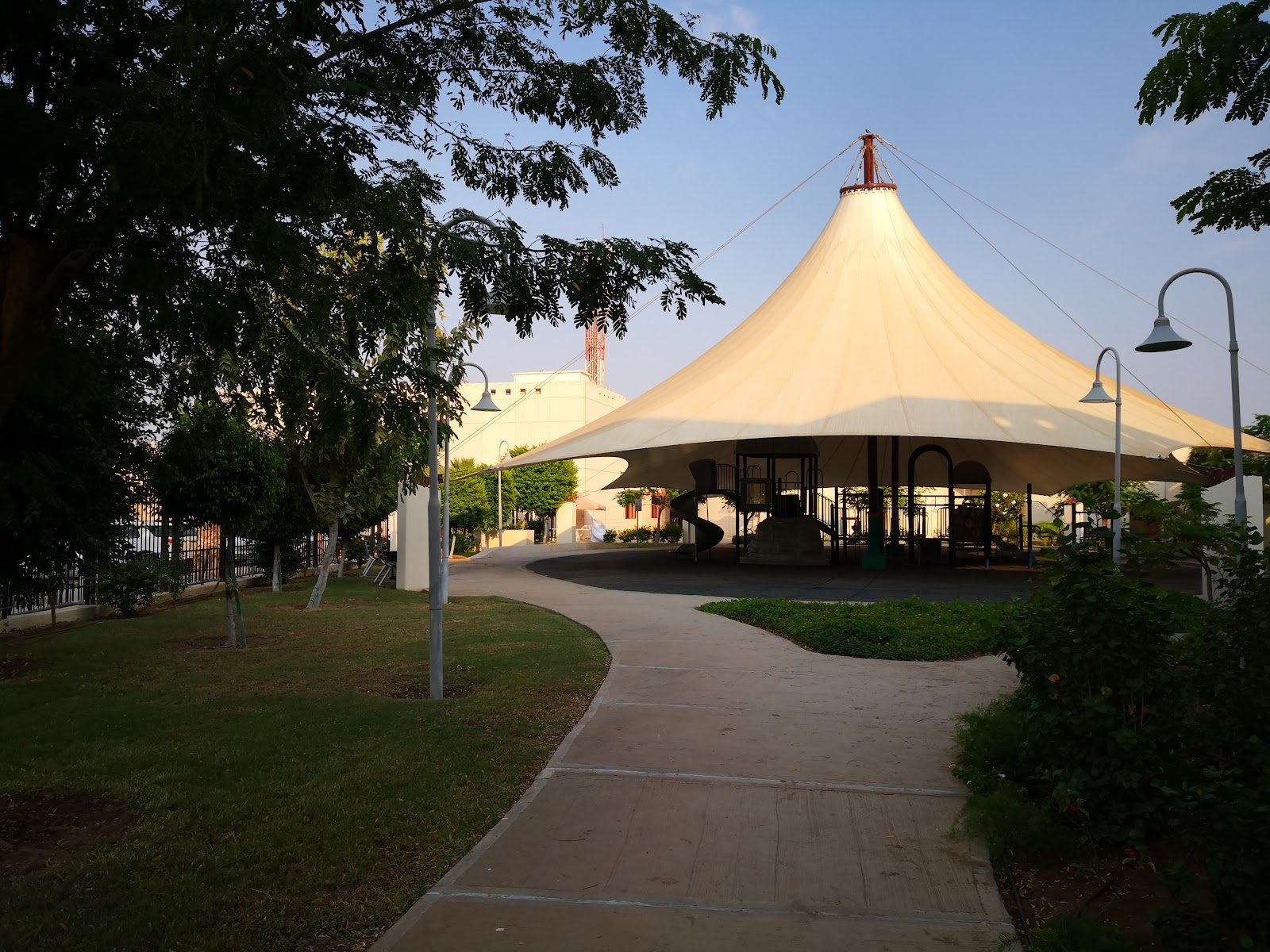
Set inside a Red Sea research university campus, this IB continuum school pairs inquiry-based learning with a working scientific community.
Multinational School Riyadh
Riyadh · Saudi Arabia
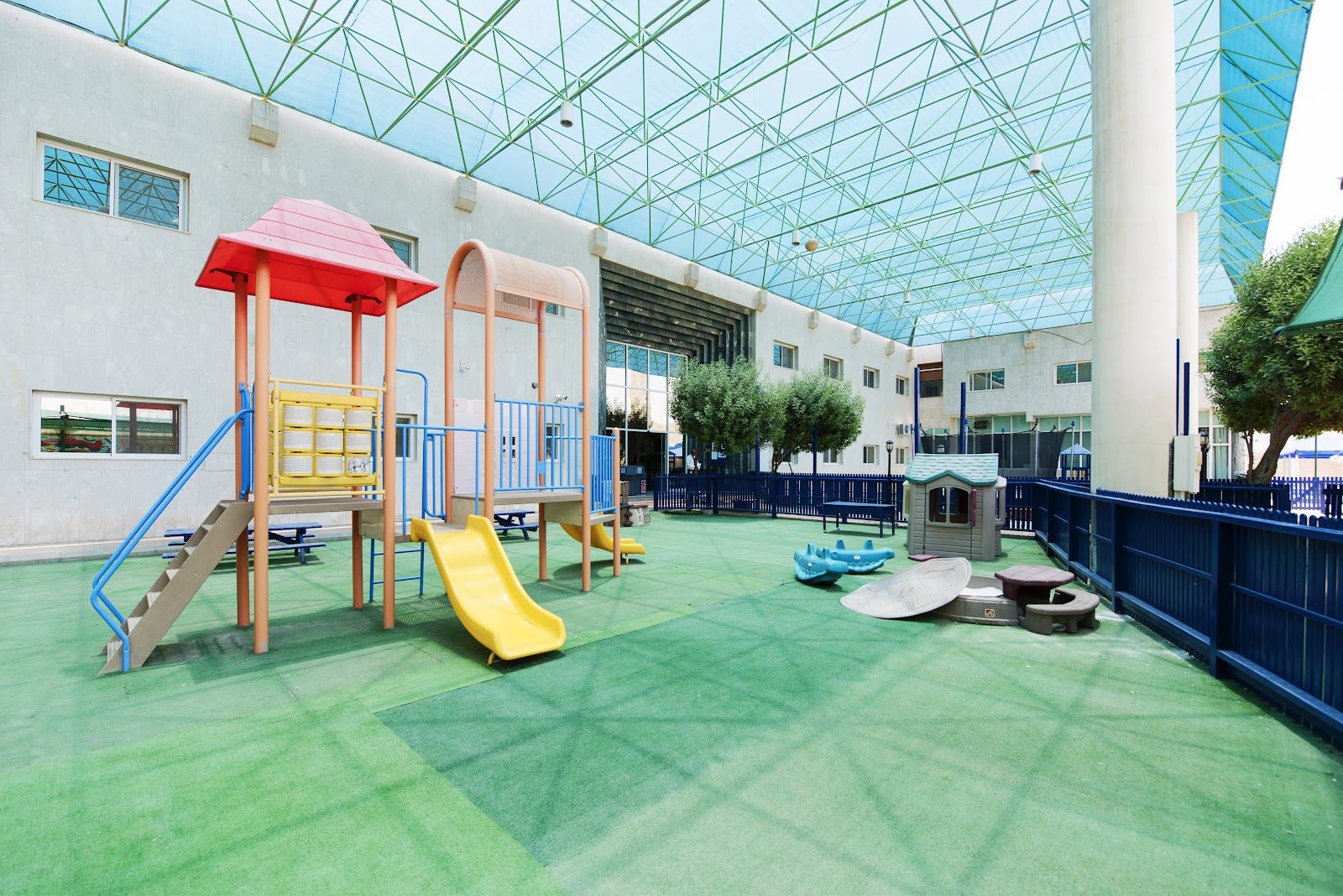
A 1998-founded British day school in Riyadh built its reputation on inclusive teaching and one of the region's most developed learning-support programmes.
Jeddah Prep and Grammar School
Jeddah · Saudi Arabia
Founded in 1967 as the region's first British school, blending Cambridge rigor with a not-for-profit, fifty-nation community ethos.
Same country and curriculum — closest matches within ±10 points either way